


1 Michelin Star · La Liste Top Restaurants · Black Pearl 2 Diamond
Our verdict
Xin Rong Ji brings Taizhou cuisine to Hangzhou's West Lake district with a level of recognition that few regional Chinese restaurants achieve: one Michelin star, Black Pearl 2 Diamond, and an OAD Asia ranking of #8 in 2024. Under chef Ding Yong, the kitchen holds firm to the coastal flavors of Taizhou while operating at a price point that sits below most of its award-tier peers.

Pearl is the En Primeur Club membership app — saves, bookings, and concierge access live there. Same editors, same standards.
- Address
- China, Zhejiang, Hangzhou, Xihu, 29, Yanggongdi, 29号花圃内 邮政编码: 310058
- Phone
- +86 571 8709 7077
- Directions
- Get directions
The menu
What to order
- Deep-fried hairtail
- Braised giant yellow croaker
- Virgin crab stewed with baby potatoes
A Regional Tradition, Rigorously Executed
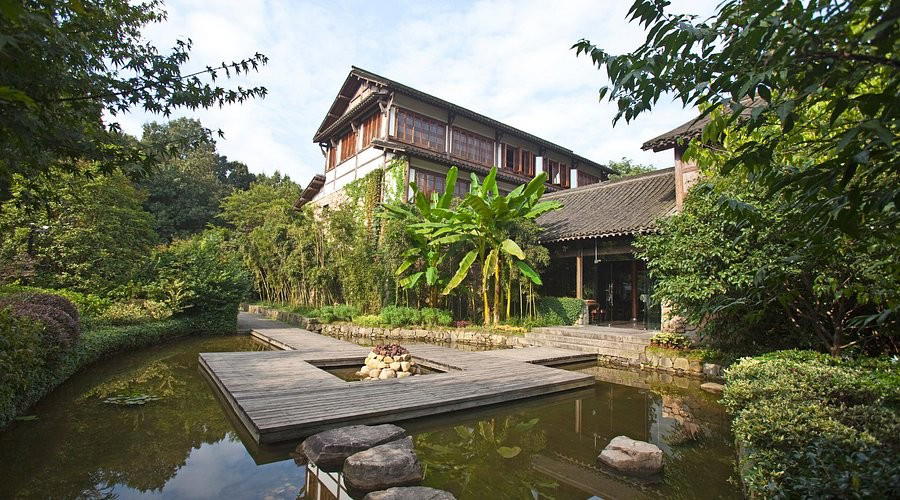
Hangzhou's fine dining scene has long been framed around Zhejiang cuisine, the broader regional canon that includes the city's own light, sweetness-forward cooking style. Taizhou cuisine occupies a more specific position within that canon: a coastal sub-tradition from southern Zhejiang, built around seafood, yellow rice wine, and a salinity that distinguishes it from the comparatively delicate Hangzhou mainstream. Restaurants that represent this tradition at high-end level are scarce outside of Taizhou itself, which makes the Yanggongdi address of Xin Rong Ji — set inside a garden compound near West Lake — an editorial point worth stating plainly. The kitchen is not adapting Taizhou flavors for a broader audience; it is presenting them with the kind of precision that earns institutional recognition.
The address places Xin Rong Ji in one of Hangzhou's more considered dining corridors, where garden settings and lake-adjacent atmosphere have become part of the premium dining proposition. At the ¥¥¥ price range, xinrongji sits in a tier that is more accessible than some of its direct award peers in the city, including Ru Yuan and Ambré Ciel, both of which command a higher spend. That positioning is part of the value argument: the credential stack here is substantial, and the price does not fully reflect it.
The Award Trajectory
The recognition profile for Xin Rong Ji is not static. The restaurant held a Michelin one-star rating in both 2024 and 2025, confirming consistency at that level rather than a single-year anomaly. Alongside that, Black Pearl 2 Diamond status in 2025 places it in the mid-tier of China's own restaurant awards system, which runs independently of Michelin and applies different evaluative criteria weighted toward service, ingredient sourcing, and cultural authenticity. A La Liste score of 85.5 points in 2025 adds a third credentialing system to the picture.
Most striking data point, however, comes from Opinionated About Dining, a platform whose Asia rankings draw on a large base of food-focused contributor votes rather than anonymous inspector methodology. Xin Rong Ji ranked #5 in OAD's Leading Restaurants in Asia in 2023 and #8 in 2024. For a restaurant specialising in Taizhou cuisine, a regional Chinese sub-tradition with limited international profile, that level of recognition within a community of informed eaters is a meaningful signal. Comparable performers in the OAD Asia list include high-profile Japanese and French-influenced operations in Tokyo, Hong Kong, and Singapore.
Across China, other xinrongji-branded addresses have attracted similar scrutiny. The Xin Rong Ji on Xinyuan South Road in Beijing and the Xin Rong Ji in Chengdu each operate within the same culinary framework, making the group one of the more credentialed proponents of Taizhou cuisine operating at scale.
What Taizhou Cuisine Actually Means
Understanding what Xin Rong Ji is serving matters more than cataloguing its awards. Taizhou cuisine developed along the coastal areas of southern Zhejiang province, where fishing communities shaped a palate around freshness of catch, restrained seasoning, and the use of aged yellow rice wine as a flavoring base rather than a finishing note. The tradition emphasizes texture in seafood, particularly cephalopods and shellfish, and tends toward a bolder salinity than the more celebrated Hangzhou-style cooking. Where Zhejiang cuisine broadly tends toward subtle sweetness and clarity, Taizhou cooking is more assertive, more coastal in character, and historically less visible in the premium restaurant tier.
That relative obscurity at the fine-dining level is partly what makes a kitchen like this one worth attention. Elevating a regional Chinese tradition to Michelin-starred execution requires not just technique but also access to sourcing networks and an understanding of when restraint serves a dish and when it undermines the tradition's character. Chef Ding Yong operates within that framework, and the sustained multi-year recognition confirms that the kitchen is not simply relying on ingredient quality alone.
For comparative context within Hangzhou's Chinese fine-dining tier, Guiyu (Xihu) and Hangzhou House both work within the broader Zhejiang tradition at high-end level, while Jie Xiang Lou offers a different entry point into the city's regional cuisine. None of them are doing what Xin Rong Ji is doing with Taizhou specifically, which is a narrower, more defined culinary argument.
The Value Proposition in Context
The editorial angle here is not that Xin Rong Ji is cheap. At the ¥¥¥ tier, this is a considered spend. The argument is that the credential-to-price ratio is favorable when measured against comparable award-holding restaurants in the same city and across China's major dining destinations. Chef Tam's Seasons in Macau, Imperial Treasure Fine Chinese Cuisine in Guangzhou, and Dai Yuet Heen in Nanjing represent the kind of credentialed Chinese fine dining that typically commands ¥¥¥¥ pricing or higher. Xin Rong Ji's multi-award standing at the ¥¥¥ level is, by that measure, a relatively efficient way to access this tier of cooking.
For international readers calibrating expectations, this is a different value equation than what applies at, say, Le Bernardin in New York or Atomix, where tasting menu formats and USD pricing create a different calculus. At Xin Rong Ji, the format is shared-table Chinese dining rather than a Western-structured tasting progression, which means the spend per head can vary significantly depending on group size and ordering approach. That flexibility is part of what keeps the price tier accessible without compromising the kitchen's output. Similar logic applies at 102 House in Shanghai, where Chinese fine dining in a shared format offers a different cost structure than equivalent Western-influenced programming.
Planning a Visit
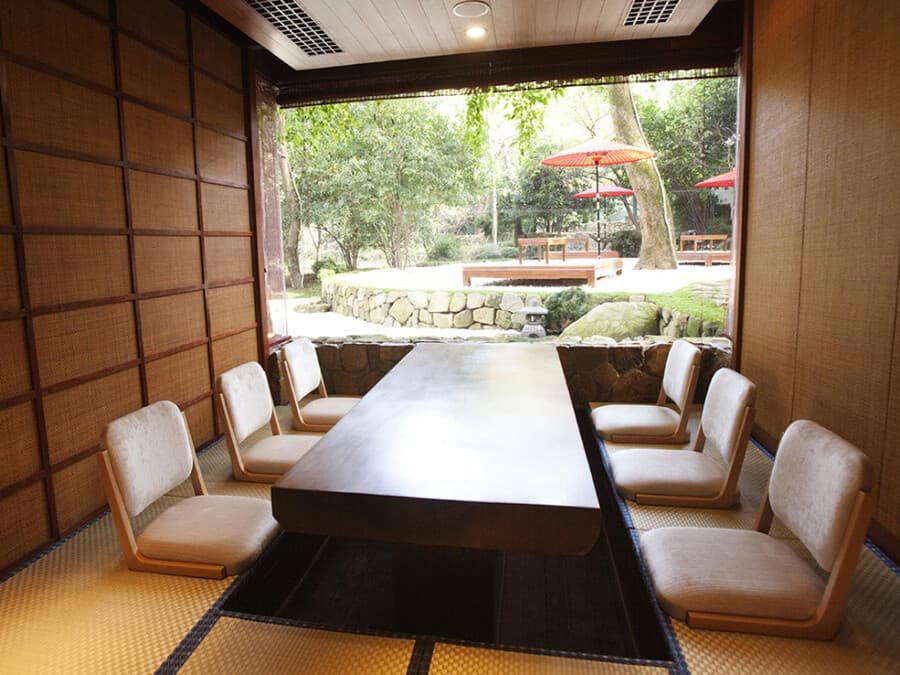
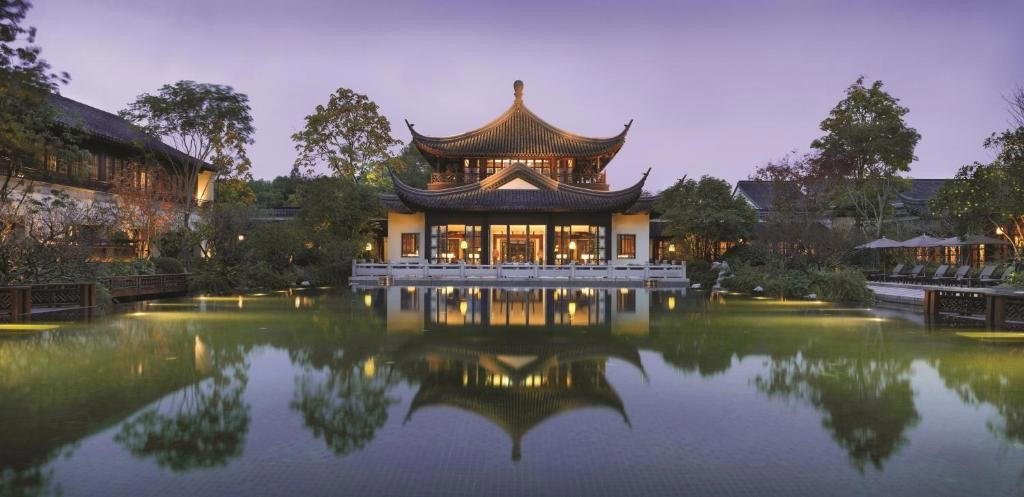
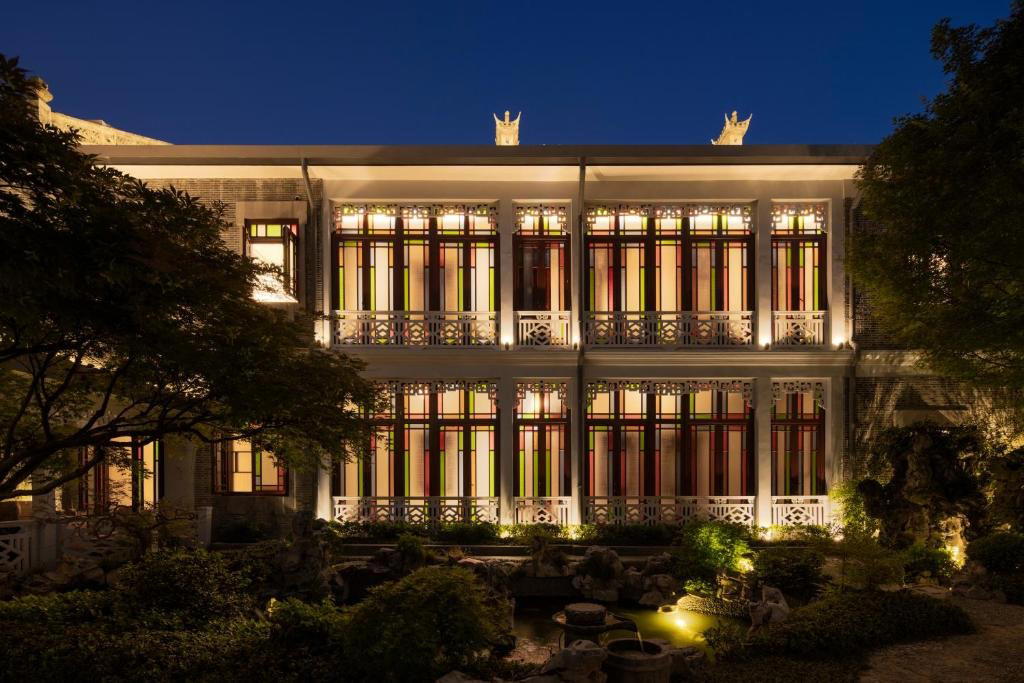
Xin Rong Ji operates at 29 Yanggongdi, within a garden compound in the Xihu (West Lake) district of Hangzhou. The setting is distinct from the city's commercial dining corridors and reflects a broader pattern in Hangzhou's premium restaurant culture of using historic or garden properties as part of the dining proposition. Service runs seven days a week, with a lunch window from 11:30 am to 2:30 pm and a dinner service from 5:00 pm to 10:30 pm. For the full picture of what Hangzhou's dining scene offers across styles and price tiers, see our full Hangzhou restaurants guide. Those planning a broader stay in the city can also consult our Hangzhou hotels guide, our bars guide, our wineries guide, and our experiences guide for a full picture of what the city offers.
Know Before You Go
- Address: 29 Yanggongdi, Xihu District, Hangzhou, Zhejiang, China
- Cuisine: Taizhou (southern Zhejiang coastal tradition)
- Chef: Ding Yong
- Price range: ¥¥¥
- Hours: Daily, 11:30 am–2:30 pm and 5:00–10:30 pm
- Awards: Michelin 1 Star (2024, 2025); Black Pearl 2 Diamond (2025); La Liste 85.5pts (2025); OAD Leading Restaurants in Asia #8 (2024), #5 (2023)
- Booking: Advance reservation recommended given award-tier demand; specific booking method not confirmed
Frequently asked questions
What's the address for Xin Rong Ji?
Xin Rong Ji is located at China, Zhejiang, Hangzhou, Xihu, 29, Yanggongdi, 29号花圃内 邮政编码: 310058, Hangzhou.
Is Xin Rong Ji more mid-range or high-end?
Pricing at Xin Rong Ji is listed as ¥¥¥.
Is Xin Rong Ji Michelin-listed?
Xin Rong Ji has received recognition including: La Liste Top Restaurants (2025): 85.5pts; Black Pearl 2 Diamond (2025); Michelin 1 Star (2025); Opinionated About Dining Top Restaurants in Asia Ranked #8 (2024); Michelin 1 Star (2024); Opinionated About Dining Top Restaurants in Asia Rank….
What dish is Xin Rong Ji famous for?
Xin Rong Ji's reputation is grounded in Taizhou cuisine, a coastal sub-tradition from southern Zhejiang province that foregrounds seafood and yellow rice wine preparations. The style is distinct from the sweeter, lighter Hangzhou canon that dominates most of the city's fine dining rooms. Chef Ding Yong's consistent execution of this tradition earned a Michelin star in both 2024 and 2025, alongside an OAD Top Restaurants in Asia ranking of #5 in 2023 and #8 in 2024.
Booking and Cost Snapshot
A short peer table to compare basics side-by-side.
| Venue | Cuisine | Price | Awards | Notes |
|---|---|---|---|---|
| Xin Rong JiThis venue — the venue you are viewing | Taizhou Cuisine | $50–100 | 1 Michelin Star · La Liste Top Restaurants | Not listed |
| 28 Hubin Road | Modern Zhejiang Fine Dining | $50–100 | Michelin Plate · La Liste Top Restaurants | Zhejiang |
| Ru Yuan | Modern Hangzhou Fine Dining | $150–200 | 2 Michelin Stars · World's 50 Best #10 | Zhejiang |
| L'éclat 19 | French-Chinese Fusion Fine Dining | Not listed | 1 Michelin Star | French Contemporary |
| Song | Ningbo Chinese Fine Dining | Not listed | 1 Michelin Star | Ningbo |
| Wild Yeast | Tai-French Chinese Contemporary | Not listed | 1 Michelin Star · Black Pearl 1 Diamond | Chinese Contemporary |
Recognition history
Dated appearances from independent guides and award organizations, with the underlying list record or original source where available.
Michelin 1 Star
Michelin
La Liste Top Restaurants
La Liste
Black Pearl 2 Diamond
Black Pearl
Opinionated About Dining Top Restaurants in Asia Ranked #8
Opinionated About Dining
Full recognition history (7 entries)
Black Pearl 2 Diamond
Black Pearl
Michelin 1 Star
Michelin
Opinionated About Dining Top Restaurants in Asia Ranked #5
Opinionated About Dining