On Hefang Street, one of Hangzhou's oldest commercial corridors, Fuyuanju occupies a position shaped by centuries of Zhejiang culinary tradition. The address places it inside a neighbourhood where food culture and heritage architecture overlap, making it a reference point for visitors tracing the flavours that define this city's identity. Proximity to West Lake and the old quarter means the context is as much about place as it is about plate.
Pearl is the En Primeur Club membership app — saves, bookings, and concierge access live there. Same editors, same standards.
- Address
- 35 Hefang St, Shangcheng District, Hangzhou, Zhejiang, China, 310002
- Phone
- +8657187038018
- Directions
- Get directions
 Saves & bookings on Pearl
Hefang Street and the Weight of Context
Approaching Fuyuanju from Hefang Street in the Shangcheng District, you walk through one of Hangzhou's most historically layered corridors. The street has been a commercial artery since the Song Dynasty, and the air carries that density, stone pavement underfoot, the low hum of pedestrian traffic, shopfronts whose proportions recall an older Hangzhou before the glass towers arrived on the western lakefront. Number 35 sits within this fabric, and the address is not incidental. In a city where proximity to West Lake shapes real estate values and tourist patterns in roughly equal measure, Hefang Street occupies a different register: it is a neighbourhood defined by local habit as much as by visitor itinerary.
Zhejiang cuisine, the regional tradition that gives Hangzhou its culinary identity, has always prized restraint over intensity. The tradition draws on freshwater ingredients from the lake system, seasonal produce from the surrounding hills, and a light hand with seasoning that lets the ingredient carry the dish. This is not cuisine built on spice or smoke, it is built on timing, sourcing, and the discipline to leave well enough alone. Fuyuanju, situated at this particular address in this particular neighbourhood, belongs to a long lineage of establishments that have tried to give that restraint a fixed home.
Zhejiang Tradition in a Competitive Field
Hangzhou's premium dining scene has consolidated around a recognisable tier structure over the past decade. At the higher end, restaurants like Ru Yuan (Zhejiang) position themselves at the ¥¥¥¥ tier, with service formats and sourcing programs calibrated to a national and international audience. Below that, the ¥¥¥ bracket holds a cluster of well-regarded addresses, including Guiyu (Xihu), Hangzhou House, and Jie Xiang Lou, that serve Zhejiang cuisine with varying degrees of formality and culinary ambition. Ambré Ciel (Innovative) represents a separate strand, applying a more experimental framework to similar regional ingredients.
Fuyuanju's Hefang Street location places it in conversation with this competitive field while anchoring it to a neighbourhood that operates outside the lakefront hotel dining circuit. That geographical distinction matters: venues on Hefang Street draw primarily from local foot traffic and from visitors specifically seeking older commercial districts rather than resort-zone restaurants. The culinary tradition of the street, snack houses, tea shops, preserved-food sellers, creates a context in which a restaurant serving classical Zhejiang cooking reads as an extension of existing neighbourhood character rather than an imported concept.
Across East China more broadly, the tension between classical regional cooking and modernised presentations has produced a bifurcated dining scene. In Shanghai, Fu He Hui applies a high-design sensibility to vegetarian and traditional ingredients. In Macau, Chef Tam's Seasons blends Cantonese technique with contemporary plating logic. Even in cities not typically associated with fine dining, Wenru No.9 in Fuzhou, Pingjiangsong in Suzhou, the direction of travel has been toward greater formality and higher price points. Against this backdrop, restaurants that hold a classical register on a heritage street occupy a distinct and increasingly rare position.
Sensory Register: What the Address Promises
The atmospheric logic of Hefang Street is worth understanding before arriving. The street operates on foot-pace time, this is not a neighbourhood for vehicles or haste. In autumn, when Hangzhou's crab season peaks and osmanthus flowers scent the air from the hillside parks nearby, the street's sensory density increases noticeably. The osmanthus fragrance, sweet and faintly medicinal, drifts through open doorways and mingles with the smell of braised meats and rice wine that characterises the area's cooking smells at service hours.
Zhejiang cuisine's flavour signature, mild, slightly sweet, rarely confrontational, is in some ways a culinary expression of the city's general aesthetic. Hangzhou prizes subtlety: the mist over West Lake, the gradual colour shifts of the surrounding hills, the architectural preference for grey tile and whitewashed walls over decorative excess. A restaurant on Hefang Street that cooks in the regional tradition is, in this sense, spatially consistent with its environment. The sight lines, the sounds of the street, and the flavours inside the room are asking the same question: how little intervention is required to let something good speak for itself?
For visitors building a broader itinerary around classical Chinese regional cooking, the Zhejiang tradition at addresses like this sits in instructive contrast with Taizhou's bolder, brinier seafood approach (represented in the wider region by venues like Xin Rong Ji in Beijing and Xin Rong Ji in Chengdu) or with the Cantonese precision found at Imperial Treasure in Guangzhou and Dai Yuet Heen in Nanjing. The contrast clarifies what Hangzhou cooking is doing, and what it is deliberately not doing.
Planning Your Visit
Hefang Street is walkable from major West Lake access points, and the Shangcheng District is well-served by Hangzhou's metro network. The neighbourhood is most atmospheric in the late afternoon and evening, when foot traffic thickens and the street's food stalls operate alongside sit-down restaurants. Autumn (October through November) is often treated as Hangzhou's most compelling season for food: hairy crab from nearby Yangcheng Lake reaches its seasonal peak, and the cooler temperatures drive demand for the braised and slow-cooked dishes that define the heavier register of Zhejiang cooking. Spring, with its bamboo shoot harvest, offers the lighter counterpart. Contact details for Fuyuanju are not currently listed in public directories; visiting the address directly or enquiring through local hotel concierge services is advisable. For a broader orientation to Hangzhou's restaurant scene across price tiers and neighbourhoods, our full Hangzhou restaurants guide provides context that helps locate any single address within the city's dining geography.
Visitors who have previously engaged with high-formality tasting formats at venues like Le Bernardin in New York City or Lazy Bear in San Francisco will find Zhejiang street-level dining a different proposition, less ceremony, less sequencing, more immediacy. That difference is the point. Likewise, diners returning from Fleurs Et Festin in Xiamen or Shang Palace in Yangzhou will arrive with a useful regional frame of reference. Hefang Street asks that you slow down, eat at neighbourhood pace, and let the address do some of the interpretive work.
Comparable Spots
Comparable venues nearby, for context on price, style, and recognition.
| Venue | Cuisine | Price | Notes |
|---|---|---|---|
| FuyuanjuThis venue — the venue you are viewing | Authentic Hangzhou Cuisine | $$ | Not listed |
| Tianlunli | Jiangnan Crab Specialist | $$$ | Hangzhoushi |
| Four Seasons Hotel Hangzhou at West Lake Jin Sha | Seasonal Zhejiang Fine Dining in a Lakeside Four Seasons | $$$$ | Xihu |
| Hangzhou House at Amanfayun | Refined Zhejiang Cuisine | $$$$ | Xihu |
| ZiWei Ting | Hangzhou Cuisine | $$$$ | XiHu District |
| GuiYu Restaurant | Refined Zhejiang (Hangzhou) cuisine in a garden villa setting | $$$ | Xihu |
At a Glance
- Classic
- Cozy
- Family
- Casual Hangout
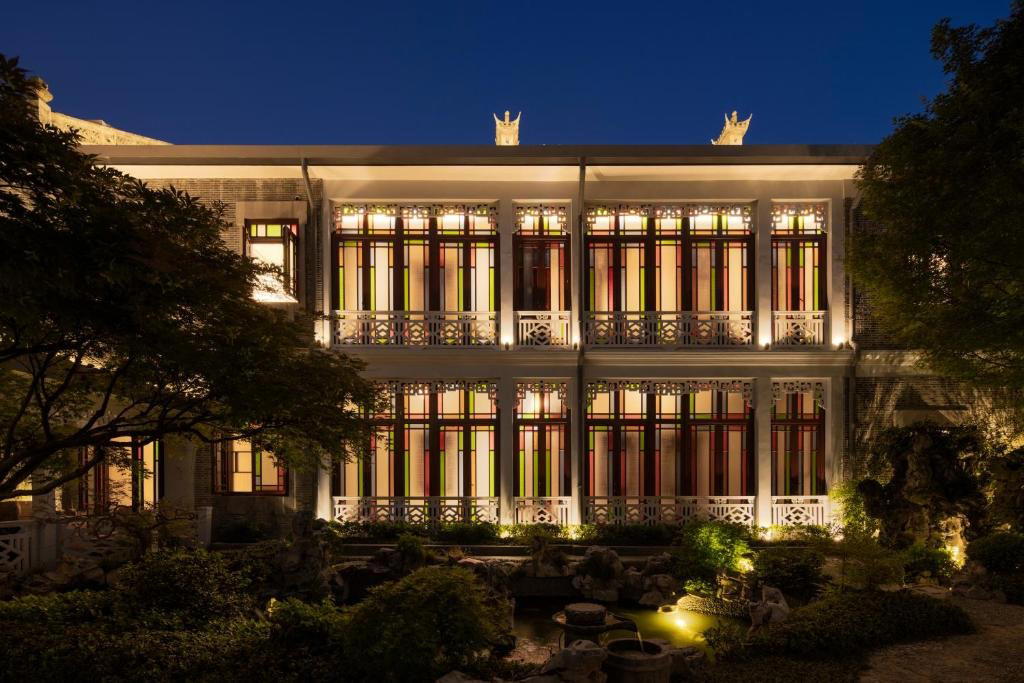
- Historic Building
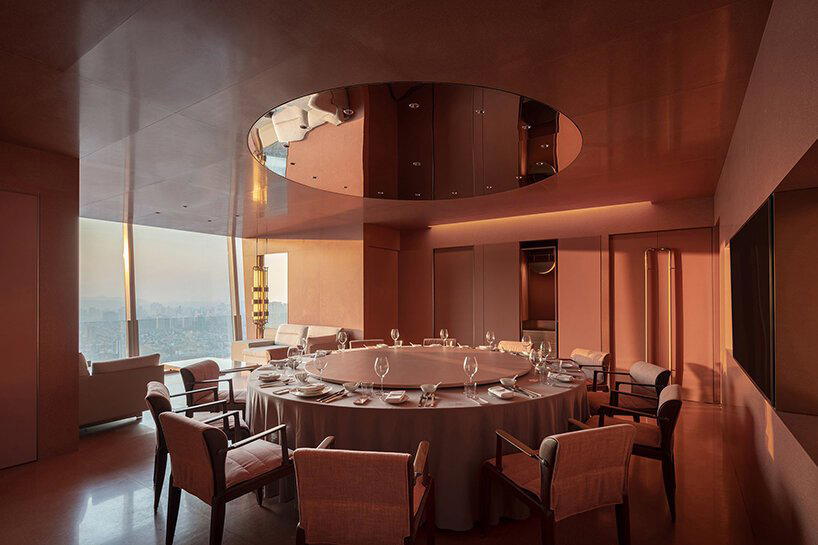
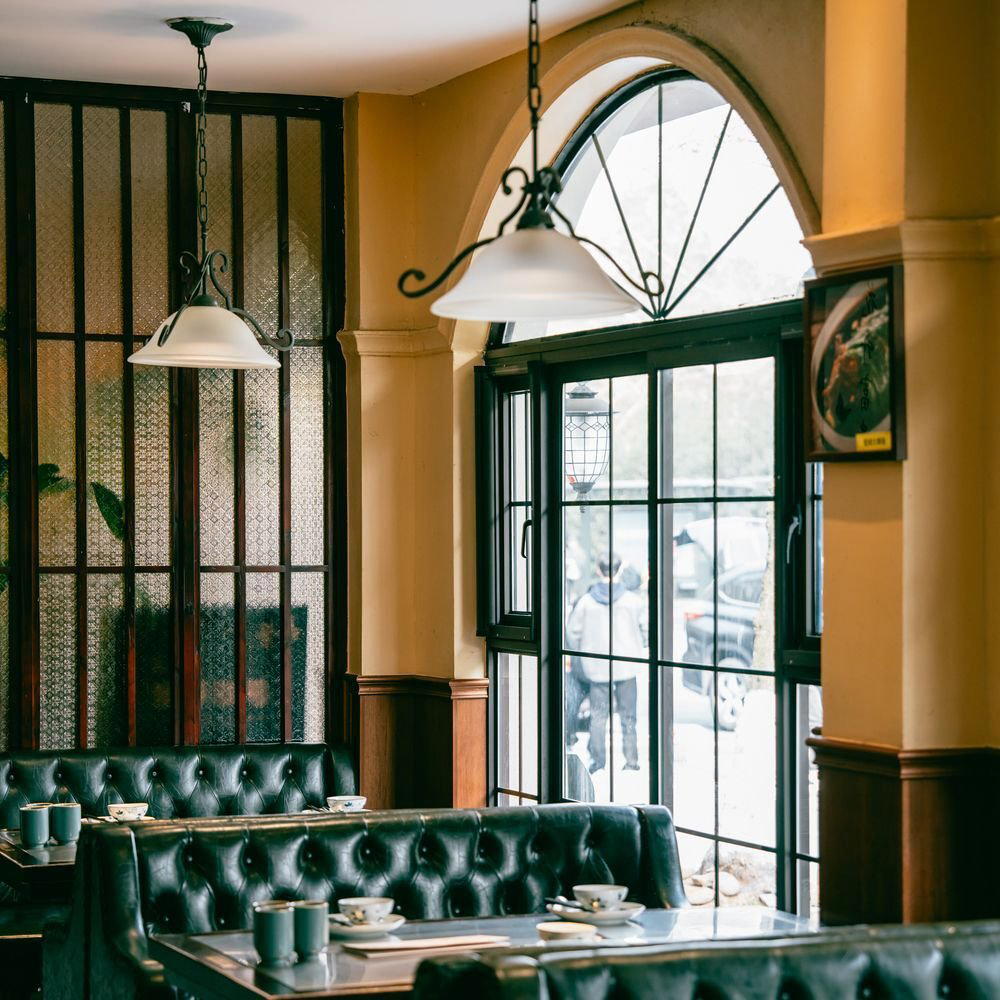
Unassuming yet cozy with rich gastronomic sincerity, offering hearty traditional cooking.