
Small Luxury Hotels of the World Member
A century-old restored villa on Hangzhou's North Mountain Street, Qiushui Villa occupies one of the city's most historically layered addresses beside West Lake. Butler service, European dining, and an infinity pool frame a property that positions itself at the intersection of Chinese architectural heritage and contemporary hospitality. For visitors seeking a slower, more considered pace, it offers a deliberate counterpoint to the city's larger luxury brands.

Pearl is the En Primeur Club membership app, where members save venues, book tables and use the concierge.
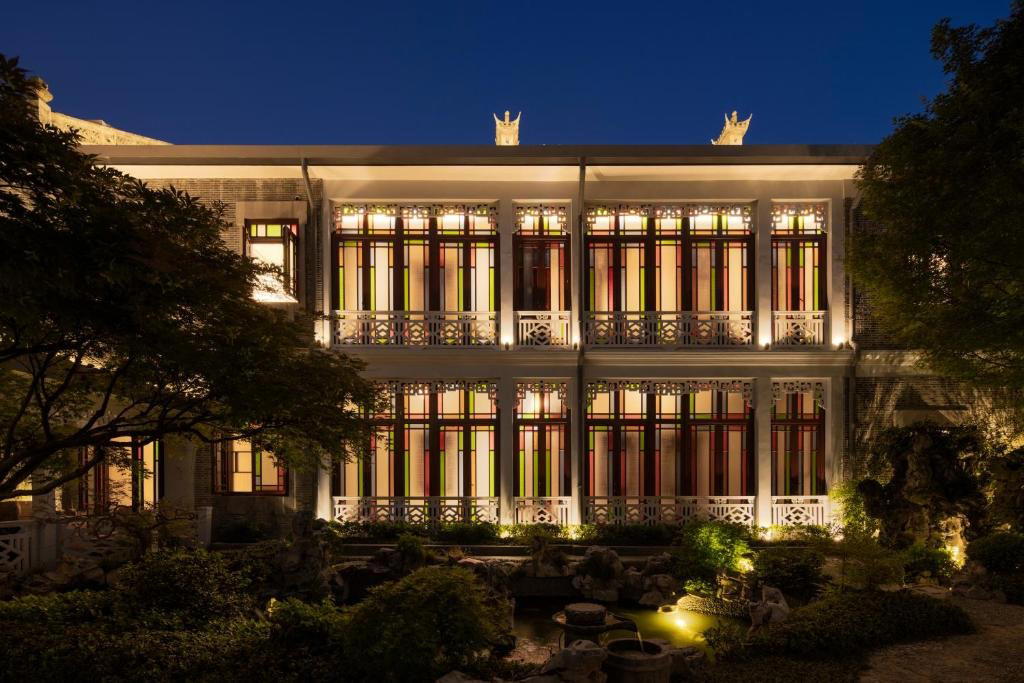
Where the Meal Begins Before You Sit Down
On Beishan Street, the tree-lined road that traces the northern shore of West Lake, the rhythm of Hangzhou changes. The commercial energy of Wulin Square and the retail corridors further east gives way to a quieter cadence: stone walls, overhanging camphor trees, and the occasional glimpse of water through gaps in old garden gates. This is where Qiushui Villa sits, at No. 59 Beishan Jie, and the address itself does a significant amount of editorial work before any guest crosses the threshold.
In a city that has accumulated more luxury hotel flags than almost any other in eastern China, Four Seasons Hotel Hangzhou at West Lake, Amanfayun, Banyan Tree Hangzhou, Conrad Hangzhou among them, the small-footprint villa category occupies a distinct niche. These properties compete less on amenity breadth and more on setting specificity, historical depth, and the particular quality of attention that comes with fewer guests. Qiushui Villa falls squarely into that cohort.
The Architecture of a Dining Ritual
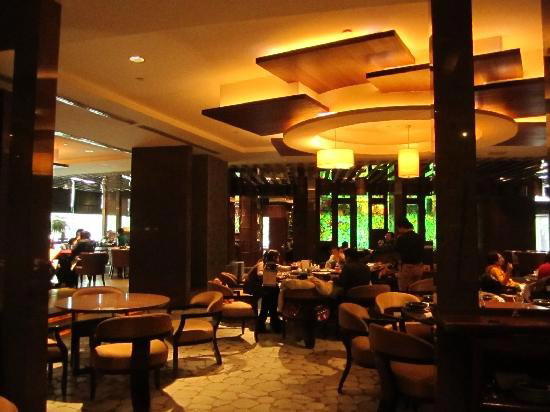
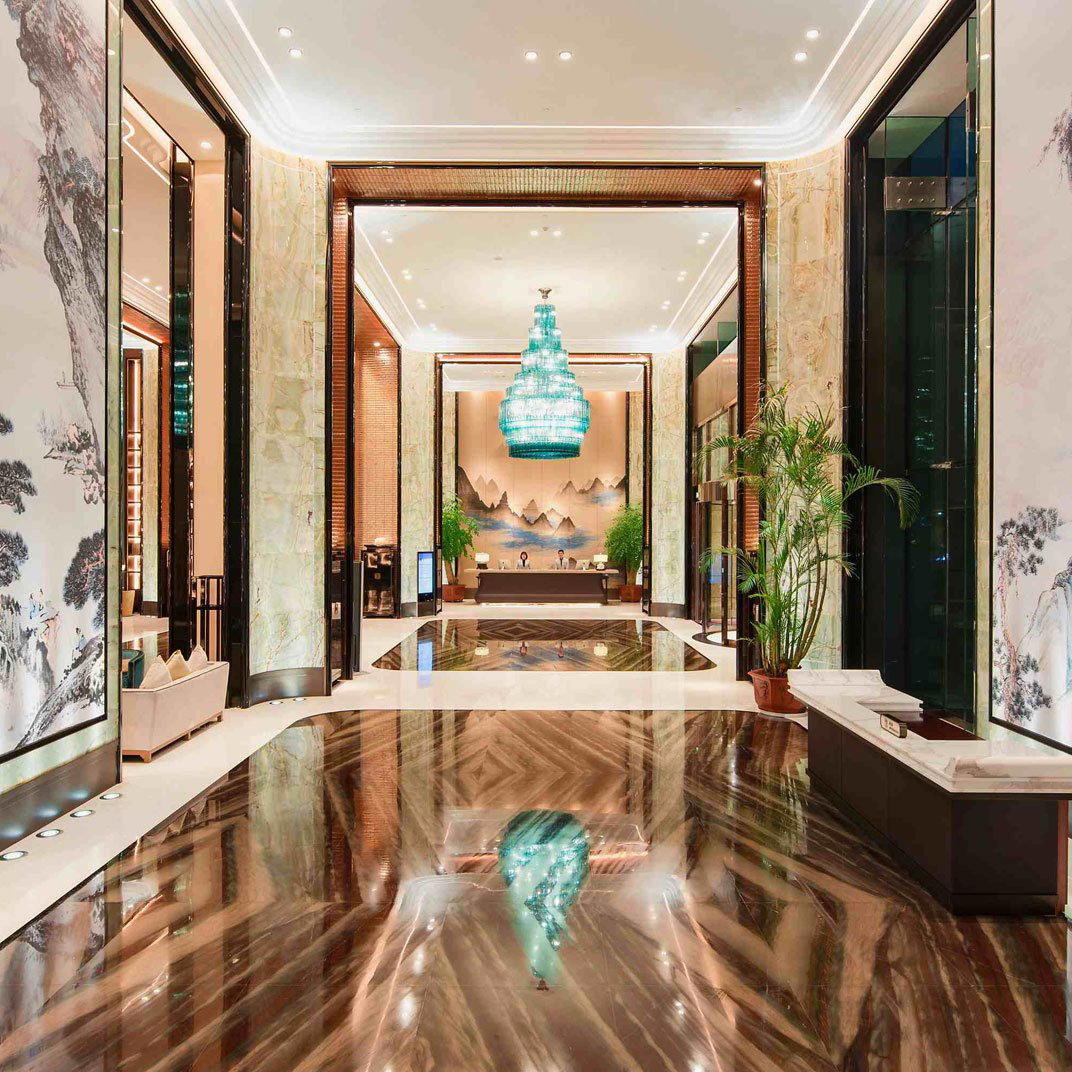
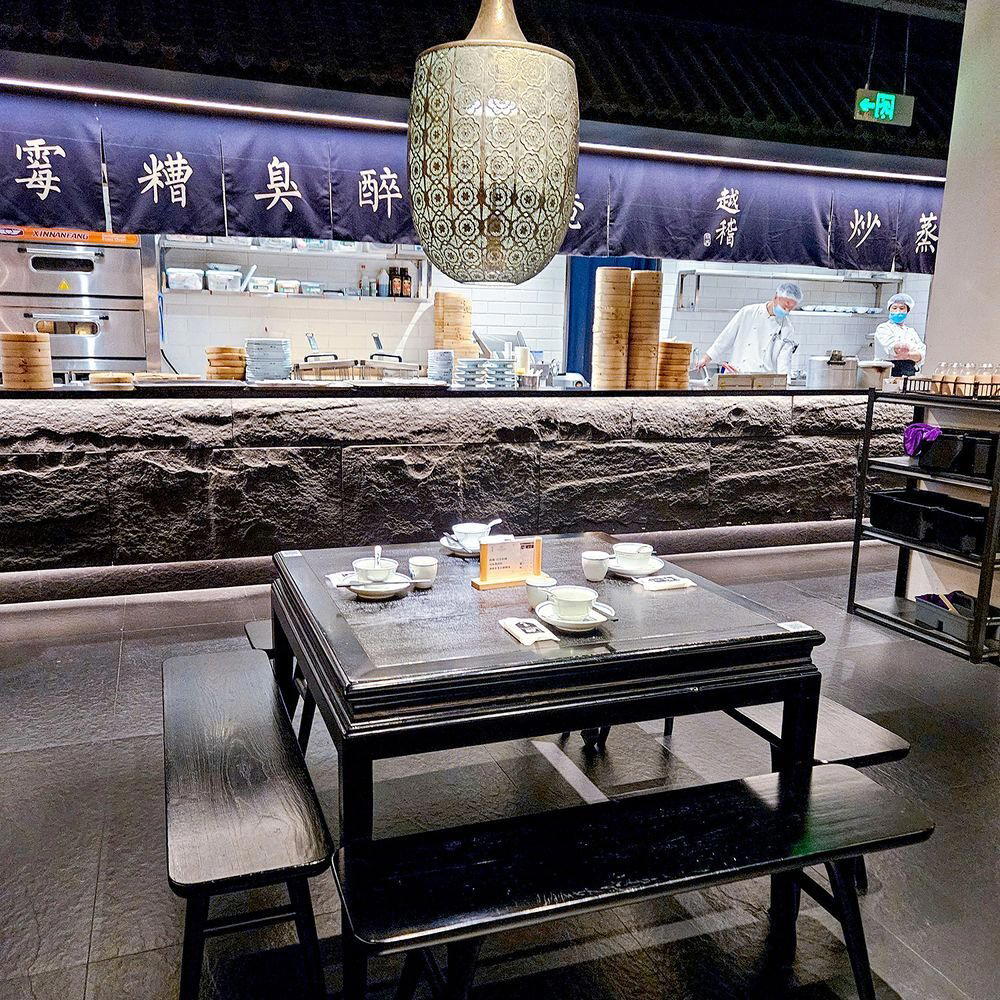
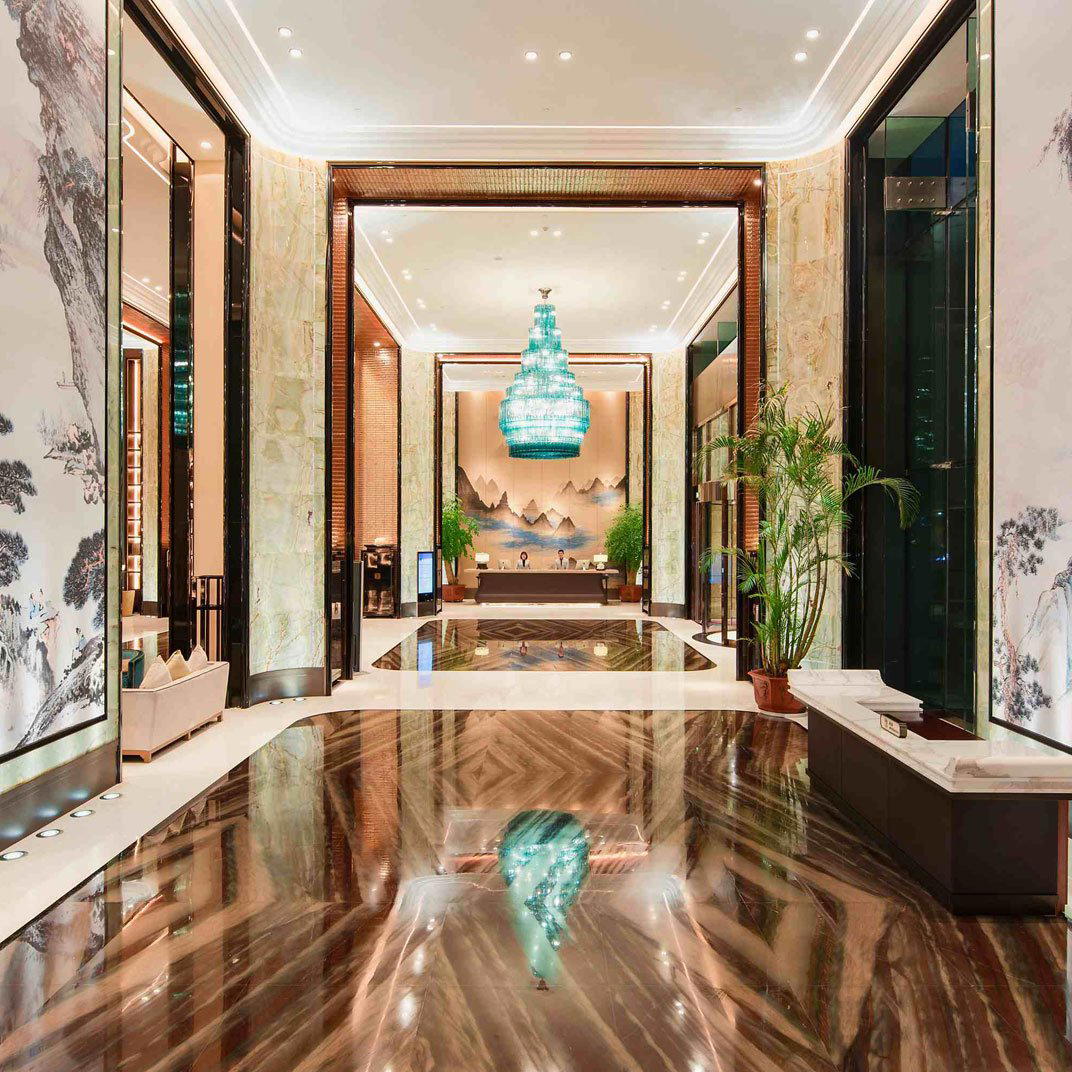
The restored century-old villa structure shapes how a meal unfolds here in ways that a purpose-built dining room cannot replicate. Heritage properties of this type in China's Jiangnan region tend to organise hospitality around a series of transitions: from gate to courtyard, from courtyard to interior, from interior to table. Each threshold slows the guest down deliberately. The meal does not begin when food arrives; it begins when the pace of movement changes.
This pacing is not incidental. In the Chinese literati tradition that defines much of West Lake's cultural character, a tradition reaching back to Su Dongpo's governorship in the eleventh century, the act of eating was inseparable from environment and occasion. Qiushui Villa's approach to dining, which incorporates European service alongside what appears to be a European-inflected menu, maps this classical Jiangnan hosting sensibility onto a continental dining format. The result is a layering of rituals: the Chinese custom of attentive, anticipatory service finds expression through the butler model; the European multi-course structure provides the temporal architecture within which that attention is delivered.
For context, Hangzhou's broader dining scene has increasingly moved in this hybrid direction. Properties along West Lake's northern and western shores have developed food and beverage programs that reference both local culinary heritage and international fine dining conventions, positioning themselves against peer sets in Shanghai and Beijing rather than within local restaurant categories alone. Qiushui Villa's European dining program places it in a specific bracket within that trend: properties where the dining room is a destination in its own right, not simply an amenity.
Setting as a Form of Curation
The infinity element referenced in the property's description, most likely a pool terrace with West Lake or garden orientation, carries a specific function in the grammar of this kind of property. At villa-scale heritage hotels across China's premium resort corridor, from Fuchun Resort Hotel Fuyang to Amandayan in Lijiang, the designed view acts as a framing device. You are not simply at a location; you are being shown what to see and how to see it. This is curation in a spatial sense, and it aligns with the broader Chinese aesthetic of borrowed scenery, jiè jǐng, where a garden or structure is oriented to incorporate landscape beyond its own boundaries.
On Beishan Street, the borrowed scenery is West Lake itself: a UNESCO World Heritage Cultural Landscape since 2011, and the subject of more classical Chinese poetry and painting than perhaps any other body of water in the country. Staying or dining at a property that directly addresses this view places the guest in a long chain of aesthetic response to the same scene. That is a particular kind of value that newer, larger properties on the eastern shore of the lake cannot entirely replicate by scale alone.
How Qiushui Villa Sits Within Hangzhou's Premium Tier
Hangzhou's high-end accommodation market has stratified clearly in recent years. At one end sit the large international flags: the Four Seasons Hotel Hangzhou at Hangzhou Centre and the Conrad Hangzhou Tonglu bring full-service scale to the market. At the other end, smaller design-led and heritage properties trade on intimacy, specificity, and access to locations that larger developments cannot occupy. Amanfayun, with its village cluster of restored tea houses in the hills west of the lake, represents one model. Qiushui Villa, with its restored villa structure on Beishan Street, represents another: heritage restoration in an urban-adjacent, lakeside setting.
Internationally, this format has close analogues. The experience of dining within a restored private villa, with butler service, a contained guest count, and a menu calibrated to the setting, is common to properties like Aman Venice or, in the Chinese urban context, to boutique properties adjacent to Mandarin Oriental Qianmen in Beijing's hutong zone. The shared logic is that the building itself disciplines the hospitality: older structures resist overprogramming, and that resistance is part of the offer.
For visitors to Hangzhou whose interests extend beyond the lake's major landmarks to the quieter cultural fabric of the city, Beishan Street is the right orientation. The Hangzhou Muh Shoou Xixi Hotel occupies the Xixi wetland corridor to the west; the Banyan Tree Hangzhou addresses a different segment of the lake. Qiushui Villa's position on the northern shore, within walking distance of the Lingering Snow on the Broken Bridge and the Bai Causeway, is specific and not easily replicated by properties in other parts of the city.
Planning a Visit
Beishan Street is accessible from Hangzhou's main transport hubs, with the lake's northern shore roughly twenty to thirty minutes from Hangzhou East Railway Station by taxi or rideshare during off-peak hours. The street itself is leading approached on foot once you arrive in the area; traffic is restricted in parts during peak visitor seasons, particularly during the October Golden Week holiday, when West Lake draws significant domestic tourism. Spring, particularly late March through April, when the causeway cherry blossoms are in peak bloom, and early autumn represent the most considered times to visit, when the lake's light and temperature are at their most characteristic. Those planning a broader Hangzhou itinerary may find it useful to reference our full Hangzhou restaurants guide for context on the city's dining scene beyond this address. For those comparing villa-scale properties elsewhere in China, Xiamen Yunding Resort in Xiamen and 1 Hotel Haitang Bay, Sanya in Sanya offer instructive points of reference in different coastal settings. Booking should be made directly with the property; given the limited scale of a villa-format hotel, availability is meaningfully more constrained than at the larger West Lake flags.
Awards and Standing
Comparable venues nearby, for context on price, style, and recognition.
| Venue | Cuisine | Price | Awards | Notes |
|---|---|---|---|---|
| Qiushui VillaThis venue (the venue you are viewing) | Historic villa blending Jiangnan architecture with contemporary luxury | $1,500–2,500 | Small Luxury Hotels of the World Member | Not listed |
| voco Hangzhou Binjiang Minghao | Modern design hotel with Art Deco architecture and thoughtful, unstuffy charm. | $100–200 | Michelin Selected | Binjiang District |
| Conrad Hangzhou Tonglu | Contemporary luxury resort inspired by natural Tonglu landscape with modern amenities and traditional regional design elements. | Not listed | Star Wine List | Tongluxian |
| Vallie Hotel | Tranquil forest retreat in repurposed tea farmer buildings | $500–750 | Small Luxury Hotels of the World Member | Xiaoshanshi |
| Banyan Tree Hangzhou | Seasonally-themed luxury suites and villas blending traditional Jiangnan style with modern comforts in a wetland paradise. | $300–500 | Michelin Selected · Forbes 4-Star | Yuhangxian |
| Seven Villas | Intimate Relais & Chateaux resort with seven traditional Chinese villas in a forested West Lake setting. | $500–750 | Relais Chateaux Award | Hangzhoushi |
Recognition history
Dated appearances from independent guides and award organizations, with the underlying list record or original source where available.
Small Luxury Hotels of the World Member
Small Luxury Hotels of the World
Continue exploring
More in Hangzhou
Hotels in Hangzhou
All hotels in Hangzhou →
Bars in Hangzhou
All bars in Hangzhou →
Details
- Romantic
- Elegant
- Scenic
- Quiet
- Sophisticated
- Intimate
- Honeymoon
- Romantic Getaway
- Anniversary
- Weekend Escape
- Panoramic View
- Private Villa
- Infinity Pool
- Waterfront
- Garden
- Terrace
- Fitness Center
- Sauna
- Garden
- Restaurant
- Bar
- Room Service
- Concierge
- Wi Fi
- Pool
- Spa
- Waterfront
- Garden
- Elevator
Relaxing and serene with beautiful lake views, central garden of statues and koi ponds, and a peaceful atmosphere praised for privacy and tranquility.