
Michelin Plate
Our verdict
Kui Yuan Guan on Jiefang Road is one of Hangzhou's most enduring addresses for Zhejiang cuisine, carrying consecutive Michelin Plate recognition in 2024 and 2025. Its kitchen draws on the freshwater ingredients and seasonal produce that define the region's culinary tradition. At the single-¥ price tier, it occupies a different competitive position from the city's starred Zhejiang restaurants, offering the same regional canon at a fraction of the cost.

Pearl is the En Primeur Club membership app, where members save venues, book tables and use the concierge.

The menu
What to order
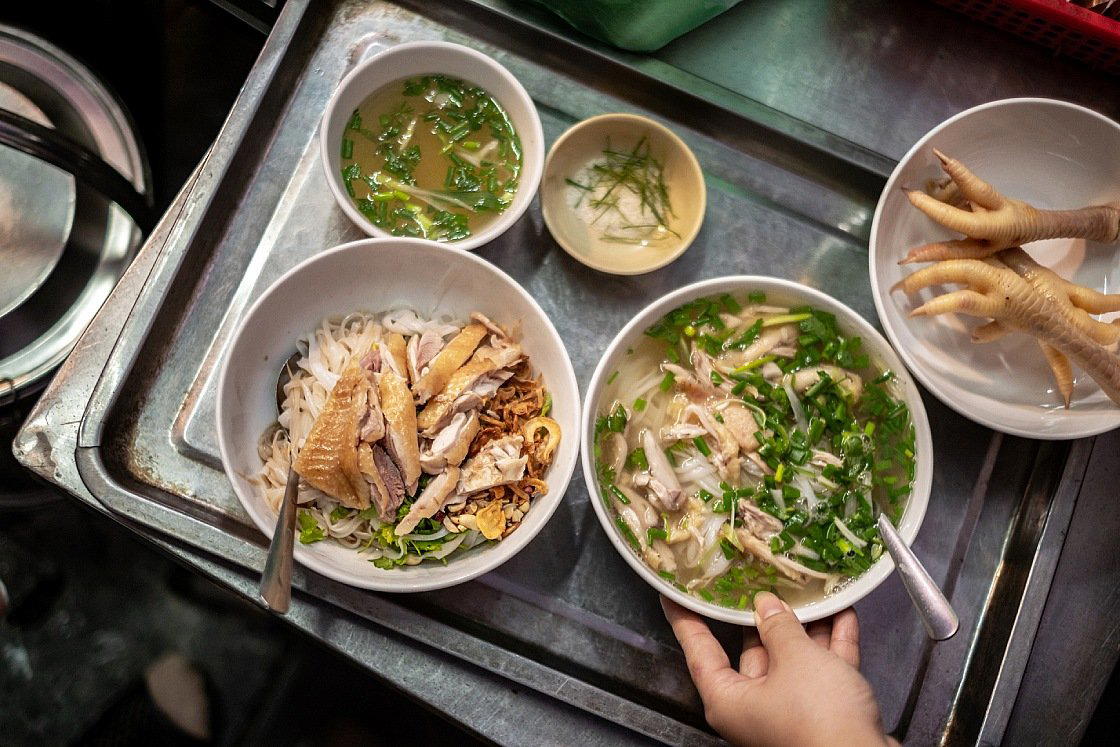
- Sliced pork noodles
- Noodles with fried eel slices and shrimps
- Pian'erchuan
- Xiabaoshan noodle
Where Hangzhou's Ingredient Tradition Stays Honest
Walk along Wenhui Road in Xiacheng District on a weekday morning and the city's relationship with its own food supply becomes obvious. Market stalls carry the freshwater fish, lotus root, and bamboo shoots that have defined Zhejiang cooking for centuries. Kui Yuan Guan on Jiefang Road sits within that same ecosystem, not as a destination that has imported an ingredient story from elsewhere, but as a restaurant whose menu is inseparable from what the region's land and waterways produce. Michelin's Plate recognition in both 2024 and 2025 confirms it meets a consistent standard of execution, a signal worth noting at a price point that places it among Hangzhou's most accessible Zhejiang kitchens.
The Logic of Zhejiang Ingredients
Zhejiang cuisine belongs to one of China's eight canonical regional traditions, and its identity is built on a specific set of sourcing principles. West Lake, the surrounding hills, and the rivers feeding into Hangzhou's basin supply ingredients that appear nowhere else in quite the same form: West Lake vinegar carp raised in cold, clean water; Longjing tea leaves used as a cooking element rather than simply a beverage; bamboo shoots pulled from the hills before they become too fibrous; and freshwater shrimp whose texture depends on water temperature and season. The kitchen at Kui Yuan Guan operates within that sourcing tradition, and the Michelin Plate in consecutive years suggests the execution holds up against that standard rather than drifting toward generic Chinese restaurant cooking.
That distinction matters in Hangzhou's current dining context. Several of the city's more expensive Zhejiang addresses, including Ru Yuan (two Michelin stars, ¥¥¥¥) and Guiyu (Xihu), have positioned Zhejiang cuisine at a price tier where the sourcing story is amplified into a tasting-menu format. Kui Yuan Guan occupies a structurally different position: a single ¥ price tier, a traditional canteen-style format, and a menu that reads as the regional canon rather than a curated interpretation of it. The restaurant has been serving this material for long enough that the Michelin recognition functions less as a discovery signal and more as a quality confirmation of something Hangzhou residents have long known.
The Ingredient Canon on the Plate
Zhejiang cooking at this level of the market is where the sourcing arguments get tested most directly. There is no elaborate service format to compensate for a mediocre ingredient, and there is no premium-tier pricing to signal quality before the food arrives. What reaches the table is either accurate to the regional tradition or it is not. The dishes that define Hangzhou's identity, preparations built around seasonal produce, light saucing that preserves rather than obscures the primary ingredient, and cooking methods (braising, steaming, quick stir-frying) that suit the delicate profile of freshwater fish and young vegetables, are the material Kui Yuan Guan works with daily.
For context on how Zhejiang cuisine travels when it leaves the province, the Hangzhou tradition has found representation in other cities: Zhejiang Heen in Hong Kong and Rong Rong Yuan in Taipei both carry the regional style into different markets, each with their own sourcing constraints. Within Hangzhou itself, that constraint is reversed: the ingredients arrive fresh and local, and the kitchen's job is not to replicate a distant tradition but to serve it at its source.
Where It Sits Among Hangzhou's Zhejiang Restaurants
Hangzhou's Zhejiang restaurant tier spans a wide range. At the leading end, Ru Yuan operates at ¥¥¥¥ with two Michelin stars. The ¥¥¥ tier includes Jin Sha (one Michelin star) and Hangzhou House. Jie Xiang Lou and Longjing Manor represent the tradition with different format emphases. Kui Yuan Guan's single ¥ positioning places it outside that mid-to-upper tier entirely. The Michelin Plate at this price point is significant precisely because it demonstrates that the quality floor in Hangzhou's Zhejiang dining extends down to genuinely affordable registers, the ingredient sourcing and cooking technique that earn Michelin attention are not reserved exclusively for the expensive rooms.
Across the broader Zhejiang cuisine circuit, Xin Rong Ji in Beijing and Xin Rong Ji in Chengdu both carry the adjacent Taizhou style into major cities at higher price points, while 102 House in Shanghai, Chef Tam's Seasons in Macau, Imperial Treasure Fine Chinese Cuisine in Guangzhou, and Dai Yuet Heen in Nanjing each illustrate how Chinese regional fine dining operates at scale across different markets. None of these are direct comparators for Kui Yuan Guan's price tier, but they frame why a Michelin Plate at ¥ in Hangzhou carries weight: the award is not inflated by the price tag.
Planning a Visit
Kui Yuan Guan is located at 346 Wenhui Road, Xiacheng District, Hangzhou. The ¥ price tier makes it practical for multiple visits rather than a single set-piece occasion, and the consecutive Michelin Plate recognitions suggest consistency across years rather than a single strong inspection cycle. Given its price positioning, the restaurant draws a local clientele as much as a visiting one, a useful indicator that the kitchen is not calibrated for tourist expectations. Hours and booking details are best confirmed through local search or on arrival; given the format and price point, walk-in is likely viable at off-peak times, though popular periods in Hangzhou (particularly spring, when Longjing tea season draws visitors, and the October national holiday week) will put pressure on any table without advance planning.
For broader planning, our full Hangzhou restaurants guide covers the range of options across cuisines and price tiers, and our Hangzhou hotels guide, bars guide, wineries guide, and experiences guide provide the surrounding context for a full stay in the city.
Frequently asked questions
at Kui Yuan Guan (Jiefang Road)?
Is Kui Yuan Guan (Jiefang Road) suitable for children?
Is Kui Yuan Guan (Jiefang Road) better for a quiet night or a lively one?
What It’s Closest To
| Venue | Cuisine | Price | Awards | Notes |
|---|---|---|---|---|
| Kui Yuan Guan (Jiefang Road)This venue (the venue you are viewing) | Hangzhou-style Noodles | $10–20 | Michelin Plate | Not listed |
| Xin Rong Ji | Taizhou Cuisine | $50–100 | 1 Michelin Star · La Liste Top Restaurants | Taizhou |
| 28 Hubin Road | Modern Zhejiang Fine Dining | $50–100 | Michelin Plate · La Liste Top Restaurants | Zhejiang |
| Ru Yuan | Modern Hangzhou Fine Dining | $150–200 | 2 Michelin Stars · World's 50 Best #10 | Zhejiang |
| L'éclat 19 | French-Chinese Fusion Fine Dining | Not listed | 1 Michelin Star | French Contemporary |
| Song | Modern Ningbo Cuisine | Not listed | 1 Michelin Star | Ningbo |
Recognition history
Dated appearances from independent guides and award organizations, with the underlying list record or original source where available.
Michelin Plate
Michelin
Full recognition history (2 entries)
Michelin Plate
Michelin
Continue exploring
More in Hangzhou
Restaurants in Hangzhou
All restaurants in Hangzhou →
Bars in Hangzhou
All bars in Hangzhou →
Details
- Classic
- Historic
- Well Known
- Casual Hangout
- Family
- Historic Building
- A La Carte
Current opening hours
- Monday
- 10 AM–10 PM
- Tuesday
- 10 AM–10 PM
- Wednesday
- 10 AM–10 PM
- Thursday
- 10 AM–10 PM
- Friday
- 10 AM–10 PM
- Saturday
- 10 AM–10 PM
- Sunday
- 10 AM–10 PM
Hours can change for holidays and private events. Hours as of .
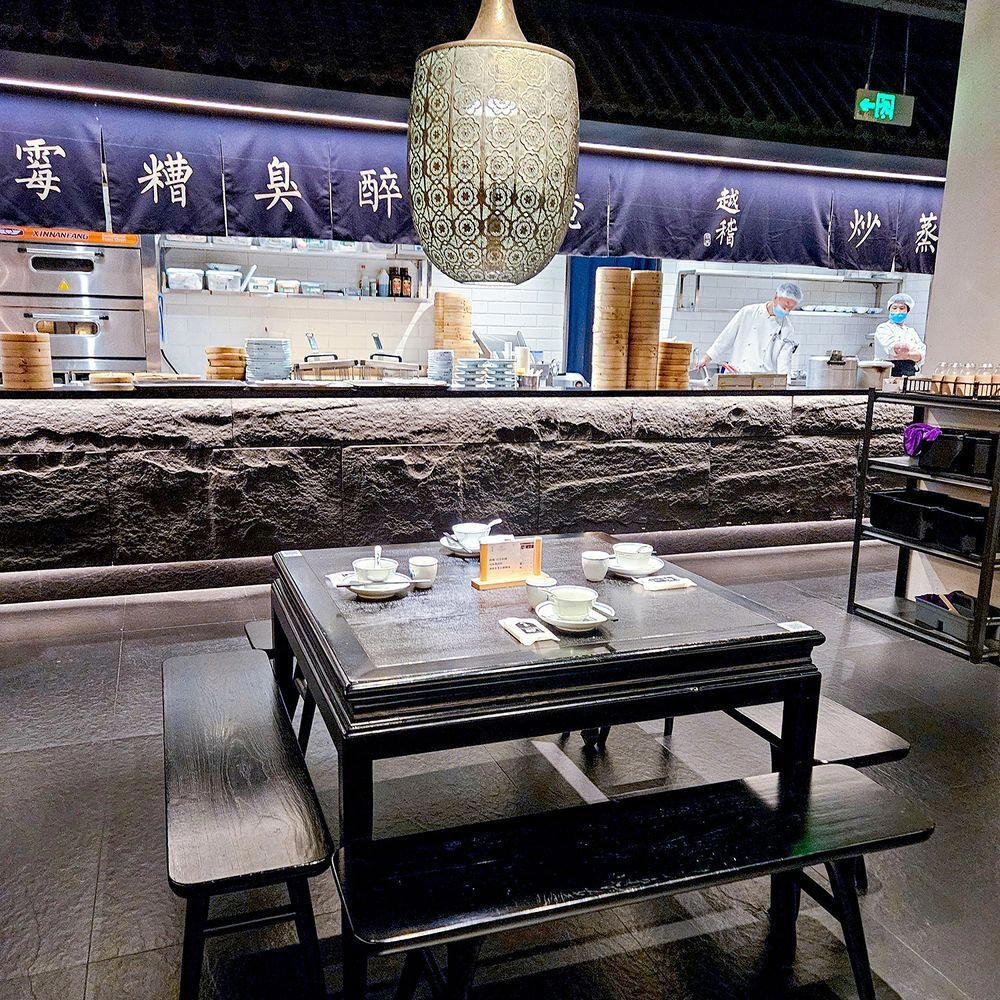
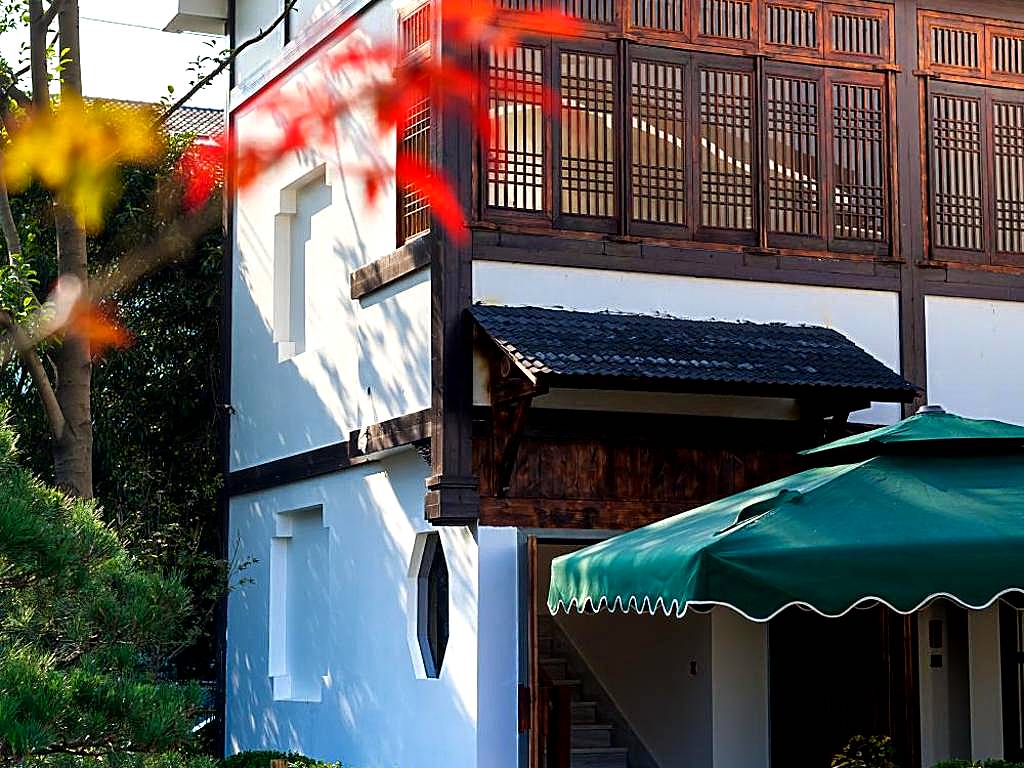
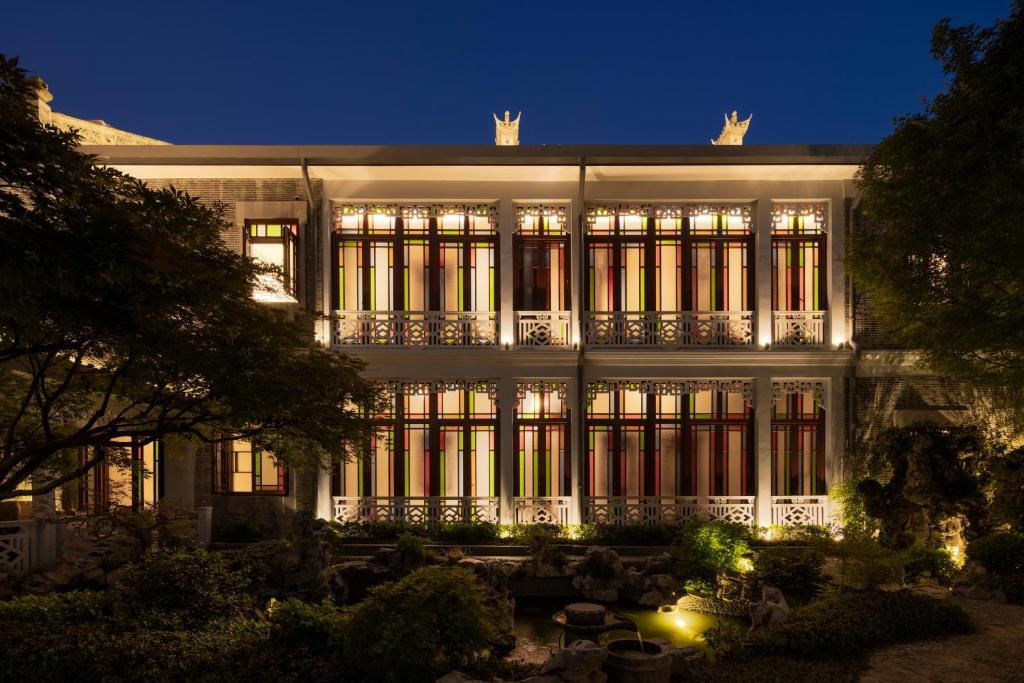
Scholarly calm with soft lighting, lacquered woods, and gentle murmur of conversation.