
Forbes Recommended
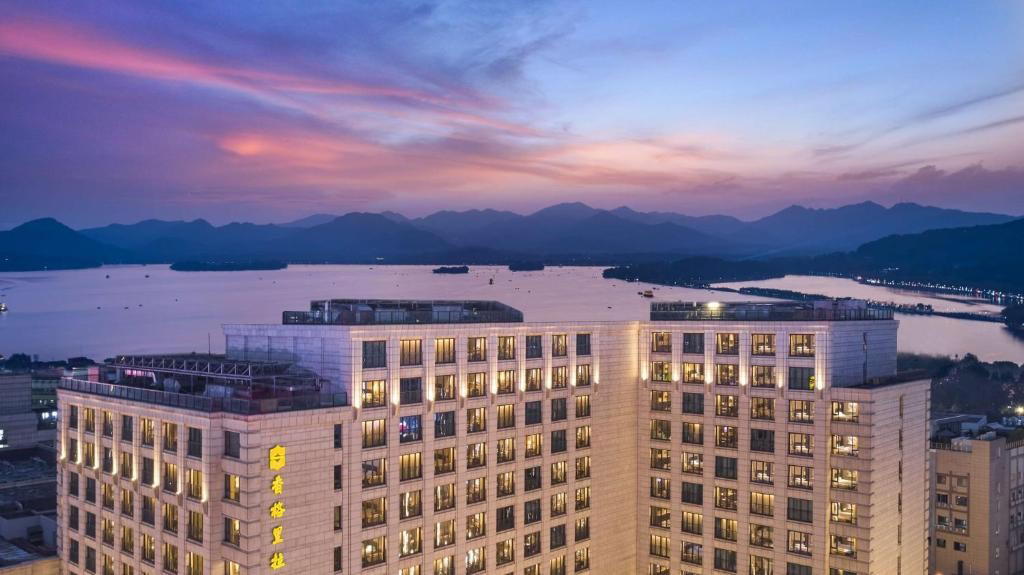
On the northeastern shore of West Lake, a UNESCO World Heritage site, the Midtown Hangzhou occupies one of the city's most sought-after positions. Part of the Kerry Centre complex, it combines a dramatic lobby, lake-facing rooms, and the full service infrastructure with direct access to Hangzhou's cultural and commercial core. The Fengqi Road metro station sits at the doorstep, making the rest of the city straightforward to reach.

Pearl is the En Primeur Club membership app, where members save venues, book tables and use the concierge.
Where the Lake Meets the Lobby
Hangzhou's West Lake has shaped the city's identity for over a millennium. The lake's southern and western shores attract the quieter, garden-focused properties, including Amanfayun and Four Seasons Hotel Hangzhou at West Lake, which trade on immersion in landscaped seclusion. The northeastern corner, where the Midtown sits, plays a different game: it connects the lake's cultural edge to the city's commercial and transport infrastructure, placing guests within walking distance of Hangzhou's most visited cultural sites while keeping them anchored to everything the Kerry Centre complex provides. That positioning matters for travelers who want the lake without relinquishing urban utility.
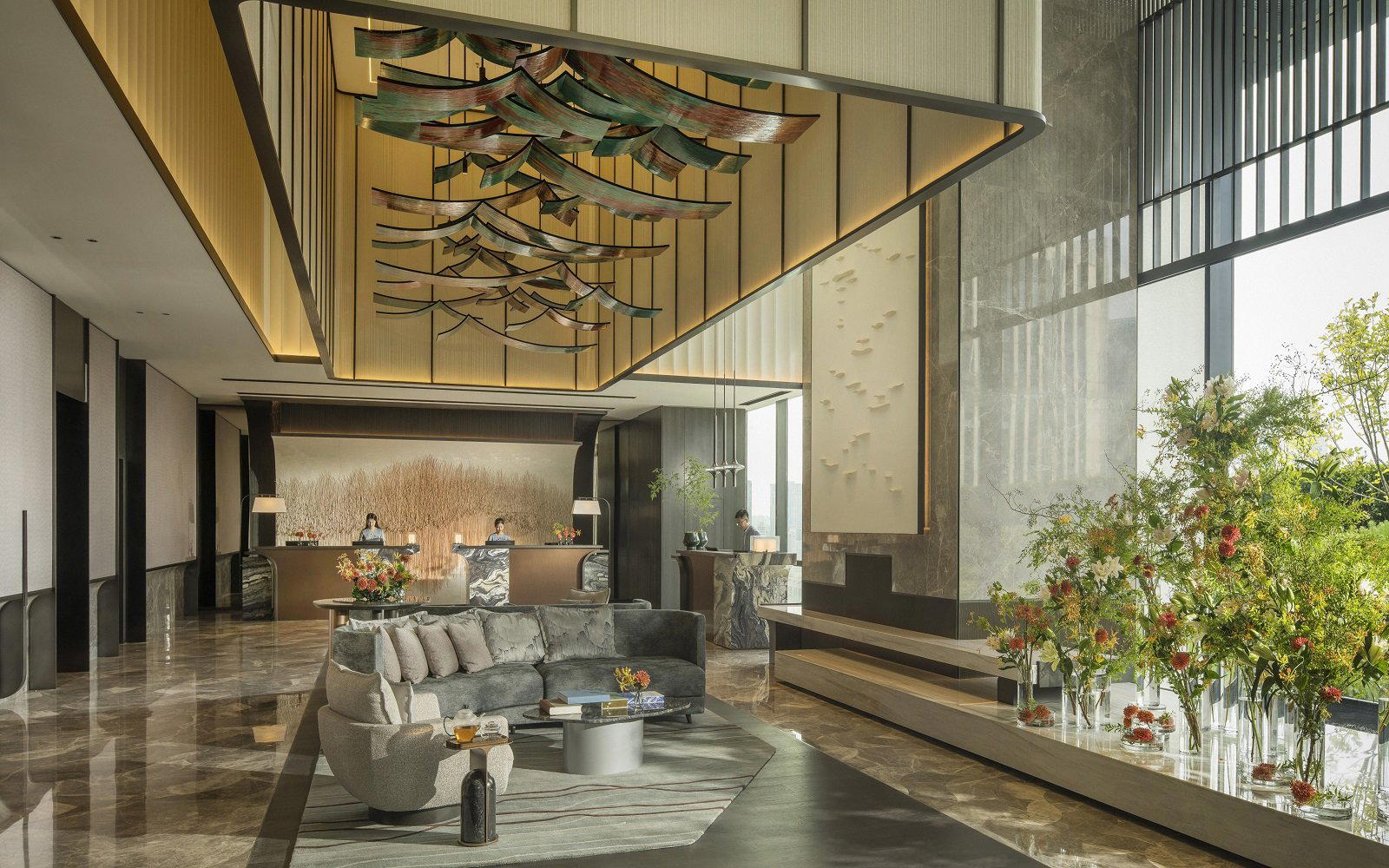
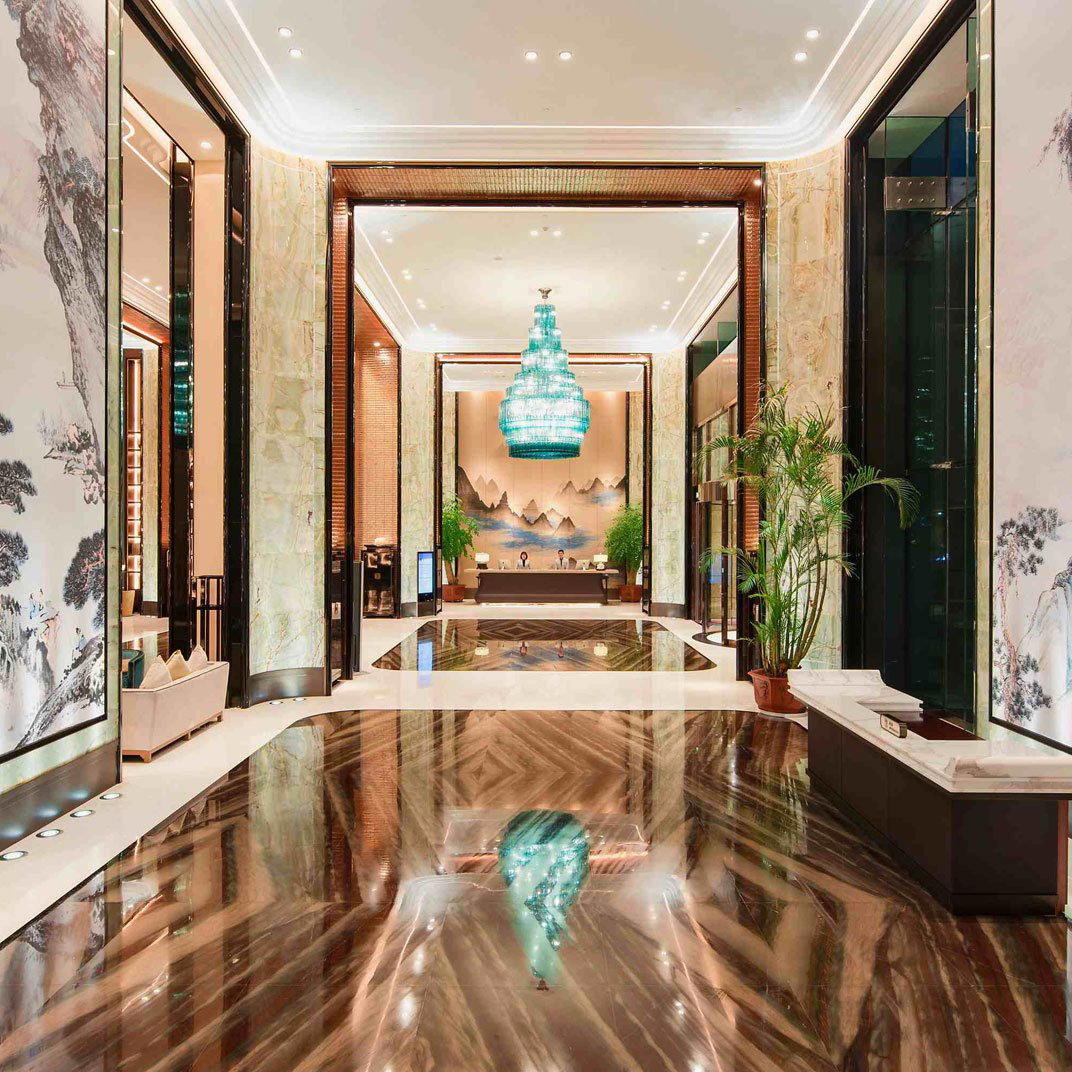
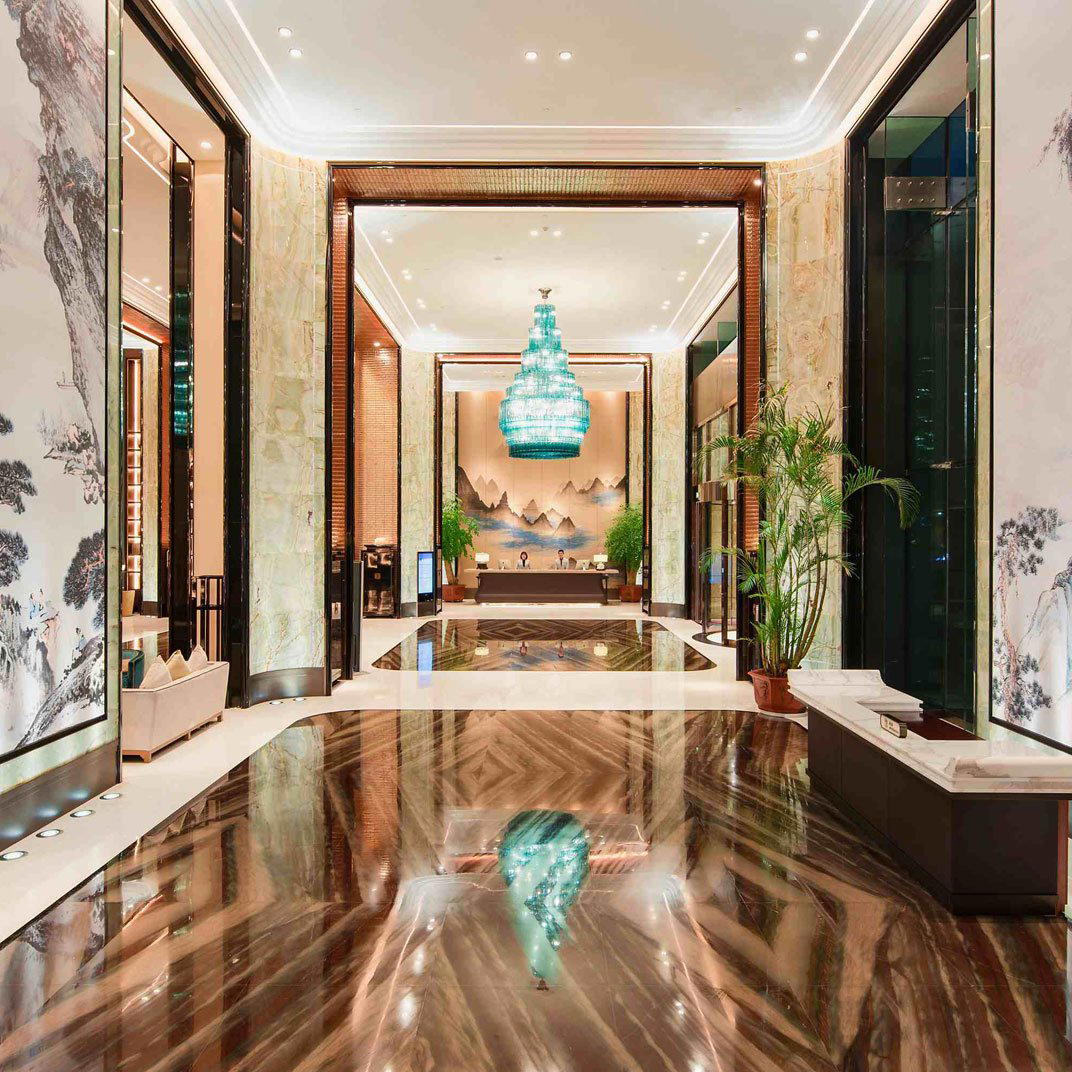
Approaching from Yan'an Road, the hotel's presence within the Kerry Centre gives it a distinct verticality. The lobby sets its terms immediately: sky-high ceilings, a custom-made chandelier designed to refract light in the manner of West Lake's surface, and a deliberate collision of contemporary art with traditional silk screens and classical Chinese landscape paintings depicting the lake from multiple vantage points. The design choice is not incidental. West Lake has been painted, poeticised, and photographed for centuries, and the lobby positions the hotel as one more frame through which to encounter it, before you step outside to see the original.
The Hangzhou Context: A City That Takes Its Lakes Seriously
West Lake's UNESCO designation, awarded in 2011, recognised not just its scenic character but the cultural landscape that humans and nature have shaped together over two thousand years of continuous inhabitation. The tea terraces of Longjing to the southwest, the temple precincts of Lingyin to the northwest, and the pagoda-punctuated causeways across the lake itself all belong to a civic culture that takes its geography as seriously as its food. Hangzhou's cuisine, including the celebrated Longjing shrimp dish prepared with tea leaves harvested from nearby hillsides, the slow-braised Dongpo pork, and the freshwater fish preparations tied to the lake's seasonal rhythms, draws directly from this landscape in ways that make ingredient provenance a local preoccupation rather than a marketing convention.
This matters for a hotel like the Midtown because the city's dining and cultural identity are inseparable from where things come from. Longjing tea, grown in gardens visible from the lake's western hills, is among China's most geographically specific agricultural products, and its presence in local cooking and tea ceremony culture is a marker of Hangzhou's sourcing sensibility. Guests who want to trace that culture outward from the hotel have the Fengqi Road metro station at their doorstep, providing access to Hefang Street's food vendors and independent tea shops, as well as connections toward Lingyin Temple. The hotel's concierge team, noted for attentiveness on language assistance, local transport, and restaurant direction, serves as a practical bridge into a city where navigating local knowledge can make the difference between a surface encounter and a substantive one.
Rooms: Framing the Lake as a Feature, Not a Backdrop
The room configuration at the Midtown reflects a clear hierarchy built around the views it can offer. Deluxe Rooms on the lower floors come with floor-to-ceiling windows and marble bathrooms as standard, with California king beds throughout. The upper tier shifts significantly: three Specialty Suites, each exceeding 1,300 square feet, include a living room, dining room, and kitchenette alongside dual bathrobe options and Acqua di Parma toiletries. The suite interiors work with a restrained palette, white linens against warm brown accents, with Chinese ceramics providing specificity of place. Every room in the property, from Deluxe category upward, promises a view of either the courtyard gardens or West Lake, so the choice of outlook is a real decision rather than a lottery.
Among Hangzhou's luxury accommodation options, the Horizon Club tier at this property deserves particular attention from business travelers or guests who prefer a quieter version of the full-service format. Club access brings a private lounge for breakfast and informal meetings, all-day complimentary snacks and drinks, private check-in, and gratis shoe shines. It is a self-contained service layer that reduces dependence on the main hotel flow without stepping outside the infrastructure.
The signature robes, available for purchase through the brand's spa boutique and online, have acquired something of a cult following among repeat guests. That a hotel robe generates repeat commercial demand says something about the property's attention to tactile detail, which tends to distinguish the better addresses from the merely adequate ones. For further reference on how the brand operates across China's major urban properties, the JW Marriott Hotel Shanghai at Tomorrow Square offers a useful comparison point for the international chain hotel tier in Chinese cities.
Wellness, Events, and the Practical Infrastructure
The Health Club covers the standard full-service ground: gym, swimming pool, Jacuzzi, sauna, and steam rooms. Chi, The Spa draws from traditional Chinese qi philosophy in its treatment menu, which includes acupressure massage, foot reflexology, and facial treatments. Spa programming built around Chinese energy philosophy is a recurring feature of the brand across its Asian properties, and the Hangzhou address executes it within a city that has its own deep wellness culture, rooted in tea, freshwater bathing traditions, and the meditative practice associated with West Lake's gardens and causeways.
For events, the Grand Ballroom accommodates 840 guests seated, a capacity that positions the hotel squarely in Hangzhou's corporate and social event market. In-house event specialists manage execution, and the combination of the Kerry Centre's retail and dining infrastructure with the ballroom's scale gives the property reach that smaller boutique options like Banyan Tree Hangzhou cannot match for large-format occasions. The Fuchun Resort Hotel Fuyang and Conrad Hangzhou represent alternative directions for those whose priorities lie in resort seclusion or a more stripped-back luxury format respectively.
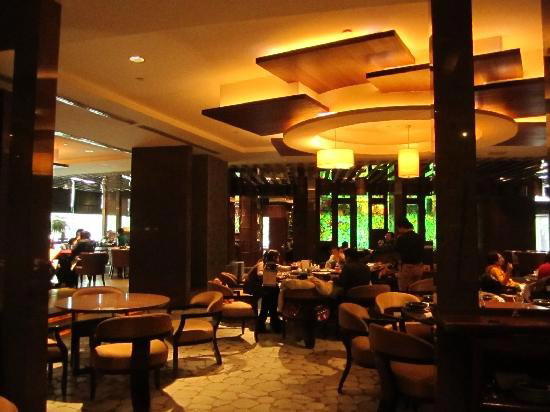
Families are accommodated with genuine structural consideration: children under six eat the daily breakfast buffet at no charge, and the hotel will configure a dedicated children's room with a slide, stuffed animals, and games on advance request. The breakfast buffet itself merits mention beyond the family pricing. The spread runs across local Hangzhou specialties, Western staples, and freshly baked pastries, and it functions as a low-effort point of contact with the city's food culture for guests who may not have time to pursue the full local dining circuit. For those who want to go further, the hotel's staff are noted specifically for restaurant recommendations, a useful resource in a city whose dining scene rewards some local knowledge. See our full Hangzhou restaurants guide for broader orientation.
Where the Midtown Sits in Hangzhou's Luxury Field
Hangzhou's upper-tier hotel market has developed a pronounced split between properties that emphasise lake immersion and seclusion and those that emphasise urban connectivity. The Four Seasons Hotel Hangzhou at Hangzhou Centre and the Conrad Hangzhou Tonglu sit in distinct corners of that field. The Midtown occupies the intersection: a lake-adjacent address with metro access and full international chain infrastructure, priced and programmed for guests who want proximity to West Lake's cultural gravity without surrendering connectivity to the rest of the city. Guests planning longer stays in China's eastern corridor may find it useful to compare this with other major city addresses in the region, including the Mandarin Oriental Qianmen in Beijing, which offers a different version of the heritage-adjacent urban luxury position.
Booking through the brand's direct channels or working with a travel specialist familiar with the property's room categories and club tier is the most practical approach. The suite inventory is limited to three Specialty Suites, so lead time matters for those with specific view or space requirements. The Fengqi Road metro station adjacency makes arrival from Hangzhou East Railway Station, the main high-speed rail terminus, a direct journey without resort transfers or complex logistics. For travelers comparing across China's secondary luxury tier, options as varied as 1 Hotel Haitang Bay in Sanya, Altira Macau, or Amandayan in Lijiang illustrate how differently the upper bracket expresses itself across Chinese destinations. The Midtown 's answer is consistent with the brand's broader logic: service depth, physical scale, and location utility, delivered with the reliability that its international infrastructure was built to provide.
Cuisine and Recognition
Comparable venues nearby, for context on price, style, and recognition.
| Venue | Cuisine | Price | Awards | Notes |
|---|---|---|---|---|
| Midtown Shangri-La, HangzhouThis venue (the venue you are viewing) | Modern luxury hotel in mixed-use complex | $100–200 | Forbes Recommended | Not listed |
| Four Seasons Hotel Hangzhou at Hangzhou Centre | contemporary urban luxury hotel | Not listed | Michelin Selected · Star Wine List | Hangzhoushi |
| Hangzhou Muh Shoou Xixi Hotel | Boutique luxury seamlessly integrated with surrounding wetlands. | $300–500 | Small Luxury Hotels of the World Member | Yuhangxian |
| Amanfayun | traditional Chinese village resort | Not listed | Michelin Selected · La Liste Top Hotels | Hangzhoushi |
| Qiushui Villa | Historic villa blending Jiangnan architecture with contemporary luxury | $1,500–2,500 | Small Luxury Hotels of the World Member | Hangzhoushi |
| Fuchun Resort Hotel Fuyang | Lakeside luxury resort with traditional Chinese influences | Not listed | La Liste Top Hotels · Forbes Recommended | Fuyangshi |
Recognition history
Dated appearances from independent guides and award organizations, with the underlying list record or original source where available.
Forbes Recommended
Forbes
Full recognition history (2 entries)
Forbes Recommended
Forbes
Continue exploring
More in Hangzhou
Hotels in Hangzhou
All hotels in Hangzhou →
Bars in Hangzhou
All bars in Hangzhou →
Details
- Elegant
- Sophisticated
- Modern
- Business Trip
- Romantic Getaway
- Family Vacation
- Panoramic View
- Pool
- Spa
- Fitness Center
- Room Service
- Concierge
- Business Center
- Valet Parking
- Waterfront
- Elevator
- Step Free Entrance
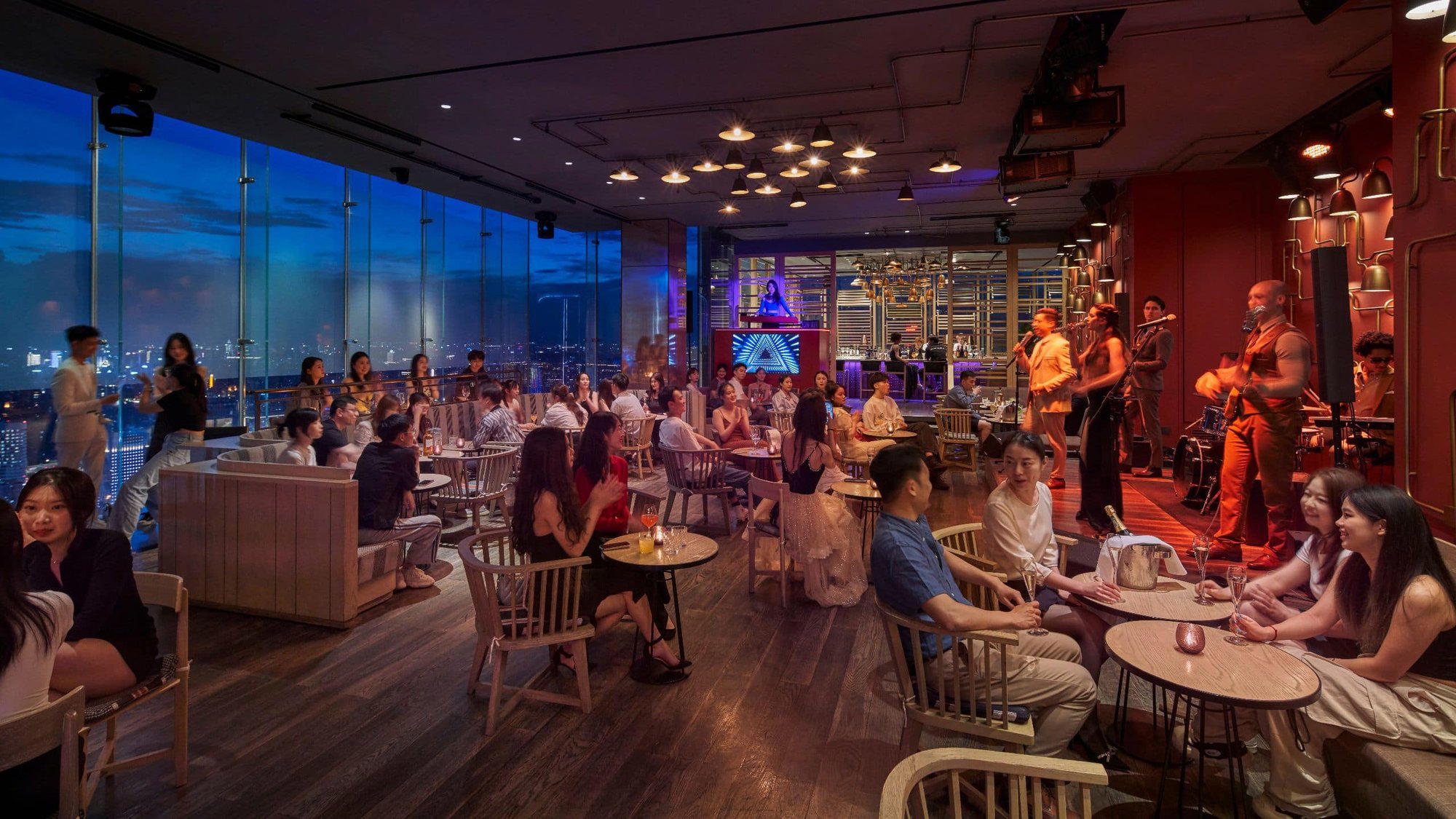
Elegant and modern atmosphere with warm hospitality, spacious rooms featuring contemporary décor, plush comforts, and floor-to-ceiling windows offering city or lake views.