


Michelin Guide New Hotels New Hotel · Michelin Selected · Forbes Recommended
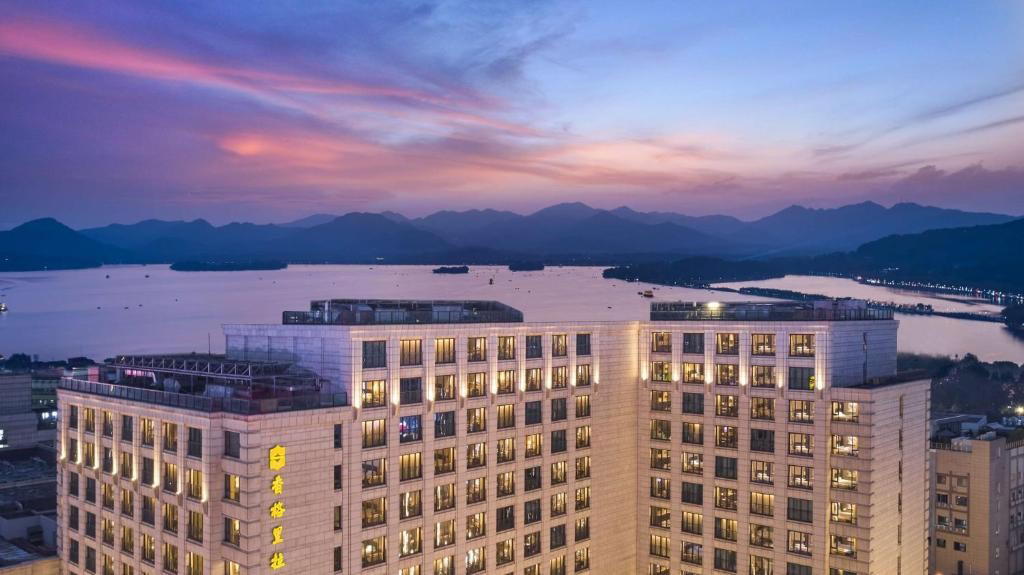
Occupying the upper floors of one of Hangzhou's tallest towers, Park Hyatt Hangzhou positions itself in the city's vertical luxury tier, with a 37th-floor lobby, Hangzhou's highest dining room and pool, and 230 rooms starting from around $169. The property sits on Qianjiang Road, roughly 15 to 20 minutes from West Lake and the Grand Canal, making it a credible base for both corporate and leisure travelers.

Pearl is the En Primeur Club membership app, where members save venues, book tables and use the concierge.
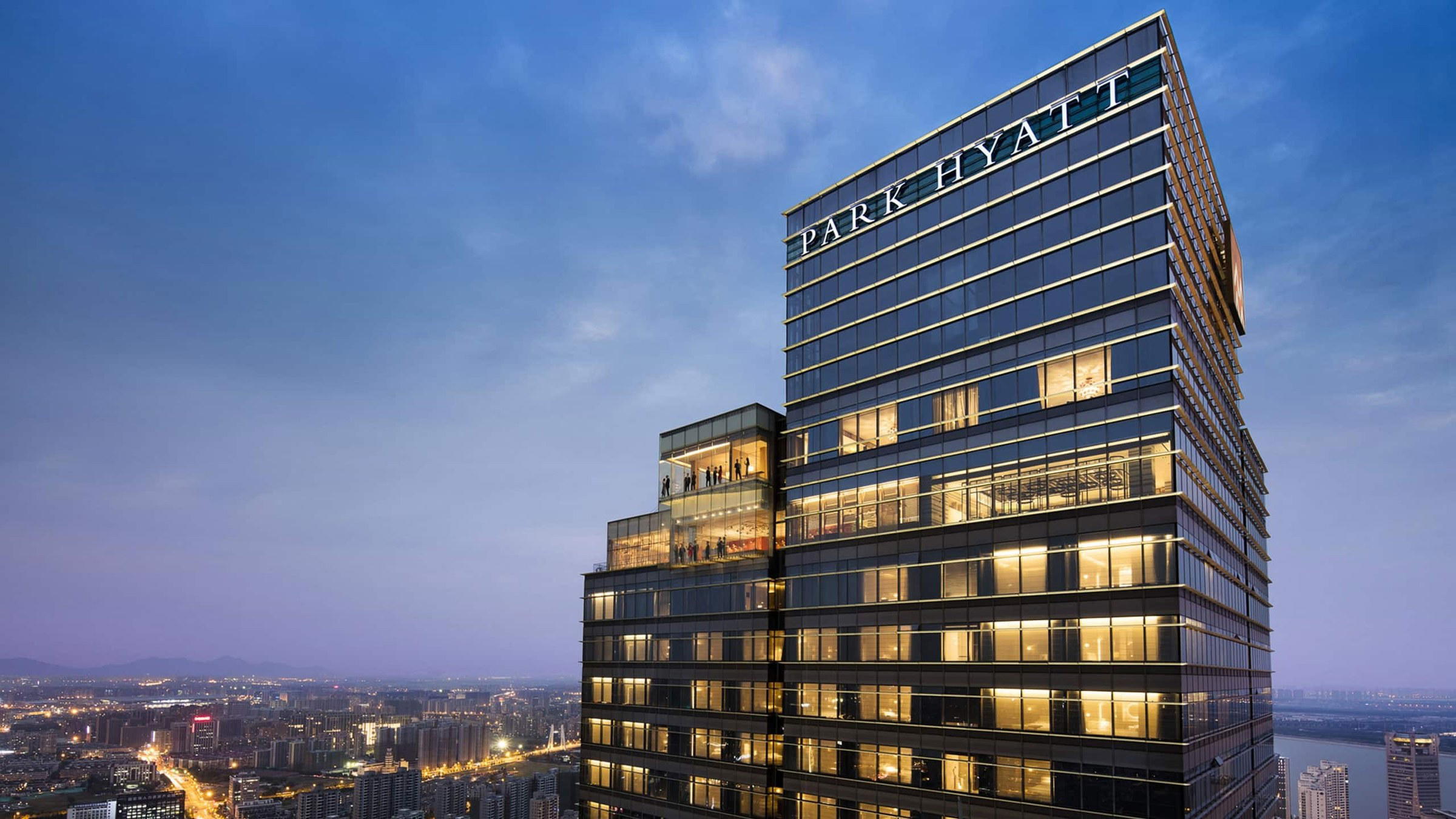
High Above the Qiantang: Hangzhou's Vertical Luxury Tier
Hangzhou's premium hotel market has long organized itself around proximity to West Lake, a UNESCO-listed body of water that draws millions of visitors annually and commands property values to match. Properties like Amanfayun, Four Seasons Hotel Hangzhou at West Lake, and Banyan Tree Hangzhou have built their identity around lakeside access, garden immersion, and a sense of being embedded in the city's classical landscape. Park Hyatt Hangzhou takes a different approach entirely. Opened in late 2016, it trades ground-level intimacy for altitude, occupying a tower on Qianjiang Road in the Gongshu district and asserting itself through scale and elevation rather than proximity to the lake.
That positioning has its own logic. The Qianjiang New Town area, where the hotel sits, represents Hangzhou's commercial and financial expansion zone, an increasingly dense urban district that appeals to a different traveler profile than the heritage-focused West Lake corridor. For guests whose agenda runs through the city's business infrastructure, the location makes considerably more sense than a garden retreat on the lake's southern edge.
What the 37th Floor Does to a Lobby
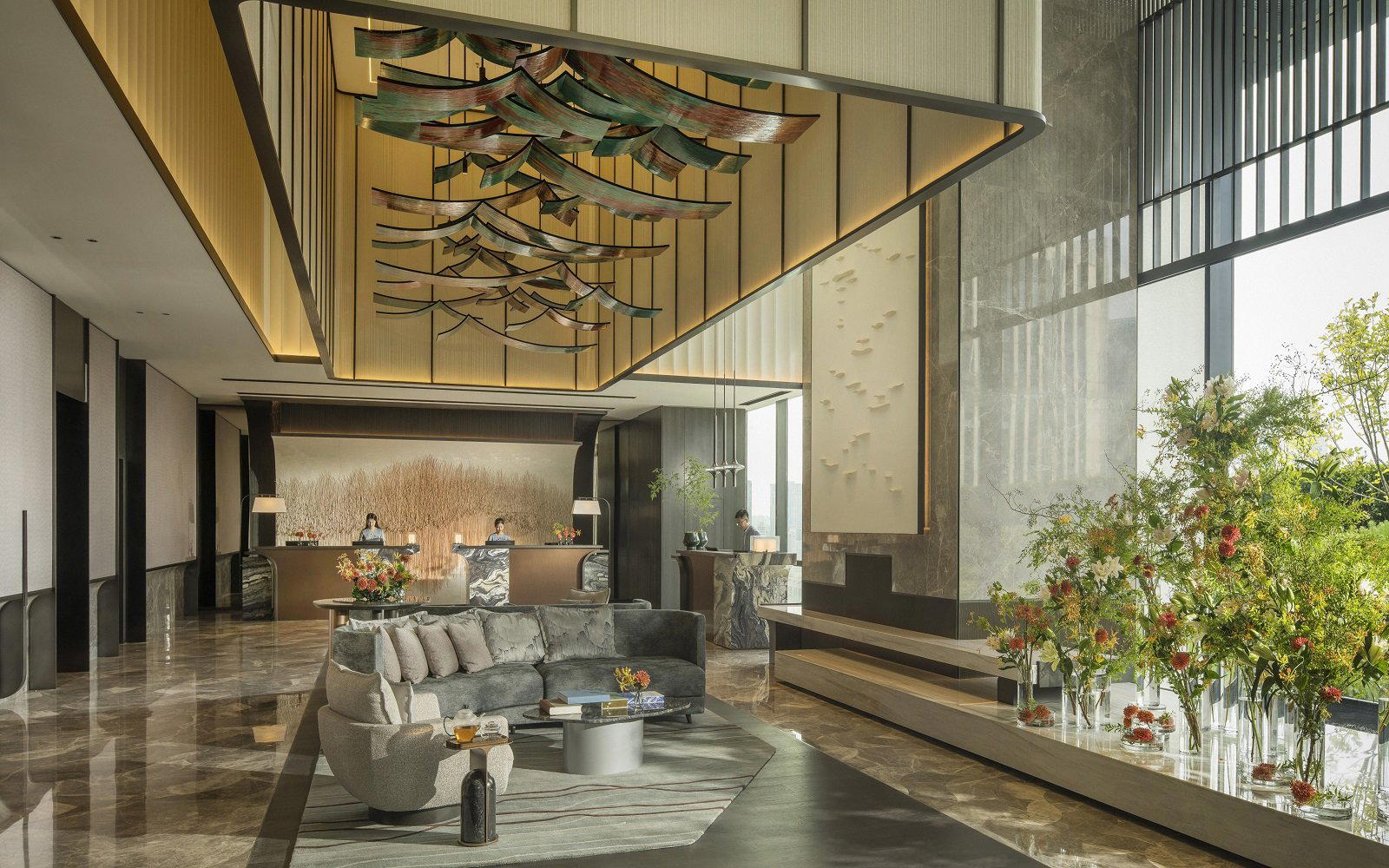
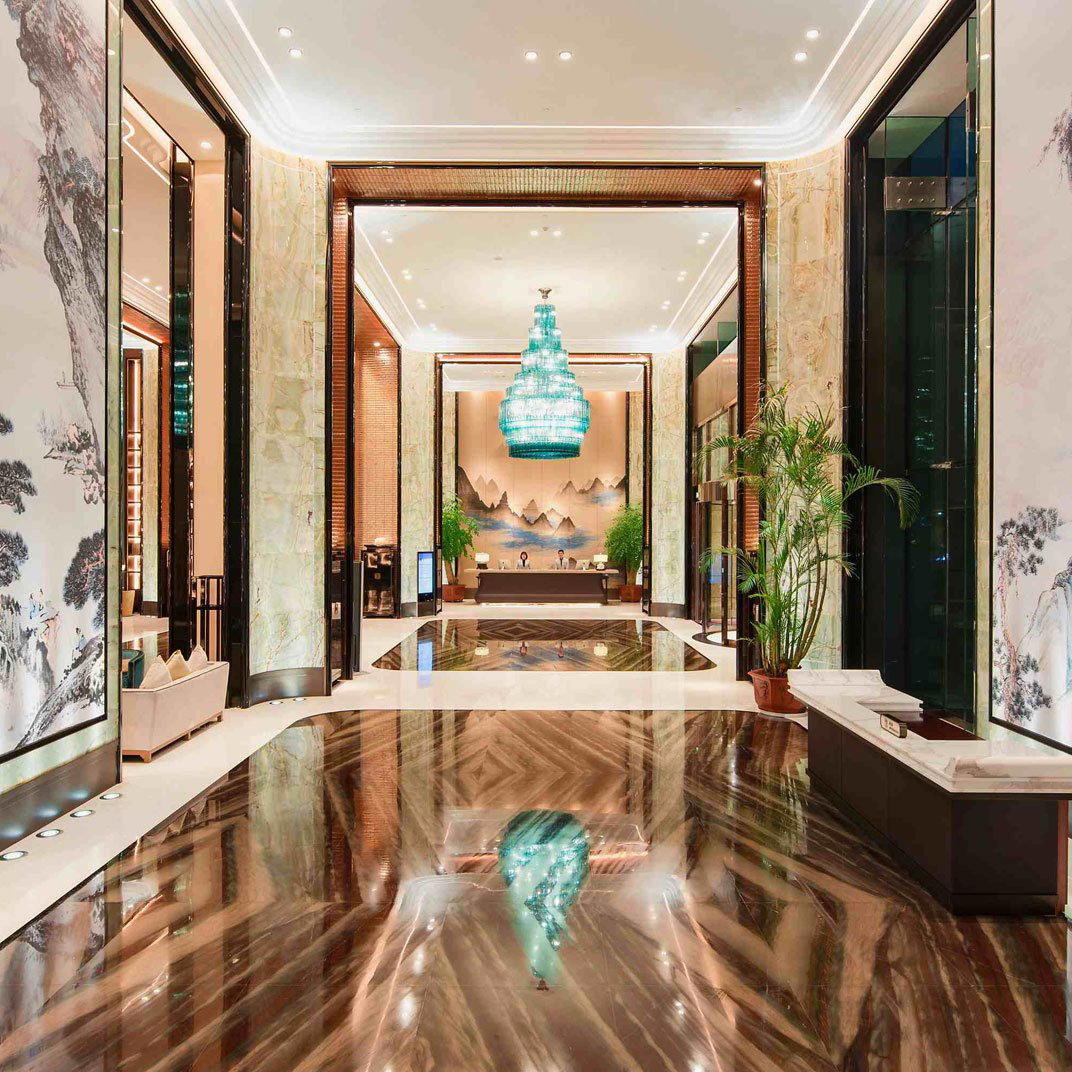
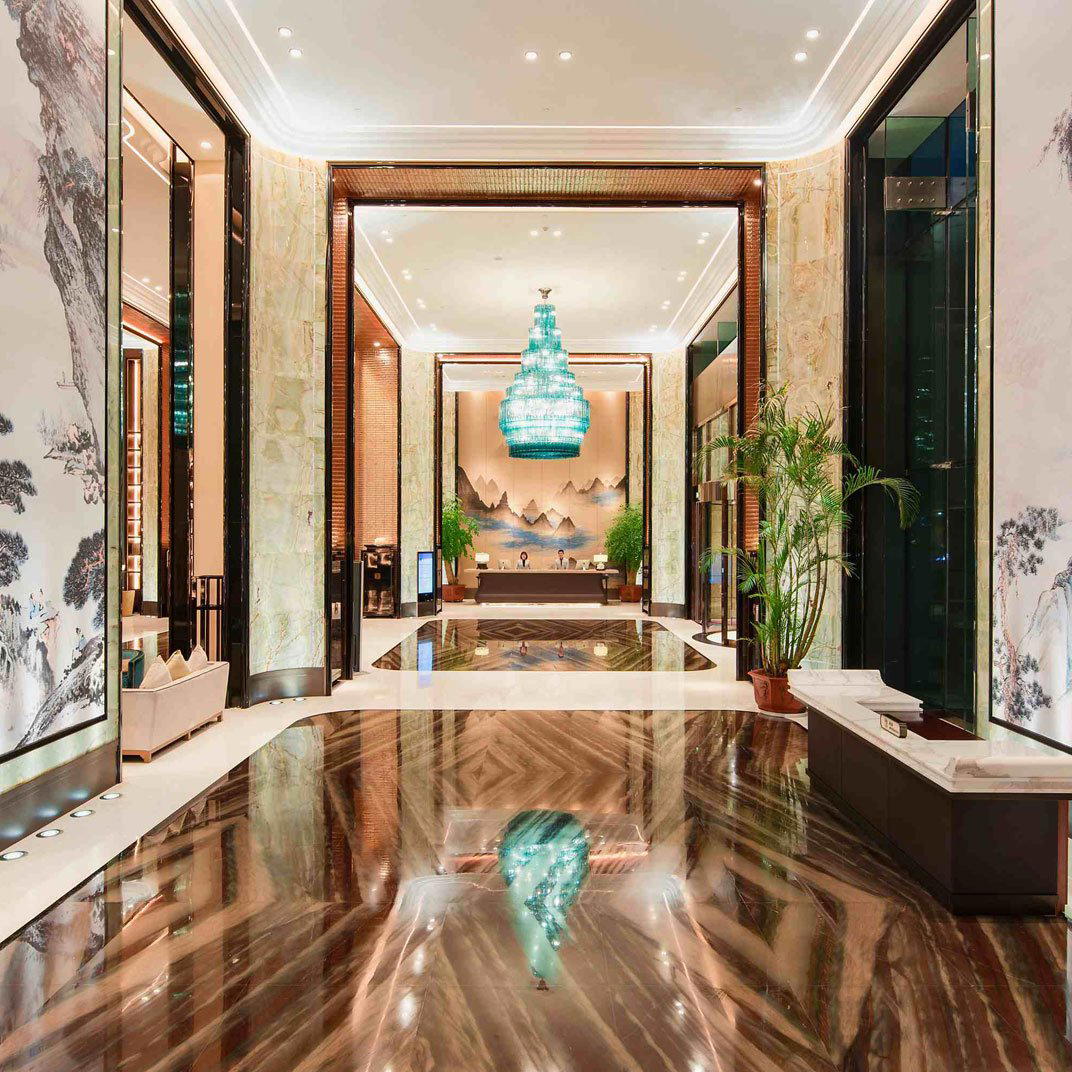
Most luxury hotels in China place their lobbies at street level, using the arrival sequence to make a first impression. Park Hyatt Hangzhou inverts this convention, lifting the lobby to the 37th floor and allowing the panoramic views to do the work that a ground-floor atrium typically handles. The arrival is more vertical disorientation than horizontal grandeur: you ride the elevator up, the doors open, and the city is suddenly below you on all sides.
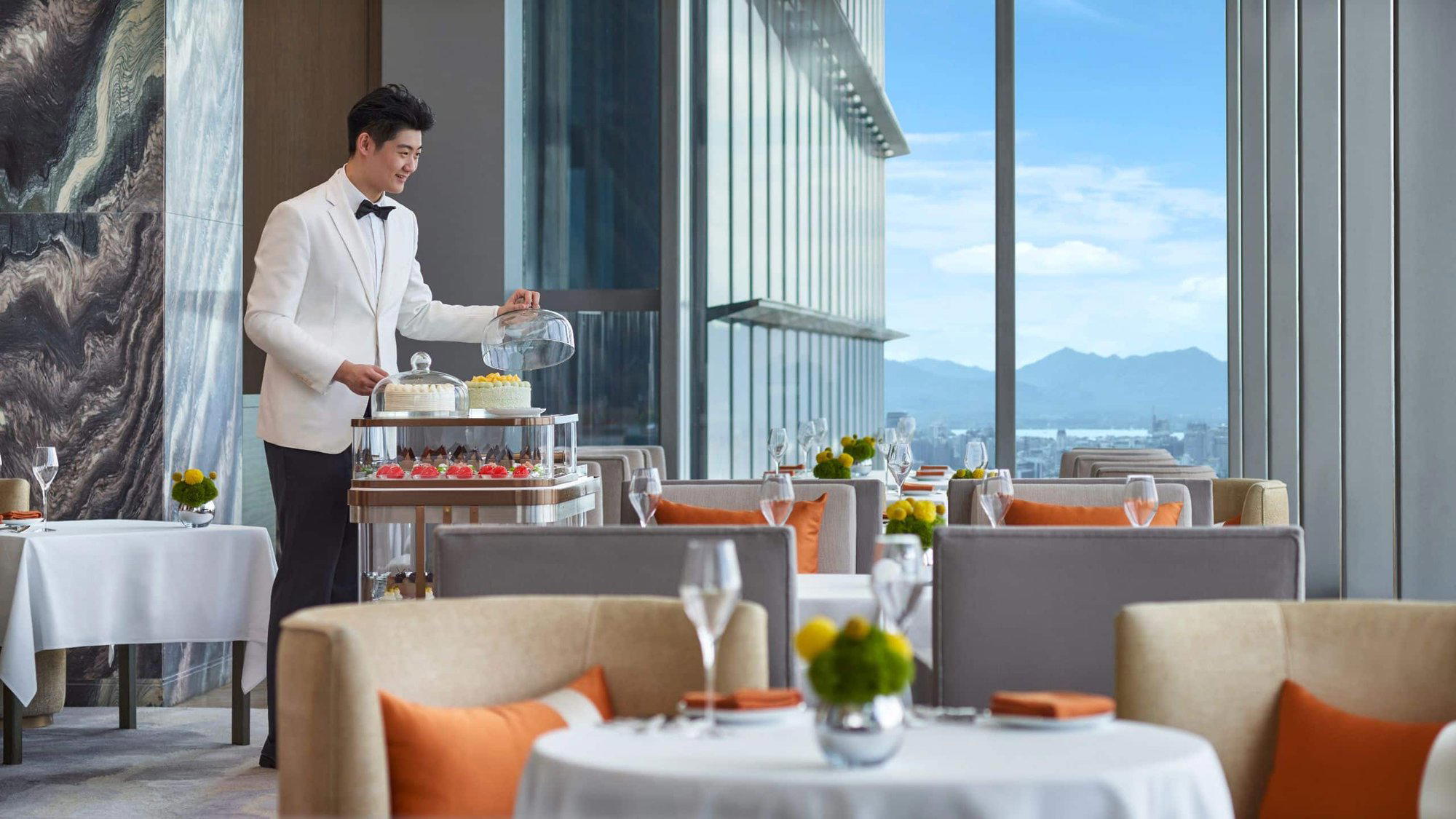
The lobby space itself draws on contemporary Chinese design vocabulary rather than classical motifs. Marble surfaces, Chinese lanterns, and 16-foot floor-to-ceiling windows are the primary elements, and on clear days the Qiantang River is visible as a silver band through the eastern windows. The design approach places Park Hyatt Hangzhou within a broader trend among Chinese luxury hotels built in the 2010s: an interest in local material culture and aesthetic references, filtered through an internationally legible luxury idiom. This is a different mode than the immersive heritage experience offered by Amanfayun, which reconstructs a Song dynasty village setting, or the resort logic of Fuchun Resort Hotel Fuyang. Park Hyatt's register is urban contemporary, not rural or classical.
Zhejiang Cuisine at Altitude: The Dining Room
The dining question at any luxury hotel in Hangzhou inevitably circles back to Zhejiang cuisine, one of China's eight recognized culinary traditions and the regional idiom for which the city is most closely associated. Hangzhou's food culture is built around freshwater fish from the lake and surrounding waterways, Longjing tea-infused preparations, and a preference for clean, restrained flavors over heavy saucing. Dishes like West Lake vinegar fish and Dongpo pork are specific to this tradition, and they appear across the city in formats ranging from street-level eateries to hotel dining rooms with substantial kitchen investment behind them.
Park Hyatt's primary restaurant, the Dining Room, operates on the 37th floor, making it one of the highest dedicated dining spaces in the city. The room is configured around the same 16-foot windows that define the lobby's visual identity, so the river and city grid form a backdrop to the meal rather than an afterthought. Zhejiang cuisine served at altitude with panoramic views of the Qiantang represents a particular kind of staging that a ground-level restaurant simply cannot replicate. Whether the kitchen produces food that holds up to peer scrutiny within the Hangzhou dining scene is a separate question, but the spatial conditions are exceptional.
For context, Hangzhou's broader restaurant scene, which you can assess in depth through our full Hangzhou restaurants guide, includes dedicated Zhejiang cuisine specialists with considerably longer track records. Hotel dining in this city, as in most Chinese cities, tends to appeal more to hotel guests and business entertainment than to locals seeking the cuisine on its own terms.
Forty8 Bar and the Brown Spirits Program
Hotel bars in Chinese luxury properties often underperform relative to the rooms and dining, defaulting to predictable wine lists and a small selection of spirits. Forty8 Bar at Park Hyatt Hangzhou takes a more structured approach, building its program around 48 brown spirits available by the glass. The format directly addresses one of the persistent problems with spirits consumption in hotel bars: most guests are reluctant to commit to a full bottle of a whisky or cognac they haven't tried, particularly at hotel pricing. A by-the-glass program across 48 expressions changes the economics of exploration considerably.
The bar's name is a direct reference to the program's depth, which at least represents editorial clarity about what the venue is doing. For guests interested in Scotch, Japanese whisky, American bourbon, or cognac as a category rather than a brand, the format is practical as well as atmospheric. The bar sits at the same refined level as the lobby, giving it access to the same city views.
The Rooms: Corner Light and Plum Blossom Motifs
Across 230 rooms, Park Hyatt Hangzhou maintains a consistent design language: lake-blue color palettes, plum blossom motifs on headboards, and floor-to-ceiling windows throughout. The corner room configuration is the most practical choice for guests prioritizing natural light and views; these rooms receive daylight from two orientations simultaneously and tend to feel larger than their square footage suggests.
Room amenities sit at the level expected of a Park Hyatt property: Nespresso machines, locally produced Longjing tea, Simmons mattresses, pillow menus, and 55-inch televisions. Universal power outlets are standard, a meaningful practical detail for international travelers who tend to arrive with a mix of plug types. The control panel beside the bed manages both blinds and drapes, which matters more than it sounds when the windows cover the full height of the wall.
Suites are considerably more limited in number. The property offers only 13 suites, particularly during spring, when Hangzhou draws heavy visitor traffic around West Lake's cherry blossom and green tea harvest season. The Chairman Suite on the leading floor adds a living room, dining room, kitchen, gaming and entertainment room, and butler service, placing it in the palatial accommodation tier that Park Hyatt deploys at flagship properties like Mandarin Oriental Qianmen in Beijing and international counterparts such as Aman New York.
The 35th-Floor Pool and a Practical Note on Swim Caps
The hotel's swimming pool sits on the 35th floor, making it among the highest outdoor or semi-outdoor pools in the city. The refined pool format has become a recognizable feature in Chinese urban luxury towers built in the 2010s, appearing at properties in Shanghai, Shenzhen, and Chengdu among others. Andaz Shenzhen Bay offers a comparable sky-pool experience in the Pearl River Delta, and JW Marriott Hotel Shanghai at Tomorrow Square operates on a similar vertical logic in Puxi.
One logistical point worth noting before you pack: most Hangzhou hotel pools require swim caps during lap swimming sessions. This is a broadly observed local regulation across the city's pool facilities, not a Park Hyatt-specific policy, but guests arriving without one will find themselves unable to use the pool for laps. The hotel can generally supply caps at the pool, but traveling with your own is direct insurance.
Planning Your Stay
Park Hyatt Hangzhou sits on Qianjiang Road in the Gongshu district, roughly 15 to 20 minutes by car from West Lake, the Leifeng Pagoda, and the Grand Canal. Room rates start at approximately $169 per night for standard configurations, placing the property within Hangzhou's upper-midscale to premium range rather than the ultra-luxury tier occupied by Amanfayun or Four Seasons Hotel Hangzhou at West Lake.
Suite availability is the most time-sensitive variable: with only 13 suites across 230 rooms, demand outpaces supply quickly during the spring travel peak and public holidays. Standard rooms can generally be booked closer to arrival, though the corner configurations with dual-aspect views will disappear first. Guests considering Hyatt properties elsewhere in China for multi-city itineraries might look at Hyatt Place Nanjing Xuanwu as a connecting stay, or explore the Conrad Hangzhou and Four Seasons Hotel Hangzhou at Hangzhou Centre as directly comparable alternatives within the city before committing to this tower.
| Venue | Price | Awards |
|---|---|---|
| Park Hyatt HangzhouThis venue (the venue you are viewing) | $200–300 | Michelin Guide New Hotels New Hotel · Michelin Selected |
| Amanfayun | Not listed | Michelin Selected · La Liste Top Hotels |
| Banyan Tree Hangzhou | $300–500 | Michelin Selected · Forbes 4-Star |
| Conrad Hangzhou | Not listed | Forbes Recommended |
| Four Seasons Hotel Hangzhou at West Lake | Not listed | 2 Michelin Keys · La Liste Top Hotels |
| Fuchun Resort Hotel Fuyang | Not listed | La Liste Top Hotels · Forbes Recommended |
Recognition history
Dated appearances from independent guides and award organizations, with the underlying list record or original source where available.
Michelin Guide New Hotels New Hotel
Michelin Guide New Hotels
Michelin Selected
Michelin
Forbes Recommended
Forbes
Full recognition history (4 entries)
Forbes Recommended
Forbes
Continue exploring
More in Hangzhou
Hotels in Hangzhou
All hotels in Hangzhou →
Bars in Hangzhou
All bars in Hangzhou →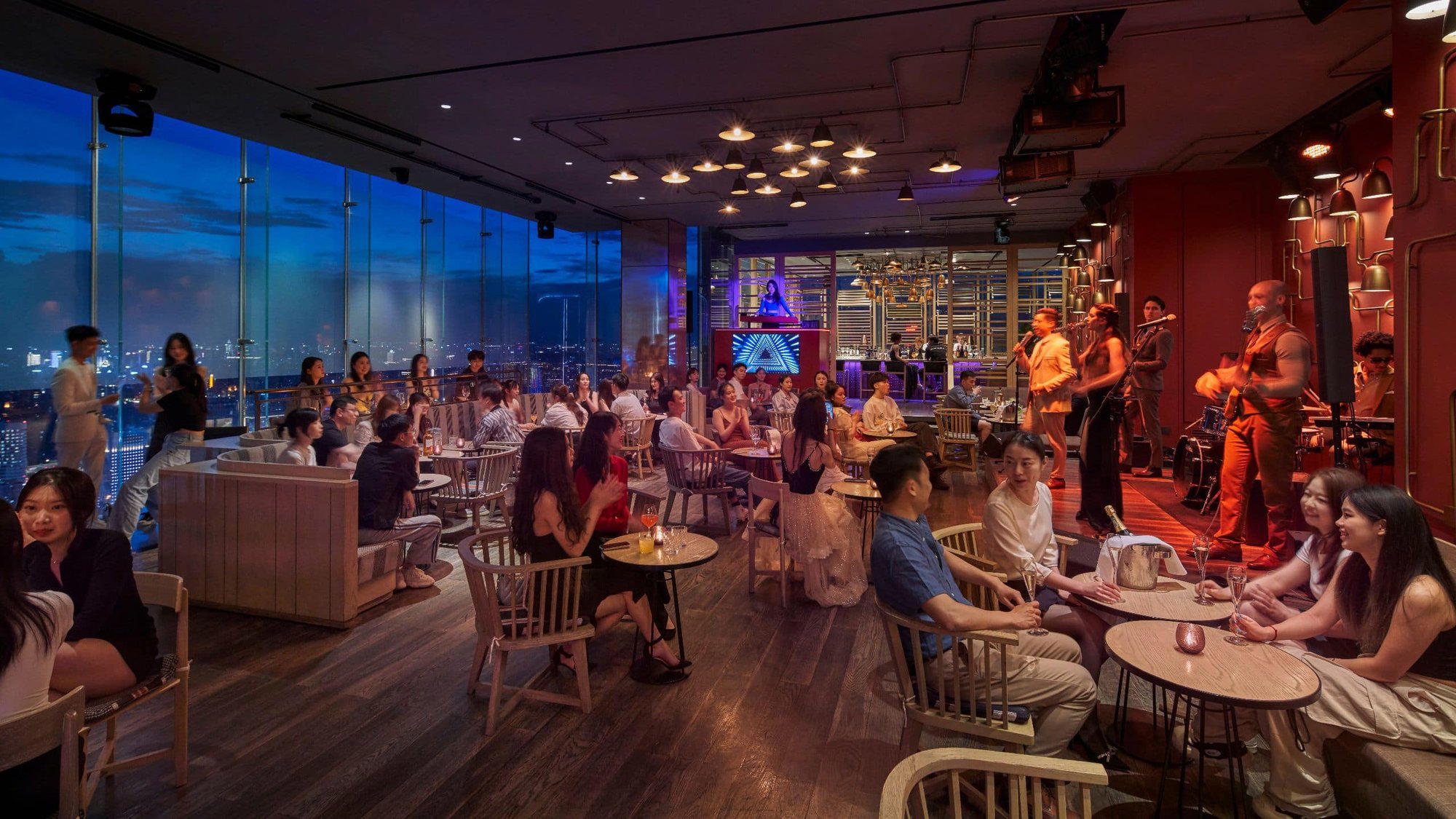
Details
- Elegant
- Sophisticated
- Modern
- Scenic
- Ornate
- Romantic Getaway
- Business Trip
- Weekend Escape
- Panoramic View
- Rooftop Pool
- Terrace
- Wi Fi
- Pool
- Spa
- Fitness Center
- Room Service
- Concierge
- Business Center
- Valet Parking
- EV Charging
- Waterfront
- Skyline
- Mountain
- Wheelchair Accessible
- Elevator
- Step Free Entrance
- Accessible Parking
Quiet and elegant lobby with city views; serene high-altitude atmosphere enhanced by modern Chinese design and live music at the rooftop bar.