Positioned at the quieter southern edge of Hangzhou's West Lake district, 桂语家面 (Guiyu Jiamian) sits on Xia Manjuelong Road, a lane more associated with osmanthus groves and tea culture than restaurant foot traffic. The address alone signals a deliberate remove from the city's busier dining corridors, placing it in a category of Hangzhou noodle houses that trade on setting as much as on the bowl itself.
Pearl is the En Primeur Club membership app — saves, bookings, and concierge access live there. Same editors, same standards.
- Address
- 下满觉陇74号, 杭州市, 浙江
- Directions
- Get directions
 Saves & bookings on Pearl
A Lane That Does the Work Before You Sit Down
桂语家面 is a handmade Chinese noodle restaurant in Hangzhou, with a price tier of about US$10 per person. Some addresses in Hangzhou carry their own editorial weight. Xia Manjuelong, the road that curves through osmanthus trees below Manjueling hill, is one of them. The lane has long been associated with the seasonal fragrance culture tied to Hangzhou's famous osmanthus harvest, and the residential tempo of the street is a deliberate contrast to the busier dining corridors around Nanshan Road or Hefang Street. Arriving at 桂语家面 (Guiyu Jiamian) at number 74, you have already passed through a kind of spatial argument: that the meal ahead belongs to a different register than a restaurant chosen for convenience or foot traffic. In Hangzhou's noodle category, address is rarely accidental.
The Physical Container and What It Signals
The editorial angle on Chinese noodle houses, especially those operating in cities with strong regional identity like Hangzhou, is often about the gap between the modesty of the format and the seriousness of the craft. Traditional noodle venues in Zhejiang have historically occupied utilitarian spaces: tiled walls, fluorescent light, tables set close enough to require a degree of goodwill between strangers. The premium end of that category has been slowly redefined in the past decade, with a generation of operators choosing addresses and interiors that do more interpretive work. A venue on a lane like Xia Manjuelong is, by its placement, making a claim about atmosphere as an ingredient.
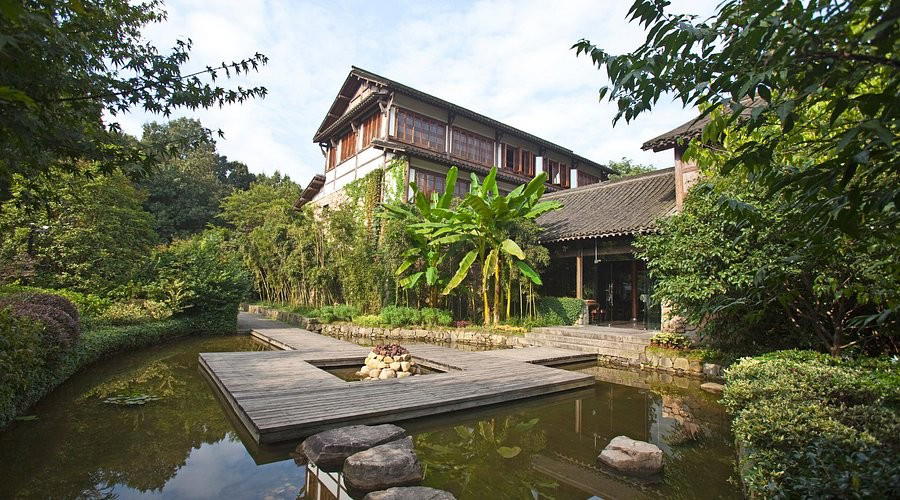
What the address does confirm is that the space sits within a low-density residential and cultural zone, where the physical environment outside the door, the canopy of osmanthus, the relatively quiet road, the proximity to Manjueling hill, forms part of the experience before a single bowl is ordered. In the broader context of Hangzhou dining, venues that rely on their surrounding landscape to frame the meal tend to operate at a pace that differs from city-centre operations: slower, more seasonal in feel, and less dependent on table turnover.
Where Hangzhou Noodle Culture Sits in the Regional Picture
Zhejiang noodle traditions are specific. The province's broader culinary identity, rooted in freshwater ingredients, subtle seasoning, and a preference for preserving the natural character of ingredients, carries through to its noodle formats. Hangzhou-style noodles have historically drawn on toppings like braised pork, eel, river shrimp, and seasonal vegetables, a different flavour architecture from the chilli-forward profiles of Sichuan or the alkaline-noodle traditions of Guangdong. The category sits comfortably within the wider Jiangnan (Yangtze River Delta) cooking sensibility, which prizes restraint and seasonal alignment over complexity of spice.
Within Hangzhou itself, the noodle house category spans a considerable range. At the institutional end, operations that have been running for decades function as civic landmarks as much as restaurants. At the newer premium end, venues are more likely to combine considered sourcing with a physical environment designed to slow the diner down. For a calibrated sense of the Zhejiang fine dining register in Hangzhou, Ru Yuan and Guiyu (Xihu) represent the upper tier of the broader category, while Hangzhou House and Jie Xiang Lou anchor the mid-range with long civic track records.
The Osmanthus Context Is Not Incidental
The name 桂语家面 incorporates the character 桂 (guì), which refers to osmanthus, the flower that defines Hangzhou's autumn identity in a way few botanical associations define a city anywhere in China. The osmanthus harvest season, concentrated in October, transforms the Manjueling and Manjuelong areas into one of the city's most atmospheric corridors. A noodle house that builds its name around that reference and situates itself on Xia Manjuelong is making an explicit connection to place and season. In the seasonal logic of Jiangnan cooking, an address on a famous osmanthus lane is rarely a coincidence.
For comparison, consider how osmanthus appears across Hangzhou's broader food culture: osmanthus-infused glutinous rice, osmanthus sugar in pastries, osmanthus-scented teas. The ingredient is woven into the city's confectionery and dessert traditions in particular, and its appearance in contemporary restaurant naming reflects both that heritage and a current trend among Hangzhou operators toward place-rooted brand identity.
Positioning Within the Zhejiang Dining Ecosystem
Hangzhou's dining scene has matured significantly over the past decade, receiving growing attention from critics and guides who previously focused their Zhejiang coverage on Shanghai or Ningbo. Venues like Ambré Ciel represent the city's appetite for innovative formats alongside its deep Zhejiang roots. The noodle category, however, operates largely outside the fine-dining recognition framework, it is assessed by locals on different criteria: consistency of broth, quality of toppings, sourcing fidelity, and the coherence of the overall experience relative to the price paid.
Across the wider Yangtze River Delta region, this kind of noodle-focused venue has analogues in other cities. Dingshan·Jiangyan in Suzhou and Dai Yuet Heen in Nanjing occupy corners of the Jiangnan dining picture that reward visitors willing to move past the obvious hotel-restaurant circuit. Further afield, the precision end of Chinese regional cooking, represented by venues like Xin Rong Ji in Beijing and Xin Rong Ji in Chengdu, reflects a national conversation about how regional Chinese ingredients and techniques are being preserved and reinterpreted. The noodle house sits at a more intimate scale within that conversation.
Planning Your Visit
The address, 下满觉陇74号, in the Manjuelong area south of West Lake, is not within walking distance of most central Hangzhou hotels, and a taxi or ride-share is the practical approach. The lane can be narrow and the area residential, so arriving on foot from a dropped-off point a short distance away is common. Checking current operating information directly before visiting is necessary. The osmanthus season (roughly mid-September through October) represents the period when the surrounding area is at its most atmospheric, and the lane itself draws visitors during that window regardless of dining plans. Timing a meal to coincide with that season adds a layer that no city-centre address can replicate.
Those planning a wider East China circuit might also reference 102 House in Shanghai, Fleurs Et Festin in Xiamen, Jiangnan Wok·Rong in Fuzhou, Shang Palace in Yangzhou, Imperial Treasure Fine Chinese Cuisine in Guangzhou, and Chef Tam's Seasons in Macau for comparative regional reference points. For those benchmarking Hangzhou against global fine dining conversations, Le Bernardin in New York City and Atomix in New York City illustrate how precision and setting interact at the highest international level.
Compact Comparison
Comparable venues nearby, for context on price, style, and recognition.
| Venue | Cuisine | Price | Notes |
|---|---|---|---|
| 桂语家面This venue — the venue you are viewing | 西湖区满觉陇, Handmade Chinese Noodles | $ | Not listed |
| çæ°ç§é¥¼ æ ç¾æ²¹æ¡ | Hangzhoushi, Hangzhou Charcoal BBQ | $$ | Not listed |
| Hokkien Huay Kuan | Xuhui District, Fujian Fine Dining | $$$ | Not listed |
| Hang's Delicacy (Xihu) | Yuhangxian, Hangzhou Cuisine | $$ | Not listed |
| ZiWei Ting | XiHu District, Hangzhou Cuisine | $$$$ | Not listed |
| Seven Villas | Not listed | $$$$ | Hangzhoushi, Modern Zhejiang (Jiangnan) |
At a Glance
- Minimalist
- Cozy
- Casual Hangout
- Standalone
- Garden
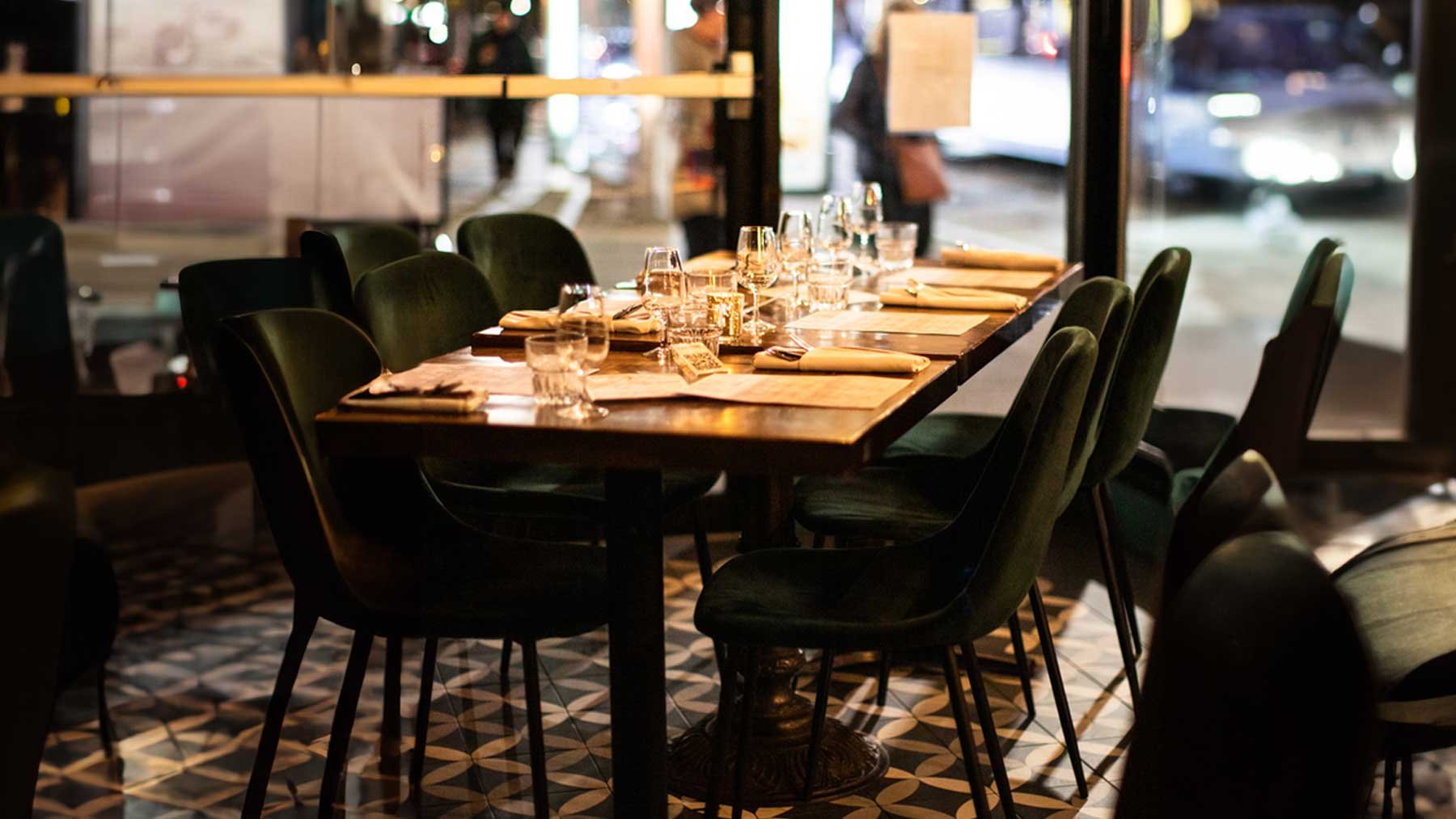
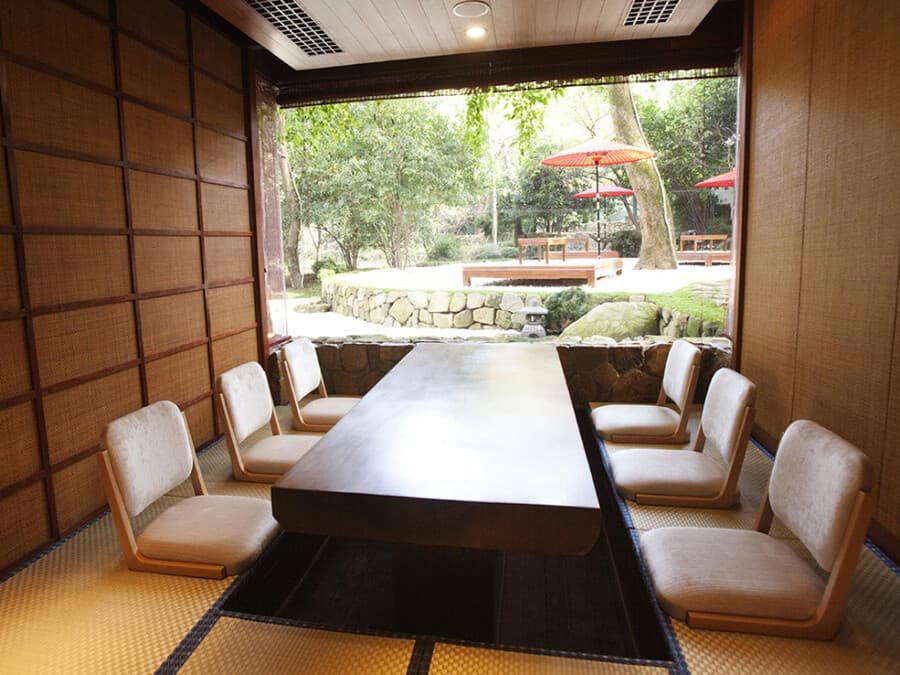
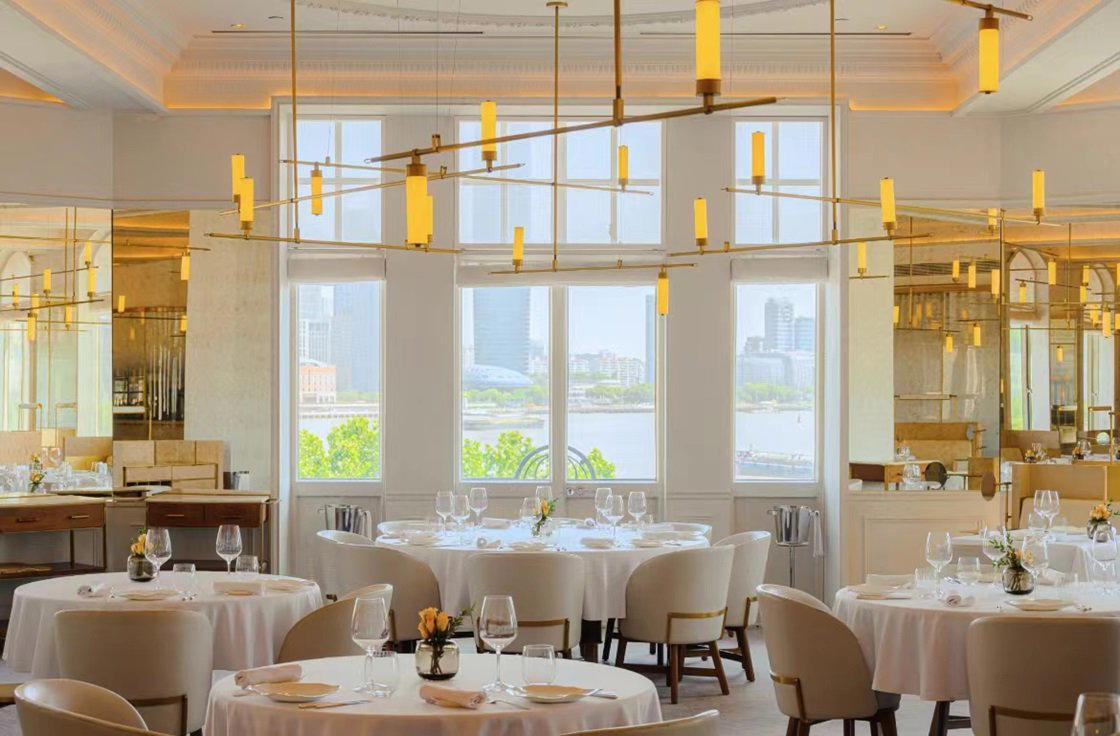
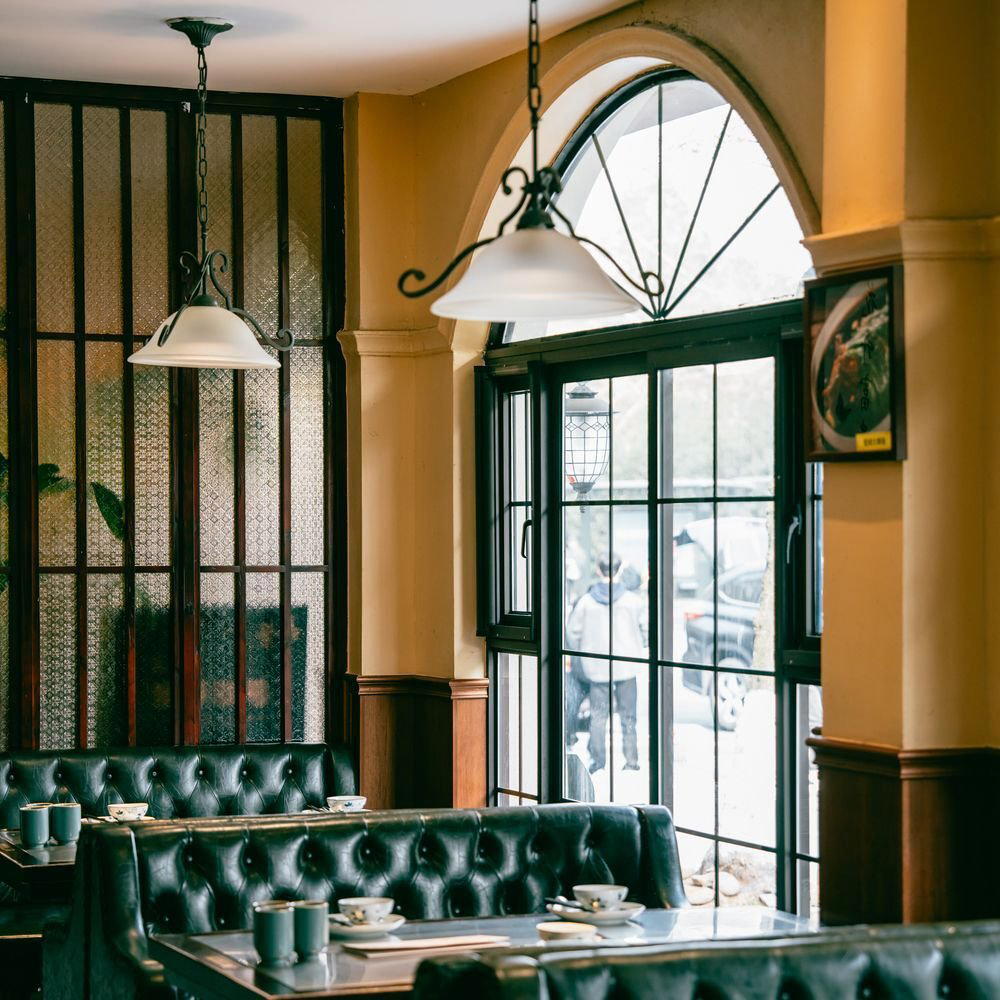
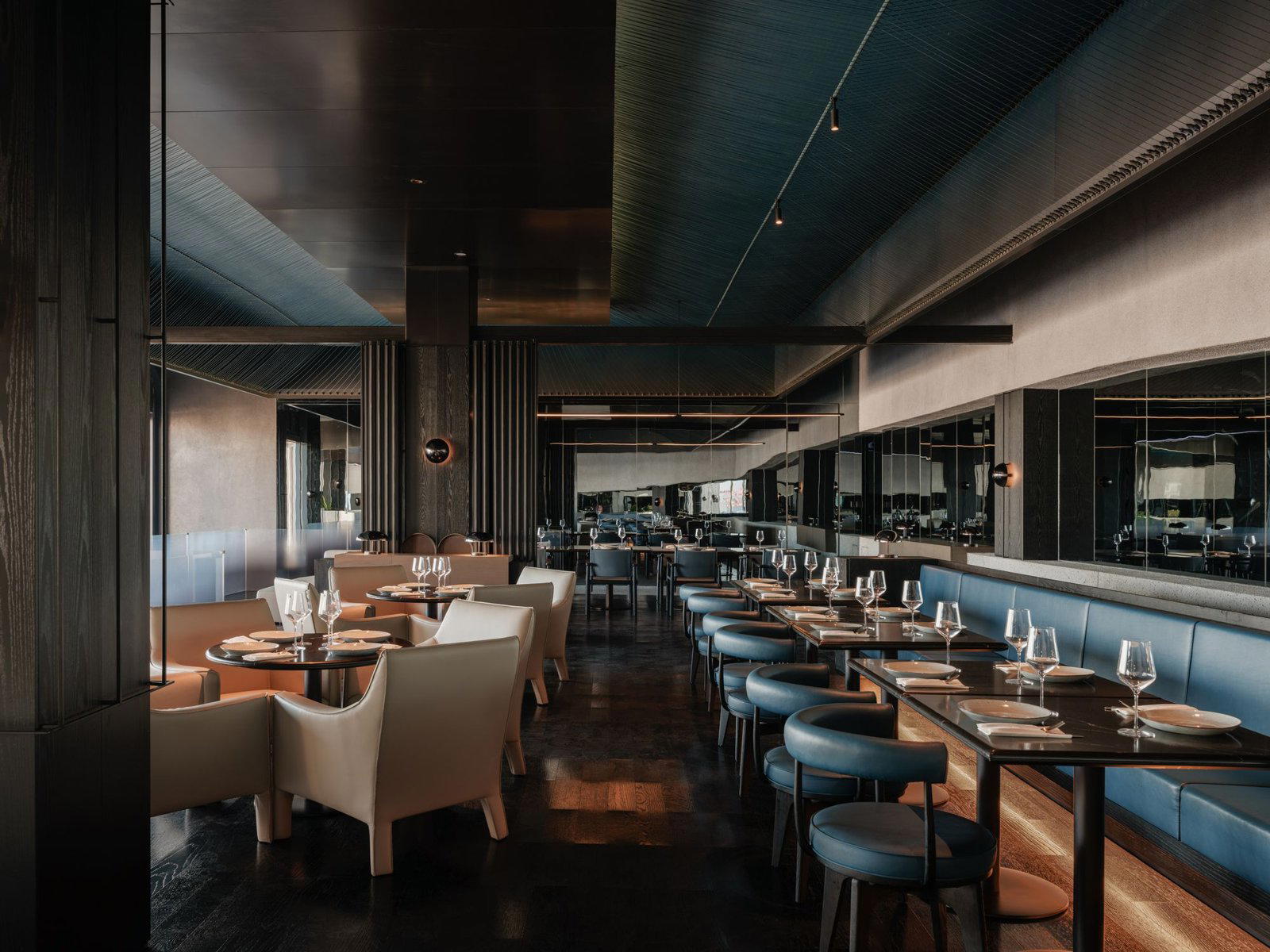
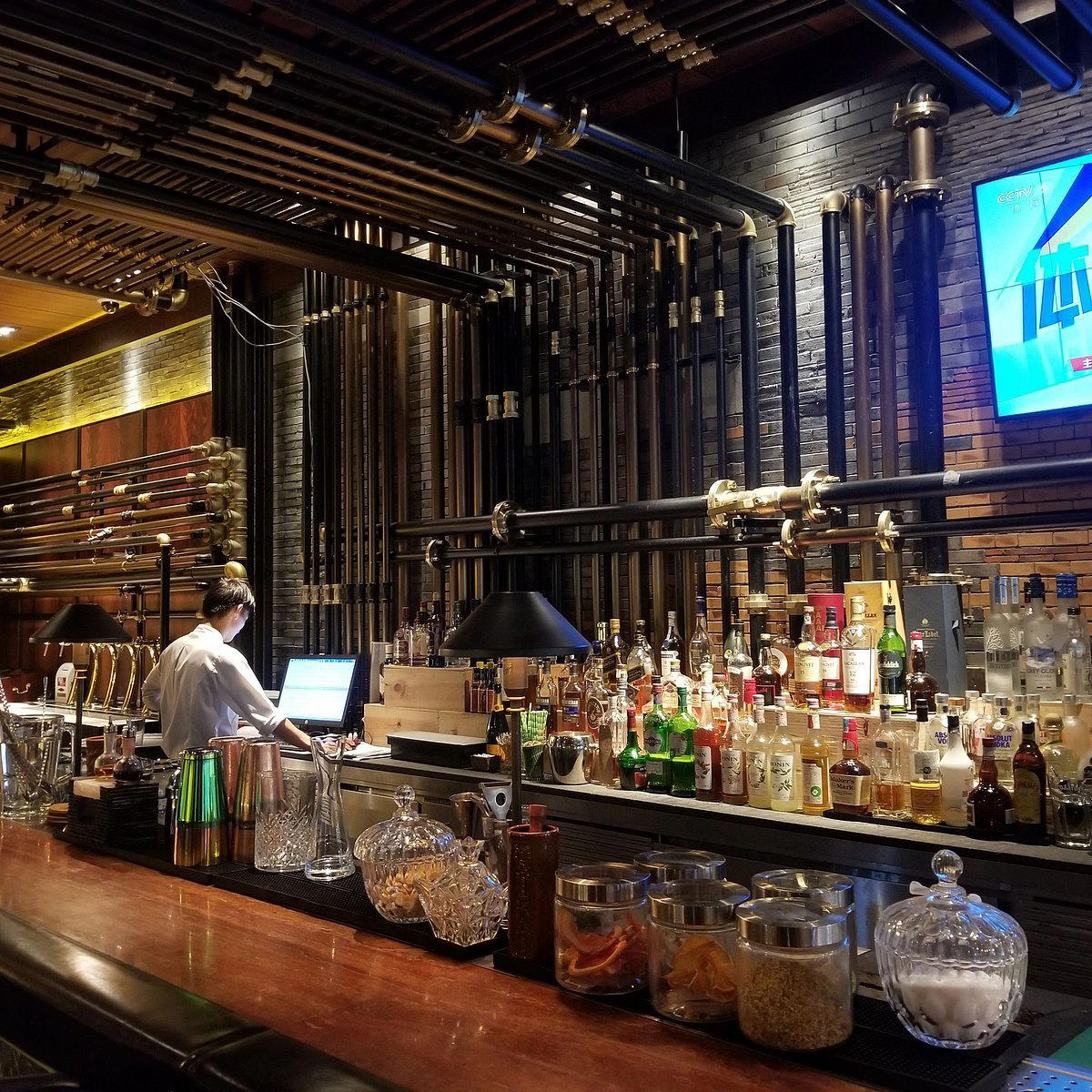
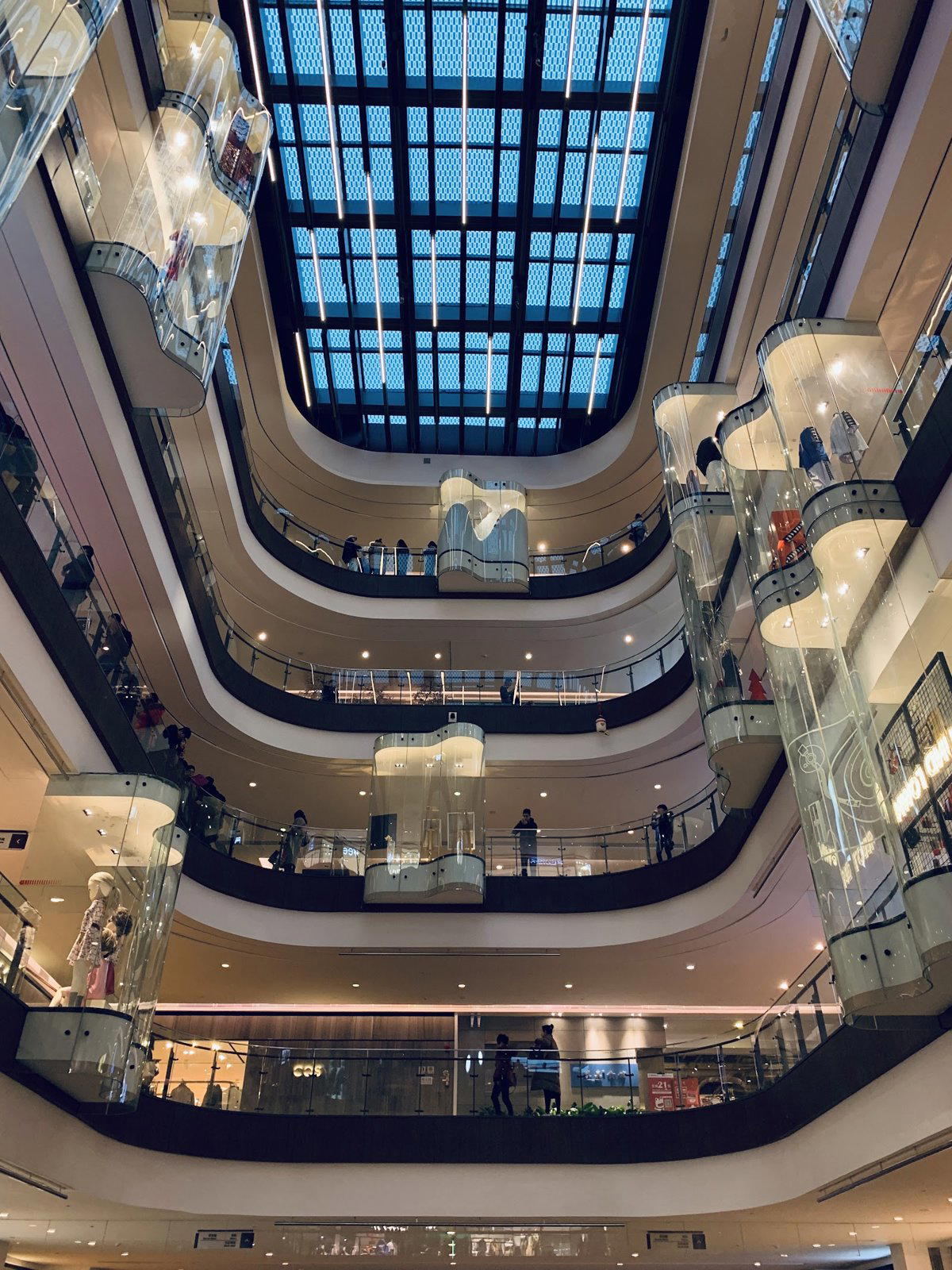
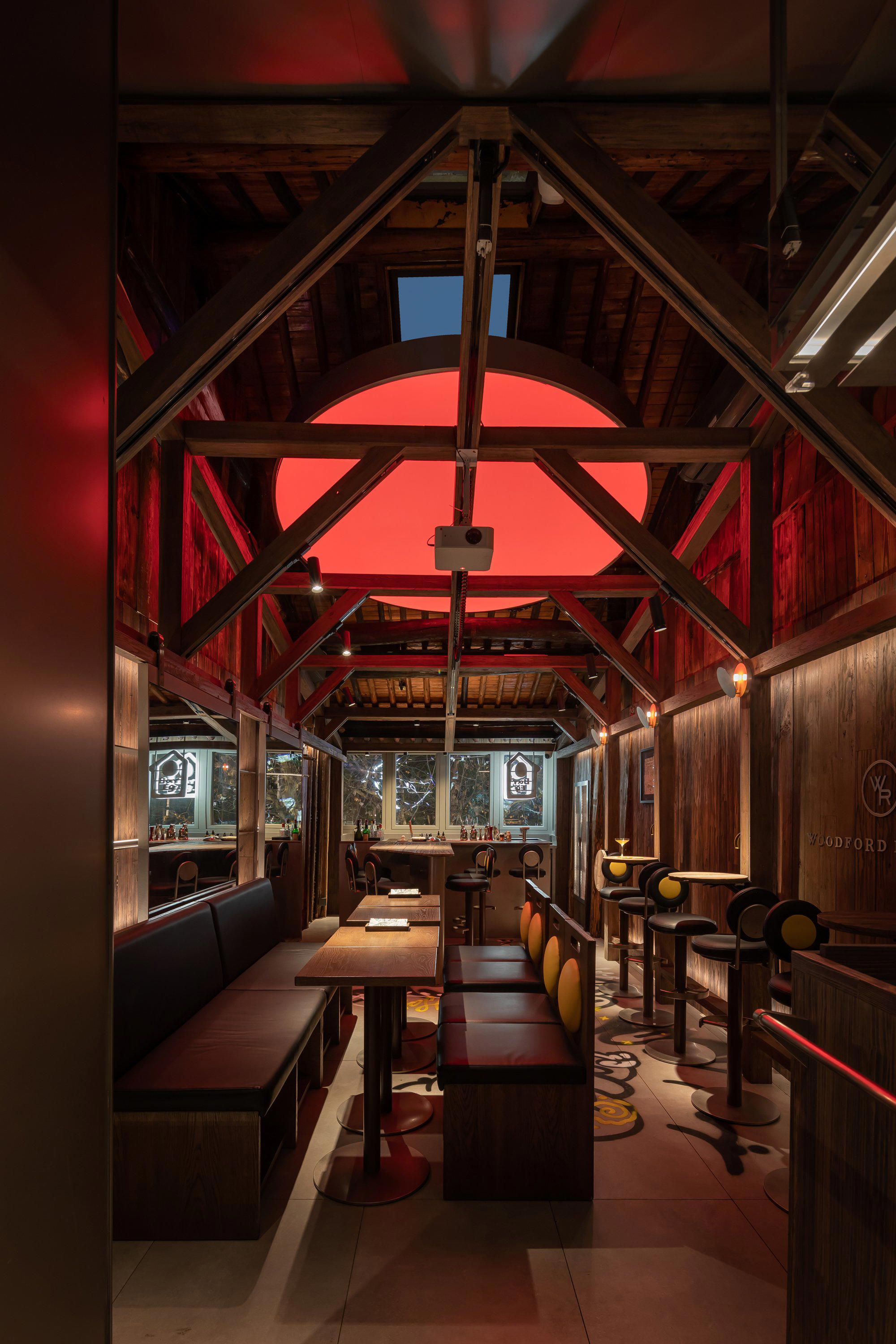
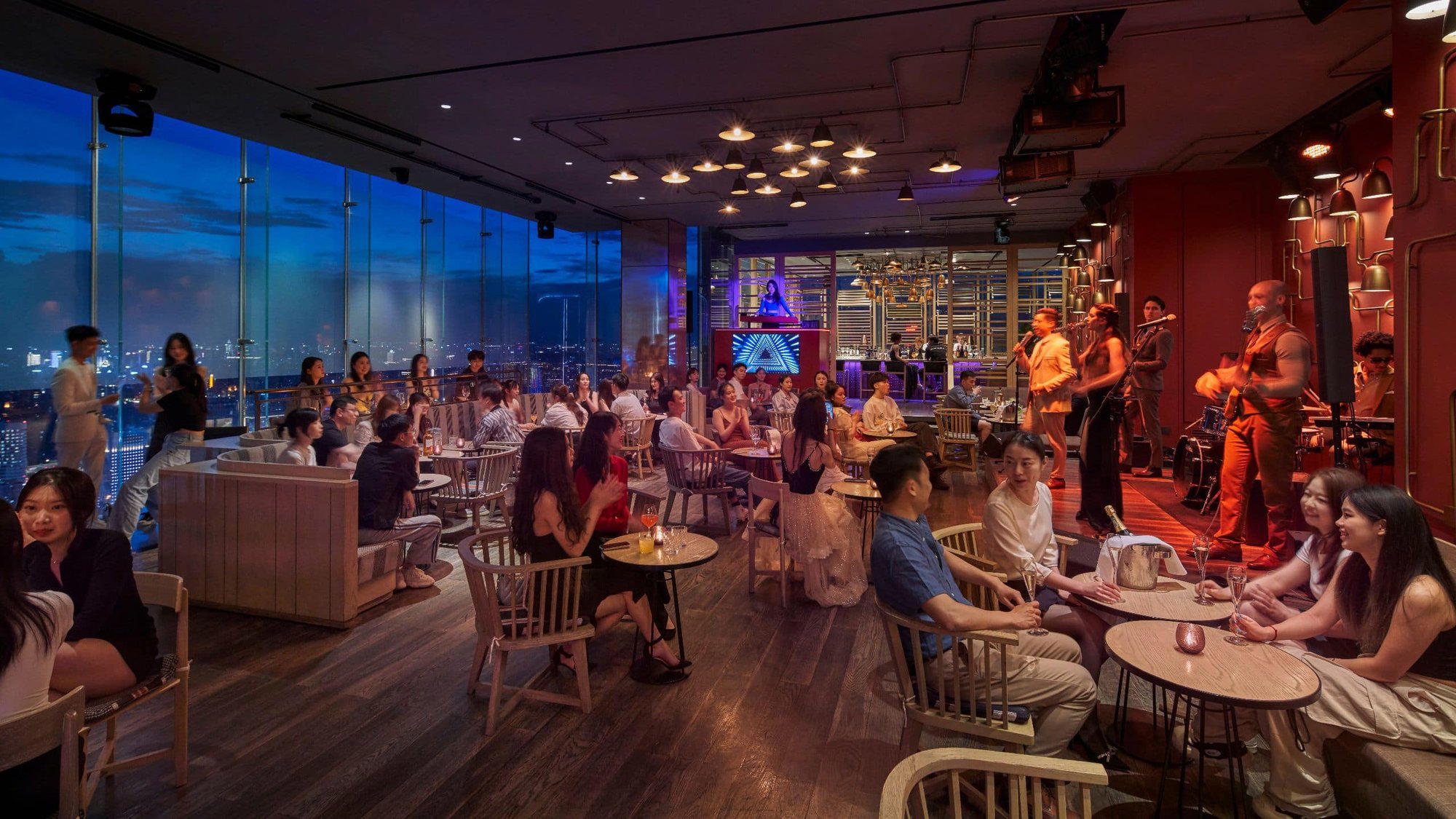
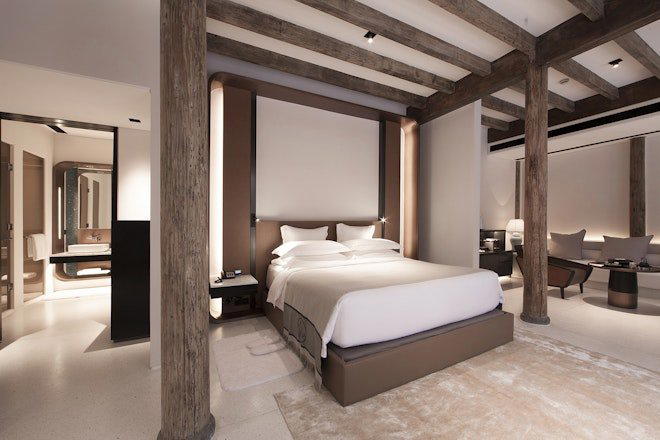
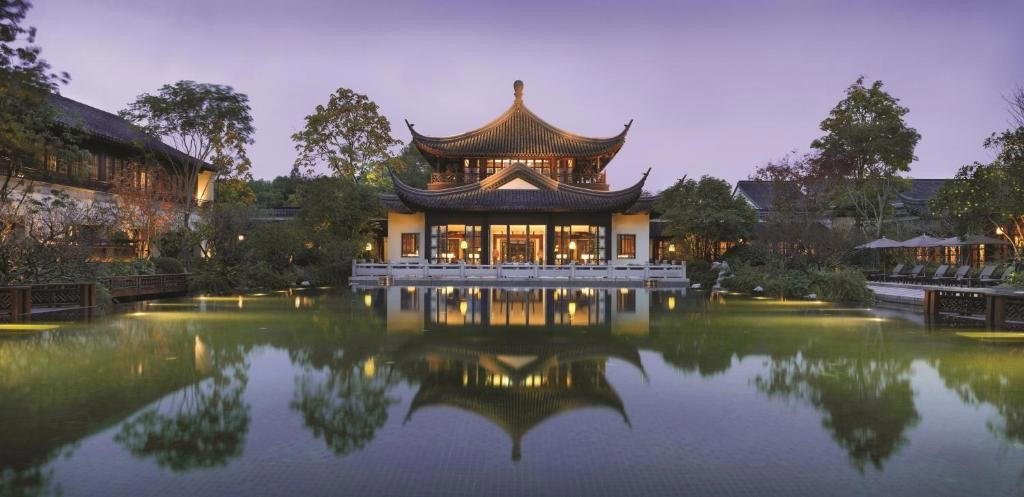
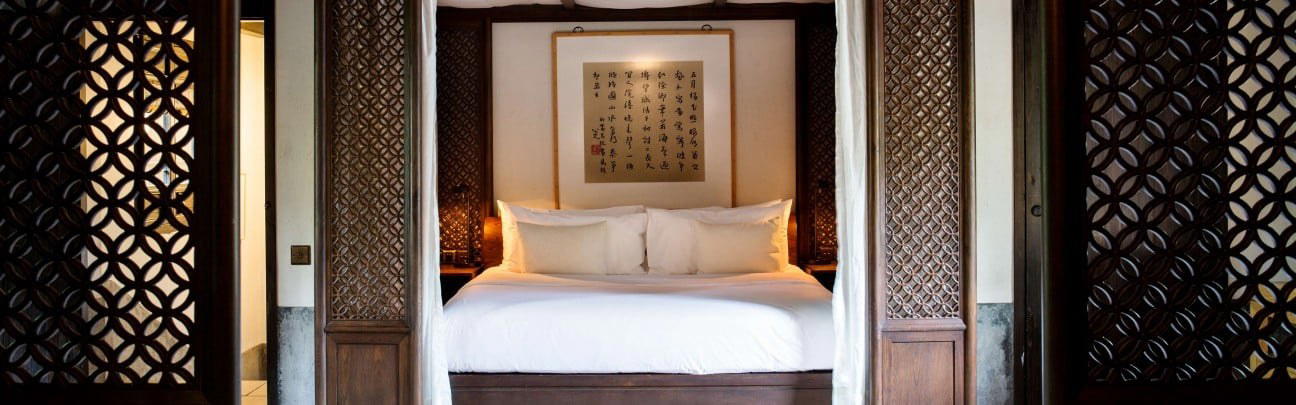
Minimalist Zen-inspired decor with air-conditioned comfort, featuring single seating areas and small tables for intimate dining.