
A Michelin Plate-recognised address in Hangzhou's Shangcheng District, Hu Ge Si Fang Cai works within the sifu cai tradition of private-kitchen Hangzhou cooking, where restrained technique and seasonal produce carry more weight than spectacle. At a mid-range price point, it occupies a distinct tier among the city's Zhejiang cuisine options, offering accessible entry into a culinary tradition that higher-tariff peers price out of reach.
Pearl is the En Primeur Club membership app — saves, bookings, and concierge access live there. Same editors, same standards.
- Address
- 481 Zhongshan S Rd, Shangcheng District, Hangzhou, Zhejiang, China, 310002
- Phone
- +86 151 6832 5020
- Directions
- Get directions
 Saves & bookings on Pearl
Private Kitchens and the Hangzhou Table
Along Zhongshan South Road, a corridor that threads through Shangcheng District between the old city core and the lake perimeter, the dining register shifts noticeably from the polished Zhejiang fine-dining rooms that cluster near West Lake. Here, smaller rooms carry the character of si fang cai, private-kitchen cooking, a format rooted in household technique rather than banquet-hall ceremony. The name itself signals the tradition: hu ge frames the intimate scale, si fang cai names the genre. Hu Ge Si Fang Cai sits inside this lineage, and understanding what that means for the plate matters more than any single credential.
Si fang cai as a category operates differently from the formal Zhejiang restaurant tier occupied by venues like Fu Yuan Ju (Shangcheng) or the higher-spend rooms anchored closer to the lake. Where those addresses trade in presentation polish and room theatre, the private-kitchen mode privileges the cook's personal repertoire and seasonal attunement. The result tends toward softer flavours, ingredient-led construction, and a pace that resists urgency. It is, in the local dining vocabulary, food made the way a skilled household once cooked it, before the category became a studied aesthetic.
What the Michelin Plate Signals Here
Hu Ge Si Fang Cai has held a Michelin Plate in both 2024 and 2025, a recognition that does not carry the star hierarchy but does function as Michelin's marker for kitchens producing food worth the detour. In Hangzhou's competitive Zhejiang cuisine field, where Hang's Delicacy (Xihu) and multi-starred rooms like Ru Yuan occupy the upper tiers, the Plate distinction at a mid-range price point (¥¥ against ¥¥¥ and ¥¥¥¥ peers) is a meaningful positioning signal. It places this kitchen in the set of addresses the guide considers technically sound without requiring the spending ceiling that starred dining demands.
Across Zhejiang cuisine more broadly, the Michelin Plate tier has become a useful indicator for the category of cooking that resists the formalism of tasting menus. Venues in this bracket, whether in Hangzhou or comparable regional cities, tend to attract local regulars alongside travellers with enough context to read the distinction. The comparison with higher-tariff addresses is instructive: a meal at 1913 or a room anchored by Jin Sha's ¥¥¥ positioning delivers different ceremonial weight. The private-kitchen format trades some of that ceremony for a closer relationship between kitchen and guest, where the evening's character is shaped by whoever is running the stove that night.
The Collaborative Register of Si Fang Cai Service
The editorial angle assigned to this venue, the dynamic between kitchen, floor, and guest, becomes particularly relevant in the si fang cai context. In private-kitchen formats across China, the coordination between cook and host-server is structurally different from the tiered brigade model of formal fine dining. There is typically less functional separation between roles: the person explaining a dish may also be the person who sourced the ingredient that morning. At addresses like Bao Zhong Bao Shi Fu and Datou Yingshi Xiaoguan, which operate in adjacent registers across Hangzhou's mid-tier, a similar logic applies: the value is in the compression of distance between production and delivery, not in the orchestration of a performance.
This has practical implications for how a table at Hu Ge Si Fang Cai reads in the room. In a format where word-of-mouth and local network often outperform discoverability, a thin review count is as often a mark of restricted audience as of restricted quality. The Michelin recognition over two consecutive years points in the opposite direction.
Hangzhou Cuisine in Its Regional Frame
Hangzhou cooking occupies a specific and sometimes underappreciated position within the wider Chinese regional canon. It is not Shanghainese, though the two are frequently conflated by visitors approaching from the east. It is not the seafood-intensity of coastal Fujian or the bold chilli presence of Sichuan. Its character comes from West Lake proximity, freshwater fish, lotus root, bamboo shoot, and a preference for soy-and-sugar balances that read as gentle rather than aggressive. Dongpo pork, West Lake fish in vinegar sauce, longjing shrimp: these are benchmark preparations, and the quality of their execution in a private-kitchen context often reveals more about a chef's command than a more theatrical dish would.
For travellers calibrating Hangzhou against other regional Chinese dining, the useful comparisons extend beyond the city. Xin Rong Ji (Xinyuan South Road) in Beijing represents the formalised, high-spend expression of Taizhou-adjacent Zhejiang cooking. 102 House in Shanghai situates a different kind of private-kitchen sensibility within a higher price register. Further afield, Tien Hsiang Lo, Hang Zhou in Taipei represents how the Hangzhou tradition translated through mid-twentieth-century migration, a distinct lineage from what contemporary Zhejiang kitchens are producing. None of these are direct comparisons to the restaurant's format and price tier, but they form the wider web of reference within which Hangzhou's private-kitchen mode reads.
For those exploring the broader region's fine-dining ceiling, Chef Tam's Seasons in Macau, Imperial Treasure Fine Chinese Cuisine in Guangzhou, and Dai Yuet Heen in Nanjing each demonstrate how Cantonese and regional Chinese traditions formalise at the starred level, useful context for appreciating what the si fang cai format deliberately steps away from. Even Le Bernardin in New York City or Xin Rong Ji in Chengdu illustrate, from opposite ends of the spectrum, that formal and informal registers serve different purposes regardless of geography.
Planning a Visit
The address, 481 Zhongshan South Road, Shangcheng District, places the restaurant in the southern arc of the old city, walkable from the lake's eastern perimeter and within reach of the canal district. The ¥¥ price range positions it accessibly against the mid-to-upper tier of Hangzhou dining, where a comparable evening at a ¥¥¥ address would run notably higher. Booking is recommended.
Reputation Context
Comparable venues nearby, for context on price, style, and recognition.
| Venue | Cuisine | Price | Awards | Notes |
|---|---|---|---|---|
| Hu Ge Si Fang CaiThis venue — the venue you are viewing | Hangzhou Classics | $$ | Michelin Plate | Not listed |
| Wulin | Authentic Hangzhou Cuisine | $$ | Michelin Plate | Hangzhoushi |
| Hang's Delicacy (Xihu) | Hangzhou Cuisine | $$ | Michelin Plate | Yuhangxian |
| Xin Liu He | Traditional Hangzhou Cuisine | $$ | Bib Gourmand | Hangzhoushi |
| Shuiyang | Refined Zhejiang Cuisine | $$$ | Michelin Plate | Hangzhoushi |
| Wang Ri Shun Hao | Traditional Jinhua Snacks | $$ | Bib Gourmand | Hangzhoushi |
Recognition history
Dated appearances from independent guides and award organizations, with the underlying list record or original source where available.
Michelin Plate
Michelin
Michelin Plate
Michelin
At a Glance
- Scenic
- Classic
- Rustic
- Quiet
- Casual Hangout
- Group Dining
- Garden
- Standalone
- Local Sourcing
- Garden
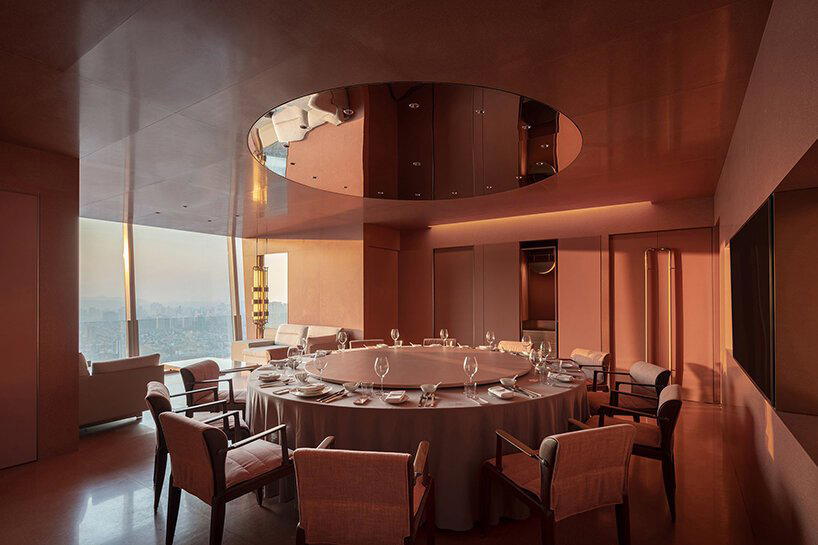
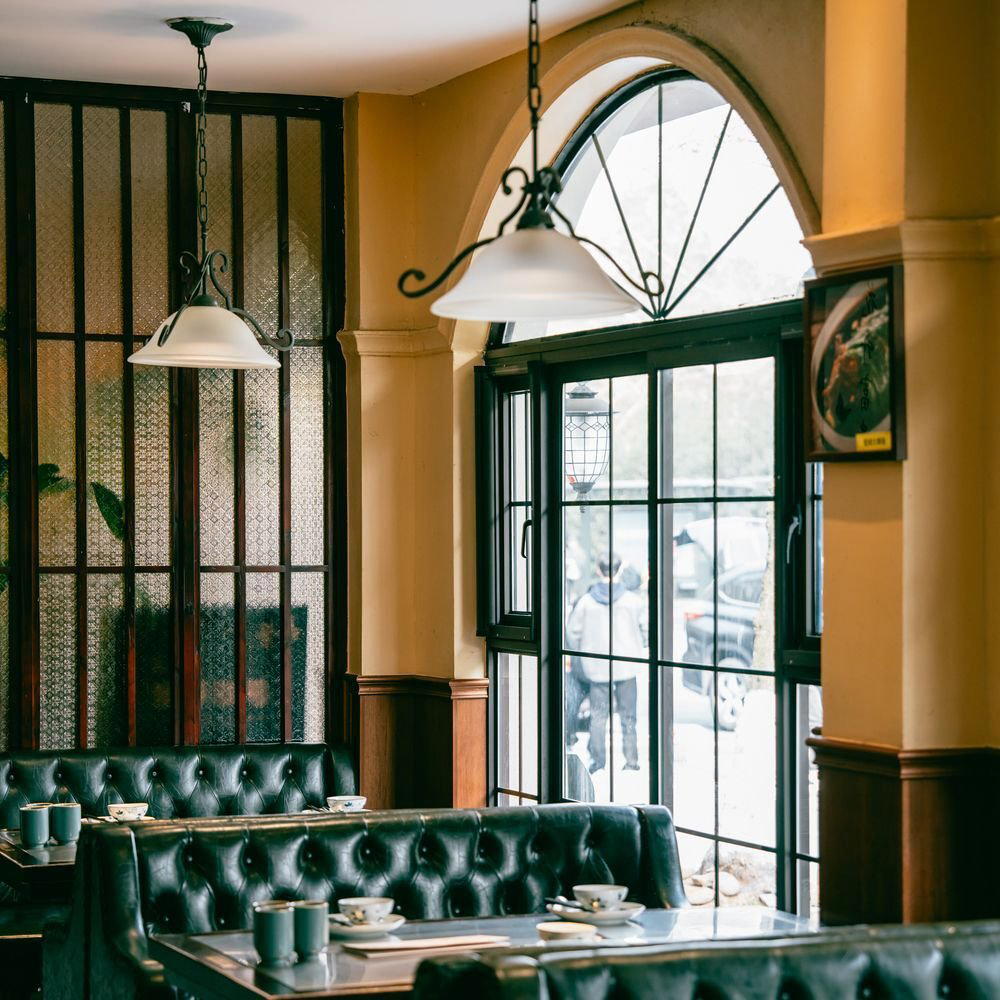
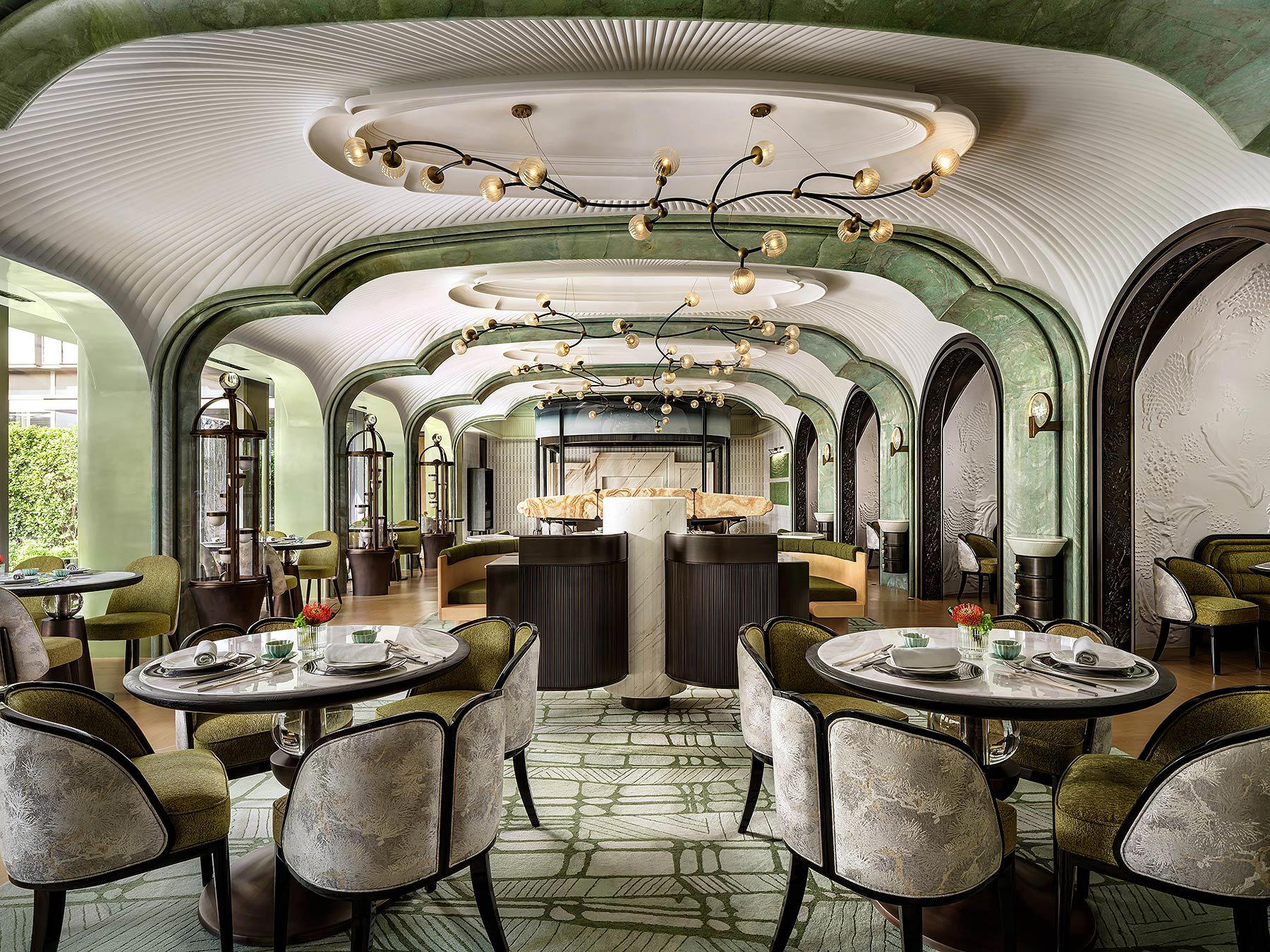
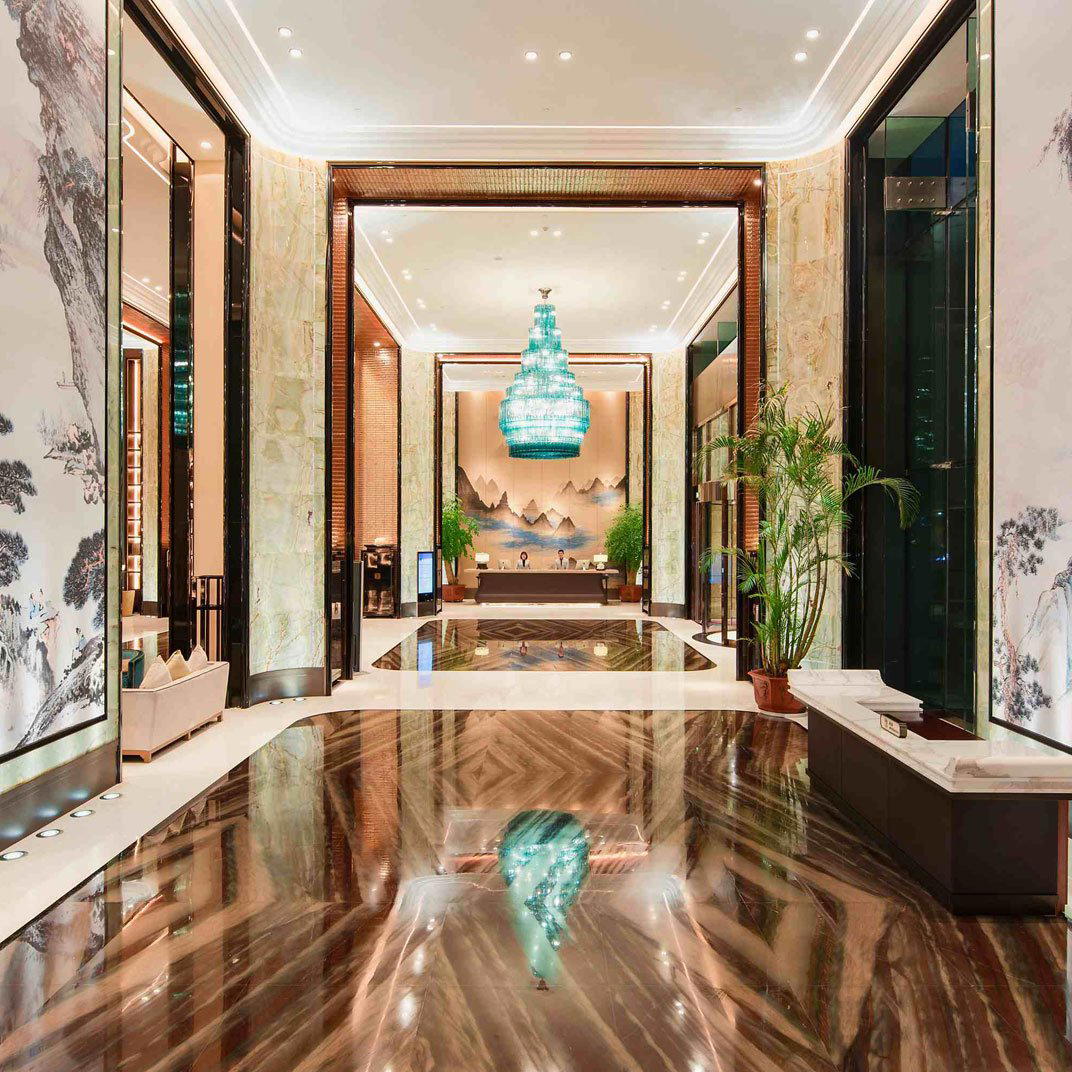
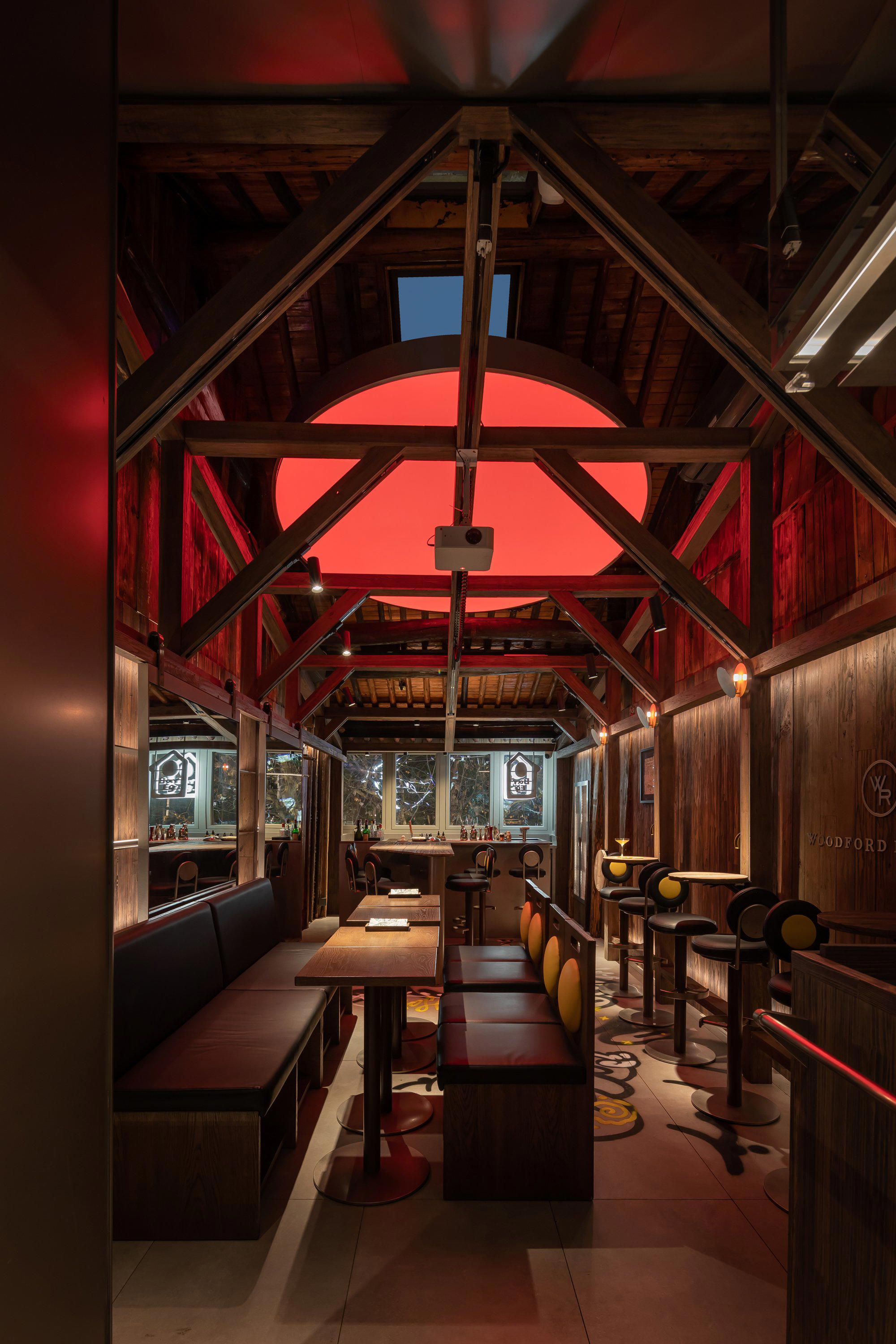
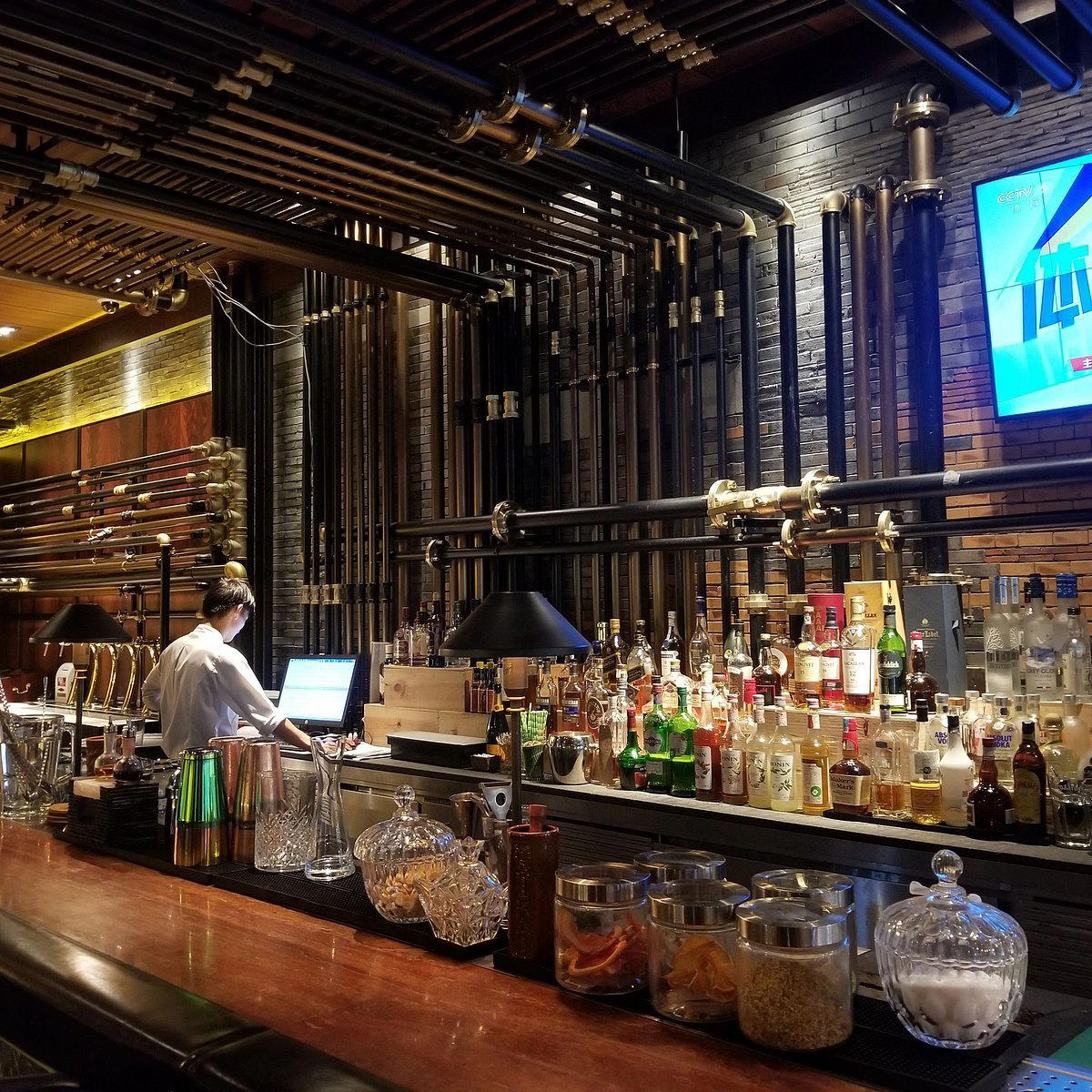
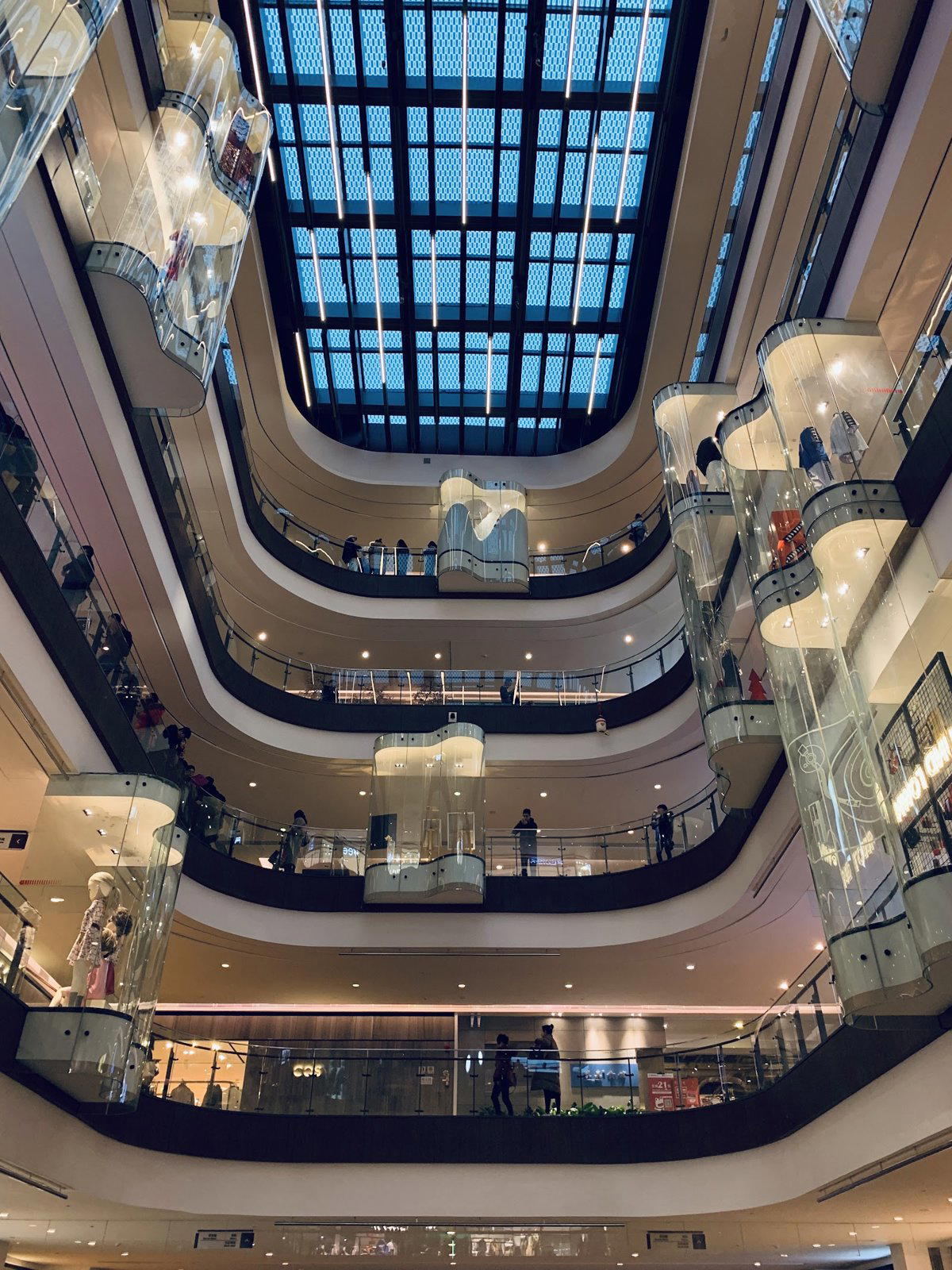
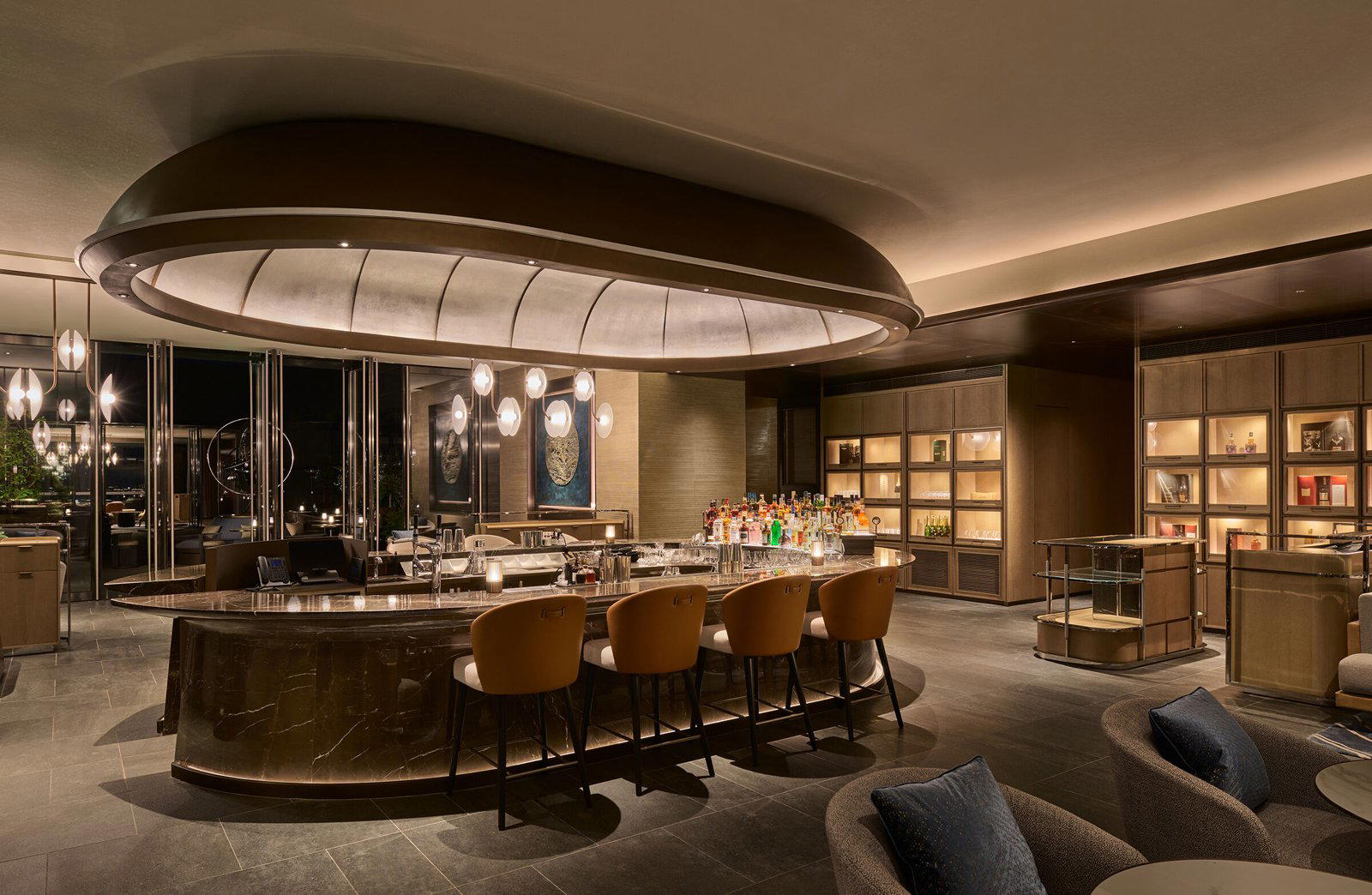
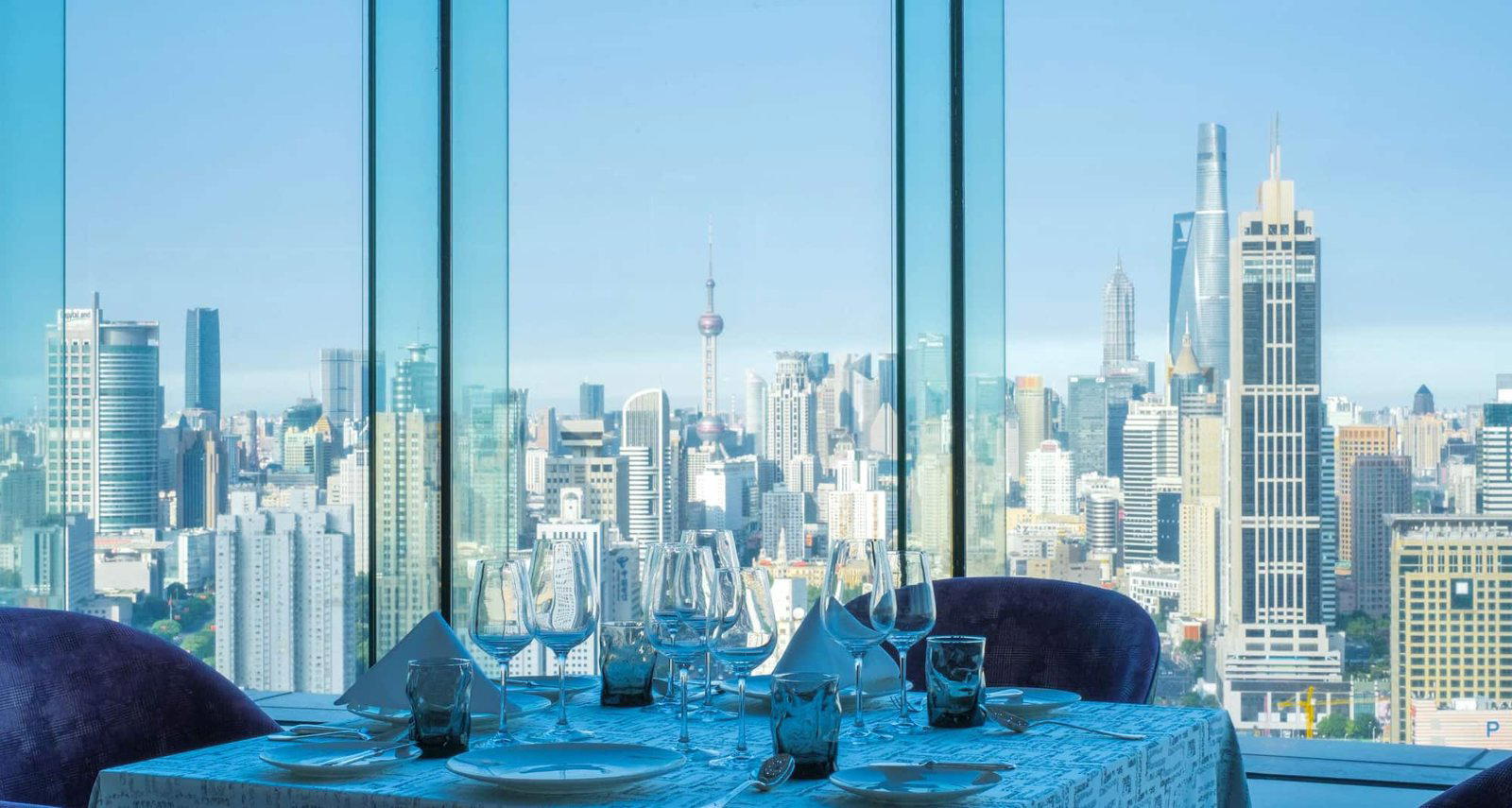
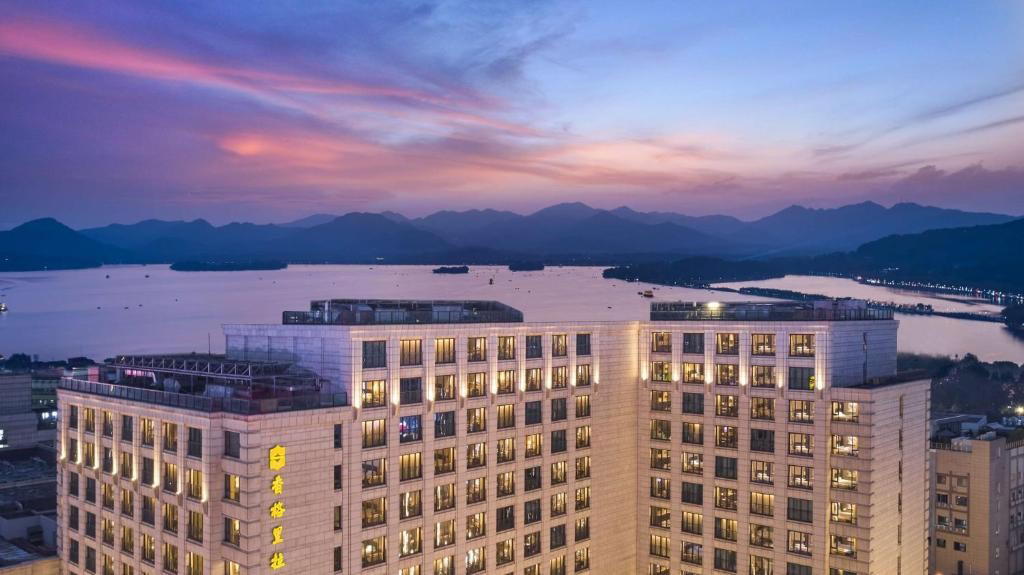
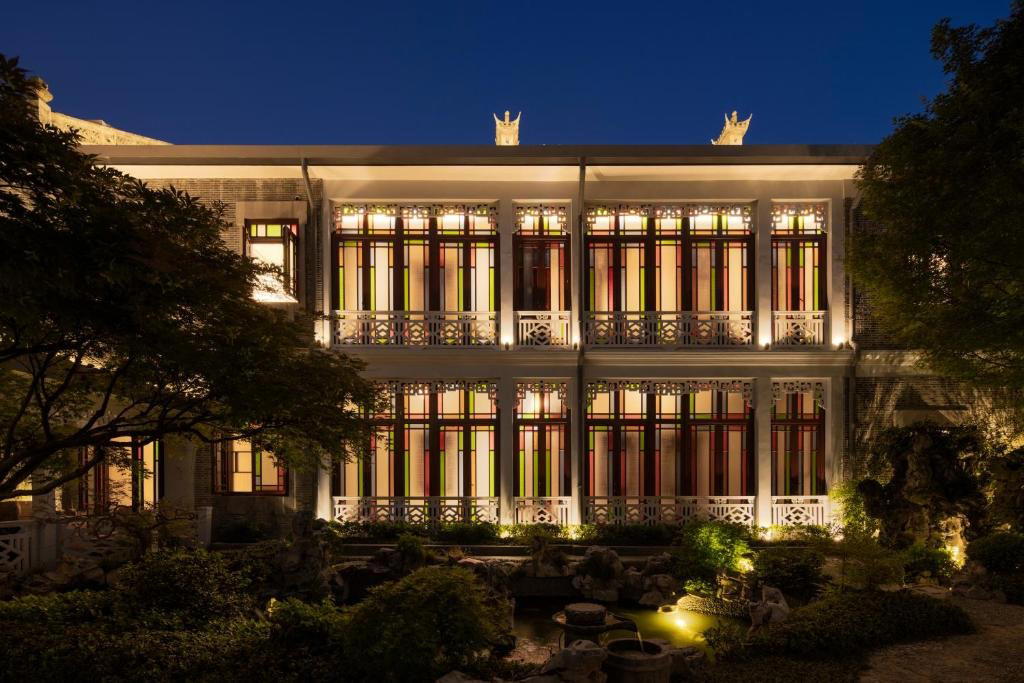
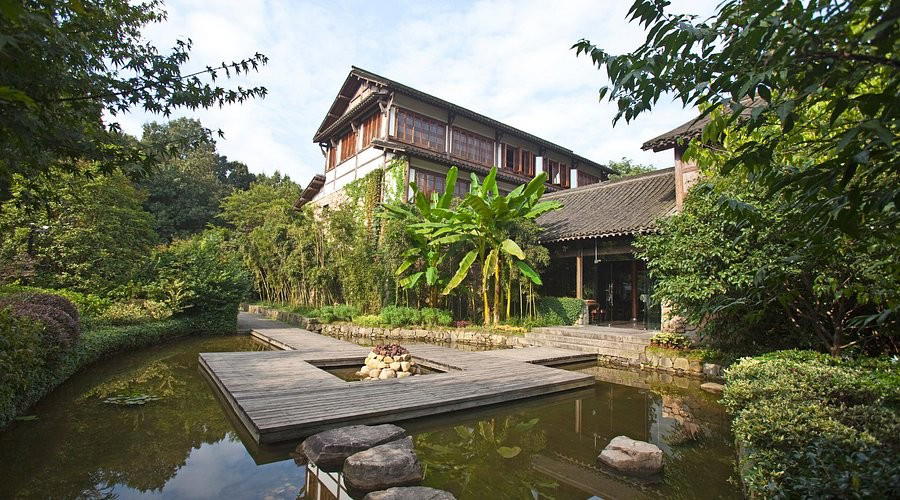
Pleasing retro water town interior with serene, lush natural surroundings next to a cultural park, creating a peaceful dining environment.