


A Michelin Plate recipient and consistent Opinionated About Dining Asia Top 50 presence, 28 Hubin Road delivers Zhejiang cuisine from a lakeside address in Hangzhou's Hubin district. Under Chef Colin Cheng, the kitchen works within the restrained, ingredient-led conventions of the regional tradition. Open daily from 9am to 10pm, with pricing in the mid-range ¥¥¥ tier for the city.
Pearl is the En Primeur Club membership app — saves, bookings, and concierge access live there. Same editors, same standards.
- Address
- China, Zhejiang, Hangzhou, 上城区湖滨路28号 邮政编码: 310025
- Phone
- +86 571 8779 1234
- Directions
- Get directions
 Saves & bookings on Pearl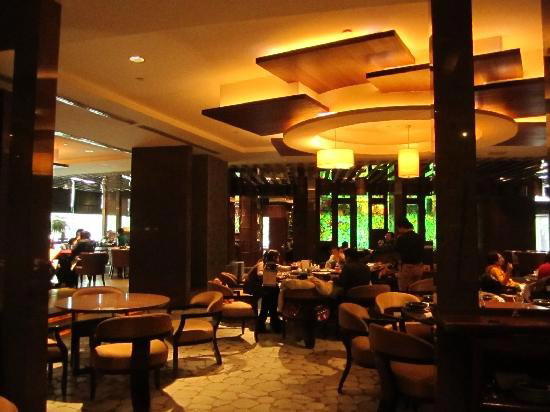
Hubin Road and the Lake-Facing Table
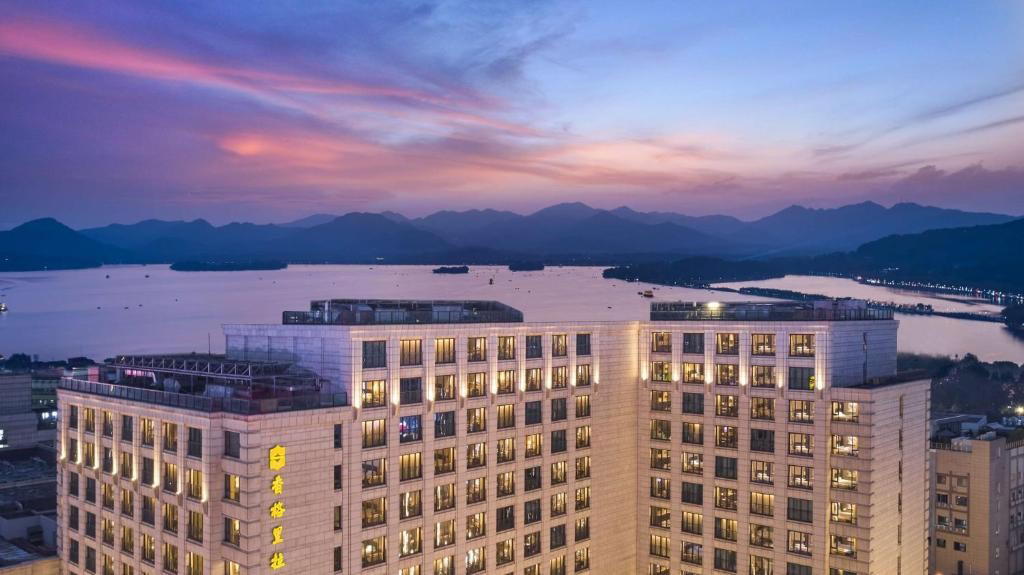
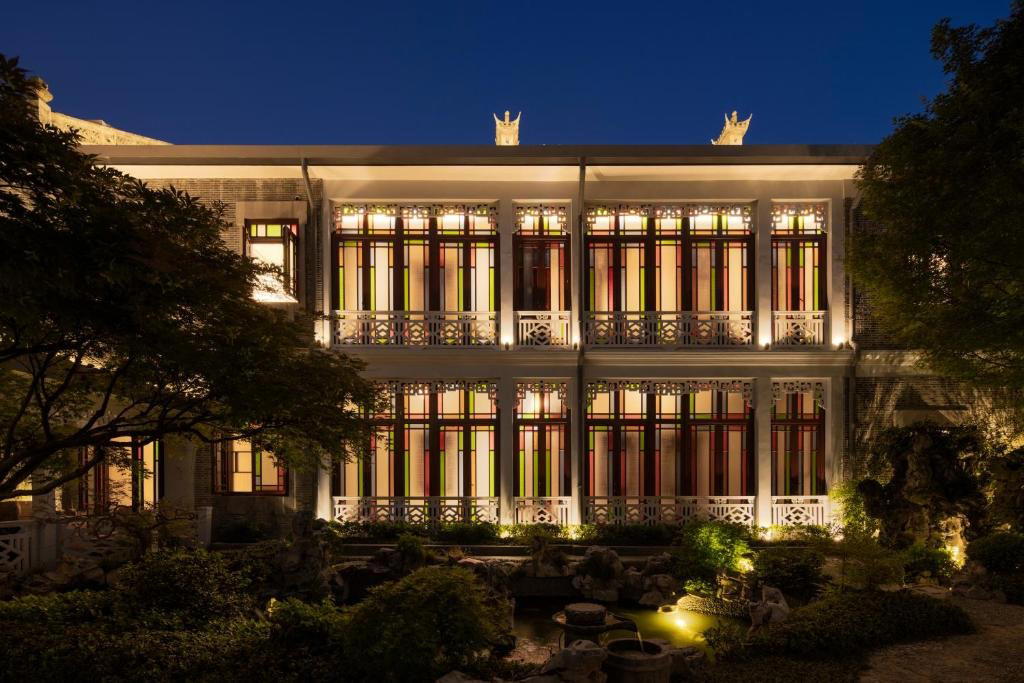
Hangzhou's Hubin district positions its restaurants differently from most Chinese city dining corridors. 28 Hubin Road is a Hangzhou restaurant serving Modern Zhejiang Fine Dining at the ¥¥¥¥ price point. The road running along West Lake's eastern bank carries a specific kind of gravity: the lake is not a backdrop but an active reference point, and the leading kitchens here have historically organised their menus around what the surrounding water and hills produce. Approaching 28 Hubin Road from the lakeside promenade, the setting communicates something about the register before you reach the door. This is not incidental. Zhejiang cuisine, more than most regional Chinese traditions, treats provenance as a structural argument, the dish is, in part, a claim about where an ingredient comes from and what season made it possible.
The Ingredient Logic of Zhejiang Cuisine
To understand what a kitchen like 28 Hubin Road is doing, it helps to understand what the Zhejiang tradition demands of its practitioners. Unlike Sichuan, which builds flavour through accumulation and heat, or Cantonese cuisine, which pursues textural refinement at high temperature, the Zhejiang school works through clarity and subtraction. The canon here includes dishes whose entire argument rests on the sourced ingredient: dongpo pork that rises or falls on the quality of the pork belly and Shaoxing rice wine; West Lake fish in vinegar sauce where the fish must come from the lake itself; Longjing shrimp, where the freshness window between harvest and wok is measured in hours and the tea used to finish the dish comes from the terraced hillsides above the city. In this tradition, sourcing is not a marketing claim but a technical condition of the recipe.
Hangzhou's leading Zhejiang tables have largely split into two tiers on this question. The more expensive bracket, where Ru Yuan operates with two Michelin stars at the ¥¥¥¥ price point, treats the ingredient sourcing argument as an opportunity for premium positioning: hyper-local, rare, documented supply chains that justify the price differential. The mid-range tier, where 28 Hubin Road sits alongside peers like Guiyu (Xihu) and Hangzhou House, applies the same sourcing discipline but without the tasting-menu apparatus or white-tablecloth ceremony. That is not a concession; it reflects a long-standing Hangzhou tradition in which technically precise Zhejiang cooking exists at accessible price points precisely because the supply infrastructure around the lake is well-established and relatively democratised.
Recognition Pattern and What It Implies
The restaurant carries a Michelin Plate in both the 2024 and 2025 editions of the Michelin Guide, which in the guide's own framework signals recommended cooking without the single-star qualifier. More informative as a peer-placement tool is its Opinionated About Dining record: ranked 45th among Asian restaurants in 2023, then 45th again and subsequently 43rd in 2024. OAD's methodology relies on surveying frequent restaurant-going professionals rather than anonymous inspectors, and a consistent 40s ranking in Asia places the restaurant comfortably within the upper tier of Hangzhou's Zhejiang dining without claiming the benchmark status of the city's two-star table. The La Liste score of 76 points in 2025, adjusting marginally to 75 in the 2026 edition, tracks the same stable, mid-upper positioning. Across three independent recognition systems, the signal is coherent: a kitchen operating at a reliable, high standard within its regional tradition, without the variability that sometimes accompanies faster-rising or more experimental addresses.
For context within the broader Zhejiang dining universe, the tradition has found strong advocates beyond Hangzhou. Zhejiang Heen in Hong Kong and Rong Rong Yuan in Taipei represent the export version of the cuisine, adapting to local supply chains but maintaining the flavour logic of the tradition. The comparison is useful: it underscores that the core techniques of Zhejiang cooking travel, but the sourcing argument, the lake fish, the hillside tea, the local pork, belongs specifically to kitchens with direct access to those ingredients. That access is what lakeside Hangzhou addresses hold over their diaspora counterparts.
Chef Colin Cheng and the Kitchen's Position
Chef Colin Cheng leads the kitchen at the restaurant. In the context of the Zhejiang tradition, the relevant credential for any chef at this level is command of the seasonal and sourcing calendar rather than biographical novelty. The OAD rankings, which reflect the views of people who eat professionally across Asia, suggest that Cheng's kitchen performs with sufficient consistency to hold its position across multiple survey cycles. That kind of sustained ranking typically reflects kitchen discipline more than individual flashes of ambition, the kind of reliability that makes a restaurant useful to know rather than merely interesting to visit once. Comparable consistency shows up in how other Zhejiang-focused kitchens at the ¥¥¥ tier operate across Chinese cities: Xin Rong Ji in Chengdu and Xin Rong Ji on Xinyuan South Road in Beijing demonstrate how Zhejiang-adjacent cooking traditions maintain rigour when deployed systematically.
Hangzhou's Wider Table
Placing the restaurant within Hangzhou's full dining map is worth doing. The city's recognisable Zhejiang addresses include Jie Xiang Lou, which operates in the traditional Hangzhou register, and Longjing Manor, which situates Zhejiang cuisine explicitly within the tea-producing hillside context. Each makes a different sourcing argument. The restaurant's lakeside address gives it a specific claim on the lake-ingredient repertoire that hillside and garden addresses cannot replicate. The decision between them is partly one of which chapter of Zhejiang cuisine you want to read that evening.
Diners interested in how high-level Chinese regional cooking operates at the ¥¥¥ to ¥¥¥¥ tier across cities might cross-reference 102 House in Shanghai, Chef Tam's Seasons in Macau, Imperial Treasure Fine Chinese Cuisine in Guangzhou, and Dai Yuet Heen in Nanjing, a set of addresses that collectively map how the genre prices and positions itself across different Chinese urban markets.
Planning Your Visit
The restaurant is open daily from 9am to 10pm, which is an unusually long service window for a kitchen of this recognition level and suggests it accommodates both lunch and dinner in earnest. Pricing sits at the ¥¥¥ tier for Hangzhou, placing it below the two-star bracket occupied by Ru Yuan and broadly consistent with the mid-range of the city's serious Zhejiang tables. The address is the restaurant, Shangcheng District, Hangzhou, Zhejiang 310025. Reservations are recommended, and the dress code is smart casual.
What to Order at 28 Hubin Road
The kitchen works the traditional seasonal repertoire with reliability. In practical terms, that means the West Lake-adjacent classics: lake fish preparations, tea-inflected dishes using Longjing from the surrounding hillsides, and the slow-braised pork preparations that define the Hangzhou canon. At the ¥¥¥ tier, the expectation is technically precise execution of those standards rather than experimental reinterpretation. The OAD ranking, drawn from repeat professional diners across Asia, suggests that expectation is met consistently.
Price and Positioning
Comparable venues nearby, for context on price, style, and recognition.
| Venue | Cuisine | Price | Awards | Notes |
|---|---|---|---|---|
| 28 Hubin RoadThis venue — the venue you are viewing | Hangzhoushi, Modern Zhejiang Fine Dining | $$$$ | Michelin Plate | Not listed |
| Dining Room | Not listed | $$$$ | Michelin Plate | Yuhangxian, Modern Hangzhou & Cantonese Fine Dining |
| Definitely Fresh | Hangzhoushi, Zhejiang Seafood | $$ | Bib Gourmand | Not listed |
| Xun Wei Jiang Nan | Hangzhoushi, Authentic Ningbo Cuisine | $$ | Bib Gourmand | Not listed |
| In Villa | Hangzhoushi, Modern Jiangzhe Cuisine | $$$$ | Michelin Plate | Not listed |
| Yu Zhi Lan | Hangzhoushi, Refined Sichuan Fine Dining | $$$$ | Michelin 1 Star | Not listed |
Recognition history
Dated appearances from independent guides and award organizations, with the underlying list record or original source where available.
La Liste Top Restaurants
La Liste
Michelin Plate
Michelin
Opinionated About Dining Top Restaurants in Asia Ranked #70
Opinionated About Dining
La Liste Top Restaurants
La Liste
Michelin Plate
Michelin
Michelin Plate
Michelin
Opinionated About Dining Top Restaurants in Asia Ranked #43
Opinionated About Dining
Opinionated About Dining Top Restaurants in Asia Ranked #45
Opinionated About Dining
At a Glance
- Elegant
- Sophisticated
- Classic
- Intimate
- Special Occasion
- Date Night
- Family
- Business Dinner
- Waterfront
- Private Dining
- Hotel Restaurant
- Extensive Wine List
- Waterfront
Current opening hours
- Monday
- 9 AM–10 PM
- Tuesday
- 9 AM–10 PM
- Wednesday
- 9 AM–10 PM
- Thursday
- 9 AM–10 PM
- Friday
- 9 AM–10 PM
- Saturday
- 9 AM–10 PM
- Sunday
- 9 AM–10 PM
Hours can change for holidays and private events. Last verified .
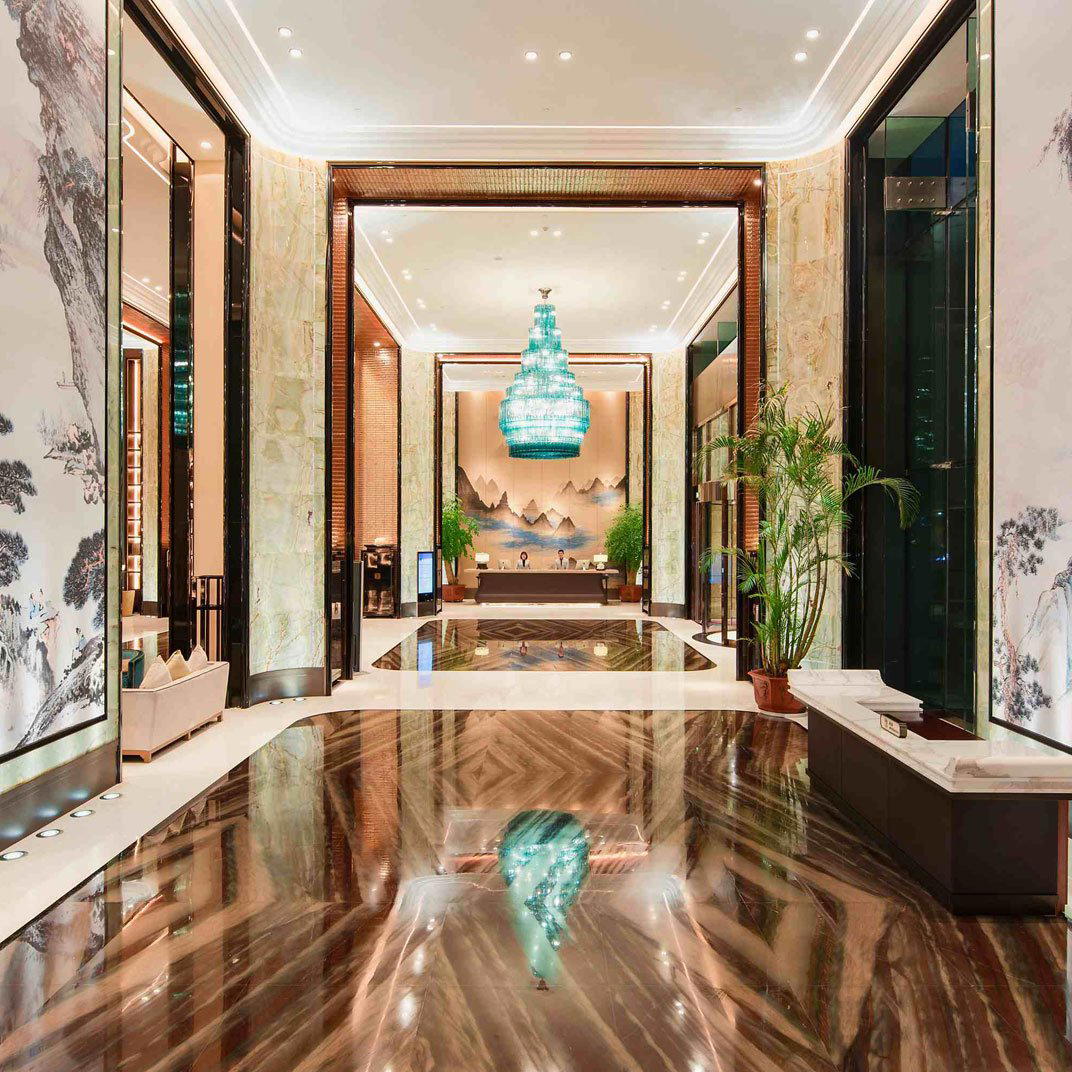
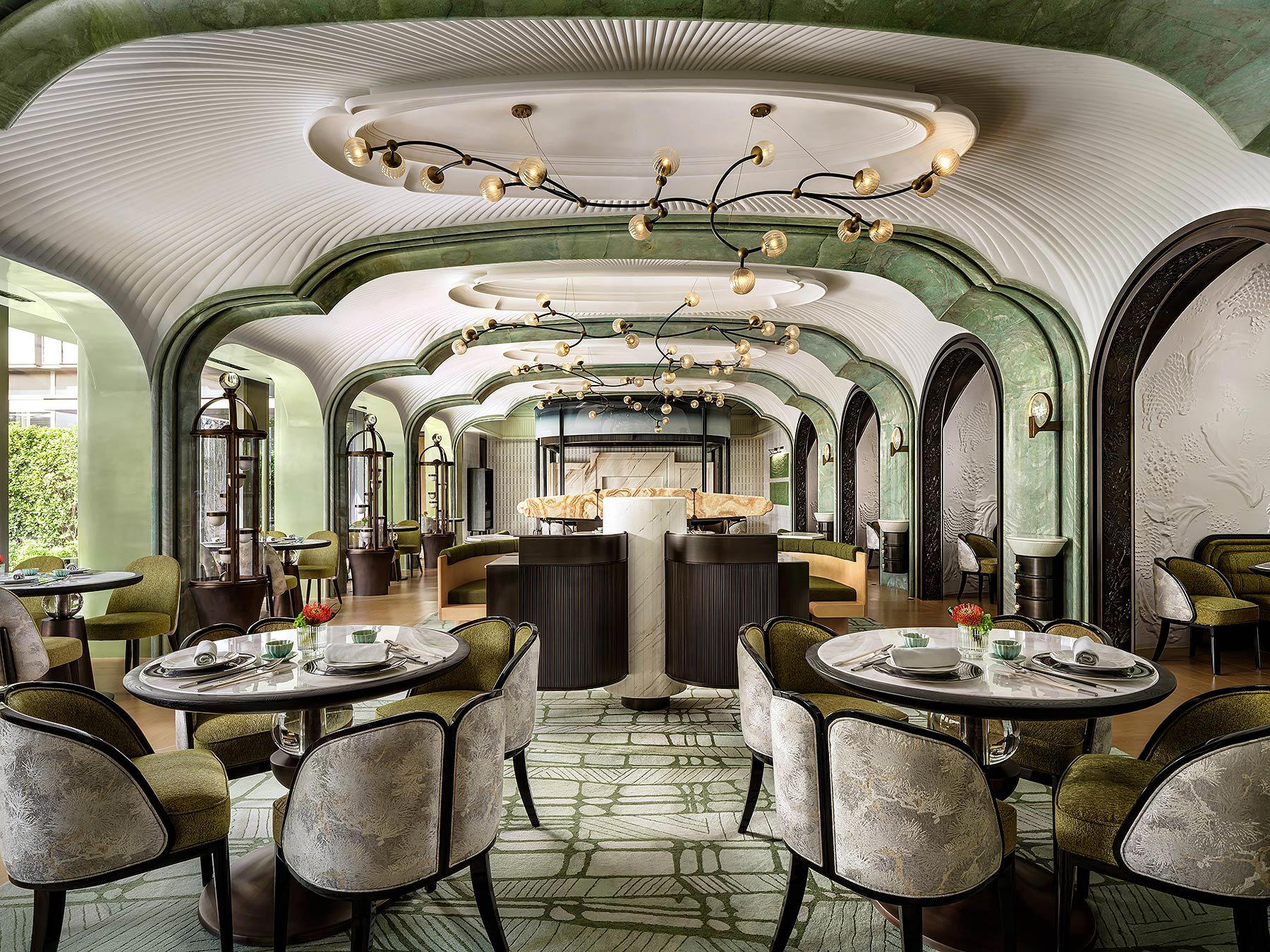
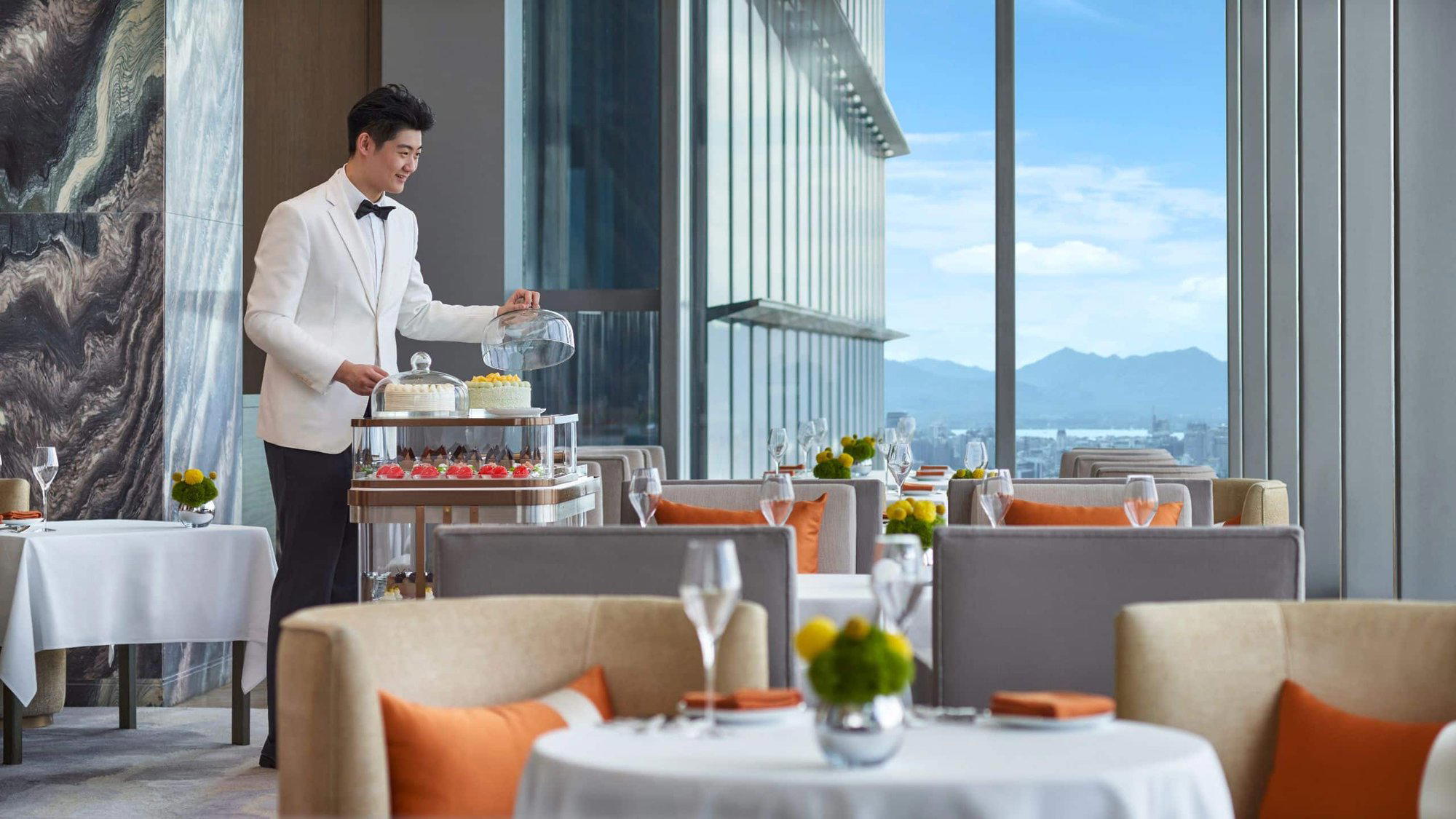
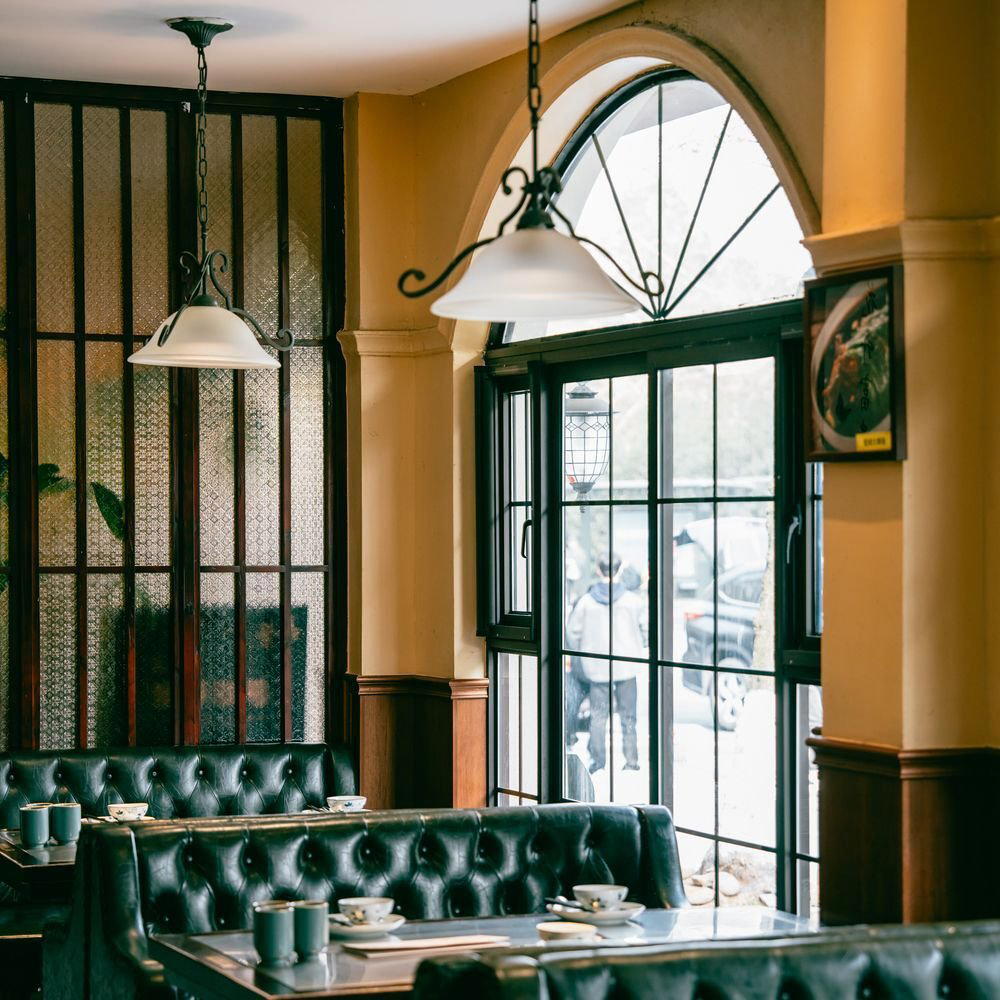
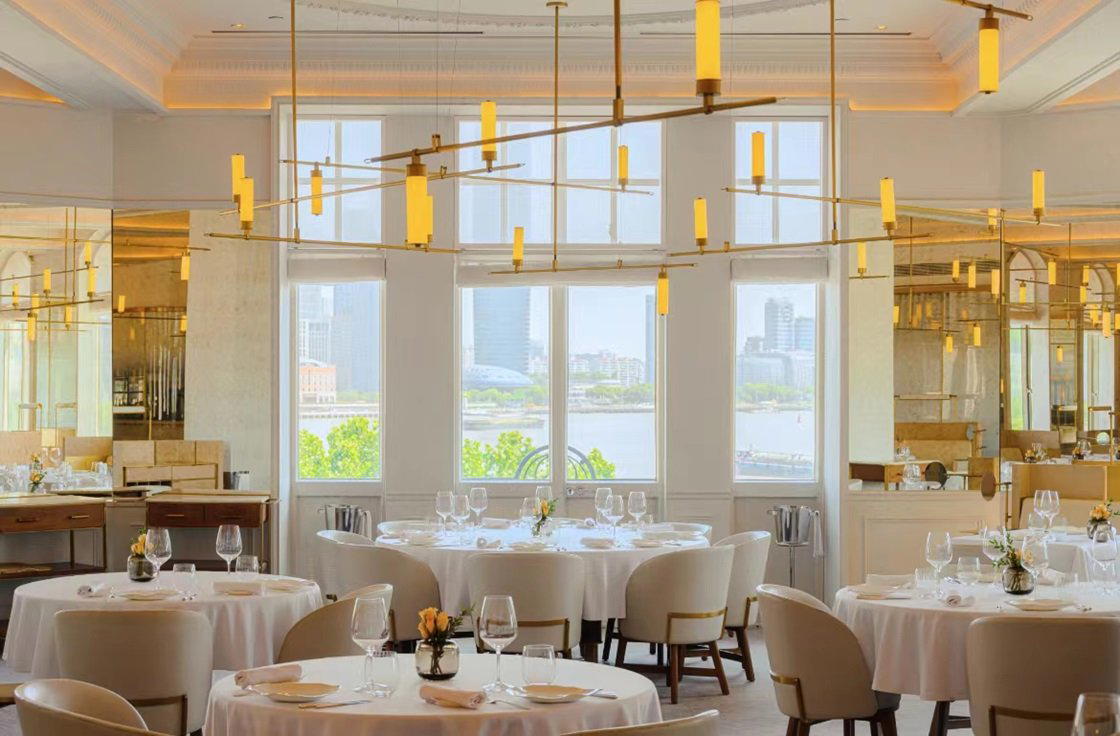
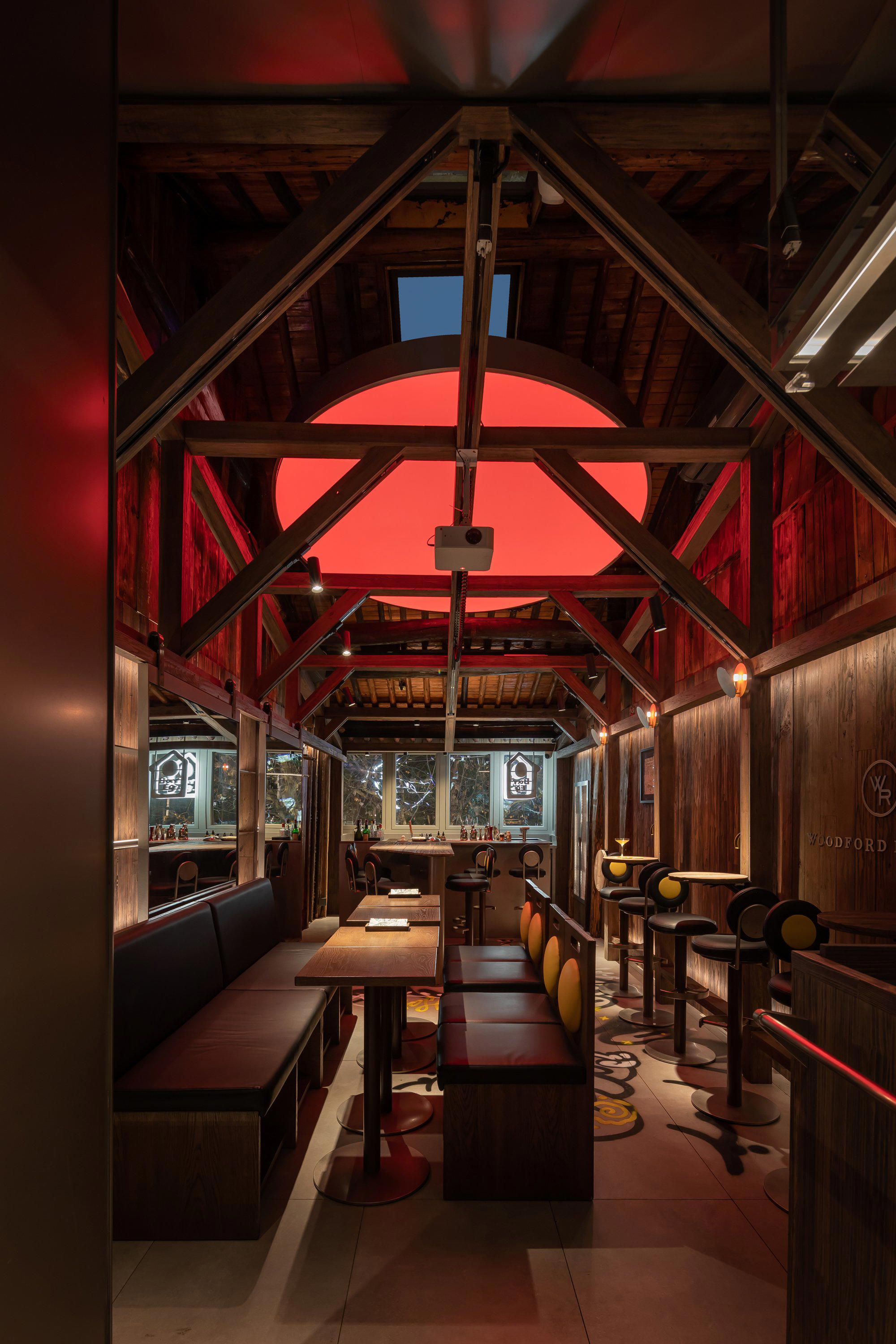
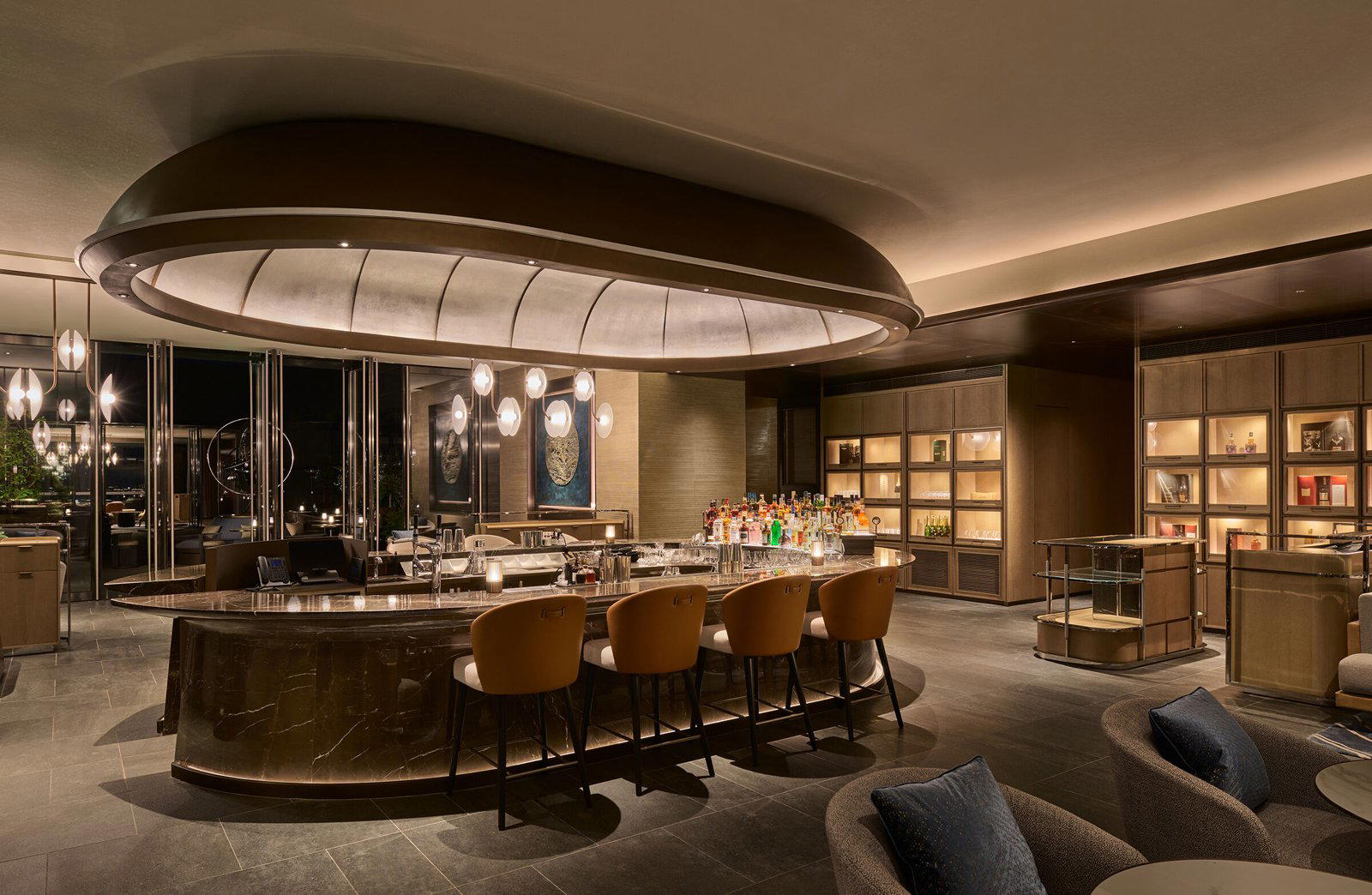
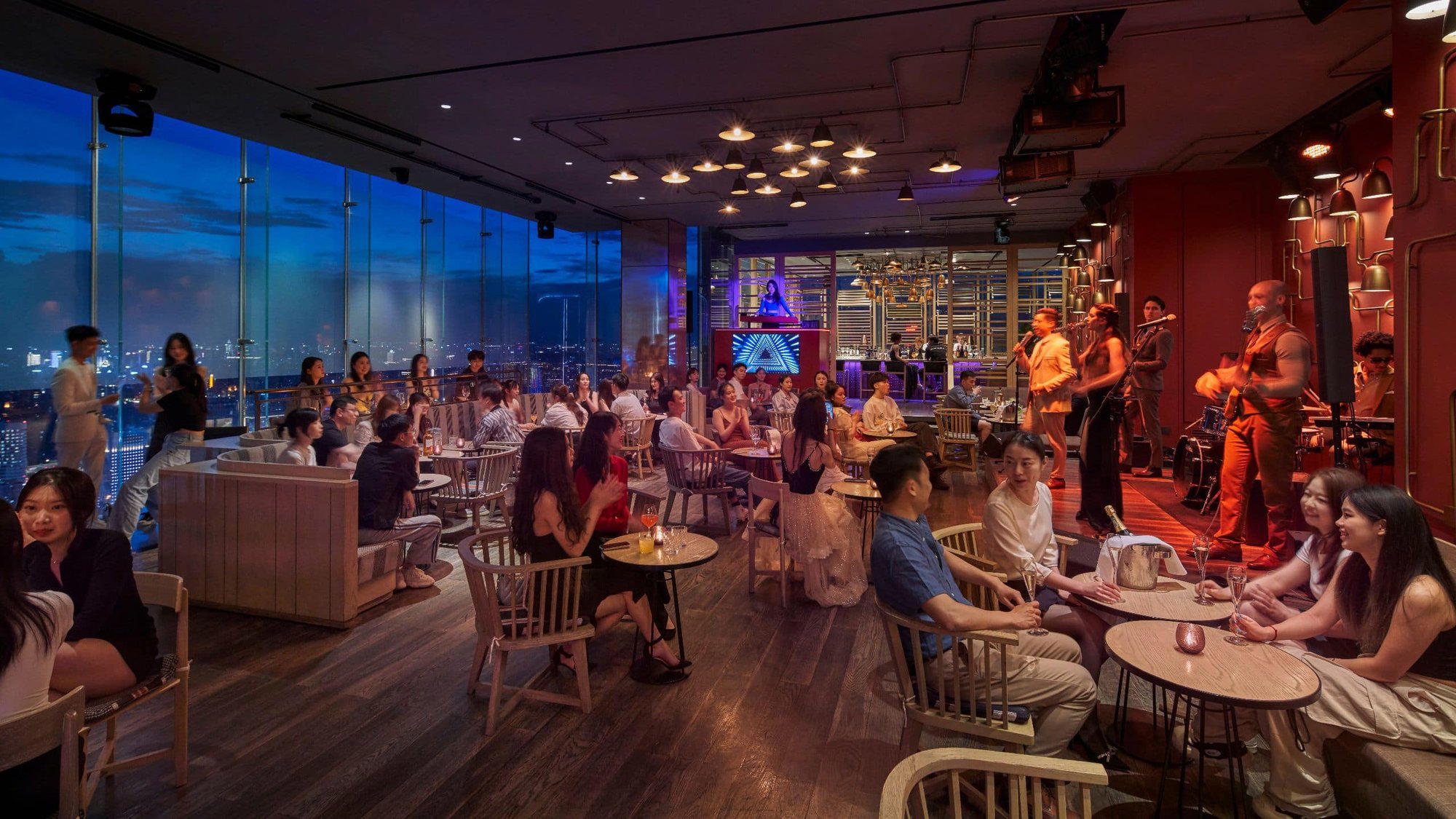
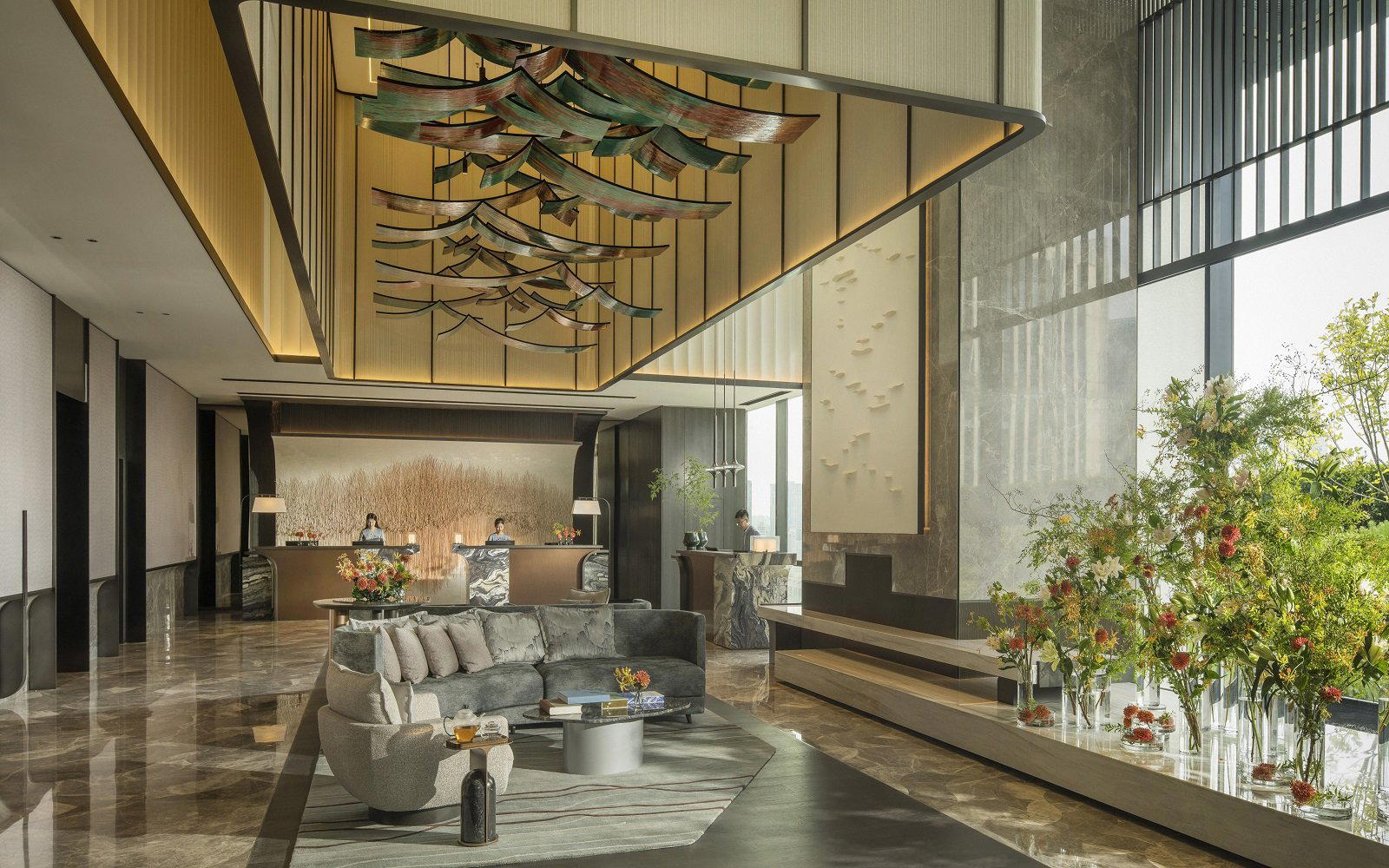
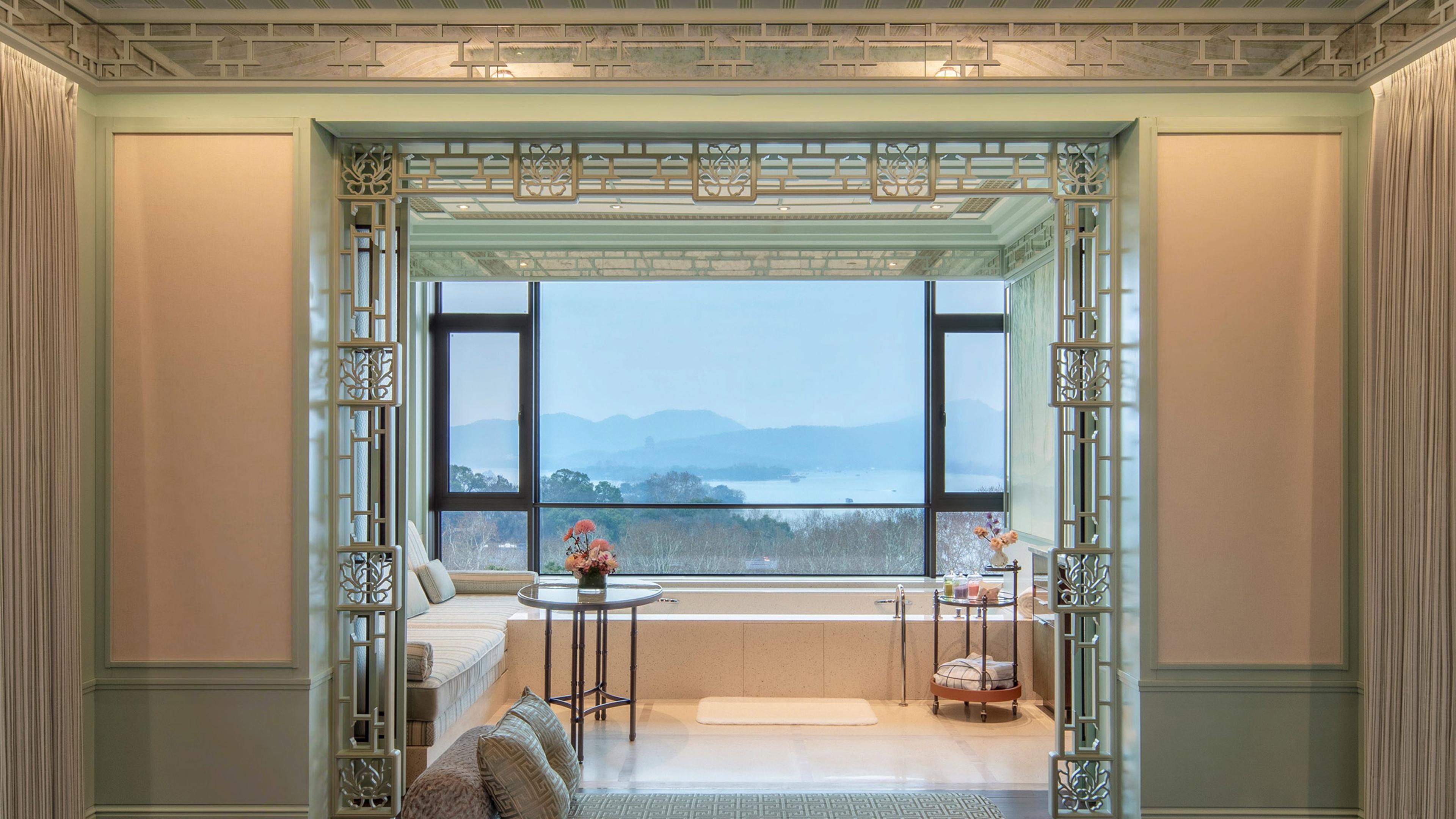
Elegant with soft lighting, antique Chinese decor, and jazz background music creating a refined lakeside atmosphere.