

Hangzhou House holds a Michelin star and Black Pearl Diamond (2025) and sits within walking distance of Lingyin Temple, adjacent to the Amanfayun resort. The kitchen specialises in refined Jiangzhe cooking, with classic Zhejiang dishes reframed through precise technique and inventive combinations. At the ¥¥¥ price tier, it occupies a compelling position in Hangzhou's growing roster of recognised regional restaurants.
Pearl is the En Primeur Club membership app — saves, bookings, and concierge access live there. Same editors, same standards.
- Address
- 10 Huancheng N Rd, Xiacheng District, Hangzhou, Zhejiang, China, 310020
- Phone
- +86 571 8509 1717
- Directions
- Get directions
 Saves & bookings on Pearl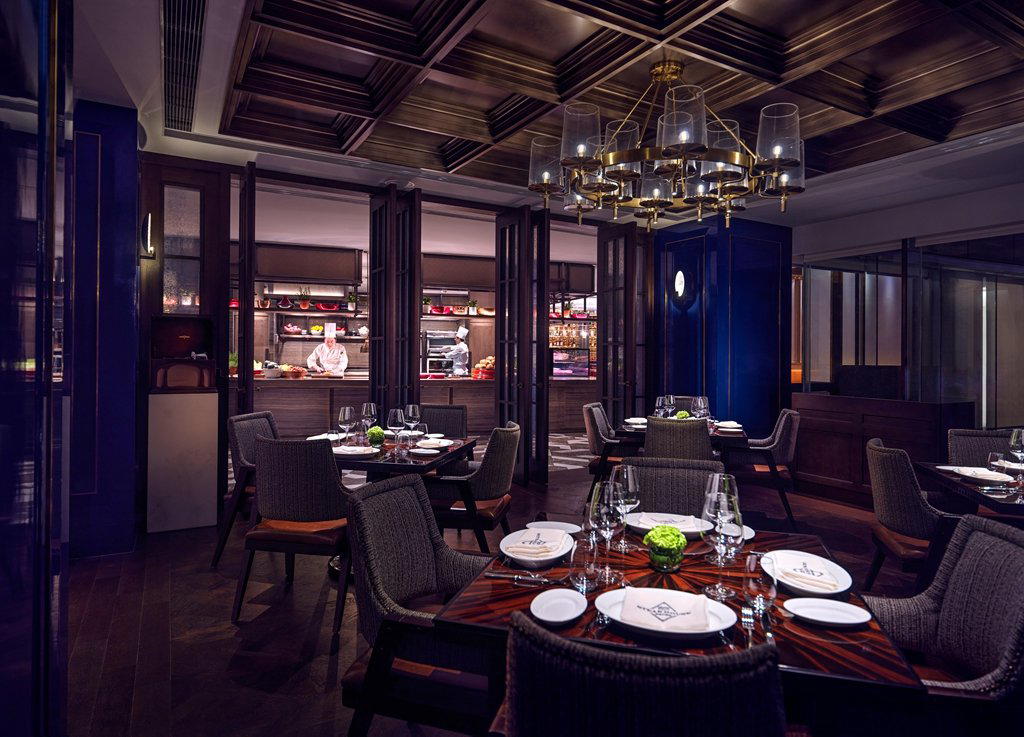
Where the Temple Road Meets the Dining Room
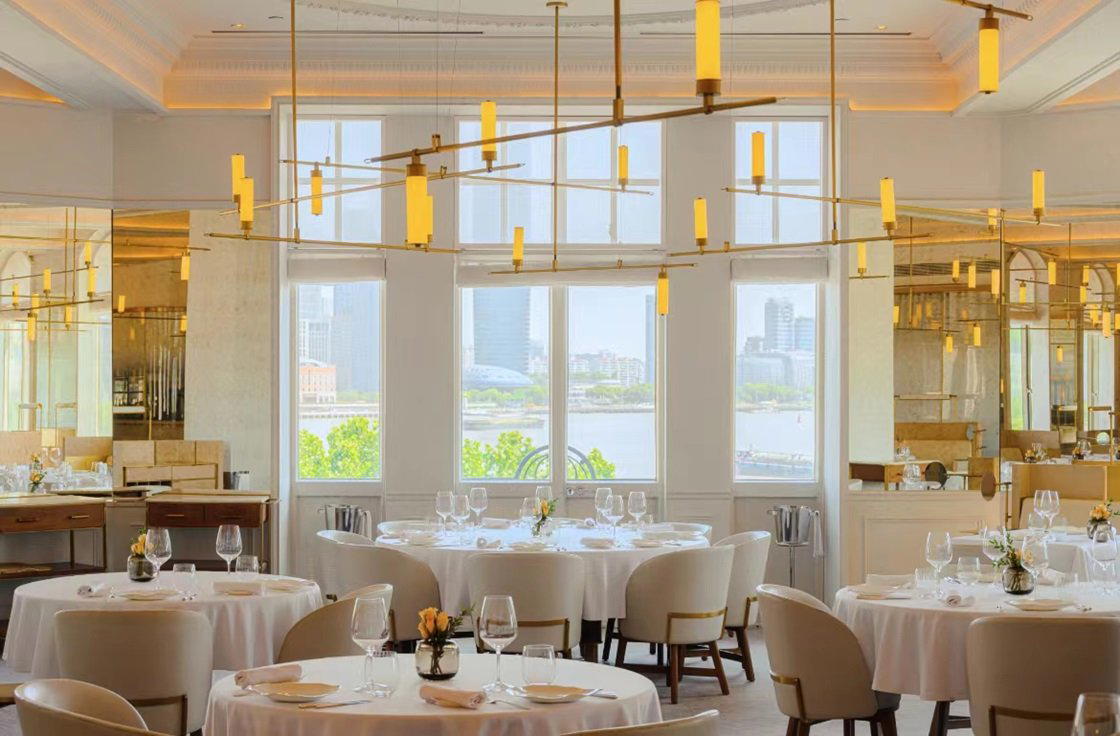
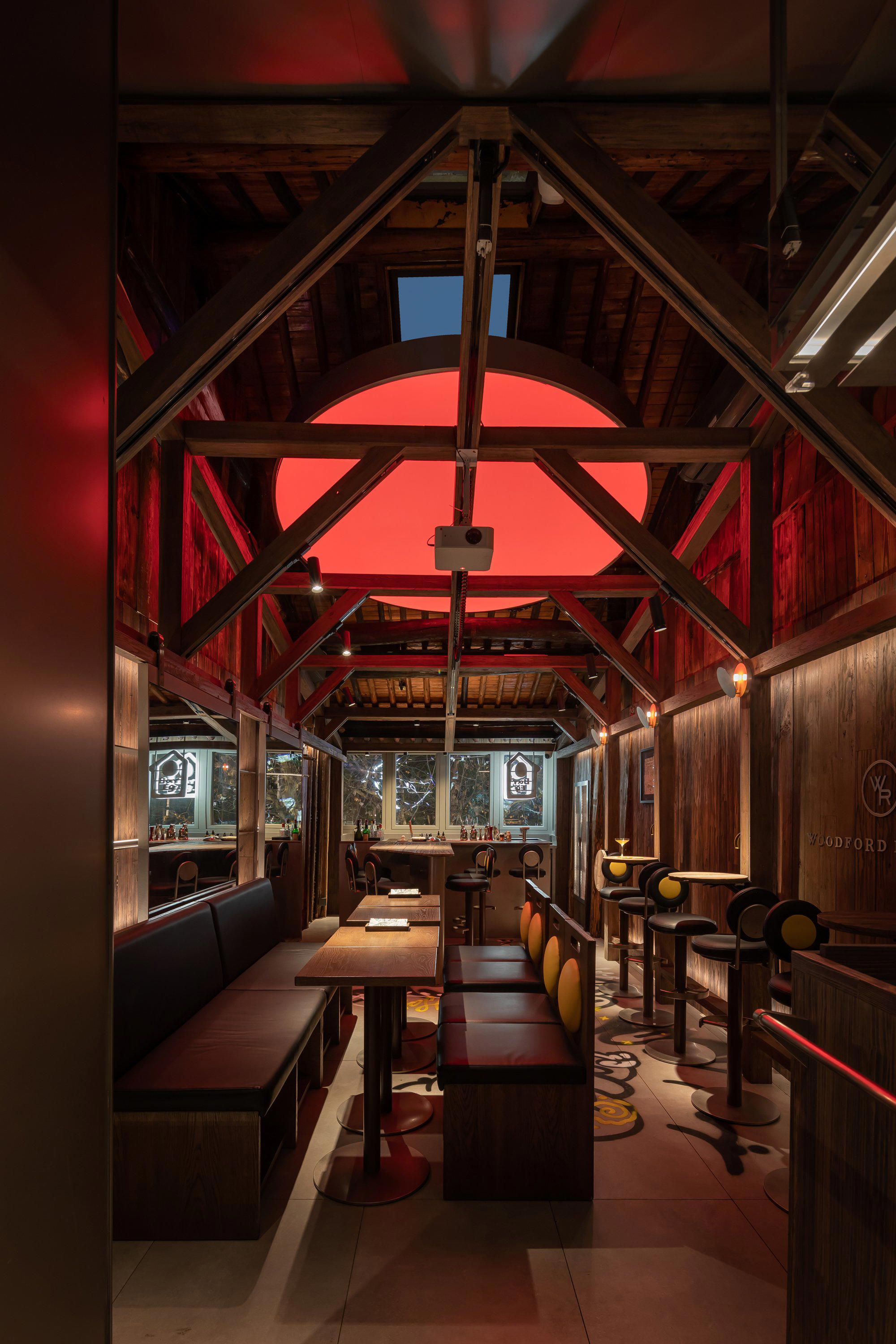
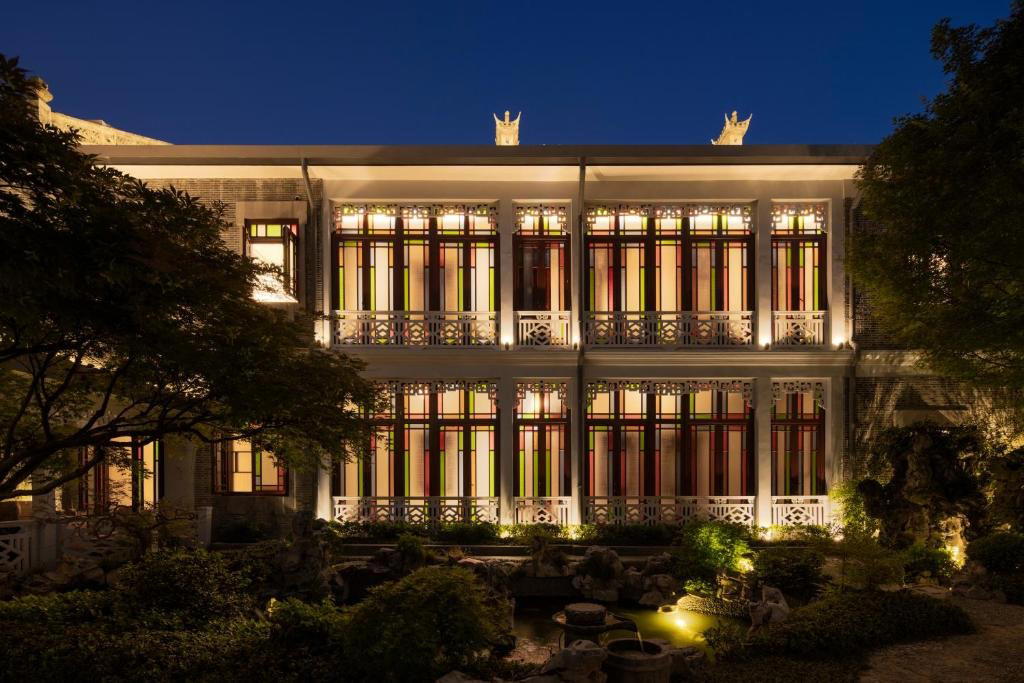
The approach to Hangzhou House sets its terms before you reach the door. The restaurant sits on Huancheng North Road in Xiacheng District, immediately beside the Amanfayun resort and within walking distance of Lingyin Temple. In most cities, proximity to a landmark tourist complex would signal a trade-off between setting and seriousness. Here, it does the opposite. The rustic architectural register, the surrounding forest canopy, and the low-density neighbourhood all work together to produce a dining environment that reads as genuinely removed from the commercial city, even if Hangzhou's centre is not far. Arriving in daylight, the silence is striking. Arriving in the evening, the relative darkness of the tree-lined approach amplifies the sense of separation from the urban grid.
This setting matters for more than mood. Zhejiang cuisine, at its most considered, has always been attentive to environment, to the idea that the sourcing of ingredients, the quality of water, and the cultural context of a meal are inseparable from what lands on the table. A restaurant housed in this kind of landscape is making an implicit argument about its own values, one that the kitchen either confirms or contradicts. At Hangzhou House, it confirms.
Jiangzhe Cooking and the Weight of Its Tradition
Zhejiang cuisine sits within the broader Jiangzhe family alongside Jiangsu cooking, and the two share a foundational emphasis on clean flavours, moderate sweetness, careful knife work, and the elevation of freshwater and coastal ingredients. Where Sichuan cooking builds heat and Cantonese cooking chases brightness and clarity, Jiangzhe cuisine tends toward subtlety: the goal is a dish whose complexity reveals itself in sequence rather than on impact.
That tradition places demanding requirements on any kitchen working in it. The ingredients are often expensive and seasonally narrow. The cooking techniques, braising, steaming, poaching at low temperature, offer nowhere to hide imprecision. Diners who know the cuisine well arrive with calibrated expectations built from decades of eating it, whether in Hangzhou itself, in Shanghai, or at Jiangzhe specialists further afield like 102 House in Shanghai or Xin Rong Ji (Xinyuan South Road) in Beijing. The benchmark is not abstract. It is institutional.
Hangzhou House operates inside this tradition while finding room for considered invention. The kitchen applies refinement to classic Jiangzhe templates rather than departing from them, which is the more technically demanding approach. Creative combinations are introduced where they extend the dish's logic rather than disrupt it, and the awards record suggests the results have met serious scrutiny.
What the Recognition Signals
In 2025, Hangzhou House holds both a Michelin one star and a Black Pearl one diamond, the two primary frameworks for evaluating Chinese fine dining in mainland China. The Black Pearl Guide, published by Alibaba-owned Koubei, was launched specifically to assess Chinese cuisine on its own terms rather than through a framework calibrated for European or Japanese cooking. Holding both designations simultaneously does not indicate a redundancy in recognition; it indicates validation across two distinct evaluative methodologies, each with its own inspector pool and criteria.
At the ¥¥¥ price tier, the restaurant occupies a different bracket than Ru Yuan, the Michelin two-star Zhejiang table in the city that sits at ¥¥¥¥. The gap between those two tiers in Hangzhou's recognised dining scene is meaningful. Ru Yuan operates at a price point where the comparable set is measured against the city's most formal and expensive tables. The restaurant, alongside Jie Xiang Lou and 28 Hubin Road, sits in a tier where the question is how much culinary seriousness the price point can carry. The answer at the restaurant, given the 2025 Michelin star, is: considerably more than the price alone would suggest.
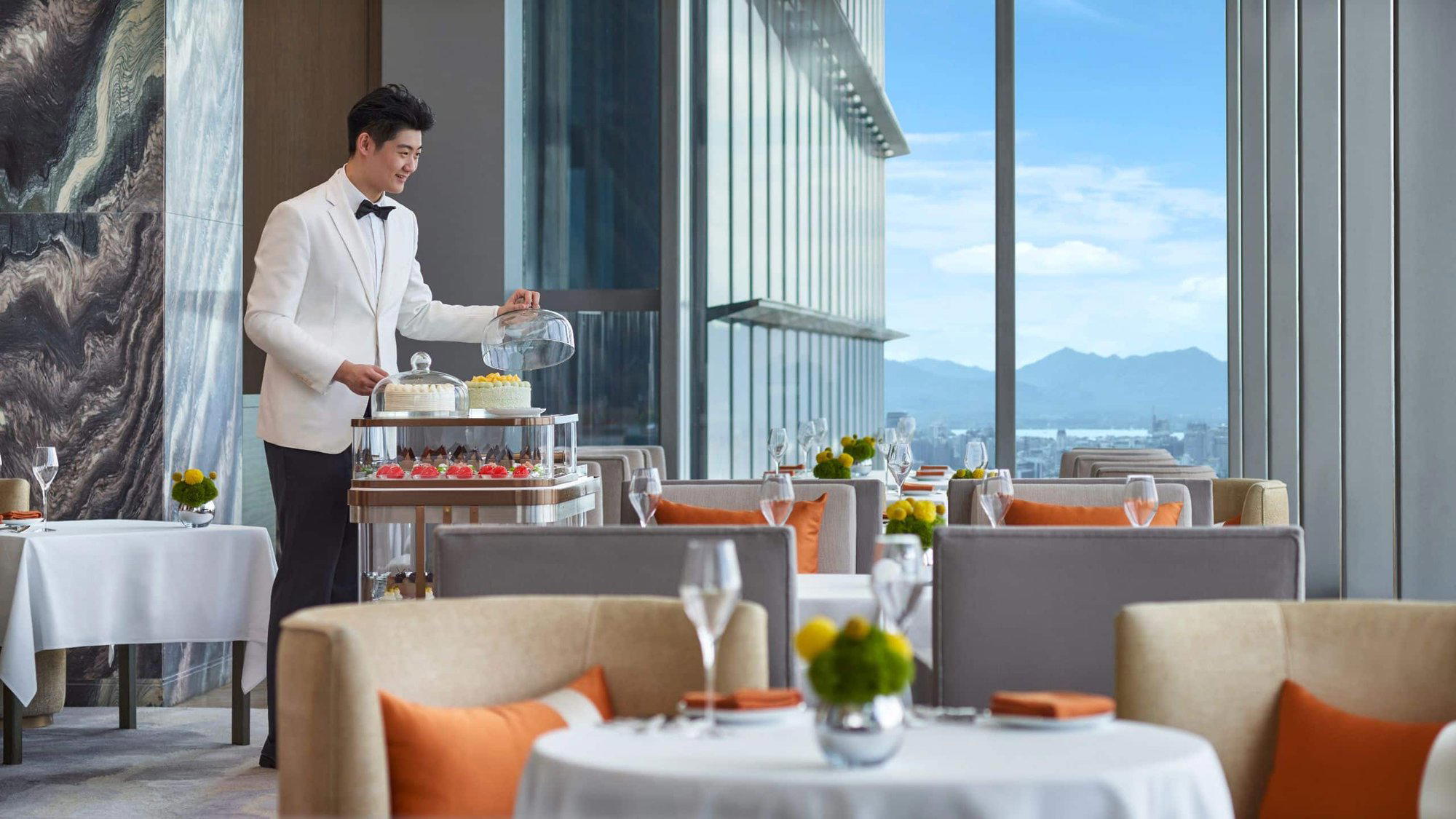
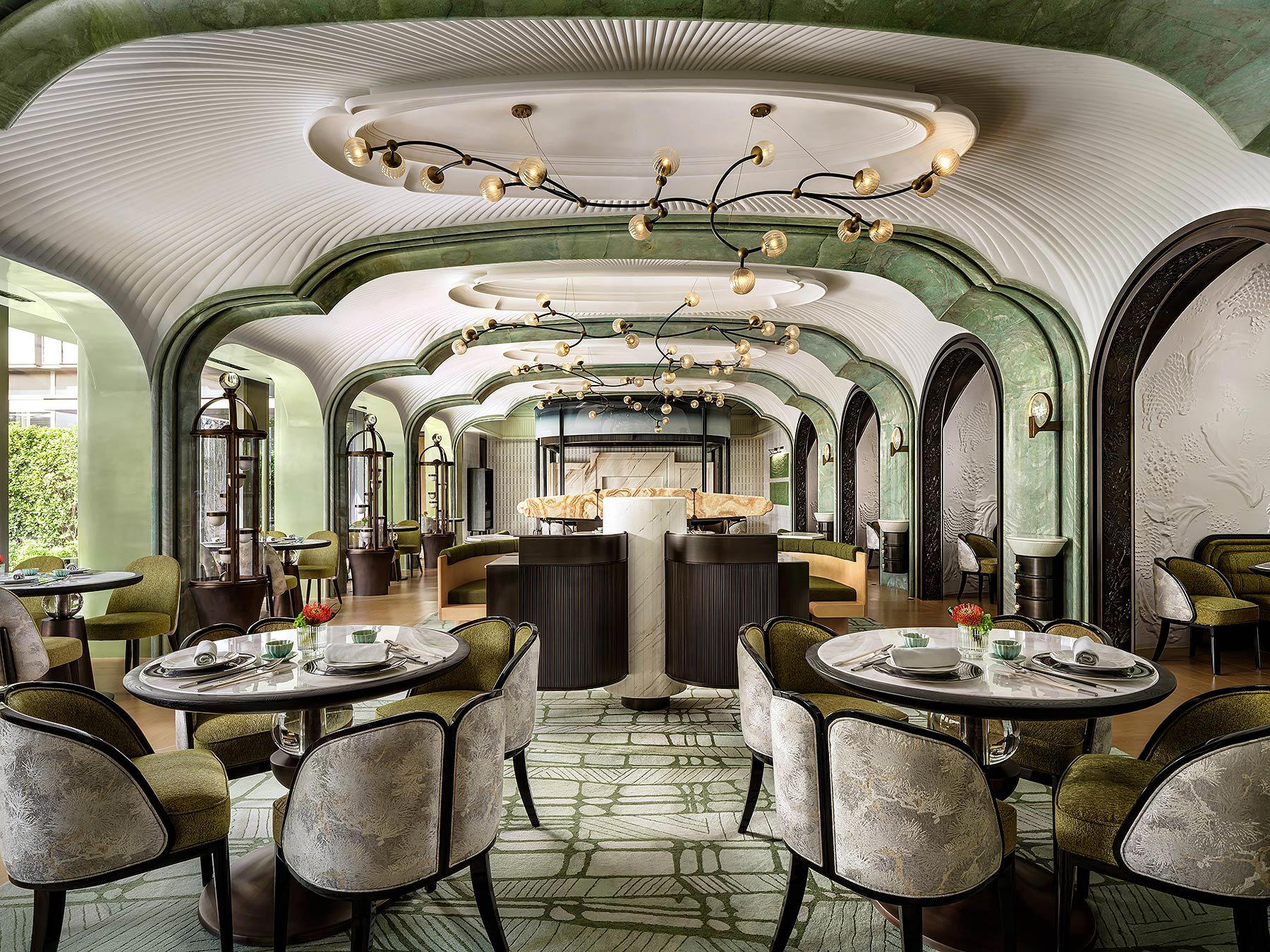
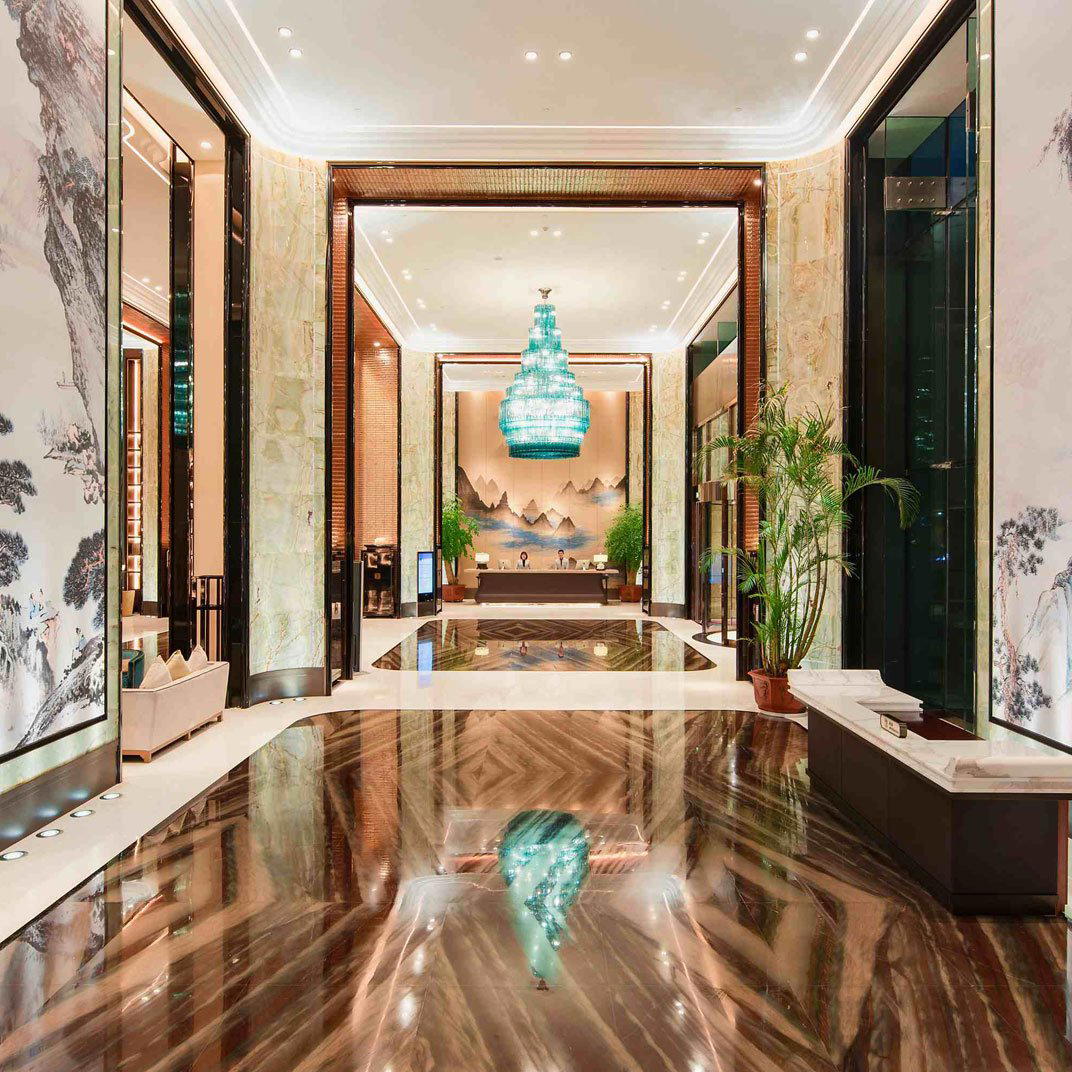
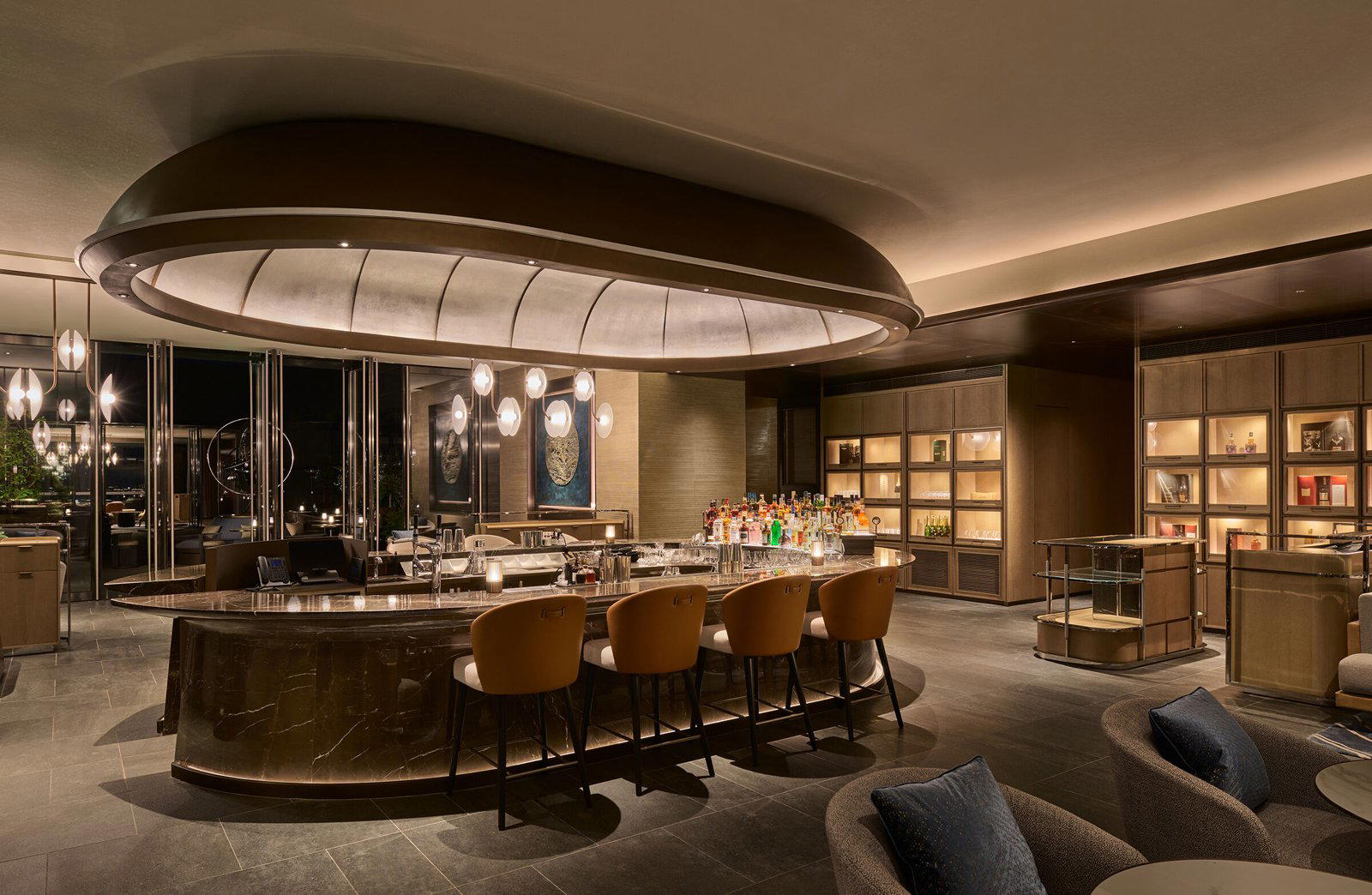
That value proposition is the sharpest argument for this restaurant within Hangzhou's competitive field. A single Michelin star at the ¥¥¥ tier is not common. It typically reflects a kitchen that has made deliberate choices about where to spend, choosing ingredient quality and technical discipline over room grandeur or elaborate service choreography. The dining room at the restaurant reinforces that reading: the setting's value comes from its natural environment and its proximity to Amanfayun, not from interior spectacle.
For broader Zhejiang cuisine comparisons outside Hangzhou, the genre has strong representations at Zhejiang Heen in Hong Kong and Rong Rong Yuan in Taipei, both of which translate the tradition for diaspora and international audiences. The restaurant works from the source, which gives it a different kind of authority and a different kind of scrutiny.
The Menu's Logic
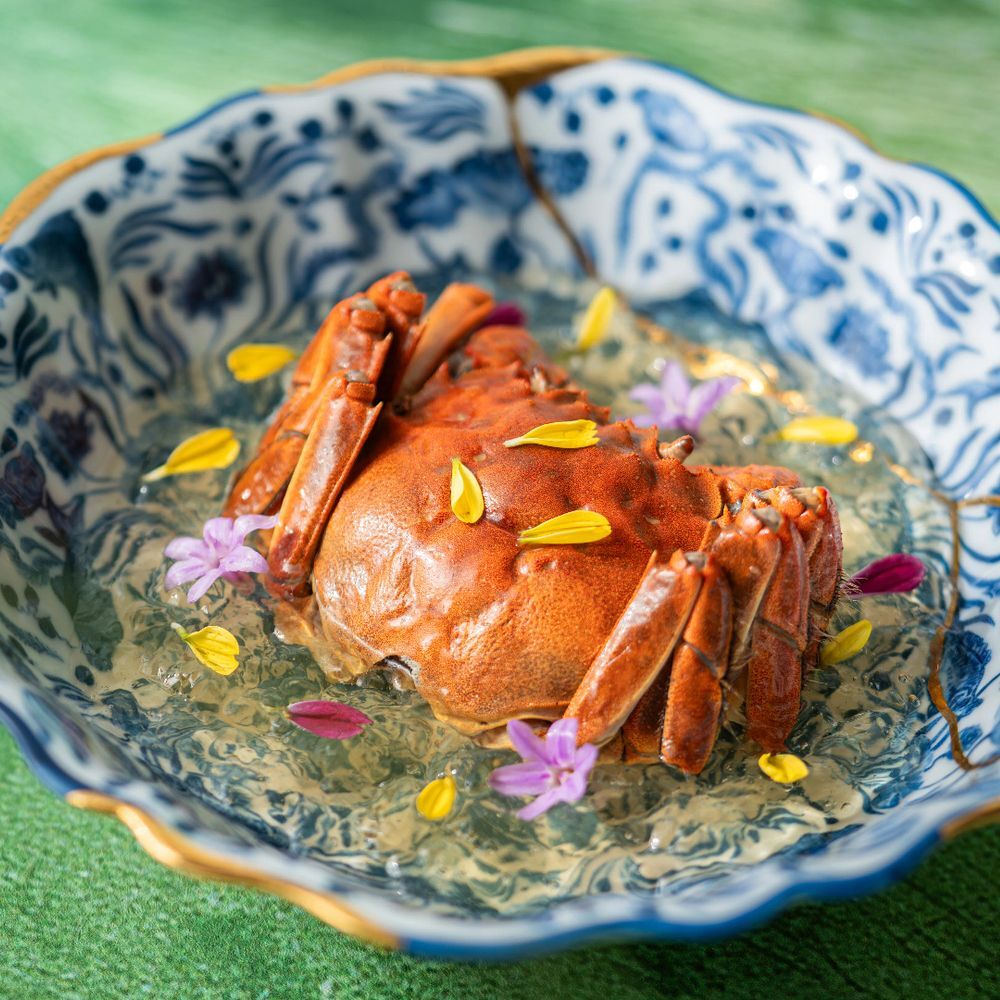
The kitchen's approach is documented by one specific example from the awards record, which functions as a signal of the broader menu strategy. The signature rice cake in chopped crab sauce introduces perilla leaf, whose mild grassy note adds an aromatic register to what would otherwise be a dish defined primarily by umami depth and textural contrast. The addition is not decorative. Perilla's herbal edge works against the richness of the crab, providing a counterpoint that keeps the dish from closing in on itself. This is the kind of decision that distinguishes a kitchen thinking about flavour architecture from one reproducing a recipe.
The menu also includes dishes that require advance notice at the time of booking. This is a common practice in serious Zhejiang kitchens, where certain preparations demand sourcing or preparation lead times that same-day service cannot accommodate. Diners are advised to ask about pre-order requirements when making a reservation, as missing this step can mean missing the dishes with the longest preparation arcs. This is not an inconvenience; it is a structural feature of the cuisine at its most considered level, and understanding it in advance improves the meal substantially.
For a broader view of how Hangzhou's restaurant field is currently organised, the EP Club Hangzhou restaurants guide covers the full range. Zhejiang specialists worth considering alongside the restaurant include Guiyu (Xihu) and Longjing Manor, each of which takes a distinct approach to the regional tradition. The Hangzhou fine dining ecosystem is relatively contained, which means the difference between these venues is worth understanding before booking.
Regional comparisons outside Hangzhou are available through Chef Tam's Seasons in Macau, Xin Rong Ji in Chengdu, Imperial Treasure Fine Chinese Cuisine in Guangzhou, and Dai Yuet Heen in Nanjing, all of which offer adjacent reference points for understanding Chinese fine dining across different regional registers.
Planning Your Visit
The restaurant is located at 10 Huancheng North Road, Xiacheng District, the same corridor as the Amanfayun resort, which makes the logistics of a visit compatible with a broader day in the Lingyin Temple area. Its 2025 Michelin and Black Pearl recognitions are the more relevant calibration tools.
Given the pre-order dishes and the Michelin-era booking interest, contacting the restaurant well in advance of any visit is advisable. Ask specifically about which dishes require advance ordering when the reservation is made, as this is not typically surfaced at the point of arrival. The ¥¥¥ price tier places the meal within reach of most premium dining budgets while still sitting above the city's mid-range options, making it a sensible choice for a serious meal that does not require the full formal commitment of a ¥¥¥¥ table.
Price and Positioning
Comparable venues nearby, for context on price, style, and recognition.
| Venue | Cuisine | Price | Awards | Notes |
|---|---|---|---|---|
| Hangzhou HouseThis venue — the venue you are viewing | Hangzhoushi, Modern Jiangzhe Fine Dining | $$$ | Michelin 1 Star | Not listed |
| Xin Rong Ji | Hangzhoushi, Taizhou Cuisine | $$$$ | Michelin 1 Star | Not listed |
| Yu Zhi Lan | Hangzhoushi, Refined Sichuan Fine Dining | $$$$ | Michelin 1 Star | Not listed |
| Guiyu (Xihu) | Not listed | $$$ | Michelin 1 Star | Hangzhoushi, Zhejiang Regional Fine Dining |
| Jie Xiang Lou | Hangzhoushi, Modern Jiangnan Cuisine | $$$$ | Michelin 1 Star | Not listed |
| Longjing Manor | Not listed | $$$$ | Michelin 1 Star | Hangzhoushi, Michelin-Starred Jiangnan Fine Dining |
Recognition history
Dated appearances from independent guides and award organizations, with the underlying list record or original source where available.
Black Pearl 1 Diamond
Black Pearl
Black Pearl 1 Diamond
Black Pearl
Michelin 1 Star
Michelin
Michelin Plate
Michelin
At a Glance
- Rustic
- Serene
- Elegant
- Scenic
- Special Occasion
- Date Night
- Celebration
- Garden
- Design Destination
- Private Dining
- Beer Program
- Local Sourcing
- Garden
- Mountain
Current opening hours
- Monday
- 10 AM–9 PM
- Tuesday
- 10 AM–9 PM
- Wednesday
- 10 AM–9 PM
- Thursday
- 10 AM–9 PM
- Friday
- 10 AM–9 PM
- Saturday
- 10 AM–9 PM
- Sunday
- 10 AM–9 PM
Hours can change for holidays and private events. Last verified .
Serene and rustic with careful design details; warm and confident atmosphere reflecting the owner's culinary philosophy; elegant yet maintains countryside wildness.