Our verdict
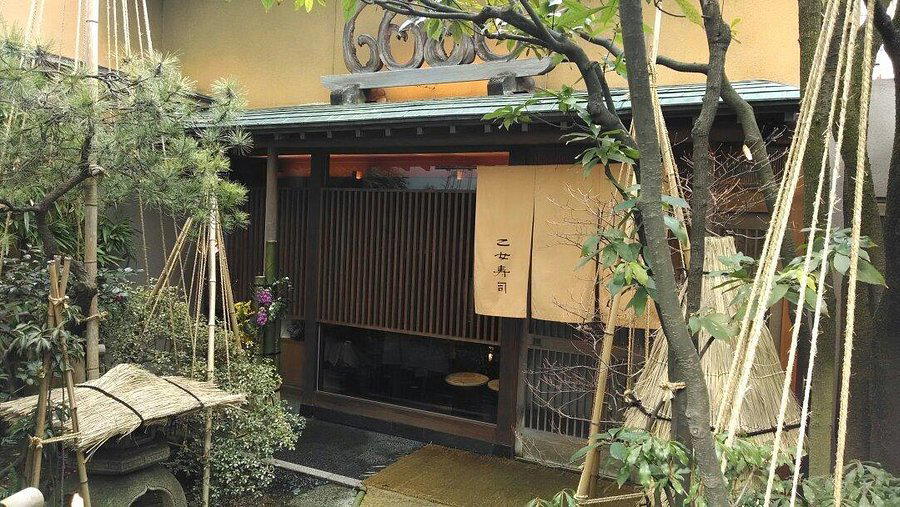
In Kanazawa's Takaokamachi district, イオマレ (Iomare) sits within a city that has long positioned itself as Japan's most serious regional dining destination outside Kyoto.

Pearl is the En Primeur Club membership app — saves, bookings, and concierge access live there. Same editors, same standards.
- Address
- 18-2 Takaokamachi, Kanazawa, Ishikawa 920-0864, Japan
- Phone
- +81762139747
- Hours
- Mon 12–3 PM, 5–11 PMTue–Wed ClosedThu 12–3 PM, 5–11 PMFri–Sun 12–4 PM, 5–11 PM
- Website
- r905001.gorp.jp
- Directions
- Get directions
- Booking
- Book on TableCheck
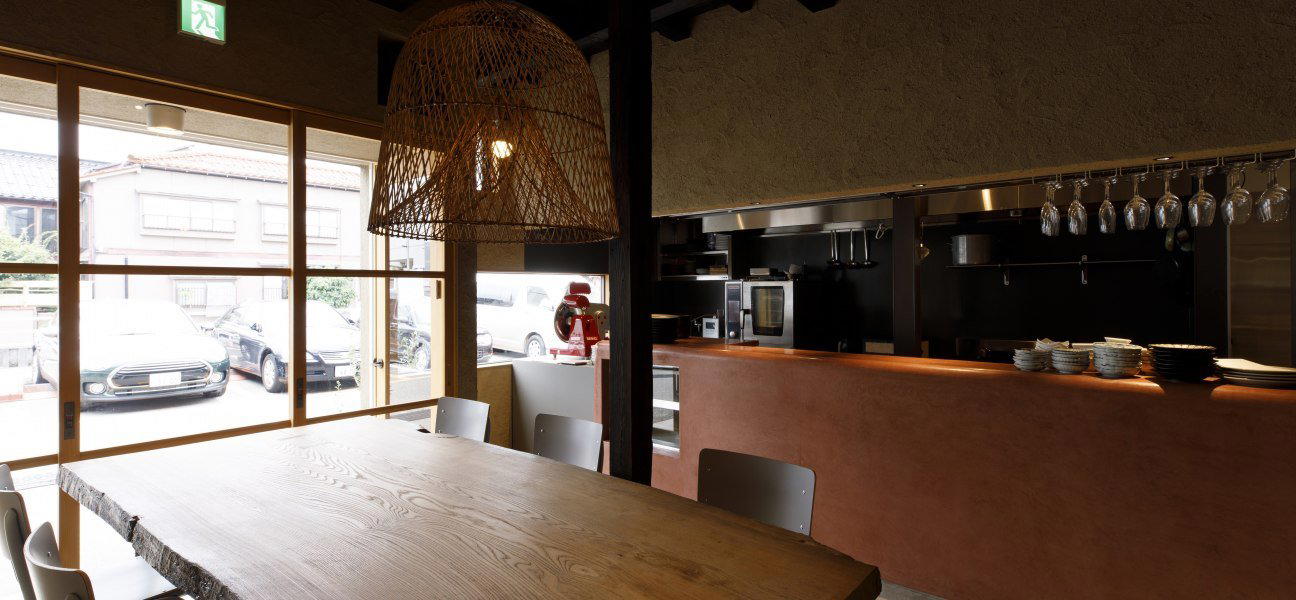
Kanazawa's Quiet Upper Tier
Japan's regional dining scene has reorganized itself over the past decade. Cities like Kanazawa, Fukuoka, and Nara now sustain serious multi-course restaurants that compete on equal footing with Tokyo and Kyoto peers, attracting diners who make the trip specifically for the table rather than the city. Kanazawa has been particularly deliberate about this identity: its access to Noto Peninsula seafood, mountain vegetables from the Hakusan foothills, and centuries of kaiseki tradition creates a larder few Japanese cities can match. イオマレ, at 18-2 Takaokamachi, occupies this city's quieter upper tier, a category defined not by loud recognition but by the kind of considered cooking that rewards those who seek it out. For broader orientation across the city's dining scene, the full Kanazawa restaurants guide maps the range from casual to formal.
Arriving in Takaokamachi
The Takaokamachi address situates イオマレ away from the central tourist corridors of Higashi Chaya and Omicho Market. This part of Kanazawa operates at a different register: quieter streets, a residential grain to the neighbourhood, and little of the lantern-lit performance that defines the geisha districts a few minutes' walk away. Restaurants in this tier tend to communicate through word of mouth and booking depth rather than signage or social presence, and arriving here requires a degree of intention that immediately filters the room toward guests who have done their research.
The Arc of the Meal
The editorial angle that clarifies what a place like イオマレ offers is not a single dish or a signature technique, but the logic of how a meal unfolds here. Kanazawa's position on Honshu's Sea of Japan coast makes it one of Japan's most important fish markets, with species like nodoguro (blackthroat seaperch), crab during winter months, and a rotating cast of shellfish and flatfish that have no direct equivalent in Pacific-facing cities. A multi-course meal in this city, handled well, moves through that coastal abundance with deliberate pacing: lighter, more delicate compositions early, building in richness and weight through the middle, then pulling back toward composure in the final courses.
That arc is what separates considered restaurants from adequate ones. The opening courses of a serious Kanazawa meal tend to do orientation work, introducing the guest to the seasonal moment through small, high-precision preparations that signal what's available and what the kitchen thinks is worth attention. This is where restraint matters most: the temptation in a city with Kanazawa's ingredient wealth is to show too much at once. The restaurants in the city's serious tier resist that temptation. Zeniya and Kataori represent the kaiseki tradition that defines this upper bracket, and both demonstrate how the opening sequence of a meal functions as argument rather than appetizer.
The middle courses in a well-constructed Kanazawa meal carry the most weight, both literally and conceptually. Ishikawa's mountain-to-sea range means that braised preparations sit alongside sashimi, and grilled fish coexists with root vegetables and fermented condiments that carry the memory of longer winters. The pacing of this section is where kitchen judgment shows most clearly, and where a dining experience either accumulates into something coherent or disperses into a series of pleasant but disconnected moments.
Final courses tend toward simplicity: rice, pickles, and a clear broth, the traditional markers of completion in Japanese multi-course cooking. What matters is how they land after everything that precedes them. At the better end of Kanazawa's restaurant tier, this closing sequence feels like a resolution rather than an afterthought.
Kanazawa in the Broader Regional Context
Understanding where イオマレ sits requires some mapping of the national scene it belongs to. Japan's regional dining circuit has matured to the point where a serious meal in Kanazawa, Kyoto, or Fukuoka no longer represents a compromise against Tokyo; it represents a different argument about what Japanese cuisine can do with local specificity. Goh in Fukuoka makes the case through Kyushu's distinctive ingredients and modern kaiseki sensibility. Gion Sasaki in Kyoto argues through classical kaiseki discipline applied to Kyoto's refined vegetable and tofu traditions. akordu in Nara takes the European fine dining structure and layers it over ancient Japanese ingredients. Kanazawa's argument runs through Ishikawa's unmatched seafood access and a culinary tradition that has absorbed but not been overwritten by kaiseki formalism.
At a global level, the structural logic of a Japanese multi-course meal is not categorically different from what Le Bernardin in New York City does with French seafood technique, or what Atomix in New York City does at the intersection of Korean fine dining and tasting-menu format. The underlying principle, that the progression of courses should build a coherent experience with a beginning, middle, and resolution, is shared across traditions. What differs is the ingredient vocabulary, the cultural grammar of service, and the relationship between kitchen and season.
Within the city, the restaurants that occupy a comparable register to イオマレ include both the kaiseki specialists and the category-crossers. Budoonomori Les Tonnelles represents the French-Japanese crossover approach that several Kanazawa restaurants have developed with genuine seriousness. Dokkan anchors a different register entirely. For those building a fuller picture of the city's food culture, Amanatto Kawamura and Hakuichi represent the craft and artisan dimensions that give Kanazawa's dining identity its particular depth. Even Go! Go! Curry, the city's famously exported curry chain, connects back to a Kanazawa-specific food culture that runs deeper than tourism would suggest.
Beyond Kanazawa, the regional circuit extends to comparable serious restaurants in neighbouring prefectures and further afield: 三本木 石川制 in Nanao sits within Ishikawa's own coastline tradition, while 琵琶湖荘 in Takashima and 庄羽屋 in Nishikawa Machi extend into the northern Honshu and Shikoku circuits. HAJIME in Osaka and Harutaka in Tokyo represent the metropolitan end of the same broader Japanese fine dining conversation.
Planning a Visit
The Takaokamachi address is a short taxi ride from Kanazawa Station, which connects to Tokyo via Hokuriku Shinkansen in roughly two and a half hours. Kanazawa's serious restaurants tend to operate with limited capacity and booking windows that reward early planning; approaching a visit to イオマレ with the same lead time you would apply to a Kyoto kaiseki counter is the appropriate frame. For context on what Kanazawa's serious dining tier typically costs, multi-course meals in this bracket in Japan generally range from the mid-tier of ¥15,000 per person upward, with seasonal variations depending on ingredient availability and course count. Visiting in winter for Noto crab season, which runs roughly from November through March, is a timing decision that shapes the meal substantially.
Frequently asked questions
How do I find イオマレ?
イオマレ is located at 18-2 Takaokamachi, Kanazawa, Ishikawa 920-0864, Japan, Kanazawa.
Is イオマレ accessible from Kanazawa Station, and how far in advance should visitors plan their trip around it?
The Takaokamachi address is a short taxi ride from Kanazawa Station, which connects to Tokyo via the Hokuriku Shinkansen in roughly two and a half hours. Building the meal around your travel dates — rather than the reverse — is the practical approach for a restaurant operating at this level in a regional city.
What should I eat at イオマレ?
The venue data does not specify a fixed menu, but イオマレ's position within Kanazawa's serious multi-course circuit suggests a meal structured around the seasonal produce of the Hokuriku region — Noto seafood, mountain vegetables, and local rice among the likely foundations. The editorial framing of the meal is less about a single signature dish and more about the logic of how courses unfold across the sitting. Confirm current menu details directly before booking.
How hard is it to get a table at イオマレ?
Restaurants at this register in Kanazawa's Takaokamachi district typically operate on advance reservations, often arranged through hotel concierges or Japan-based reservation services. Expect lead times of several weeks, particularly during peak travel periods on the Hokuriku Shinkansen corridor.
What is イオマレ known for?
イオマレ is positioned within the upper tier of Kanazawa's regional dining scene, operating from an address in Takaokamachi that sits away from the tourist-heavy corridors of Higashi Chaya and Omicho Market. Kanazawa itself has emerged over the past decade as one of Japan's most credible regional dining destinations outside the major metropolitan centres.
Can イオマレ handle vegetarian requests?
No dietary accommodation policy is listed in the available venue data. Restaurants in this register across Kanazawa's fine-dining circuit vary considerably in their flexibility; some kaiseki-adjacent kitchens can adjust courses with advance notice, while others are structured around seafood-led tasting menus that leave limited room for substitution. check the venue's official channels, or work through a concierge who can communicate the request in Japanese before your visit.
The Essentials
Comparable venues nearby, for context on price, style, and recognition.
| Venue | Cuisine | Price | Awards | Notes |
|---|---|---|---|---|
| イオマレThis venue — the venue you are viewing | Italian Creative Fusion | $50–100 | Not listed | Not listed |
| ORIGO | Seasonal Italian-Japanese Tasting Menu | $100–150 | Tabelog 100 #44 | Kanazawa, Seasonal Italian-Japanese Tasting Menu |
| Uva Uva | Natural Wine Italian | $50–100 | Not listed | Kanazawa, Natural Wine Italian |
| Tori Take | Yakitori (Grilled Chicken Skewers) | $50–100 | Tabelog 100 #94 | Kanazawa, Yakitori (Grilled Chicken Skewers) |
| Koide | Traditional Japanese Izakaya & Sake Bar | $100–150 | Tabelog 100 #65 | Kanazawa, Traditional Japanese Izakaya & Sake Bar |
| ビストロ リョーモン | French Bistro | $50–100 | Not listed | Kanazawa, French Bistro |