
Tabelog 100 #44
Our verdict
Kanazawa’s creative dining scene is usually read through seafood, craft and the city’s merchant-house scale rather than through metropolitan spectacle. ORIGO fits that grammar: an 8-seat creative-Italian counter in Kasaichimachi, selected for Tabelog 100 Innovative / Creative cuisine in 2025, with Hokuriku fish, sake and wine forming the practical frame.

Pearl is the En Primeur Club membership app, where members save venues, book tables and use the concierge.
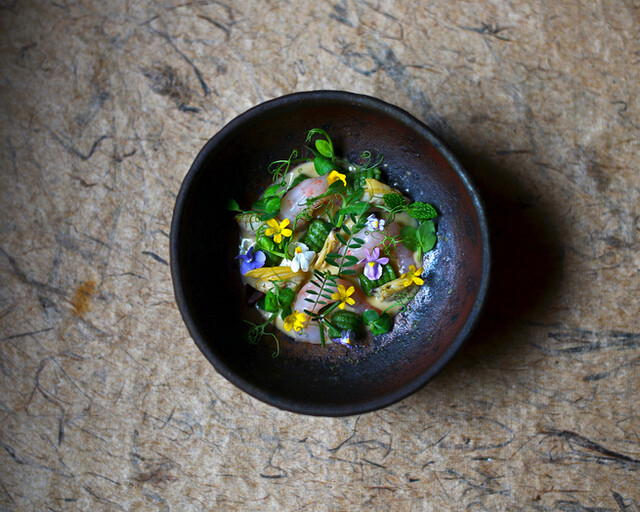
The menu
What to order
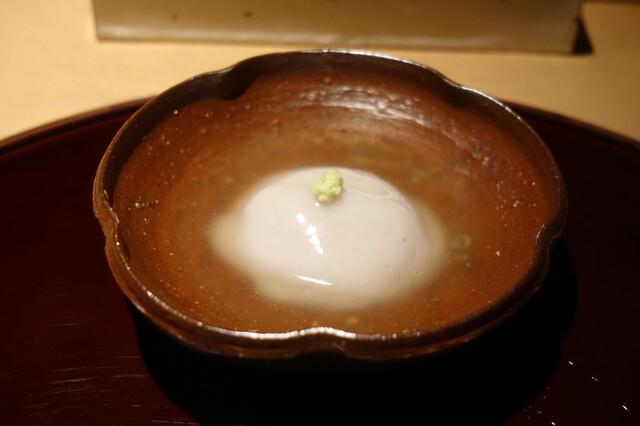
- Handmade pasta in cold mussel broth
- Gnocchi with shrimp
- Seasonal wild game course
- Local Ishikawa seafood tasting
Approaching Kanazawa, the city changes register: station-side movement gives way to smaller streets, older domestic scale and the sense that serious dining often prefers compression over display. ORIGO reads as less about imported labels than as a Kanazawa answer to Creative, Italian cooking: focused in spirit, ingredient-led and shaped by the region’s habit of making luxury quiet rather than theatrical.
Kanazawa has advantages for restaurants working outside strict genre lines. The Sea of Japan supplies an authoritative seafood culture, while Kaga vegetables, rice, miso, sake and lacquerware give the city a deep grammar of seasonality and presentation. Creative, Italian cooking makes sense when Italy is structure rather than costume: technique, wine logic and course progression meeting Hokuriku’s market culture. That is the useful lens for this table.
Creative Italian in a city built around fish, craft and restraint
The comparison is not Tokyo’s maximalist fine dining or Kyoto’s temple-adjacent kaiseki economy. Kanazawa’s higher-end rooms tend to be smaller in feeling, with local materials doing more of the speaking. ORIGO’s 2025 recognition in Tabelog’s Hyakumeiten context places it in Japan’s broader conversation around Creative, Italian dining, but the address remains tied to a city where craft discipline matters more than performance.
The format is central. A planned dinner changes the social contract: pacing, attention and the kitchen’s rhythm become part of the evening, while anonymity recedes. That suits Creative, Italian cooking better than a purely casual setting would. The kitchen can move between Italian categories and Hokuriku produce without explaining itself as fusion, a word that often flattens more than it clarifies.
Regional identity is not decorative here. Hokuriku’s coastal culture gives seafood and seasonal produce a different weight than in many inland restaurants, and ORIGO’s Creative, Italian category aligns with Kanazawa’s dining logic. The meal can carry both local and European reference points without needing to turn either into spectacle.
For travellers building a Kanazawa food itinerary, this differs from lower-priced casual stops and everyday counters. 333 and Koide offer useful points of comparison within the city’s wider dining map. That context matters because Kanazawa rewards calibration. A night here is not an add-on between snacks; it belongs in the main-dinner slot of a short stay.
The neighbourhood frame matters more than spectacle
Kanazawa gives the meal its context. This is not simply the postcard city around famous sights, though those images shape the visitor’s idea of the place. The city has a practical rhythm: arrivals, small streets, residential pockets and restaurants serving travellers without becoming tourist theatre. A discreet restaurant format fits that fabric.
That setting explains why the experience reads as controlled rather than grand. Kanazawa is a city of artisanship, in food as well as gold leaf, lacquer, ceramics and textiles. Its dining culture often mirrors that: small adjustments, material awareness, seasonal intelligence. A creative restaurant here carries different expectations from a hotel dining room or flashy urban tasting menu. The room must justify itself through coherence, not scale.
The Tabelog score of 3.61 is another useful signal, not a universal verdict but a marker within Japan’s highly competitive user-review culture. Combined with its 2025 Tabelog Hyakumeiten recognition, it shows a restaurant that has moved beyond neighbourhood curiosity into broader category recognition. That matters in Kanazawa, where many strong meals remain hyperlocal and never enter wider award circuits.
Plan the city around that balance. A Kanazawa dining day can overfill with markets, sweets, seafood bowls and sake, especially for train arrivals. Pairing this dinner with a restrained daytime route makes more sense than arriving after a heavy lunch. For wider planning, Our full Kanazawa restaurants guide helps separate serious dinner rooms from casual daytime addresses, while Our full Kanazawa hotels guide helps choose a base that does not turn dinner into a commute.
How to place it within a Kanazawa itinerary
ORIGO is strongest for travellers who want Kanazawa to read as a living food city, not a preserved cultural stop. Sushi, crab, wagashi and kaiseki-adjacent cooking remain central, but creative restaurants show how regional ingredients move when chefs are not bound to one inherited form. This is where the city becomes more interesting than a checklist of established specialties.
It also suits diners who care about how a meal is framed. Creative, Italian cooking gives the table a route through the evening that can acknowledge both local ingredients and imported technique, important in a city where seafood, vegetables and seasonality carry strong expectations. Visitors used to strict cuisine categories may find Kanazawa a useful reminder that regional ingredients need not be translated through only one tradition.
The practical profile is adult, planned and occasion-oriented. The listed dinner budget of JPY 20,000 - JPY 29,999 puts ORIGO in a deliberate-dinner category rather than a spontaneous casual stop. Kanazawa has plenty of places for everyday eating, from ramen to grill counters to sweets shops. This address sits in the planned-evening part of the trip.
For contrast, casual and specialist addresses clarify the choice. Other Kanazawa dining rooms point to different parts of the city’s eating culture, from everyday cravings to confectionery tradition. The broader trip can then be rounded through Our full Kanazawa bars guide, Our full Kanazawa wineries guide and Our full Kanazawa experiences guide.
Readers comparing Japanese dining beyond Ishikawa can use other city pages as reference points rather than direct peers: restaurants in Kamakura, Tokyo, Osaka, Kumamoto, Kawasaki and Sapporo, along with Japanese dining abroad, show the wider range rather than a set of equivalents. The point is range, not equivalence. Kanazawa’s strength lies in meals where locality stays legible even when the cuisine label travels.
Frequently asked questions
Can I bring kids to ORIGO?
ORIGO is best considered a serious dinner choice in Kanazawa, where the listed dinner price range is JPY 20,000 - JPY 29,999.
Is ORIGO better for a quiet night or a lively one?
It works better for a quiet dinner than a loud one. The tone suggested by its Creative, Italian category and price range points to a controlled meal rather than a high-energy dining floor.
What's the price range at ORIGO?
Pricing at ORIGO is listed as JPY 20,000 - JPY 29,999.
Where is ORIGO located?
Kanazawa.
Should I book ORIGO in advance?
Yes. Given ORIGO’s JPY 20,000 - JPY 29,999 dinner range and 2025 Tabelog Hyakumeiten recognition, it is sensible to plan ahead rather than treat it as a casual walk-in option.
What's the signature at ORIGO?
The clearest anchor is its Creative, Italian cooking. Tabelog’s 2025 Hyakumeiten recognition is the main public marker of its style.
Compact Comparison
Side-by-side context: comparable cuisine and price.
| Venue | Cuisine | Price | Awards | Notes |
|---|---|---|---|---|
| ORIGOThis venue (the venue you are viewing) | Seasonal Italian-Japanese Tasting Menu | $100–150 | Tabelog 100 #44 | Not listed |
| 333 | Hinai Chicken Yakitori | $50–100 | Tabelog 100 #57 | JPY 6,000 - JPY 7,999 View spending breakdown |
| Koide | Traditional Japanese Izakaya & Sake Bar | $100–150 | Tabelog 100 #65 | JPY 20,000 - JPY 29,999 |
| Shusui Daigo | Japanese Izakaya | $30–50 | Tabelog 100 #94 | JPY 6,000 - JPY 7,999 |
| Menya Taiga | Miso ramen specialty shop | $10–20 | Tabelog 100 #3 | JPY 1,000 - JPY 1,999 JPY 1,000 - JPY 1,999 |
Recognition history
Dated appearances from independent guides and award organizations, with the underlying list record or original source where available.
Tabelog 100 #44 · No. 44
Tabelog · Tabelog 100 - Innovative / Creative cuisine - 2025
Continue exploring
More in Kanazawa
Restaurants in Kanazawa
All restaurants in Kanazawa →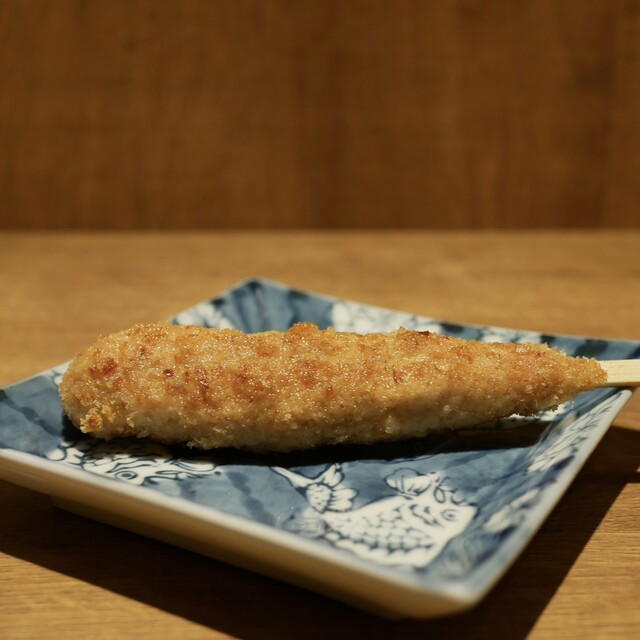
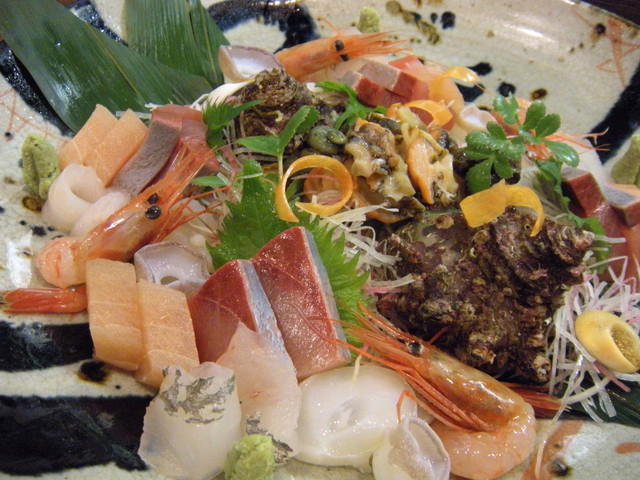
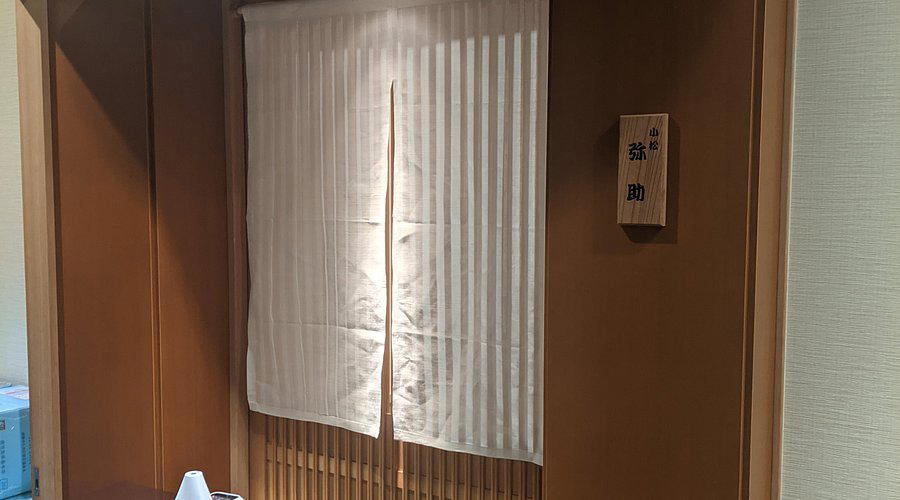
Hotels in Kanazawa
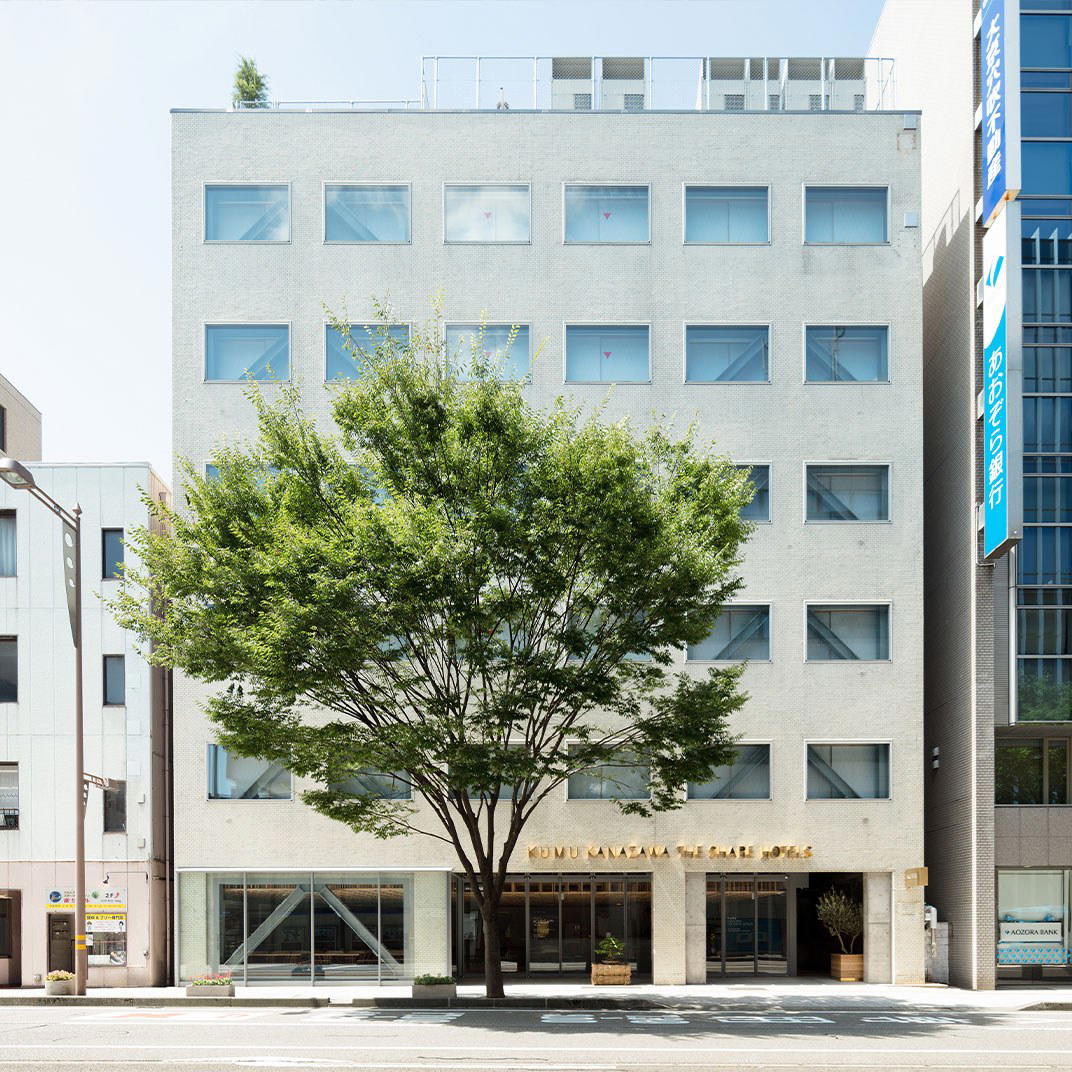
All hotels in Kanazawa →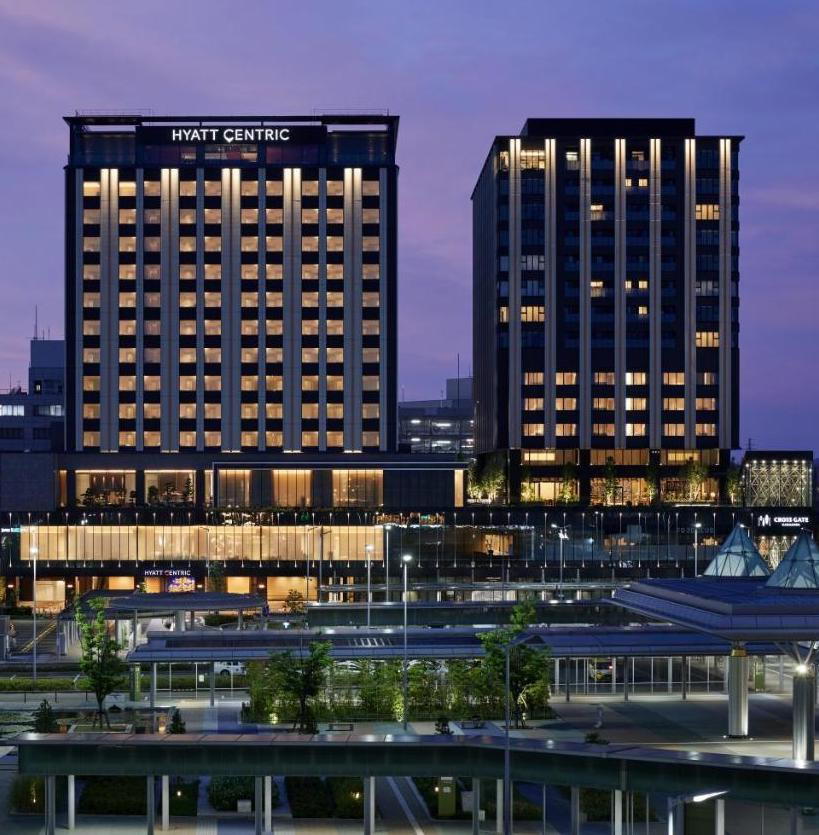
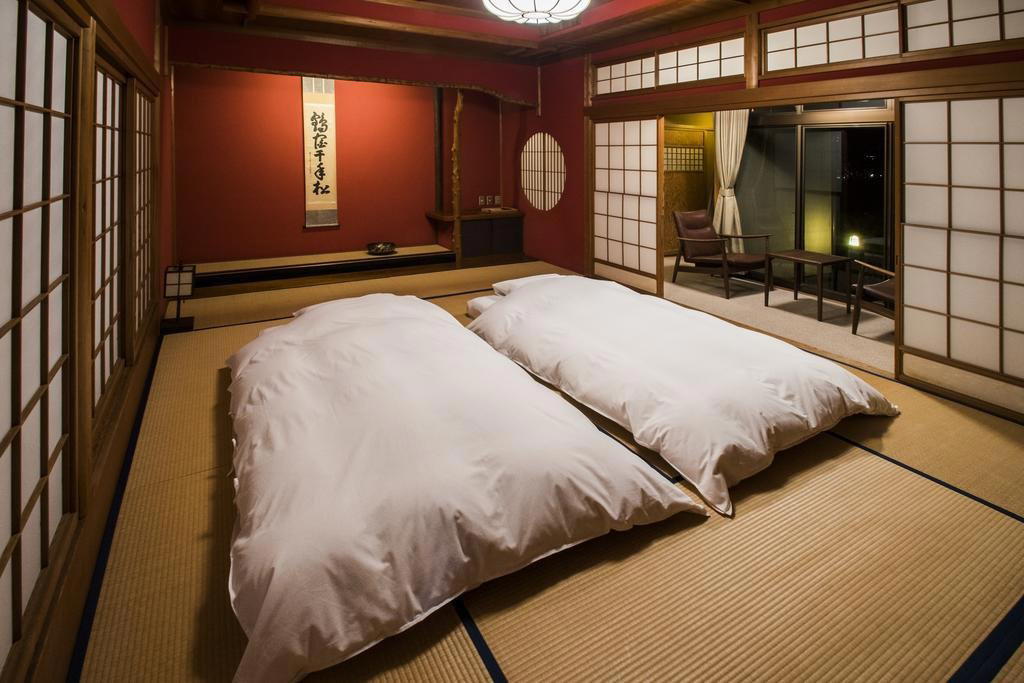
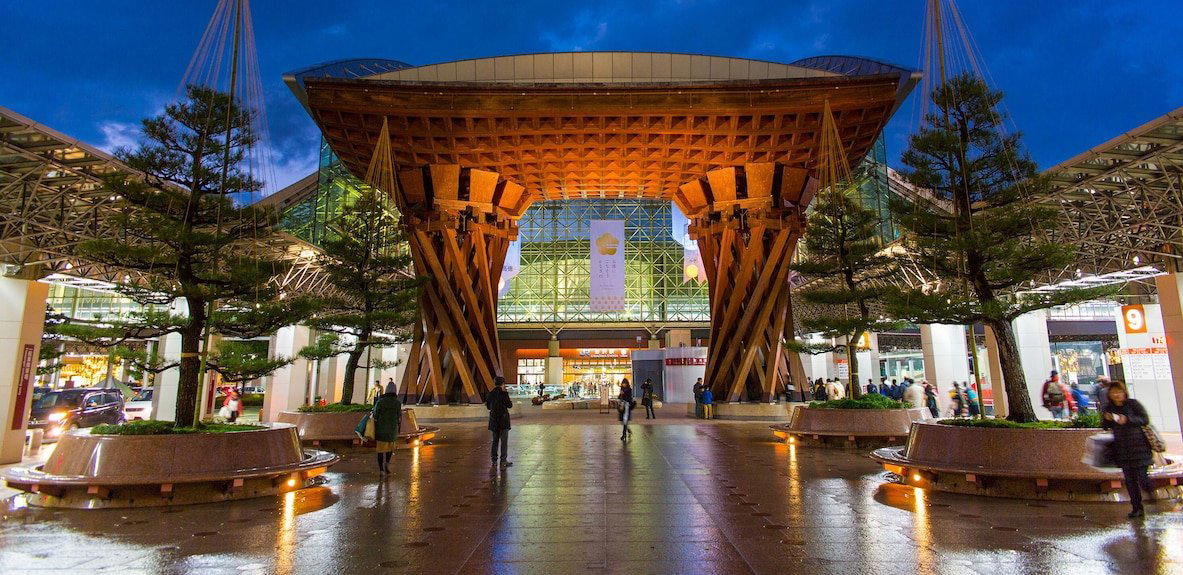
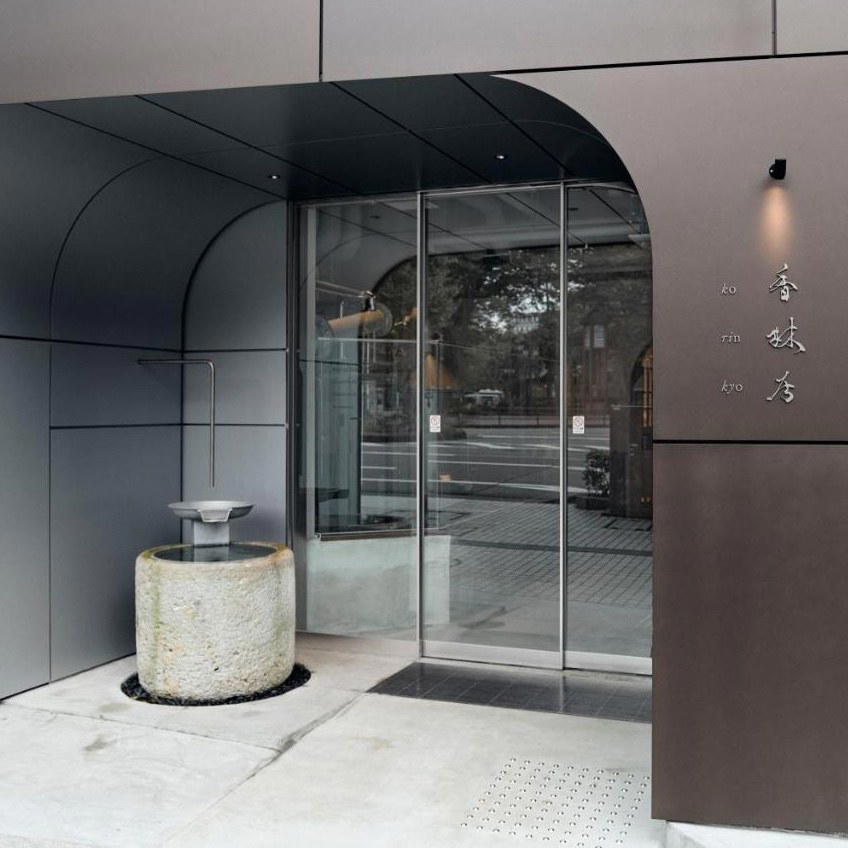
Wineries in Kanazawa
Browse all →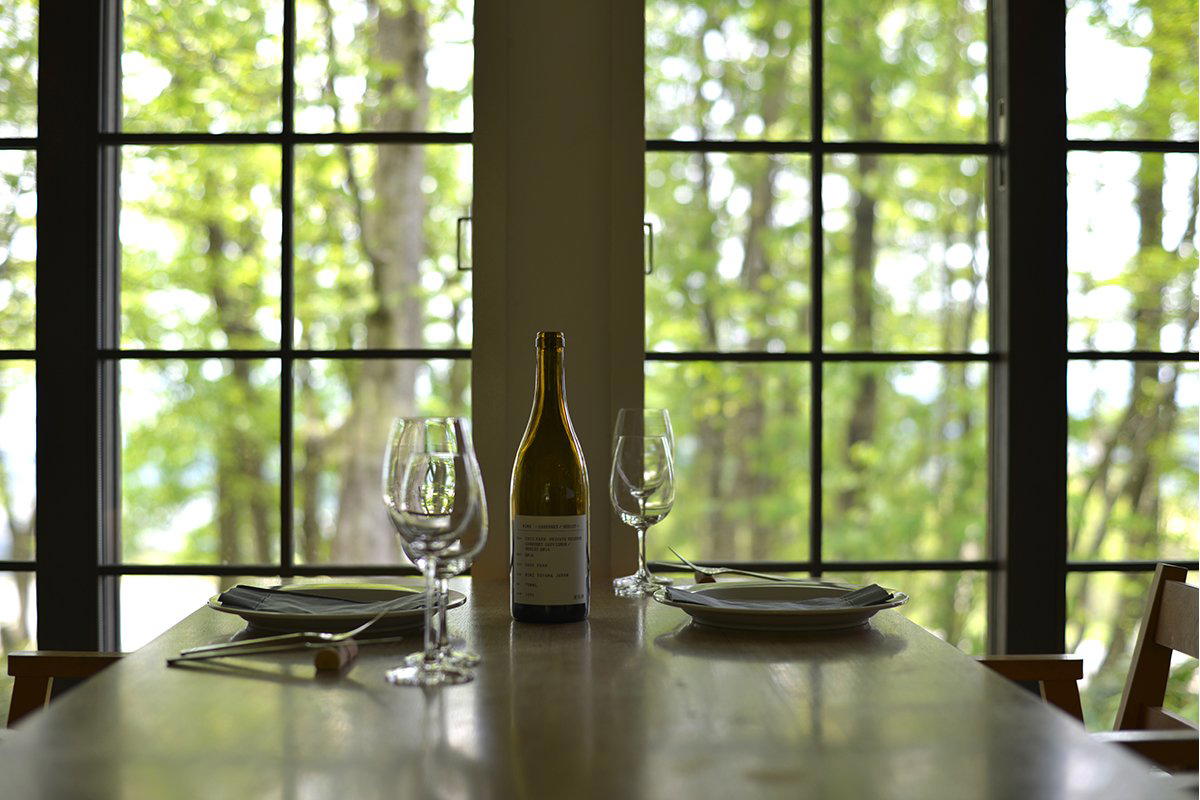
Details
- Intimate
- Modern
- Cozy
- Elegant
- Date Night
- Special Occasion
- Celebration
- Business Dinner
- Solo
- Chefs Counter
- Open Kitchen
- Design Destination
- Standalone
- Natural Wine
- Farm To Table
- Local Sourcing
- Sustainable Seafood
- Tasting Menu
- Prix Fixe
- Small Plates
- Wine
- Natural Wine
- Sake
- Pescatarian Friendly
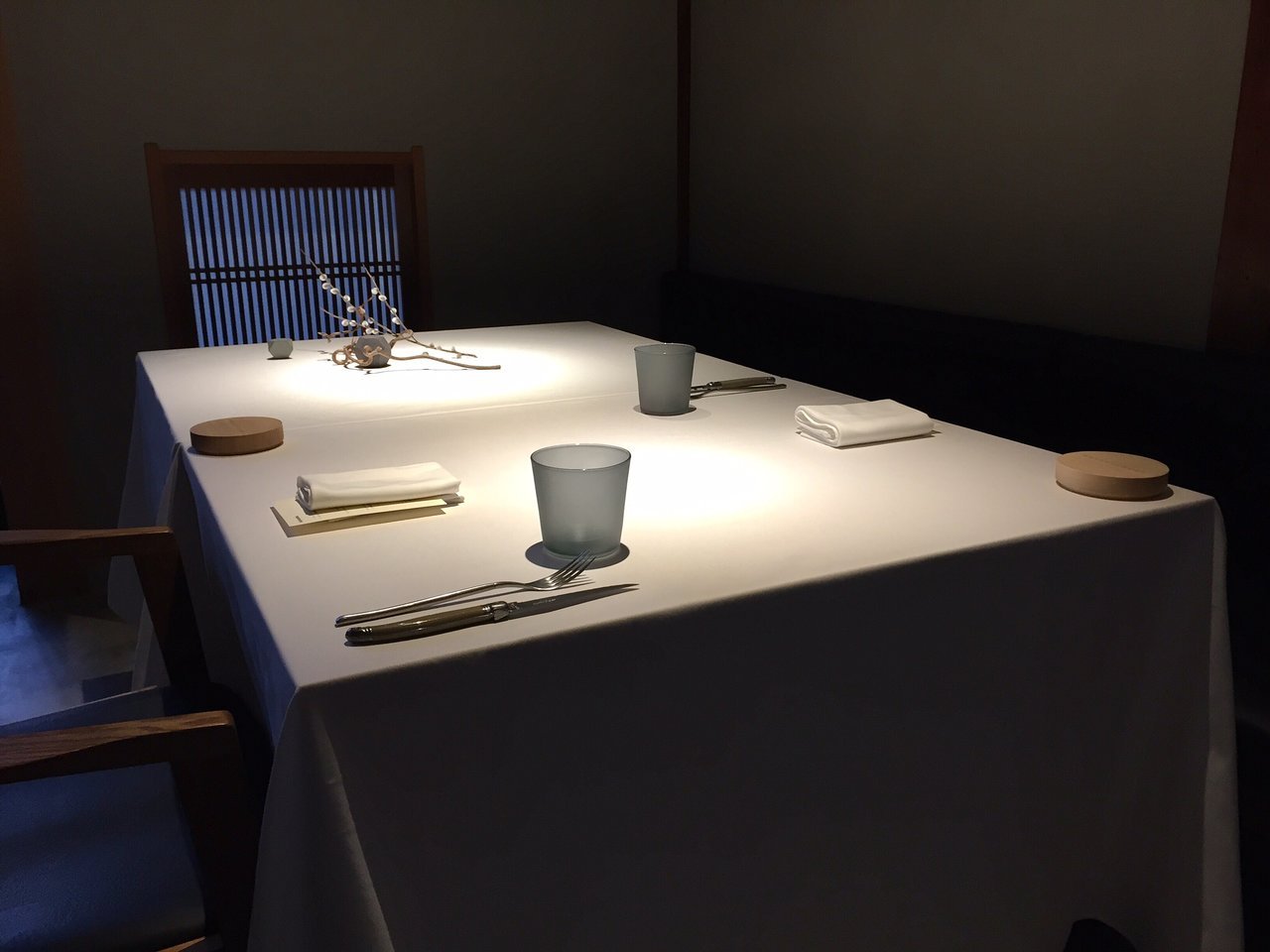
An intimate 8-seat dining room in a traditional Kanazawa townhouse, with minimalist modern design, soft lighting, and a calm, high-end yet relaxed atmosphere that blends Japanese aesthetics with Italian warmth.