Our verdict
Located on Kiguramachi in central Kanazawa, Uva Uva occupies a city where local dining culture runs deep and expectations are high. The address places it within reach of the Higashi Chaya district and the broader network of artisan-led restaurants that define Kanazawa's reputation as one of Japan's most serious food cities outside Kyoto and Tokyo.

Pearl is the En Primeur Club membership app, where members save venues, book tables and use the concierge.
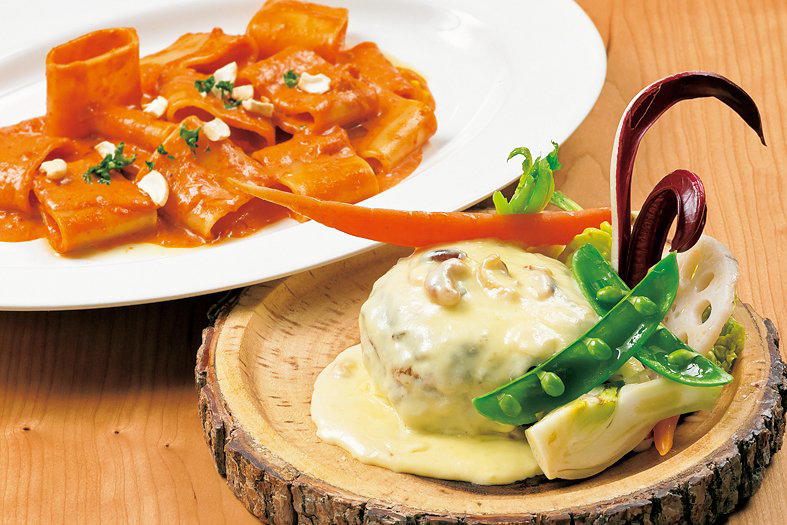
The menu
What to order
- Risotto
- Pasta
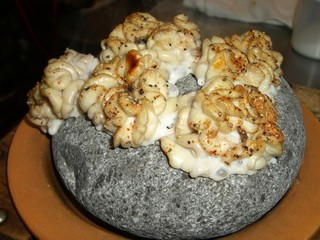
- Blue fin tuna sashimi with pesto
Kiguramachi and the Weight of Kanazawa's Dining Culture
Kanazawa earns its reputation not through volume but through concentration. The city's restaurant culture sits in a narrow tier between Kyoto's ceremonial kaiseki tradition and the more experimental registers found in Osaka and Tokyo. Streets like Kiguramachi carry this character quietly: small facades, deliberate interiors, a sense that each establishment has been chosen for a reason. Uva Uva, at 5-4 Kiguramachi, sits within that fabric. The address alone signals something considered, positioned in a part of the city where dining choices tend toward the intentional rather than the casual.
For context, Kanazawa's food scene draws on one of the most complete regional larders in Japan. Noto Peninsula seafood, Kaga vegetables cultivated over centuries, and proximity to the Japan Sea produce a culinary environment where sourcing is never an abstraction. The comparison venues operating in this city, from kaiseki institutions like Kataori and Zeniya to yakitori specialists like Hamagurizaka Maekawa, each occupy a defined position within that ecosystem. Understanding where Uva Uva fits requires understanding that in Kanazawa, specificity matters: the city has little patience for the generic.
The Cultural Architecture Behind the Address
Kanazawa's relationship with refined dining stretches back to the Edo period, when the Maeda clan's patronage created one of Japan's most sustained cultures of craft and taste outside of the imperial capital. That legacy persists in ways that are structural rather than merely decorative. The city's restaurants, particularly those operating in its older districts, inherit a sensibility shaped by centuries of local connoisseurship. Diners here tend to know what they are eating, where it came from, and what its preparation should involve.
This context matters when approaching any restaurant in Kanazawa's inner districts. The name Uva Uva, with its reference to grapes, suggests a program oriented around wine, European cuisine, or both, which in Kanazawa places it in a distinctive minority. The city's international dining options are fewer than in Osaka or Kyoto, which means that a wine-forward or European-influenced establishment in this location operates in a relatively uncontested space locally, while still competing on absolute terms with the city's formidable Japanese dining options. Comparable European-Japanese crossover programs can be found in other Japanese cities, including Budoonomori Les Tonnelles, which operates a French program within Kanazawa itself, and akordu in Nara, which positions Spanish technique against local Japanese ingredients.
Reading the Kiguramachi Location
The Kiguramachi address places Uva Uva in walking distance of several of Kanazawa's reference points for serious dining. The Higashi Chaya geisha district, the Omicho market, and the Kazuemachi canal district are all accessible from this part of the city, which has historically attracted independent operators rather than chains. In Japanese dining terms, this kind of address tends to correlate with proprietor-led operations: places where the person making decisions about the food is also present in the room.
Practically, reaching Kanazawa has become more accessible since the Hokuriku Shinkansen extension brought the city within roughly two and a half hours of Tokyo by rail. That connection has increased visitor flow to the city's dining scene and compressed booking windows at the more sought-after establishments. For visitors planning a meal at Uva Uva, contacting the restaurant directly or working through a hotel concierge in Kanazawa remains the most reliable approach, given that online booking infrastructure for smaller independent restaurants in the city varies considerably. Reservations are worth arranging in advance, particularly for weekend evenings.
Kanazawa in a Wider Regional Frame
Placing Kanazawa within Japan's broader restaurant geography is useful for calibrating expectations. The city operates below the visibility of Tokyo and Kyoto for international visitors, which has historically kept some of its restaurants underpublicized relative to their quality. That asymmetry has narrowed as coverage of regional Japanese dining has deepened, with publications and booking platforms giving more attention to cities outside the primary three. Gion Sasaki in Kyoto, Harutaka in Tokyo, and Goh in Fukuoka each represent the kind of serious regional dining that Kanazawa can hold its own against.
Within Kanazawa, the reference set for a restaurant on Kiguramachi includes establishments like Dokkan and Hakuichi, which operate in the city's food-and-craft intersection, as well as Amanatto Kawamura, which represents the city's confectionery and wagashi tradition. Further afield, regional counterparts like a Nanao restaurant on the Noto Peninsula and a Takashima establishment in the Shiga region demonstrate the depth of serious dining across the Chubu and Hokuriku areas. Japan's regional restaurant culture now extends well beyond its major cities, as operators in Sapporo, seen at one of Hokkaido's notable addresses, or in smaller towns like Nishikawa Machi demonstrate. For a global frame of reference on what serious independent restaurants look like at different price and format points, Le Bernardin in New York City and Atomix represent the international tier that Japanese regional dining increasingly measures itself against.
Kanazawa's full picture, including kaiseki institutions, market-adjacent lunch counters, and the city's growing number of independent bars and wine-focused restaurants, is covered in our full Kanazawa restaurants guide. For high-end Japanese dining elsewhere in the country, HAJIME in Osaka and Birdland in Sakai offer useful comparison points across different formats and price tiers. Go! Go! Curry rounds out the city's casual end, where Kanazawa-style curry has its own local following entirely separate from the fine dining conversation.
Planning Your Visit
The 5-4 Kiguramachi address in Kanazawa's Ishikawa prefecture places Uva Uva in a walkable part of the city's central district. Kanazawa is leading reached by the Hokuriku Shinkansen from Tokyo, with journey times around two and a half hours. The city's compact central area makes most dining destinations reachable on foot from the main accommodation clusters near Kanazawa Station and the Katamachi district.
Frequently asked questions
What's the address for Uva Uva?
Uva Uva is located at 5-4 Kiguramachi, Kanazawa, Ishikawa 920-0988, Japan, Kanazawa.
Is Uva Uva a wine bar or a full restaurant, and how does that shape the experience?
The name Uva Uva draws directly from the Italian and Spanish word for grape, which positions this Kiguramachi address within the small tier of Japanese independents where wine selection drives the program rather than supporting it. In Kanazawa's dining culture, shaped by centuries of Maeda-era patronage and a deep respect for craft, that kind of specialist focus tends to attract an engaged local clientele rather than a passing tourist crowd.
What should I order at Uva Uva?
Kanazawa's kitchen culture leans heavily on Ishikawa prefecture's seasonal produce and Sea of Japan seafood, so whatever is on the menu at 5-4 Kiguramachi is likely shaped by those same regional rhythms. The name Uva Uva points toward a wine-driven format, which in the Japanese independent scene typically means food designed around the glass rather than the other way around. Confirm current offerings directly with the venue before visiting.
How hard is it to get a table at Uva Uva?
Since the Hokuriku Shinkansen extended service to Kanazawa, the city's independent restaurants have absorbed noticeably higher demand, particularly from Tokyo day-trippers and overnight visitors targeting the dining corridor around Kiguramachi and the Higashi Chaya district. Small wine-focused independents in this part of Kanazawa tend to have limited covers, which compresses availability further.
Booking and Cost Snapshot
Comparable venues nearby, for context on price, style, and recognition.
| Venue | Cuisine | Price | Awards | Notes |
|---|---|---|---|---|
| Uva UvaThis venue (the venue you are viewing) | Natural Wine Italian | $50–100 | Not listed | Not listed |
| jibunchi | Contemporary Italian with Kanazawa Local Ingredients | $50–100 | Tabelog 100 #70 | Kanazawa, Contemporary Italian with Kanazawa Local Ingredients |
| Tori Take | Yakitori (Grilled Chicken Skewers) | $50–100 | Tabelog 100 #94 | Kanazawa, Yakitori (Grilled Chicken Skewers) |
| 料亭 穂濤 | Seasonal Japanese Kaiseki | $100–150 | Not listed | Kanazawa, Japanese Fine Dining Seafood |
| Sushi Ikuta | Seasonal Edomae-Style Sushi Omakase | $100–150 | Tabelog 100 #71 | Kanazawa, Seasonal Edomae-Style Sushi Omakase |
| ORIGO | Seasonal Italian-Japanese Tasting Menu | $100–150 | Tabelog 100 #44 | Kanazawa, Seasonal Italian-Japanese Tasting Menu |
Continue exploring
More in Kanazawa
Restaurants in Kanazawa
All restaurants in Kanazawa →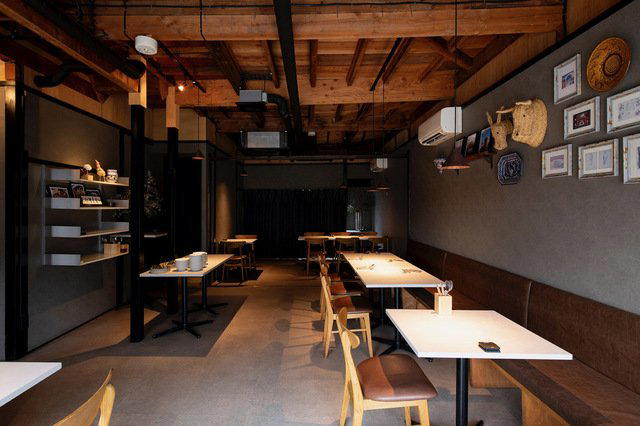
Hotels in Kanazawa
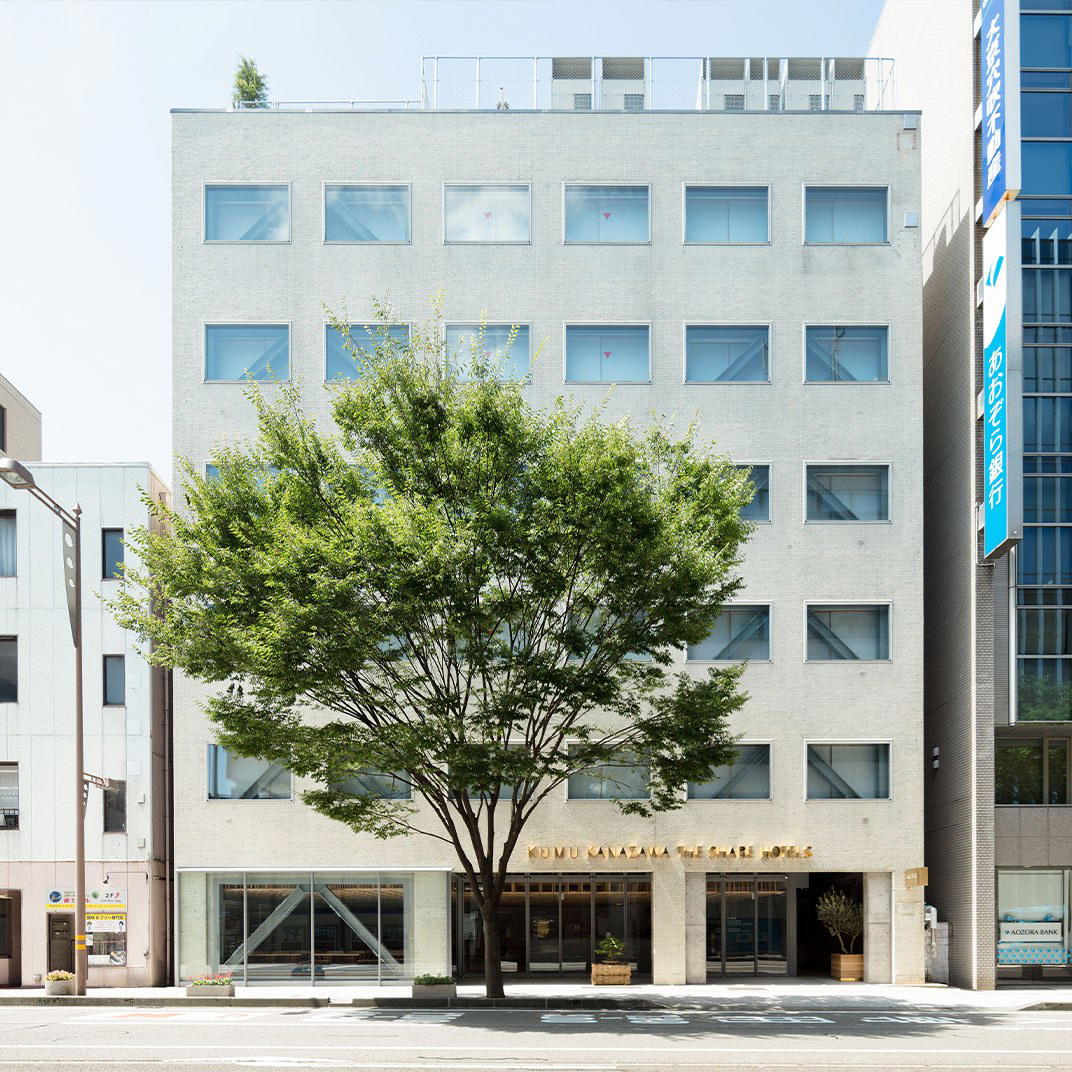
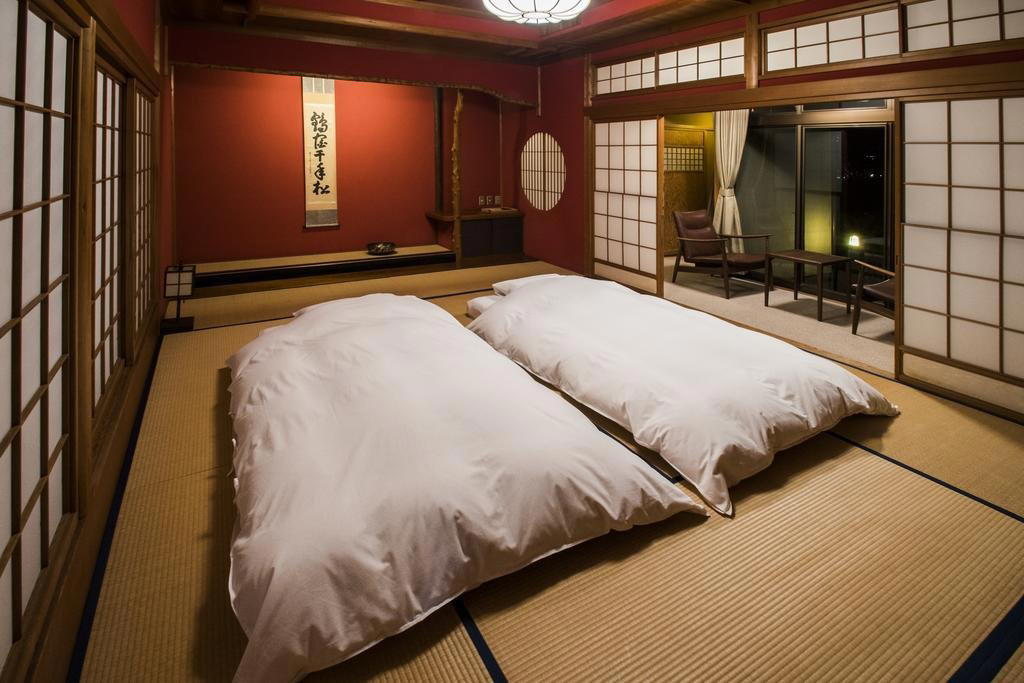
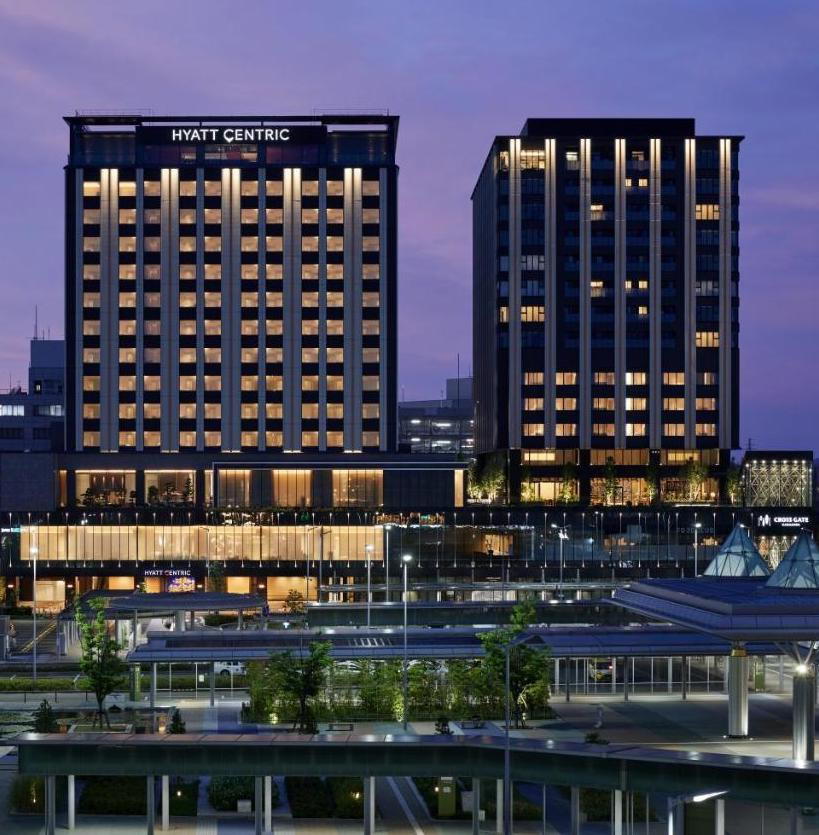
All hotels in Kanazawa →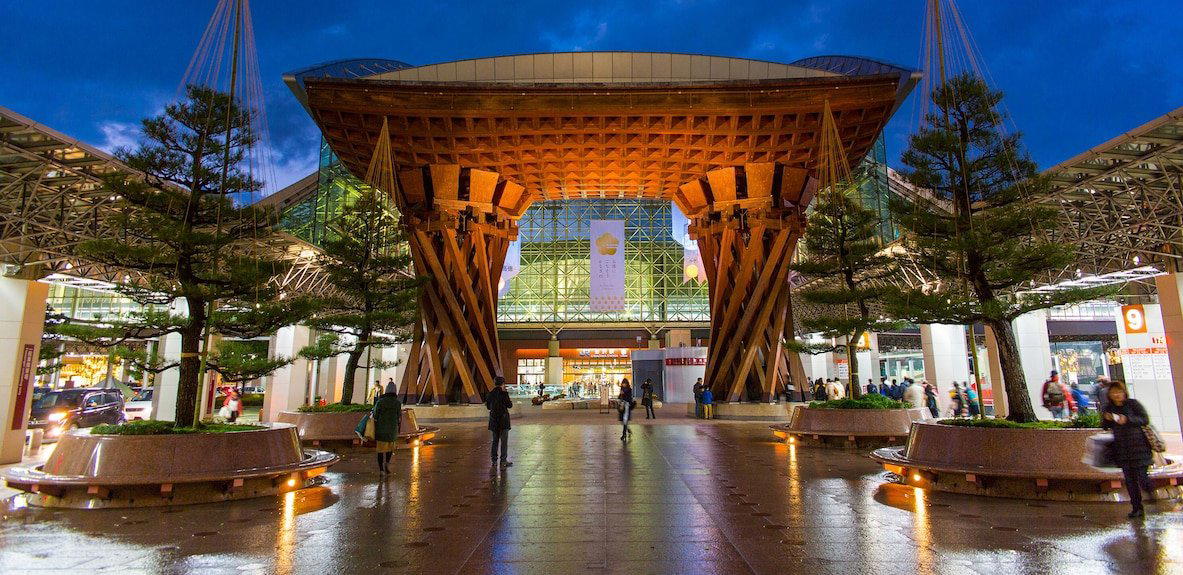
Wineries in Kanazawa
Browse all →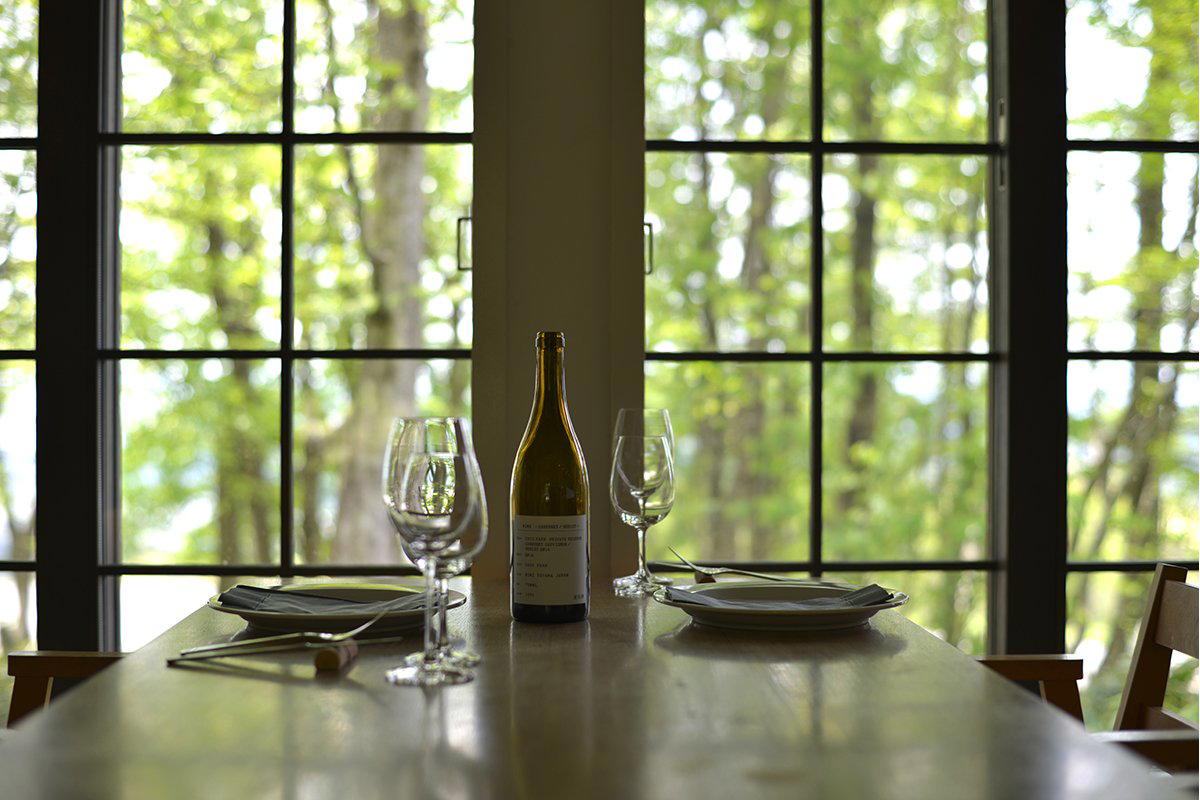
Uva Uva
The wine
- Wine program
- Deep wine list
- Natural wine
- Sake program
Details
- Intimate
- Cozy
- Date Night
- Special Occasion
- Natural Wine
- Sake Program
- Local Sourcing
- A La Carte
- Small Plates
- Natural Wine
Current opening hours
- Monday
- 6–10 PM
- Tuesday
- 6–10 PM
- Wednesday
- Closed
- Thursday
- 6–10 PM
- Friday
- 6–10 PM
- Saturday
- 6–10 PM
- Sunday
- 6–10 PM
Hours can change for holidays and private events. Hours as of .
Cozy and intimate with warm personal service in a small tucked-away space.