
Tabelog 100 #94
Our verdict
Kanazawa’s yakitori culture is smaller and quieter than the city’s sushi conversation, which makes a 10-seat counter with repeat Tabelog Yakitori WEST 100 selections worth noting. Tori Take belongs to the charcoal-grill tradition rather than the tourist-market circuit, with drinks spanning sake, shochu, and wine, and a format built around close-range cooking.

Pearl is the En Primeur Club membership app, where members save venues, book tables and use the concierge.
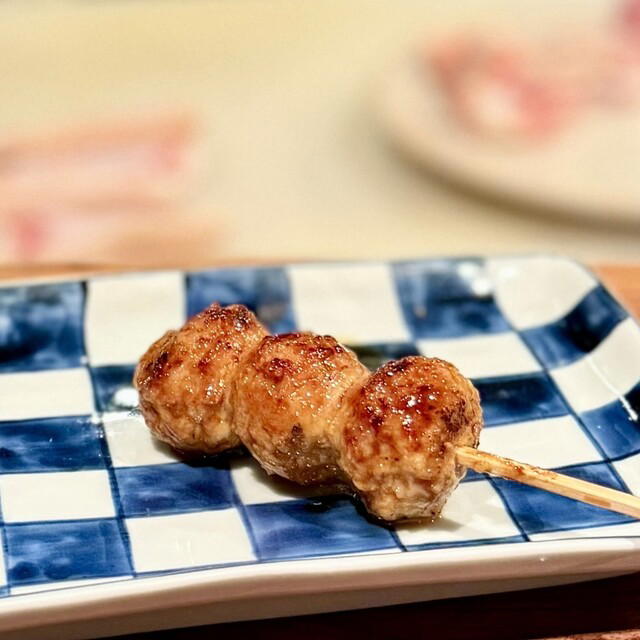
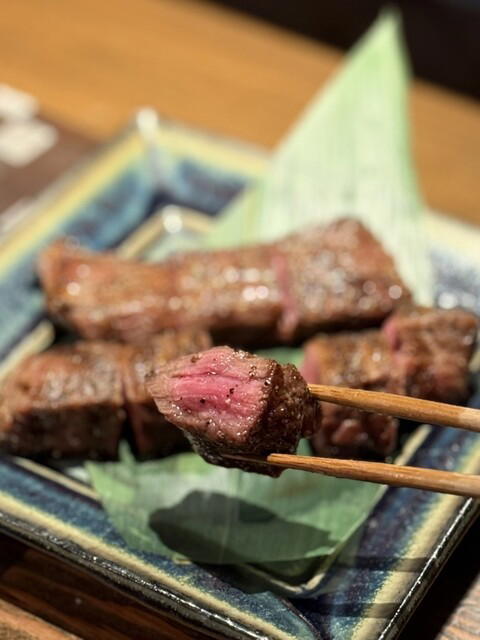
Kanazawa sits close enough to central food routes to feel connected, but not so exposed that dinner turns into sightseeing. The appeal here is a focused yakitori meal: grill work, measured pacing, and skewers served as the evening unfolds. In a city often framed through seafood, tea sweets, and Kaga cuisine, yakitori offers a different reading of Kanazawa, less ceremonial than kaiseki, more exacting than casual drinking food.
That distinction matters. Yakitori in Japan is not simply grilled chicken; at serious restaurants it becomes a study in portioning, heat control, salt, tare, texture, and pacing. The genre rewards repetition and restraint. Tori Take, selected for Tabelog’s Yakitori recognition in 2025, sits inside that specialist category rather than the broader izakaya bracket. The score attached to its listing, 3.70, is not the point on its own; the stronger signal is inclusion in a yakitori list where consistency counts.
Kanazawa's grill counter, read against the city's seafood reputation
Kanazawa dining is often reduced to the morning market, winter crab, sushi counters, and polished ryotei rooms. That version is useful, but incomplete. The city also has a serious evening-drinking culture, and yakitori belongs to that side of the map: direct service, close attention to timing, and cooking where the margin between underdone and dry is measured in seconds.
The format is especially compelling in Kanazawa because it cuts against the expected script. Visitors planning only sushi may look to 鮨治 or Sushi Kibatani for a counter meal, while a modern special-occasion dinner might point toward Respiracion. Yakitori occupies a narrower lane. It is less about regional display and more about craft discipline, with chicken handled through cuts, textures, and seasoning decisions that are easy to underestimate until the meal is moving at full tempo.
Tori Take’s specialist focus places it firmly in the yakitori tier. That changes the meal. It makes timing central, puts the grill work at the heart of the experience, and gives the cooking less tolerance for drift. A broader izakaya can absorb noise and uneven pacing; a focused yakitori restaurant cannot. For travelers comparing Kanazawa restaurants, that makes the choice clear: this is not a broad local sampler, but a focused yakitori sitting for diners who want the city after dark rather than another seafood-led itinerary.
A WEST 100 yakitori selection with a focused discipline
Tabelog’s yakitori recognition is a useful credential because the category is crowded across Japan, including the west of the country. Tori Take’s 2025 inclusion gives it a clearer signal than a casual local mention. It suggests the restaurant is being judged within a grill tradition, not merely within Kanazawa’s local restaurant conversation.
The appeal also places the restaurant in the modern yakitori mold. Salt, smoke, tare, pacing, and the steady hand of the grill define the experience more than elaborate staging. None of that turns the meal into fine-dining theatre. The stronger appeal is the opposite: a focused format where the cooking has to carry the evening without unnecessary ceremony.
For a broader Kanazawa itinerary, the contrast is useful. Other Kanazawa dining rooms give the city’s sweet-making, seafood, and flexible local-dining traditions different expressions; 風和利 and Plat Home sit closer to the adaptable local-dining end of the spectrum. Tori Take belongs to the category where the grill is the argument. Diners should come for yakitori as a craft, not as a side stop between bigger reservations.
How to place it in a Kanazawa dining plan
The practical choice is about sequence. A yakitori meal works better as the main dinner than as an add-on, especially when the cooking is paced around skewers from the grill. It also suits a night when the rest of the day has been built around museums, shops, or market eating rather than another formal meal. Kanazawa rewards that kind of alternation: seafood one night, grilled chicken the next, tea sweets and bars around the edges.
Readers building a city plan can use Our full Kanazawa restaurants guide for the wider dining map, then widen the trip through Our full Kanazawa hotels guide, Our full Kanazawa bars guide, Our full Kanazawa wineries guide, and Our full Kanazawa experiences guide. Nearby and city-adjacent restaurant pages help show how varied Kanazawa’s casual and specialist dining can be beyond the standard seafood route.
For cross-city context, Japan’s dining range runs from beef-focused rooms to urban grill-and-drink formats, small café culture, and regional independents. Wider listings underline the point: yakitori should be judged within its own craft language, not treated as a generic Japanese category. In Kanazawa, Tori Take gives that language a focused, grill-led expression.
Frequently asked questions
Is Tori Take a family-friendly restaurant?
Tori Take is a yakitori restaurant in Kanazawa, with a JPY 8,000-9,999 dinner price range. That makes it better suited to diners specifically interested in a yakitori meal than to groups looking for a broad casual sampler.
What kind of setting is Tori Take?
Kanazawa.
What's the price range at Tori Take?
Pricing at Tori Take is listed as JPY 8,000 - JPY 9,999 View spending breakdown.
What is Tori Take known for?
Tori Take is known for yakitori in Kanazawa and was selected for Tabelog’s yakitori recognition in 2025.
Price and Recognition
Comparable venues by cuisine and price in the same metro.
| Venue | Cuisine | Price | Awards | Notes |
|---|---|---|---|---|
| Tori TakeThis venue (the venue you are viewing) | Yakitori (Grilled Chicken Skewers) | $50–100 | Tabelog 100 #94 | Not listed |
| 割鮮 のむら | Kappo Japanese with Fresh Seafood | $50–100 | Not listed | 泉野出町, Kappo Japanese with Fresh Seafood |
| Teppanyaki makibi san-an | Teppanyaki with Hokuriku Wagyu | $100–150 | Not listed | Kanazawa, Teppanyaki with Hokuriku Wagyu |
| Kabuna | Upscale Kanazawa izakaya with Kaga cuisine & seafood | $50–100 | Tabelog 100 #1 | Kanazawa, Upscale Kanazawa izakaya with Kaga cuisine & seafood |
| Unagi Yondaime Kikukawa | Traditional Japanese Unagi | $30–50 | Not listed | Kanazawa Station Area, Traditional Japanese Unagi |
| 鮨 æ¨å ´è°· | Edomae-Style Hokuriku Omakase | $150–200 | Tabelog Bronze #174 | Kanazawa, Traditional Kaga Kaiseki |
Recognition history
Dated appearances from independent guides and award organizations, with the underlying list record or original source where available.
Tabelog 100 #94 · No. 94
Tabelog · Tabelog 100 - Yakitori - WEST - 2025
Continue exploring
More in Kanazawa
Restaurants in Kanazawa
All restaurants in Kanazawa →
Hotels in Kanazawa
All hotels in Kanazawa →
Wineries in Kanazawa
Browse all →
Details
- Cozy
- Intimate
- Casual Hangout
- After Work
- Solo
- Date Night
- Chefs Counter
- Standalone
- Sake Program
- A La Carte
- Counter Dining
- Small Plates
- Sake
- Shochu
- Wine
Current opening hours
- Monday
- 6–11 PM
- Tuesday
- Closed
- Wednesday
- 6–11 PM
- Thursday
- 6–11 PM
- Friday
- 6–11 PM
- Saturday
- 6–11 PM
- Sunday
- 6–11 PM
Hours can change for holidays and private events. Hours as of .
A small, non-smoking counter-only yakitori bar with about ten seats, creating an intimate, cozy atmosphere suited to relaxed conversation over skewers and drinks rather than large, boisterous groups.