


Michelin Selected · Tablet Hotels Best New Hotel Designs (Asia) · Design Hotels Member
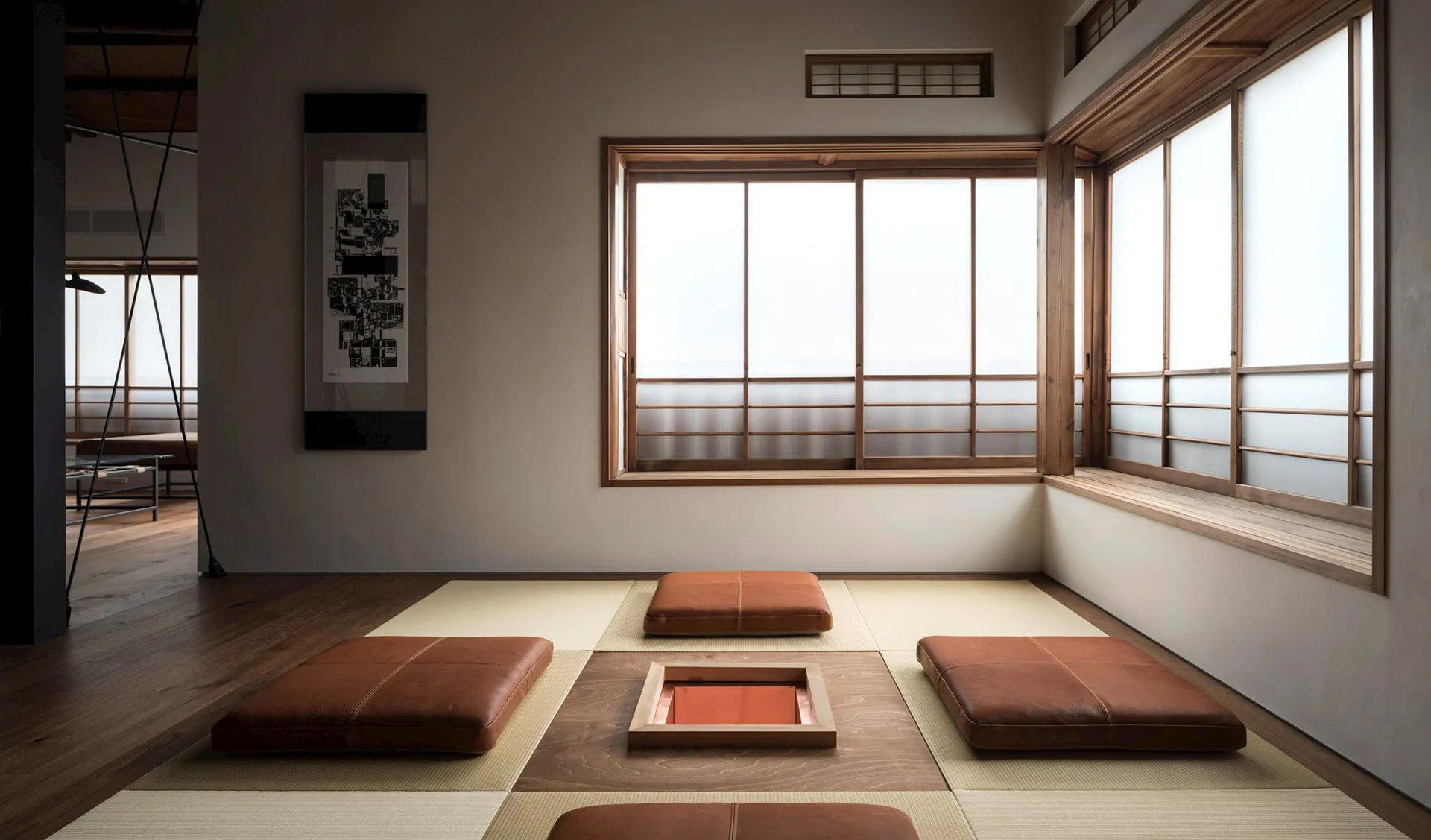
A private one-suite residence inside a traditional wooden building in Kagurazaka, Trunk House occupies a category Tokyo's large-footprint luxury hotels cannot replicate. The address places guests inside one of the city's most historically layered neighbourhoods, where machiya streetscapes and French-influenced cafe culture coexist a short walk from Shinjuku's rail hub.

Pearl is the En Primeur Club membership app — saves, bookings, and concierge access live there. Same editors, same standards.
A Neighbourhood That Earns Its Reputation
Kagurazaka has a different density than most central Tokyo districts. The neighbourhood developed through overlapping eras: a geisha quarter that remained active well into the twentieth century, a postwar French expatriate community that seeded bistros and boulangeries still operating today, and a slow gentrification that brought independent galleries and ceramicists into the lanes without erasing the older fabric. The result is an address where a two-hundred-year-old shrine sits forty metres from a natural wine bar, and where the street grid still follows Edo-period plot lines. For a one-suite property occupying a traditional wooden building at 3-1-34 Kagurazaka, that neighbourhood texture is the primary amenity.
Tokyo's premium accommodation market has split into two distinct categories over the past decade. The first is the large-footprint international tower: Bvlgari Hotel Tokyo, Aman Tokyo, JANU Tokyo, Four Seasons Hotel Tokyo at Otemachi, and Palace Hotel Tokyo all compete within this tier, trading in sky lobbies, multi-outlet dining, and panoramic city views. The second is the single-property, low-inventory format, where the entire experience is structured around one booking at a time. Trunk House belongs to the latter, and the comparison set is not hotel towers but other whole-building residences and high-ratio ryokan where private occupancy is the point.
The Logic of the Single-Suite Format
Across Japan, the tradition of exclusive-occupancy accommodation has deep roots. The finest ryokan, including properties like Asaba in Izu, Nishimuraya Honkan in Kinosaki-cho, and Gora Kadan in Hakone, have long operated on the premise that limited capacity produces a different quality of attention than scale allows. Trunk House applies that logic to an urban Kagurazaka context, rather than a mountain onsen setting. The wooden building is a machiya-adjacent structure, a type historically associated with artisan workshops and merchant residences, now increasingly rare inside the Yamanote Line as redevelopment pressure continues.
For guests oriented toward the rural end of Japan's high-service accommodation spectrum, properties like Zaborin in Kutchan, ENOWA Yufu in Yufu, and Benesse House in Naoshima offer comparable privacy ratios in scenic or art-island settings. Trunk House occupies the narrower niche of that same format applied to a central urban address, where the walk to a neighbourhood kissaten or the ability to reach Shinjuku's rail connections within minutes is part of the value proposition.
Kagurazaka as Culinary Context
The editorial angle that applies most directly to any stay in Kagurazaka is the neighbourhood's sustained practice of layering imported culinary technique onto Japanese materials, an approach that predates the contemporary farm-to-table framing now applied to it. The French bistro tradition here is not a tourist interpolation: it developed organically from the postwar expatriate presence and has been refined over decades by Japanese chefs who trained in France and returned to cook with domestic produce. The result is a dining environment where the technique is European and the ingredients are emphatically local, from Kyoto vegetables to Hokkaido dairy, presented without the self-consciousness that sometimes accompanies that combination in newer districts.
Staying in the neighbourhood rather than commuting to it changes the encounter. The morning rhythm of Kagurazaka, the delivery bicycles, the temple bells, the baker opening shutters on the Rue de Bretagne-adjacent lane, is different from arriving after dark for a reservation. A one-suite residence structured around a single booking provides the kind of extended access to neighbourhood texture that a hotel room in Shinjuku or Marunouchi does not.
How Trunk House Sits Within the Broader Tokyo Stay
For travellers building a multi-city Japan itinerary, Kagurazaka's Tozai Line and Namboku Line connections make it a practical base without requiring the compromise of a business-district address. The Tozai Line connects directly to Otemachi, where Four Seasons Hotel Tokyo at Otemachi anchors the financial district dining cluster. Shinjuku is two stops on the Oedo Line, and from there the Narita and Haneda connections are direct. For onward travel, HOTEL THE MITSUI KYOTO in Kyoto and Amanemu in Mie represent the natural progression for guests whose Japan itinerary extends beyond Tokyo.
Guests who prefer to stay within Tokyo's high-service hotel infrastructure for part of their trip before moving to a more neighbourhood-embedded format will find the contrast instructive. Properties like The Capitol Hotel Tokyu, Andaz Tokyo, and Bellustar Tokyo, A Pan Pacific Hotel offer the full-service tower experience before a Kagurazaka stay reorients the trip toward a slower, street-level pace. See our full Tokyo restaurants guide for neighbourhood-by-neighbourhood dining context.
Planning Your Stay
As a one-suite property, Trunk House books as a complete residence rather than a room within a larger inventory. This means availability is a binary: the building is either available or it is not, and the booking window for preferred dates in peak cherry blossom season (late March to mid-April) and autumn foliage season (mid-November) runs considerably earlier than for standard hotel rooms. Neither a phone number nor a website appears in public-facing records at the time of publication, which suggests bookings may route through a private channel or dedicated concierge service rather than direct online reservation. Guests arriving from comparable single-property formats in Japan, Fufu Kawaguchiko in Fujikawaguchiko, Fufu Nikko in Nikko, Halekulani Okinawa in Okinawa, or Jusandi in Ishigaki will recognize the format and the lead time required. For international travellers approaching from properties outside Japan, Aman New York in New York City, The Fifth Avenue Hotel in New York City, or Aman Venice in Venice all represent the single-property or low-inventory luxury format that most closely prepares expectations for how Trunk House operates. And Sekitei in Hatsukaichi-shi offers a useful domestic reference point for the level of attention that a small, traditional-building property in Japan typically delivers.
Comparison Snapshot
Comparable venues nearby, for context on price, style, and recognition.
| Venue | Cuisine | Price | Awards | Notes |
|---|---|---|---|---|
| Trunk HouseThis venue — the venue you are viewing | Contemporary townhouse hotel preserving a historic geisha house exterior while infusing modern design and Tokyo cultural elements throughout. | $1,500–2,500 | Michelin Selected · Tablet Hotels Best New Hotel Designs (Asia) | Not listed |
| Nohga Hotel Akihabara Tokyo | Lifestyle hotel rooted in local Akihabara culture of music, art, and food | $100–200 | Michelin Selected | Chiyoda |
| Shibuya Excel Hotel Tokyu | Hotel | $100–200 | Preferred Hotels Member | Shibuya |
| Granbell Hotel Shinjuku | contemporary designer hotel blending Japanese interiors with dynamic Asian art | $1–100 | Michelin Selected | Shinjuku |
| Hotel Koé Tokyo | Multi-functional lifestyle hotel with shop, dining, and event spaces | Not listed | Not listed | Shibuya |
| Park Hotel Tokyo | Hotel | Not listed | Michelin Selected | Minato |
Recognition history
Dated appearances from independent guides and award organizations, with the underlying list record or original source where available.
Michelin Selected
Michelin
Design Hotels Member
Design Hotels
Tablet Hotels Best New Hotel Designs (Asia)
Tablet Hotels · Tablet Hotels Design Awards 2026: Best New Hotel Designs (Asia)
Continue exploring
More in Tokyo
Hotels in Tokyo
All hotels in Tokyo →

Bars in Tokyo
All bars in Tokyo →




Details
- Trendy
- Intimate
- Sophisticated
- Modern
- Romantic Getaway
- Celebration
- Weekend Escape
- Private Dining
- Butler Service
- Historic Building
- Design Destination
- Private Villa
- Butler Service
- Bar
- Garden
- Wi Fi
- Air Conditioning
- Concierge
- Room Service
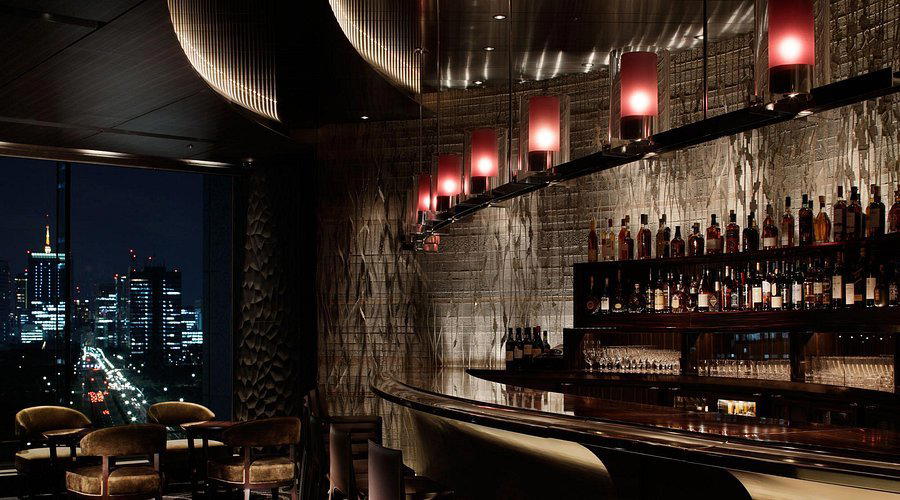
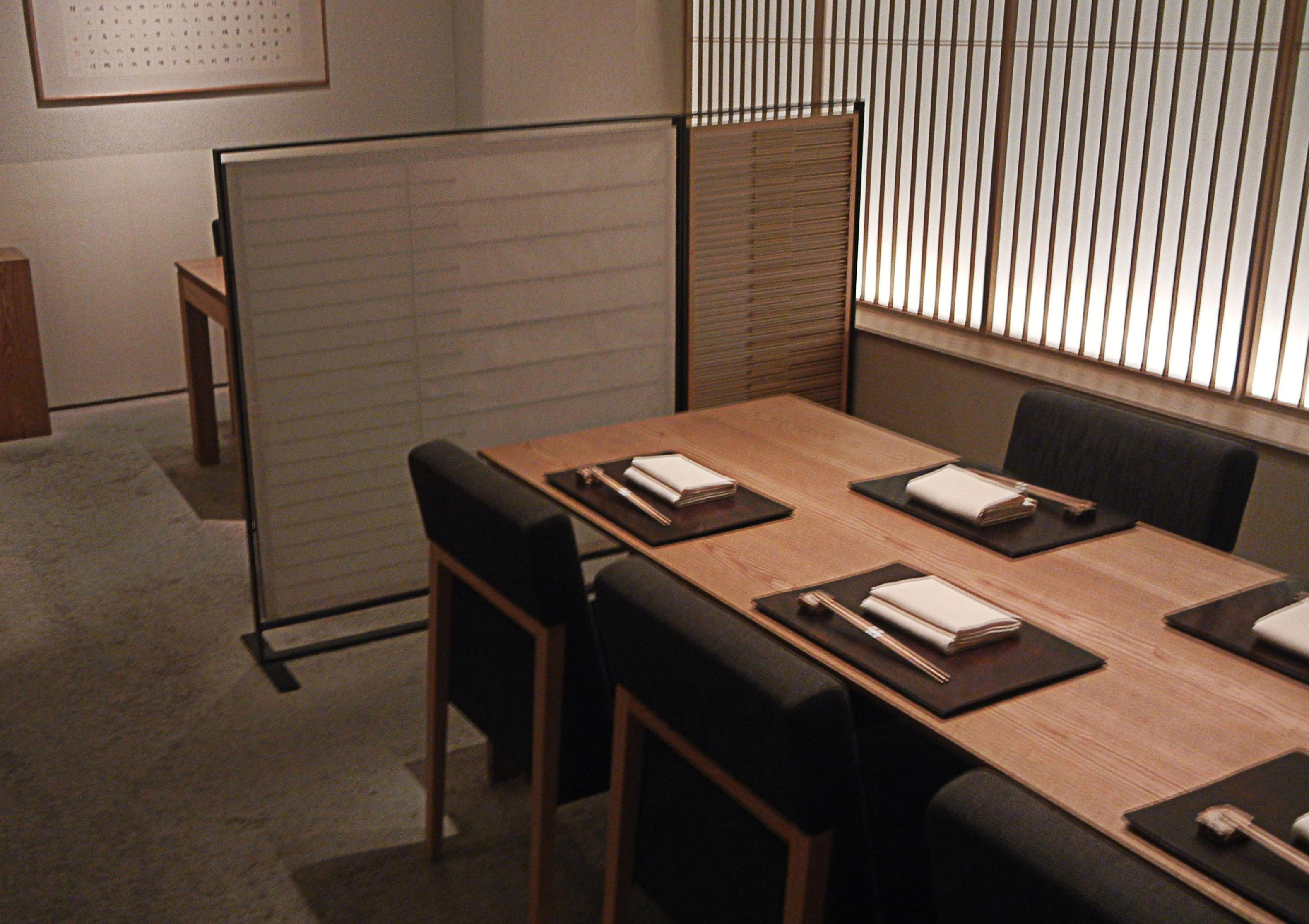
Sophisticated blend of traditional Japanese elements—tatami tea rooms, irori hearth, cypress bath with ukiyo-e art—juxtaposed with contemporary design including Stephen Kenn leather sofas, terrazzo floors, and neon-lit private disco; intimate and playful yet refined.