
Park Hotel Tokyo occupies floors 25 through 34 of the Shiodome Media Tower, positioning it in a mid-tier bracket between the independent luxury operators of Ōtemachi and the design-led boutique properties scattered across Shinjuku and Aoyama. Its proximity to Ginza and Tsukiji makes it a practical anchor for serious dining itineraries, while the hotel's artist-room program gives it a cultural identity that standard business-district properties rarely attempt.
 Discover on Pearl
Pearl is the En Primeur Club membership app — saves, bookings, and concierge access live there. Same editors, same standards.
- Address
- Japan, 〒105-7227 Tokyo, Minato City, Higashishinbashi, 1 Chome−7−1 汐留メディアタワー フロント 25F
- Phone
- +81 3 6252 1111
- Website
- parkhoteltokyo.com
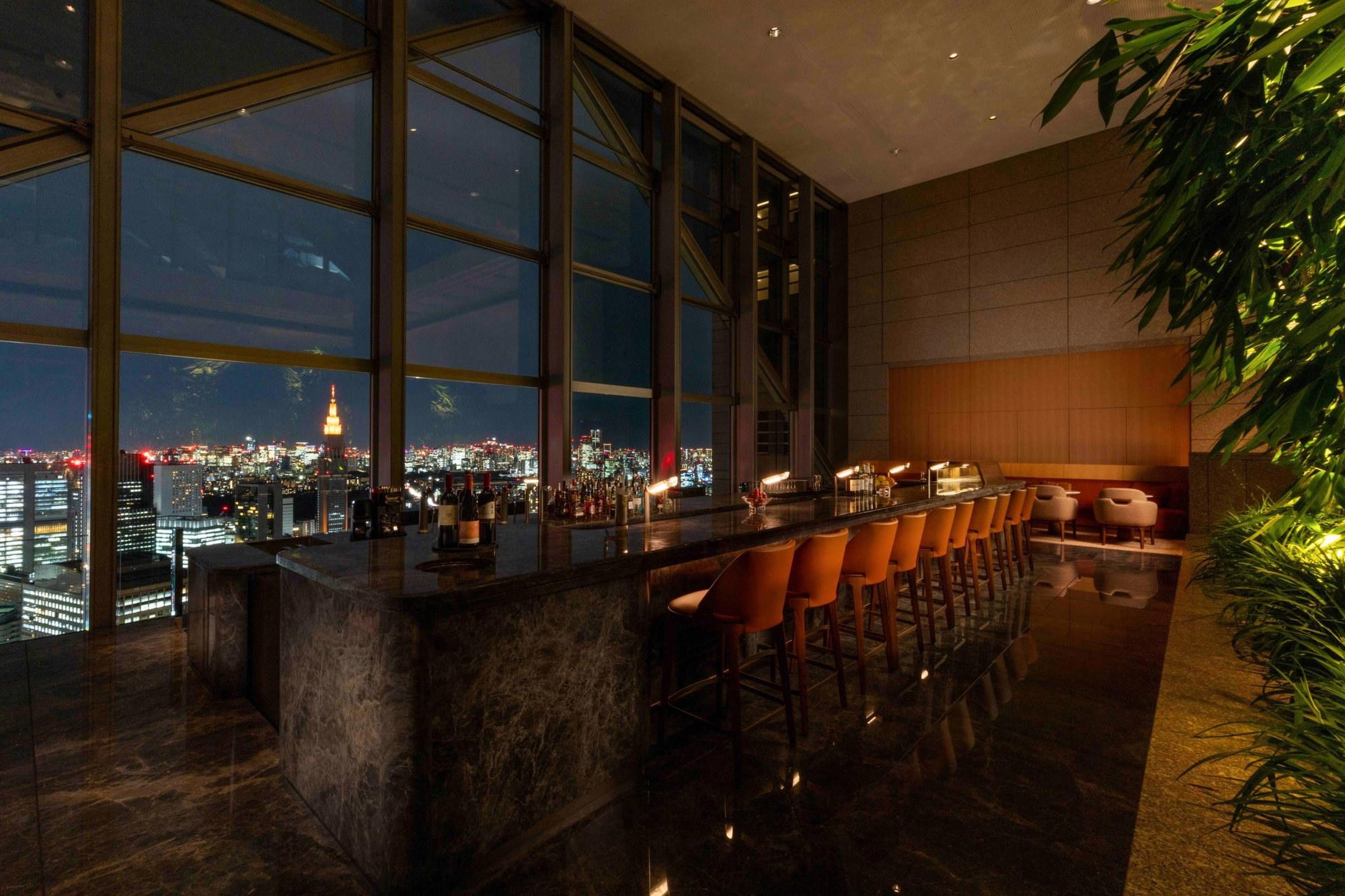
Shiodome and the Art of Positioning
Park Hotel Tokyo is a hotel in Tokyo's Shiodome district. At the upper end, properties like Bvlgari Hotel Tokyo and Aman Tokyo anchor their identities in architectural drama and price points that start well above the Tokyo average. A tier below, a cluster of properties, including Park Hotel Tokyo, trades on location efficiency and a more specific cultural proposition. Park Hotel Tokyo sits in the Shiodome Media Tower, occupying floors 25 through 34 of a commercial skyscraper in Minato City's Higashishinbashi district. The address places it between Ginza and the former Tsukiji market grounds.
Shiodome is not a neighbourhood with the residential character of Yanaka or the independent-shop density of Nakameguro. It is a reclaimed waterfront zone developed rapidly in the early 2000s, built for media companies and transit connectivity rather than street-level culture. That context shapes Park Hotel Tokyo's offering: the hotel does not rely on its immediate surroundings for atmosphere and instead constructs most of its appeal internally, through its art program and refined city views. Guests arrive via Shiodome Station, connected directly to the tower.
The Artist Room Tradition in Japanese Hospitality
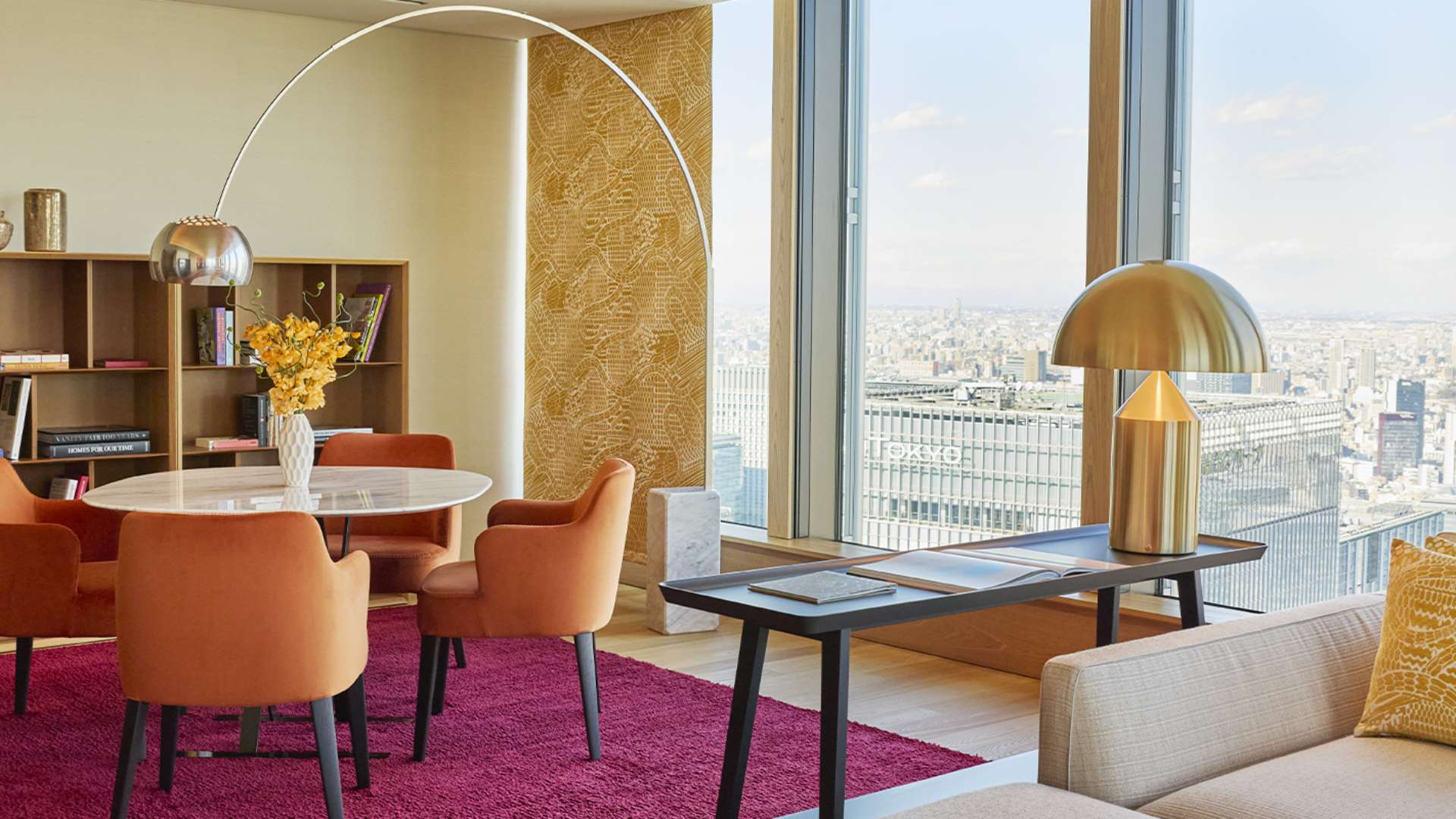
Japanese hospitality has long been shaped by the concept of omotenashi, a form of anticipatory care that goes beyond the transactional service model common in European luxury hotels. Within that tradition, a growing number of Tokyo properties have experimented with commissioning original art for guest rooms, a practice that aligns with Japan's broader cultural respect for craft and aesthetic intentionality. Park Hotel Tokyo takes this further than most properties in its tier: its Artist in Hotel program assigns specific rooms to individual artists who are given full creative latitude over the room's visual identity. The result is a set of rooms that function less as premium accommodation and more as inhabited installations.
This approach places the hotel in a different competitive conversation than peers like Andaz Tokyo or Four Seasons Hotel Tokyo at Otemachi, both of which invest heavily in design and architecture but typically commission work that supports a unified brand aesthetic rather than individual artistic voices. The distinction matters for a specific kind of guest: one for whom the room itself is a reason to book, not merely a place to sleep between itinerary items. For itinerary-first travellers, Palace Hotel Tokyo or JANU Tokyo may suit a more conventional stay. Park Hotel Tokyo asks a different question: what if the accommodation were itself a cultural object?
Views, Floors, and Practical Decisions
The hotel's vertical positioning, 25th floor lobby, rooms extending to the 34th, gives most categories a meaningful skyline perspective. Tokyo's flat urban grid and the relative absence of mid-rise obstructions in the Shiodome area mean that rooms on the upper floors look across a broad sweep of the city toward Odaiba and Tokyo Bay. The Fuji-facing rooms, on clear winter mornings, offer a view that requires no embellishment. Standard rooms without specific artist designation form the majority of the inventory, and these remain the sensible choice for guests whose priority is location and views rather than the art program itself.
Booking is recommended for the artist rooms, which represent a small proportion of total inventory. Visitors planning around those specific rooms should book well in advance, particularly for the winter months when clear skies can improve the Fuji view. Late autumn, particularly November, offers a reasonable balance of weather clarity and slightly lower occupancy than the peak seasons. For properties with comparable design ambition but a ryokan context, Zaborin in Kutchan or Gora Kadan in Hakone demonstrate how the same cultural seriousness translates in a traditional Japanese inn format.
Dining Access and the Tsukiji Proximity Argument
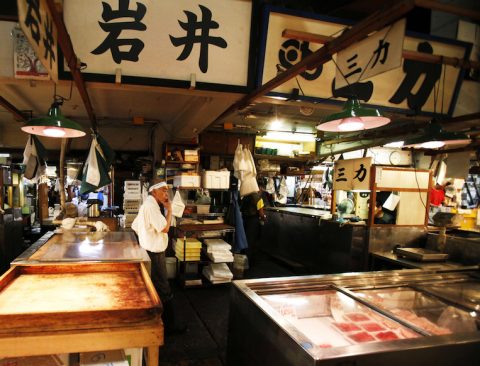
Shiodome's location makes a serious case for guests whose Tokyo itinerary is organized around eating. Ginza's concentration of Michelin-starred restaurants, among the densest of any district outside the Nishi-Azabu corridor, is walkable in under fifteen minutes. The outer market at Tsukiji is also accessible from Shiodome. From Shiodome, that walk takes around ten minutes on foot.
Guests treating Tokyo as a multi-day eating project tend to find the Shiodome address more useful than those based further north in Shinjuku or east in Asakusa. The tradeoff is a neighbourhood that closes early and offers little independent dining at the tower's base.
How Park Hotel Tokyo Fits a Broader Japan Itinerary
Tokyo hotels that work well as anchor points for longer Japan trips share a common feature: efficient transport access. Shiodome connects quickly to Tokyo Station, Haneda Airport, and Shinagawa. For travellers continuing to Kyoto, HOTEL THE MITSUI KYOTO occupies a similarly culturally attuned position in its own market. Those extending to the Izu Peninsula will find Asaba in Izu represents the ryokan tier with the clearest parallel cultural ambition to Park Hotel Tokyo's art program. Further afield, Benesse House in Naoshima takes the art-integrated hospitality concept to its most complete expression, where the hotel and its surrounding museum landscape are inseparable. Amanemu in Mie, Halekulani Okinawa, and Fufu Kawaguchiko round out a regional tier of properties that share Park Hotel Tokyo's interest in giving guests a reason to be present in the room, not just in the city.
Planning Notes
Park Hotel Tokyo operates from the 25th-floor lobby in Shiodome Media Tower, Higashishinbashi, Minato City. The nearest station is Shiodome, served by the Yurikamome line and the Toei Oedo line, both offering direct or one-transfer connections to central Tokyo. Visitors combining Tokyo with regional travel should note that Fufu Nikko, ENOWA Yufu, Nishimuraya Honkan, Sekitei, and Jusandi in Ishigaki each represent distinct regional character and can be built into a Japan circuit with Tokyo as the entry or exit point. Properties with comparable urban positioning but a different tier include Bellustar Tokyo, A Pan Pacific Hotel and The Capitol Hotel Tokyu.
A Minimal comparable set
Comparable venues nearby, for context on price, style, and recognition.
| Venue | Cuisine | Price | Notes |
|---|---|---|---|
| Park Hotel TokyoThis venue — the venue you are viewing | Minato, Hotel | $$$$ | |
| Granbell Hotel Akasaka | $$ | Minato, Trendy urban design hotel blending city culture with artistic room designs | |
| Tonkatsu Maisen | Shinjuku, boutique | $ | |
| Trunk House | $$$$ | Shinjuku, Contemporary townhouse hotel preserving a historic geisha house exterior while infusing modern design and Tokyo cultural elements throughout. | |
| Granbell Hotel Shinjuku | $$ | Shinjuku, contemporary designer hotel blending Japanese interiors with dynamic Asian art | |
| Nohga Hotel Akihabara Tokyo | $$$ | Chiyoda, Lifestyle hotel rooted in local Akihabara culture of music, art, and food |
Continue exploring
More in Tokyo
Hotels in Tokyo
Browse all →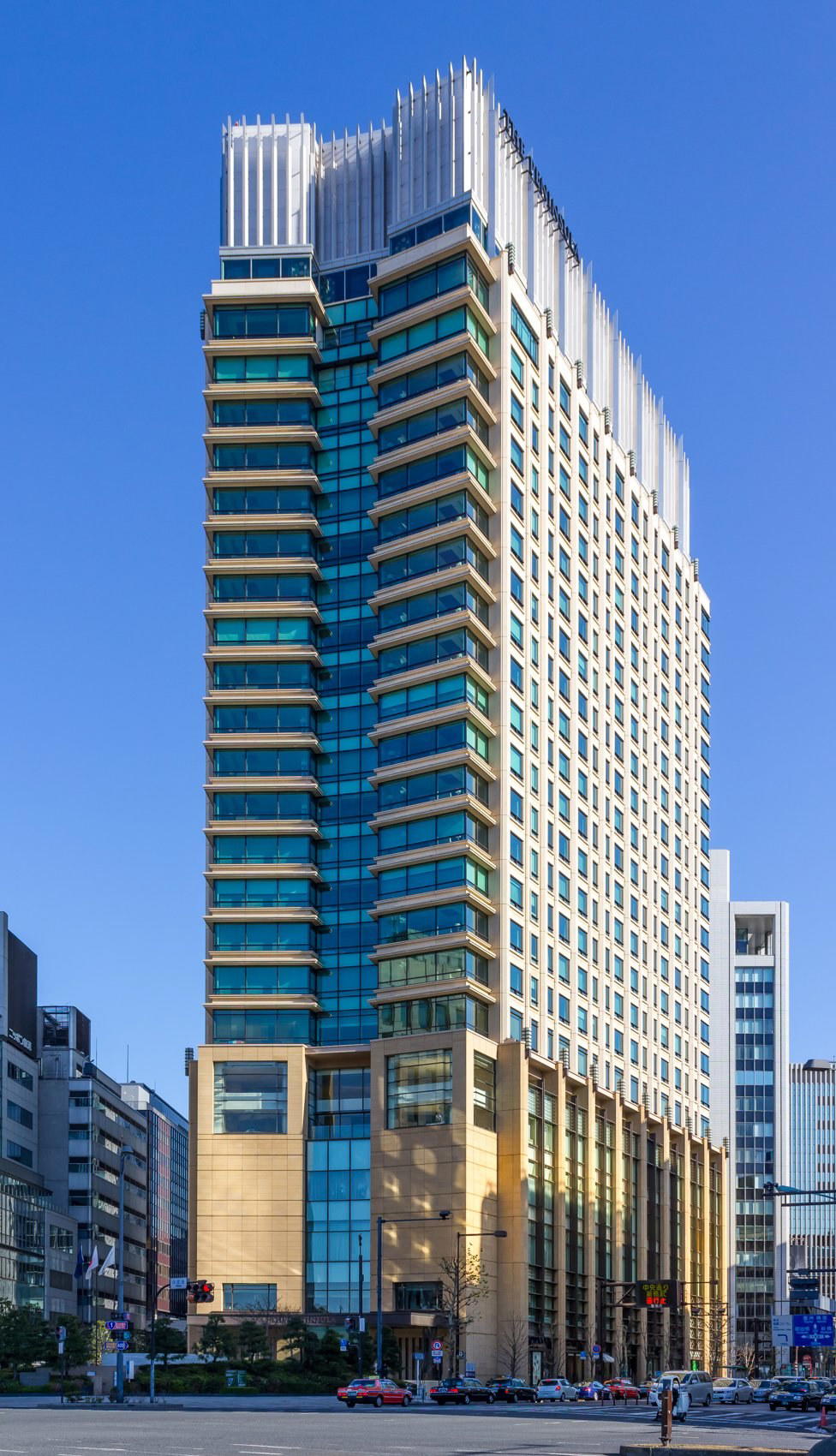

Bars in Tokyo
Browse all →
Restaurants in Tokyo
Browse all →

At a Glance
- Elegant
- Sophisticated
- Iconic
- Romantic
- Date Night
- Special Occasion
- Celebration
- Rooftop
- Live Music
- Panoramic View
- Hotel Bar
- Skyline
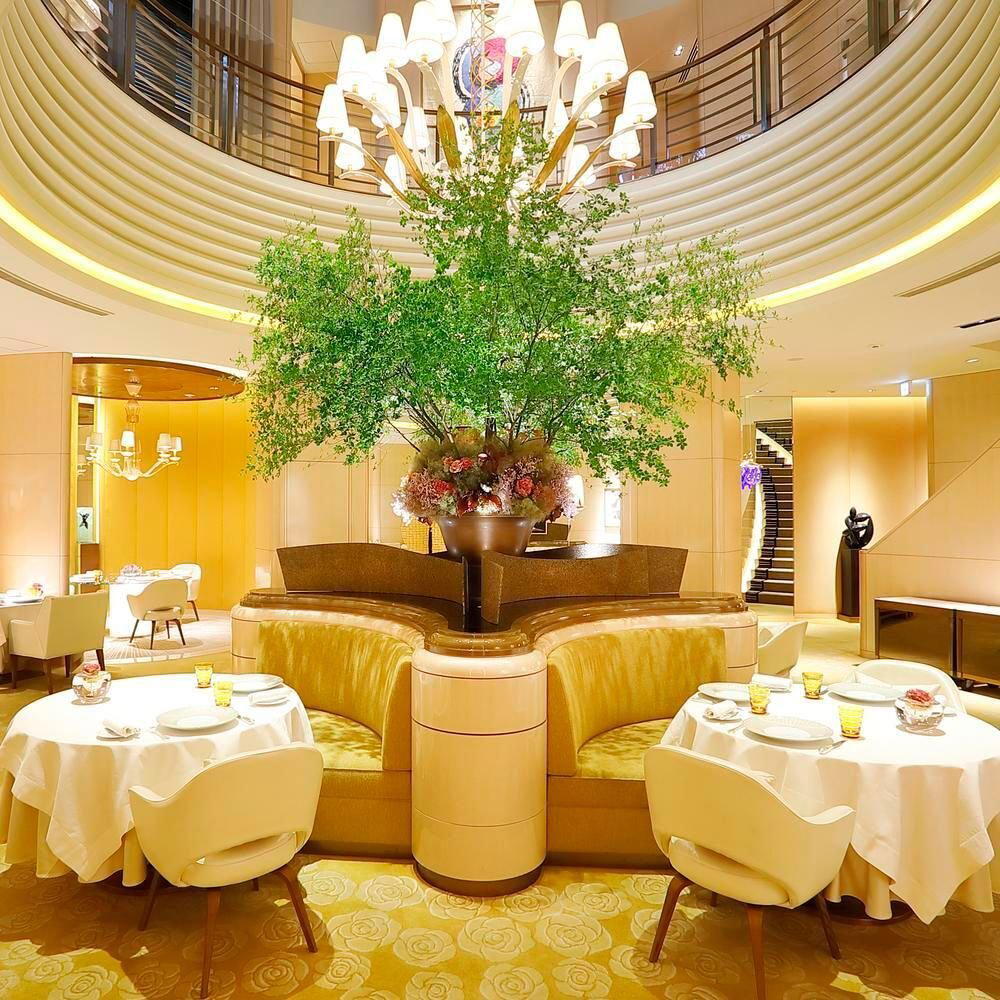
Elegant and refined with soft lighting, sophisticated atmosphere enhanced by live jazz performances, and breathtaking nighttime city views from floor-to-ceiling windows.