

Michelin Selected · Tablet Hotels Best New Hotel Designs (Asia)
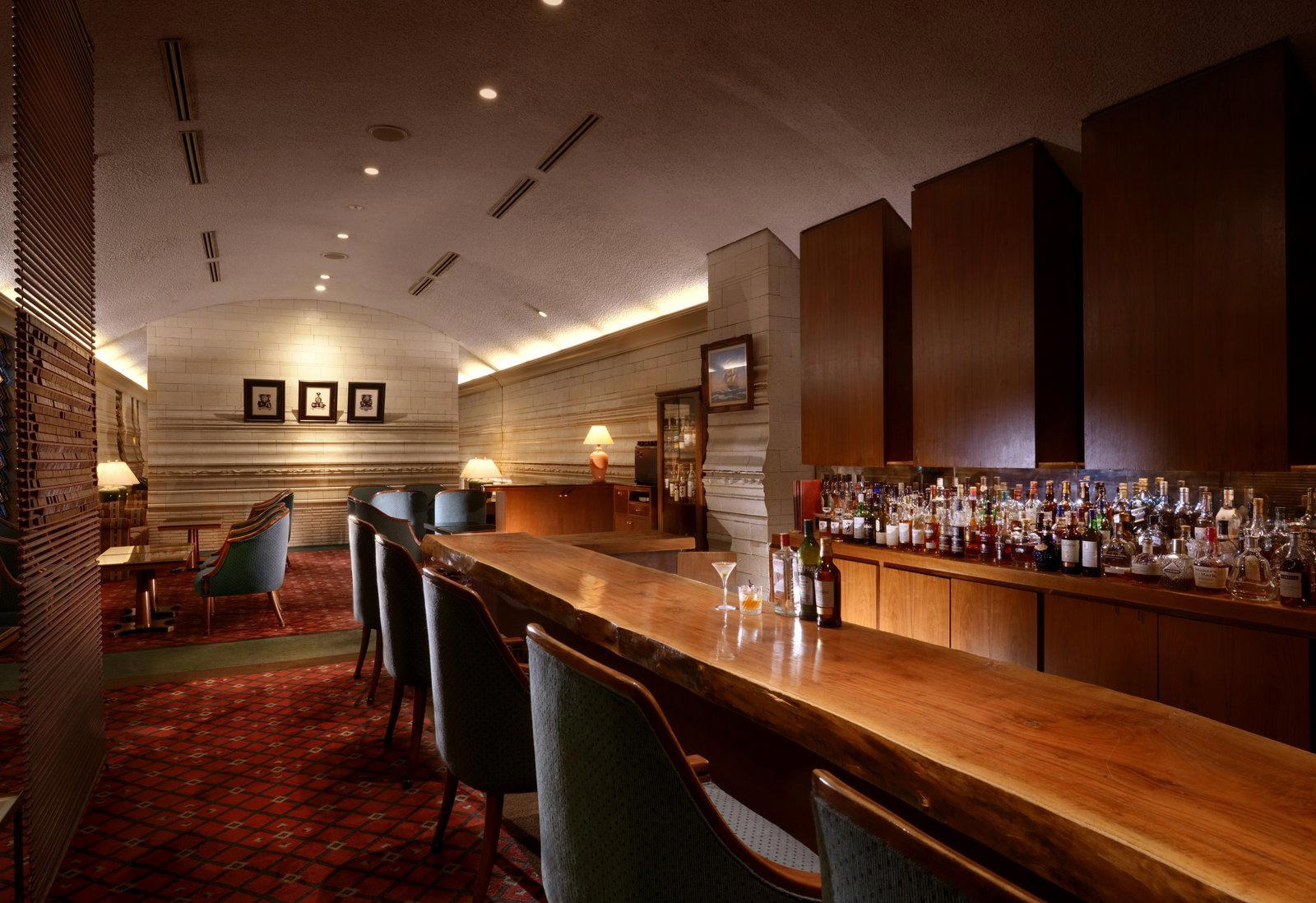
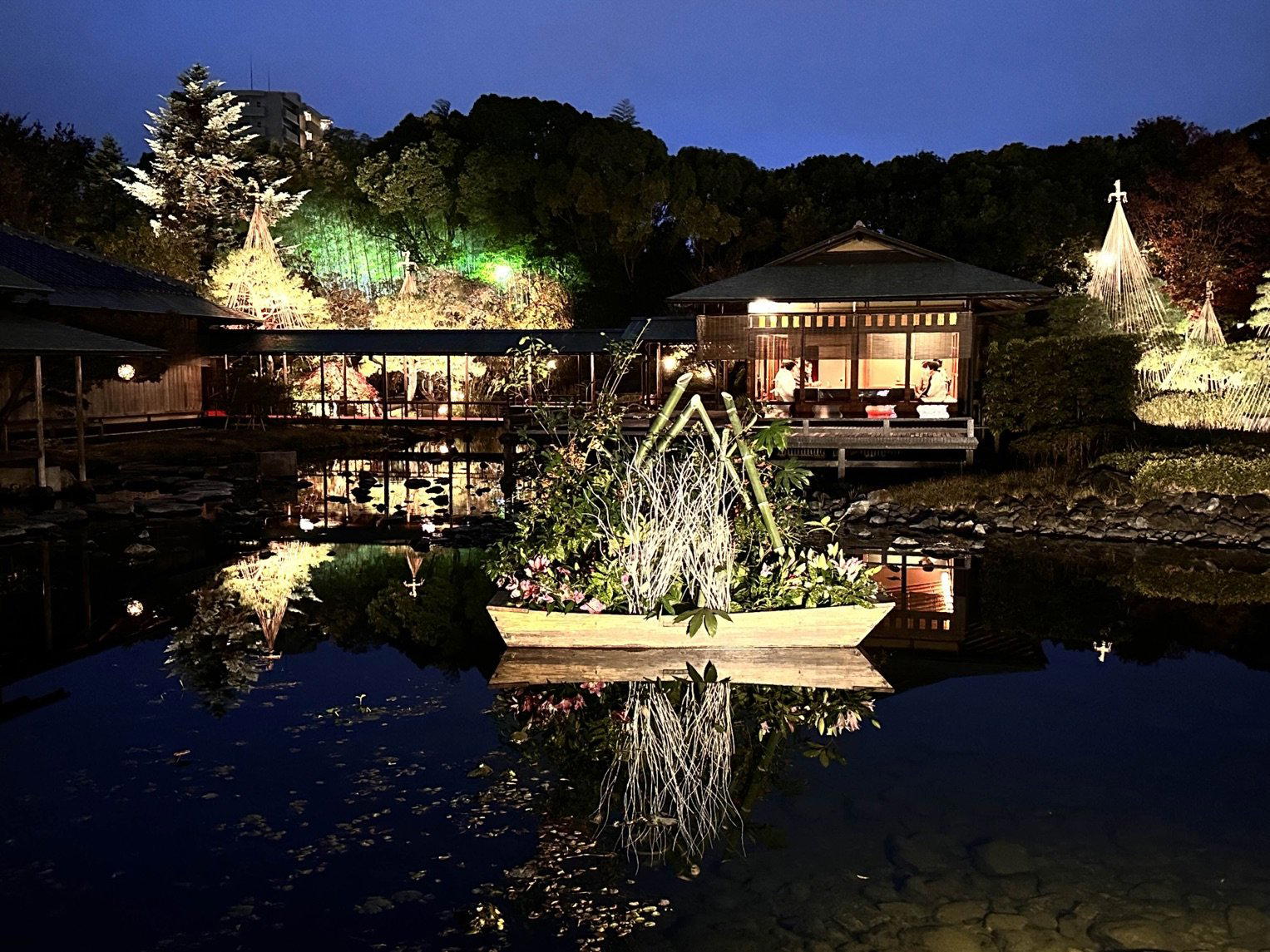
In riverside Kuwana City, on the outskirts of greater Nagoya, next to the Shichiri no Watashi ferry crossing and its famous torii gate, is the historic Maruyo Hotel, built and operated by the fifth generation of a family whose lumber company once stood on this spot. Scarcely a hotel at all, the house is fully serviced, but is booked as a unit, sleeping up to four guests. Needless to say, it’s a labor of love, and displays a concern for artisanal craft that’s uncommon even among Japanese ryokan. With a mere two bedrooms it’s clearly not meant to dominate the local hospitality scene, but to provide an experience without equal elsewhere. European and Japanese influences harmoniously coexist, and the decoration includes a number of noteworthy artworks and antiques. Meanwhile the bedrooms are complemented by a lounge, a library, and a dining room, as well as a courtyard. Breakfast is served by Maruyo’s staff, and dinner is available via room service from one of a number of highly regarded local restaurants. It’s not for high-maintenance luxury-hotel guests, but the independent-minded traveler will find nothing else like it.

Pearl is the En Primeur Club membership app — saves, bookings, and concierge access live there. Same editors, same standards.
- Address
- Japan, 〒511-0011 Mie, Kuwana, Senbacho, 23
- Phone
- +81 90-2773-0004
- Website
- maruyohotel.com
- Directions
- Get directions
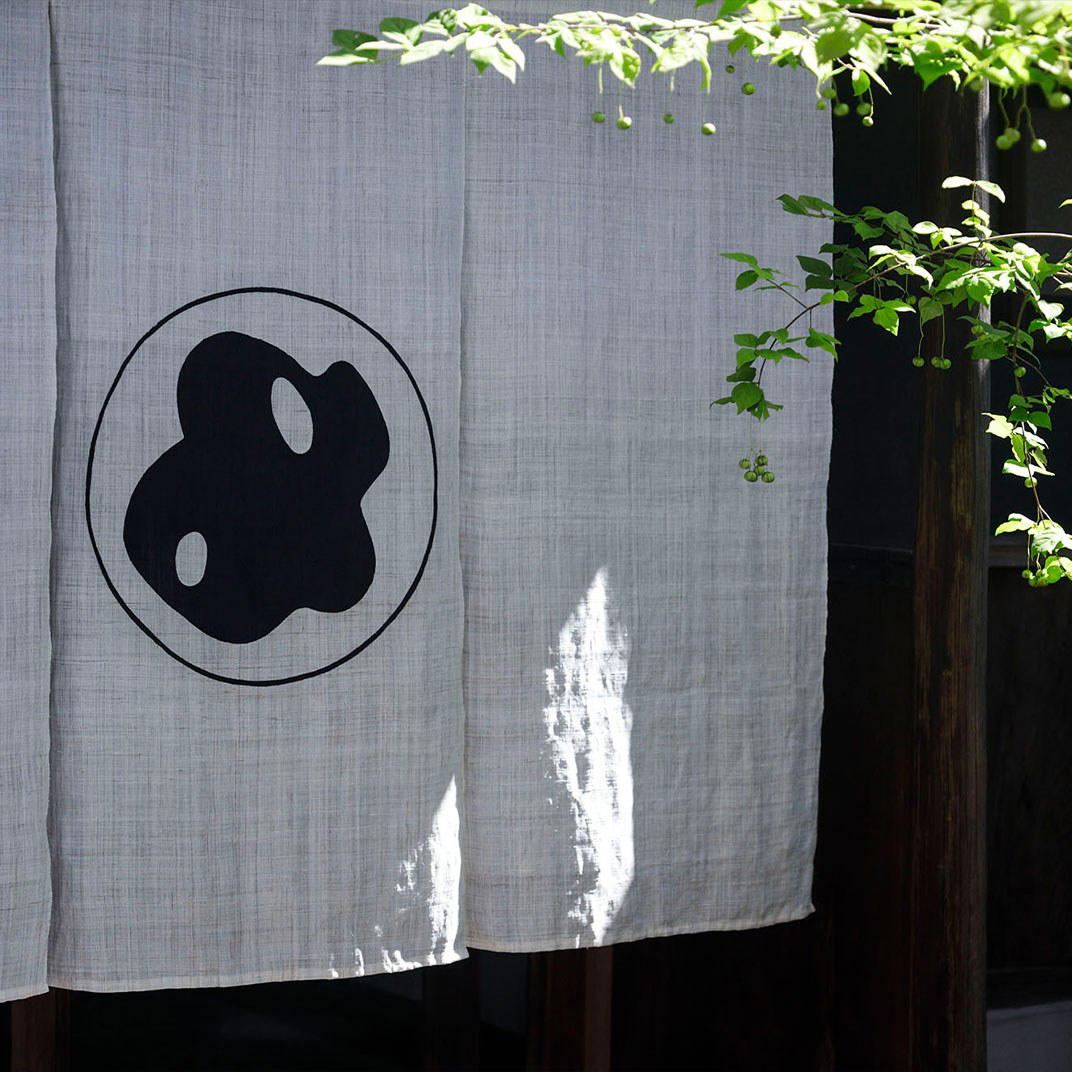
Where Kuwana's Waterfront History Meets a Particular Kind of Quiet
Kuwana sits at the mouth of the Kiso River where it empties into Ise Bay, a port town that spent centuries moving goods between the Tokai coast and the old capital. The architectural fabric that survives here is not the preserved-for-tourism kind; it is functional, layered, and worn in ways that international visitors rarely encounter. Within this context, Maruyo Hotel occupies an address on Funabamachi, a street whose name still carries the memory of the boat-landing districts that once made Kuwana one of the most commercially active stops on the Tokai-do route. That geographical and historical placement is not incidental; it shapes what kind of property this is and what a stay here actually feels like.
The Michelin Selected designation, which Maruyo Hotel holds in the 2025 edition of the Michelin Hotels guide, places it in a tier that Michelin defines by character, comfort, and quality of experience rather than star count or brand affiliation. Across Japan, Michelin Selected properties tend to be independently operated, architecturally specific to their location, and oriented toward guests who read the built environment as part of the stay itself. Maruyo Hotel fits that pattern. It is not a resort compound or a branded flagship; it is a property whose identity derives from the place it occupies and the fabric it has been part of for generations.
The Architecture of a River Town Property
In the typology of Japanese heritage accommodation, properties along active port and river districts occupy a different register from mountain onsen ryokan or seaside villa retreats. The structures tend to be vertical rather than sprawling, built to the logic of a merchant streetscape rather than the garden-centered layouts of spa-oriented properties. At the Funabamachi address, the building sits within the dense grain of Kuwana's surviving historic blocks, which means arrivals happen through a street-level entry that announces itself quietly. This is not the sweeping approach of, say, Amanemu in Mie, where the entry sequence is itself designed scenography. Here, the scale is urban and intimate.
Japanese heritage hotels in this category often carry visible evidence of successive renovation periods: structural timber that predates the postwar rebuilding, sliding screens updated in recent decades, service areas modernized for contemporary expectation. Reading those layers is part of the experience for guests attentive to architectural detail. Properties with this kind of accumulated history have a material specificity that new-build luxury cannot replicate, which is precisely why the Michelin Hotels program flags them. For comparison, the ryokan tier that includes properties like Nishimuraya Honkan in Kinosaki-cho or Gora Kadan in Hakone demonstrates how widely the category varies by region and building type; Maruyo Hotel's urban merchant-district character is its own distinct register within that broader Japanese hospitality tradition.
Kuwana as a Destination Argument
The case for Kuwana is not self-evident to international visitors planning Japan itineraries, which is exactly the point. The city sits roughly thirty minutes north of Nagoya by limited express train, placing it within easy reach of the Tokai region's broader circuit without being subsumed by it. Ise Jingu, Japan's most significant Shinto shrine complex, is accessible to the south through Mie Prefecture; Nagoya's castle district and culinary infrastructure are to the north. Kuwana itself is known domestically for hamaguri clams, a regional specialty harvested from Ise Bay that has defined the town's culinary identity for centuries and appears across local restaurants in grilled, steamed, and rice-based preparations.
For guests who have already covered the more-trafficked circuits: Tokyo's Bvlgari Hotel Tokyo, Kyoto's HOTEL THE MITSUI KYOTO, or the ski-resort luxury of Higashiyama Niseko Village, a stop in Kuwana offers something structurally different: a functioning Japanese provincial city where the accommodation is embedded in local life rather than separated from it by a private compound wall. That integration is increasingly what distinguishes secondary-city stays from headline-resort experiences.
Our full Kuwana restaurants guide maps the dining options around the city, including where to find hamaguri preparations in settings that reflect the same unhurried, locally grounded character that Maruyo Hotel represents.
Where Maruyo Hotel Sits in the Japanese Independent Hotel Field
Japan's Michelin Selected hotel cohort spans properties as varied as contemporary design retreats, agricultural immersion stays, and long-established urban inns. What connects them is operational seriousness and a grounded sense of place. Within this field, the independent river-town property with a documented local history competes on entirely different terms from the curated wilderness retreat: properties like Zaborin in Kutchan or Fufu Nikko in Nikko derive their identity from landscape immersion, while Satoyama-Jujo in Niigata anchors itself to agricultural community. Maruyo Hotel's anchor is the city itself: its street, its bay, its trade history.
For international travelers accustomed to evaluating Japanese stays through resort amenity lists, this requires a slight recalibration. The measure here is not the onsen facility count or the kaiseki course length but the quality of material environment, the coherence of the property's relationship to its setting, and the kind of knowledge a stay produces about a place most visitors would otherwise pass through on the Shinkansen without stopping.
Planning a Stay
Kuwana is served by the Kintetsu Nagoya Line, with Kuwana Station connecting to central Nagoya in approximately thirty minutes; JR Kansai-Honsen services also call at the station. The Funabamachi address puts Maruyo Hotel within walkable reach of the historic city center and the waterfront. As with most independently operated Japanese hotels of this character, advance reservation is advisable; the Michelin Selected flag tends to generate sustained inquiry from both domestic and international travelers, and room counts at properties of this scale are typically modest.
For those building a broader Mie Prefecture or Tokai itinerary, Maruyo Hotel pairs logically with a night at Amanemu in Mie for contrast at the opposite end of the scale and investment spectrum. For guests extending toward the Kansai coast or island properties, Sekitei in Hatsukaichi-shi and Benesse House in Naoshima represent the art-and-architecture strand of Japanese coastal hospitality. Travelers drawn to the onsen ryokan tradition specifically will find useful reference points in Asaba in Izu, Kamenoi Besso in Yufu, and Atami Izusan Karaku in Atami.
In Context: Similar Options
| Venue | Price | Awards |
|---|---|---|
| Maruyo HotelThis venue — the venue you are viewing | $500–750 | Michelin Selected · Tablet Hotels Best New Hotel Designs (Asia) |
| Bvlgari Hotel Tokyo | Not listed | 3 Michelin Keys · World's 50 Best #24 |
| Aman Kyoto | Not listed | 2 Michelin Keys · World's 50 Best #74 |
| Aman Tokyo | Not listed | 2 Michelin Keys · World's 50 Best #11 |
| Palace Hotel Tokyo | Not listed | 3 Michelin Keys · World's 50 Best #73 |
| Amanemu | Not listed | 3 Michelin Keys · La Liste Top Hotels |
Recognition history
Dated appearances from independent guides and award organizations, with the underlying list record or original source where available.
Michelin Selected
Michelin
Tablet Hotels Best New Hotel Designs (Asia)
Tablet Hotels · Tablet Hotels Design Awards 2026: Best New Hotel Designs (Asia)
Details
- Quiet
- Elegant
- Intimate
- Scenic
- Cozy
- Sophisticated
- Romantic Getaway
- Anniversary
- Weekend Escape
- Garden
- Terrace
- Panoramic View
- Garden
- Hot Tub
- Room Service
- Concierge
- Waterfront
Traditional elegance with quiet, serene atmosphere featuring lounge, library, dining room, courtyard, and panoramic river views.