Hilton Nagoya occupies a prominent position in Sakae, the commercial and cultural center of Aichi Prefecture's largest city, placing guests within walking distance of Nagoya's main retail corridors and transport links. The property operates at the upper end of international chain hotels in the city, where branded reliability meets a central address that few competitors can match. For travelers moving between Tokyo, Kyoto, and the Chubu region, it functions as a calibrated urban base.

Pearl is the En Primeur Club membership app — saves, bookings, and concierge access live there. Same editors, same standards.
- Address
- 中区栄1-3-3, 名古屋市, 愛知県, 460-0008
- Directions
- Get directions
Sakae and the Geometry of Nagoya's Hotel Tier
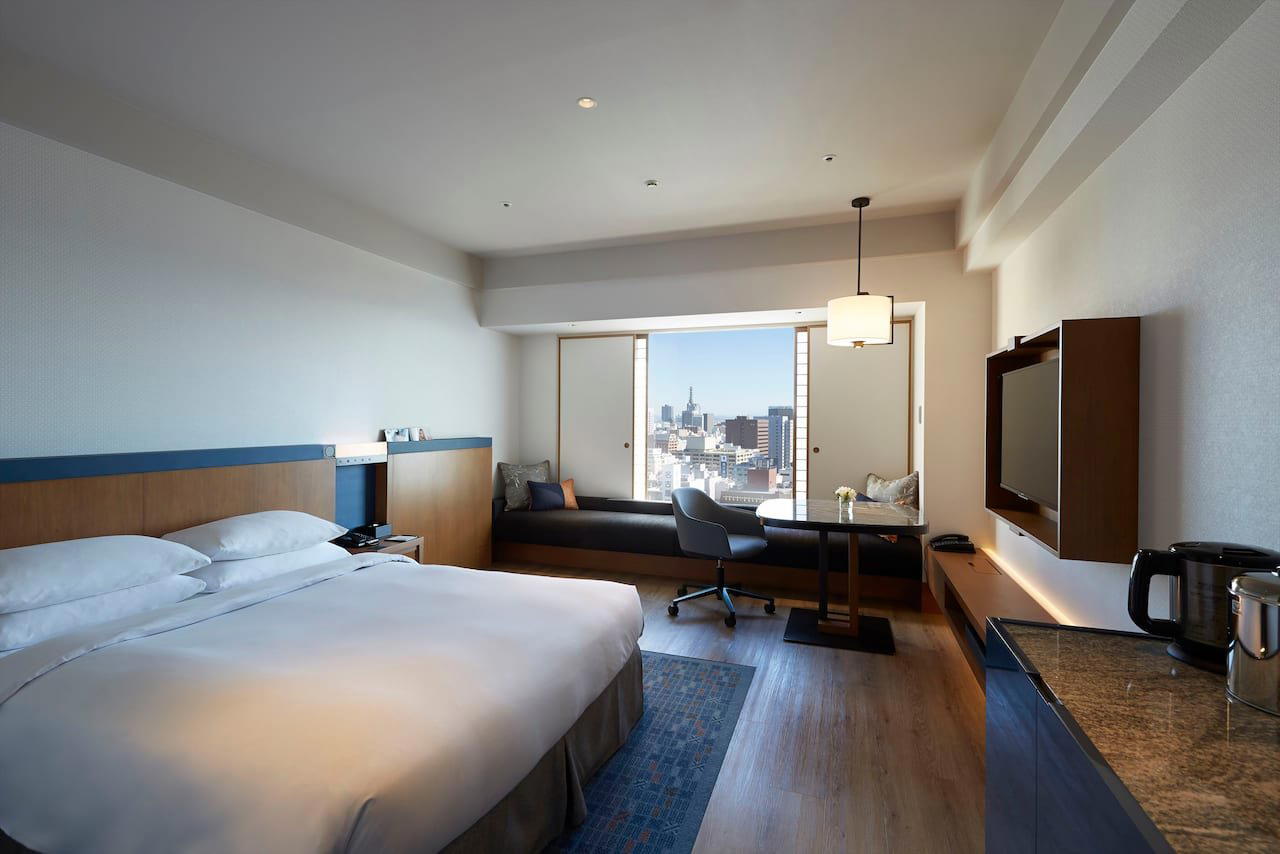
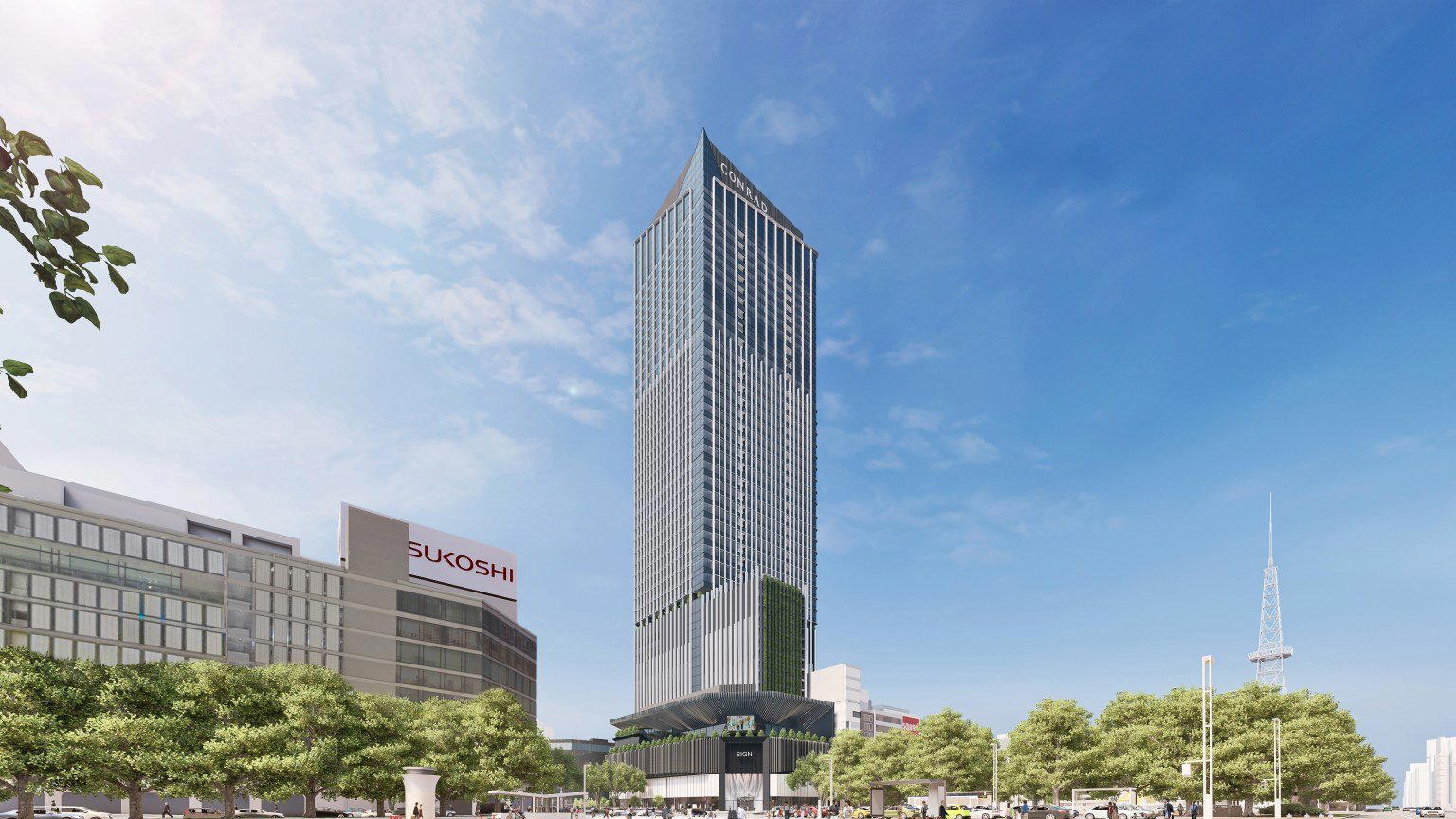
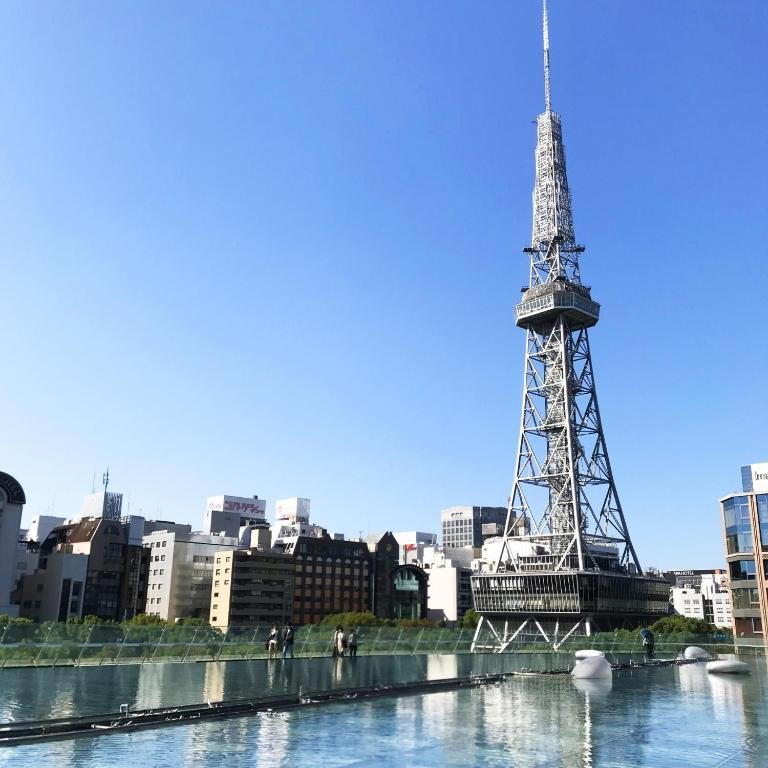
Nagoya's hotel market divides more clearly than most Japanese cities of comparable scale. On one side sit the internationally branded properties anchored in Sakae and around Nagoya Station, built for the business traveler and the regional convention circuit. On the other, a smaller cluster of design-led and heritage properties competes on atmosphere and locality rather than scale. Hilton Nagoya, at 中区栄1-3-3, occupies the former category with conviction: a tower address in Sakae that positions it at the geographic and commercial center of the city, steps from Hisaya Odori Park and the Oasis 21 complex that defines this part of central Nagoya.
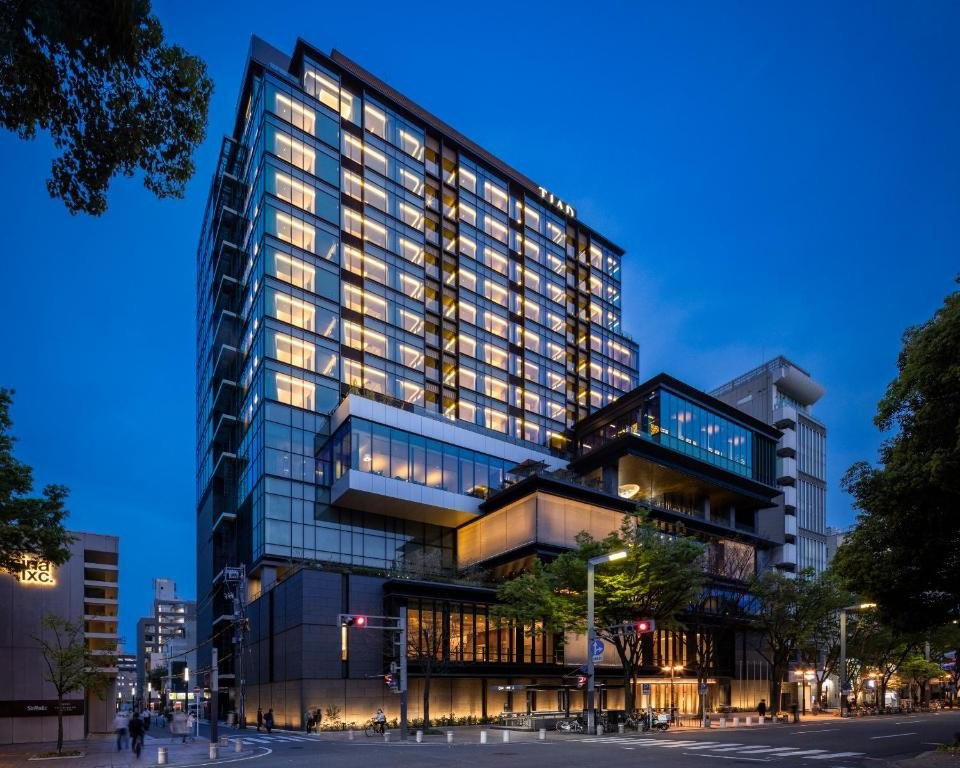
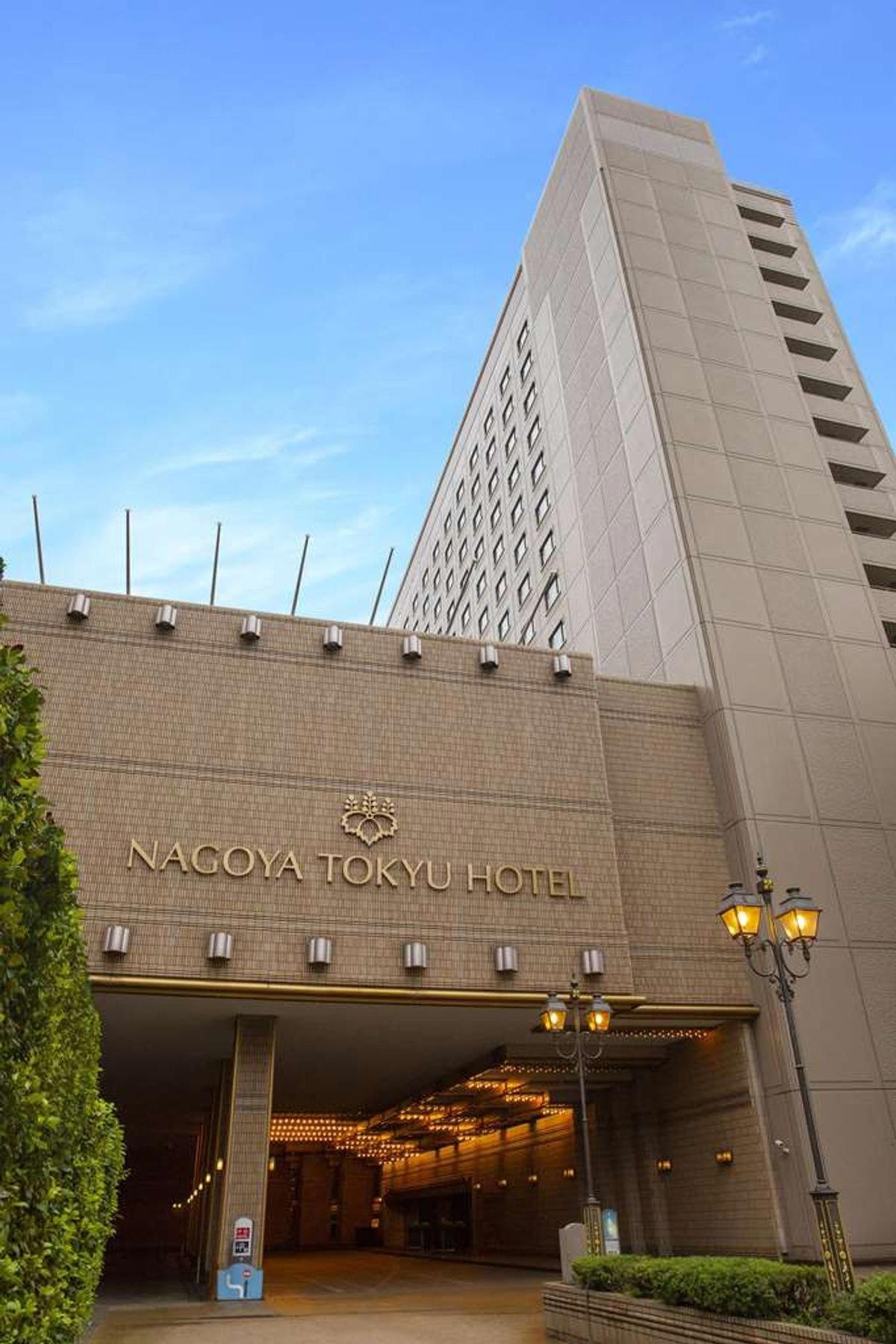
The neighborhood context matters here. Sakae is not a district that rewards slow wandering in the way Kyoto's Gion or Tokyo's Yanaka do. It is a dense, vertical part of the city where department stores, subway access, and business infrastructure converge. A hotel that performs well in Sakae does so through location efficiency and operational reliability, and Hilton's tower format is calibrated precisely for that function. For travelers comparing options in this tier, properties like Nagoya Tokyu Hotel and TIAD, Autograph Collection occupy adjacent positions, though each with a different design register and guest profile.
The Physical Form: Tower Logic in a Low-Rise City
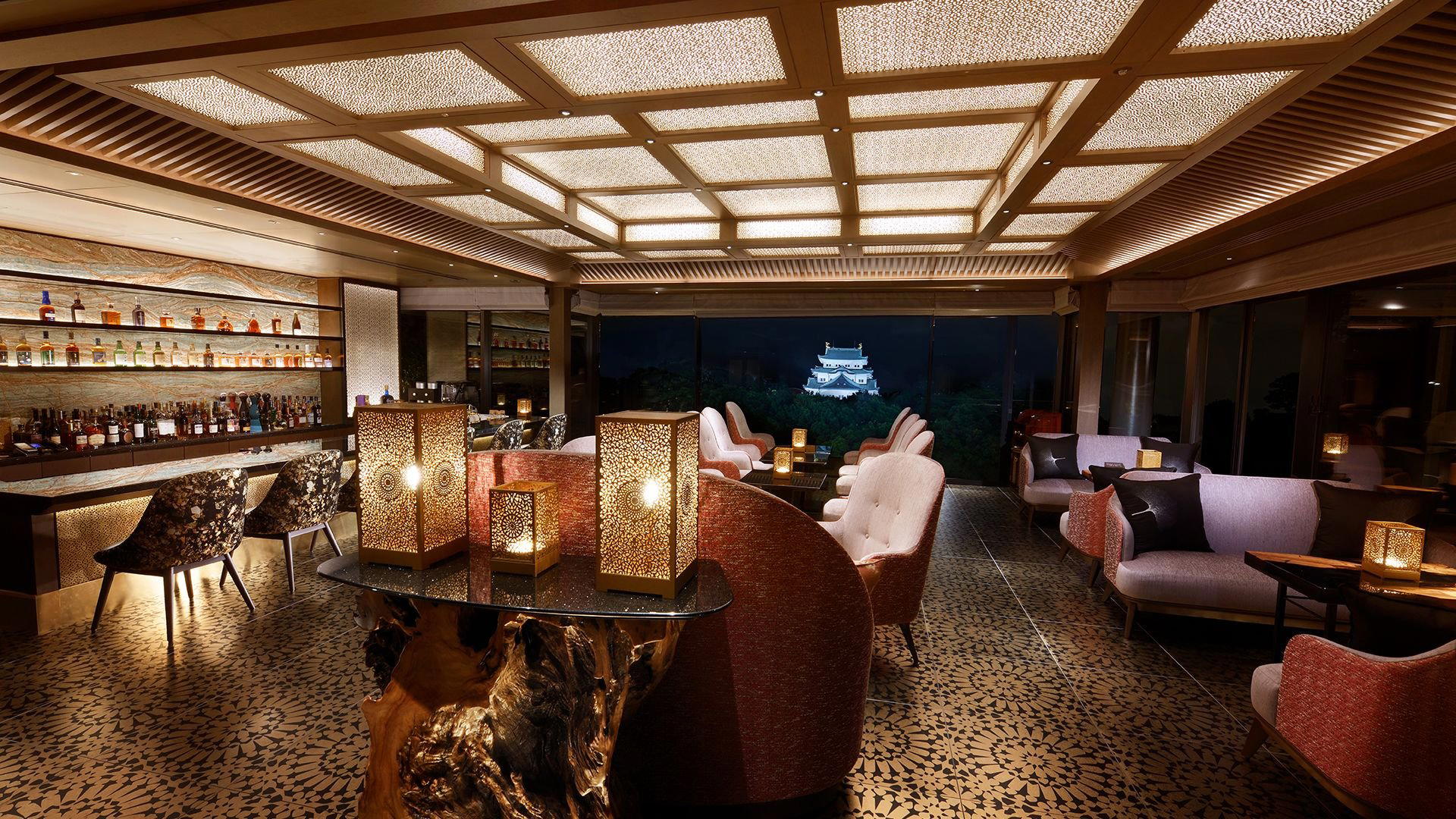
Nagoya sits in a seismic zone that has historically shaped its built environment toward horizontal sprawl rather than vertical density, which makes the tower hotel format more conspicuous here than in Tokyo or Osaka. The Hilton's vertical footprint gives upper-floor rooms an refined vantage over a city whose skyline remains relatively open, with views that can extend toward Nagoya Castle to the north, depending on orientation. In a city where much of the urban fabric sits below six stories, the tower form functions as both a practical differentiator and a visual anchor in Sakae.
International chain hotels in Japan at this tier typically follow a design logic that balances global brand consistency with regional material or aesthetic references. The degree to which any given property leans into local character versus standardized international finish varies considerably. Properties at the more architecturally committed end of Japan's hotel spectrum, such as HOTEL THE MITSUI KYOTO in Kyoto or the ryokan-rooted Gora Kadan in Hakone, represent a different approach entirely, one where the spatial experience is the product. Hilton Nagoya operates with different priorities: spatial efficiency, consistent room quality, and the operational infrastructure that business travelers and group bookings require.
Where Hilton Nagoya Sits Relative to Its Nagoya Peers
The Nagoya market for upper-tier hotels has grown more varied over the past decade. Properties like Espacio Nagoya Castle and Nagoya Kanko Hotel ESPACIO bring heritage credentials and a more localised identity. The Tower Hotel Nagoya sits in a comparable vertical format. What separates Hilton from these options is brand infrastructure: a global loyalty program, multilingual operational capacity, and consistent service protocols that make it the default choice for international corporate accounts and conference organizers working in Aichi Prefecture.
That positioning has a practical effect on the guest mix. Business travelers on regional circuits between Nagoya, Toyota City, and the broader Chubu industrial corridor make up a consistent share of the occupancy. So do travelers using Nagoya as a staging point for the Shinkansen corridor, given the city's position on the Tokaido line between Tokyo and Kyoto. For this reader, the Hilton functions as a reliable transit node as much as a destination property.
Nagoya as a Context, Not Just a Stopover
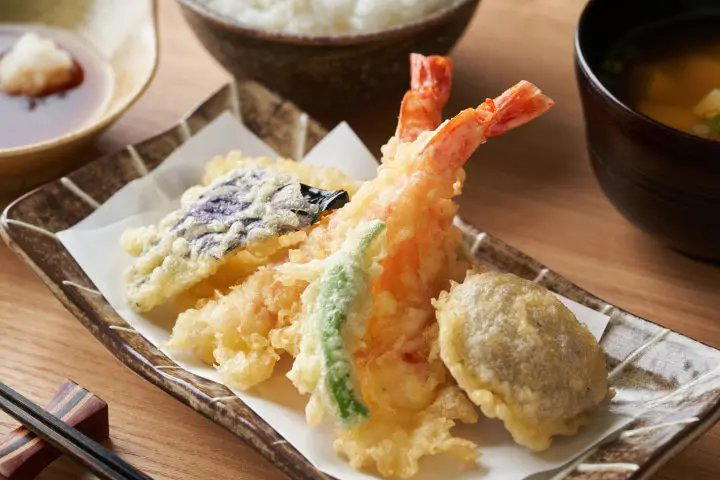
Travelers who treat Nagoya purely as a transit point between Kyoto and Tokyo consistently underestimate the city. Aichi Prefecture has a distinct culinary culture, anchored in nagoya-meshi, the regional food tradition that includes miso-braised dishes, thick udon, and chicken preparations that bear little resemblance to the lighter registers of Kyoto or the seafood focus of coastal cities. The Sakae location puts guests close to the restaurant density of the central city, where these regional traditions coexist with an active contemporary dining scene. Our full Nagoya restaurants guide maps the key options by neighborhood and format.
The city also rewards an extra night for those with cultural interests. The Tokugawa Art Museum holds one of Japan's significant collections of feudal-era artifacts. Nagoya Castle, visible from upper floors of Sakae tower properties, underwent a major interior reconstruction project. The Atsuta Shrine, one of Japan's most important Shinto sites, is reachable by subway in under thirty minutes. None of this requires the hotel to be particularly distinctive, but it does argue for staying in Nagoya rather than commuting through it.
Planning Your Stay: Logistics and Timing
Hilton Nagoya's Sakae address connects directly to the city's subway network, with the Sakae station interchange linking the Higashiyama and Meijo lines. Nagoya Station, the Shinkansen hub, is approximately four stops west on the Higashiyama line, making the commute to the station a practical rather than burdensome element of any itinerary. The property serves both leisure travelers arriving by Shinkansen from Tokyo or Osaka and business visitors driving from the Toyota City manufacturing corridor to the east.
Travelers planning Nagoya as part of a broader Japan itinerary will find useful reference points in how other international properties position themselves across the country. Bvlgari Hotel Tokyo and Amanemu in Mie, the latter under two hours from Nagoya, represent the upper tier of the Japan hotel spectrum. Ryokan alternatives within a day's reach include Asaba in Izu and Nishimuraya Honkan in Kinosaki-cho. For travelers who want to build a Japan itinerary that combines urban hotels with more spatially ambitious properties, options such as Benesse House in Naoshima, Zaborin in Kutchan, and ENOWA Yufu in Yufu each offer a different spatial and cultural register. Further afield, Halekulani Okinawa, Jusandi in Ishigaki, Fufu Kawaguchiko, Fufu Nikko, Sekitei in Hatsukaichi-shi, Araya Totoan in Kaga, and ANA InterContinental Beppu Resort & Spa round out a circuit of properties worth considering across the archipelago. For international reference points in the same international chain segment, The Fifth Avenue Hotel in New York City and Aman New York illustrate how the upper tier of urban hotel formats performs in a different market context, while Aman Venice shows what heritage conversion looks like at that price tier in Europe.
Comparable Spots, Quickly
| Venue | Cuisine | Price | Awards |
|---|---|---|---|
| Hilton Nagoya (ヒルトン名古屋)This venue — the venue you are viewing | This venue | Not listed | Not listed |
| The Tower Hotel Nagoya | Michelin 1 Key | $200–300 | 1 Michelin Key · Small Luxury Hotels of the World Member |
| TIAD, Autograph Collection | Michelin 1 Key | $1–100 | 1 Michelin Key |
| Espacio Nagoya Castle | Not listed | Not listed | Michelin Guide New Hotels New Hotel · Michelin Selected |
| Nagoya Kanko Hotel ESPACIO | Not listed | Not listed | Small Luxury Hotels of the World Member |
| Nagoya Tokyu Hotel | Not listed | Not listed | Preferred Hotels Member |
Details
- Modern
- Elegant
- Sophisticated
- Business Trip
- Family Vacation
- Weekend Escape
- Panoramic View
- Garden
- Wi Fi
- Pool
- Spa
- Fitness Center
- Room Service
- Concierge
- Restaurant
- Bar
- Tennis Court
- Sauna
- Hot Tub
- Business Center
- Skyline
- Wheelchair Accessible
- Elevator
- Accessible Restroom
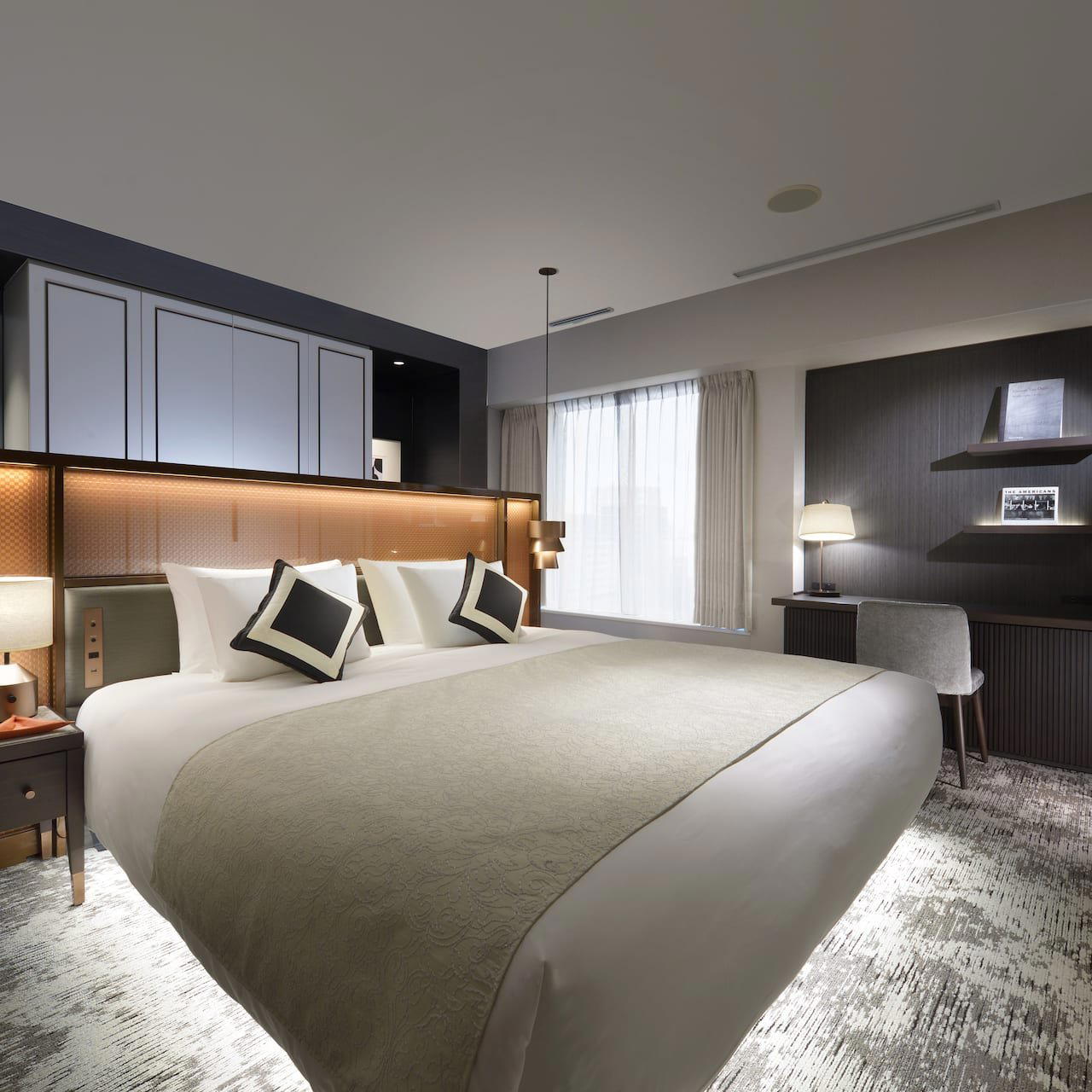
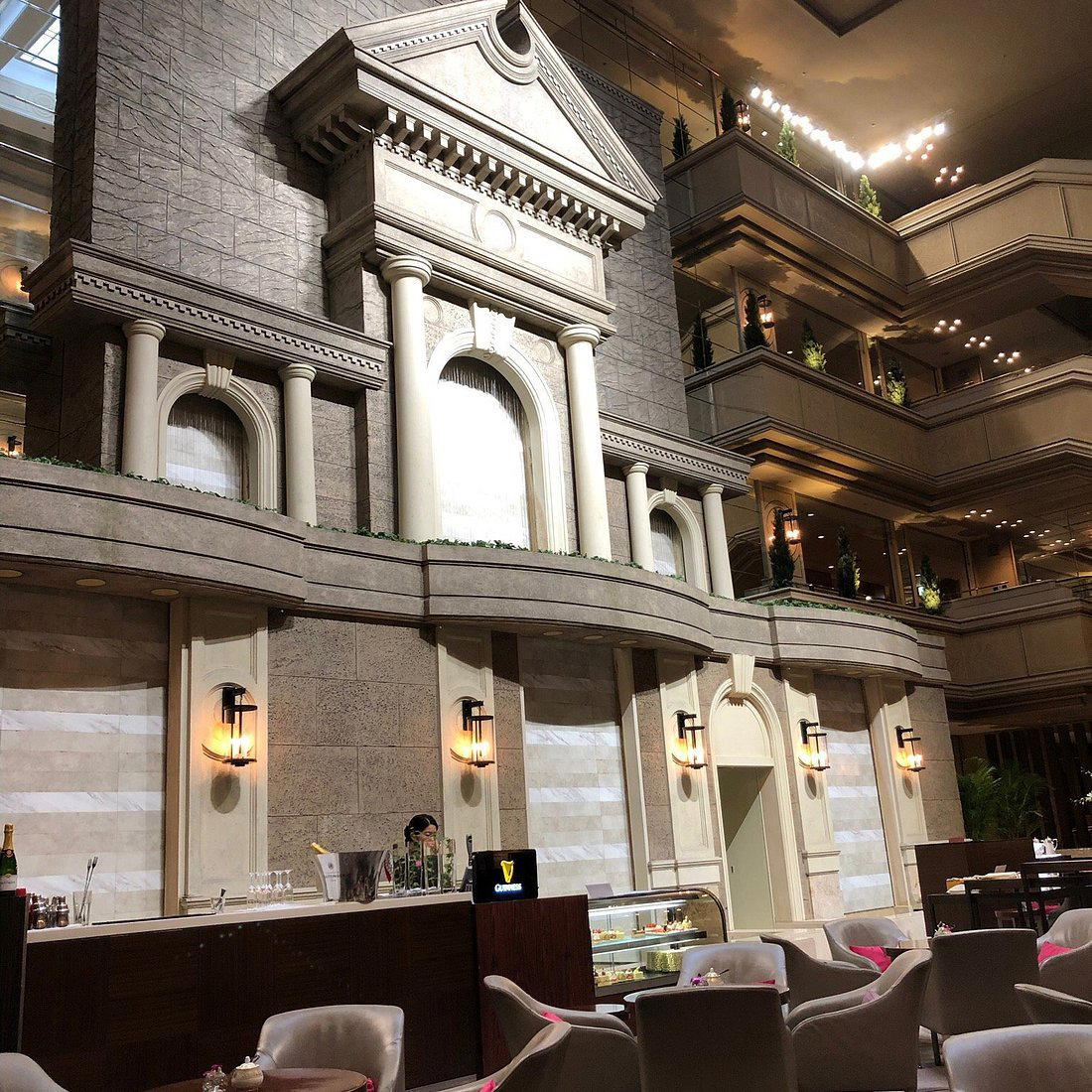
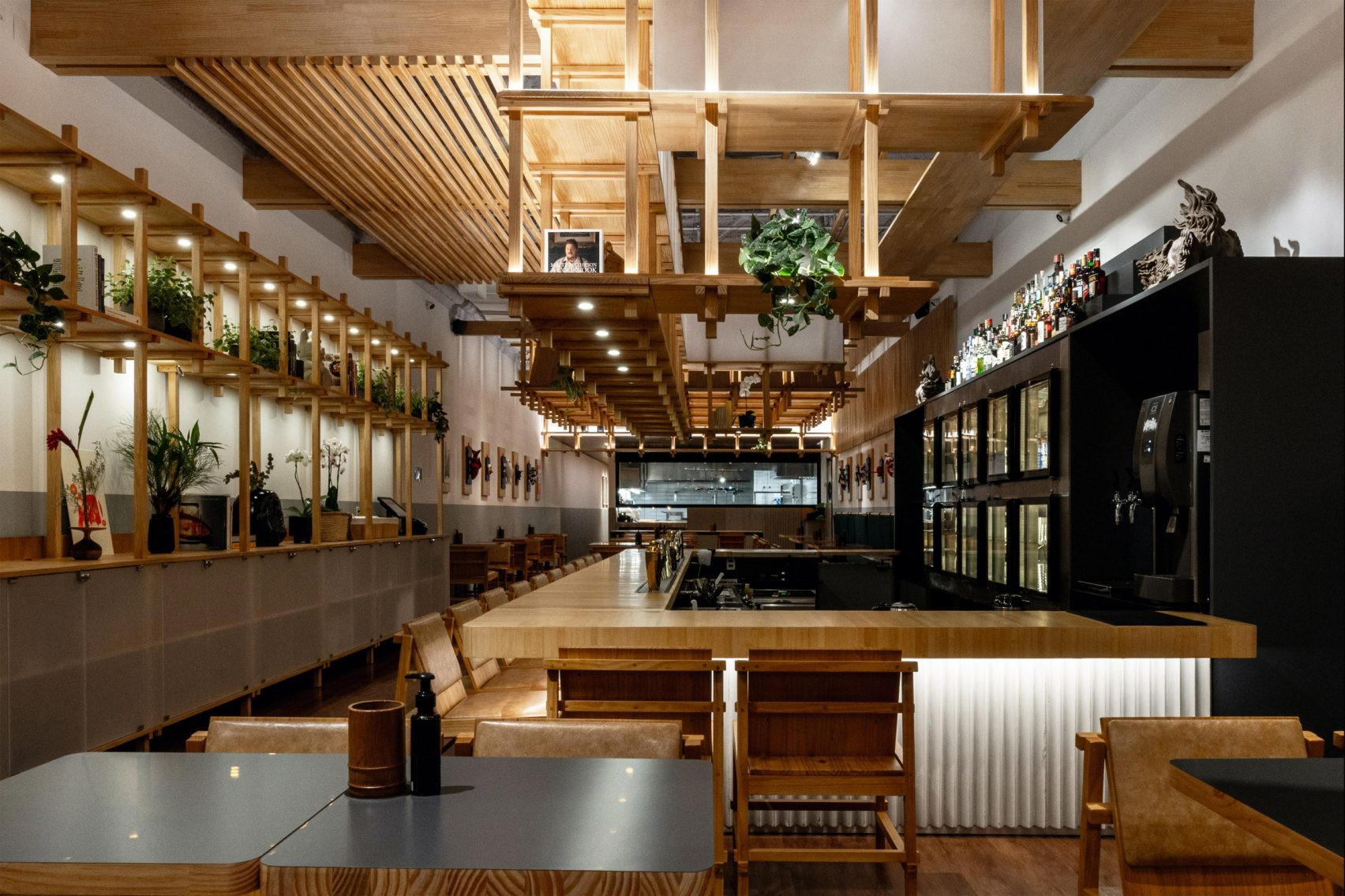
Contemporary upscale atmosphere with gallery-like interiors inspired by local Tokai artistry, bright and well-maintained public spaces, professional multilingual service.