
Preferred Hotels Member
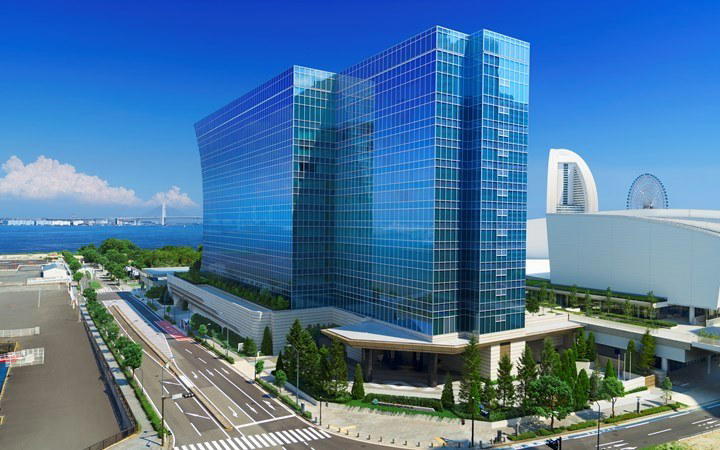
A large-scale waterfront hotel in Yokohama's Minatomirai district, The Yokohama Bay Hotel Tokyu operates 480 rooms against a backdrop of the bay and city skyline. It sits in the upper tier of Yokohama's full-service hotel market, where scale and location combine with wellness and dining facilities that position it as a self-contained urban retreat for both leisure and business travellers.

Pearl is the En Primeur Club membership app — saves, bookings, and concierge access live there. Same editors, same standards.
- Address
- 2-chōme-3-7 Minatomirai, Nishi Ward, Yokohama, Kanagawa 220-8543
- Phone
- +81 45-682-2222
- Website
- ybht.co.jp
- Directions
- Get directions
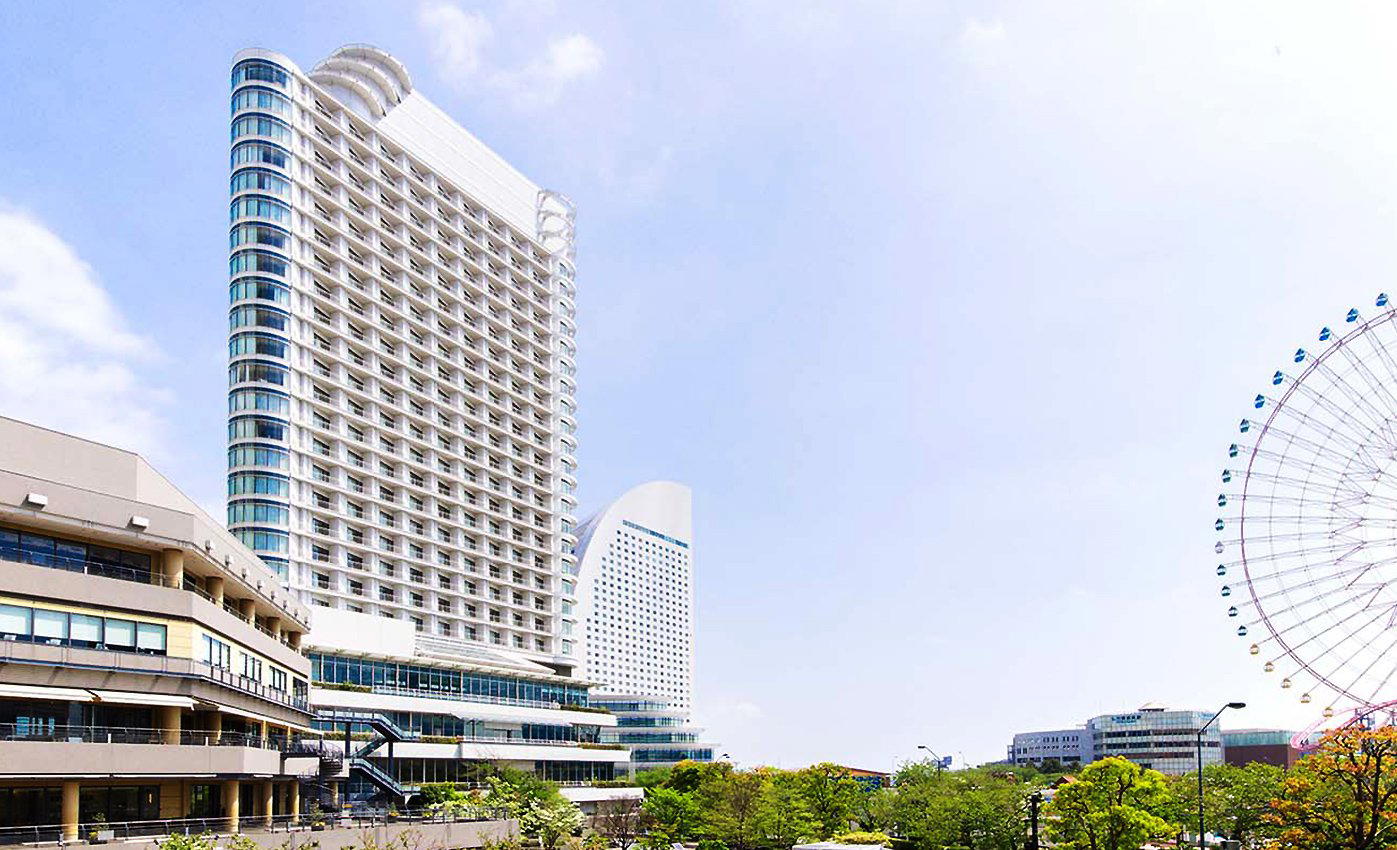
Waterfront Scale in Minatomirai
Yokohama's Minatomirai district has spent two decades reshaping what a Japanese port city can mean for overnight visitors. Where the old harbour once handled cargo and international arrivals by sea, the reclaimed waterfront now anchors a concentration of large hotels, cultural institutions, and bay-facing promenades that make the district one of the more coherent urban renewal zones in the country. Within that setting, full-service hotels compete less on novelty than on position: bay views, footprint, and the depth of their amenity offering matter more here than curation or intimacy. The Yokohama Bay Hotel Tokyu, operating at 480 rooms, belongs to the larger end of this market — a scale that permits restaurant variety, conference capacity, and a wellness floor that smaller properties in the district cannot sustain.
The contrast with Yokohama's older hotel stock is worth noting. Hotel New Grand, close to Yamashita Park, trades on heritage and a different kind of civic history. The Minatomirai properties — including InterContinental Yokohama Pier 8 and Hilton Garden Inn Yokohama Minatomirai, compete on modernity and water proximity. The Tokyu property sits within that contemporary cluster, offering the kind of comprehensive infrastructure that suits multi-night stays and visitors who want amenities in-house rather than sourced across the city.
The Retreat Proposition at Urban Scale
Across Japan's premium hotel market, wellness has split into two distinct formats. One is the deeply immersive ryokan tradition, onsen, kaiseki, and a withdrawal from the urban, exemplified by properties like Gora Kadan in Hakone, Asaba in Izu, or Zaborin in Kutchan, where the setting does much of the restorative work. The other is the urban wellness model: a hotel embedded in a working city that offers a contained restorative environment, pool, fitness, spa, without requiring the guest to leave the metropolitan orbit. The Yokohama Bay Hotel Tokyu operates in this second category, and the city context matters here. Yokohama is close enough to Tokyo (roughly 30 minutes by rail from Shinjuku) that it functions as a genuine alternative base for visitors who prefer a waterfront setting over the density of central Tokyo, while remaining connected to the capital's transit network.
For travellers calibrating between a dedicated wellness retreat and a functional city hotel, the Minatomirai location offers a middle path. The bay-facing promenade allows for morning walks along the water without committing to the full withdrawal that properties like Amanemu in Mie or ENOWA Yufu in Yufu require. The hotel's scale, 480 rooms, supports dedicated fitness and pool infrastructure that a smaller boutique property in the same city could not justify. This is the operational logic of large urban hotels: amenity depth funded by room count, rather than the exclusivity-per-key model of Japan's premium ryokan tier.
Positioning Within Yokohama's Hotel Tier
Yokohama's upper hotel market has grown more segmented in recent years. The Kahala Hotel & Resort Yokohama entered the market with a resort-inflected proposition aimed at leisure travellers who want a distinct brand experience. The international chain properties in Minatomirai serve a broad business and group segment. The Tokyu brand occupies a position that bridges these: a Japanese-operated full-service hotel with the infrastructure depth of an international property but a local operating identity. For visitors to whom brand provenance matters, who prefer a Japanese hospitality operator to a Western chain in the same city, this distinction is relevant, though it rarely surfaces in room-by-room comparisons.
Japan's hotel market more broadly has seen growing interest in the country's own luxury and upper-upscale tier, particularly as properties like HOTEL THE MITSUI KYOTO and Bvlgari Hotel Tokyo have raised design and service expectations at the leading end. The Yokohama Bay Hotel Tokyu does not position in that conversation, its scale and format place it in a different competitive set, but it benefits from the broader elevation of traveller expectations in Japanese hospitality, where service standards across the upper-midscale and upscale segments remain high by international comparison.
Dining and In-House Amenities
A 480-room hotel in Minatomirai requires multiple dining outlets to function: breakfast service at scale, at minimum one restaurant with bay-view positioning, and typically a bar or lounge that serves both in-house guests and locals. This is standard infrastructure for the category, and the Yokohama Bay Hotel Tokyu's room count makes this viable where a smaller property would offer a single outlet. For guests who intend to spend evenings in-house rather than exploring the broader city, this matters practically. Yokohama's dining scene has depth, our full Yokohama restaurants guide covers the city's range, but a hotel of this footprint functions as a self-contained option for those who prefer it.
The Minatomirai location also puts the hotel within reach of Yokohama's Chinatown (one of the largest in Asia, roughly 15 minutes on foot from the district's edge), the Yokohama Museum of Art, and the Cosmo World waterfront area. These are practical complements to the in-house offering rather than substitutes for it.
Who Uses This Hotel and When
Large waterfront hotels in Japanese cities tend to draw a predictable mix: domestic leisure travellers on weekend breaks, corporate guests using Yokohama as a base for business in the broader Kanagawa prefecture, and international visitors who want a Yokohama anchor point rather than a Tokyo one. The spring cherry blossom season (late March to early April) and autumn colour season (November) drive peak leisure demand across all of Yokohama's hotels. Booking during these windows, particularly for bay-view rooms, requires more lead time than the rest of the year. The hotel's proximity to the Minatomirai rail station keeps it accessible from both Yokohama Station and central Tokyo without requiring a taxi or car, which is a practical consideration for travellers arriving with luggage from Narita or Haneda.
Visitors considering Yokohama as part of a broader Japan circuit, pairing it with, say, Fufu Nikko to the north or Fufu Kawaguchiko near Fuji, will find the Tokyu property a practical urban node: connected, full-service, and requiring no great logistical effort to arrive or depart. For those building a longer Japan itinerary that takes in coastal or island properties like Halekulani Okinawa, Jusandi in Ishigaki, or Benesse House in Naoshima, Yokohama functions as an accessible gateway before or after a flight from Tokyo's airports. International travellers who want to compare the scale-and-amenity urban hotel model against more intimate alternatives might also consider properties like Aman New York or The Fifth Avenue Hotel as reference points for how the format performs in other markets. Closer to home in Japan's onsen-wellness tier, Araya Totoan in Kaga, Atami Izusan Karaku, Nishimuraya Honkan, Sekitei in Hatsukaichi, and ANA InterContinental Beppu Resort & Spa represent the onsen-resort alternative for travellers whose priority is thermal wellness over city connectivity. The Yokohama Bay Hotel Tokyu makes a different argument: that a large, waterfront, city-anchored hotel can serve a recovery and wellness function within the context of a working trip, without the full retreat commitment that those properties require.
Recognition, Side-by-Side
Comparable venues nearby, for context on price, style, and recognition.
| Venue | Cuisine | Price | Awards | Notes |
|---|---|---|---|---|
| The Yokohama Bay Hotel TokyuThis venue — the venue you are viewing | Urban luxury high-rise with panoramic bay views | $100–200 | Preferred Hotels Member | Not listed |
| Hotel New Grand | Classic luxury heritage hotel with contemporary tower addition, blending traditional Japanese hospitality with modern international standards. | $100–200 | Preferred Hotels Member | Naka |
| Hyatt Regency Yokohama | Modern luxury blending historic port aesthetics | $100–200 | Michelin Selected | Naka |
| Hilton Garden Inn Yokohama Minatomirai | Contemporary business-focused hotel with modern design elements and waterfront positioning. | $100–200 | Not listed | Nishi |
| Mitsui Garden Hotel Yokohama Minatomirai PREMIER | Urban resort floating above Minatomirai | $1–100 | Michelin Selected | Minatomirai |
| The Knot Yokohama | Boutique hotel inspired by cruise ship cabins with a nod to Yokohama's maritime heritage. | $100–200 | Michelin Selected | Nishi-ku |
Recognition history
Dated appearances from independent guides and award organizations, with the underlying list record or original source where available.
Preferred Hotels Member
Preferred Hotels











Details
- Elegant
- Sophisticated
- Modern
- Business Trip
- Romantic Getaway
- Weekend Escape
- Panoramic View
- Rooftop Pool
- Wi Fi
- Pool
- Spa
- Fitness Center
- Room Service
- Concierge
- Indoor Pool
- Waterfront
- Skyline
- Elevator
- Wheelchair Accessible
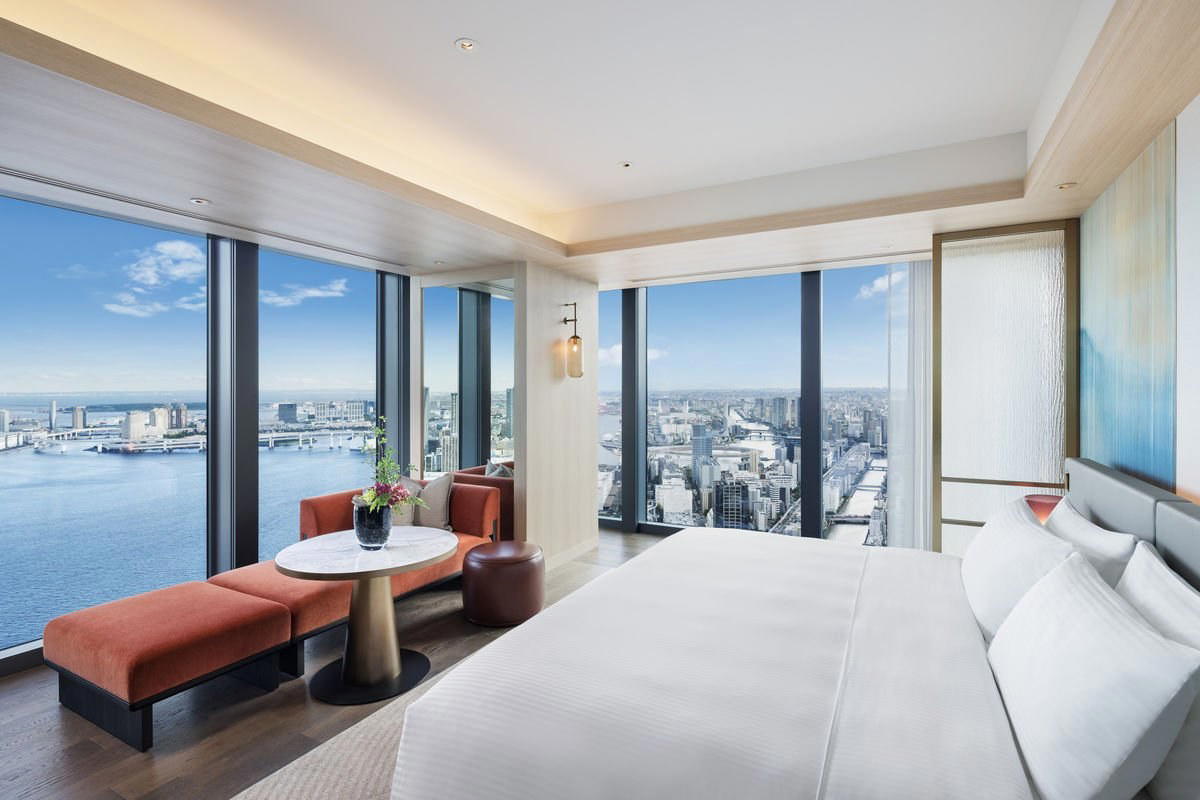
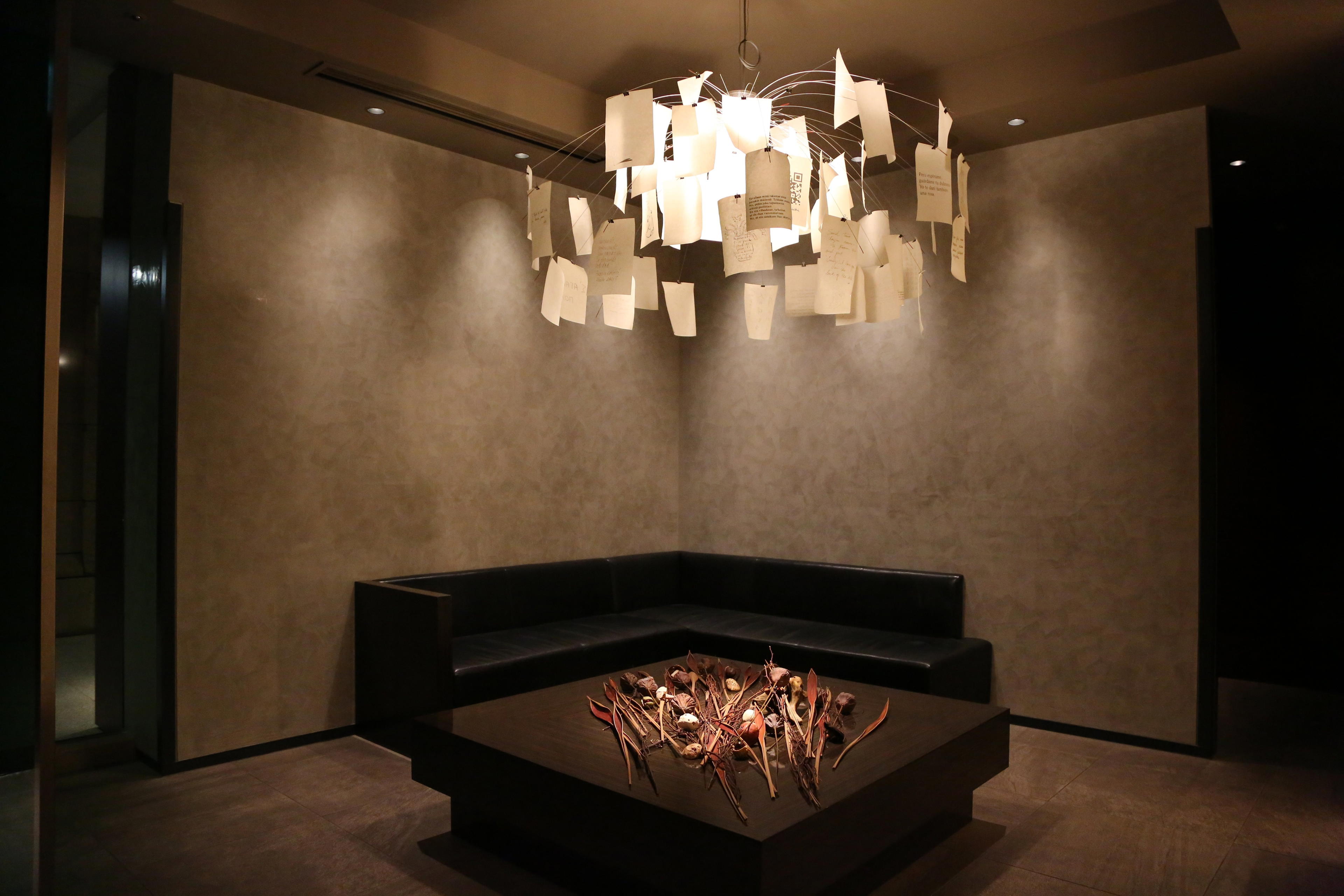
Sophisticated and relaxing atmosphere with elegant lighting, spacious clean rooms, and dramatic bay views from balconies.