
Preferred Hotels Member
Hotel New Grand sits on Yokohama's Yamashita waterfront, a property whose 238-room scale and Meiji-era founding place it at the intersection of port-city history and contemporary hotel dining. The building's colonial-era architecture, facing Yokohama Bay, makes it a reference point for understanding how the city's cosmopolitan identity first took shape — and where it continues to be expressed through food and hospitality.

Pearl is the En Primeur Club membership app — saves, bookings, and concierge access live there. Same editors, same standards.
- Address
- 10 Yamashitachō, Naka Ward, Yokohama, Kanagawa 231-8520
- Phone
- +81 45-681-1841
- Website
- hotel-newgrand.co.jp
- Directions
- Get directions
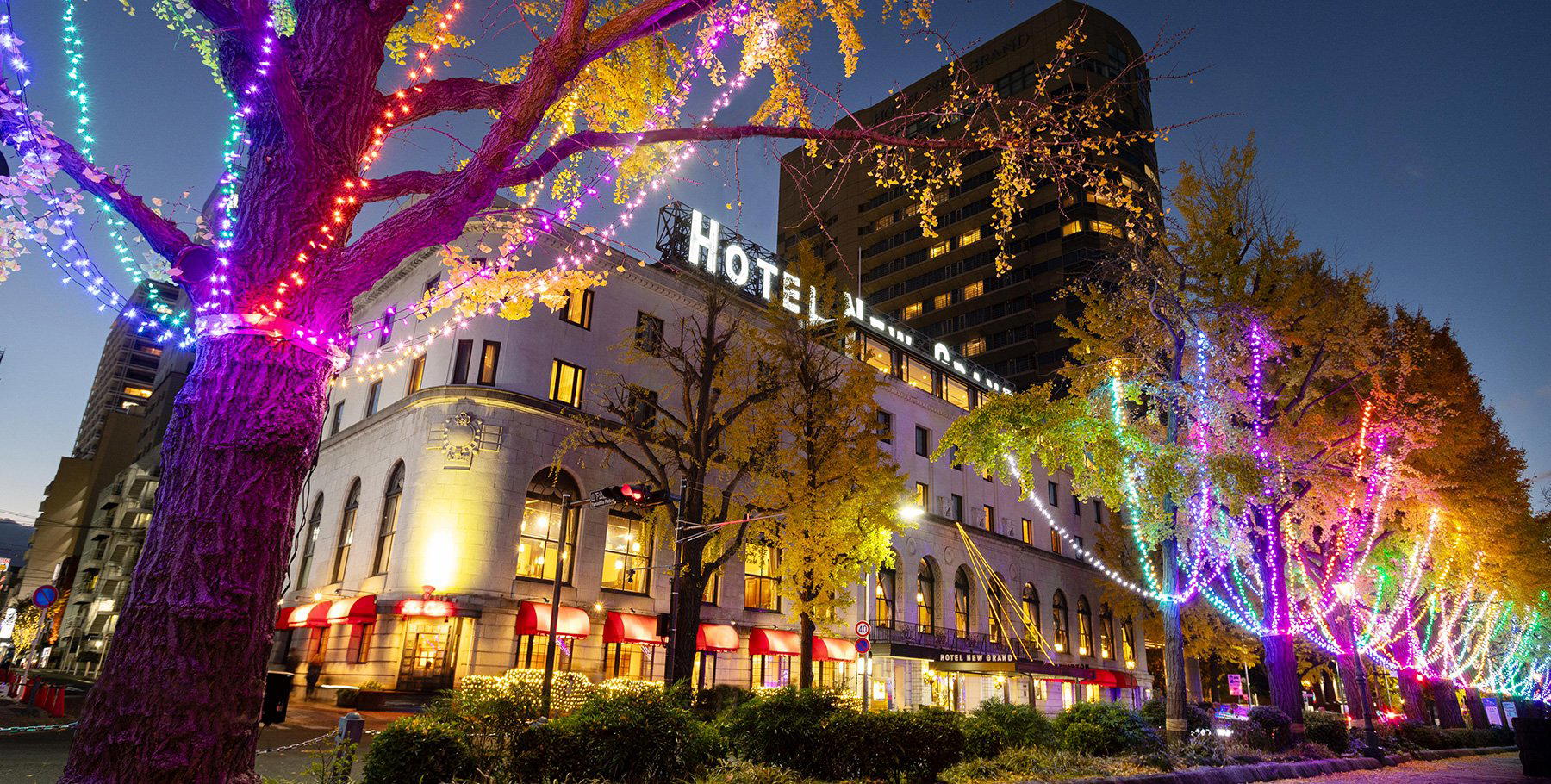
Yokohama's Waterfront and the Hotels That Shaped It
Yokohama's relationship with foreign influence runs deeper than almost any other Japanese city, a consequence of its designation as one of Japan's first treaty ports in 1859. The Yamashitacho waterfront, where Hotel New Grand sits at number 10, was where Western merchants built their warehouses, consulates, and social clubs, and where a distinctly hybrid urban culture took root. That history is not incidental to a stay here — it is the operating context. The hotel's position facing Yokohama Bay, with the port infrastructure and the Osanbashi Pier visible from the upper floors, places guests inside a narrative of maritime commerce and cross-cultural exchange that the city has never fully set aside.
For travellers choosing between Yokohama's waterfront properties, the competitive set is meaningful. The InterContinental Yokohama Pier 8 and The Yokohama Bay Hotel Tokyu represent the city's contemporary international-brand tier, with the design language and loyalty programme infrastructure those flags bring. Hotel New Grand occupies a different position: a property whose identity predates those brands and whose architecture, dining rooms, and institutional character carry the weight of Yokohama's founding cosmopolitanism. The Hilton Garden Inn Yokohama Minatomirai and The Kahala Hotel & Resort Yokohama fill other niches in the city's accommodation spectrum, but neither carries the specific historical authority of the New Grand's Yamashita address.
What the Dining Rooms Say About the City
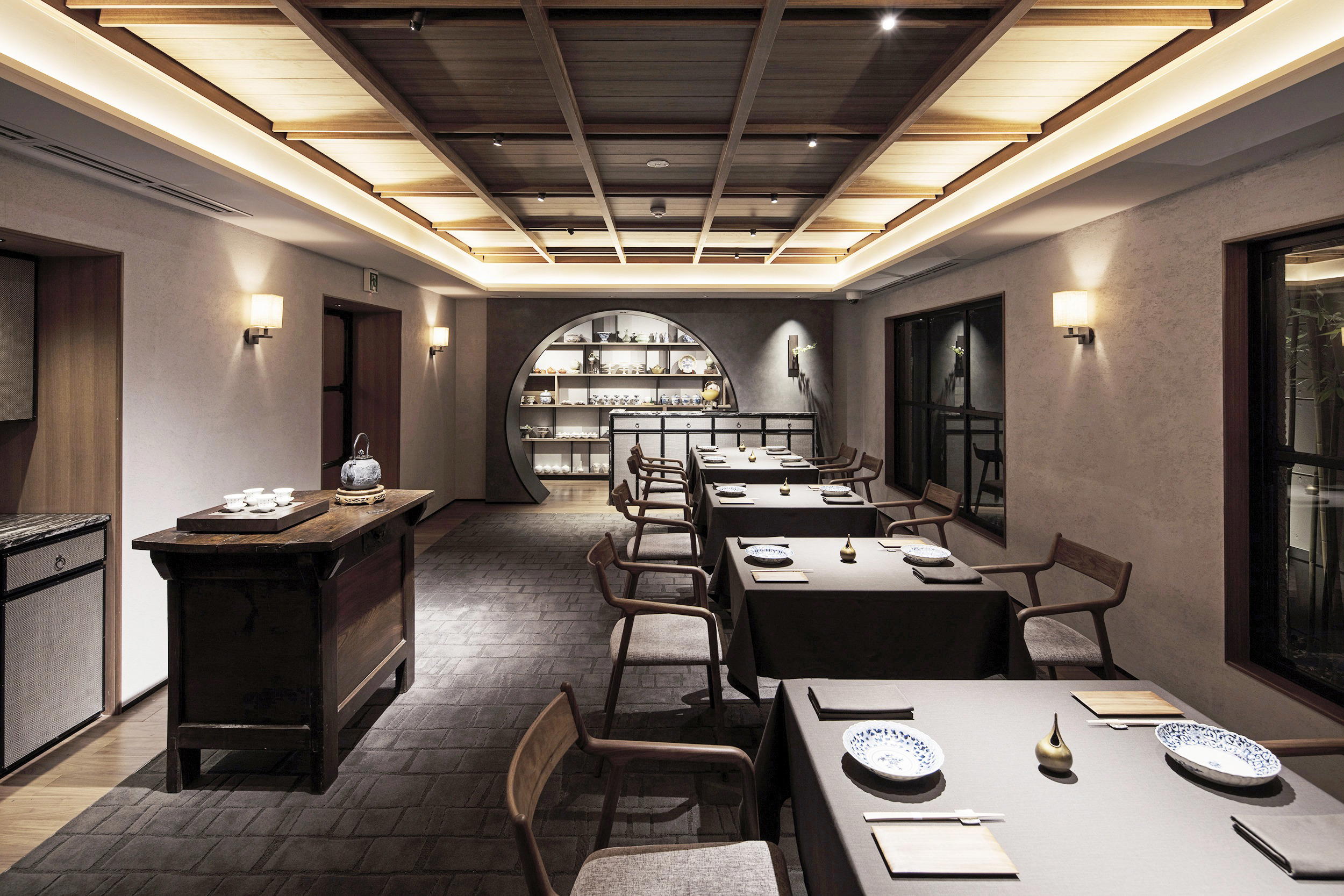
The dining programme at Hotel New Grand is, in many respects, the most historically significant argument for staying here rather than at any of the newer waterfront alternatives. Yokohama is where Western food entered Japan in a form that Japanese cooks then adapted, modified, and eventually made entirely their own. The hotel's kitchens were early participants in that translation process, and dishes that originated here — including early versions of what became Napolitan pasta and doria, a gratin-style rice dish, are cited in Japanese culinary history as products of this property's experimentation with Western ingredients and cooking methods in a Japanese context.
That history matters beyond nostalgia. It positions the hotel's restaurants within a tradition that precedes Japan's post-war Yoshoku boom and connects directly to the port-city moment when foreign ingredients and techniques were genuinely novel. Dining at Hotel New Grand is, among other things, an exercise in eating within a documented culinary lineage rather than at a generic international hotel restaurant. Whether the current kitchen programmes maintain that standard of distinction is a question of current execution rather than founding reputation, but the founding reputation itself is unusually well-documented and substantive.
Japan's broader hotel dining scene has shifted considerably in recent decades, with properties like Bvlgari Hotel Tokyo importing internationally recognised culinary talent as an explicit part of their positioning, and traditional ryokan properties such as Gora Kadan in Hakone and Asaba in Izu anchoring their food programmes in kaiseki formality and local seasonal produce. Hotel New Grand occupies a distinct third category: the Western-influenced grand hotel whose food identity is inseparable from Japan's Meiji and Taisho-era encounters with European cuisine. It shares a certain historical-property character with places like HOTEL THE MITSUI KYOTO, though the culinary traditions in play are entirely different.
Scale and Room Character
At 238 rooms, Hotel New Grand sits at a scale that separates it from both the intimate ryokan tier and the large-capacity city business hotels. Properties like Benesse House in Naoshima or Zaborin in Kutchan operate with capacity models designed around discretion and low-volume exclusivity. Hotel New Grand's 238-room count reflects a different kind of ambition, the grand hotel format that expects a certain public function, where lobbies, restaurants, and event spaces serve the city as much as they serve overnight guests.
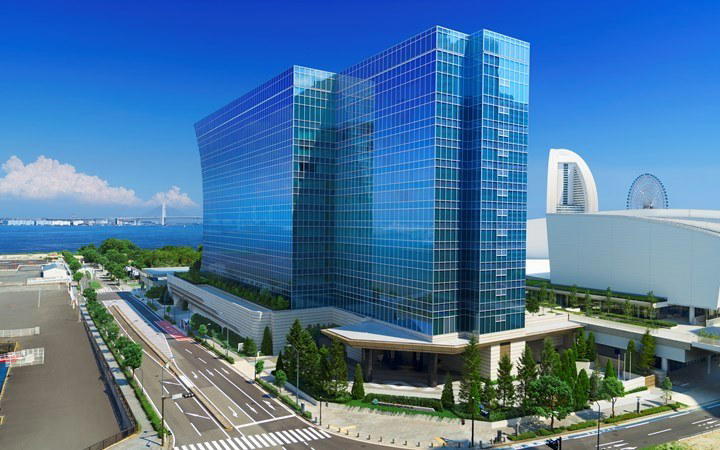
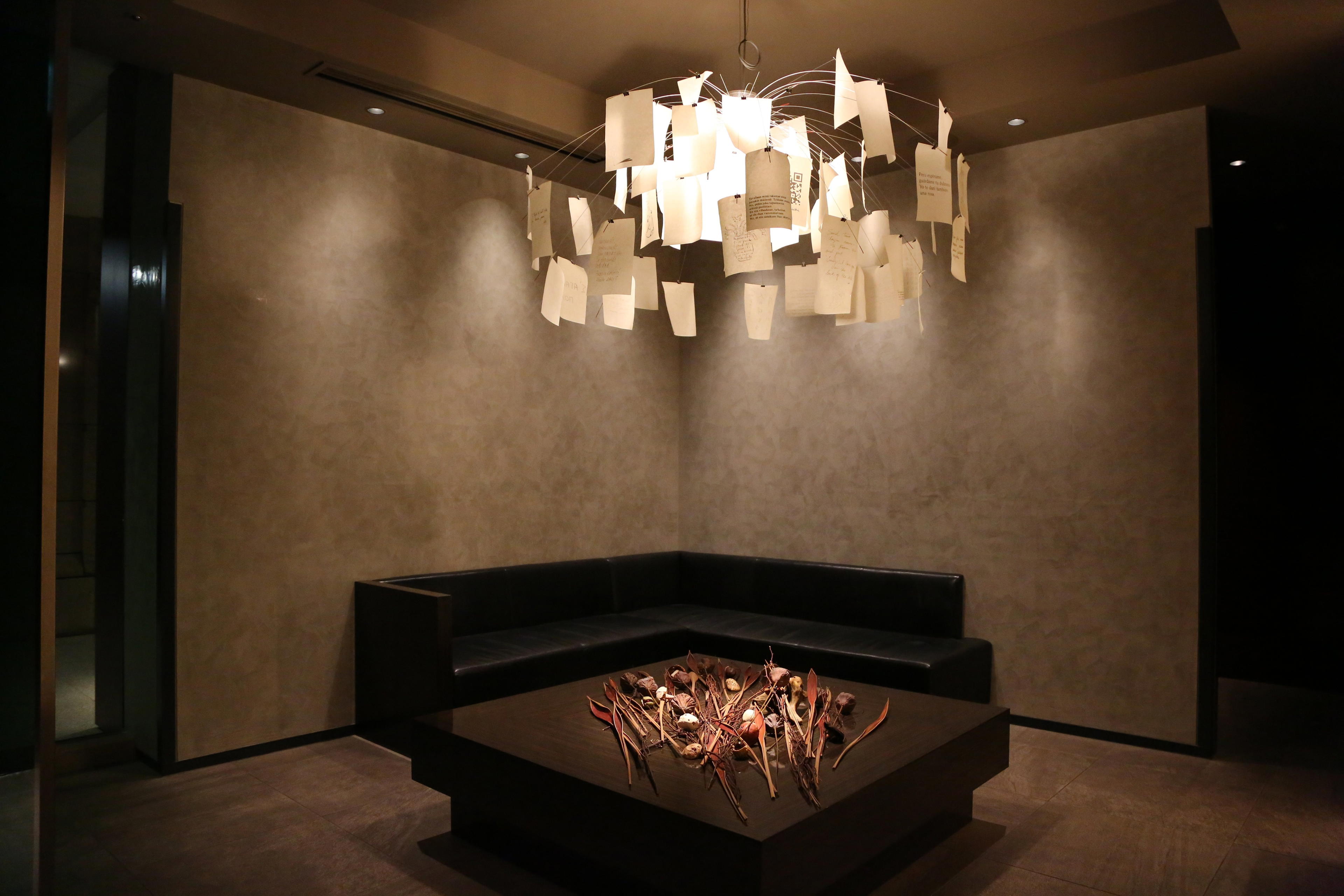
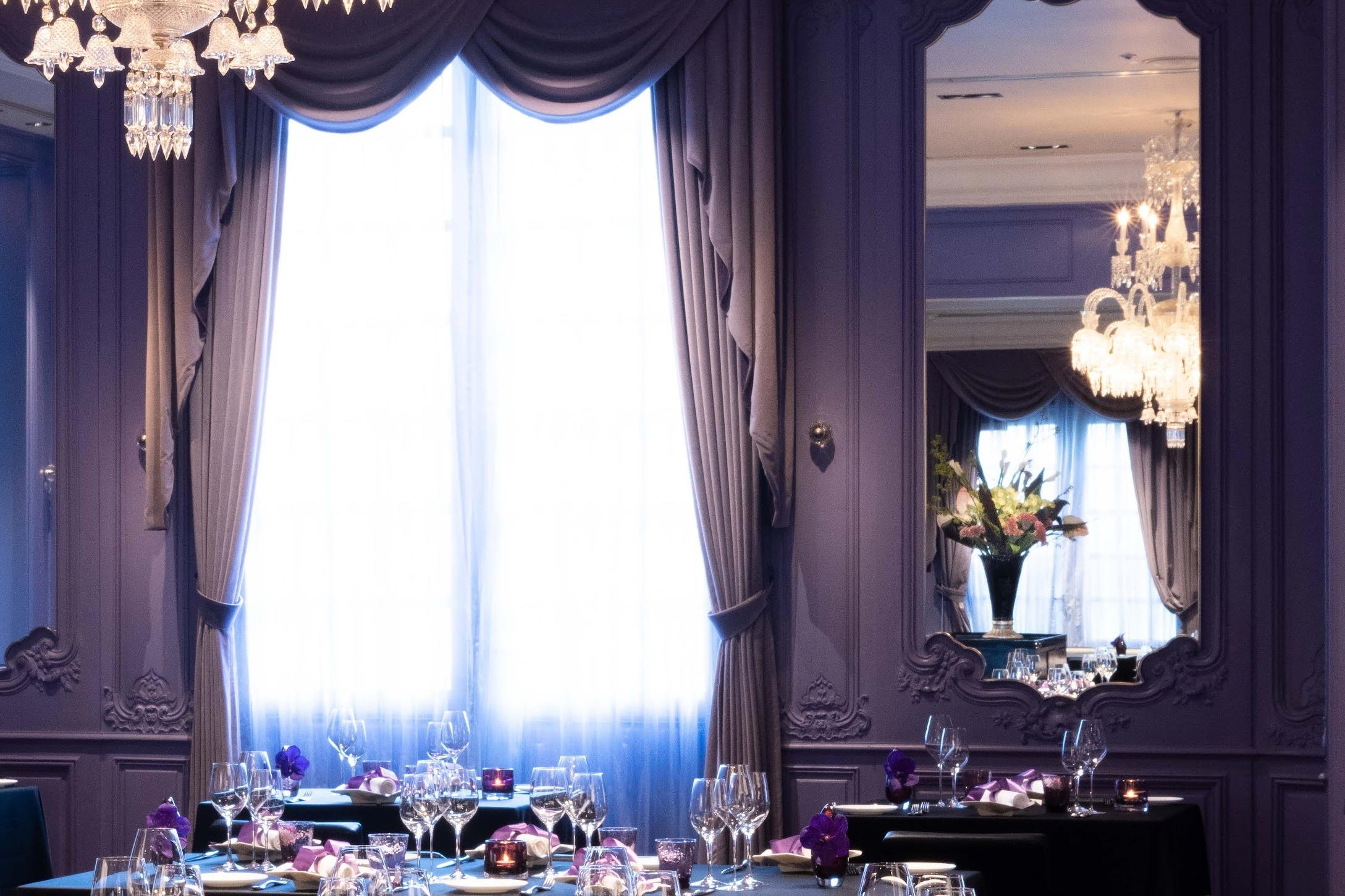
The property's two wings represent different architectural periods, which translates into meaningfully different room experiences. The original building carries the colonial-era detailing and proportions of its founding decade, while the newer tower delivers contemporary room dimensions and updated fittings. The choice between them depends on whether the guest is optimising for atmosphere and historical texture or for the standardised comforts that modern hotel infrastructure provides. For most travellers selecting Hotel New Grand over its Yokohama peers, the original building is the more coherent choice given the reasons one comes here in the first place.
Yamashitacho and Getting Here
The Yamashitacho address is convenient by Yokohama's standards without being in the middle of the city's commercial core. The Minatomirai Line's Nihon Odori station connects directly to central Yokohama and, via transfer, to Shibuya and the greater Tokyo network. Yokohama Chinatown, one of the largest in Japan and another product of the city's port-era demographics, is a few minutes on foot. The Yamashita Park runs along the waterfront immediately adjacent, giving the property direct access to the bay promenade, a detail that matters for both early-morning walks and the quality of light reaching the sea-facing rooms.
For travellers using Yokohama as a base for wider Japanese travel, the city's position within the Kanto region allows day itineraries toward Tokyo and longer excursions toward properties like Fufu Kawaguchiko near Mount Fuji or Fufu Nikko in the mountains to the north. For those extending travel further into Japan, the ryokan traditions of Nishimuraya Honkan in Kinosaki-cho, the thermal culture at ANA InterContinental Beppu, or the remote precision of Amanemu in Mie represent a different register of Japanese hospitality that usefully contrasts with Hotel New Grand's urban, historically Western-inflected character. Further afield, Halekulani Okinawa, Jusandi in Ishigaki, Araya Totoan in Kaga, Sekitei in Hatsukaichi-shi, ENOWA Yufu, and Atami Izusan Karaku each serve the Japanese wellness and onsen tradition that a Yokohama waterfront property does not attempt to replicate. For international reference points, the grand-hotel-in-a-historic-port-city dynamic at Hotel New Grand finds loose parallels at properties like Aman Venice or the The Fifth Avenue Hotel in New York City and Aman New York, though the culinary histories and architectural idioms differ considerably. See our full Yokohama restaurants and hotels guide for broader city context.
Planning a Stay
Hotel New Grand operates year-round at its Yamashitacho address, and Yokohama's temperate climate means there is no strongly disadvantaged season. Spring, when the park's cherry trees are in bloom, and autumn, when the bay light softens, are the periods when the waterfront address pays the largest dividend. Booking through the hotel's own channels, rather than third-party platforms, typically gives access to the leading available rate and direct communication about room type availability in the original versus tower wing, which is the most consequential choice a guest makes here.
Price Lens
Comparable venues nearby, for context on price, style, and recognition.
| Venue | Price | Awards | Notes |
|---|---|---|---|
| Hotel New GrandThis venue — the venue you are viewing | $100–200 | Preferred Hotels Member | Not listed |
| Hyatt Regency Yokohama | $100–200 | Michelin Selected | Naka, Modern luxury blending historic port aesthetics |
| The Knot Yokohama | $100–200 | Michelin Selected | Nishi-ku, Boutique hotel inspired by cruise ship cabins with a nod to Yokohama's maritime heritage. |
| Mitsui Garden Hotel Yokohama Minatomirai PREMIER | $1–100 | Michelin Selected | Minatomirai, Urban resort floating above Minatomirai |
| The Yokohama Bay Hotel Tokyu | $100–200 | Preferred Hotels Member | Nishi, Urban luxury high-rise with panoramic bay views |
| Hilton Garden Inn Yokohama Minatomirai | $100–200 | Not listed | Nishi, Contemporary business-focused hotel with modern design elements and waterfront positioning. |
Recognition history
Dated appearances from independent guides and award organizations, with the underlying list record or original source where available.
Preferred Hotels Member
Preferred Hotels









Details
- Classic
- Elegant
- Sophisticated
- Scenic
- Business Trip
- Romantic Getaway
- Family Vacation
- Anniversary
- Waterfront
- Panoramic View
- Destination Spa
- Historic Building
- Terrace
- Wi Fi
- Spa
- Fitness Center
- Room Service
- Concierge
- Business Center
- Restaurant
- Bar
- Massage
- Waterfront
- Skyline
- Wheelchair Accessible
- Elevator
- Accessible Restroom
- Accessible Parking
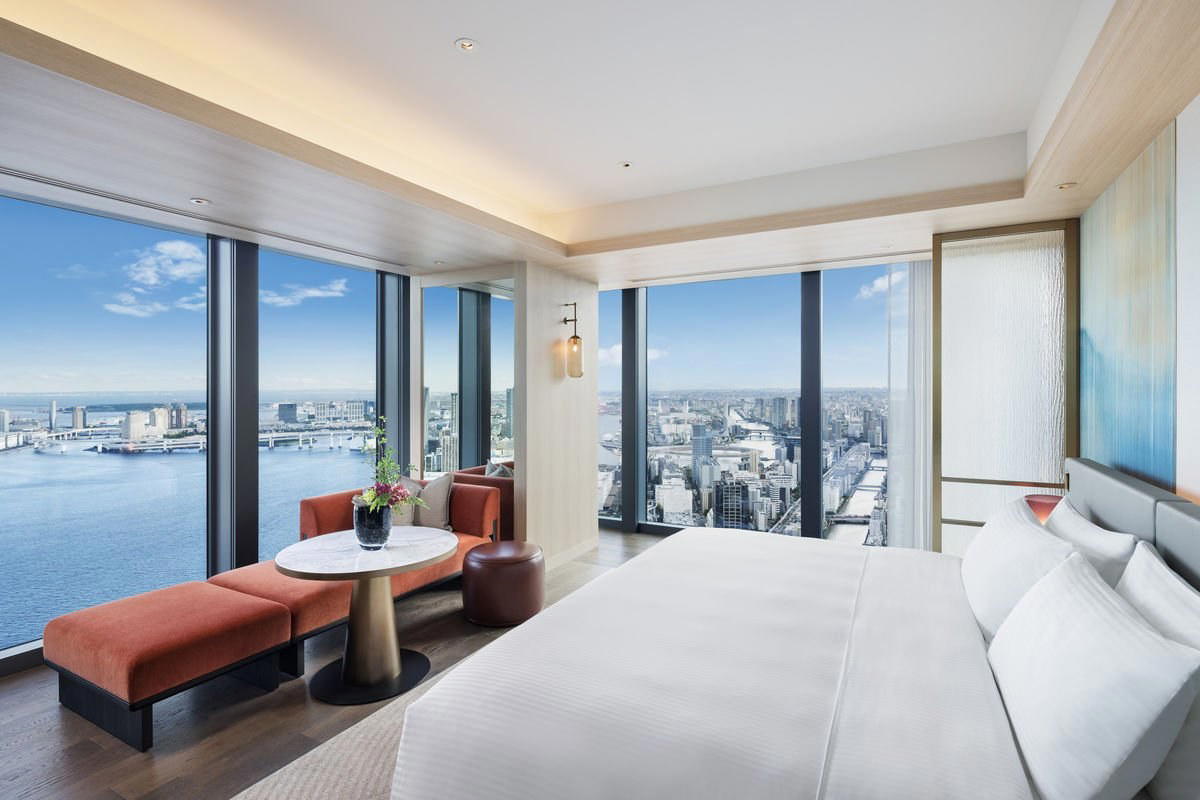
Sophisticated and refined with warm hospitality; guest reviews highlight the noble, dignified ambience created by sophisticated furnishings and attentive staff, enhanced by views of luxury cruise liners and the Bay Bridge.