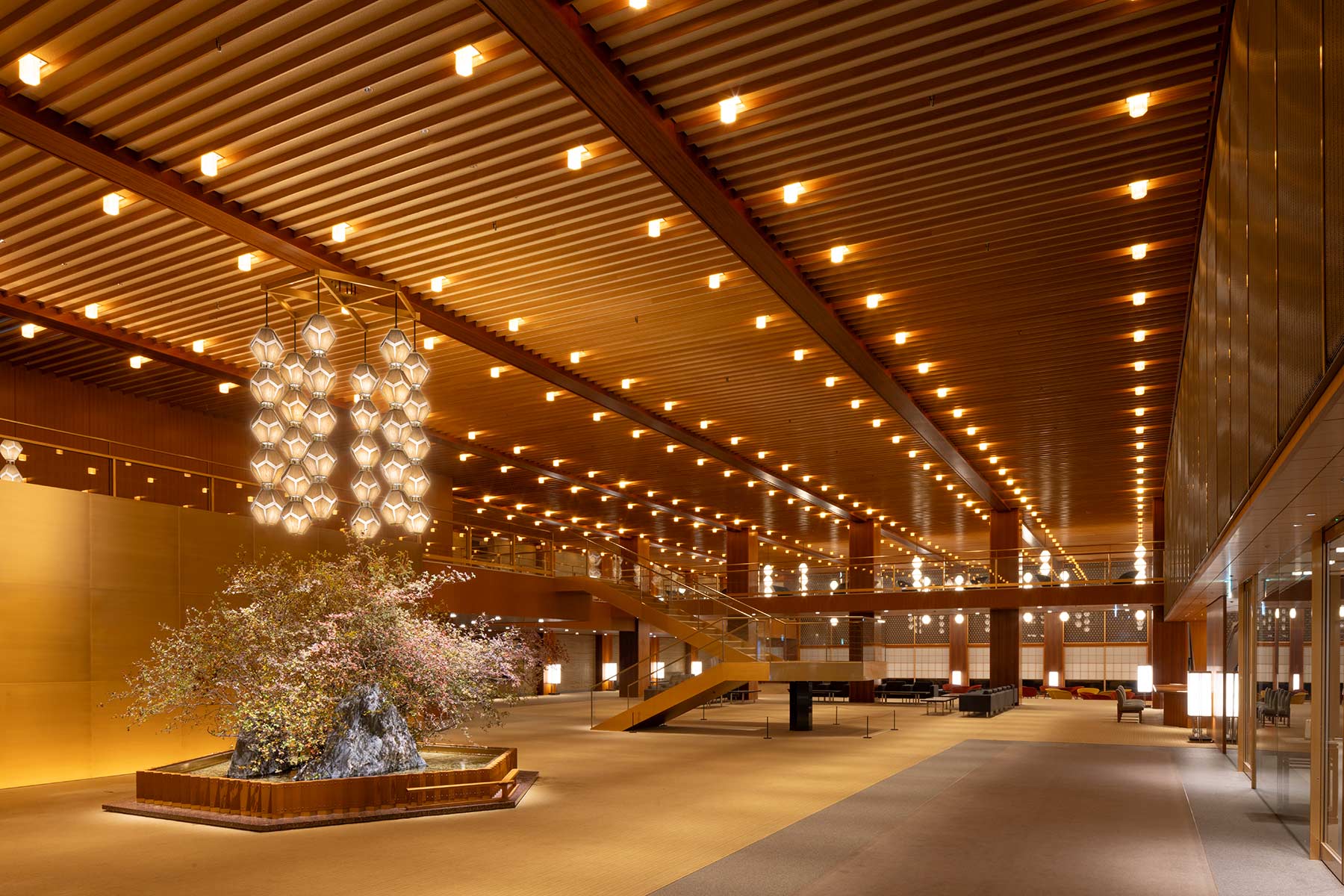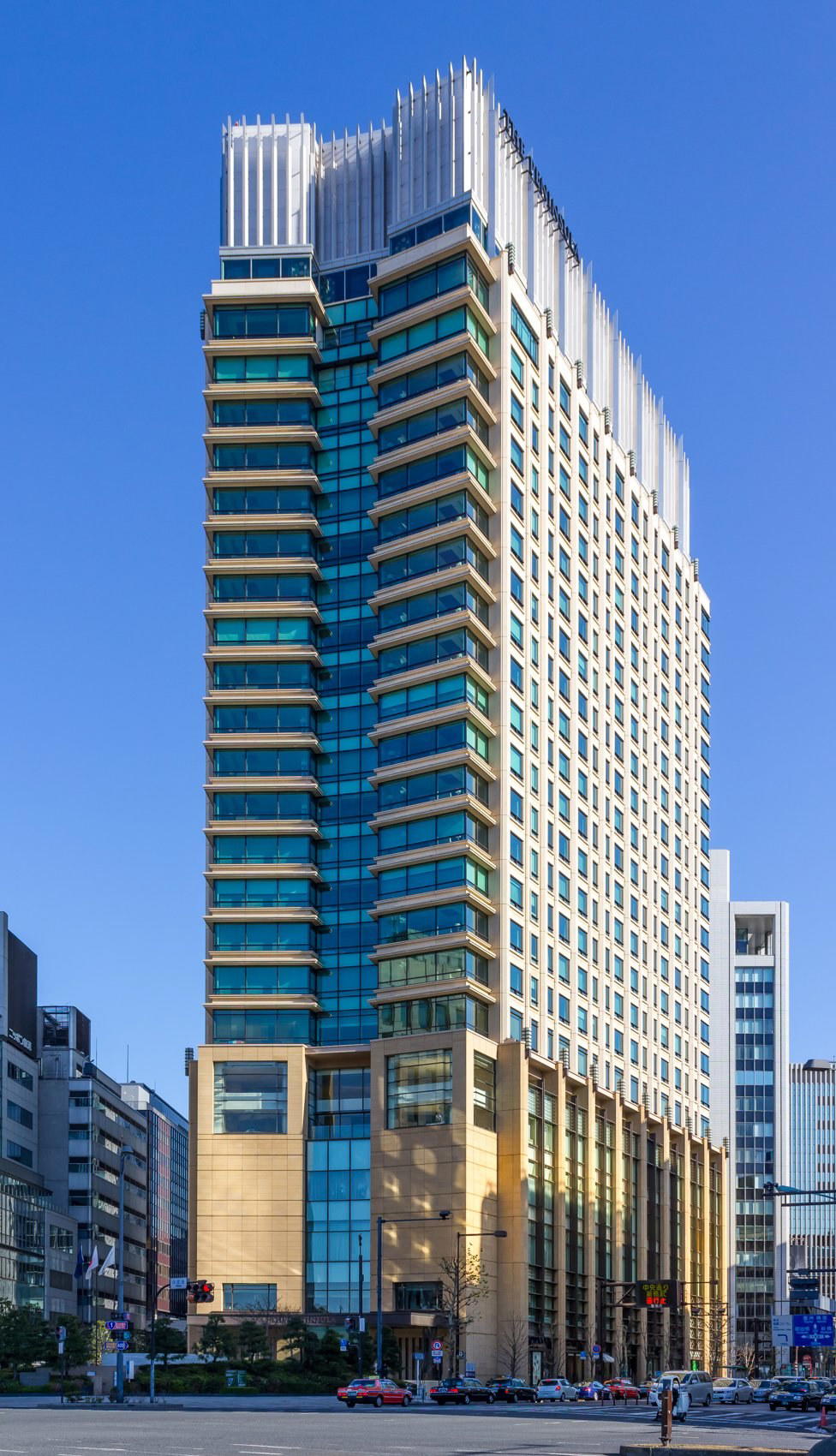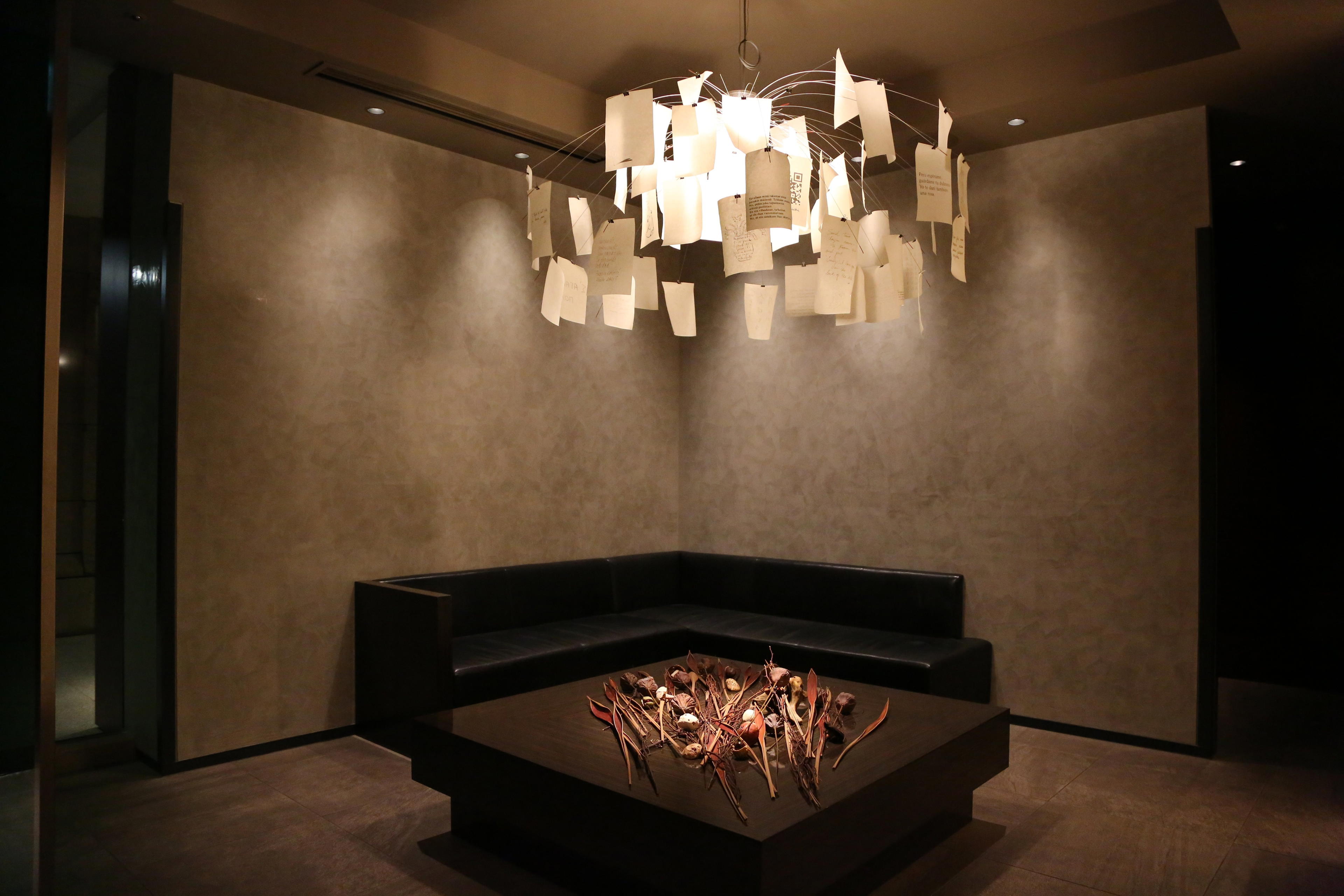

Takanawa Hanakohro is a 16-suite ryokan corridor within Grand Prince Hotel Takanawa in Minato, Tokyo, where tatami rooms named for garden flora, a fully private spa facility, and curated cultural programming, origami, sake tasting, tea ceremony, place it in a small category of urban ryokan that deliver traditional form without sacrificing city-centre access.
Pearl is the En Primeur Club membership app — saves, bookings, and concierge access live there. Same editors, same standards.
- Address
- 〒108-8612 Tokyo, Minato City, Takanawa, 3-chōme−13−1 グランドプリンスホテル 高輪
- Phone
- +81 3-3447-1117
- Website
- princehotels.co.jp
- Directions
- Get directions
 Saves & bookings on Pearl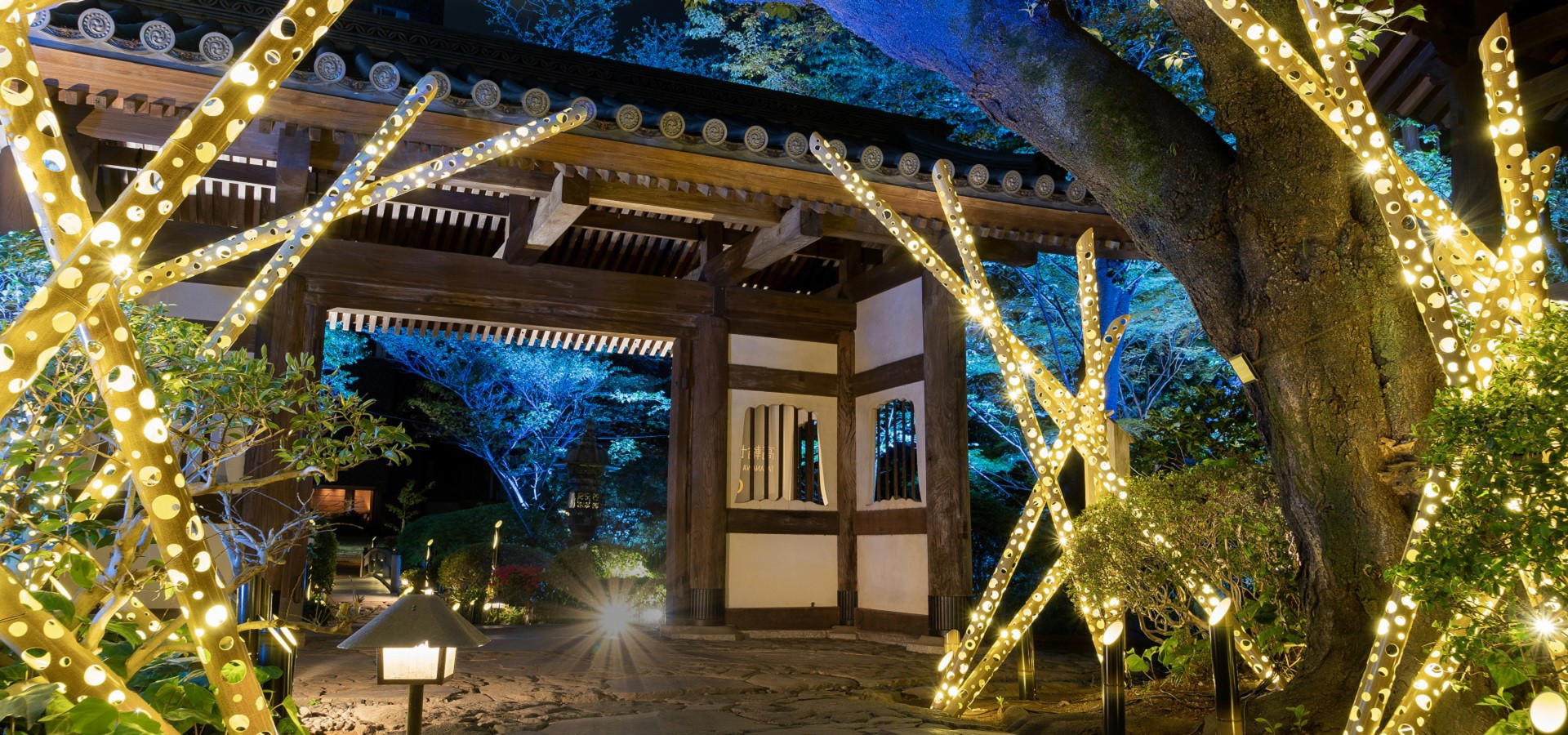
A Ryokan Within a Hotel: What That Format Actually Means
Takanawa Hanakohro is a ryokan inside Grand Prince Hotel Takanawa in Tokyo's Minato City. Takanawa Hanakohro occupies an unusual position between those two poles. It operates as a self-contained 16-suite ryokan corridor inside Grand Prince Hotel Takanawa in Minato's Takanawa district, meaning guests receive the tatami rooms, low beds, ikebana flower arrangements, and omotenashi hospitality rhythm of a traditional inn, while retaining access to the broader hotel's infrastructure: a summertime outdoor pool, multiple dining venues, and the sprawling garden grounds. That dual identity is not common in Tokyo. Most urban ryokan either stand alone with limited shared amenities or are absorbed into resort complexes outside the city. Hanakohro threads that needle, which explains much of its appeal to guests who want ryokan form without leaving central Tokyo.
Morning at Hanakohro: The Case for Breakfast as Occasion
The daytime experience at Hanakohro centres on the OH-SAI Lounge, a private facility reserved exclusively for ryokan guests. Mornings there involve what the property describes as an extravagant breakfast, a word that, in a traditional Japanese inn context, typically signals an elaborate spread of grilled fish, pickled vegetables, rice, miso, and seasonal small dishes rather than a Western buffet format. That distinction matters. In most Tokyo hotels at this tier, breakfast is a transactional meal eaten before the city day begins. At a ryokan of this format, it functions more like the first cultural encounter of the day: an opportunity to read the season, the kitchen's sourcing priorities, and the aesthetic sensibility of the property in a single spread. The OH-SAI Lounge also puts out cocktails and snacks through the day, and hosts rotating Japanese cultural experiences, origami classes, sake tastings, furoshiki fabric-wrapping lessons, that tend to be offered in the late morning or early afternoon when the pace is unhurried. For guests who want to engage with traditional crafts without the formality of a scheduled tour, the lounge format makes that direct.
Afternoon and Evening: A Different Rhythm
By evening, Hanakohro's guests have access to a distinct dining register through the adjacent Wakatake, Grand Prince Hotel Takanawa's tempura restaurant. The traditionally styled dining room uses wooden screens and panels and faces the hotel's garden, creating a setting that shifts markedly in mood from the lounge's casual cultural programming earlier in the day. Tempura as a dinner format in Tokyo follows a different logic than its lunch equivalent: evening seatings at specialist tempura houses tend toward higher prix-fixe structures, slower pacing, and more ceremonial presentation. The restaurant's positioning within the hotel and its garden-facing design make it a considered, unhurried dinner option. Guests who want to extend the evening further will find the OH-SAI Lounge continues to serve cocktails and snacks, a detail that gives the property a genuine late-night option without requiring guests to leave the ryokan corridor.
The other formal evening possibility on-site involves the Chikushin-an tea house in the garden, where traditional tea ceremonies can be arranged in a setting distinct from the lounge's more accessible format. The garden itself contains The Kihinkan Guest House, a European-inspired structure built in 1911 as a former imperial residence, now used for private events but retaining original fittings and stained glass. Walking the grounds at dusk, past a building with that kind of documented history, is an experience few urban ryokan in Tokyo can replicate on their own land.
The Rooms: What 16 Suites Across a Spectrum Deliver
All 16 suites follow traditional tatami construction with mat floors, screen dividers, low beds, Japanese tea sets, and fresh ikebana arrangements that are maintained throughout a stay. The bathrooms continue the same register, with stone-tile tubs, wooden buckets, and Japanese bath tablets in some configurations. The spread across those 16 rooms is considerable: the largest suite reportedly spans more than 10,000 square feet, which places it among the larger single-suite footprints in central Tokyo accommodation. Each suite is named for a plant found in the property's garden, a detail that connects the physical space to the grounds outside in a way that has more meaning once guests have actually walked among those plantings. Room service draws from the full restaurant roster on the property, covering wagyu beef, seafood, tempura, and more casual options like curries and club sandwiches, a range that gives the rooms genuine flexibility for guests who prefer to eat in.
SPA TAYUTA and the Private-Facility Model
The spa operates on a fully private booking model: each time a guest uses SPA TAYUTA, the entire facility is reserved for them alone. That format is standard at high-end standalone ryokan in Japan, properties like Gora Kadan in Hakone or Asaba in Izu built their reputations partly around that level of exclusivity, but it is much rarer inside Tokyo city limits, where space constraints usually force shared facilities even at premium prices. Treatments use Japanese botanical ingredients including yuzu, cedar, and chamomile, which the property notes perfume the space throughout. Whether that makes for a distinct sensory experience versus a spa using international product lines is a judgment call, but the sourcing approach aligns with a broader pattern among Japan's better ryokan of using ingredients with regional or cultural specificity rather than imported luxury brands.
Where Hanakohro Sits in the Tokyo Ryokan Picture
Within Tokyo specifically, properties offering genuine tatami-room ryokan formats at this scale are few. Most travellers seeking traditional ryokan accommodation travel outside the city, to properties like Fufu Kawaguchiko in Fujikawaguchiko, Fufu Nikko in Nikko, Zaborin in Kutchan, ENOWA Yufu in Yufu, Nishimuraya Honkan in Kinosaki-cho, or Amanemu in Mie. Hanakohro's urban positioning makes it a different proposition: a ryokan designed around city-proximity rather than rural immersion. That trade-off is deliberate. Guests gain access to Minato's business and cultural infrastructure, easy transit connections, and the hotel's scale of amenities; they give up the total environmental remove that makes destinations like Benesse House in Naoshima, Sekitei in Hatsukaichi-shi, Jusandi in Ishigaki, or Halekulani Okinawa so singular. For travellers splitting a Japan itinerary between Tokyo days and a traditional accommodation experience, Hanakohro functions as an efficient consolidation: two categories in one booking. Japan's wider ryokan tier, including HOTEL THE MITSUI KYOTO, generally competes more on environmental setting. Hanakohro competes on format discipline and cultural programming depth within a city context.
Planning Your Stay
The property is at 3-13-1 Takanawa, Minato-ku, Tokyo, within Grand Prince Hotel Takanawa, accessible by a short walk from Shinagawa Station, one of Tokyo's major rail and shinkansen hubs. Because Hanakohro operates as a corridor within a larger hotel, arrivals enter through the Grand Prince Hotel before transitioning into the ryokan's separate environment. Guests departing receive a Japanese souvenir, a low-key but considered final gesture in keeping with the omotenashi approach the property maintains throughout. Cultural programming through OH-SAI Lounge, kimono dressing, tea ceremony at the Chikushin-an tea house, origami, furoshiki, sake tasting, is available to ryokan guests and should be factored into planning, particularly for guests wanting more than one session across a stay.
Cost and Credentials
Comparable venues nearby, for context on price, style, and recognition.
| Venue | Cuisine | Price | Notes |
|---|---|---|---|
| Takanawa HanakohroThis venue — the venue you are viewing | Minato, Hotel | Not listed | Not listed |
| Tonkatsu Maisen | Shinjuku, boutique | $ | Not listed |
| Granbell Hotel Shinjuku | Not listed | $$ | Shinjuku, contemporary designer hotel blending Japanese interiors with dynamic Asian art |
| Shibuya Excel Hotel Tokyu | Shibuya, Hotel | Not listed | Not listed |
| Trunk House | Not listed | $$$$ | Shinjuku, Contemporary townhouse hotel preserving a historic geisha house exterior while infusing modern design and Tokyo cultural elements throughout. |
| TRUNK(HOTEL) | Not listed | $$$$ | Shibuya, Boutique hotel rooted in local community with artisan craftsmanship. |
Recognition history
Dated appearances from independent guides and award organizations, with the underlying list record or original source where available.
Forbes 5-Star
Forbes
Forbes 5-Star
Forbes
Small Luxury Hotels of the World Member
Small Luxury Hotels of the World