




Kutan Tokyo belongs to the small-counter end of the city’s modern kaiseki scene, where live preparation matters as much as formal sequence. Chef Kotaro Nakajima’s Shintomi dining room has 13 seats, Tabelog Bronze recognition in 2025 and 2026, Michelin two-star recognition in 2024 and 2025, and a price tier that places it among Tokyo’s serious Japanese counters.
Pearl is the En Primeur Club membership app — saves, bookings, and concierge access live there. Same editors, same standards.
- Address
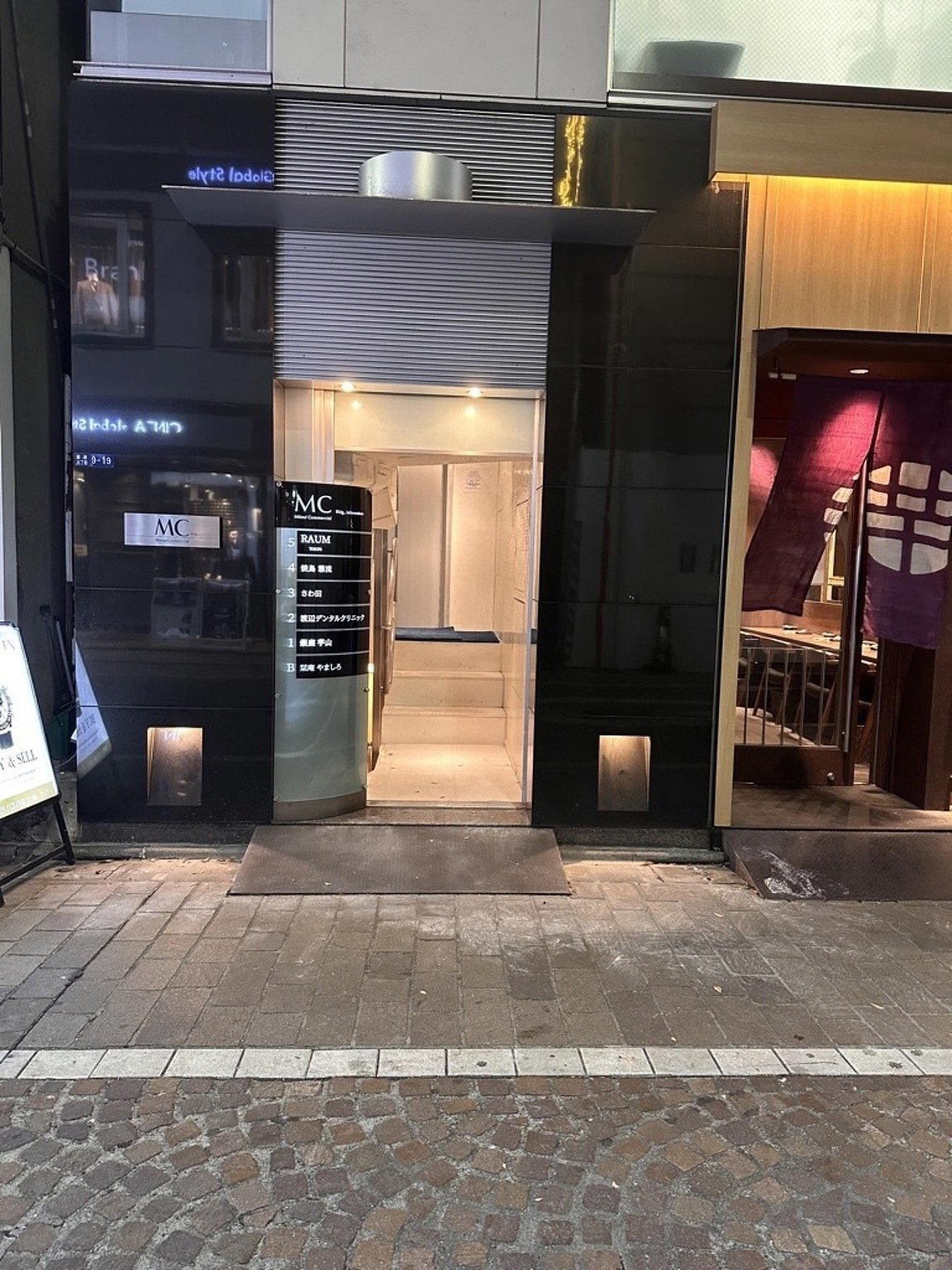
- Japan, 〒104-0041 Tokyo, Chuo City, Shintomi, 2 Chome−5−5 MSビル 1F
- Phone
- +81 50-5487-6581
- Website
- kutan.gorp.jp
- Directions
- Get directions
 Saves & bookings on Pearl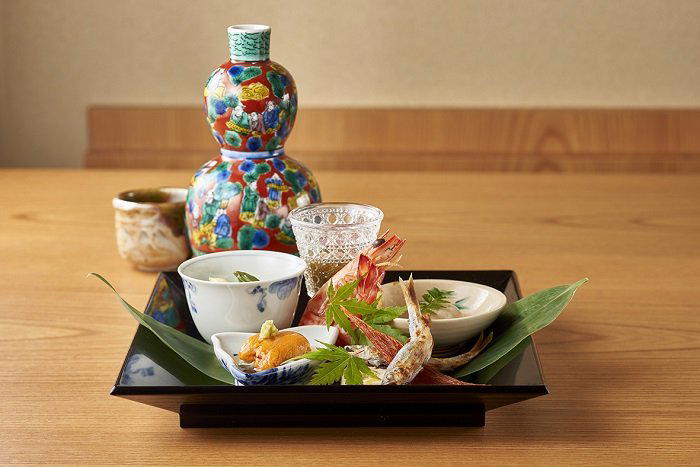
A crane-head sign against a red sun sharpens the approach to Kutan Tokyo before the room shifts into a less orthodox register: Western paintings, piped jazz, and a red-white visual code that nods to Japan without freezing the meal in ceremony. Tokyo’s high-end kaiseki counters increasingly work this way. The form stays seasonal and sequenced, but the room is tighter, the pacing clearer, and the chef’s hand closer to the guest than in the grand private-room model.
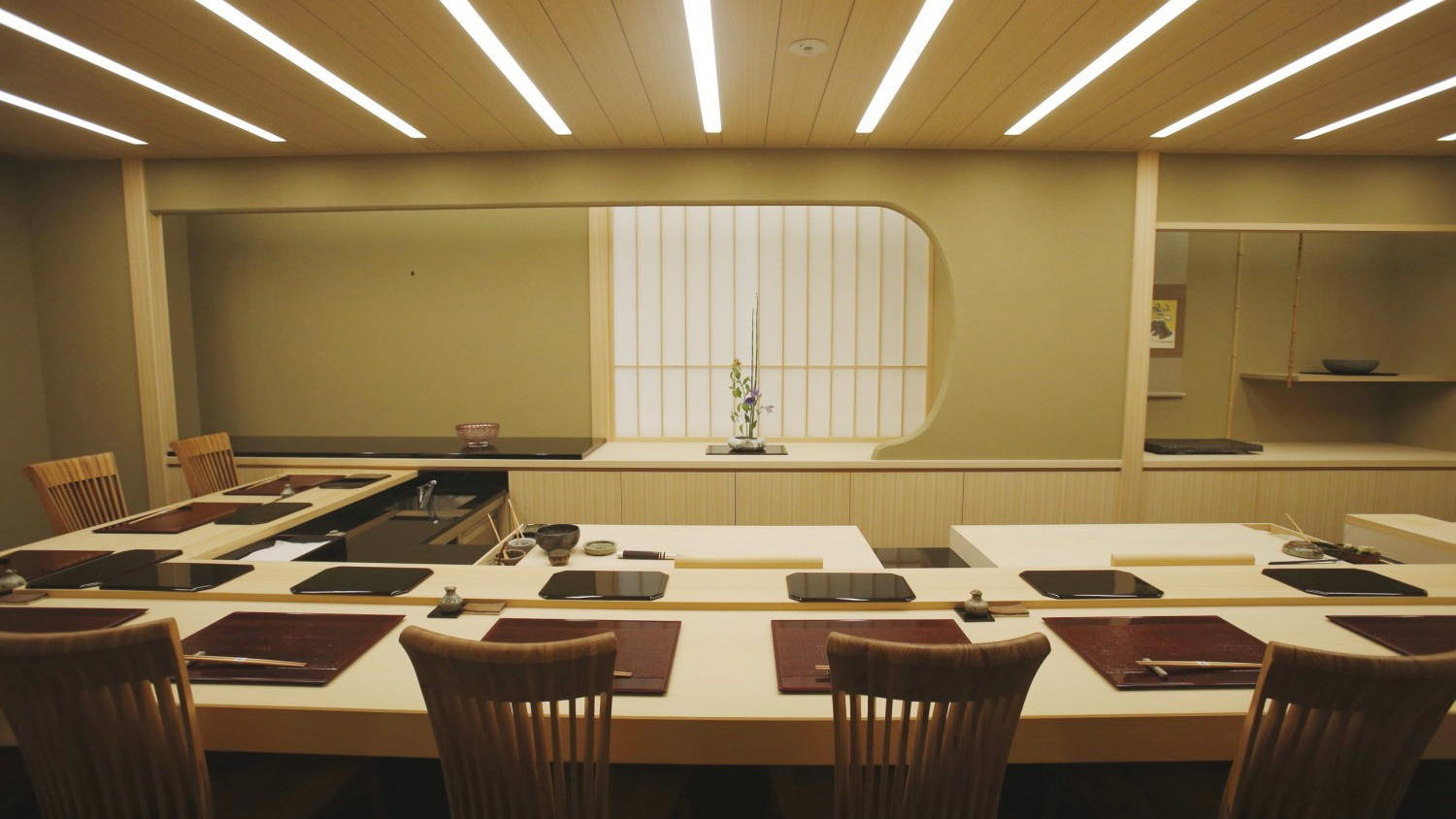
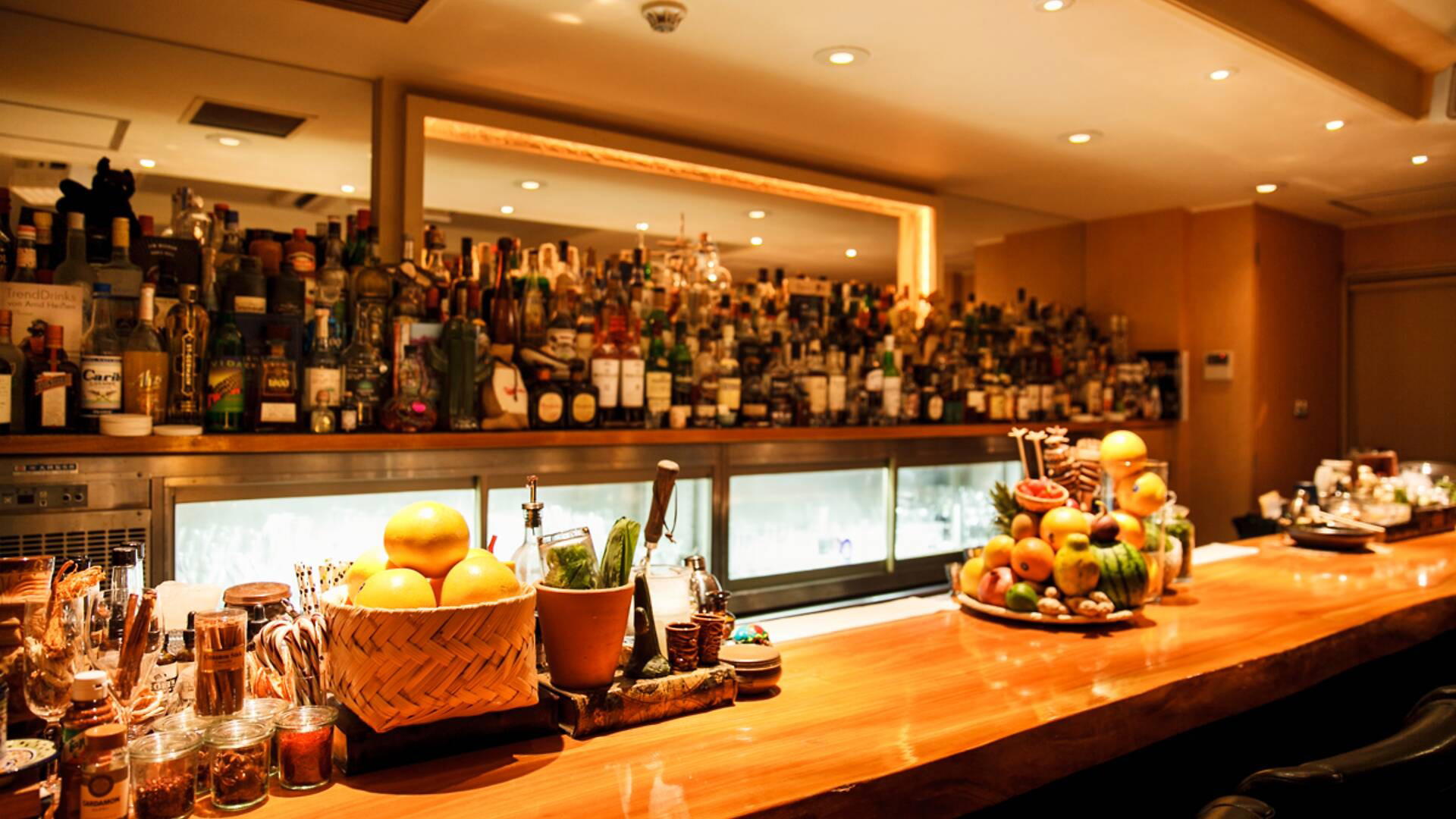
That proximity matters. Kaiseki is often discussed through calendar ingredients and Kyoto inheritance, but in Tokyo the counter has become its own stage. Knife work, plating, temperature control, and final seasoning happen within sight, turning the meal into controlled performance rather than hidden-kitchen procession. Kutan sits in that compact, high-touch category: 13 seats, split between seven counter seats and a six-seat private room, with chef Kotaro Nakajima attached to the restaurant’s identity without overwhelming the broader point. The appeal is not biography; it is how modern Japanese dining has pulled performance into the room.
Modern kaiseki with the counter in full view
Tokyo kaiseki has several registers. Ginza’s formal houses such as Ginza Kojyu, GINZA OKUDA, and Ginza Shinohara represent polished luxury, where address, lineage, and ceremony carry heavy weight. Kanda and Kohaku show another side of Tokyo Japanese dining, where precision and personal authorship meet a broader metropolitan audience. Shintomi is a quieter frame for the same conversation, close enough to Ginza to share its seriousness but less tied to grand-room expectations.
The cooking is classified as kaiseki and Japanese cuisine, yet the room’s cues suggest modern-classic interpretation rather than museum-formality. La Liste emphasizes temperature modulation, aroma, and a light feeling after dining, all sensible markers for contemporary kaiseki at this level. These are not decorative ideas. In a sequenced cuisine, the technical challenge is cumulative balance: a meal can be expensive, beautiful, and exhausting if every course fights for attention. The stronger Tokyo counters use restraint as structure, not absence.
Recognition places the restaurant firmly in the serious tier. Kutan received The Tabelog Award Bronze in 2025 and 2026, was selected for Tabelog Japanese cuisine Tokyo 100 in 2021, 2023, and 2025, and carried a Tabelog score just above 4 in recent award listings. Michelin listed it with two stars in 2024 and 2025, while La Liste scored it in the mid-80s across 2025 and 2026. Opinionated About Dining has also tracked it within Japan’s restaurant rankings across multiple years. Together, those signals matter because Japanese diners often treat platform reputation, awards, and repeat selections as separate validations rather than one interchangeable badge.
Where Shintomi changes the expectations
Shintomi gives the meal a different urban rhythm from Ginza’s more photographed corridors. The neighbourhood sits within Chuo City, close to the commercial gravity of Ginza and Tsukiji, but its dining rooms tend to feel less performatively luxurious. That helps a 13-seat Japanese counter read as serious without a theatrical entrance. The experience is compact, controlled, and expensive, but not built around steakhouse-style spectacle. The stage is quieter: service cadence, the view into preparation, and the precise point at which a dish leaves the chef’s hands.
The teppanyaki comparison is useful only as a question of live preparation, not cuisine. Teppanyaki foregrounds heat, movement, and counter-side drama; kaiseki usually hides more of its labor. At Kutan, the counter brings some of that immediacy into Japanese fine dining while keeping kaiseki grammar intact. The guest is not there for flame showmanship. The point is controlled visibility, where technique is close enough to read but disciplined enough not to become theatre for its own sake.
Price clarifies the audience. Published dinner budgets place the meal in the JPY 40,000 to JPY 49,999 range before additional spend, with a 10 percent service charge noted for course fees. That puts it beside Tokyo’s serious Japanese counters rather than casual kappo or mid-tier seasonal restaurants. Drinks are framed around sake and wine, a familiar logic for modern kaiseki: rice-based depth for Japanese structure, wine for acidity, texture, and temperature contrast. The restaurant also accepts major credit cards and selected QR payments, useful in a city where elite dining can still be uneven on payment convenience.
For broader planning, Our full Tokyo restaurants guide gives the clearest restaurant map, while Our full Tokyo hotels guide, Our full Tokyo bars guide, Our full Tokyo wineries guide, and Our full Tokyo experiences guide place dinner inside a wider itinerary. For Japanese cuisine beyond the city, useful contrasts include Gion Maruyama, Kaiseki, Japanese in Kyoto, [ki:] in Kyoto, and Aburi Hana, Kaiseki, Japanese in Toronto. Japan’s regional range is wider still, from -Grilled beef Sukiyaki- KAMAKURA TANUKIAN 鎌倉 たぬき庵 in Kamakura to.cafe in Osaka.know in Kumamoto, (Shoku) Vietnam in Kawasaki, and [Curry Senmon Ten] Maruyama Kyoju. in Sapporo.
The editorial read
Kutan is for diners who want Tokyo kaiseki at close range: not the hushed formality of a larger room, not teppanyaki’s louder performance language, and not kappo’s easy informality. Its strongest argument is concentration. Seven counter seats sharpen the relationship between preparation and service, while the private room gives small groups a more contained route through the same price tier.
Against the city’s better-known kaiseki names, Shintomi lowers the volume without lowering the stakes. The Michelin two-star listings, Tabelog Bronze awards, La Liste scores, and repeat Tabelog 100 selections all point in the same direction: this is not a casual discovery but a polished Japanese counter operating in a demanding Tokyo category. Choose it when the priority is modern kaiseki with visible craft and a compact room, rather than a grand Ginza address or a broader à la carte Japanese evening.
Peers Worth Knowing
Comparable options at the same price tier.
| Venue | Cuisine | Price | Notes |
|---|---|---|---|
| KutanThis venue — the venue you are viewing | Modern Classic Kappo-Kaiseki | $$$$ | Not listed |
| Saito | Edomae Sushi Omakase | $$$$ | Minato |
| Seizan | Modern Kaiseki | $$$$ | Chūō |
| Sukiyabashi Jiro | Edomae Omakase Sushi | $$$$ | Chūō |
| Jingumae Higuchi | Modern Japanese Kappo Omakase | $$$$ | Shibuya |
| Ensui | Modern Japanese Kaiseki | $$$$ | Meguro |
Recognition history
Dated appearances from independent guides and award organizations, with the underlying list record or original source where available.
La Liste Top Restaurants
La Liste
Michelin 2 Stars
Michelin
Opinionated About Dining Top Restaurants in Japan Highly Recommended
Opinionated About Dining
Tabelog Bronze #215
Tabelog
Black Pearl 1 Diamond
Black Pearl
La Liste Top Restaurants
La Liste
Michelin 2 Stars
Michelin
Opinionated About Dining Top Restaurants in Japan Ranked #191
Opinionated About Dining
Tabelog Bronze
Tabelog
Tabelog 100 #33 · No. 33
Tabelog · Tabelog 100 - Japanese cuisine - TOKYO - 2025
Michelin 2 Stars
Michelin
Opinionated About Dining Top Restaurants in Japan Ranked #143
Opinionated About Dining
Opinionated About Dining Top Restaurants in Japan Ranked #50
Opinionated About Dining




At a Glance
- Elegant
- Sophisticated
- Intimate
- Modern
- Celebration
- Business Dinner
- Special Occasion
- Chefs Counter
- Open Kitchen
- Private Dining
- Sake Program
- Extensive Wine List
- Local Sourcing
Current opening hours
- Monday
- 6–10 PM
- Tuesday
- 6–10 PM
- Wednesday
- 6–10 PM
- Thursday
- 6–10 PM
- Friday
- 6–10 PM
- Saturday
- 6–10 PM
- Sunday
- Closed
Hours can change for holidays and private events. Last verified .
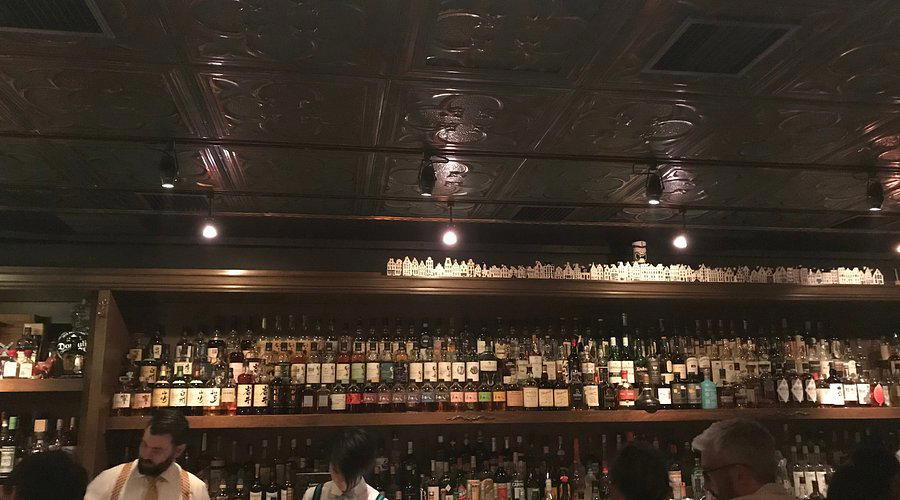
Intimate counter seating with white and vermilion decor, Western paintings, piped jazz music, and a warm, hospitable atmosphere.