
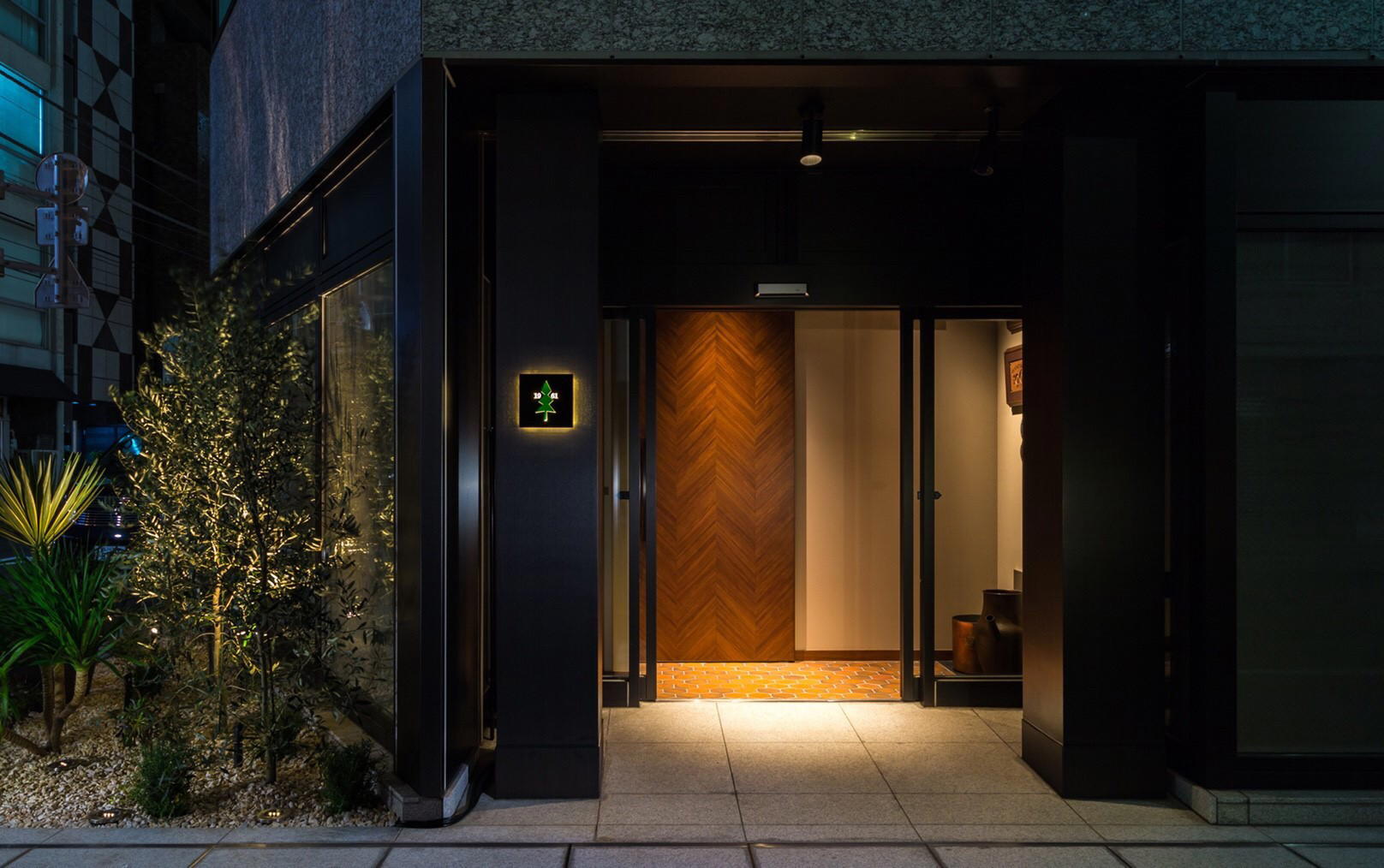
Beneath a nondescript Ginza block sits La Nuit Blanche, an 18-seat underground wine bar that operates at a deliberate remove from the district's usual high-gloss energy. The format is intimate and the mood unhurried, placing it in a small category of Tokyo drinking rooms where the wine list, not the spectacle, carries the evening. Finding it requires attention; Google Maps navigation reportedly leads visitors astray.
Pearl is the En Primeur Club membership app — saves, bookings, and concierge access live there. Same editors, same standards.
- Address
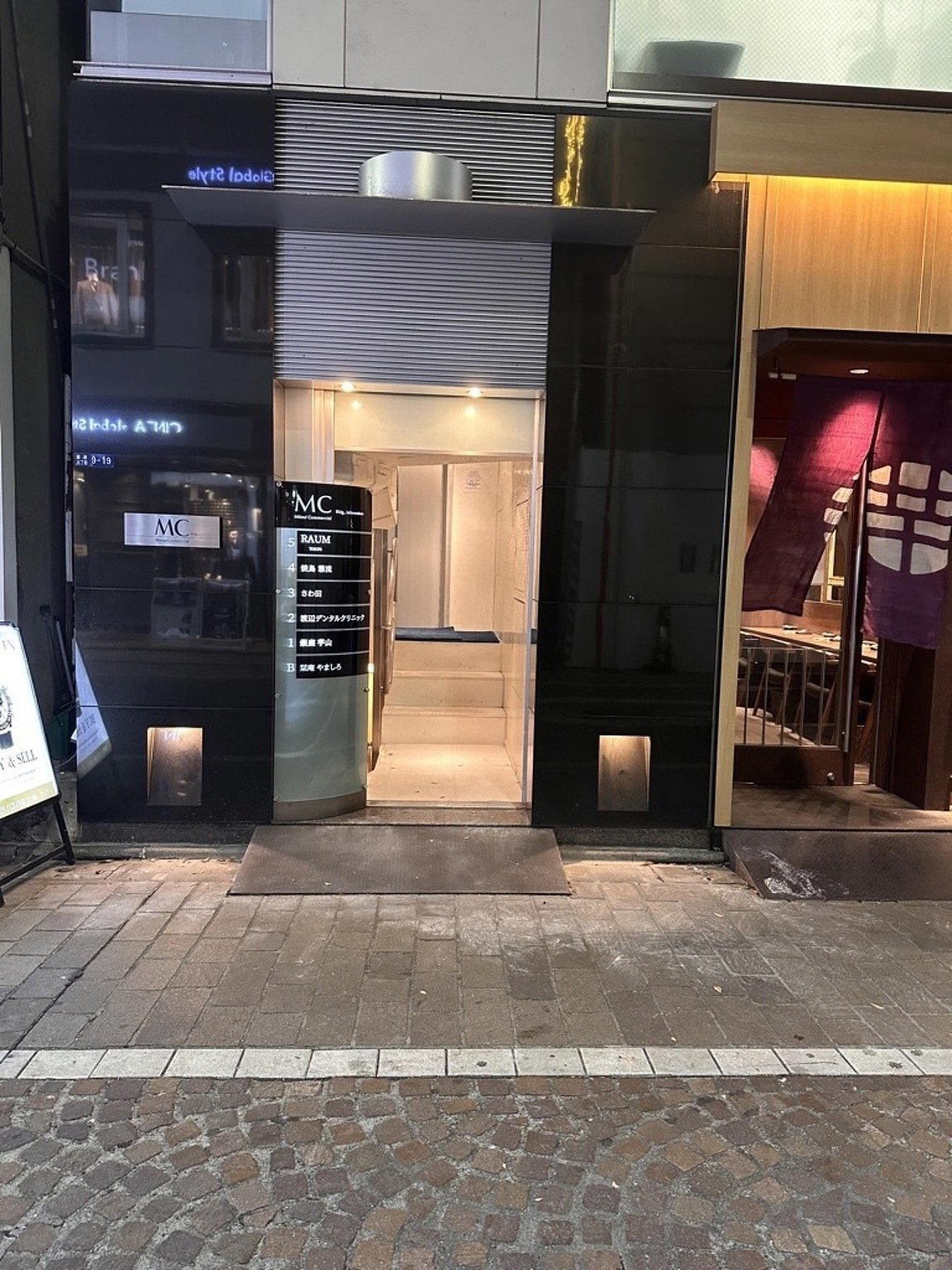
- Japan, 〒104-0061 Tokyo, Chuo City, Ginza, 7 Chome−2−8 TOKEN building, B101 地下1階 です。ピンの指し示す位置に店はありますがグーグルマップのナビゲーションを使うと間違った場所に誘導しますので使わないでください。
- Phone
- +81 3-6909-9561
- Directions
- Get directions
 Saves & bookings on Pearl
Underground Ginza, Taken Seriously
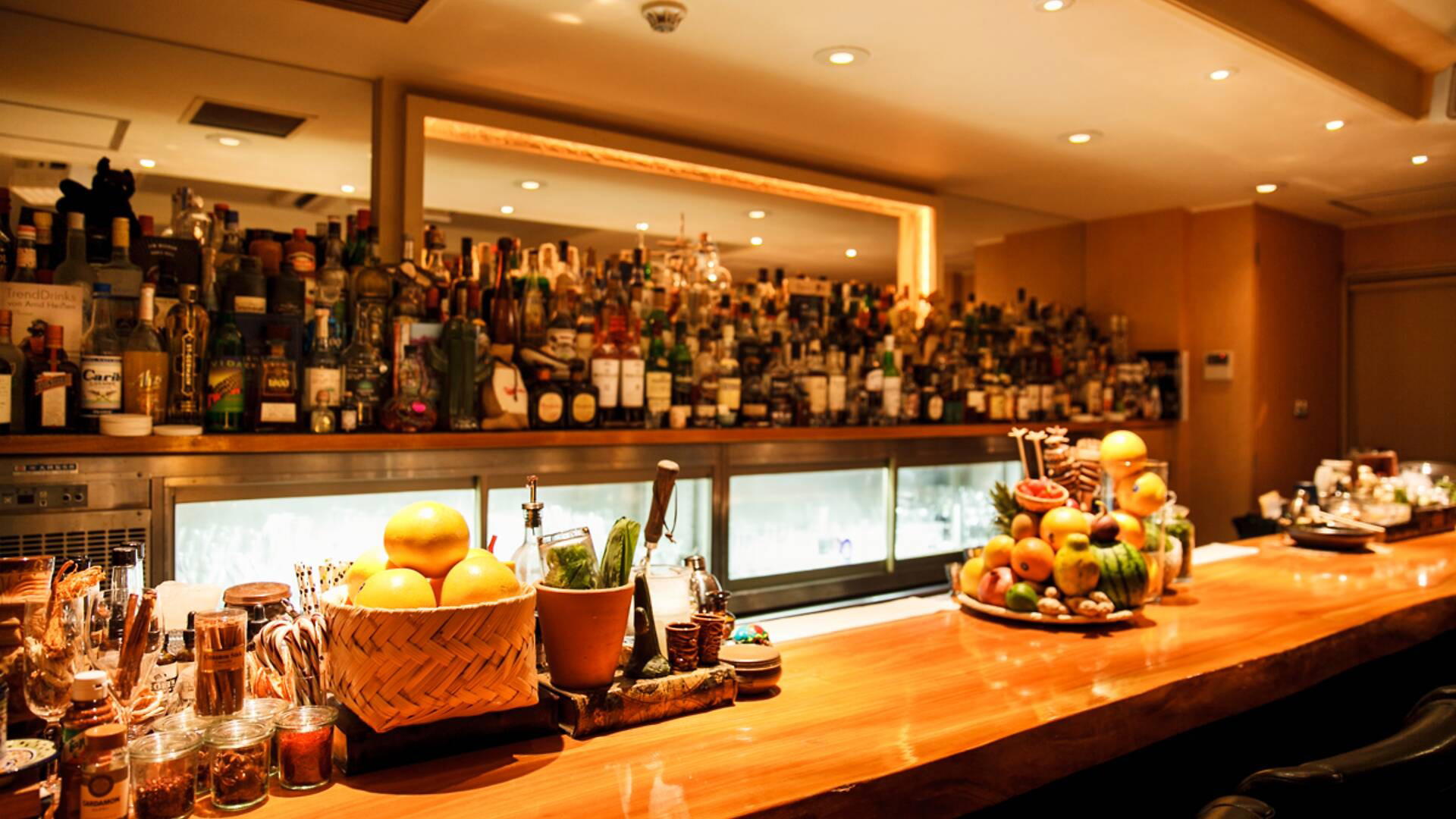
Ginza's drinking culture has always maintained a parallel track to its retail glamour. Beneath the flagship stores and the wide, traffic-heavy boulevards, a set of basement and low-key street-level bars has operated for decades on a different logic entirely: small capacity, long relationships between barman and guest, and a format where the room's quietude is a deliberate design choice rather than an accident of location. La Nuit Blanche belongs to that underground current — literally. The bar occupies basement level B101 of the TOKEN building on 7 Chome in Ginza, and the descent from street level is the first signal that what follows will be insulated from the outside world.
The speakeasy model has been applied so liberally across global cities that the term has lost most of its meaning. In Tokyo, however, the concept maps onto a pre-existing local tradition: the small, tucked-away drinking room where discretion is architectural rather than theatrical. La Nuit Blanche is a wine bar, not a cocktail den, which places it in a slightly different register from Ginza neighbours operating in the Japanese bartending tradition. Where rooms like Bar High Five and Bar Orchard Ginza carry the precise, technique-driven cocktail program that defines Tokyo's international bar reputation, La Nuit Blanche positions wine as its primary lens.
Eighteen Seats and the Discipline That Requires
Capacity at 18 seats is not a gimmick. Across Tokyo's drinking culture, that size bracket correlates with a specific kind of experience: the room is too small for ambient noise to drown out conversation, too small for a guest to feel anonymous, and small enough that the selection on offer can be curated rather than comprehensive. It also places La Nuit Blanche in the same size tier as some of the city's most deliberate bar formats, from the counter-only rooms of Shinjuku's Bar Benfiddich to the controlled-capacity approach seen at Bar Libre. The common logic across these rooms is that intimacy is a product of discipline, not accident.
For wine bars specifically, that scale matters in a practical sense. An 18-seat room cannot maintain the same by-the-glass economics as a 60-cover restaurant, which tends to push the selection toward bottles with genuine curatorial intent behind them. Guests who arrive expecting a long, laminated list of safe international labels will likely find themselves redirected toward something more considered. That is not a flaw in the format; it is the format.
Tokyo Wine Culture and Where This Bar Sits In It
Japan's wine culture has matured considerably over the past two decades, moving from a market defined by French prestige labels and department store selections toward a more nuanced appreciation of natural wine, regional European producers, and, increasingly, domestic Japanese bottles. Tokyo now supports a wine bar scene that can hold its own against comparable rooms in Paris, London, or Melbourne, though the Japanese iteration tends to emphasise precision of service and restraint of atmosphere over the casual conviviality of a European wine bar.
La Nuit Blanche sits at the intersection of imported format and local sensibility. The speakeasy framing is borrowed from Western drinking culture, but the execution, a basement room that isolates guests from the street, an 18-seat capacity that enforces quiet, the absence of obvious self-promotion, reflects something distinctly Tokyo in its approach to hospitality. This intersection of global wine culture with Japanese ideas about the right conditions for drinking well is a recurring theme in the city's better bars. You see versions of it at Bar Nayuta in Osaka and in the understated programs at Bee's Knees in Kyoto, where Western spirits or wine formats are absorbed into a Japanese hospitality logic rather than replicated wholesale.
Getting There Is Part of the Commitment
The venue's own address listing includes a candid warning: Google Maps navigation reportedly delivers visitors to the wrong location. The bar is in the TOKEN building at 7 Chome-2-8 in Ginza, basement level B101, but the pin does not behave as expected. This is not a curated mystery in the speakeasy tradition of hidden doorbells and password-protected entrances; it is a direct navigational hazard that first-time visitors should account for. Arriving in Ginza early enough to locate the building without pressure is the practical move.
Ginza Station on the Tokyo Metro serves the area from multiple exits, and the 7 Chome end of the main strip is a manageable walk from the central exits. The neighbourhood at night, once retail has closed, empties of foot traffic quickly, which makes a basement bar feel more genuinely removed from the city than its central coordinates would suggest. That quality, the sense of being properly underground while technically in one of Tokyo's most central districts, is something the bar's name trades on directly. La Nuit Blanche, white night, suggests a different relationship to time and place than the Ginza above it.
For those building a Tokyo drinking itinerary around smaller, more considered venues, the bar sits in a broader circuit. Ginza's bar culture includes both the high-formality counter programs and quieter wine-focused rooms, and the city's overall drinking geography rewards pre-planning. Our full Tokyo restaurants and bars guide maps the wider landscape. Beyond Tokyo, the same appetite for intimate, low-capacity wine and spirits rooms extends across Japan's drinking cities: Lamp Bar in Nara, Yakoboku in Kumamoto, and anchovy butter in Osaka each represent versions of this format calibrated to their own city's drinking culture. Even internationally, the model finds echoes: Bar Leather Apron in Honolulu and Kyoto Tower Sando demonstrate how the small-room, high-intention format travels across contexts.
Planning Your Visit
No phone number or website is publicly listed in available records, which is consistent with the bar's low-profile operating model. Guests planning a visit should research current booking channels through recent reviews or local sources before arrival, as walk-in availability at an 18-seat venue in Ginza on weekends cannot be assumed. The absence of a public web presence places La Nuit Blanche in a category of Tokyo venues that rely on word of mouth and repeat custom rather than online discoverability, which, in a district as saturated with options as Ginza, functions as a form of self-selection.
How La Nuit Blanche Tokyo compares with similar nearby venues.
| Venue | Awards |
|---|---|
| La Nuit Blanche | Star Wine List (2026) |
Recognition history
Dated appearances from independent guides and award organizations, with the underlying list record or original source where available.
Star Wine List
Star Wine List









At a Glance
- Cozy
- Intimate
- Sophisticated
- Date Night
- Special Occasion
- Speakeasy
- Seated Bar
- Counter Only
- Booth Seating
- Private Rooms
- Conventional Wine
Current opening hours
- Monday
- 6 PM–2 AM
- Tuesday
- 6 PM–2 AM
- Wednesday
- 6 PM–2 AM
- Thursday
- 6 PM–2 AM
- Friday
- 6 PM–2 AM
- Saturday
- 6 PM–2 AM
- Sunday
- Closed
Hours can change for holidays and private events. Last verified .
Cozy and relaxing with stylish, intimate underground space isolated from Ginza's bustle, featuring counter seating and private rooms.
Know Before You Go
- Getting there
- Japan, 〒104-0061 Tokyo, Chuo City, Ginza, 7 Chome−2−8 TOKEN building, B101 地下1階 です。ピンの指し示す位置に店はありますがグーグルマップのナビゲーションを使うと間違った場所に誘導しますので使わないでください。