Positioned in Yokohama's Minatomirai district, the Hilton Garden Inn sits within one of Japan's most deliberately planned waterfront precincts, where contemporary architecture and port-city history converge. The property offers a mid-tier entry point into a neighbourhood otherwise dominated by larger luxury addresses, making it a practical base for exploring the bay area on foot.

Pearl is the En Primeur Club membership app — saves, bookings, and concierge access live there. Same editors, same standards.
- Address
- 6 Chome-3-4 Minatomirai, Nishi Ward, Yokohama, Kanagawa 220-0012, Japan
- Phone
- +81 45-415-0500
- Website
- hilton.com
- Directions
- Get directions
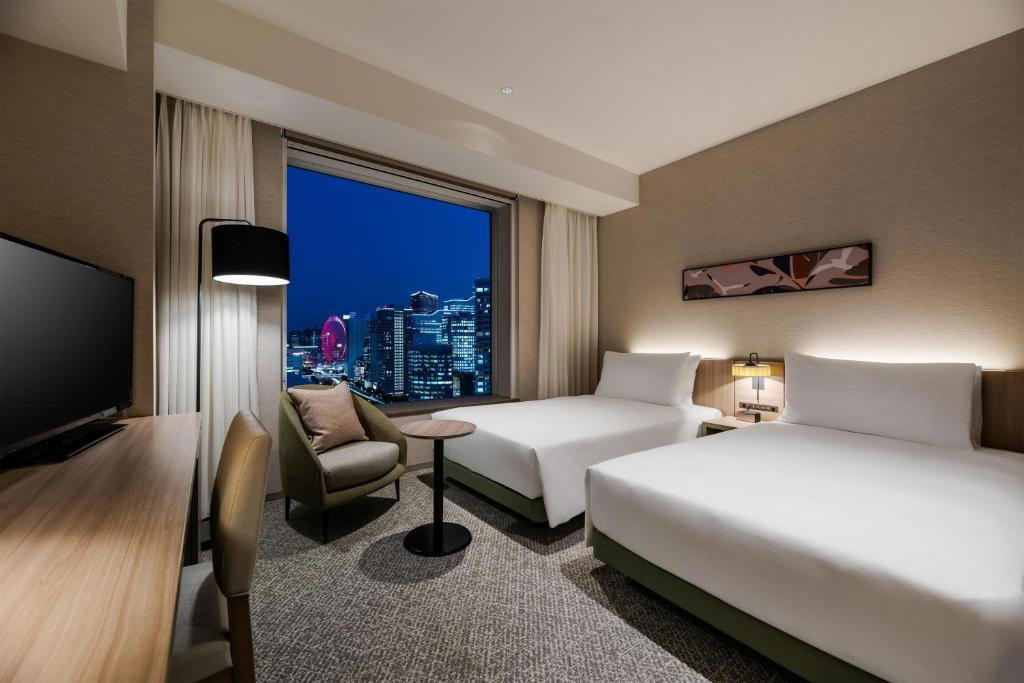
Minatomirai's Urban Grid and Where This Property Sits Within It
Yokohama's Minatomirai district was designed from scratch. Unlike the organic layering of most Japanese urban neighbourhoods, this waterfront precinct was reclaimed from the harbour in phases from the 1980s onward, built around a deliberate grid of wide boulevards, public plazas, and mixed-use towers. The visual effect is clean and open in a way that older Japanese cities rarely are: long sightlines to the bay, the Yokohama Cosmo Clock Ferris wheel visible from most street-level vantage points, and the Landmark Tower anchoring the skyline to the west. It is a neighbourhood that reads as architecture first, history second.
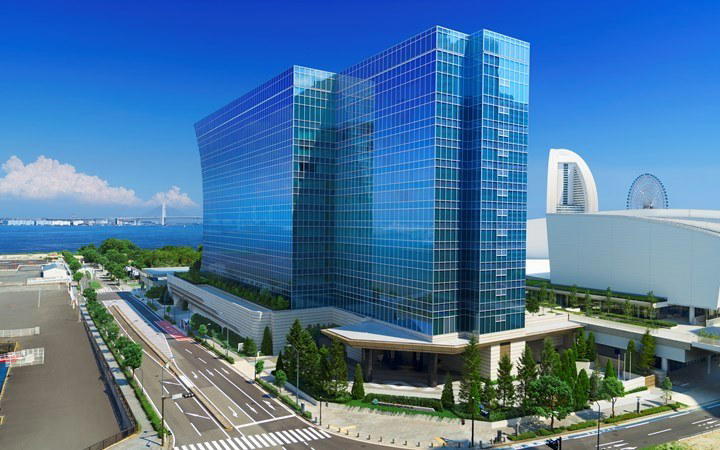
The Hilton Garden Inn Yokohama Minatomirai, at 6 Chome-3-4 Minatomirai in Nishi Ward, occupies a position within this planned precinct that reflects the district's broader hotel tier structure. Minatomirai accommodates a wide range from large luxury towers to business-class mid-range properties, and the Hilton Garden Inn brand internationally positions itself in the upper-midscale segment: consistent global standards, functional design, and proximity to transit and amenities rather than destination-level amenity stacks. In this district, that positioning is meaningful because the neighbourhood does the work that an amenity-heavy resort would otherwise have to do: the Yokohama Museum of Art, the Nippon Maru Memorial Park, and direct water access are all within walking distance.
The Architecture of a Planned District and What It Asks of Its Hotels
In a precinct like Minatomirai, where the public realm is well-resourced and the street grid is walkable, the design logic of a mid-tier hotel shifts. A property does not need to generate atmosphere internally to the same degree it would in a less well-developed neighbourhood. The surrounding built environment, largely the work of post-1980s Japanese urban planning and the handful of landmark buildings that define Minatomirai's identity, functions as an extension of the hotel's offer. Guests arrive in a place that already has visual and spatial coherence; the hotel's architectural job is to integrate cleanly rather than to compete.
Internationally, Hilton Garden Inn properties tend toward contemporary commercial design: efficient floor plates, neutral palettes, and function-led room configurations. In a district as architecturally self-conscious as Minatomirai, this approach has a logic to it. The property is not trying to out-design Yokohama's waterfront; it is offering a clean, reliable container from which to engage with it. That is a distinct position from what a property like the InterContinental Yokohama Pier 8 or The Yokohama Bay Hotel Tokyu occupies, both of which carry stronger architectural identities and operate at higher price points.
Minatomirai's hotel market stratifies clearly. At the upper end, properties like The Kahala Hotel & Resort Yokohama and the Hotel New Grand carry heritage, design, and service credentials that support premium rate positions. The Hilton Garden Inn operates below that tier, offering brand reliability and location efficiency for travellers whose priority is access to the city rather than the hotel as an experience in itself.
That positioning has practical consequences for how you should think about the stay. Branded mid-range properties in Japanese cities typically deliver on room cleanliness, bed quality, and efficient front-desk operations, areas where Japan's hospitality standards across all tiers tend to run high. What they do not typically deliver is the spatial generosity, distinct culinary programming, or design narrative that defines the upper tier in a market like Minatomirai. If those elements matter to the trip, the comparison set widens: across Japan, properties like Gora Kadan in Hakone, Zaborin in Kutchan, or Benesse House in Naoshima represent the tier where architecture and experience become the primary offer. For Yokohama itself, The Kahala Hotel & Resort Yokohama sits at the apex of that design-led positioning in the current market.
Neighbourhood Access as the Defining Amenity
The Minatomirai address is the clearest argument for this property. The district is connected to central Yokohama and to Yokohama Station via the Minatomirai Line, and from Yokohama Station, Shinkansen connections and Tokyo-bound rapid services run frequently. For travellers treating Yokohama as a day-trip extension of a Tokyo base, or as a short overnight stop between Tokyo and further west, the location compresses logistics considerably. The Minato Mirai district is also one of the more walkable concentrated zones in greater Tokyo's satellite cities: the waterfront promenade, Yokohama Chinatown (a short journey east into the Kannai district), and the Akarenga warehouse district are all accessible without relying on taxis or additional rail transfers.
Japanese hotels across all price brackets tend to execute on proximity and convenience at a higher baseline than equivalent-tier properties in Europe or North America. A mid-range Hilton Garden Inn in this location benefits from that systemic quality floor: the transport infrastructure is reliable, the surrounding retail and dining options are dense, and the general urban environment is safe and legible for first-time visitors. The neighbourhood context, in other words, does compensatory work for anything the property itself does not provide. For travellers with a broader Japan itinerary that might include properties like Halekulani Okinawa, Amanemu in Mie, or Fufu Kawaguchiko, the Hilton Garden Inn functions as an efficient urban node rather than a destination in itself.
Planning Your Stay
The property sits in Nishi Ward, with Minatomirai's main public transport hub within walking distance and direct rail access to Yokohama Station. For travellers arriving from Tokyo (approximately 30 minutes by express from Shibuya on the Tokyu Toyoko Line, or via Yokohama Station), the area is direct to reach without a taxi. The district's main attractions cluster tightly enough that a two-night stay covers the waterfront area thoroughly; for a longer Yokohama programme incorporating Chinatown, the Sankei-en Garden, and Kanazawa-ku's coastline, three nights is more appropriate.
| Venue | Cuisine | Price | Awards |
|---|---|---|---|
| Hilton Garden Inn Yokohama MinatomiraiThis venue — the venue you are viewing | This venue | $100–200 | Not listed |
| The Kahala Hotel & Resort Yokohama | Not listed | Not listed | 1 Michelin Key · Forbes Recommended |
| Hotel New Grand | Not listed | $100–200 | Preferred Hotels Member |
| InterContinental Yokohama Pier 8 | Not listed | Not listed | 1 Michelin Key |
| The Yokohama Bay Hotel Tokyu | Not listed | $100–200 | Preferred Hotels Member |











Details
- Modern
- Scenic
- Business Trip
- Family Vacation
- Weekend Escape
- Waterfront
- Panoramic View
- Wi Fi
- Fitness Center
- Concierge
- 24 Hour Front Desk
- Room Service
- Business Center
- Waterfront
- Skyline
- Elevator
- Wheelchair Accessible
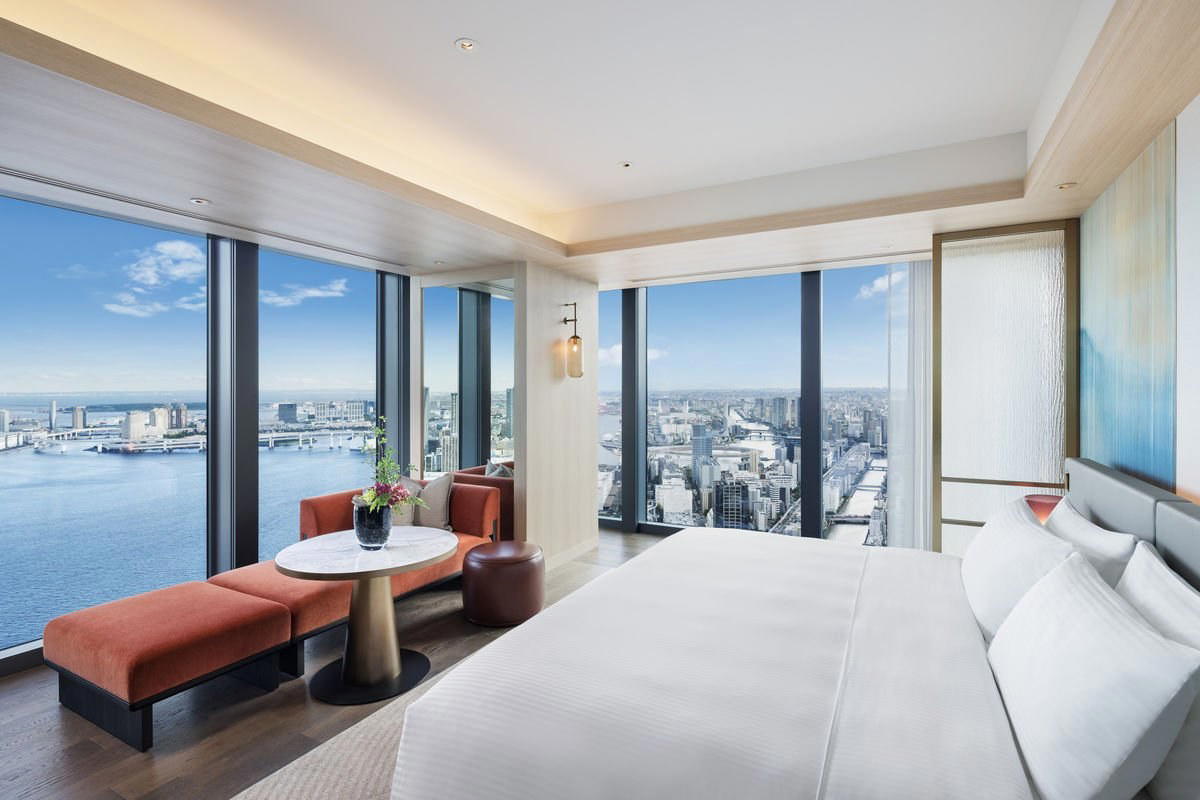
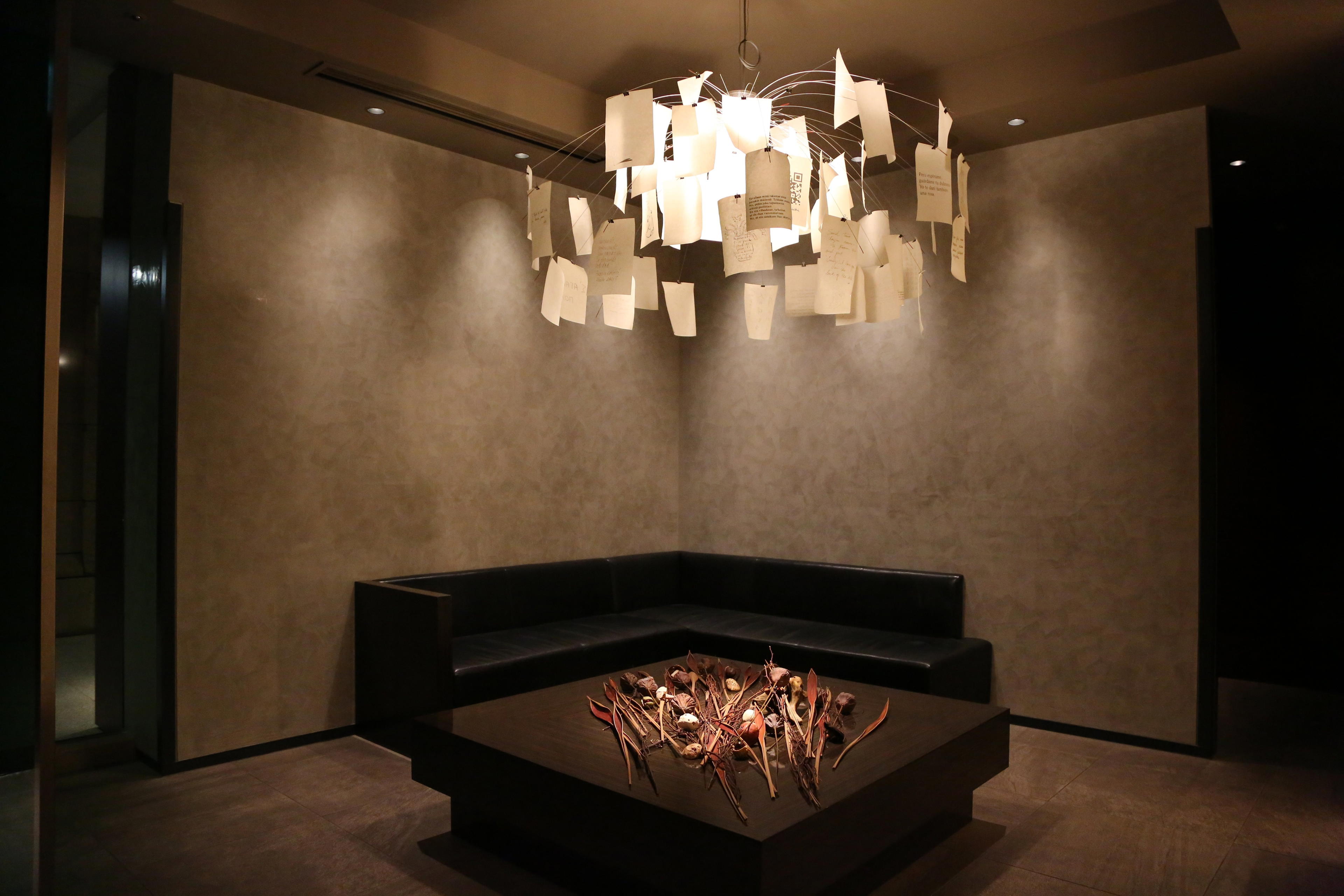
Bright, modern, and contemporary with clean lines and minimalist design; waterfront setting provides lively day-to-night atmosphere with bay views.