
1 Michelin Key
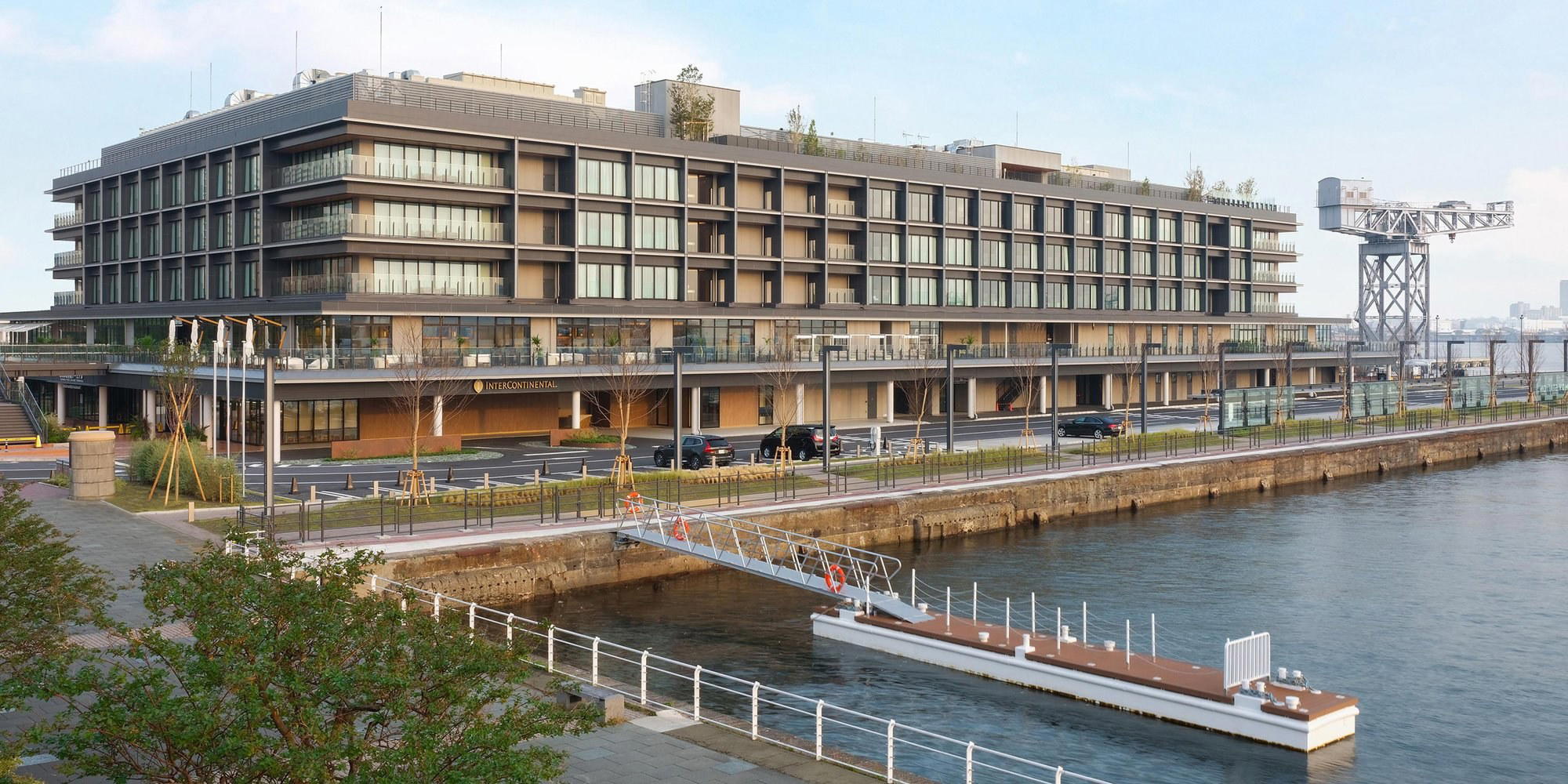
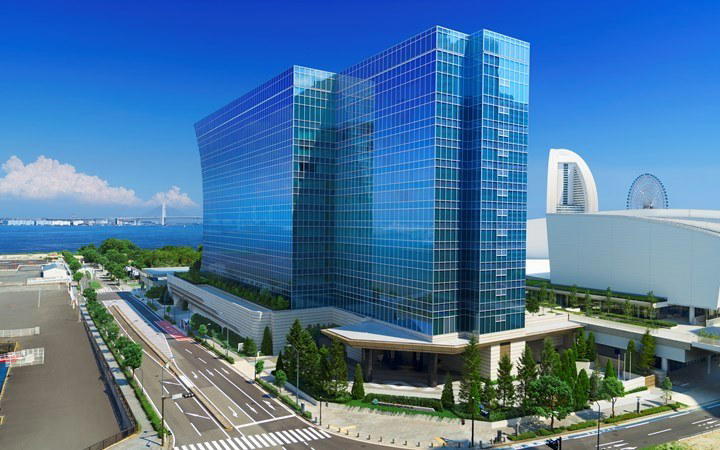
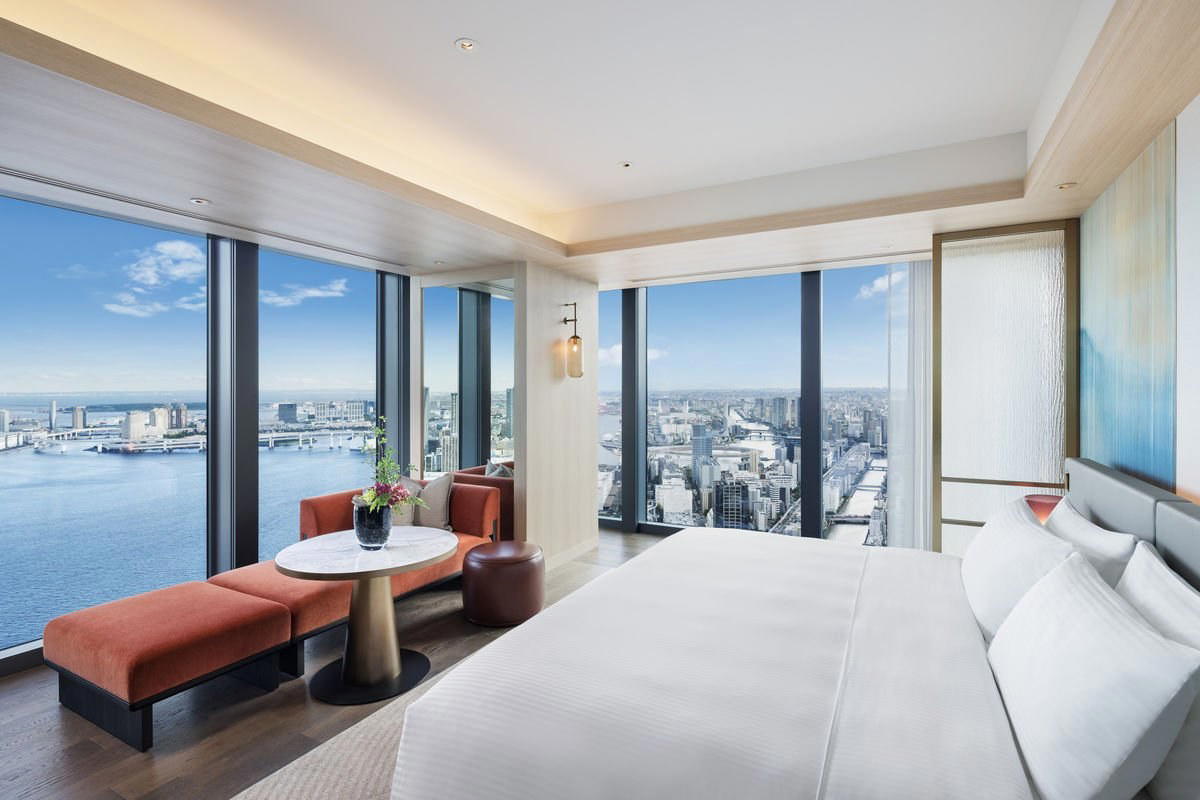
Positioned on Yokohama's Pier 8 development, the InterContinental occupies one of the city's most strategically placed waterfront addresses, with 173 rooms designed around the harbor's maritime palette — driftwood tones, aquamarine, and floor-to-ceiling views across the bay bridge, the Ferris wheel, and the working marine traffic below. Rates from $259 per night place it in Yokohama's upper luxury tier, with serious business facilities and direct access to the Hammerhead Shopping Mall dining circuit.

Pearl is the En Primeur Club membership app — saves, bookings, and concierge access live there. Same editors, same standards.
- Address
- 2-chōme-14-1 Shinkō, Naka Ward, Yokohama, Kanagawa 231-0001
- Phone
- +81 45-307-1111
- Website
- ihg.com
- Directions
- Get directions
Harbor Position, Physical Presence
Yokohama's waterfront has always been defined by the tension between its working port identity and its aspirations as a cosmopolitan destination. The Pier 8 development sits at the sharper end of that tension, occupying reclaimed land in Naka Ward where container logistics once dominated and where the city has since stacked leisure infrastructure in deliberate layers. Approaching the InterContinental from the Hammerhead promenade, what registers first is the relationship between the building and the water. The bay bridge arcs in the background, the Ferris wheel at Cosmo World marks the skyline to one side, and the marine traffic — tugs, ferries, the occasional container vessel — moves through the frame at all hours. The hotel does not compete with that view; its facade absorbs it, and the interior takes its cues directly from the harbor palette outside.
The design language is deliberate without being decorative in any forced sense. Blonde wood, driftwood finishes, and aquamarine tones run through the public spaces and into the 173 rooms, functioning less as a decorative gesture and more as an extension of the geography. This is a detail that matters in Yokohama's luxury hotel market, where competitors position themselves against different reference points. The Hotel New Grand, for instance, draws on its 1927 heritage and Yamashita Park address to anchor a European-influenced grandeur. The The Yokohama Bay Hotel Tokyu and the The Kahala Hotel & Resort Yokohama compete in a similar waterfront tier. The InterContinental's distinction is its location on the pier itself, which removes the mediated harbor view, there is no road, no promenade, no intervening structure, and replaces it with water on multiple sightlines.
What the Guest Experience Is Built Around
At this tier of Yokohama hospitality, the service architecture tends to function on anticipatory logic rather than transactional efficiency. The InterContinental's position within a large international brand brings with it the infrastructure of that system, loyalty recognition, standardized onboarding, documented guest preferences carried across stays, applied here to a property that has a distinct physical character rather than a generic urban footprint. For business travelers, who form a meaningful portion of the hotel's clientele given its proximity to Yokohama's Minato Mirai commercial district, this matters: the first-rate business facilities are not a footnote but a structural feature of the offering.
The Hammerhead Shopping Mall connection deserves more than a passing mention. Direct access to a retail and dining complex of that breadth, ramen, pizzeria, New American, and more, functions as an extension of the hotel's own service range without requiring the hotel to maintain an equivalent F&B program itself. For guests arriving after long international flights through Haneda or Narita, or after late meetings in Yokohama's business districts, the ability to find a credible ramen bowl or a proper pizza at the property boundary is a logistical convenience that changes the calculus of an evening. The hotel occupies a position where urban convenience and waterfront atmosphere are not in conflict.
Yokohama as Context
Japan's luxury hotel geography has diversified significantly in recent years, with new openings in Tokyo, Kyoto, and a range of resort destinations pulling attention toward properties that offer either urban prestige or deep-nature immersion. Within that spread, Yokohama occupies a specific niche: a port city with genuine cosmopolitan history, close enough to Tokyo to function as a satellite stay, but with an independent identity grounded in its Meiji-era treaty port legacy and its Chinatown, one of Asia's largest. The Hilton Garden Inn Yokohama Minatomirai targets a different segment in the same neighborhood, while the InterContinental's positioning on Pier 8 gives it an address with more direct waterfront authority.
Travelers calibrating Yokohama against Japan's broader luxury hotel market will find that city-adjacent properties here offer a different value proposition than ryokan or resort formats elsewhere in the country. Properties like Gora Kadan in Hakone, Asaba in Izu, or Zaborin in Kutchan operate in the tradition-led, low-key-luxury segment where design and setting substitute for urban convenience. At the other end, properties like Bvlgari Hotel Tokyo or HOTEL THE MITSUI KYOTO compete in the urban prestige tier with brand-heritage positioning. The InterContinental Yokohama Pier 8 sits between those poles: internationally branded, waterfront-positioned, city-connected, and priced from $259 per night across 173 rooms in a range that is accessible within the broader luxury tier rather than occupying its absolute ceiling.
For those interested in exploring Japan's wider luxury hotel geography, Amanemu in Mie, Benesse House in Naoshima, Halekulani Okinawa, ENOWA Yufu in Yufu, Fufu Kawaguchiko, Fufu Nikko, Jusandi in Ishigaki, Nishimuraya Honkan, Sekitei in Hatsukaichi-shi, ANA InterContinental Beppu Resort & Spa, Araya Totoan in Kaga, and Atami Izusan Karaku represent the range of formats available. Internationally, the The Fifth Avenue Hotel in New York City, Aman New York, and Aman Venice offer points of comparison for travelers who hold waterfront and urban positioning as central criteria. See our full Yokohama restaurants guide for dining context beyond the hotel.
Planning a Stay
The hotel's address at 2-chōme-14-1 Shinkō, Naka Ward places it within walking distance of Minato Mirai's commercial and cultural attractions, including the Landmark Tower and the Yokohama Museum of Art. For travelers arriving by rail, Bashamichi Station on the Minatomirai Line and Sakuragicho Station on the JR Negishi Line both place the Pier 8 area within a short walk or taxi. Haneda Airport connects to central Yokohama in roughly 25 to 30 minutes by train, making this a realistic choice for travelers who want Yokohama as their base for a Tokyo-area itinerary. Rates from $259 per night represent an entry point into the hotel's inventory, with harbor-facing rooms commanding a premium that is consistent with waterfront properties across this tier globally.
Cuisine and Credentials
Comparable venues nearby, for context on price, style, and recognition.
| Venue | Cuisine | Price | Awards | Notes |
|---|---|---|---|---|
| InterContinental Yokohama Pier 8This venue — the venue you are viewing | Nautical-inspired luxury hotel blending maritime heritage with modern Japanese serenity | Not listed | 1 Michelin Key | Not listed |
| The Kahala Hotel & Resort Yokohama | Hawaiian-inspired urban resort | Not listed | 1 Michelin Key · Forbes Recommended | Nishi |
| Hyatt Regency Yokohama | Modern luxury blending historic port aesthetics | $100–200 | Michelin Selected | Naka |
| The Yokohama Bay Hotel Tokyu | Urban luxury high-rise with panoramic bay views | $100–200 | Preferred Hotels Member | Nishi |
| Hotel New Grand | Classic luxury heritage hotel with contemporary tower addition, blending traditional Japanese hospitality with modern international standards. | $100–200 | Preferred Hotels Member | Naka |
| Hilton Garden Inn Yokohama Minatomirai | Contemporary business-focused hotel with modern design elements and waterfront positioning. | $100–200 | Not listed | Nishi |
Recognition history
Dated appearances from independent guides and award organizations, with the underlying list record or original source where available.
Michelin 1 Key
Michelin
Full recognition history (2 entries)
Michelin 1 Key
Michelin










Details
- Elegant
- Modern
- Sophisticated
- Scenic
- Romantic Getaway
- Business Trip
- Weekend Escape
- Waterfront
- Panoramic View
- Rooftop Pool
- Terrace
- Wi Fi
- Fitness Center
- Room Service
- Concierge
- Spa
- Valet Parking
- EV Charging
- Waterfront
- Skyline
- Wheelchair Accessible
- Elevator
- Step Free Entrance
- Accessible Parking
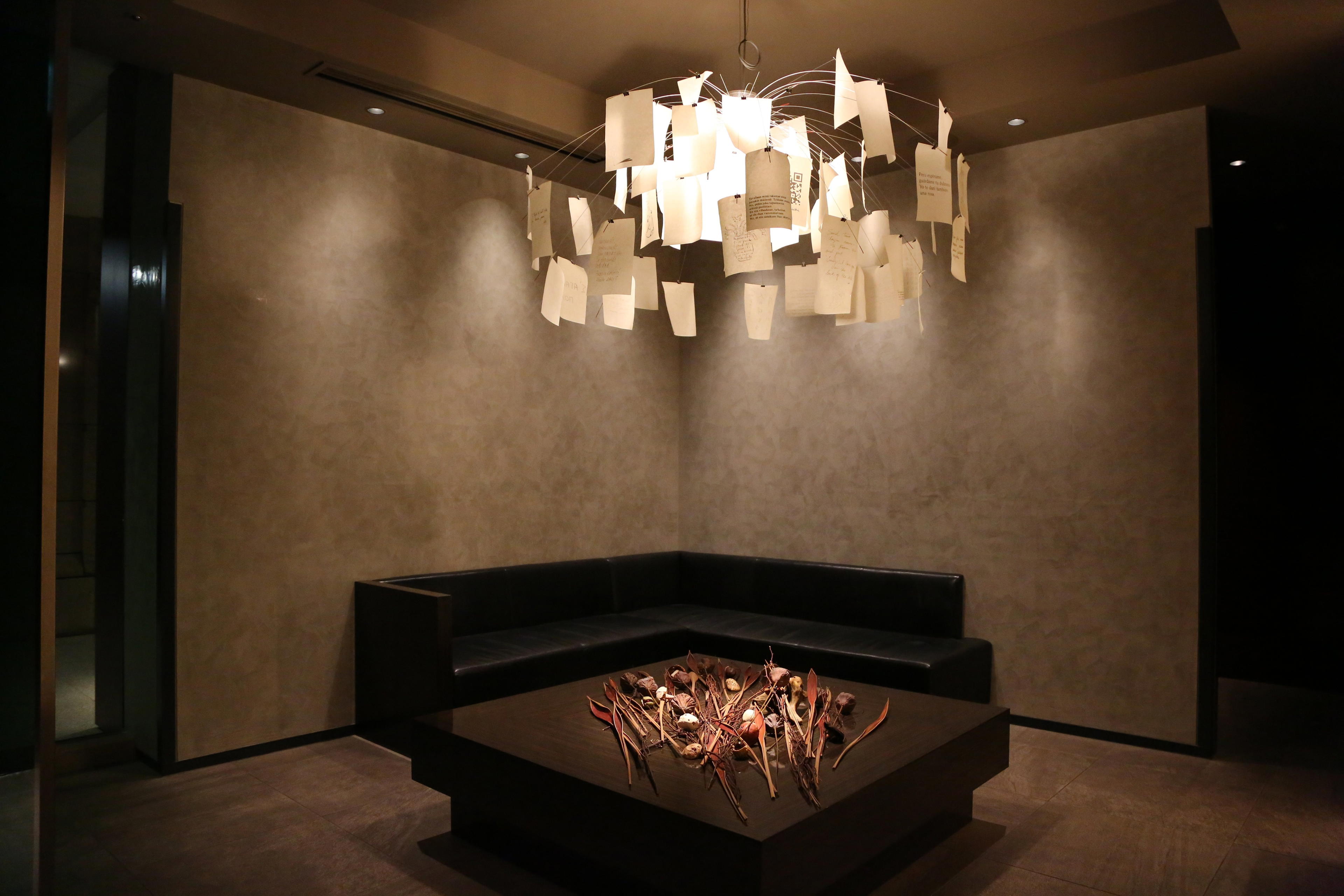
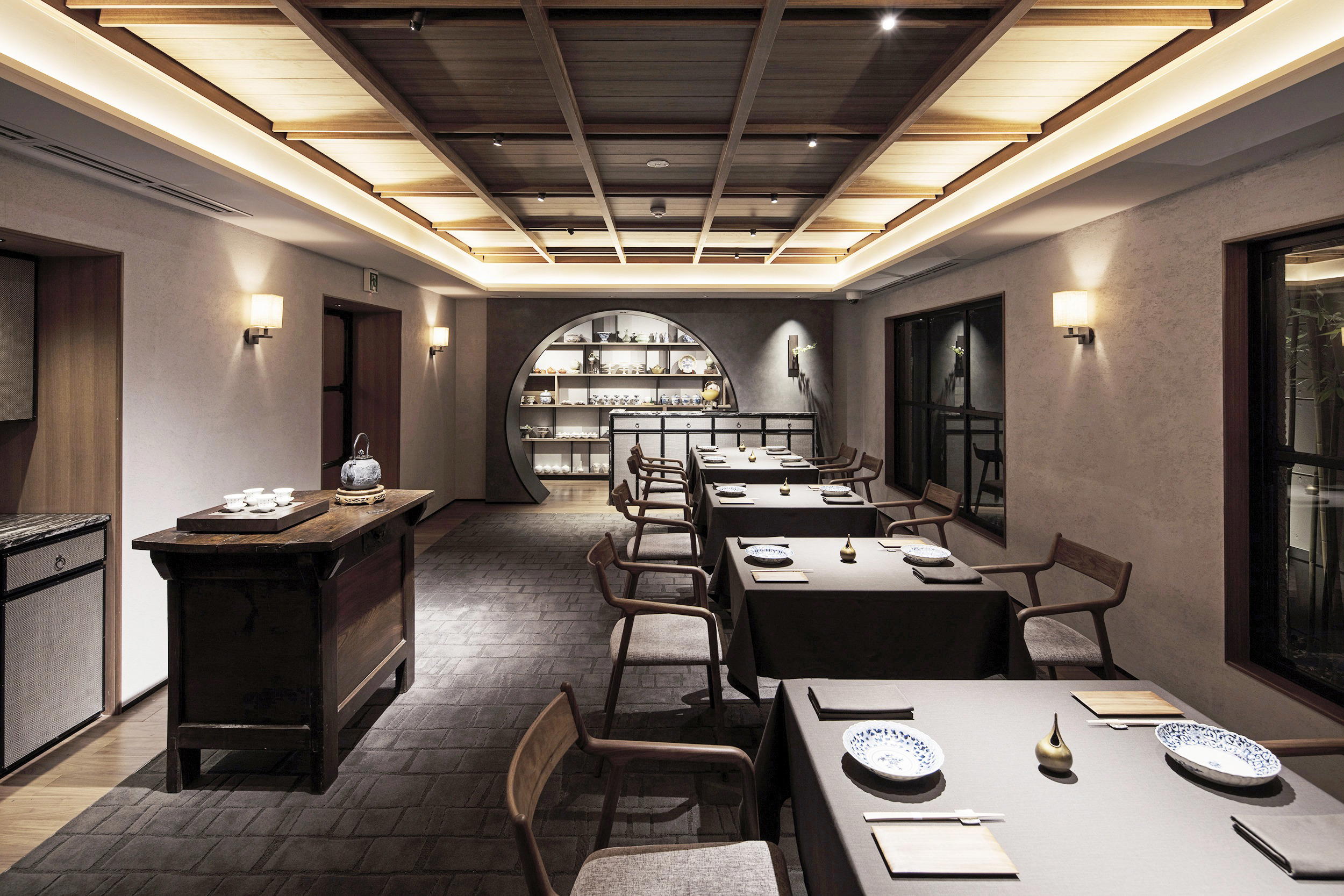
Elegant nautical interiors with serene Japanese garden elements, warm lighting, and harbor views creating a sophisticated urban oasis.