
Michelin Selected
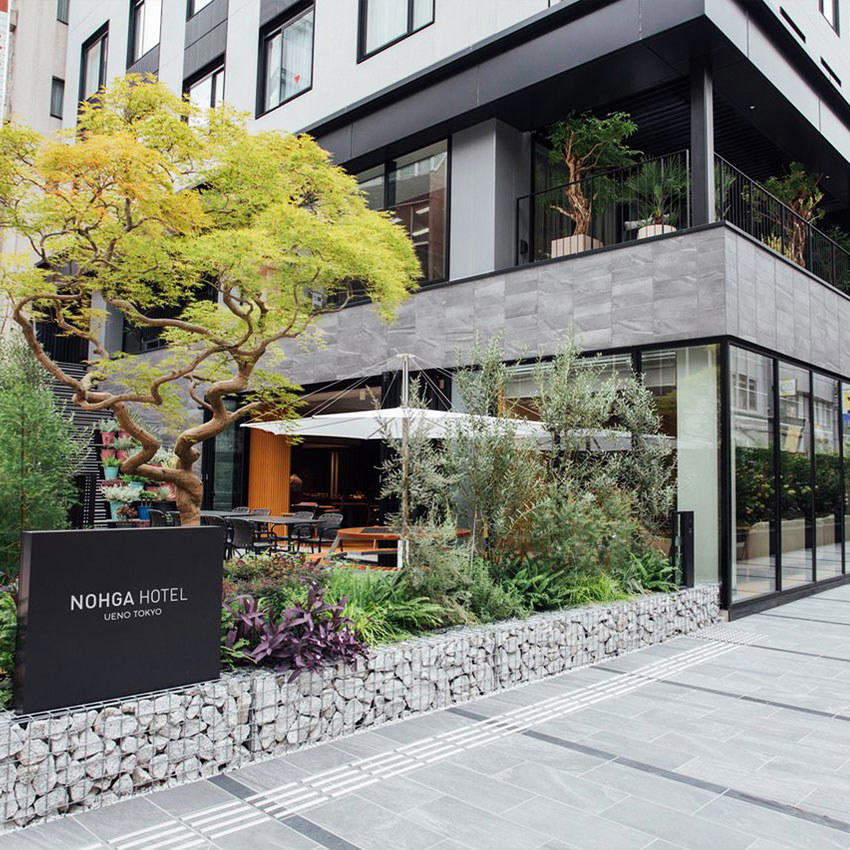
A Michelin Selected hotel in Tokyo's Taito-ku district, Nohga Hotel Ueno Tokyo occupies a neighbourhood more associated with museum culture and traditional shitamachi character than high-design lodging. Its inclusion in the Michelin Hotels guide positions it as a considered alternative to the capital's larger luxury towers, offering design-led accommodation within walking distance of Ueno Park and the cultural infrastructure surrounding it.

Pearl is the En Primeur Club membership app, where members save venues, book tables and use the concierge.
Ueno's Design Tier: Where the Hotel Sits
Tokyo's hotel market has long sorted itself by district. Marunouchi and Otemachi hold the financial-district trophy properties, from Aman Tokyo and the Four Seasons Hotel Tokyo at Otemachi to the Palace Hotel Tokyo. Minato-ku has absorbed the international luxury flagships, including Bvlgari Hotel Tokyo and JANU Tokyo. Taito-ku, the ward that contains Ueno, has historically sat outside both conversations. It is older Tokyo, shitamachi in character, built around temples, market streets, and the dense cultural cluster of Ueno Park's museums and concert halls rather than corporate towers or retail flagships.
Nohga Hotel Ueno Tokyo, holding a Michelin Selected designation in the 2025 Michelin Hotels guide, represents the design-led accommodation that has begun to arrive in such neighbourhoods as Tokyo's premium hospitality footprint expands beyond its traditional quadrants. The Michelin Selected tier is not starred, but it signals deliberate curation: properties earn inclusion based on comfort, character, and quality of experience rather than scale or brand recognition. In Ueno, that distinction carries additional weight because the local competitive set has been thin. This is not a hotel surrounded by peers of equivalent ambition.
The Physical Approach: Higashiueno and Its Context
The address, 2-21-10 Higashiueno, sits east of the park itself, in a part of Taito-ku where traditional shopfronts, wholesale districts, and residential streets mix with newer construction. Approaching from Ueno Station, the transition from the station's commercial energy to the quieter residential grain of Higashiueno is fast. The area reads as a working neighbourhood that has absorbed selective investment without being transformed by it, which shapes how any design-led property here reads against its surroundings.
Tokyo's current wave of design hotels has tended toward two formats: the high-floor urban tower with panoramic positioning, as exemplified by Bellustar Tokyo in Shinjuku or Andaz Tokyo above Toranomon Hills, and the smaller-footprint, neighbourhood-embedded property that draws its identity from proximity to cultural fabric rather than altitude or skyline. Nohga Hotel Ueno Tokyo belongs to the second category. The editorial case for that format in Ueno is direct: the neighbourhood's density of cultural infrastructure, from the Tokyo National Museum and the National Museum of Western Art to Ueno Zoo and multiple concert venues, gives a design-led hotel genuine programming adjacency that a tower in a corporate district cannot replicate.
Design Philosophy and Aesthetic Identity
The broader shift in Japanese hospitality design over the past decade has moved away from the rigidly minimalist aesthetic that dominated internationally during the early 2000s and toward something more materially specific: spaces that use domestic crafts, regional materials, and references to local urban or natural history as structural design elements rather than decorative afterthoughts. Properties like Benesse House on Naoshima set a precedent for art-integrated lodging in Japan. Ryokan formats across the country, from Gora Kadan in Hakone to Zaborin in Kutchan, have long demonstrated that the physical environment of a room is itself an argument for the stay.
Urban hotels in Tokyo are catching up. The EA-HT-01 design frame that applies to Nohga Hotel Ueno Tokyo asks how the physical space functions as the primary editorial argument for the property. In Ueno, the design vocabulary most relevant to the hotel's positioning is that of shitamachi heritage filtered through a contemporary lens: not preservation or pastiche, but a material literacy that acknowledges the neighbourhood's layered history. Whether Nohga executes that vocabulary at the level of Japan's most design-committed small hotels is a question the space itself must answer on arrival.
Planning the Stay: Practical Orientation
Ueno Station is the functional transport anchor for a stay here. JR lines, Tokyo Metro Ginza Line, and Hibiya Line all converge at or near Ueno, which means the hotel offers access to Asakusa in under five minutes, Akihabara in two stops, and central Yamanote Line destinations including Shibuya and Shinjuku within thirty minutes. For a first-time visitor to Tokyo structuring days around the city's spread, Taito-ku is one of the more efficiently positioned bases on the eastern side of the loop.
Cherry blossom season in late March and early April transforms Ueno Park into one of the city's most visited public spaces, which affects the entire neighbourhood's energy and accommodation pricing. Planning a stay during hanami period requires significantly more lead time than off-peak months; the same applies to Golden Week in late April and early May. Outside those windows, Taito-ku accommodates visitors with considerably less friction than the central entertainment districts. For those building wider Japan itineraries, the Shinkansen connections from Tokyo Station link efficiently to Kyoto and beyond, while day-trip range includes Nikko and Fujikawaguchiko.
For dining context around the stay, our full Tokyo restaurants guide covers the city's dining range across all price tiers and neighbourhoods. The Taito-ku area itself has a strong mid-range food culture centred on Ameyoko market and the surrounding streets, with ramen, yakitori, and tempura specialists embedded in the neighbourhood's commercial fabric.
Within Tokyo's Michelin Selected hotel tier, Nohga Hotel Ueno Tokyo occupies a specific subcategory: the urban design property positioned in a culturally rich but hotel-light neighbourhood. Its peers are not the major luxury towers at The Capitol Hotel Tokyu or the branded flagships elsewhere in the city. The more relevant comparison is to internationally recognised design-forward boutique formats in other cities, such as The Fifth Avenue Hotel in New York City, where the neighbourhood's cultural density does a significant portion of the positioning work.
Japan's specialist lodging spectrum, which includes destination ryokan from Asaba in Izu to Nishimuraya Honkan in Kinosaki-cho and remote-design properties like Amanemu in Mie or Kamenoi Besso in Yufu, sets a high bar for what physical space can mean in Japanese hospitality. An urban Michelin Selected hotel in Ueno is playing a different game than that spectrum, but the comparison is useful for calibrating expectations. The ryokan tradition embeds the guest in material and spatial care as the core experience; a city design hotel adapts that premise for travellers whose primary agenda is the city itself.
Comparable Venues
Comparable venues nearby, for context on price, style, and recognition.
| Venue | Cuisine | Price | Awards | Notes |
|---|---|---|---|---|
| Nohga Hotel Ueno TokyoThis venue (the venue you are viewing) | Contemporary boutique hotel rooted in local Tokyo design and cultural heritage, showcasing East Tokyo artisans and craftspeople. | $1–100 | Michelin Selected | Not listed |
| MOXY Tokyo Kinshicho | Trendy lifestyle boutique hotel with urban social vibe | Not listed | Michelin Selected | Sumida |
| Haneda Excel Hotel Tokyu | Airport hotel blending modern design and functionality | Not listed | Preferred Hotels Member | Ōta |
| TRUNK(WEDDING) | lifestyle boutique hotel with wedding facilities | Not listed | Not listed | Shibuya |
| The Royal Park Hotel Tokyo Haneda (ザ ロイヤルパークホテル 東京羽田) | Contemporary airport hotel with functional luxury positioning; designed for business travelers and transit passengers seeking comfort and convenience. | $200–300 | Not listed | Ota |
| Hyatt Centric Ginza Tokyo | Modern boutique in the heart of Ginza | $300–500 | Michelin Selected | Chūō |
Recognition history
Dated appearances from independent guides and award organizations, with the underlying list record or original source where available.
Michelin Selected
Michelin
Continue exploring
More in Tokyo
Hotels in Tokyo
All hotels in Tokyo →
Bars in Tokyo
All bars in Tokyo →




Details
- Modern
- Elegant
- Minimalist
- Sophisticated
- Weekend Escape
- Business Trip
- Design Destination
- Wi Fi
- Fitness Center
- Restaurant
- Bicycle Rental
- Laundry Service
- 24 Hour Front Desk
- Elevator
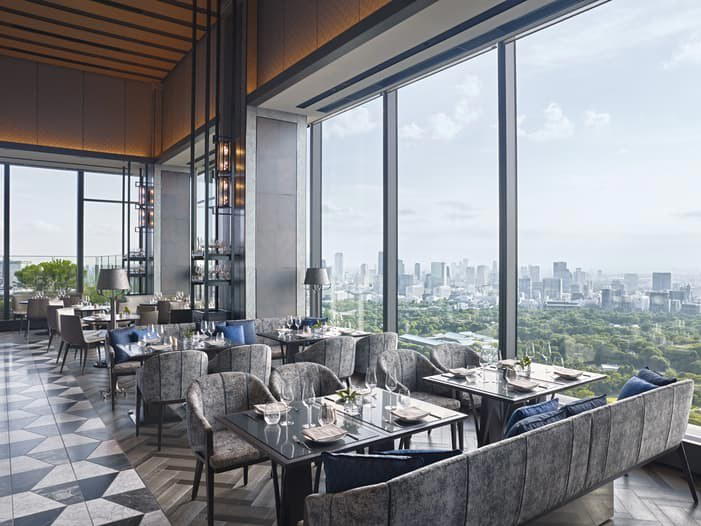
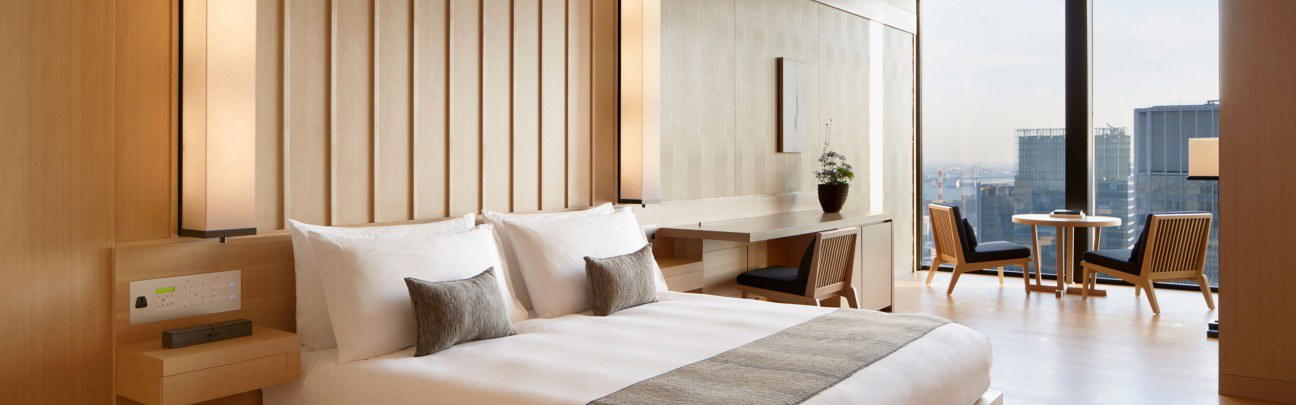
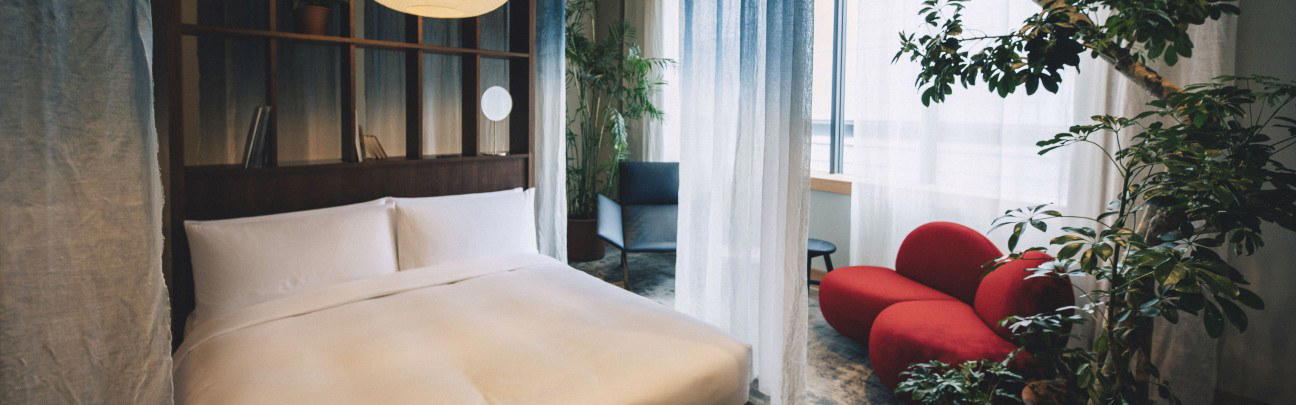
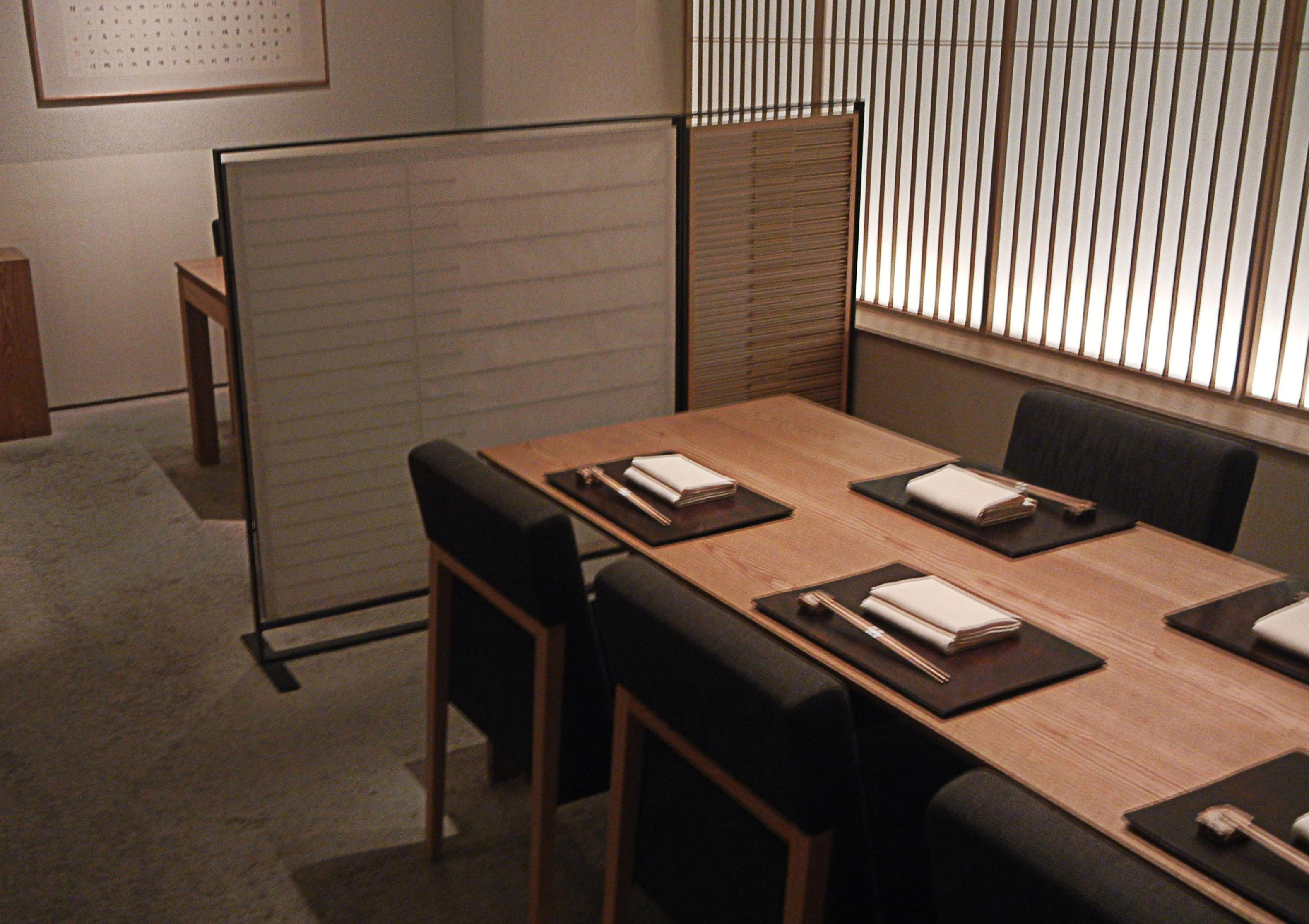
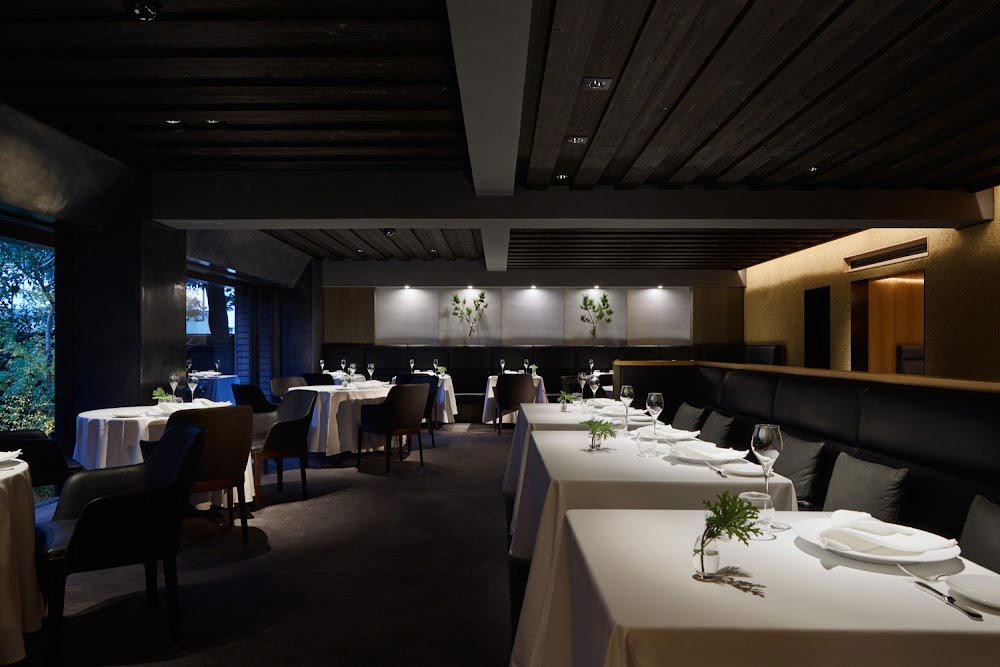
Refined, minimalist spaces with warm wood furnishings, contemporary art installations, and a high-ceiling lobby gallery that transforms throughout the day; spa-like rain showers and elegant understatement in guest rooms.