
Forbes 4-Star
Set within a five-acre former royal garden in Minato City, The Prince Sakura Tower Tokyo, Autograph Collection occupies a quieter register than most luxury hotels in the Japanese capital. The wa modern design language draws on traditional shoin-zukuri architecture, and access to Shinagawa Station places Kyoto and Osaka within easy reach. For cherry-blossom season, north-facing rooms book approximately a year in advance.

Pearl is the En Primeur Club membership app, where members save venues, book tables and use the concierge.
A Garden Address in a City That Rarely Slows Down
Tokyo's luxury hotel market has stratified into recognisable tiers: the ultra-vertical properties in Otemachi and Shinjuku that trade on altitude and panorama, and a smaller cohort of lower-rise addresses where the grounds themselves are the amenity. The Prince Sakura Tower Tokyo, Autograph Collection belongs firmly to the second category. The hotel sits within five acres of former royal garden in Takanawa, Minato City, and the difference is perceptible from the moment you approach along the pine-lined perimeter. The surrounding greenery, with its rock-lined koi pond, winding pathways, and a traditional gate (mon) at the entrance, establishes a tempo that most of central Tokyo simply does not permit.
That physical setting distinguishes this address from the high-floor luxury of properties like Aman Tokyo, Four Seasons Hotel Tokyo at Otemachi, or the ultra-contemporary Bvlgari Hotel Tokyo. Where those properties lean into Tokyo's vertical ambition, this one grounds itself, literally, in a landscape that predates the city's postwar reconstruction.
The Wa Modern Idiom and What It Actually Means
Japanese hotels have spent the last decade negotiating a design tension between international luxury conventions and domestic architectural tradition. The Prince Sakura Tower Tokyo resolves this through what it calls the wa modern concept, grounded in shoin-zukuri, the formal residential style that defined elite Japanese interiors from the Muromachi period onward. The result is visible in the bold wooden structural lines, recessed tokonoma-style alcoves, staggered shelves, and washi-paper-inspired surface treatments throughout the public areas. Kogei objects, traditional craft wares including ikebana arrangements and elegant ceramics, are placed not as decorative afterthoughts but as functional anchors of the interior logic.
This is a more textured approach to Japanese identity than the superficial ryokan-lite aesthetic found in some international hotel brands. For travellers who want to understand the architecture rather than simply admire it, the property offers a legible grammar. Compare this with design-forward ryokan properties further afield, such as Zaborin in Hokkaido or Gora Kadan in Hakone, which operate within a purer traditional format; the Prince Sakura Tower is a city hotel that imports those codes into an urban context rather than retreating from it.
Rooms, Outlook, and the Cherry-Blossom Calculus
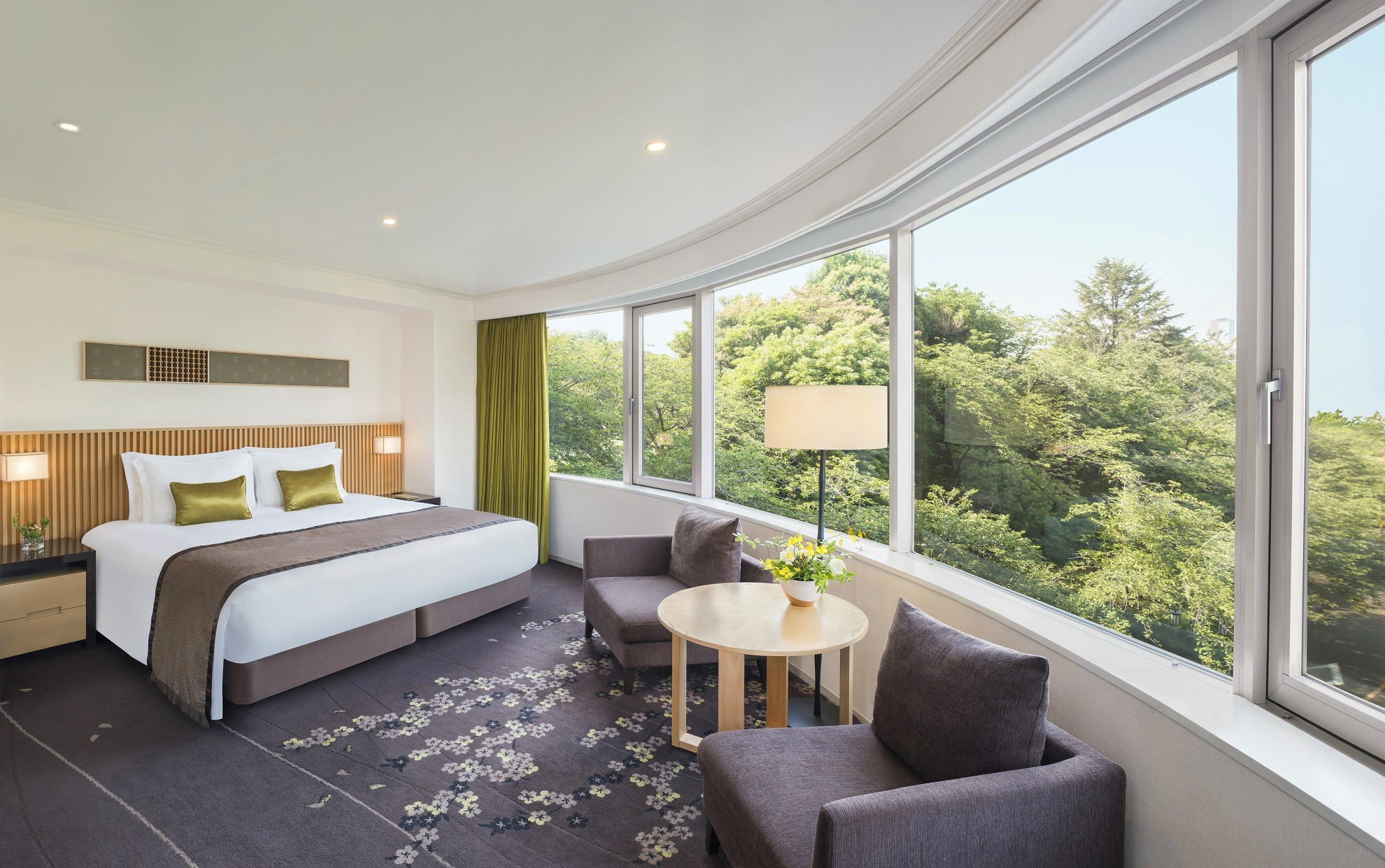
Guest rooms are configured around the hotel's core philosophy of spaciousness and natural light. Large windows are a structural priority, and the neutral palette, copper, gold, chocolate, white, khaki, keeps the rooms recessive rather than dramatic, which is consistent with the wa modern sensibility. Bathrooms include both a shower and a Jacuzzi tub, marble-topped basins, plush robes, and custom-made toiletries, with separate toilet facilities fitted with bidets.
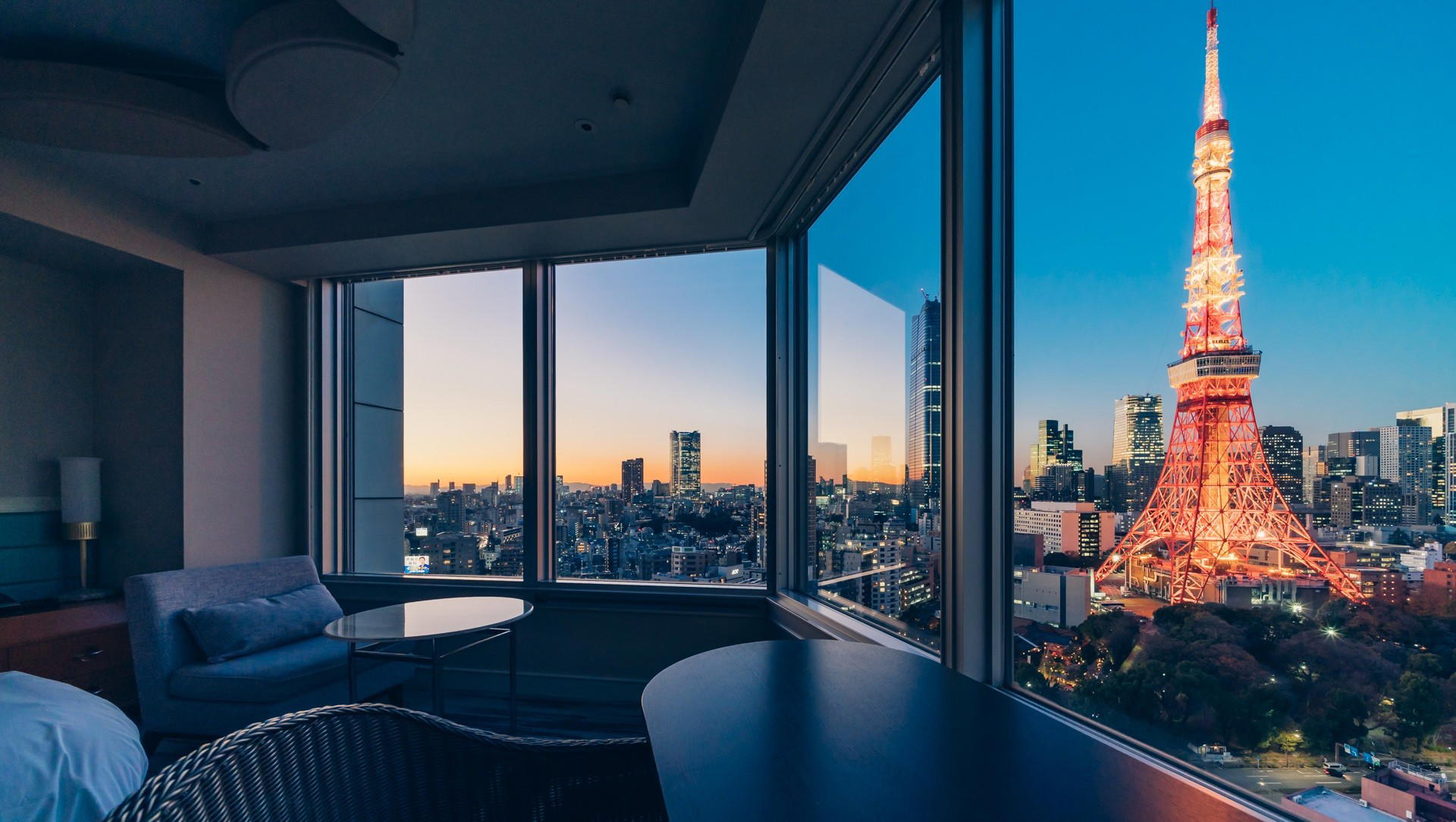
The room-selection decision at this property carries more weight than at most city hotels. North-facing rooms look toward Tokyo Tower, which illuminates impressively after dark, and during cherry-blossom season those same rooms capture the garden's blossoms at close range. Demand for this specific orientation during hanami season is high enough that guests are advised to book approximately a year in advance, a logistical reality that reflects how seriously the hotel's garden credentials are taken by the market. Travellers who miss that window will find that the garden remains a genuine amenity across other seasons, though the spring peak is a different experience in scale and atmosphere.
The Library Lounge and a Rarer Kind of Quiet
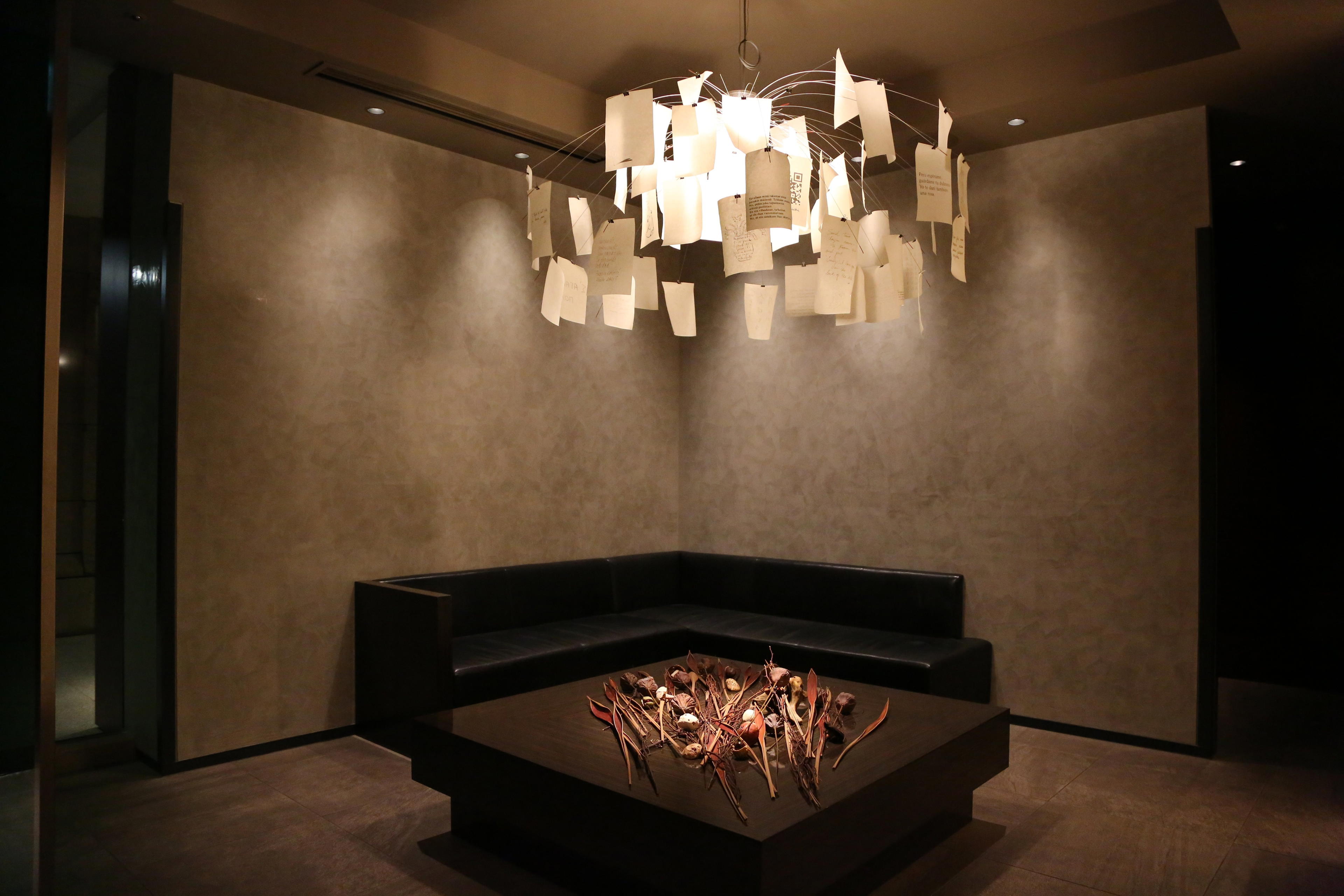
Among the hotel's internal spaces, the library lounge is one of the more considered offerings in its category. Positioned behind the Ciliegio restaurant on the ground level, the room combines leather lounges, small tables, a bookcase, and English-language newspapers, a format that has largely disappeared from the Tokyo luxury hotel scene as properties have shifted toward destination bars and multi-concept food-and-beverage programmes. The availability of snacks and refreshments keeps it functional rather than purely atmospheric.
This type of anchored, low-stimulation common space suits a specific kind of traveller: one who wants a base for reading or quiet work that isn't a business centre or a lobby café. It's a feature that aligns with the hotel's broader positioning around tranquility, and it's one of the details that separates the property from high-footfall competitors. The Andaz Tokyo, The Capitol Hotel Tokyu, and Palace Hotel Tokyo each offer their own distinct common-area experiences, but none operates the same quiet-library format.
Fitness, Spa, and Shared Facilities
The fitness offering is more developed than many comparably positioned hotels in Tokyo. The gym carries over 25 types of Technogym equipment alongside personal trainers, dry and mist saunas, a whirlpool, and a relaxation lounge with massage chairs. The onsite spa covers aromatherapy, facials, and massage treatments. Additionally, guests have access to facilities at the adjacent Grand Prince Hotel Takanawa and Grand Prince Hotel New Takanawa, including an outdoor pool and barbecue area, which meaningfully extends the amenity footprint during warmer months without requiring the hotel itself to maintain those seasonal assets year-round.
Shinagawa as a Transit Argument
The hotel's address in Takanawa positions it three minutes from Shinagawa Station, one of Tokyo's major rail interchange points. Several Japan Railway lines pass through Shinagawa, including the Tokaido Shinkansen, which makes Kyoto and Osaka accessible as day trips or onward destinations. For travellers planning a longer Japan itinerary that might include a traditional ryokan stay at Asaba in Izu, a design-led property like Benesse House in Naoshima, or a heritage hotel such as HOTEL THE MITSUI KYOTO, Shinagawa is a logistically efficient starting and returning point. It sits outside the densest tourist corridors of Shinjuku and Shibuya, which keeps the immediate neighbourhood quieter while still connecting efficiently to the rest of the city via multiple rail options.
Business travellers will find the dedicated conference floor, 20 meeting rooms with flexible layouts, a substantive offering. The executive lounge for platinum members, foreign exchange service, and postal service complete a profile that addresses both leisure and corporate requirements without forcing either into a compromise format.
For a broader view of where this property sits within Tokyo's dining and hospitality scene, see our full Tokyo guide. Travellers considering alternatives across the broader Japanese archipelago will find relevant context at Amanemu in Mie, Nishimuraya Honkan in Kinosaki-cho, Halekulani Okinawa, Fufu Kawaguchiko, Fufu Nikko, ENOWA Yufu, Sekitei in Hatsukaichi-shi, and Jusandi in Ishigaki. For those comparing international properties, JANU Tokyo and Bellustar Tokyo, A Pan Pacific Hotel round out the Tokyo competitive picture, while Aman New York, The Fifth Avenue Hotel, and Aman Venice offer points of reference for how garden-anchored or historically grounded luxury hotels operate in other major cities.
Side-by-Side Snapshot
Comparable venues nearby, for context on price, style, and recognition.
| Venue | Cuisine | Price | Awards | Notes |
|---|---|---|---|---|
| The Prince Sakura Tower Tokyo, Autograph CollectionThis venue (the venue you are viewing) | Luxury urban hotel blending Japanese tradition and contemporary design | Not listed | Forbes 4-Star | Not listed |
| Hotel Chinzanso Tokyo | Luxury urban sanctuary combining Japanese botanical heritage with contemporary hospitality, formerly a Four Seasons property. | Not listed | Forbes 4-Star · Preferred Hotels L.V.X. Collection | Bunkyō |
| Park Hyatt Tokyo | timeless luxury residence atop Shinjuku skyscraper | Not listed | 1 Michelin Key · World's 50 Best #53 | Shinjuku |
| Grand Nikko Tokyo Daiba | Urban resort-style hotel with bayside relaxation in Odaiba. | Not listed | Forbes Recommended · Preferred Hotels Member | Minato |
| Fufu Tokyo Ginza | Small luxury resort blending Japanese onsen tradition with urban Ginza location | $750–1,000 | 1 Michelin Key · TIME 2026 TIME World's Greatest Places | Ginza |
| 1 Hotel Tokyo | Sustainable luxury lifestyle hotel with biophilic design | Not listed | 1 Michelin Key | Minato |
Recognition history
Dated appearances from independent guides and award organizations, with the underlying list record or original source where available.
Forbes 4-Star
Forbes
Full recognition history (2 entries)
Forbes Recommended
Forbes
Continue exploring
More in Tokyo
Hotels in Tokyo
All hotels in Tokyo →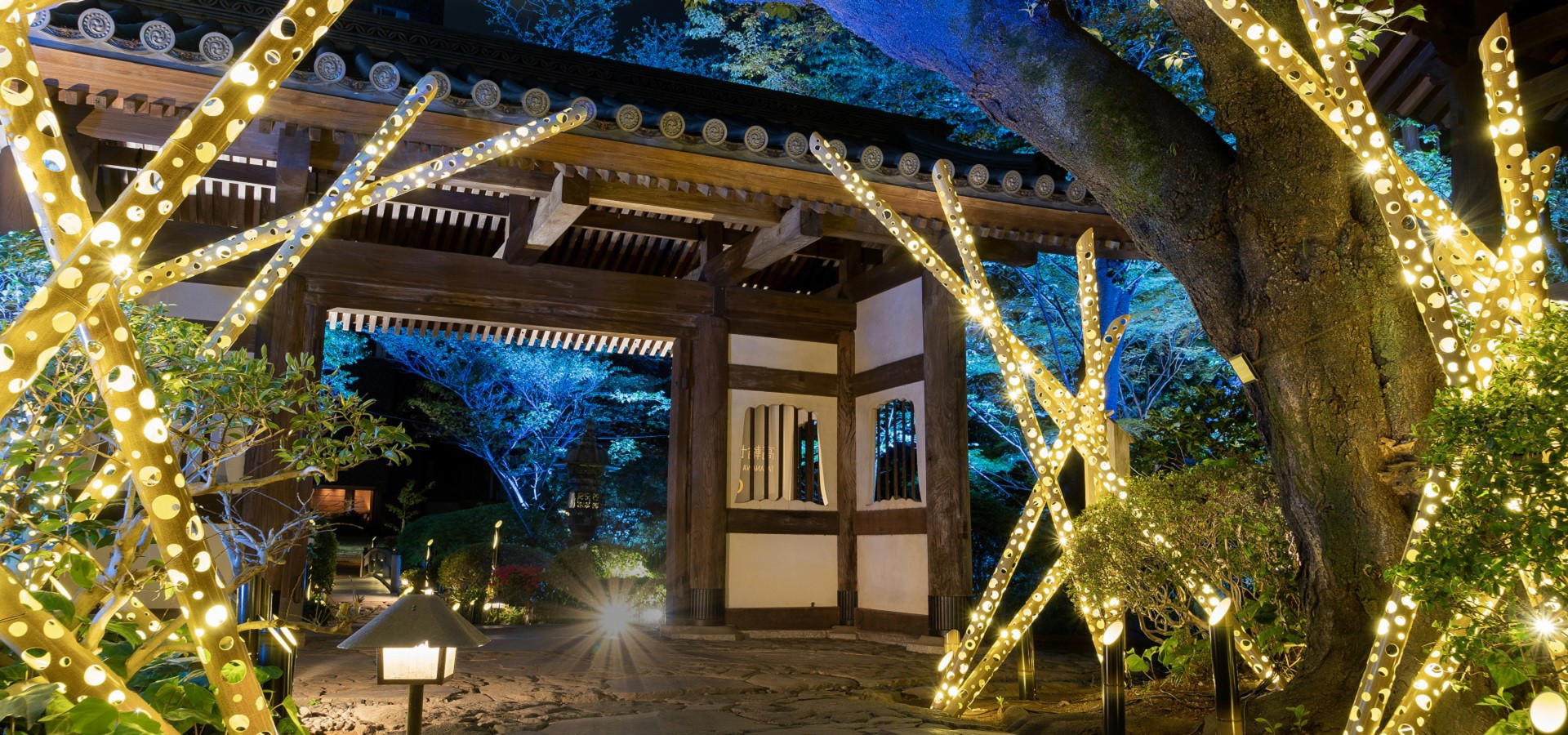


Bars in Tokyo
All bars in Tokyo →




Details
- Elegant
- Modern
- Sophisticated
- Business Trip
- Romantic Getaway
- Weekend Escape
- Panoramic View
- Garden
- Wi Fi
- Pool
- Spa
- Fitness Center
- Room Service
- Concierge
- Business Center
- Valet Parking
- Garden
- Skyline
- Wheelchair Accessible
- Elevator
- Accessible Parking
Sophisticated and tranquil atmosphere with soundproofed rooms, soft lighting, and relaxing Japanese garden views.