Handpicked Hotel & Collections
Handpicked Hotel & Collections occupies an address in Seoul's Dongjak District, a residential quarter that sits at a deliberate remove from the hotel corridors of Gangnam and Myeongdong. The property signals a particular kind of hospitality thinking: smaller scale, neighbourhood-embedded, and oriented toward a guest who values place over brand recognition. For travellers who want Seoul without the convention-hotel envelope, this address makes a considered case.
Pearl is the En Primeur Club membership app — saves, bookings, and concierge access live there. Same editors, same standards.
- Address
- 120 Sangdo-ro, Dongjak District, Seoul, South Korea
- Phone
- +82 2 2229 5499
- Website
- handpicked.kr
- Directions
- Get directions
 Saves & bookings on Pearl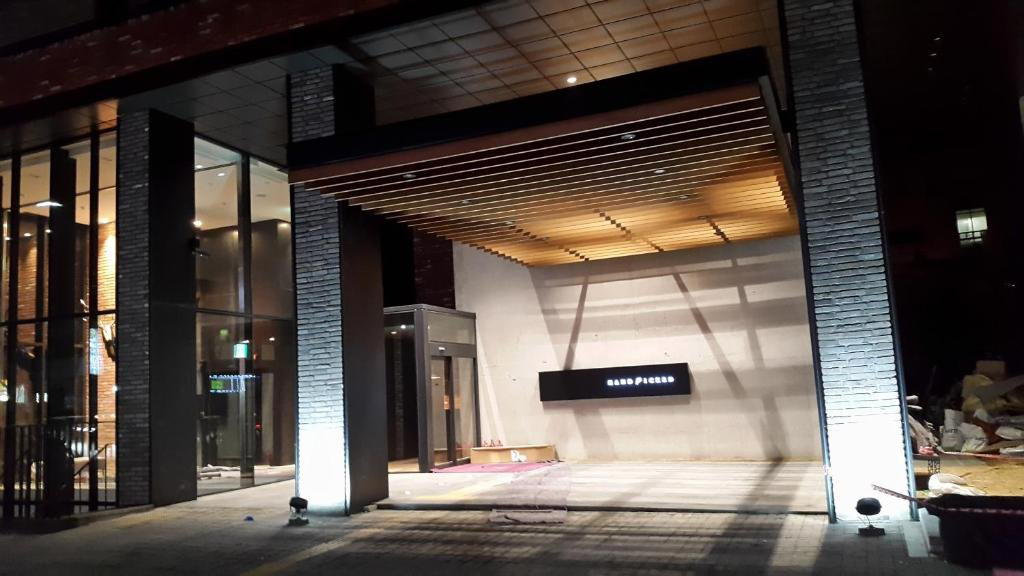
A Different Register of Seoul Hospitality
Seoul's hotel market has polarised over the past decade. On one side sit the large-footprint international brands, the Four Seasons Hotel Seoul, the Fairmont Ambassador Seoul, the Grand Hyatt Seoul, the Conrad Seoul, each anchored in the city's commercial and financial cores, offering the full apparatus of loyalty programmes, banquet halls, and lobby-level prestige. On the other side, a quieter tier of properties has emerged: smaller, more spatially specific, designed for guests who want the city rather than a buffer from it. Handpicked Hotel & Collections is a 4-star hotel in Dongjak District, Seoul, at 120 Sangdo-ro, away from the brand-saturated corridors of Gangnam and the tourist compression of Myeongdong.
That address matters. Dongjak is a residential, working district with its own rhythm, university culture from nearby Soongsil and Chung-Ang campuses, local markets, and streets that reward walking over itinerary-checking. For a certain kind of traveller, this geography is precisely the point. Properties in this tier compete not on lobby scale or tower height, but on the quality of neighbourhood access they can offer and the attentiveness of service they deliver to a smaller guest population.
The Logic of Neighbourhood Placement
Across Seoul, the assumption has long been that premium hospitality belongs north of the Han River, in Gangnam or Jongno. That geography has practical logic: proximity to business districts, the convention centres, and the restaurant density of Cheongdam and Apgujeong. The Aman Seoul Cheongdam, for instance, draws on the cultural and commercial weight of that district to justify its positioning. The Banyan Tree Club & Spa Seoul similarly anchors itself to a high-status address.
Dongjak operates differently. South of the Han River but distinct from the Gangnam axis, the district has a lower profile in the international hotel conversation, which is partly what defines the experience of staying here. The surrounding area connects efficiently to central Seoul via subway, Dongjak District is served by multiple metro lines, making the apparent remove more logistical comfort than genuine inconvenience. The guest profile that this placement attracts tends to be less interested in the hotel as a destination in itself, and more interested in using it as a base for a version of Seoul that branded five-star corridors rarely reveal.
Service at Smaller Scale
In South Korean hospitality, the philosophy of jeong, a concept of warmth, attachment, and interpersonal care that resists easy translation, shapes service culture in ways that international chains often approximate but smaller properties sometimes deliver more directly. At this scale of operation, the ratio of staff attention to guest volume shifts in ways that larger properties cannot replicate structurally. A 400-room tower operates on systems and scripts; a property of more contained capacity can operate on familiarity.
This is the central editorial case for the Handpicked Hotel & Collections format. Anticipatory service, remembering a guest's preferences without being asked a second time, adjusting without making the adjustment visible, is a function of information and attention. Smaller guest rolls make that possible in ways that the Casino Hotel Seoul or the convention-scale properties cannot structurally match. The tradeoff is on amenities and facilities: boutique-tier properties rarely offer the spa depth, F&B; breadth, or meeting infrastructure of their larger peers. Guests choosing this format are making an exchange, and the service quality at each end of that exchange matters to how well it lands.
How This Address Fits a Seoul Itinerary
The question of whether a hotel in Dongjak District suits a given Seoul trip is largely one of priorities. If the purpose of the visit centres on Gangnam-area dining, Cheongdam shopping, or Jongno-area cultural institutions, the commute from Dongjak adds time but not prohibitive time, Seoul's metro system is one of the more navigable in Asia, with clear signage in English and consistent frequency. If the purpose is more open-ended, oriented toward discovering a Seoul that hasn't been optimised for international tourism, then the district's residential character becomes a feature rather than a compromise.
For travellers extending their time in South Korea, the logistical network around Seoul connects to a range of wider itineraries. Properties such as Ananti at Busan Cove in Busan, Grand Hyatt Jeju, and Haevichi Hotel & Resort Jeju in Seogwipo-si represent different ends of the Korean hospitality register. For those who want something between city and nature, Camptong Forest in Gapyeong or the Kensington Hotel Seorak offer a different tempo. Further afield, Oakwood Lagoon Town Gangneung and Gangwon-do in Hongcheon complete a picture of what Korea's wider hospitality tier now looks like outside the capital. The KOSMOS ULLEUNGDO on Ulleung Island represents an entirely separate category for those who want genuine geographic isolation.
Seoul itself rewards staying in more than one neighbourhood across an extended visit. The full picture of the city's dining and drinking culture spans Itaewon, Seongsu, Euljiro, and Hongdae in ways that no single district fully captures. A base in Dongjak offers a specific vantage point, not a comprehensive one.
Planning Your Stay
As a working principle, smaller Seoul hotels in the mid-to-upper tier tend to book meaningfully ahead during cherry blossom season (late March to mid-April) and autumn foliage weeks (late October to early November), when demand across all accommodation categories compresses sharply. The Art Paradiso Boutique Hotel in Seoul and Art Paradiso Hotel in Incheon are comparable in scale positioning and face the same seasonal pressure. For travellers transiting through Incheon with a night to spend, Dormy Inn Seoul Gangnam provides a functional alternative with a different location logic. The Hyatt Place Gwangju covers the southwestern corridor for those whose itinerary extends beyond the capital.
For context on what Seoul hospitality looks like at significantly higher price points, the Aman New York and Aman Venice represent how the brand operates in other markets, while The Fifth Avenue Hotel in New York City illustrates a comparable boutique-tier positioning in a different high-density urban context. The Soi Hanok Stay in Gyeongju offers a point of reference for those interested in traditional Korean architectural formats as an alternative to contemporary hotel design. The JW Marriott Jeju Resort & Spa in Seogwipo rounds out the broader Korean resort picture for those planning multi-stop itineraries.
Cuisine and Credentials
Comparable venues nearby, for context on price, style, and recognition.
| Venue | Cuisine | Price | Awards | Notes |
|---|---|---|---|---|
| Handpicked Hotel & CollectionsThis venue — the venue you are viewing | Modern boutique hotel in calm residential area | $$$$ | 4-Star | Not listed |
| L’Escape, a Luxury Collection Hotel, Seoul Myeongdong | French-romantic boutique luxury hotel positioned as a Parisian escape in the heart of Seoul. | $$$$ | 5-Star | Myeongdong |
| RYSE, Autograph Collection | Boutique lifestyle hotel blending independent creative spirit with Marriott brand consistency; operates as hybrid hotel-gallery-music venue. | $$$ | 4-Star | 연남동 |
| Casino Hotel Seoul | Luxury integrated resort with Art Deco design elements and contemporary gaming facilities | $$$$ | 5-Star | Gwangjin-gu |
| voco Seoul Gangnam | Lifestyle boutique hotel blending urban energy with cozy comforts. | $$$ | 4-Star | Gangnam |
| Hotel28 Myeongdong | Contemporary boutique hotel with cinematic heritage theme, blending art deco design elements with modern minimalism. | $$$ | 4-Star | 소공동 |
Continue exploring
More in Seoul
Hotels in Seoul
Browse all →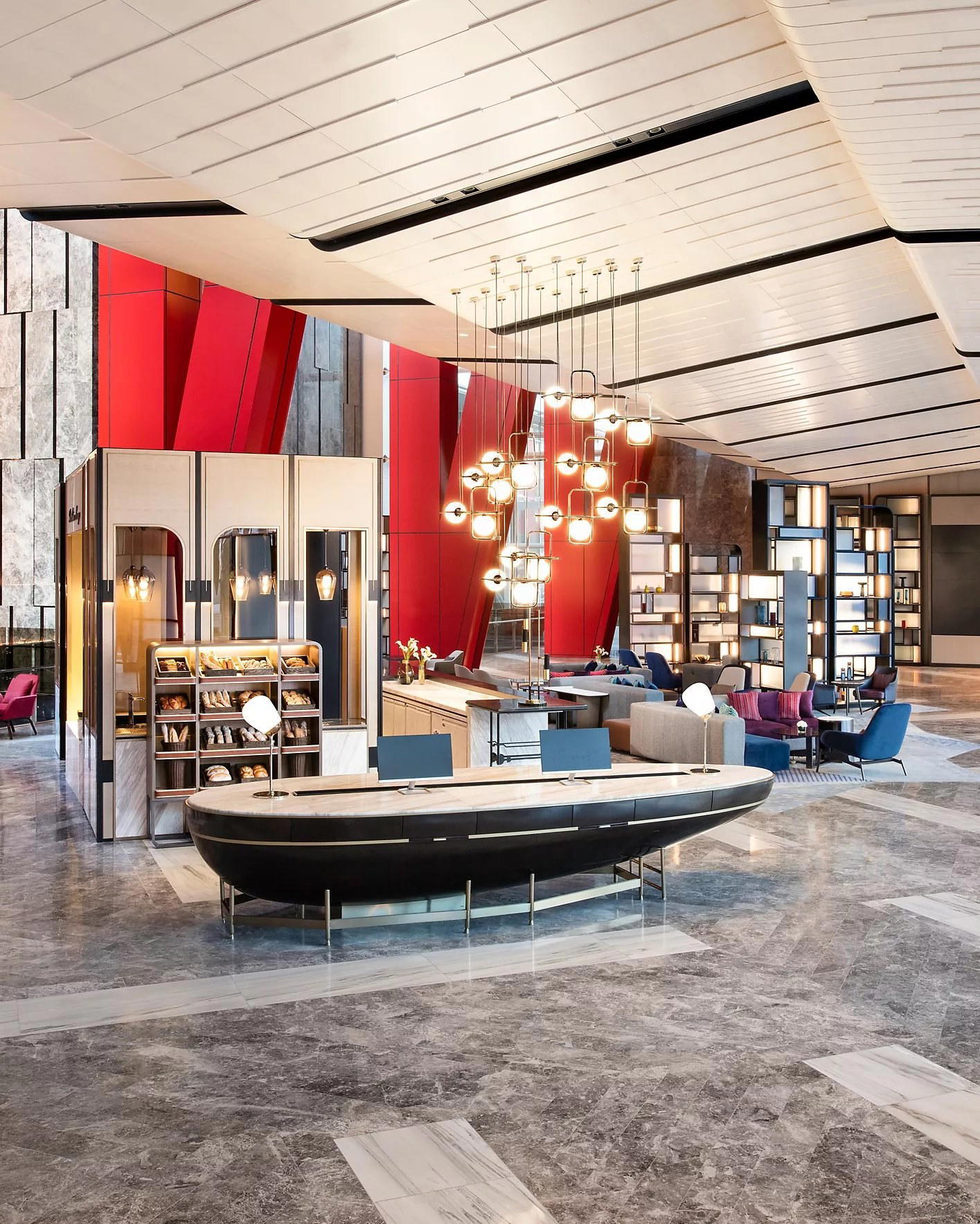
At a Glance
- Modern
- Elegant
- Quiet
- Cozy
- Business Trip
- Weekend Escape
- Wi Fi
- Fitness Center
- Room Service
- Concierge
- Restaurant
- Skyline
- Wi Fi
- Fitness Center
- Room Service
- Concierge
- Restaurant
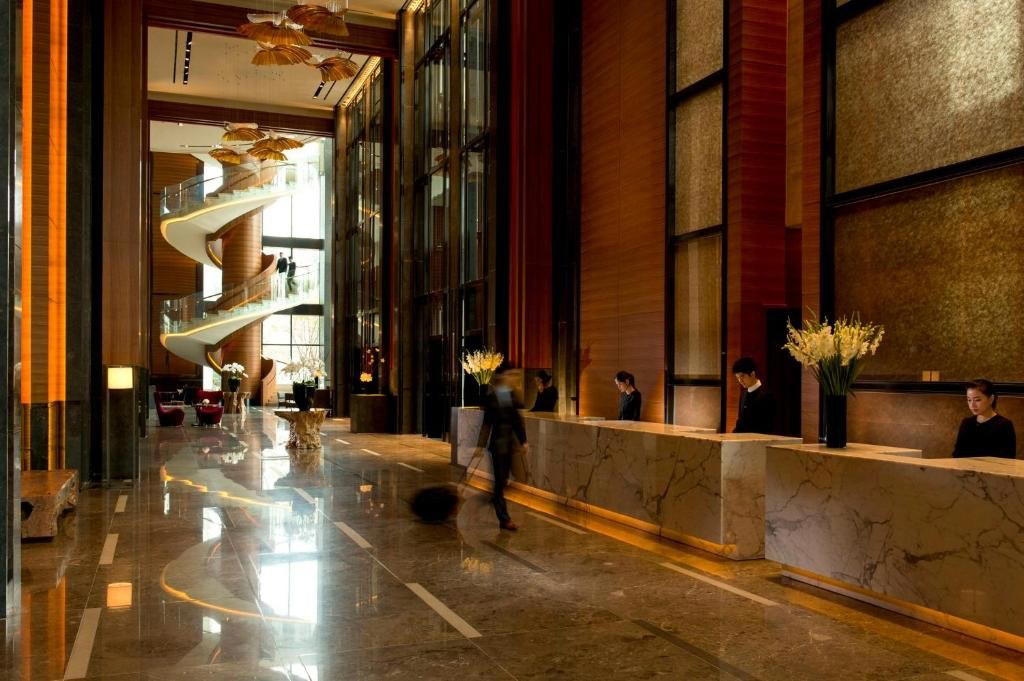
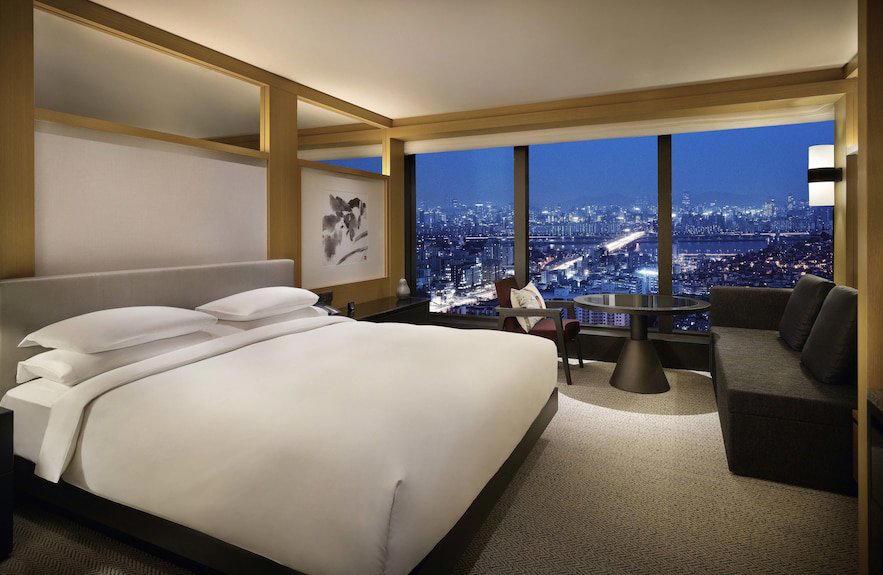
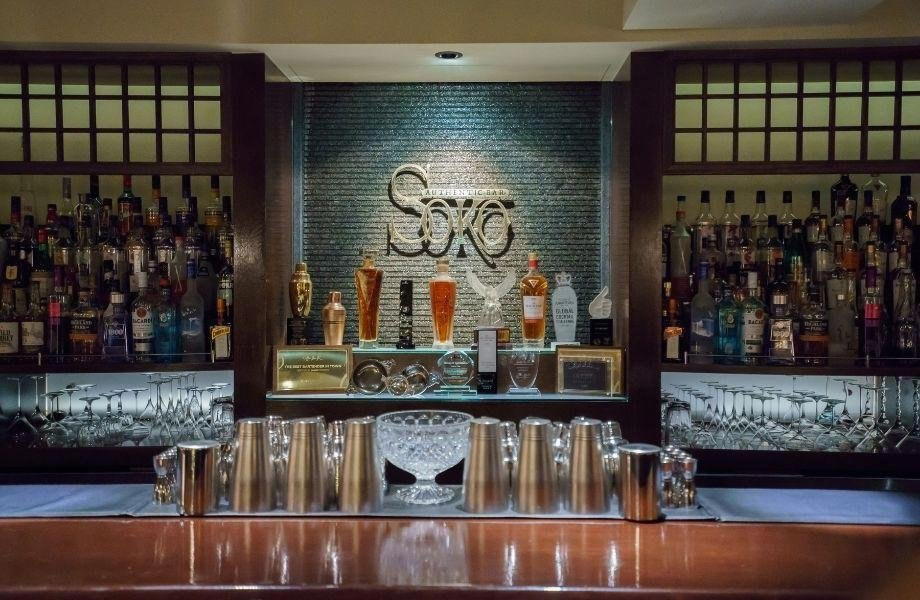
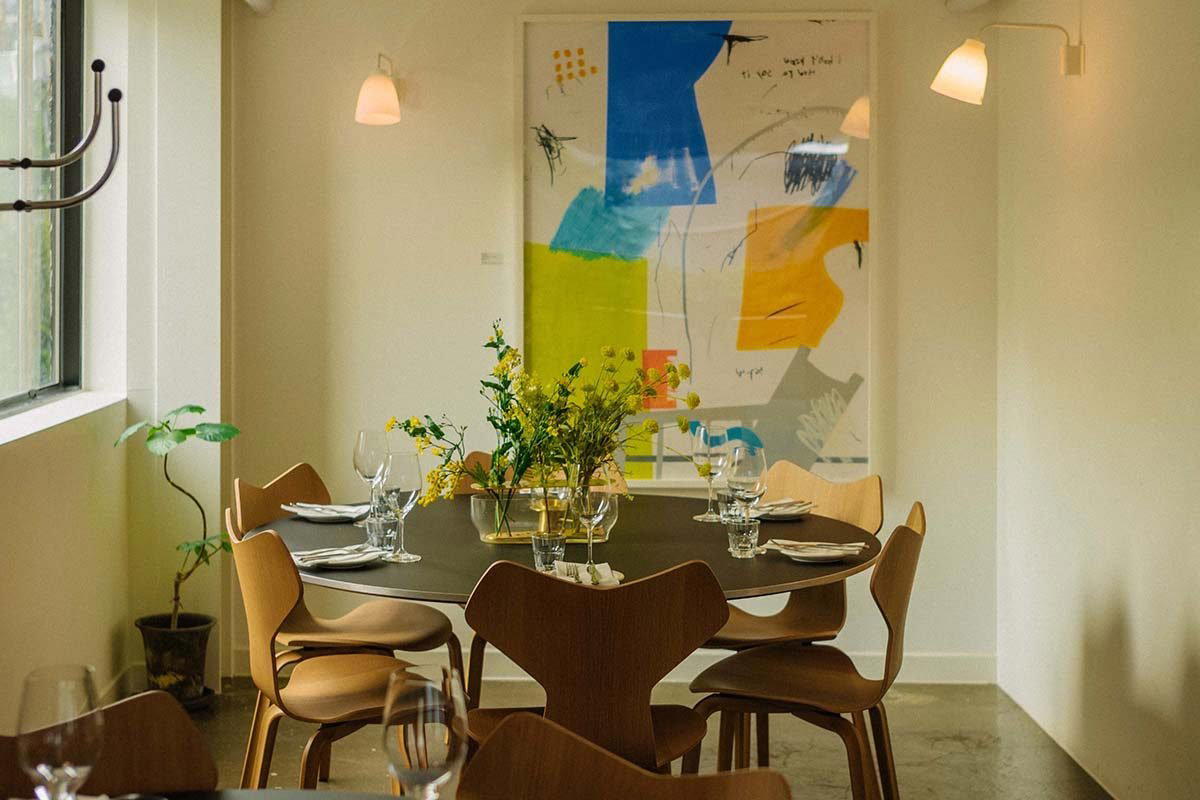
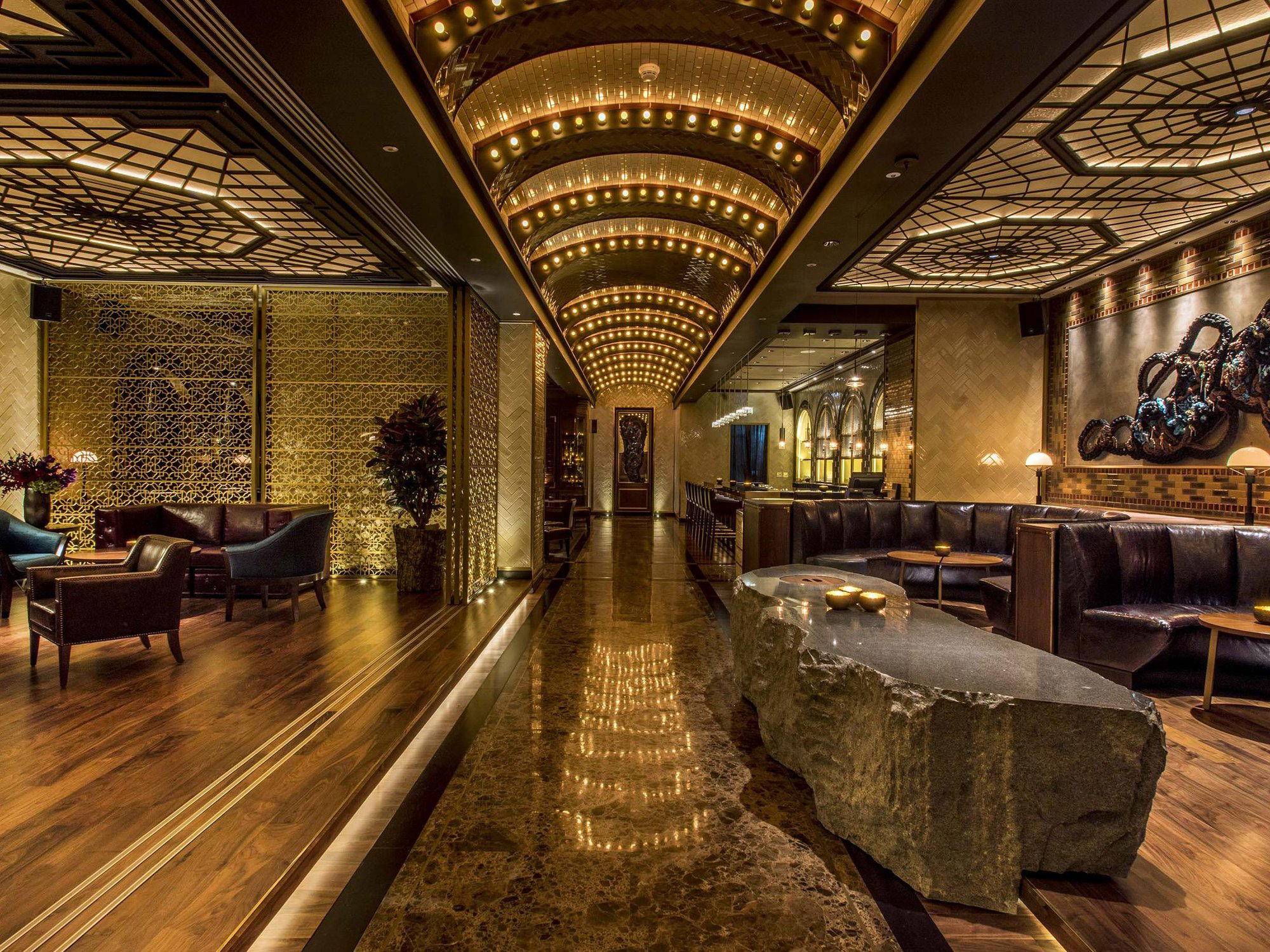
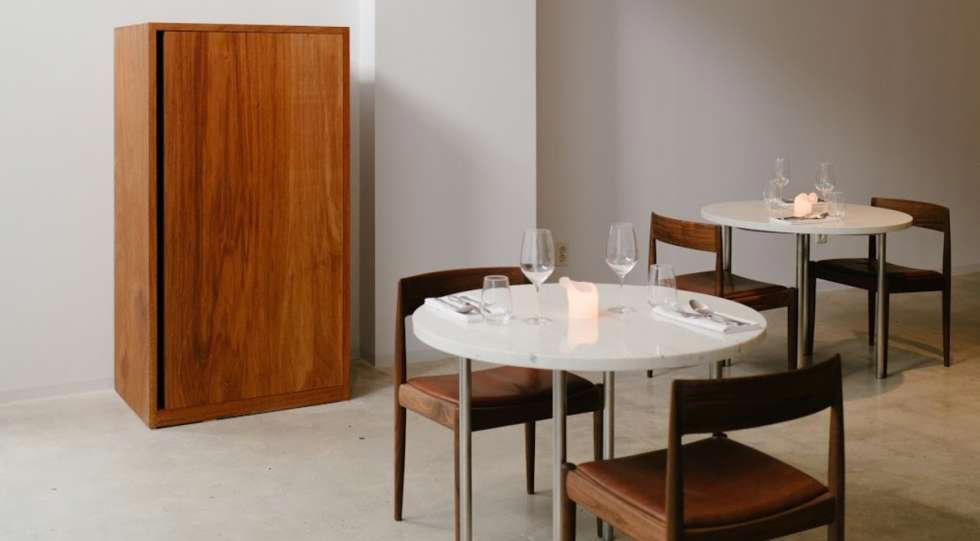
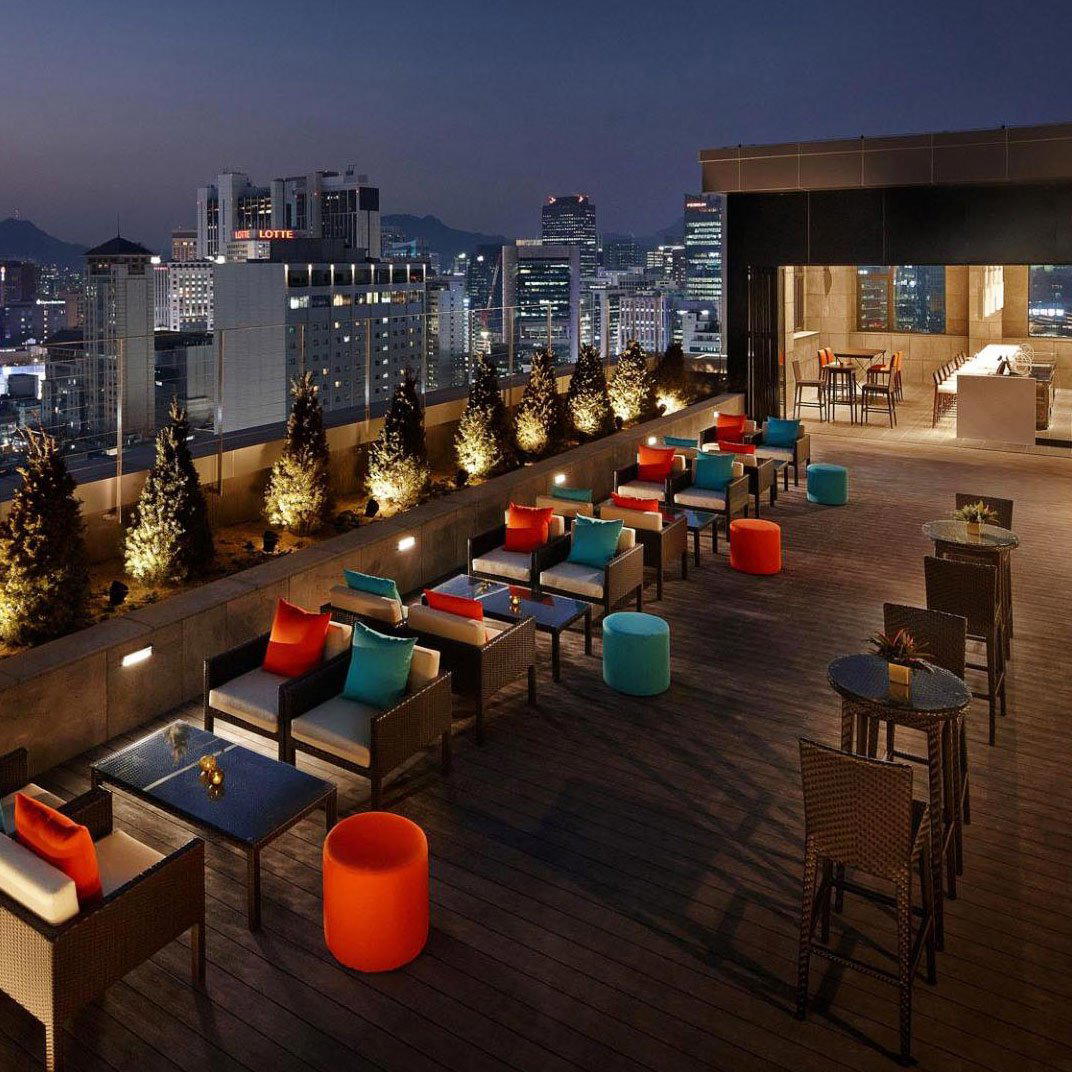
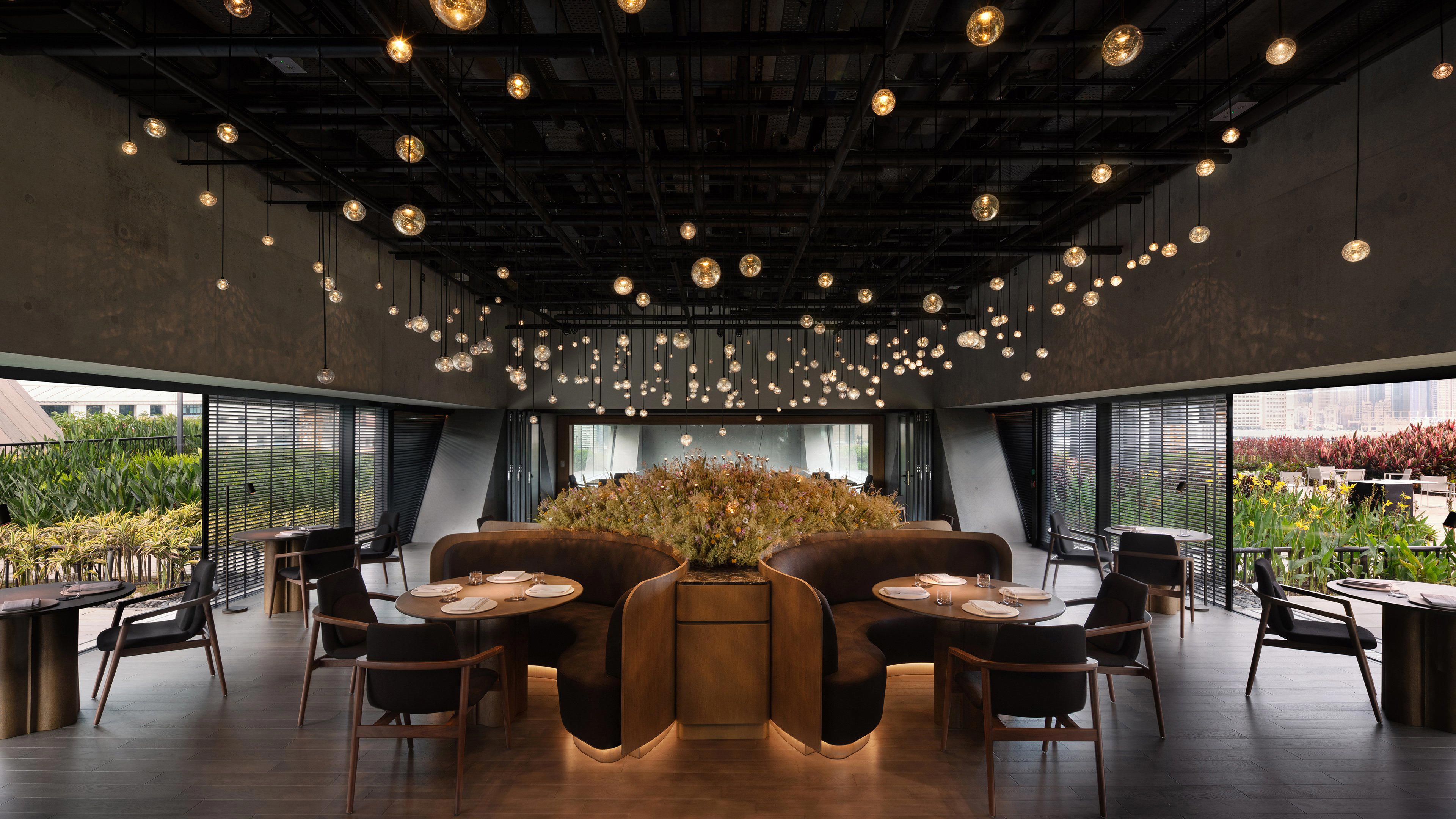
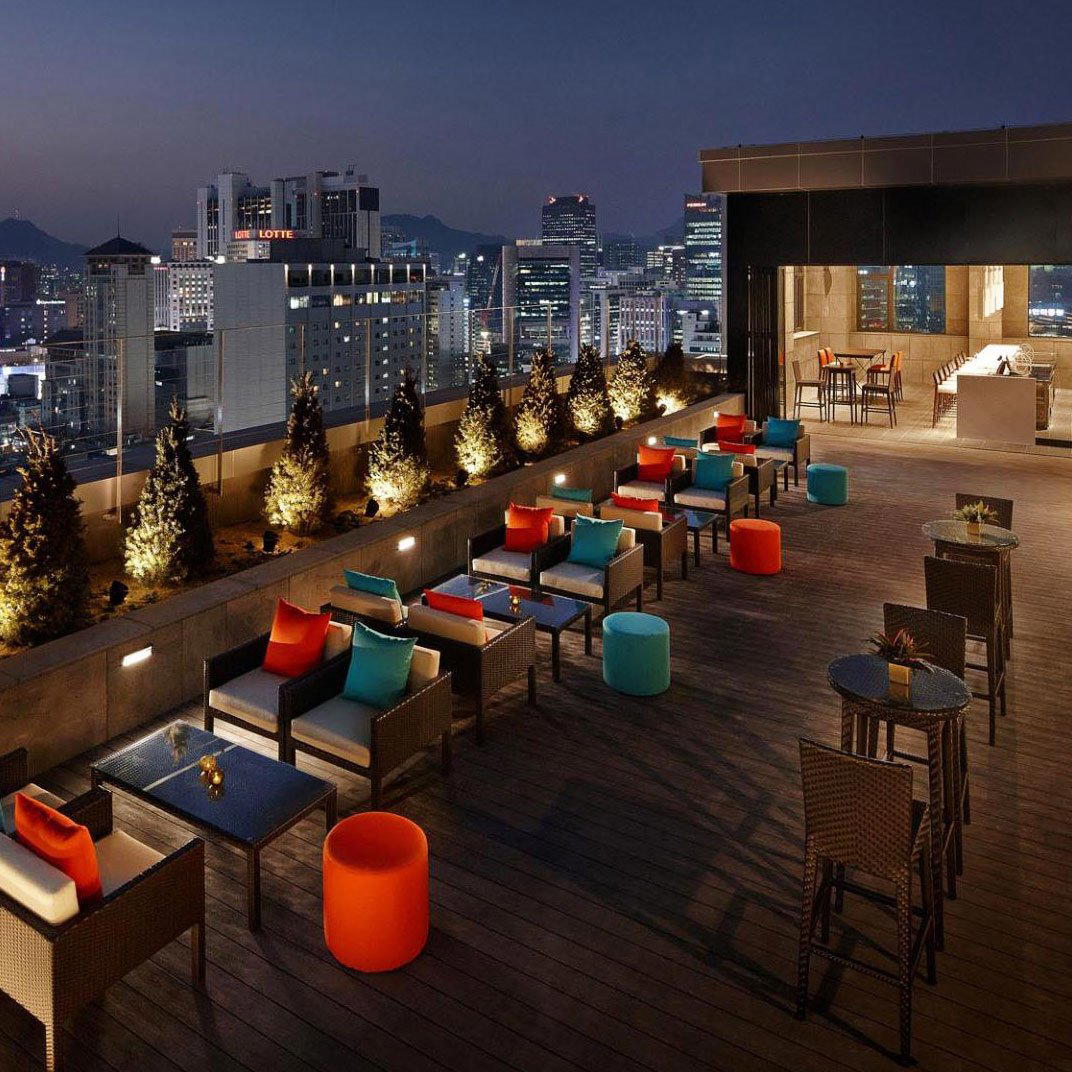
Tranquil and sophisticated atmosphere with quiet, privacy-focused rooms, warm lighting, and a calm residential setting praised for relaxation.