RYSE, Autograph Collection

Michelin Selected
RYSE, Autograph Collection occupies the creative heart of Hongdae, Seoul's most restless cultural district, placing guests within walking distance of independent galleries, record shops, and a dining scene that moves faster than most cities manage in a decade. The property's design-led identity and Marriott's Autograph Collection positioning set it apart from the corporate high-rises clustered in Gangnam and Yeouido.

Pearl is the En Primeur Club membership app, where members save venues, book tables and use the concierge.
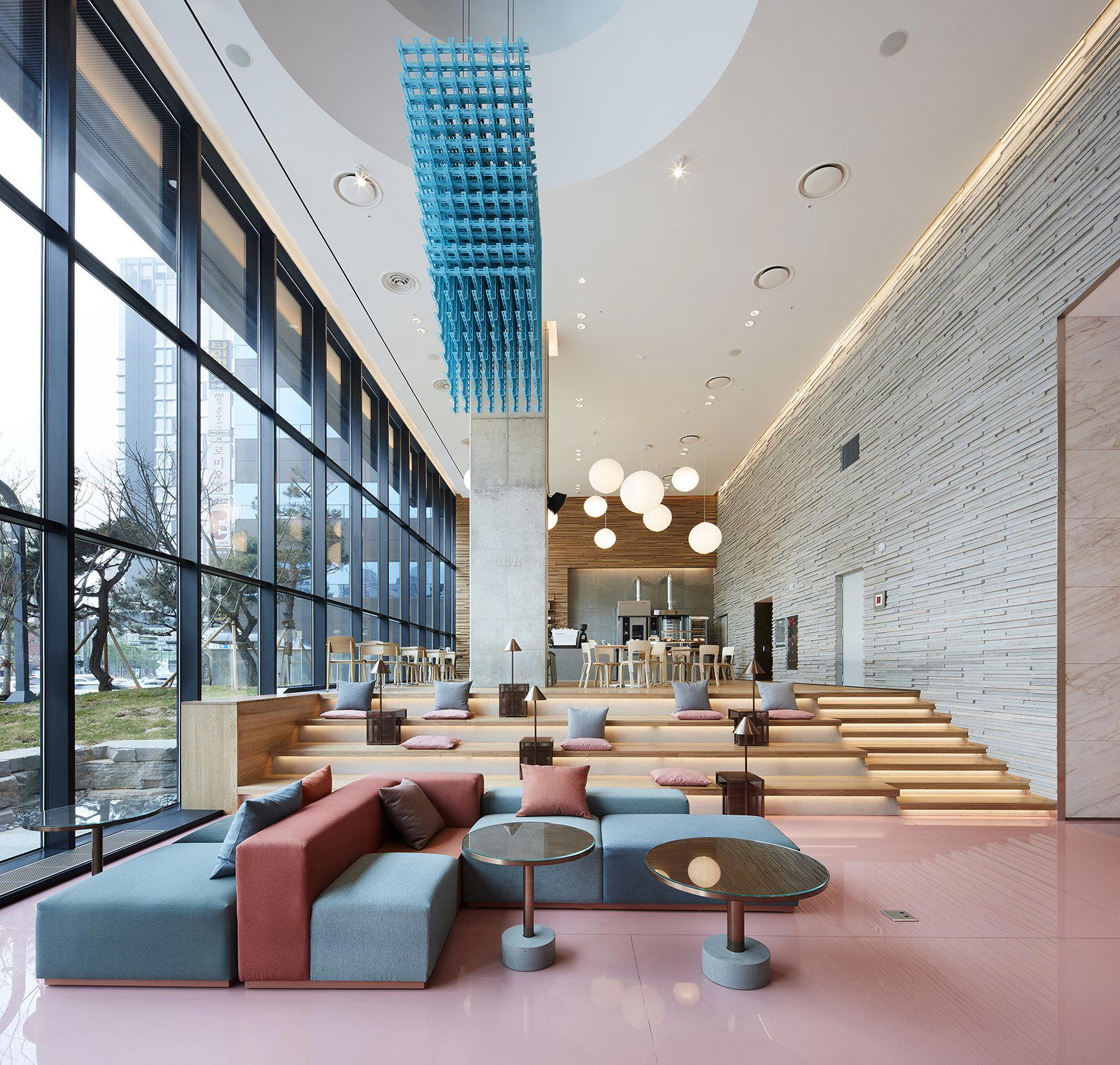
Hongdae and the Hotel That Fits the Neighbourhood
Seoul's accommodation market has divided cleanly over the past decade. On one side sit the grand international towers of Gangnam and the business corridor along the Han River's south bank, where properties like the Conrad Seoul, the Four Seasons Hotel Seoul, and the Grand Hyatt Seoul serve corporate itineraries and the trade-fair circuit. On the other side, a smaller cohort of design-conscious properties has emerged in neighbourhoods where the culture actually happens. RYSE, Autograph Collection belongs to the second group, positioned in Mapo-gu along Yanghwa-ro, at the edge of Hongdae, the district that has shaped Korean street fashion, independent music, and a dining culture far more experimental than anything you will find in the polished lobbies further south.
Hongdae earned its reputation as Seoul's creative engine through the density of Hongik University graduates who stayed in the neighbourhood after graduation, opening studios, cafes, and restaurants that treated the area as a live testing ground. That energy is measurable: the streets within a ten-minute walk of the property contain a higher concentration of independent food operations than almost any comparable radius in the city, covering everything from fermented-forward Korean cuisine to imported technique applied to local produce. For a hotel positioning itself within Autograph Collection's "each hotel is a handcrafted story" framework, the location is the editorial argument.
Art as Architecture, Not Decoration
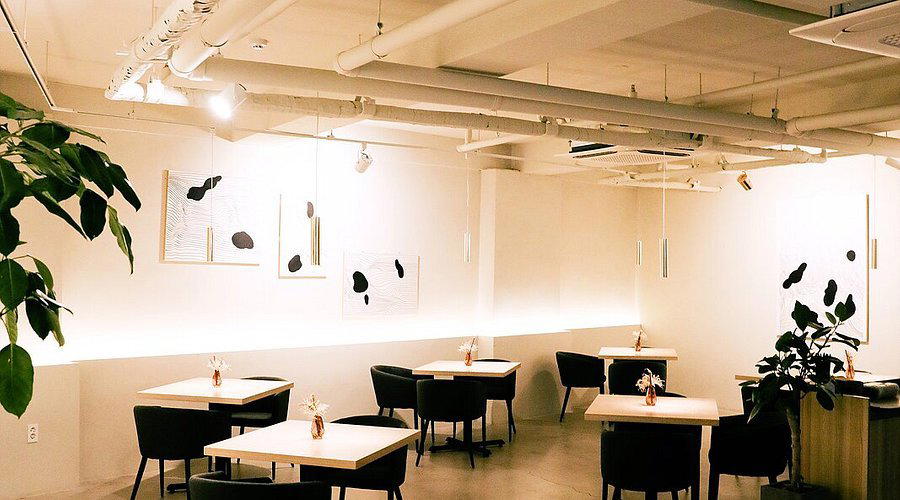
Where many hotels treat art as amenity, placing works in lobbies to soften corporate interiors, a narrower tier of properties builds the physical environment around artistic identity as a structural decision. RYSE sits in that narrower tier. The property's design integrates commissioned work throughout the building in a way that aligns with Hongdae's gallery density rather than contrasting with it, the hotel functions as a continuation of the neighbourhood's cultural logic rather than an interruption of it.
This approach places RYSE in a different competitive conversation than Seoul's business-class towers. Travellers comparing options in this tier should also consider the Banyan Tree Club and Spa Seoul, which takes a different design-led approach from its hillside position in Jangchung, and the Fairmont Ambassador Seoul, which occupies a more conventional luxury position in Yeouido.
The Hongdae Dining Scene: Local Ingredients, Imported Discipline
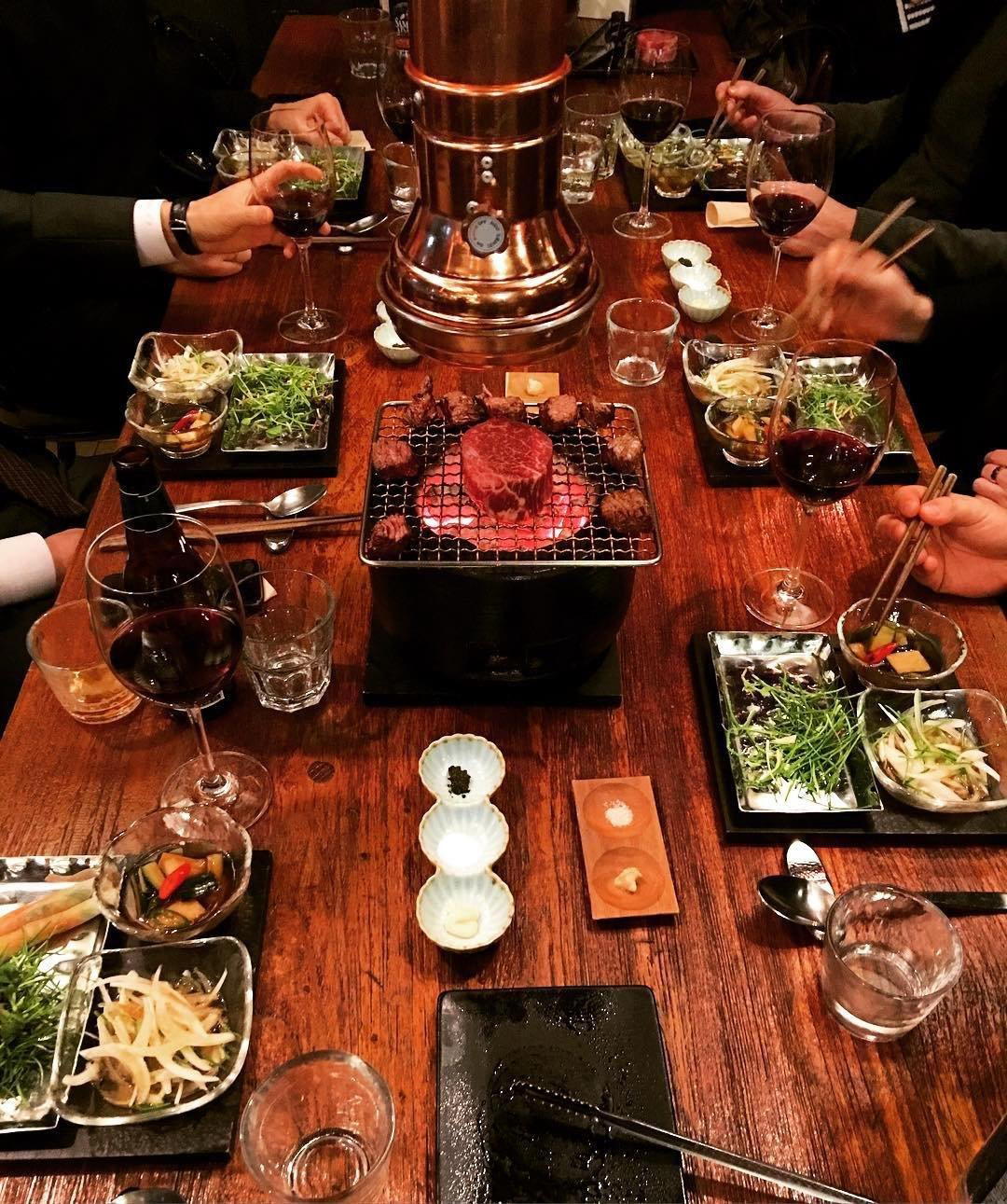
The neighbourhood surrounding RYSE represents one of the more interesting case studies in how Korean cuisine has absorbed global technique without surrendering its ingredient logic. Across Hongdae and the adjacent Hapjeong and Mangwon areas, a generation of chefs trained in Europe or Japan has returned to work with the fermented bases, foraged vegetables, and aged proteins that Korean food has always prioritised, applying French brigade discipline or Japanese precision to ingredients that were never part of those traditions. The result is a dining tier that sits outside the Michelin-starred formality of Gangnam but produces food of comparable ambition at lower price points.
Doenjang, ganjang, and gochujang appear in contexts that would have been unrecognisable twenty years ago: reduced into sauces carrying the structural role of a classical demi-glace, used to cure proteins in place of imported salt-curing traditions, or served as the centrepiece of a tasting menu rather than the background note of a stew. For guests staying in Hongdae, this is the local food argument, not the grand tasting rooms of Cheongdam, where properties like Aman Seoul position themselves closer to that formal tier, but the street-level laboratories where Korean food is currently being rewritten.
The practical implication for RYSE guests: the most interesting eating within walking distance requires no reservation infrastructure and no dress code. The neighbourhood rewards walking, arriving early or late to avoid the weekend crowds that converge on Hongdae's main arteries, and returning to the same streets on different days, because the independent food operations turn over and evolve at a pace that larger restaurant groups cannot match.
Placing RYSE in the Seoul Hotel Conversation
Seoul's premium hotel supply is concentrated in three geographic clusters: Gangnam and Apgujeong, the Gwanghwamun and Jung-gu corridor, and the Yeouido financial district. Mapo-gu, where RYSE sits, falls outside all three, which has practical consequences. The property is not within easy walking distance of the main shopping districts or the major business hubs, but it is directly connected via Seoul's subway network, and Yanghwa-ro provides road access to both the northern and southern banks of the Han River without routing through the congestion of central Seoul.
For travellers whose itinerary centres on culture, music, food markets, and the kind of informal socialising that Hongdae and Hapjeong sustain through the evening, the location trades corporate convenience for neighbourhood immersion. Those whose programme involves formal meetings in Gangnam or airport transit through Incheon may find that other properties in the city optimise better for those priorities. The Casino Hotel Seoul or the Grand Hyatt Seoul serve those itineraries more efficiently.
For travel extending beyond Seoul, the country's regional hotel supply has developed considerably. Ananti at Busan Cove anchors the southeast coast, the Grand Hyatt Jeju and JW Marriott Jeju Resort and Spa dominate Jeju's upper tier, and Haevichi Hotel and Resort Jeju provides a resort-format alternative in Seogwipo. Mountain-adjacent options include Kensington Hotel Seorak near the national park, and more remote stays like KOSMOS ULLEUNGDO on Ulleung Island or Camptong Forest in Gapyeong for travellers building a broader Korean itinerary. For heritage accommodation, Soi Hanok Stay in Gyeongju places guests in a traditional hanok structure within the country's most concentrated archaeological landscape.
Our full Seoul restaurants guide maps the city's dining by neighbourhood, including the Mapo-gu operations within walking range of RYSE. For international comparison, Autograph Collection's design-led positioning finds parallels in properties like The Fifth Avenue Hotel in New York, while at the upper end of the same city's luxury market, Aman New York and Aman Venice represent the direction that art-integrated hospitality takes at higher price points.
Planning Your Stay
RYSE sits at 130 Yanghwa-ro in Mapo-gu, accessible from Hongik University station on Seoul Metro Lines 2, Airport Railroad, and Gyeongui-Jungang Line. The Autograph Collection affiliation means Marriott Bonvoy points apply, and bookings through the Marriott platform carry standard rate and loyalty benefits. For specific room categories, current rates, and availability, direct contact with the property or the Marriott booking infrastructure will provide the most accurate information, as pricing across Seoul's design-tier hotels shifts with demand, season, and conference calendar. Spring cherry blossom season and autumn foliage periods drive occupancy across the city, and Hongdae's event calendar introduces additional demand spikes around music festivals and fashion weeks.
Pricing, Compared
| Venue | Price | Awards |
|---|---|---|
| RYSE, Autograph CollectionThis venue (the venue you are viewing) | $100–200 | Michelin Selected |
| Conrad Seoul | $300–500 | Michelin Selected · La Liste Top Hotels |
| Four Seasons Hotel Seoul | $300–500 | 2 Michelin Keys · La Liste Top Hotels |
| Grand InterContinental Seoul Parnas | Not listed | Michelin Selected · Forbes Recommended |
| Josun Palace, a Luxury Collection Hotel, Seoul Gangnam | Not listed | 1 Michelin Key · La Liste Top Hotels |
| JW Marriott Hotel Seoul | $300–500 | Forbes Recommended |
Recognition history
Dated appearances from independent guides and award organizations, with the underlying list record or original source where available.
Michelin Selected
Michelin
Continue exploring
More in Seoul
Hotels in Seoul
All hotels in Seoul →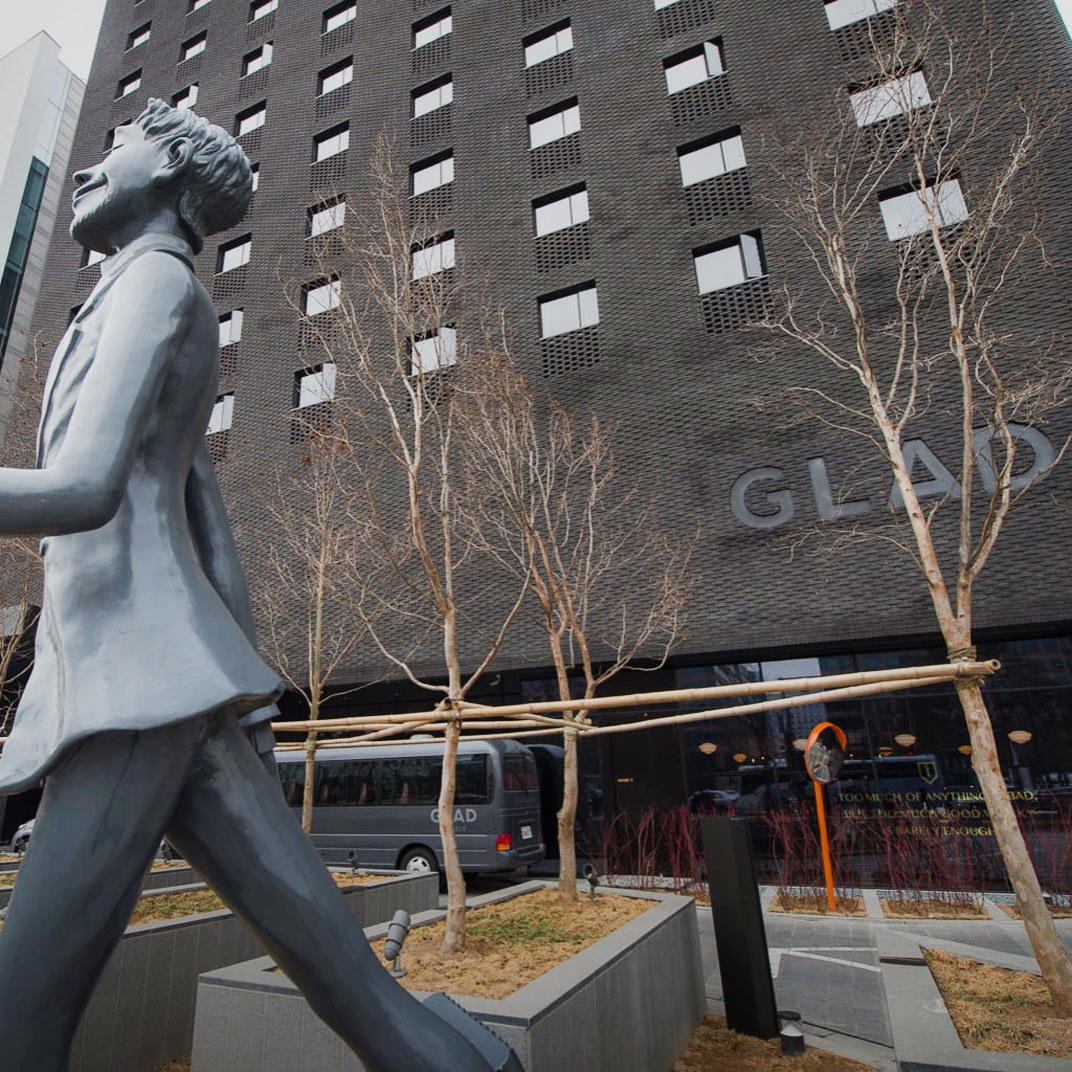
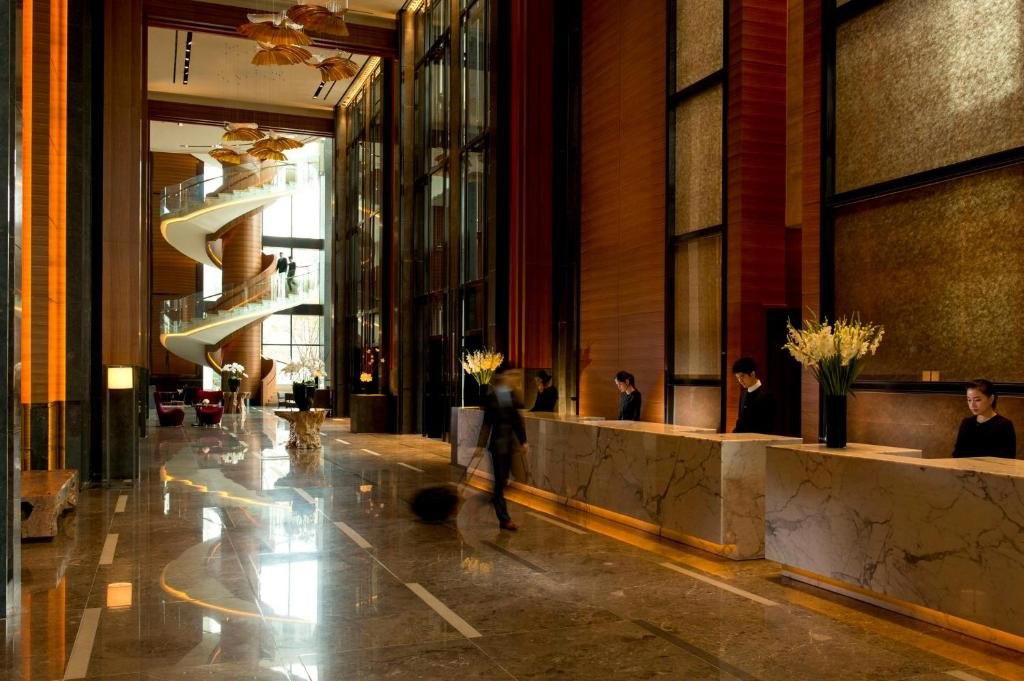
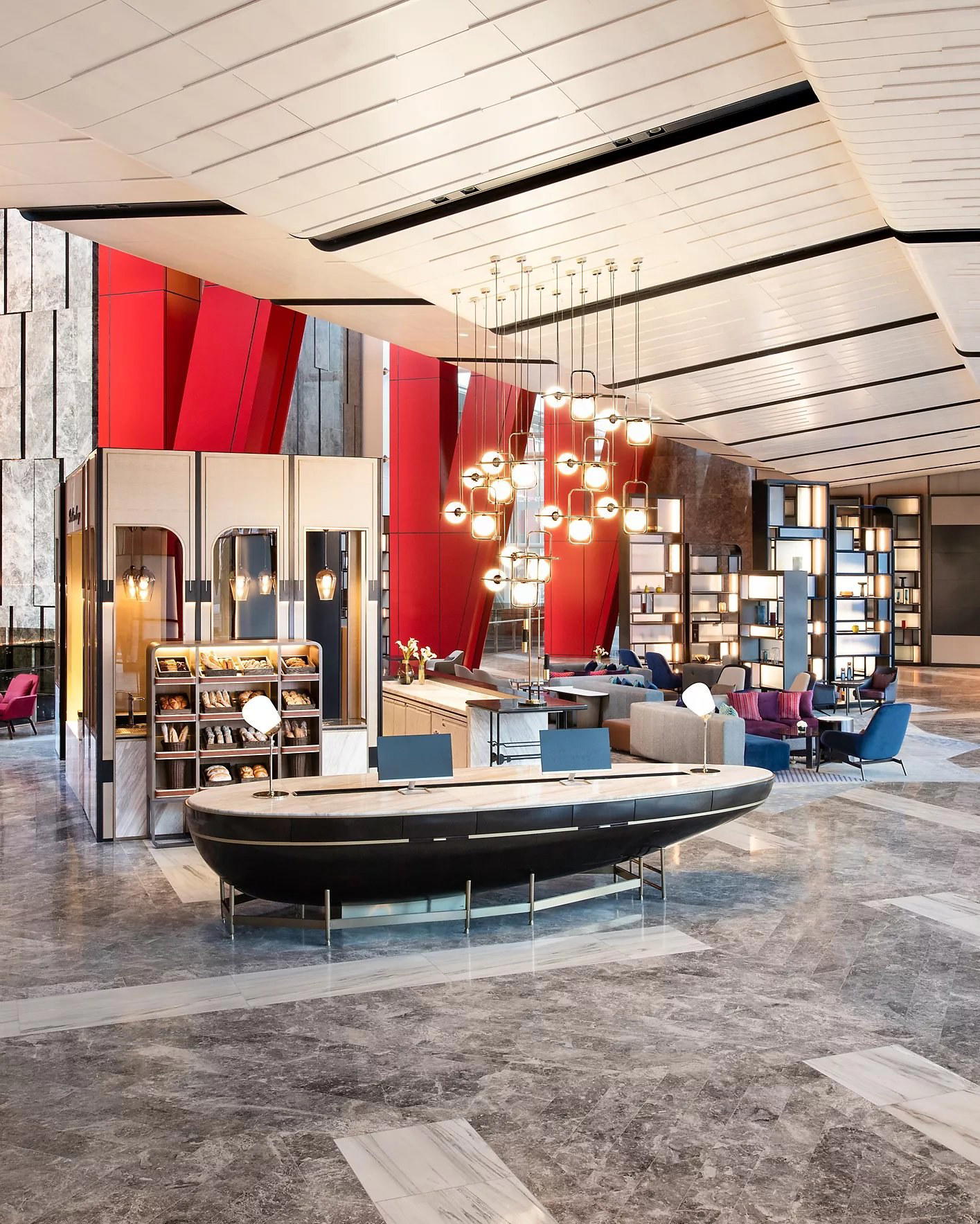
Bars in Seoul
All bars in Seoul →
Details
- Modern
- Trendy
- Energetic
- Weekend Escape
- Celebration
- Group Retreat
- Design Destination
- Rooftop Pool
- Terrace
- Wi Fi
- Fitness Center
- Room Service
- Restaurant
- Concierge
- Valet Parking
- Elevator
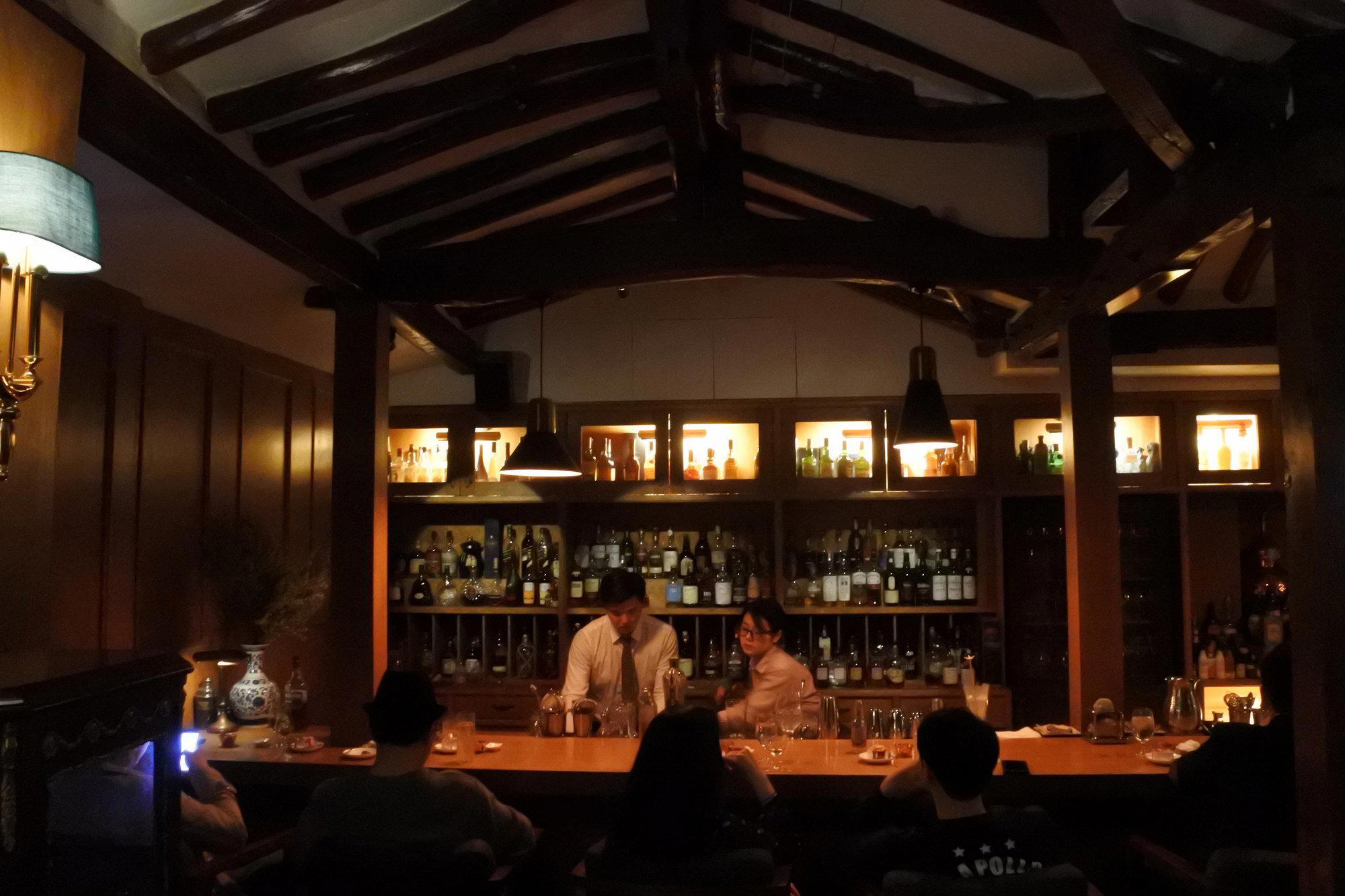
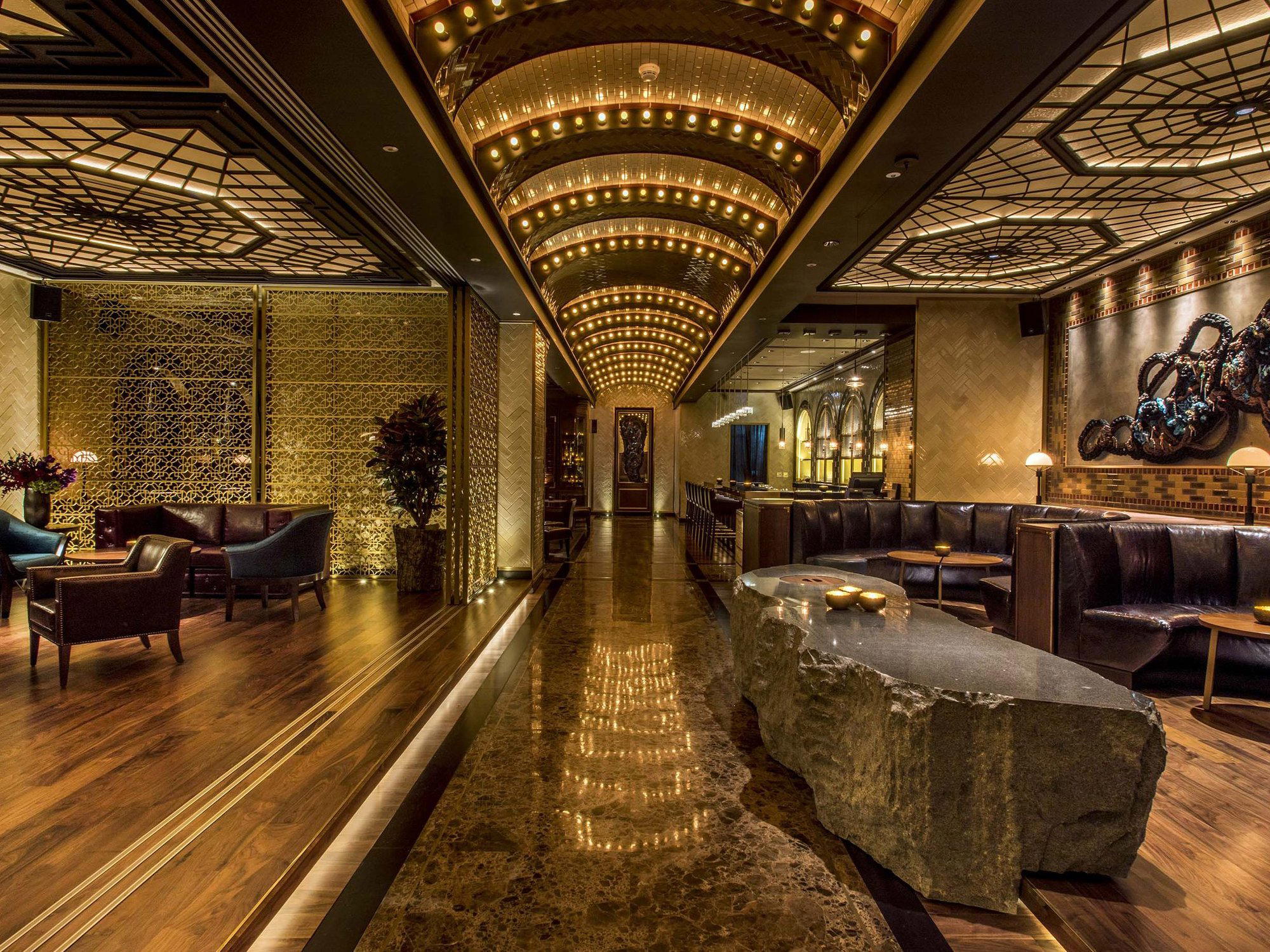
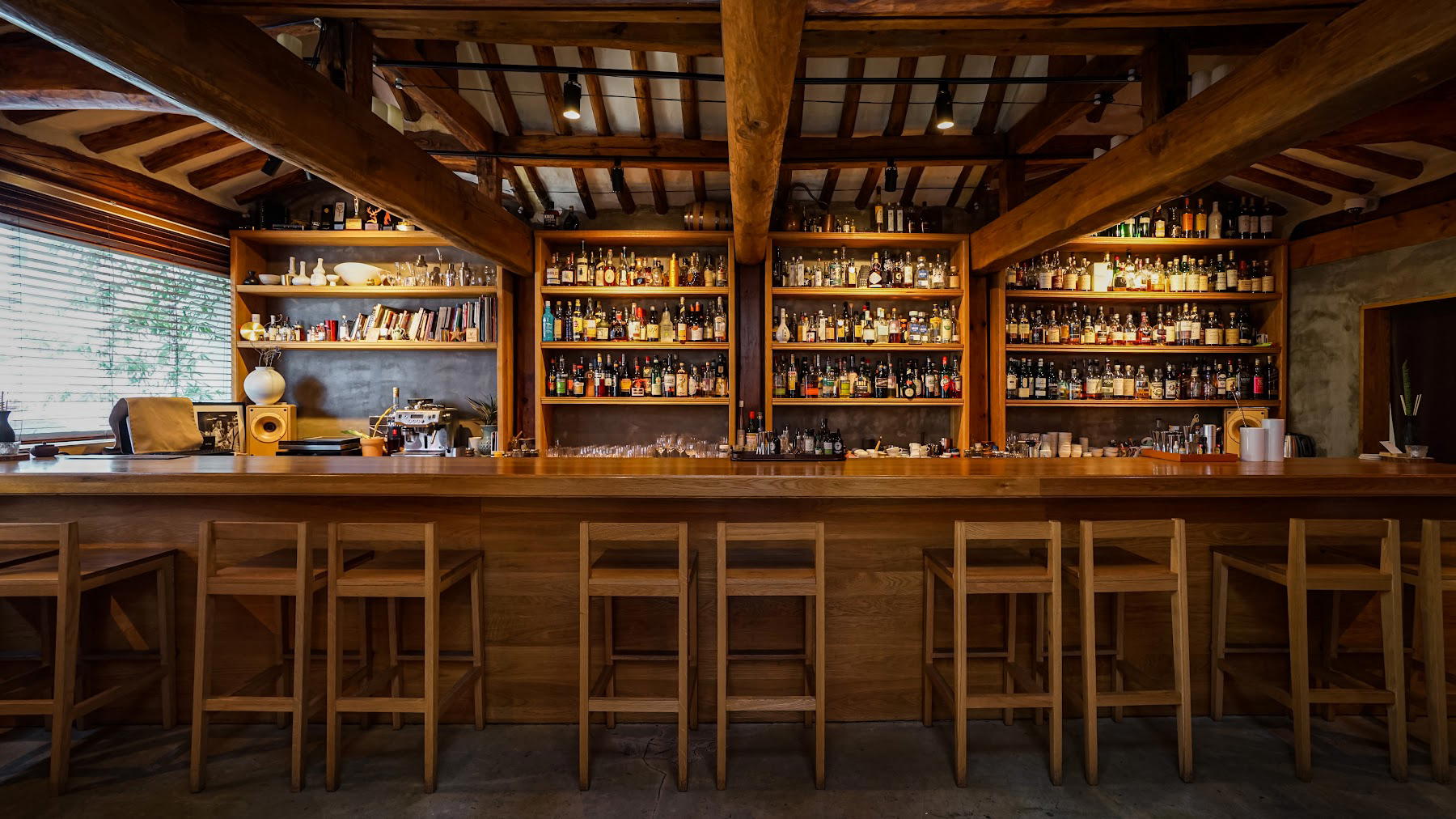
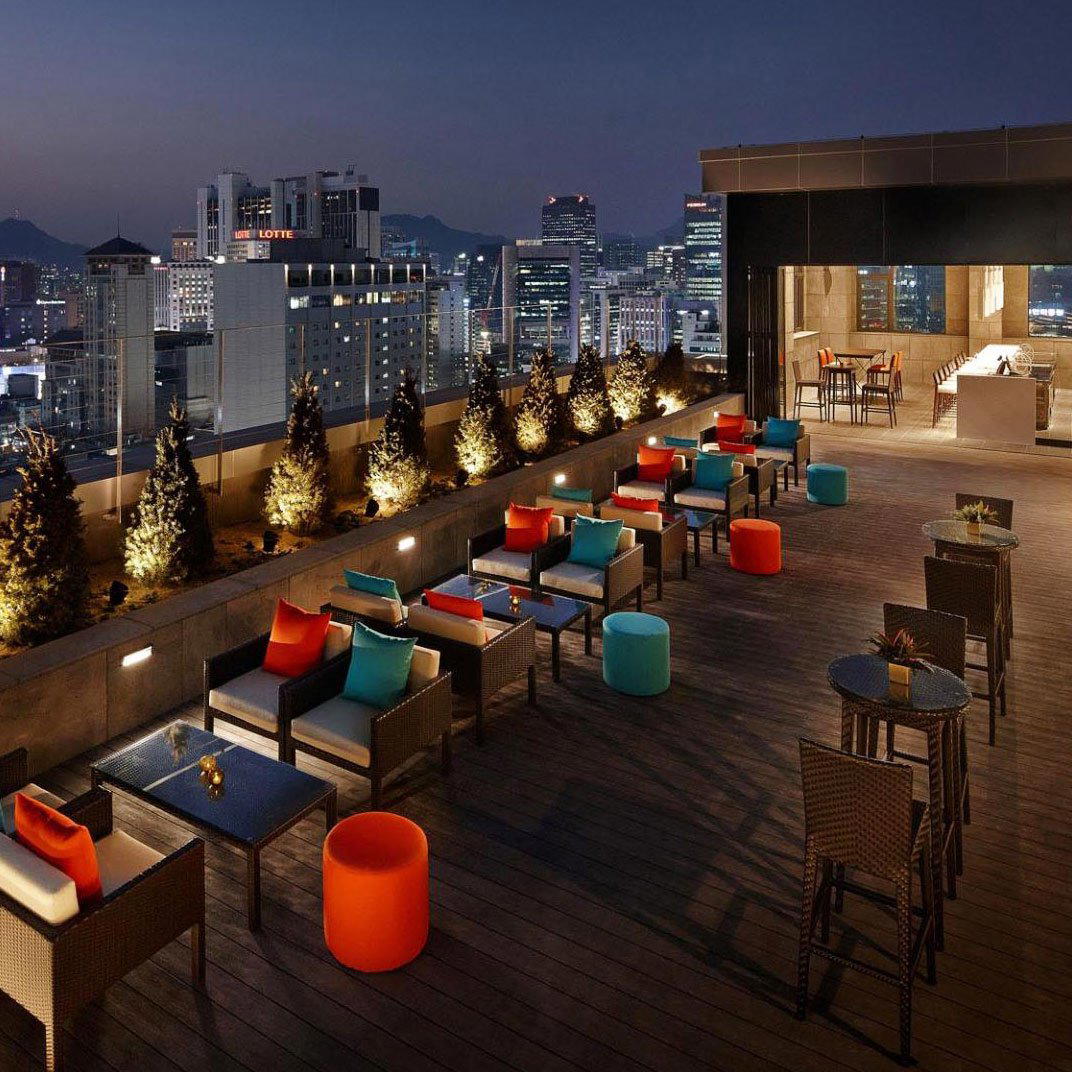
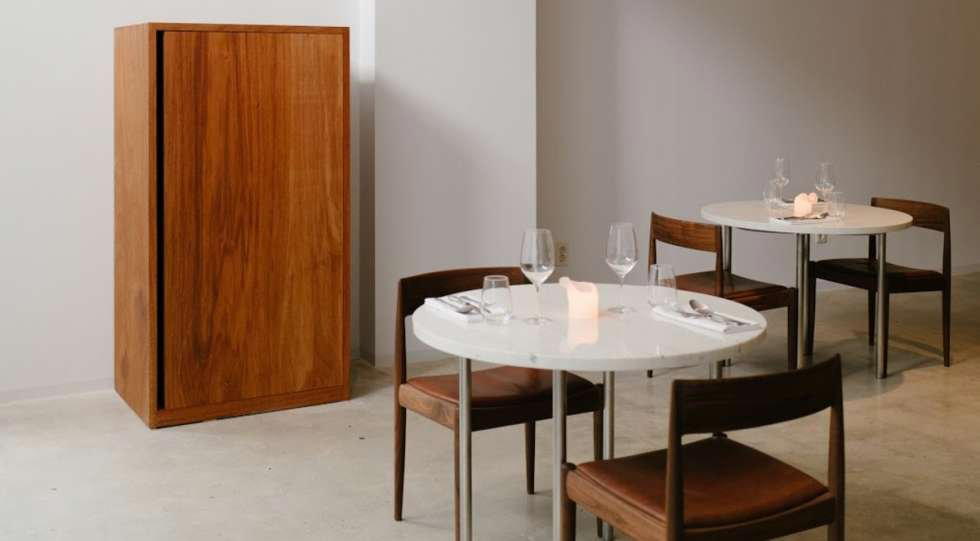
Fresh, lively, and contemporary with industrial aesthetic balanced by warm textures; features modern design with artistic installations and creative energy reflecting the neighborhood's cultural pulse.