L’Escape, a Luxury Collection Hotel, Seoul Myeongdong
L’Escape, a Luxury Collection Hotel, Seoul Myeongdong belongs to the Seoul hotel conversation shaped by shopping districts, rail access, and design-led urban stays rather than resort seclusion.With limited public data available in public sources, this guide reads the property through its Myeongdong setting and the choices a traveller should verify before committing.
 Discover on Pearl
Pearl is the En Primeur Club membership app — saves, bookings, and concierge access live there. Same editors, same standards.
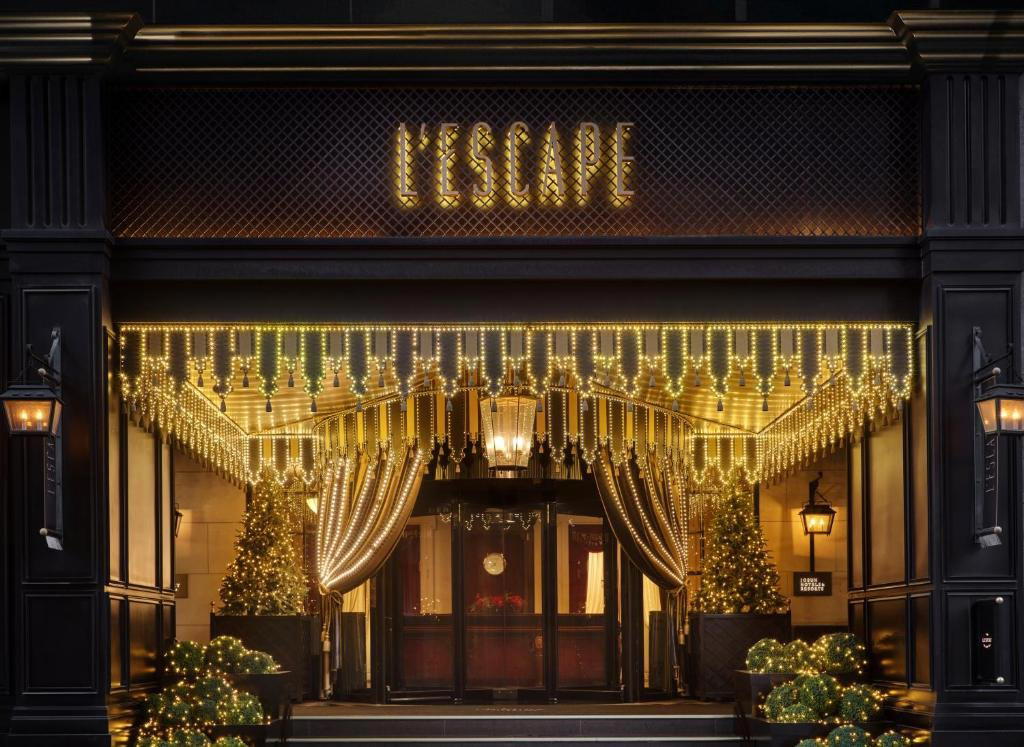
Myeongdong changes the hotel question before the lobby does
Approaching a hotel in Myeongdong is rarely a quiet prelude. The district has the compression Seoul does so well: cosmetics stores, department-store traffic, office workers cutting through side streets, travellers arriving with shopping bags, and a steady undertow of subway movement. That setting matters because a hotel here is judged less by seclusion than by how convincingly it manages contrast. The successful city-centre stay in Seoul creates a controlled interior rhythm without pretending the neighbourhood outside has disappeared.
L’Escape, a Luxury Collection Hotel, Seoul Myeongdong sits inside that particular urban equation. The most useful reading is to place the hotel inside Seoul’s design-hotel category. In a city where luxury can mean Gangnam scale, palace-adjacent formality, riverside business convenience, or boutique theatricality, Myeongdong points toward a different priority set: immediate centrality, shopping access, transport practicality, and a strong threshold between public street and private room.
The design-led Seoul stay has split into several camps
Seoul’s premium hotel scene is not one market. It is a set of overlapping hotel types, each answering a different version of the city. Gangnam properties often trade on business access, dining density, and polished neighbourhood infrastructure; central hotels near Gwanghwamun and City Hall lean into government, palace, and corporate itineraries; riverside and Yeouido addresses suit finance, events, and larger-format stays; Myeongdong remains the shorthand for travellers who want the city’s retail and transit machinery close at hand.
Within that spread, design-led hotels carry a specific burden. They cannot rely only on location, because location is already doing much of the work in Seoul. They need a point of view in the physical environment: scale, lighting, material, room proportion, and circulation. A Myeongdong hotel with a luxury-positioned name competes not simply with other rooms nearby, but with every Seoul hotel that promises a stronger sense of place than a generic international business stay.
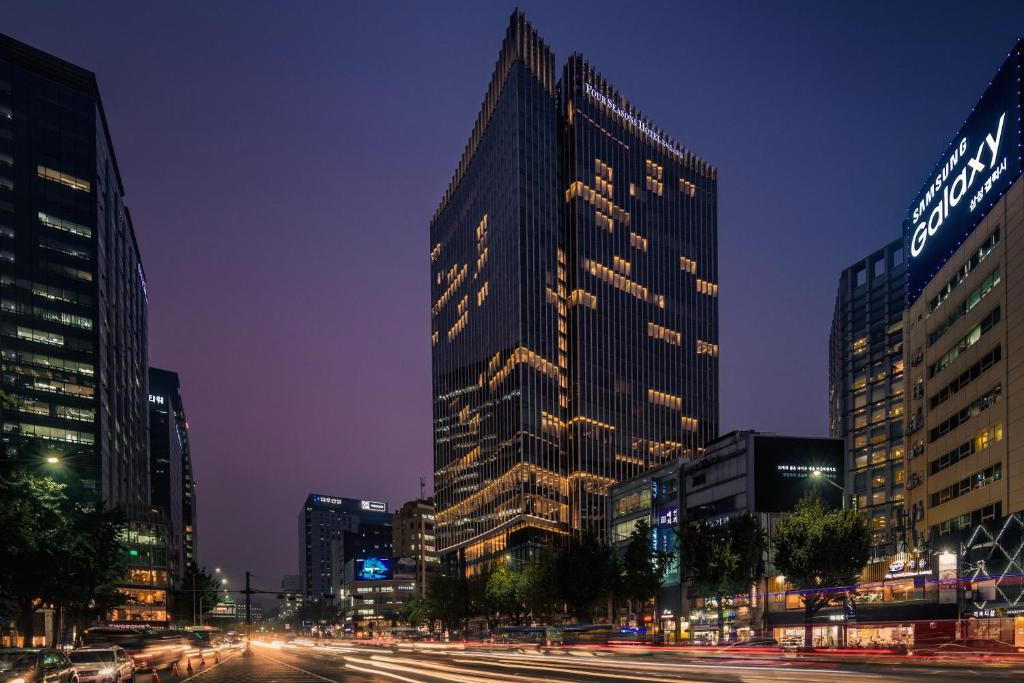
For comparison within Seoul, Four Seasons Hotel Seoul occupies the capital’s high-service central tier, while Andaz Seoul Gangnam belongs to the Gangnam lifestyle-hotel conversation. Conrad Seoul and Fairmont Ambassador Seoul make stronger sense for travellers anchored to Yeouido or major events. Banyan Tree Club & Spa Seoul belongs to the leisure-and-privacy side of the city, while Aman Seoul Cheongdam, as listed in EP Club’s Seoul hotel coverage, points toward the quieter high-luxury Cheongdam frame. Myeongdong is a different proposition: less retreat, more city contact.
Why Myeongdong still matters for hotel strategy
Myeongdong can be misunderstood by travellers who judge it only by its retail surface. Yes, the district is associated with shopping, beauty, casual dining, and constant foot traffic. But from a hotel-planning perspective, its strength is structural. It places a visitor near central Seoul’s commercial core, with easy movement toward historic areas, department stores, and subway-connected itineraries. For a first stay in Seoul, that convenience can outweigh the calmer social codes of Gangnam or the wider room formats found in some newer districts.
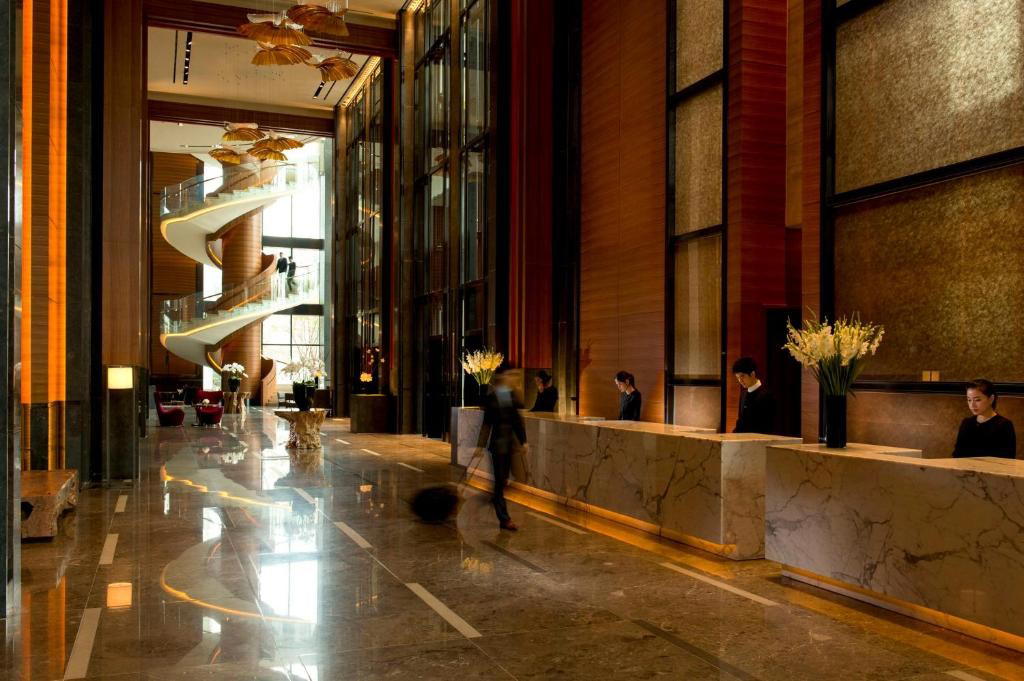
The trade-off is atmosphere. A traveller choosing Myeongdong accepts a district that works late, moves quickly, and has a high visitor volume. That is not a flaw if the trip is built around shopping, short transfers across central Seoul, or a compressed itinerary. It is less suitable for anyone seeking a residential mood or a hotel stay defined by quiet approaches and long resort-style days. In design terms, the neighbourhood demands a stronger interior edit. The hotel has to create distance through arrival sequence, acoustic control, lighting, and room comfort, because the street will not do that work on its own.
This is where comparison clarifies the decision. Travellers prioritising restaurants and evening bars may want to pair the hotel search with the Seoul restaurants guide and the Seoul bars guide. Those planning broader cultural days can use the Seoul experiences guide. For hotel alternatives by district and format, the Seoul hotels guide is the cleaner starting point than comparing only nightly rates across booking engines.
What the available data says, and what it does not
The hotel should be evaluated as a centrally located Seoul hotel where neighbourhood fit and design preference carry more weight than any accolade. L’Escape, a Luxury Collection Hotel, Seoul Myeongdong should be evaluated as a centrally located Seoul hotel where neighbourhood fit and design preference carry more weight than any unverified accolade.
The hotel has 204 rooms and is rated 5 stars, with a premium nightly rate around $250. Brand affiliation can matter for travellers who care about loyalty frameworks, service standards, and global booking channels, but brand is not a substitute for current price, room category, renovation status, or dining details. Those are the points that shape a stay decision.
Design is the differentiator, but evidence should be current
Design hotels age differently from business hotels. A clean corporate room can remain serviceable for years if maintenance is disciplined. A highly styled property is judged more sharply because its references, colours, furniture, and lighting create expectations. Seoul is especially unforgiving on this front: the city refreshes interiors, retail concepts, cafés, and cultural spaces at high speed. A hotel that reads current in one cycle can feel over-composed in the next if rooms, corridors, or public areas are not maintained with equal attention.
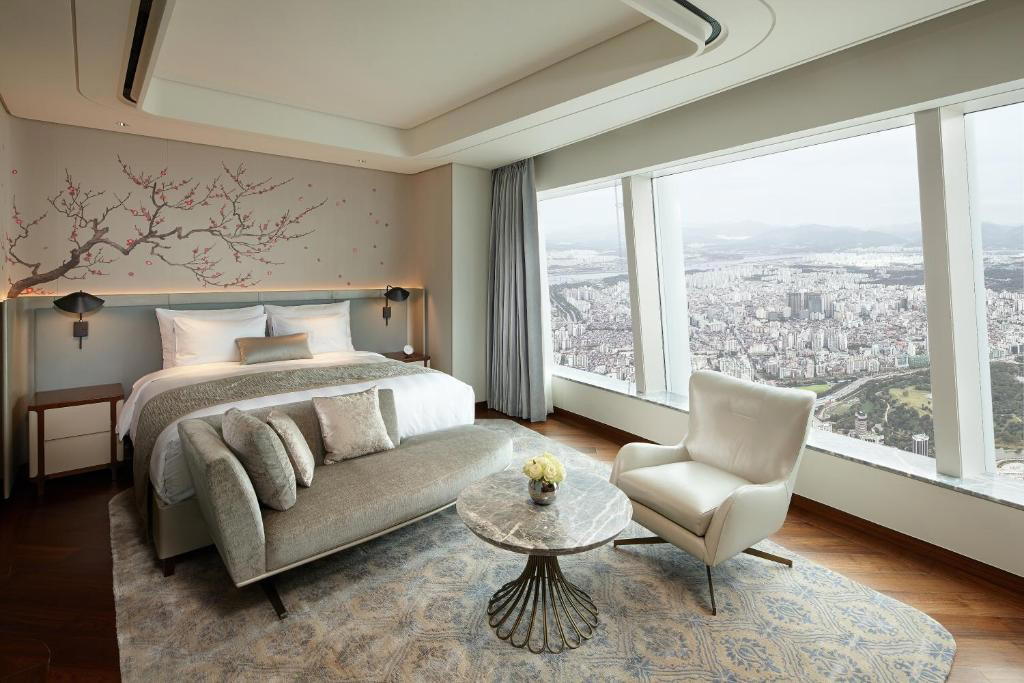
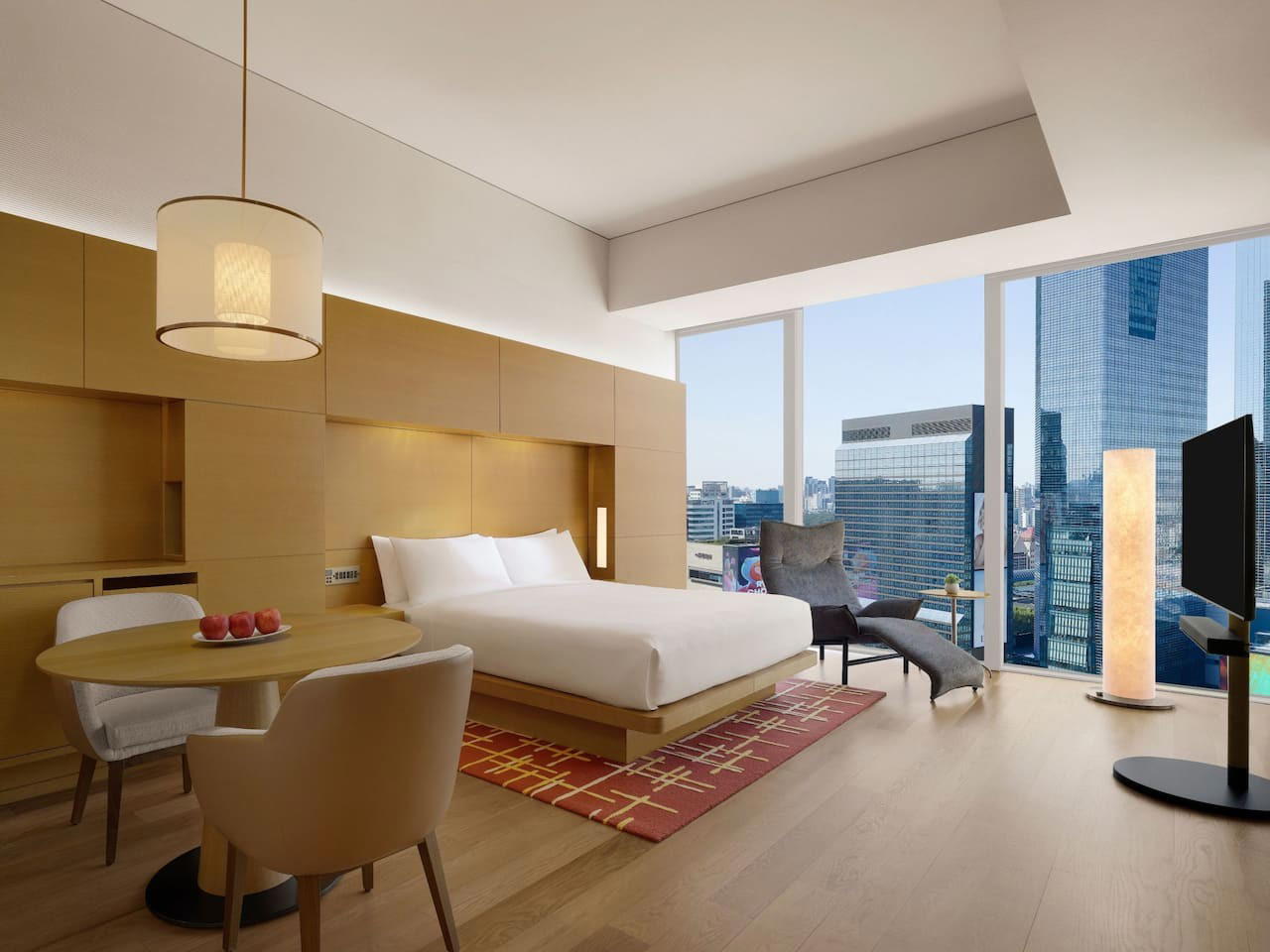
That is why recent guest photography, current room-category images, and up-to-date renovation notes matter more here than generic brand language.The smart question is not whether the hotel has a design identity; it is how that identity performs in the room being booked.Does the bathroom layout suit two travellers?Is the desk workable for a business trip?Are windows and storage adequate for a Seoul shopping itinerary?Are lower room categories meaningfully different from suites, or does the style carry across the range?None of these can be answered from public sources, so they should sit at the centre of pre-arrival research.
Travellers comparing design-led Korean stays beyond Seoul may also look at Art Paradiso Boutique Hotel, Hotel Onoma Daejeon, Autograph Collection in Daejeon, Soi Hanok Stay (소이 한옥스테이) in 경주시, and KOSMOS ULLEUNGDO in Ulleung-gun. Those comparisons are not direct substitutes for a Myeongdong address, but they show how Korean hospitality now stretches from urban brand hotels to architecture-led retreats and hanok-based stays.
Who should choose this part of Seoul
Myeongdong works for travellers who want a practical base and plan to move through the city rather than spend long days inside the hotel. It suits first-time Seoul itineraries, retail-heavy trips, short stays, and travellers who value being in a recognisable central district. It also works for guests who prefer a hotel with a stronger visual identity than a neutral business property, provided they confirm current room images and the exact category being booked.
It is a weaker fit for travellers who want a neighbourhood that feels local after midnight, a resort-style rhythm, or immediate access to Gangnam dining and late-night social circuits. For those priorities, Andaz Seoul Gangnam and other southern-river options may be more logical. Families focused on theme-park-style itineraries may also compare Casino Hotel Seoul or other activity-adjacent properties depending on the trip structure. Travellers extending the journey beyond Seoul can shift the hotel logic completely: Grand Hyatt Jeju in Jeju, JW Marriott Jeju Resort & Spa in Seogwipo, Lotte Resort Jeju Art Villas in Seogwipo-si, Park Hyatt Busan in Busan, The Ananti Namhae in Namhae Gun, and Hyatt Place Gwangju in Gwangju each answer a different travel need.
How to plan the stay without overreading the listing
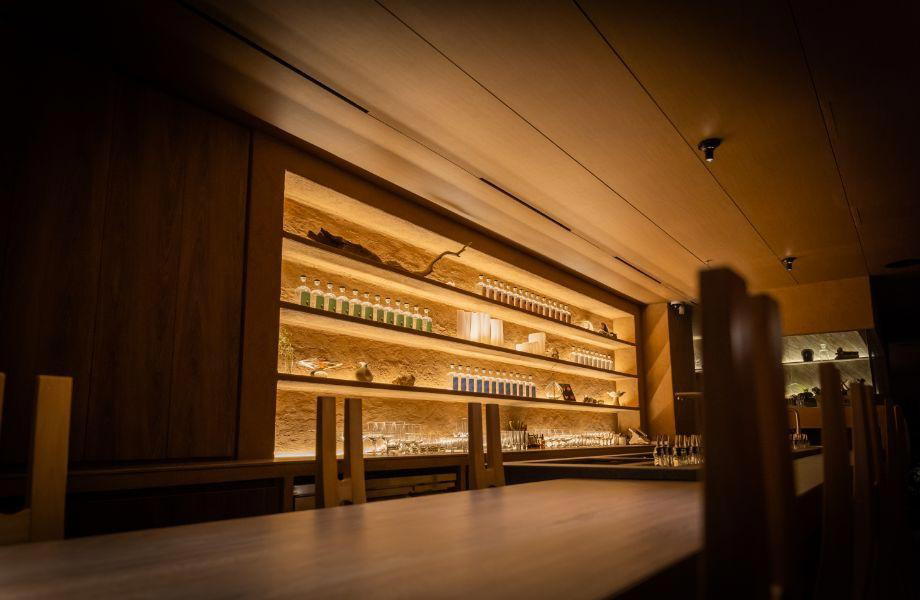
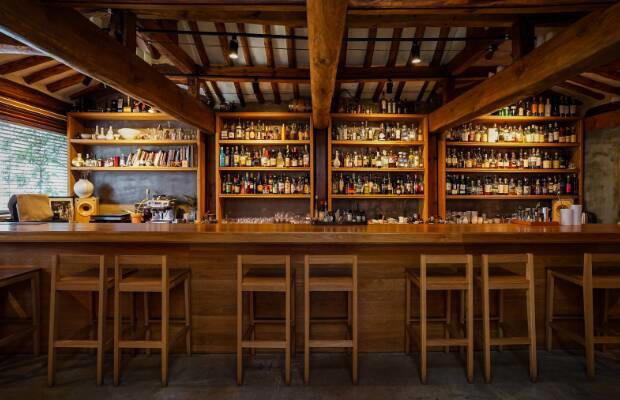
The practical approach is to treat the property as a central Seoul design-hotel candidate and confirm the missing variables in order.First, check the current address and transport plan against the day-by-day itinerary.Second, compare the exact room category, not just the lead-in rate, because design hotels can vary significantly by size, light, and bathroom layout.Third, verify breakfast, dining, and any bar or lounge access directly through official channels, since public sources do not provide cuisine, chef, hours, or booking method.Fourth, compare cancellation terms and taxes alongside the nightly rate; value cannot be judged from base price alone.
Season also affects the decision. Seoul’s spring and autumn travel periods tend to put more pressure on central hotels, while summer humidity and winter cold make subway proximity and short transfers more valuable. Myeongdong’s density can feel efficient in poor weather because retail and transit are close, but it can also feel crowded during peak visitor periods. The better booking strategy is therefore not simply to chase the lowest rate. Match the district to the itinerary, then choose the room category that solves the trip’s actual friction points.
For readers using Seoul as part of a broader hotel comparison, international references can be useful. The Fifth Avenue Hotel in New York City, Hôtel de Paris Monte-Carlo in Monte Carlo, and Badrutt's Palace Hotel in St. Moritz sit in different historical and geographic categories, but they make the same broader point: a hotel’s architecture, district, service model, and price tier must be read together. A famous address alone does not answer the stay question.
In Context
Comparable venues nearby, for context on price, style, and recognition.
| Venue | Cuisine | Price | Awards | Notes |
|---|---|---|---|---|
| L’Escape, a Luxury Collection Hotel, Seoul MyeongdongThis venue — the venue you are viewing | $$$$ | 5-Star | ||
| Josun Palace, a Luxury Collection Hotel, Seoul | $$$$ | 5-Star | Samseong-dong, Contemporary luxury reimagining of a historic 1914 landmark with Korean-modernism meets mid-century European design | |
| THE PLAZA Seoul, Autograph Collection | $$$$ | 5-Star | Sajik-dong, Luxury boutique hotel combining international Marriott standards with local Korean heritage, positioned as a contemporary luxury destination in downtown Seoul. | |
| Sofitel Ambassador Seoul Hotel & Serviced Residences | $$$$ | 5-Star | Jamsil-dong, Luxury serviced residence combining French elegance with contemporary Korean design, positioned for both short-term luxury stays and extended residential comfort. | |
| JW Marriott Dongdaemun Square | 이화동, Modern luxury tower | $$$$ | 5-Star | |
| JW Marriott Hotel Seoul | $$$$ | 5-Star | 잠원동, Contemporary luxury blending international style with Korean hospitality |
At a Glance
- Romantic
- Elegant
- Opulent
- Whimsical
- Sophisticated
- Modern
- Romantic Getaway
- Honeymoon
- Weekend Escape
- Anniversary
- Business Trip
- Design Destination
- Historic Building
- Terrace
- Wifi
- Spa
- Fitness Center
- Room Service
- Concierge
- Valet Parking
- Business Center
- Street Scene
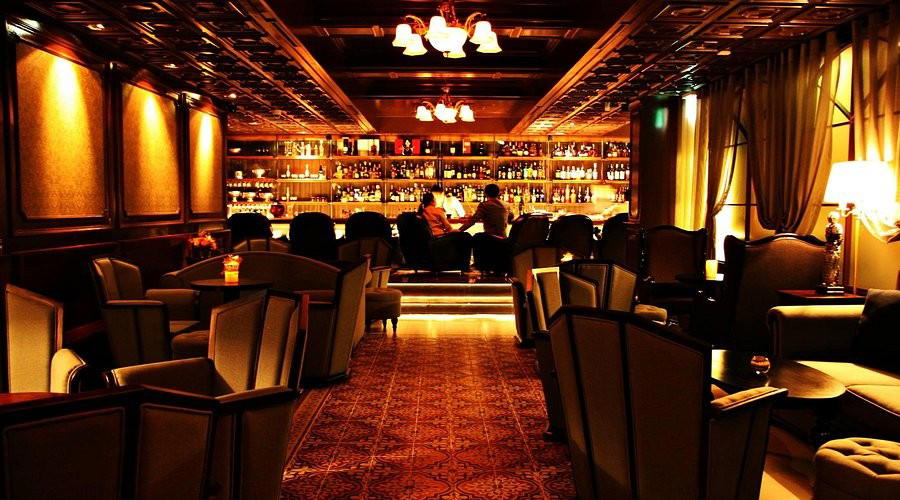
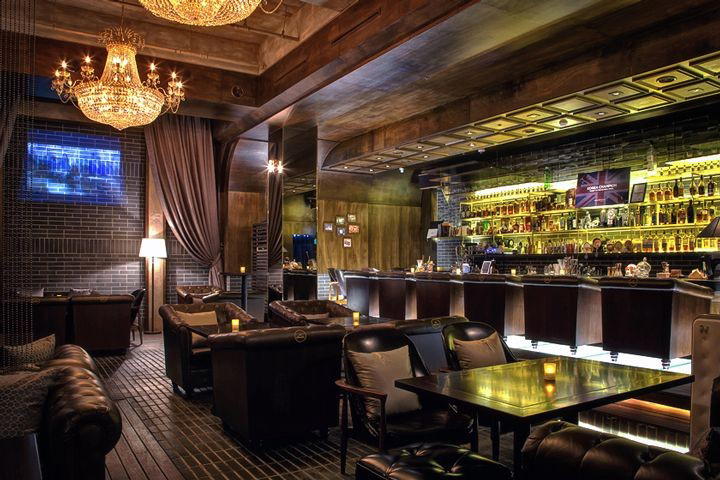
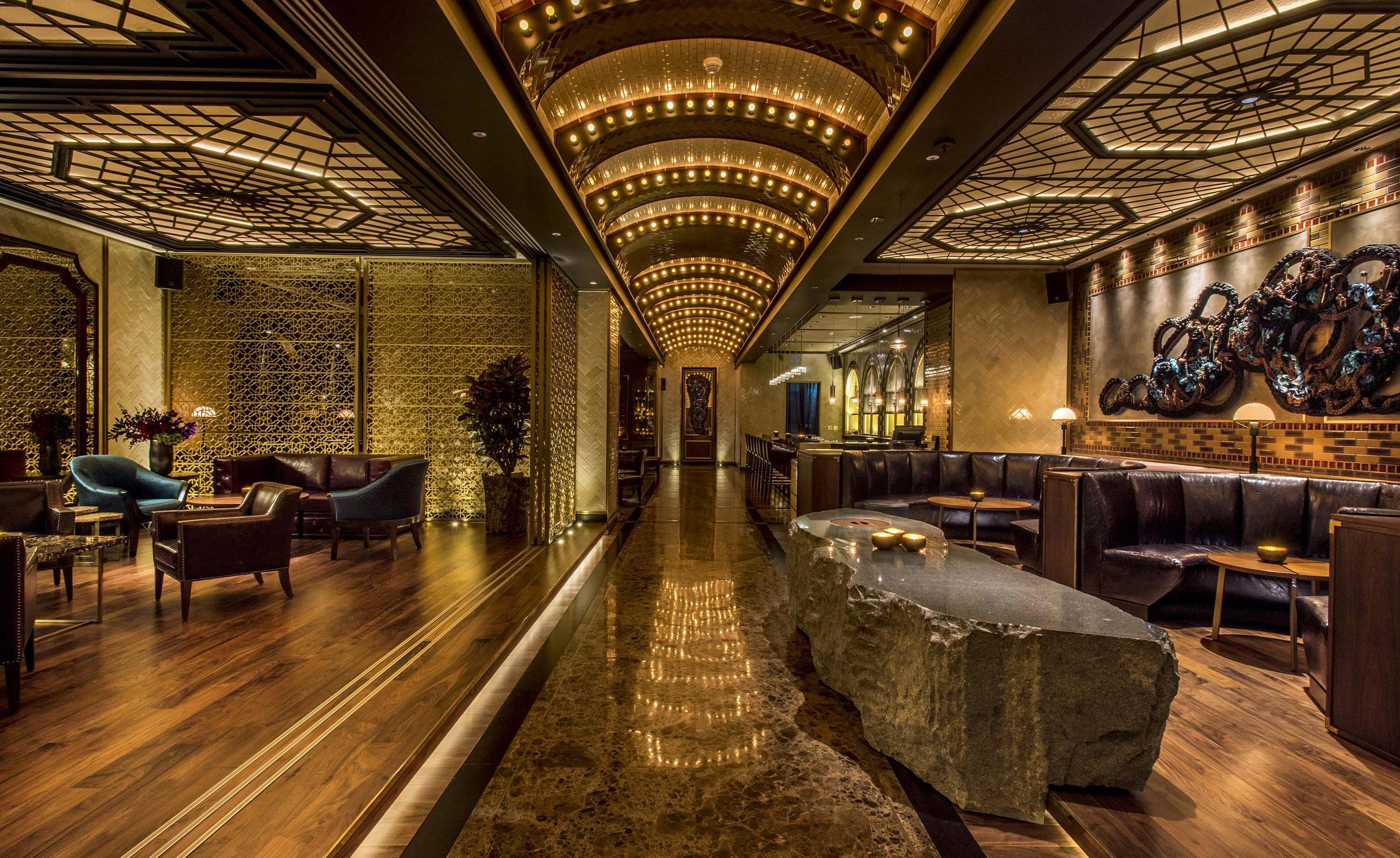
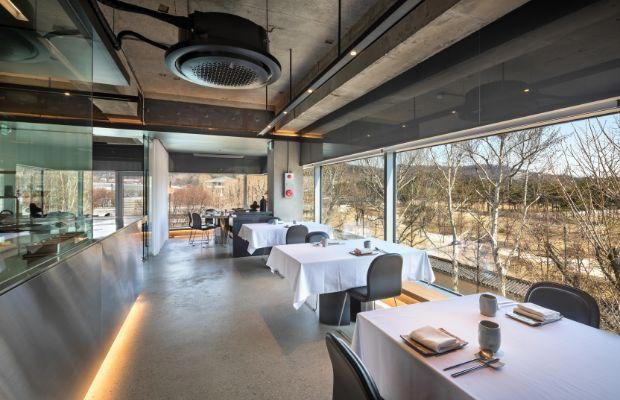
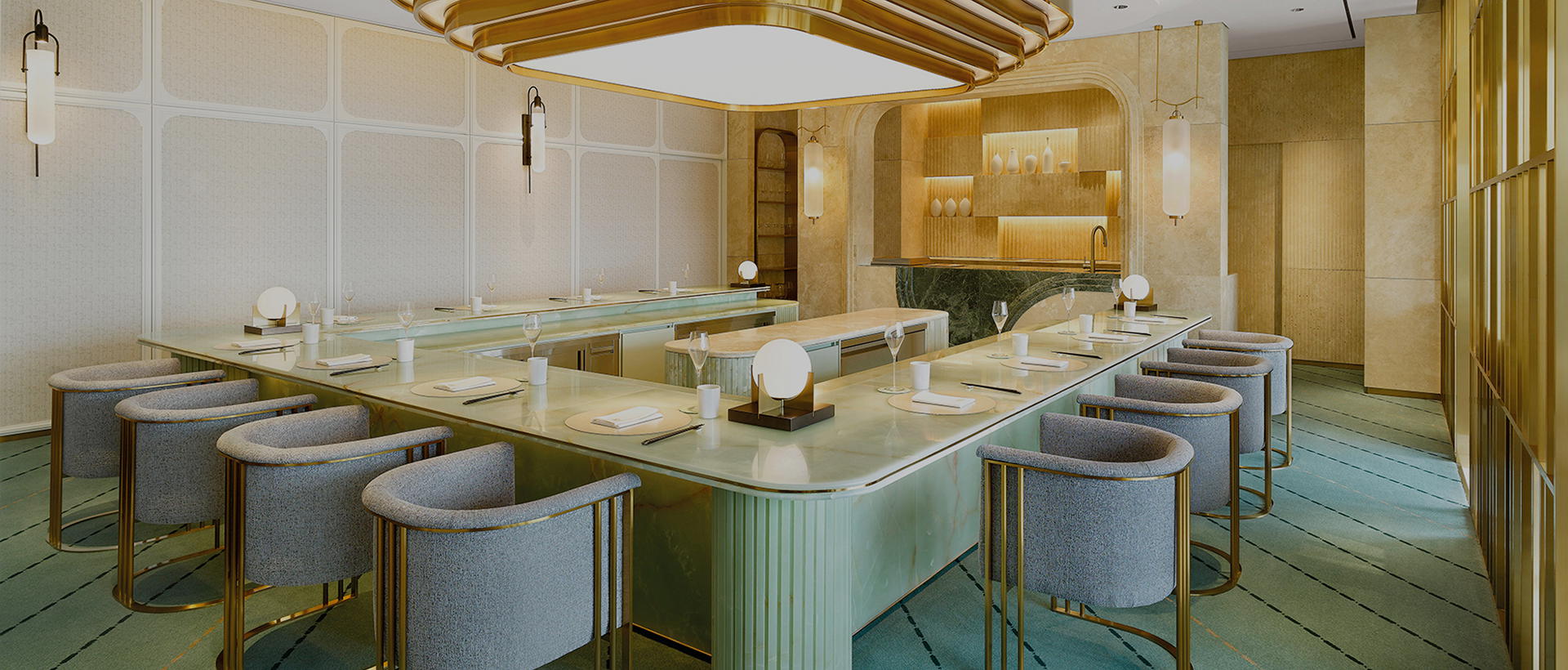
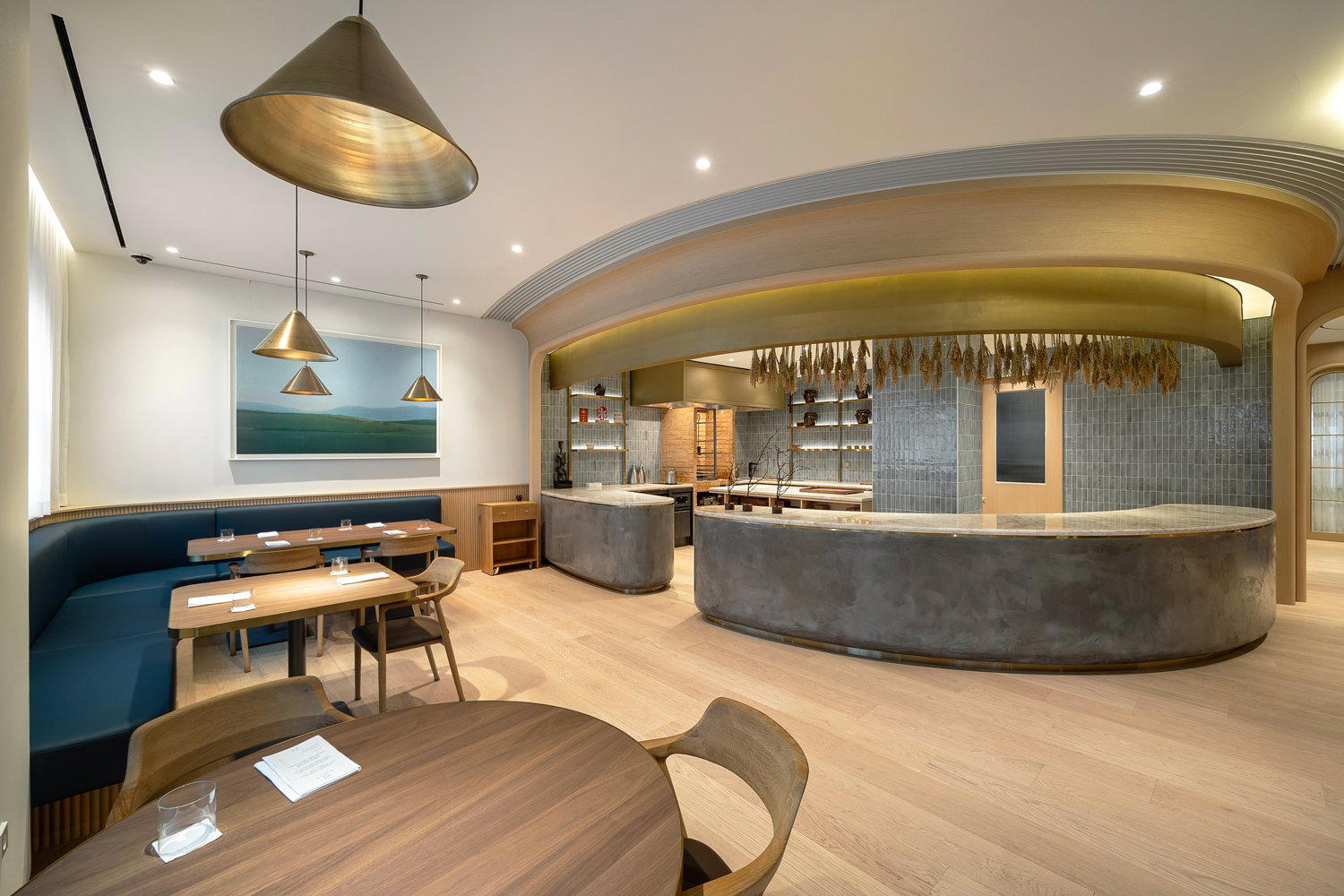
Atmosphere is intimate and romantic with dim, moody lighting, rich textiles, and ornate Parisian-style decor that feels like a Belle Époque escape from the busy Myeongdong streets.