Kinosaki Onsen's rail gateway deposits visitors directly into one of the San'in coast's most complete hot spring towns, where seven public bathhouses, willow-lined canals, and a dense cluster of ryokan define the arrival experience. The station anchors a walkable district in Toyooka, Hyogo Prefecture, where the transition from train platform to yukata-clad street life happens within minutes. For premium onsen travel in western Honshu, this is the logical entry point.

Pearl is the En Primeur Club membership app — saves, bookings, and concierge access live there. Same editors, same standards.
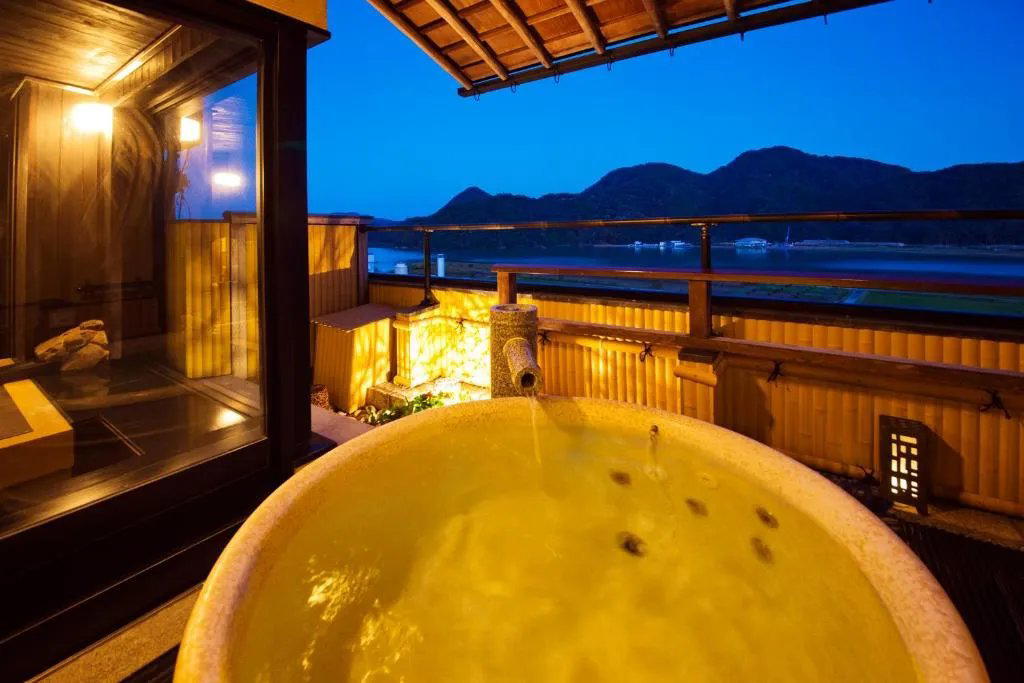
Arriving at Kinosaki: When the Platform Is Part of the Experience
There are train stations in Japan that function purely as transit infrastructure, and then there are stations that mark a threshold. Kinosaki Onsen Station (城崎温泉駅), serving the town of Kinosaki-cho in Toyooka, Hyogo Prefecture, belongs firmly to the second category. Step off the limited express Kounotori from Osaka or the Super Hakuto from Kyoto and the shift is immediate: the platform air carries the faint mineral trace of sulfurous spring water, the taxi rank is largely irrelevant because the bathhouses begin within five minutes on foot, and the luggage forwarding counters inside the station exist precisely so guests can walk to their ryokan in yukata without dragging a suitcase through the willow-lined streets. The station is not incidental to the Kinosaki experience. It is the opening scene of it.
Kinosaki Onsen as a spa town predates the modern rail era by well over a thousand years, with the earliest written references to its springs dating to the Nara period. The station, however, is what made the town accessible to a broader travelling public, and the compactness of the district it serves is what keeps the experience coherent. Every major bathhouse, every significant ryokan, and the entire length of the Otani River canal are within a roughly twenty-minute walk of the platforms. That walkability is the structural fact around which Kinosaki's entire hospitality model is built: guests are expected to circulate between the seven public bathhouses (sotoyu) across multiple sessions during their stay, moving through the town in the cotton robes provided by their accommodations. The station is the fixed point around which that circulation rotates.
The Onsen Town Context: Seven Bathhouses and a Specific Logic
Understanding what Kinosaki Onsen delivers requires understanding the sotoyu system. Unlike ryokan destinations where the hot spring experience is wholly contained within the property, Kinosaki operates a shared civic model: guests purchase a day pass or receive one bundled with their accommodation, then move between seven distinct public bathhouses across the duration of their stay. Each bathhouse has its own architectural character, spring composition, and social atmosphere, ranging from the riverside Goshonoyu to the mountain-base Mandara-yu near the ropeway terminus. The town's dining and shopping strip runs parallel to the canal, and the pattern of a bath, a walk, a meal, another bath is the grammar of a Kinosaki visit rather than an optional itinerary suggestion.
This structure places Kinosaki in a different category from the private-pool ryokan model that defines destinations like Zaborin in Kutchan or ENOWA Yufu in Yufu, where the onsen experience is curated, contained, and typically exclusive to guests. Kinosaki is deliberately communal. The public bathhouses are where guests from different ryokan share the same water, and that mix is considered part of the tradition rather than a design compromise. It is closer in spirit to Araya Totoan in Kaga's Yamanaka Onsen context, where the surrounding town contributes meaningfully to the stay experience.
The Ryokan Tier and the Dining Programme
The accommodation offer in Kinosaki is dominated by ryokan, and the dining programme at the upper tier of those properties is where the most substantive hospitality investment concentrates. Kinosaki sits at the edge of the Sea of Japan, and the food culture of the San'in coast is built around seafood seasonality in a way that is unusually legible to visitors. The clearest expression of this is the matsuba crab (a variety of snow crab caught off the Tottori and Hyogo coast) season, which runs roughly from November through March. During this window, the kaiseki menus at Kinosaki's leading ryokan are structured almost entirely around crab, and the pricing tier for a crab-focused kaiseki stay rises considerably above the off-season baseline. Booking during peak crab season requires planning several months in advance.
Among the ryokan properties anchoring Kinosaki's premium tier, Nishimuraya Kinosaki Onsen (西村屋本館) and Nishimuraya Honkan represent the longest-established family of properties in the town, with a multi-generational operating history that gives them both the deepest supplier relationships on the coast and the most refined kaiseki programmes. At this level, the dinner sequence is the primary event of the evening, and the culinary identity is rooted in seasonal San'in produce rather than the more nationally homogenised kaiseki repertoire found at larger resort brands. The contrast with properties like HOTEL THE MITSUI KYOTO in Kyoto or Bvlgari Hotel Tokyo is instructive: those properties operate within a globally legible luxury vocabulary, while Kinosaki's dining programmes are grounded in a very specific regional harvest calendar that would look different in any other prefecture.
For ryokan further down the town's accommodation spectrum, the kaiseki programme remains present but the sourcing and execution vary considerably. Guests committed to the dining experience as a primary motivation should concentrate on the upper-tier properties and confirm the current seasonal menu emphasis at the time of booking, particularly around the crab season transition dates.
Getting There and Planning the Visit
Kinosaki Onsen Station is served by JR West's San'in Main Line, with limited express services connecting to Osaka (approximately two hours forty minutes) and Kyoto (approximately two hours thirty minutes via the Super Hakuto). The station is the terminus for most through-services, making it direct to reach without a change. JR Pass holders can board these services without surcharge on most services, though seat reservations are recommended during peak seasons. The town's compact geography means no in-town transport is necessary: the station, all seven bathhouses, and the main ryokan strip are connected on foot.
Kinosaki sits within a day-trip radius of Kyoto or Osaka in theory, but the onsen circuit model only functions as designed across an overnight stay. The bathhouse pass and the evening kaiseki dinner are the two anchors of the experience, and both require a room. The seasonal premium for crab-season kaiseki stays is substantial, so travellers working within a fixed budget who still want the core Kinosaki experience should consider shoulder periods in October or late spring, when the sourcing shifts to other Sea of Japan seafood and the pricing is more accessible.
Comparable onsen destinations in western Honshu include Sekitei in Hatsukaichi-shi and Azumi Setoda in Onomichi, though neither replicates the specific civic bathhouse circuit model. For those extending a San'in itinerary toward the Izu or Hakone regions, Asaba in Izu and Gora Kadan in Hakone offer the closest equivalents in terms of traditional ryokan calibre, though the regional food identity shifts entirely. For onsen properties in Kyushu, ANA InterContinental Beppu Resort and Spa and Bettei Otozure in Nagato occupy a different bracket. Our full Toyooka restaurants and hotels guide covers the broader Toyooka context, including the Tajima beef and stork conservation story that gives the wider region its culinary and ecological character.
Further onsen and resort references for planning a wider Japan itinerary: Amanemu in Mie, Benesse House in Naoshima, Fufu Kawaguchiko in Fujikawaguchiko, Fufu Nikko in Nikko, Halekulani Okinawa, Jusandi in Ishigaki, Beniya Kofuyuden in Awara, and Atami Izusan Karaku in Atami.
Price and Positioning
| Venue | Price | Awards |
|---|---|---|
| 城崎温泉駅This venue — the venue you are viewing | $100–200 | Not listed |
| Bvlgari Hotel Tokyo | Not listed | 3 Michelin Keys · World's 50 Best #24 |
| Aman Kyoto | Not listed | 2 Michelin Keys · World's 50 Best #74 |
| Aman Tokyo | Not listed | 2 Michelin Keys · World's 50 Best #11 |
| Amanemu | Not listed | 3 Michelin Keys · La Liste Top Hotels |
| Four Seasons Hotel Tokyo at Otemachi | Not listed | 3 Michelin Keys · La Liste Top Hotels |
Continue exploring
More in Toyooka
Hotels in Toyooka
All hotels in Toyooka →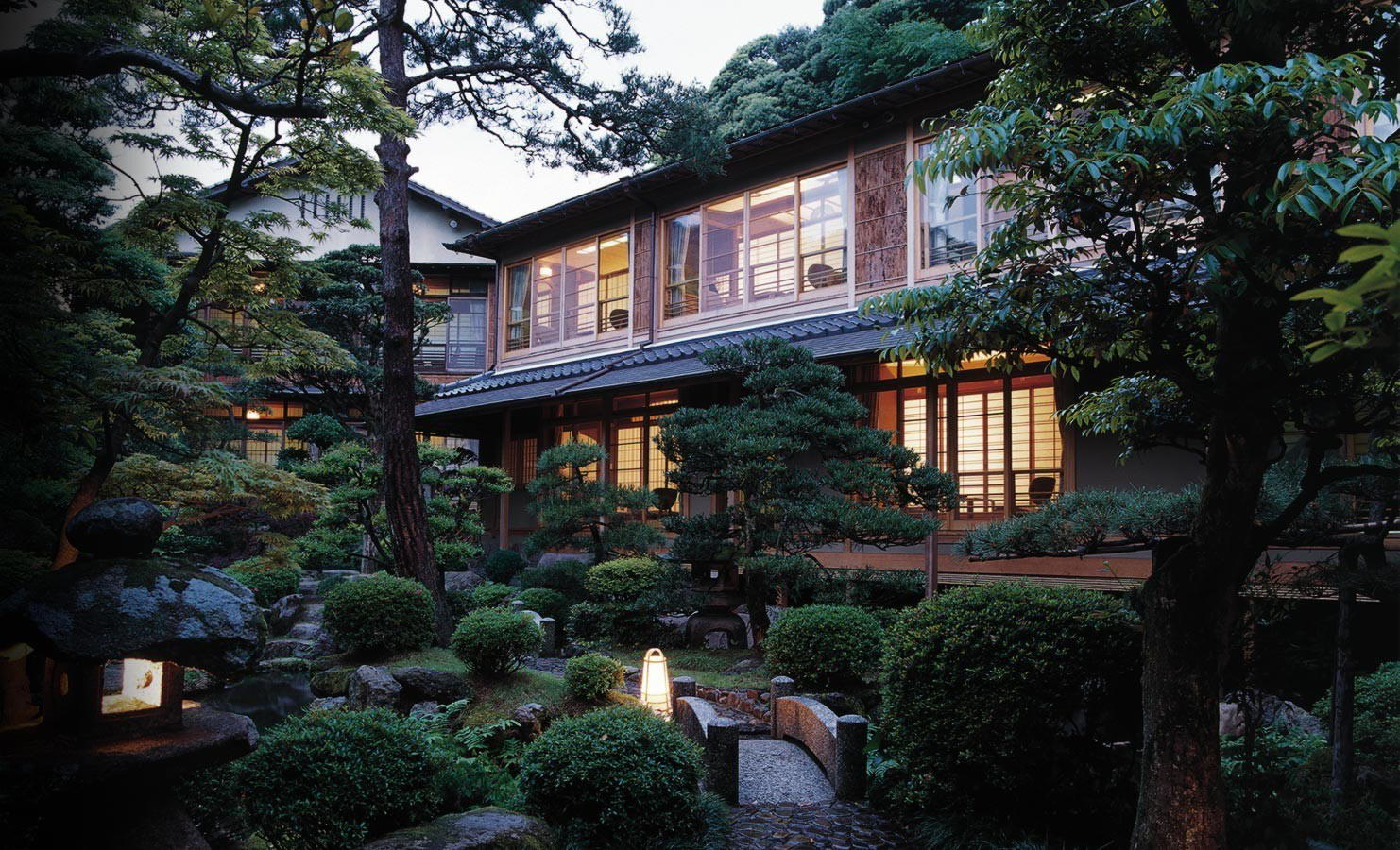
Details
- Quiet
- Scenic
- Cozy
- Classic
- Romantic Getaway
- Wellness Retreat
- Weekend Escape
- Historic Building
- Panoramic View
- Wi Fi
- Spa
- Room Service
- Garden
- Mountain
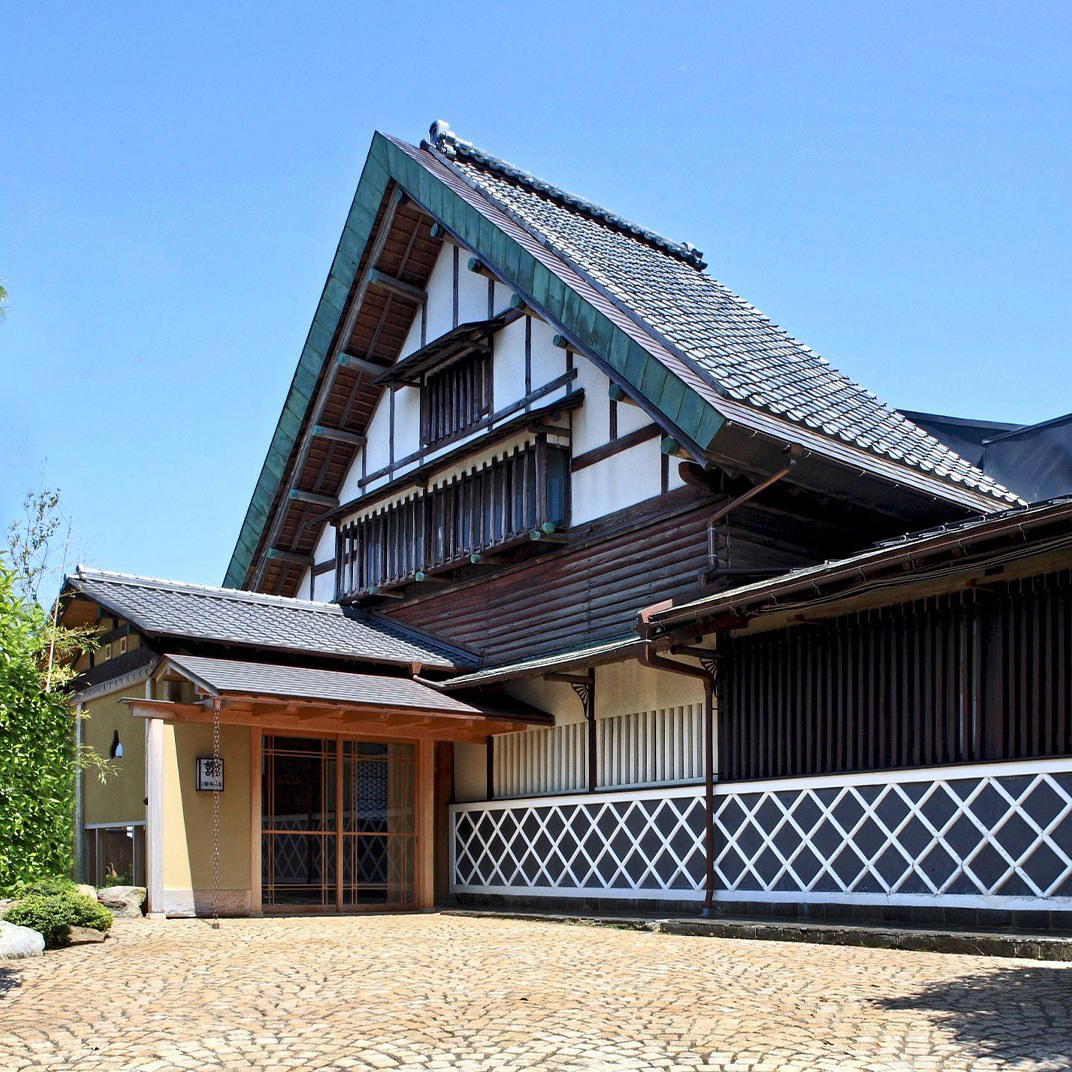
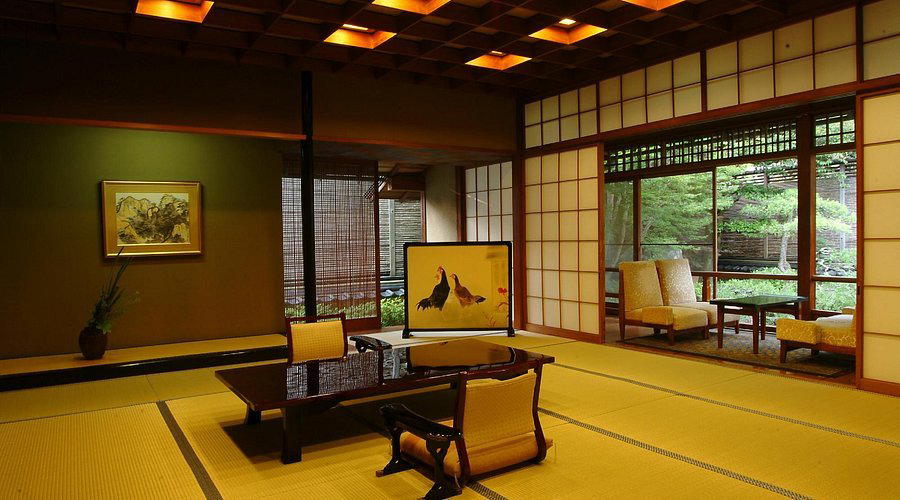
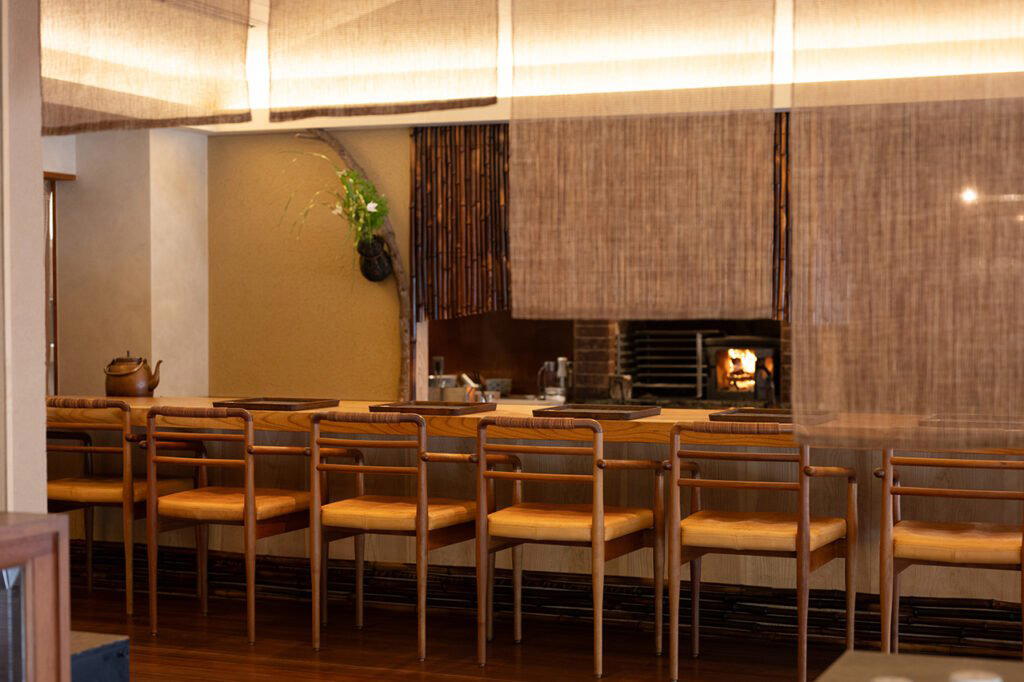
Relaxed and serene with traditional Japanese wooden architecture, garden views, and soothing hot spring atmosphere.