Nishimuraya Honkan

Relais Chateaux Award
Our verdict
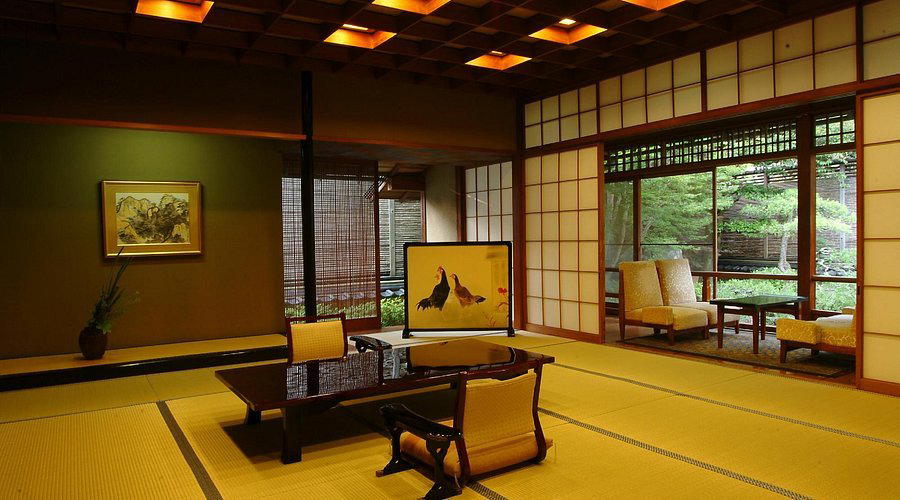
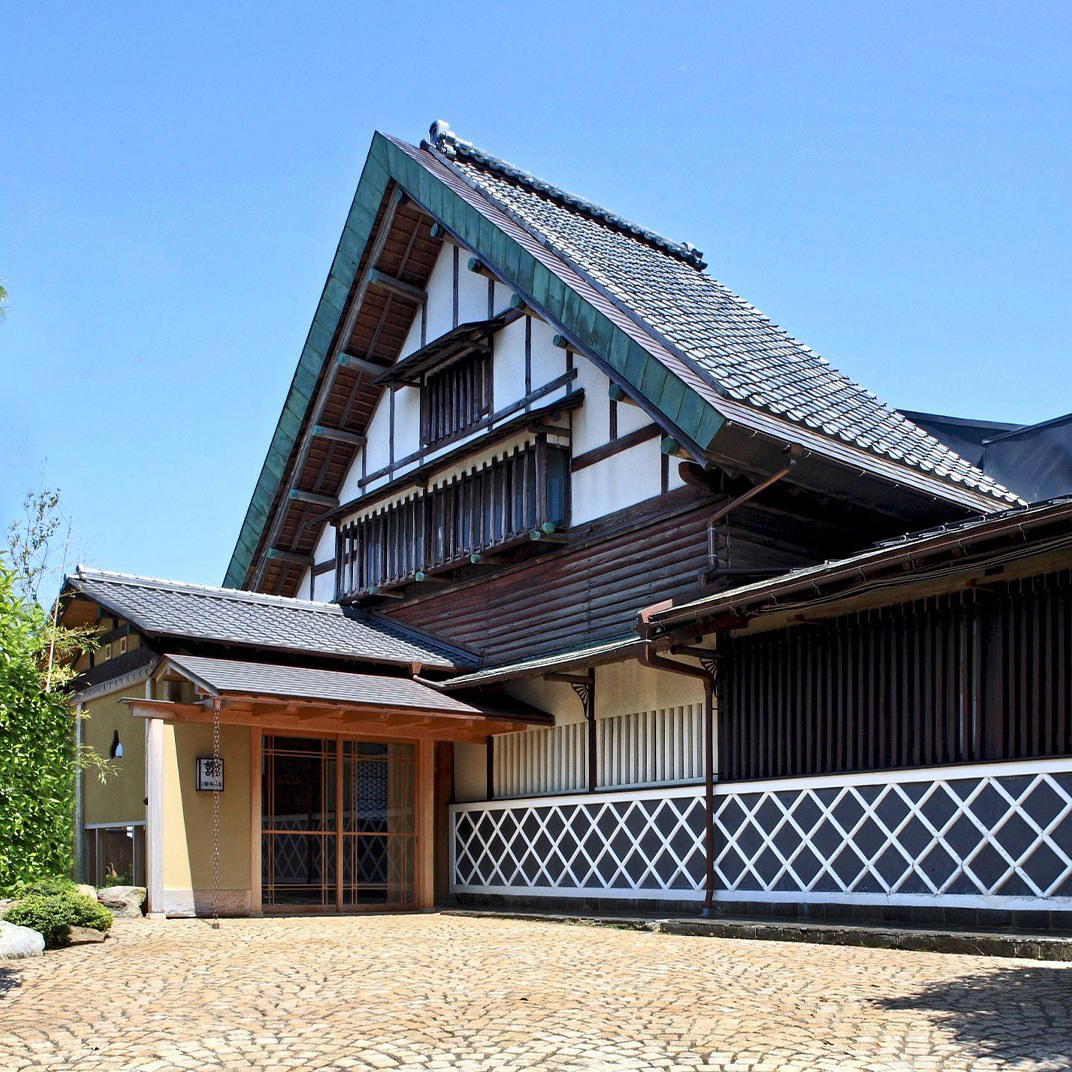
Nishimuraya Honkan is a seven-generation ryokan in Kinosaki Onsen, one of Japan's most storied hot-spring villages, where in-room kaiseki dinners follow the rhythms of the season rather than a fixed menu. The property sits at the gates of a temple, placing guests inside the village's meditative character from arrival. EP Club members rate it 4.8 out of 5.

Pearl is the En Primeur Club membership app — saves, bookings, and concierge access live there. Same editors, same standards.
- Address
- 463-2 Kinosakicho Yushima, Toyooka, Hyogo 669-6101, Japan
- Phone
- +81 796-32-4680
- Hours
- Mon–Tue 10 AM–10:15 PMWed ClosedThu–Sun 10 AM–10:15 PM
- Website
- sanpou-nishimuraya.com
- Directions
- Get directions
- Booking
- Book on TableCheck
The menu
What to order
- Matsuba crab course
- Tajima beef course
- Seasonal kaiseki dinner
Arriving in a Hot-Spring Village Built Around Ritual
The walk from JR Kinosaki Onsen Station — roughly two kilometres along a willow-lined canal — sets expectations before you reach the front gate. Kinosaki is one of the few onsen towns in the Kansai-Chugoku corridor that has preserved its communal bathing culture largely intact: seven public bathhouses, a single main street, and a centuries-old convention that guests move between baths in yukata and wooden geta. The arrival experience at Nishimuraya Honkan extends that ritual logic, because the building itself stands at the gates of a temple, drawing the boundary between town life and the contemplative interior of the ryokan before you have crossed the threshold.
That physical positioning matters in ways that go beyond atmosphere. Kaiseki, the multi-course seasonal format served here under Chef Etsunobu Takahashi, evolved in proximity to Zen temple culture and the tea ceremony. Its aesthetic principles, restraint, seasonal precision, the weight given to negative space on a lacquer tray, are not decorative choices. They are inherited protocols, and a ryokan sited at a temple gate carries that lineage into the room in a way that a city kaiseki counter, however accomplished, structurally cannot.
Kaiseki as Seasonal Argument
Kaiseki is a format that resists compression. Where the kaiseki counters in Kyoto and Tokyo, places like Gion Sasaki in Kyoto or Aca 1° in Kyoto, operate as theatrical dining rooms where the chef performs across a counter, ryokan kaiseki operates on a different register entirely. The meal comes to the guest. Courses arrive in the guest room, timed around the baths, unfolding over two to three hours without the ambient pressure of a restaurant setting. Each dish in a kaiseki sequence serves a structural purpose: sakizuke as an opening statement, hassun to establish the season, yakimono as the protein pivot, and so on. The sequence is a calendar argument, not a tasting menu in the Western sense.
Hyogo Prefecture's position on the Sea of Japan coast gives Kinosaki kitchens a different larder than the kaiseki houses in Kyoto or the sushi counters of Tokyo. The region is known for Matsuba crab in winter, a product so closely tied to the local economy that the season's opening in early November is treated as a civic event. That seasonal specificity feeds directly into the kaiseki philosophy: the menu at a place like Nishimuraya Honkan reflects not just the calendar month but the specific coastal geography of Toyooka and the Sea of Japan shore.
Seven Generations and What That Means in Practice
Family continuity across seven generations is not primarily a sentimental credential. In Japanese hospitality, it signals something structural: accumulated knowledge of suppliers, relationships with local fishing boats and mountain foragers, and an institutional memory of how a place changes season by season across decades. The premium ryokan market in Japan has split between large resort-group properties, many of them operated by chains like Hoshino Resorts, and family-run establishments where the operational logic is inheritance rather than brand standards. Nishimuraya Honkan sits firmly in the latter category, and that distinction shapes everything from the sourcing decisions to the omotenashi rhythm, the attentive service model that a seven-generation house has had time to calibrate.
Placing Kinosaki in Japan's Kaiseki Map
Japan's kaiseki geography tends to centre on Kyoto and, to a lesser degree, Tokyo, where restaurants like Aoyagi in Tokyo operate as urban kaiseki destinations with Michelin recognition. Osaka's fine dining scene runs parallel with different emphases, as you can see at HAJIME in Osaka. Kinosaki operates outside that urban circuit, which means it draws guests who are specifically seeking the ryokan format rather than a restaurant destination. The comparison is not between Nishimuraya Honkan and a Kyoto counter; it is between Nishimuraya Honkan and other historic ryokan kaiseki experiences in regions like the Noto Peninsula, the Izu coast, or the onsen towns of Kyushu, where properties such as those near Aji Arai in Oita serve comparable coastal-seasonal menus.
What separates Kinosaki from those peer regions is the density of the communal bathing infrastructure. The town's seven bathhouses mean that the evening moves between room, bath, and table in a sequence that structures the body's experience of the meal. That sequence, hot bath, then cold air, then a composed kaiseki course by the window, is difficult to replicate elsewhere and it matters to how the food lands.
Getting There and Planning the Stay
Access from Kyoto runs via the Kyoto Jukan Expressway, exiting at Hidaka-Kanabekogen IC before joining Route 176 and Route 312 north toward the coast. From Osaka or Kobe, the Chugoku and Maizuru-Wakasa expressways connect to the Kitakinki-Toyooka Expressway with signage for Toyooka and Kinosaki. By rail, JR Kinosaki Onsen Station sits approximately two kilometres from the property. Kounotori Tajima Airport is 20 kilometres away; Kansai International handles international arrivals at 215 kilometres, with Osaka Itami at 150 kilometres for domestic connections.
Winter is the dominant high season, driven by Matsuba crab availability from November onward. Autumn foliage and spring plum blossom periods also draw considerable demand, so booking well ahead of those windows is standard practice. For broader context on dining, accommodation, and what to do between bath visits, see our full Kinosaki-cho restaurants guide, our full Kinosaki-cho hotels guide, our full Kinosaki-cho bars guide, our full Kinosaki-cho experiences guide, and our full Kinosaki-cho wineries guide.
For readers building a wider Japan kaiseki itinerary, the regional spread is worth considering: Goh in Fukuoka, akordu in Nara, 1000 in Yokohama, 6 in Okinawa, Abon in Ashiya, affetto akita in Akita, Ajidocoro in Yubari District, and Harutaka in Tokyo each represent distinct regional approaches to seasonal Japanese cooking.
Frequently asked questions
Is Nishimuraya Honkan good for families?
Kinosaki Onsen is a village built around communal bathing ritual, and Nishimuraya Honkan's seven-generation family operation means the staff are practiced at accommodating multi-generational groups. In-room kaiseki dining removes the formality pressure that can make restaurant-format meals difficult with younger children or elderly relatives. That said, the setting — at the gates of a temple, in a heritage property — suits families who travel slowly rather than those looking for resort amenities.
Is Nishimuraya Honkan better for a quiet night or a lively one?
This is a property calibrated entirely toward stillness. Kaiseki is served in-room, the address sits against a temple, and Kinosaki Onsen's own rhythm — guests moving between the town's seven public bathhouses in yukata after dark — is unhurried by design. Guests seeking late bars or social dining rooms should look elsewhere; the draw here is the kind of quiet that requires planning to find.
What distinctions does Nishimuraya Honkan have?
Nishimuraya Honkan has received recognition including: HIGHLIGHTS: • RYOKAN IN A HOT-SPRING VILLAGE • AT THE GATES OF A TEMPLE • FAMILY-RUN FOR 7 GENERATIONS • IN-ROOM KAISEKI DINNERS DIRECTIONS & ACCESS: Directions By car From Osaka/Kobe: Chugoku Expwy > Maizuru-Wakasa Expwy > Kitakinki-Toyook….
What should I eat at Nishimuraya Honkan?
The format is in-room kaiseki under chef Etsunobu Takahashi, structured around seasonal ingredients from the San'in coast and Hyogo's interior. Kinosaki sits close enough to Tajima beef country and the Japan Sea that both tend to appear in kaiseki sequences at properties in this region, though the specific menu follows seasonal availability. Kaiseki here is not a restaurant experience you opt into — it is the dining structure of the stay itself.
Quick Comparison
Comparable venues nearby, for context on price, style, and recognition.
| Venue | Cuisine | Price | Awards | Notes |
|---|---|---|---|---|
| Nishimuraya HonkanThis venue — the venue you are viewing | Traditional Japanese Kaiseki | $300–500 | Relais Chateaux Award | Not listed |
| さかい | Japanese Kaiseki | $50–100 | Not listed | Kiguramachi |
| Akai | Innovative Japanese-French Omakase (“AKAI cuisine”) | Not listed | Not listed | Miyajimaguchi, Hatsukaichi |
| Dining at Kai (食事処) | Kaiseki Ryokan Dining | Not listed | Not listed | Yufuin |
| Ichijoin | Shojin Ryori (Buddhist Vegetarian) | $150–200 | Not listed | Koyasan |
| Mon cher ton ton (六本木 モンシェルトントン) | Kobe Beef Teppanyaki | Not listed | Tabelog 100 #69 | Roppongi |
Recognition history
Dated appearances from independent guides and award organizations, with the underlying list record or original source where available.
Relais Chateaux Award
Relais Chateaux
Full recognition history (2 entries)
Relais Chateaux Award
Relais Chateaux
Continue exploring
More in Kinosaki-cho
Restaurants in Kinosaki-cho
Browse all →
Hotels in Kinosaki-cho
Browse all →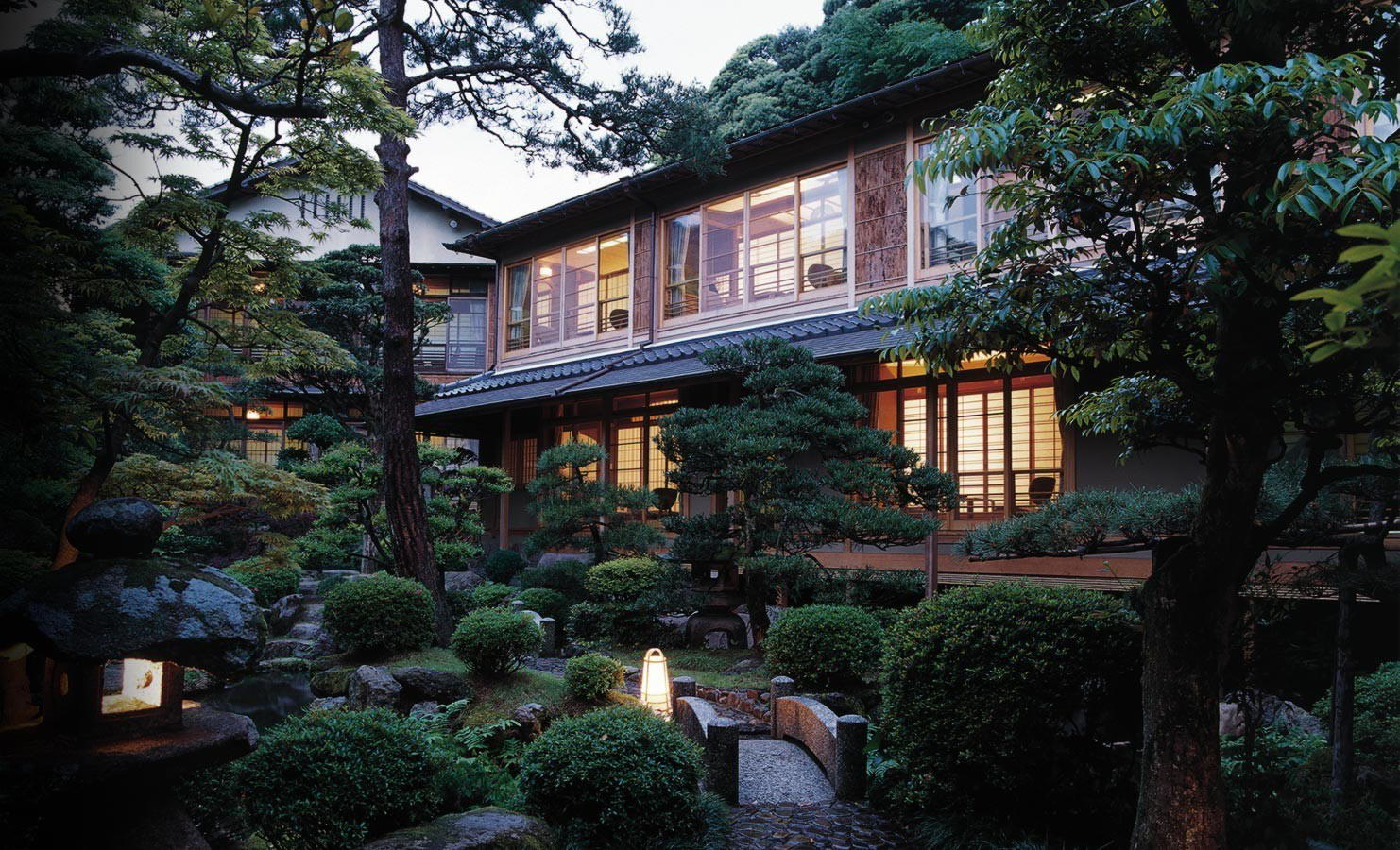
Nishimuraya Honkan
The wine
- Wine program
- Curated wine list
- Sake program
- Craft cocktails
Details
- Romantic
- Quiet
- Elegant
- Scenic
- Classic
- Sophisticated
- Date Night
- Special Occasion
- Celebration
- Private Dining
- Garden
- Historic Building
- Hotel Restaurant
- Craft Cocktails
- Sake Program
- Local Sourcing
- Farm To Table
- Garden
- Set Menu
- Family Style
- Sake
- Craft Cocktails
- Fine Liquors
- Allergy Accommodating
Current opening hours
- Monday
- 10 AM–10:15 PM
- Tuesday
- 10 AM–10:15 PM
- Wednesday
- Closed
- Thursday
- 10 AM–10:15 PM
- Friday
- 10 AM–10:15 PM
- Saturday
- 10 AM–10:15 PM
- Sunday
- 10 AM–10:15 PM
Hours can change for holidays and private events. Last verified .
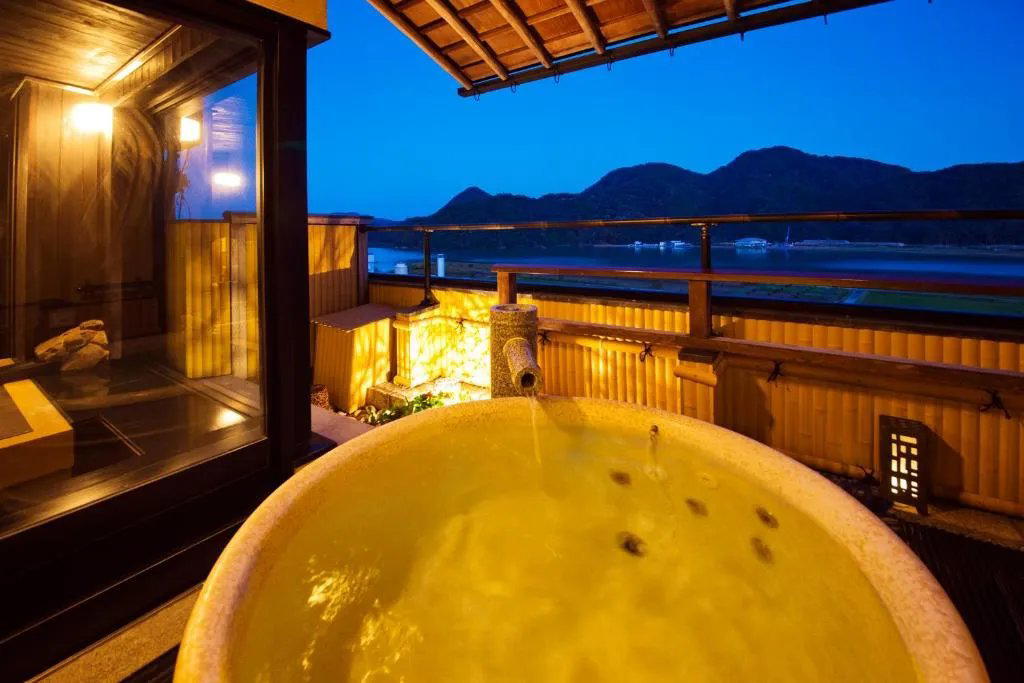
Serene and tranquil with soft, warm lighting in tatami-floored rooms overlooking Japanese gardens; intimate in-room dining service creates a peaceful, meditative atmosphere enhanced by traditional hospitality.