
Menya Somie's puts Fukuchiyama into the Kansai ramen conversation without the Kyoto-center price theatre. Its Tabelog Ramen WEST 100 selections, counter-led 16-seat format, and sub-¥1,000 listed budget make it a serious regional stop rather than a casual station-area fallback.
Pearl is the En Primeur Club membership app — saves, bookings, and concierge access live there. Same editors, same standards.
- Address
- 24 Ekimaecho, Fukuchiyama, Kyoto 620-0045, Japan
- Phone
- +81 773-23-5551
- Website
- ameblo.jp
 Saves & bookings on Pearl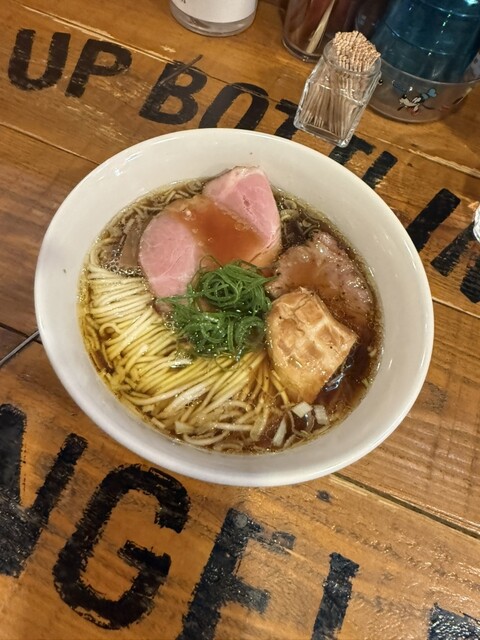
Fukuchiyama’s station district has a different rhythm from central Kyoto’s temple-side dining corridors: fewer tasting-menu rituals, more compact rooms built around lunch traffic, solo diners, and quick decisions at the counter. Menya Somie's belongs to that smaller, practical ramen culture, where the room matters because throughput, timing, and seat discipline shape the meal as much as the bowl. In a city often discussed through kaiseki, wagashi, and reservations, this is Kyoto Prefecture seen from the rail junction rather than the postcard.
The useful comparison is not with Kyoto’s polished dinner rooms. Torinago and Yanagimachi sit in a higher spend bracket around the ¥5,000 range, while NOMI RESTAURANT occupies an entirely different tier at ¥30,000 and above. Menya Somie's sits at the opposite end of the market: a ramen, kara-age, and donburi address with Tabelog Ramen WEST 100 recognition in 2017, 2018, 2023, 2024, and 2025. That combination is the point. Kansai ramen credibility does not always arrive with long menus, design theatre, or metropolitan pricing.
Fukuchiyama ramen, judged by repeat recognition rather than Kyoto-centre gloss
Ramen in western Japan has become a broad field, with specialist shops competing across broth style, noodle texture, side dishes, and queue culture. Tabelog’s Ramen WEST 100 list is useful because it cuts across the region rather than rewarding only the densest dining districts. A Fukuchiyama shop appearing repeatedly on that list signals a different kind of draw: enough consistency to matter beyond neighbourhood convenience, without becoming a luxury-format restaurant.
The menu categories also place the meal in a recognisable regional register. Ramen anchors the visit, while kara-age and donburi keep the format close to everyday Japanese dining rather than chef-counter ceremony. That matters for travellers planning Kyoto beyond the usual central wards. The decision is not whether this replaces a reserved dinner; it is whether the itinerary has space for a short, focused meal that shows how serious ramen culture operates outside the city’s more photographed streets.
For readers building a wider Kyoto food map, this sits far from the feel of 3TOKU6MI Shijo karasuma ten, 551蓬莱, [ki:], Abbesses, and Aburi Mochi Honke Nemoto Kazariya. Those names sketch the range of Kyoto eating, from casual regional staples to more curated rooms and old sweet traditions. Menya Somie's adds the rail-town ramen layer that many Kyoto restaurant lists miss.
A compact counter format puts the kitchen and floor into one shared pace
The room’s 16-seat setup, including counter seating, gives the experience its working logic. Small ramen shops depend on coordination rather than ceremony: cooking, seating, payment, and turnover happen in close range. There is no need to over-romanticise that arrangement. It simply means the team dynamic is visible in operational terms, with the kitchen and front-of-house pace compressed into a few metres. In this category, that often matters more than a named chef biography.
Because reservations are unavailable, the restaurant belongs to the walk-in ramen economy rather than the appointment-dining economy. That distinction changes how to read the award history. Recognition may increase demand, but the format remains fundamentally democratic: arrive, wait if needed, eat, leave the seat clean for the next diner. The listed solo-dining friendliness fits the category. Ramen counters have long given single travellers a serious meal without the friction of formal service or group minimums.
Payment details also keep the visit grounded in Japan’s older small-restaurant habits. Cash-only operation is not a nostalgic flourish; it affects how visitors plan. The same applies to the no-smoking policy and the limited parking arrangement, which make this less casual for drivers than the station-area setting might suggest. The better move is to treat the meal as part of a rail-based Fukuchiyama stop rather than a spontaneous detour by car.
Where it fits in a broader Kyoto itinerary
Kyoto travel often splits into two dining modes: destination meals that require advance planning, and smaller local formats that reward precise timing. Menya Somie's belongs firmly to the second camp. It is not competing with long-form Japanese cuisine or private-room dining; it is a focused ramen stop with enough recognition to justify the trip for travellers already moving through northern Kyoto Prefecture.
That makes the surrounding itinerary important. Use Our full Kyoto restaurants guide for the broader dining frame, then separate ramen runs from the city’s hotel, bar, wine, and experience planning through Our full Kyoto hotels guide, Our full Kyoto bars guide, Our full Kyoto wineries guide, and Our full Kyoto experiences guide. The value here is editorial contrast: Kyoto is not only central-city refinement, and Kansai ramen is not only Osaka and Kobe.
For travellers comparing casual Japanese formats across regions, the useful parallels are category-based rather than stylistic. -Grilled beef Sukiyaki- KAMAKURA TANUKIAN 鎌倉 たぬき庵 in Kamakura,. 鮪と炭火焼き うお炭 秋葉原店 in Tokyo,.cafe in Osaka,.know in Kumamoto, (Shoku) Vietnam in Kawasaki, and [Curry Senmon Ten] Maruyama Kyoju. in Sapporo show how Japan’s casual and mid-casual dining scenes vary by city, format, and price expectation. Abroad, Jōdo Saké Bar in Los Angeles and Onigiri Time in Pasadena point to a different question: how Japanese formats change once they leave Japan’s everyday infrastructure.
The editorial verdict is simple: this is a ramen address for travellers who care about regional signal, not dining-room spectacle. The repeat Tabelog Ramen WEST 100 selections provide the trust marker; the small counter format and accessible budget explain the appeal. Build the visit around timing and transport, not ceremony.
A Minimal
Comparable options at the same price tier.
| Venue | Cuisine | Price | Notes |
|---|---|---|---|
| Menya Somie'sThis venue — the venue you are viewing | Fukuchiyama, Creative ramen | $ | |
| 幻の中華そば加藤屋 百万遍にぼ次朗 | $ | Hyakumanben, Sakyo Ward, Niboshi (Dried Sardine) Jiro-Style Ramen | |
| Shinpachi Chaya | $ | Ukyō, Kyoto gelato and matcha soft cream shop | |
| Chez Hagata | Uji, Matcha-focused Japanese patisserie | $ | |
| Menya Takei Honten | $ | Kyoto Station area, Japanese Tsukemen / Ramen | |
| Mikura Ya | $ | Kita, Traditional Kyoto Wagashi (Japanese confectionery) |
Continue exploring
More in Kyoto
Restaurants in Kyoto
Browse all →
At a Glance
- Hidden Gem
- Cozy
- Intimate
- Solo
- Casual Hangout
- Chefs Counter
- Standalone
- Local Sourcing
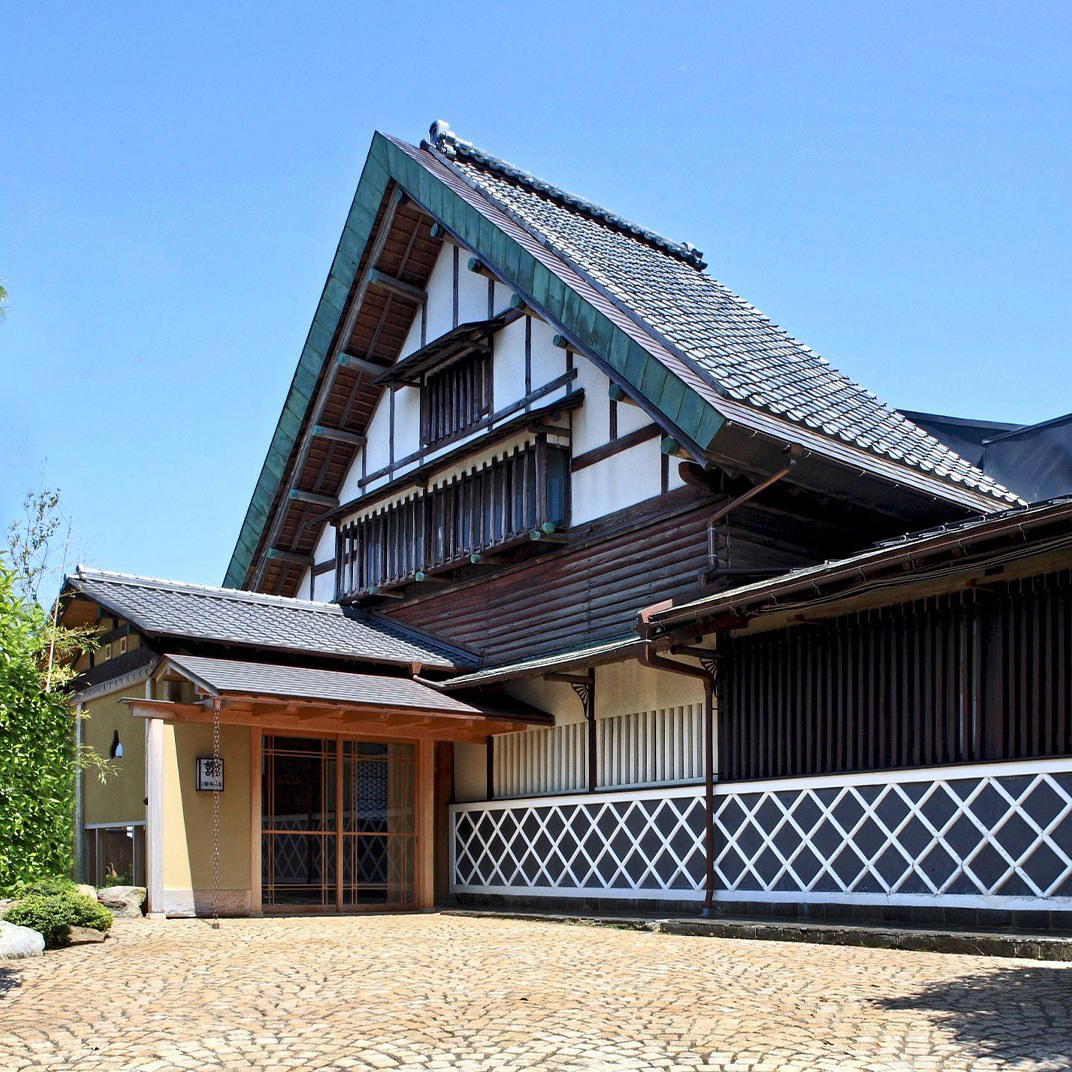
A small, non-smoking neighborhood ramen shop with counter-focused seating, simple decor, and a relaxed, conversational atmosphere centered on the craft of the bowl rather than design or buzz.