


A Tabelog Bronze Award winner every year since 2017 and a repeat entry in the Tabelog Japanese Cuisine WEST 100, Nawaya operates from a converted house in Kyotango, roughly 2.5 hours north of Kyoto city, where Chef Yukinori Yoshioka runs an eight-seat L-shaped counter focused on fish cookery and daily-changing menus shaped by the Tango coast and surrounding farmland.
Pearl is the En Primeur Club membership app — saves, bookings, and concierge access live there. Same editors, same standards.
- Address
- 2517 Yasakacho Kurobe, Kyotango, Kyoto 627-0142, Japan
- Phone
- +81 772-65-2127
- Website
- nawaya-restaurant.com
- Directions
- Get directions
 Saves & bookings on Pearl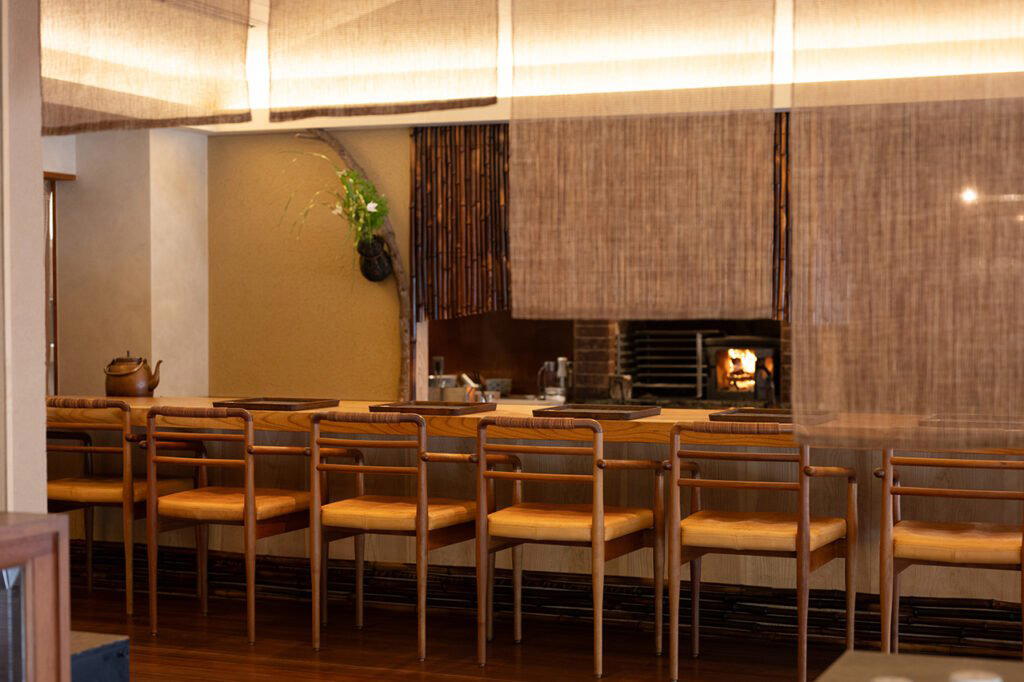
At the Edge of the Tango Peninsula
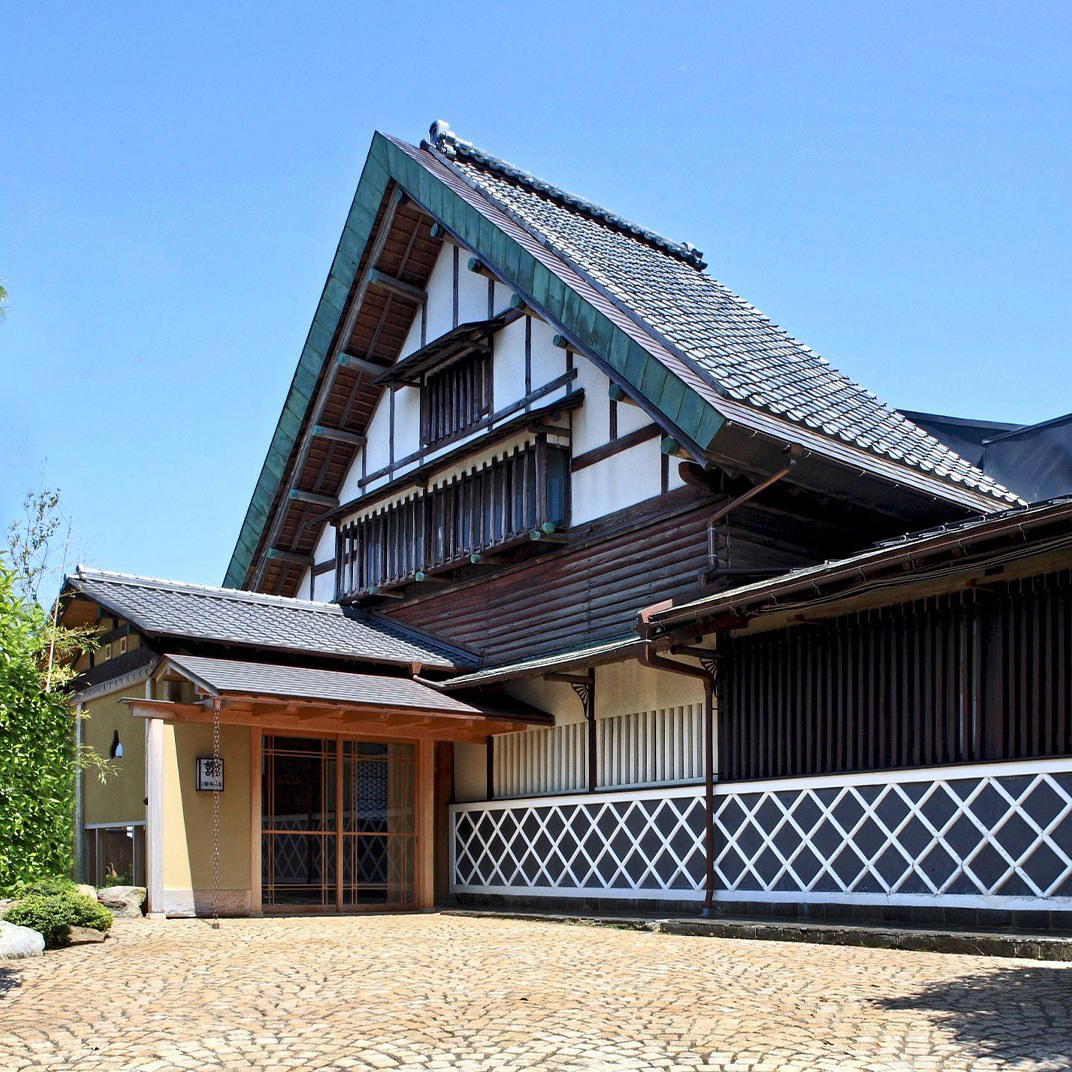
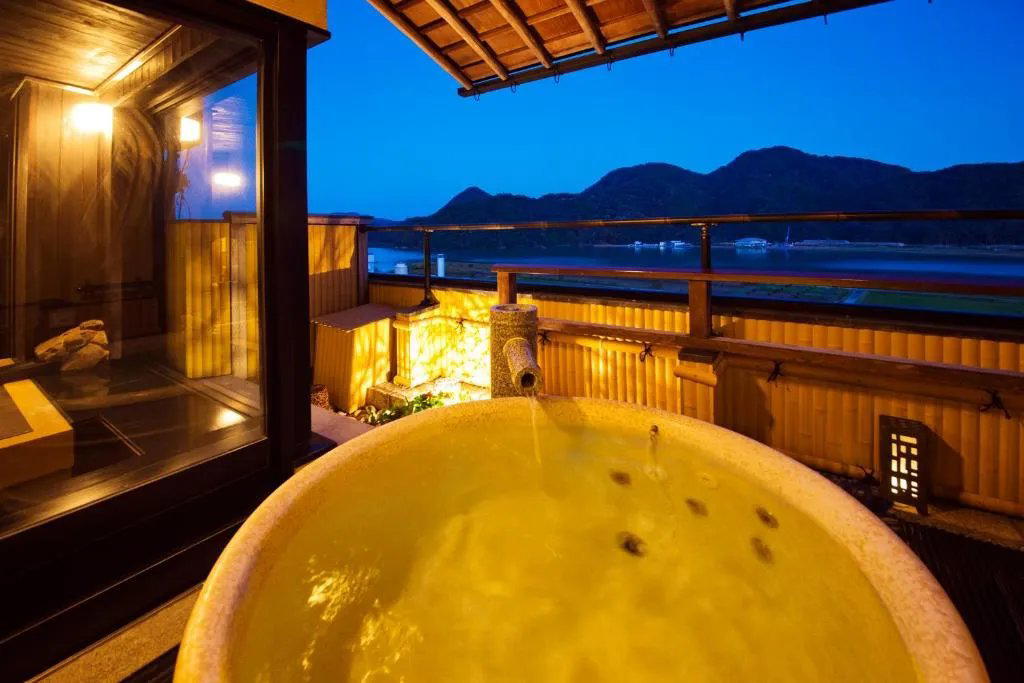
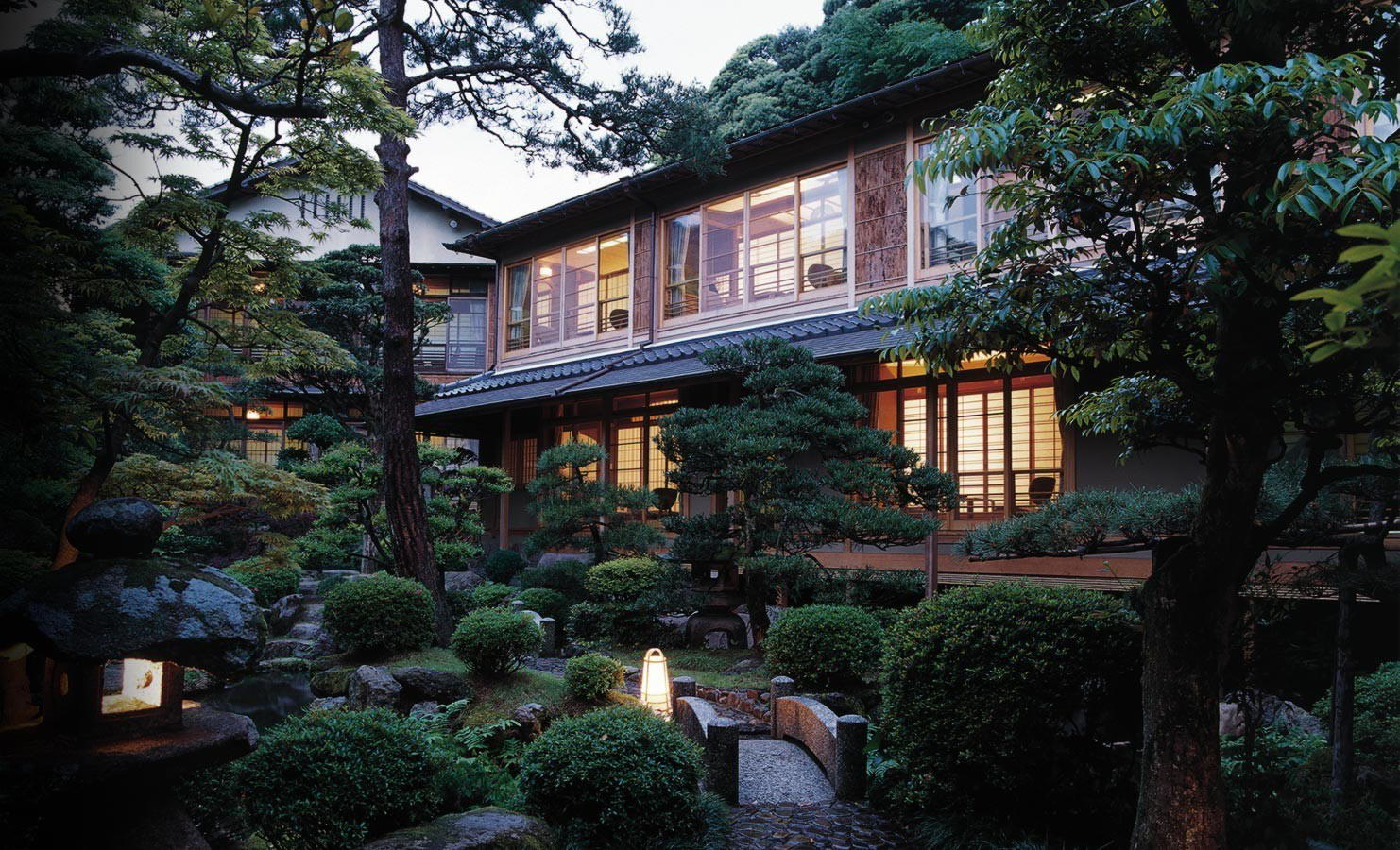
The road into Yasakacho Kurobe passes rice paddies and cedar slopes before arriving at a converted house that, from the outside, gives little away. This is the geography of kaiseki at its most deliberate: far enough from Kyoto's Gion corridor that nobody arrives by accident. Nawaya sits in the Kyotango area of northern Kyoto Prefecture, a coastal stretch long prized for its crab, yellowtail, and cold-water shellfish, and the setting is inseparable from what the kitchen does. Counter restaurants in rural Japan have a specific weight to them, the eight seats feel less like a dining room allocation and more like an audience with the ingredient supply chain itself.
That distance from the city is the point. Kyoto's kaiseki tradition has always drawn a line between the mountain-and-sea larder of the Tango region and the refined presentations of the Gion and Higashiyama quarters where restaurants like Chihana and Gion Suetomo operate. Nawaya works from the source end of that relationship rather than the presentation end. Chef Yukinori Yoshioka leads the kitchen, and the restaurant's focus on fish reflects both the coastline's output and a long-standing tradition of wood-fire cookery that predates kaiseki's more codified urban forms.
A Counter That Earns Its Journey
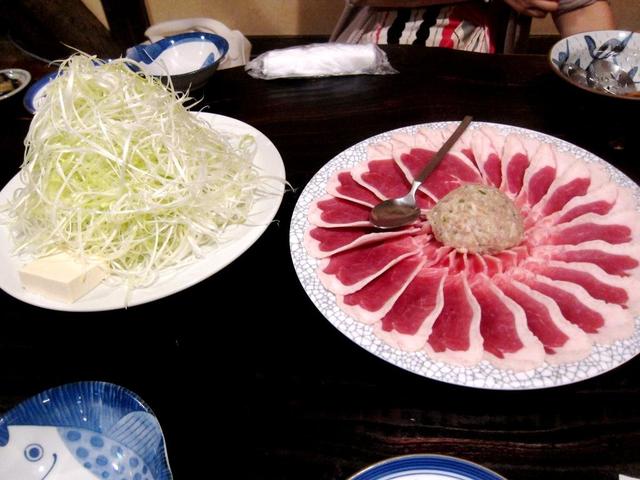
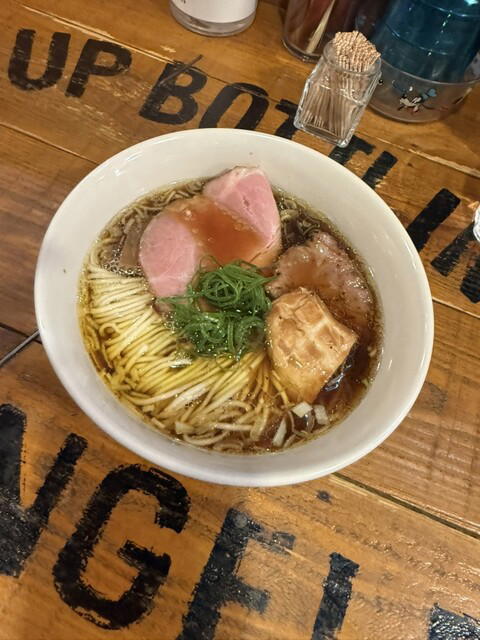
Eight seats on an L-shaped counter, reservation-only, with lunch and dinner services starting simultaneously at 12:00 and 18:30 respectively. The format asks the same of every table: full commitment to whatever the day's market and garden have produced. The menu changes almost daily, shaped by seasonal fish, organic vegetables, and wild-foraged ingredients. Wood fire is part of the cooking infrastructure here, not a theatrical flourish, it adds an additional register of flavour to dishes that might otherwise lean entirely on the restraint of classical Japanese technique.
This is not the kaiseki format you find in Kyoto's hotel dining rooms or in multi-course restaurants calibrated for international visitors. The structure is spare in ceremony, direct in ingredient expression, and shaped by supply rather than by a fixed menu architecture. For comparison, the kaiseki restaurants that operate within Kyoto proper, including heavy-hitters like Ifuki and Ankyu, often operate within a more formalised progression of courses. Nawaya's fish-forward, fire-assisted approach marks a different register of the same tradition.
The Award Record as a Positioning Signal
Tabelog Bronze is awarded to roughly the top 1% of restaurants on Japan's largest restaurant review platform, and Nawaya has received it every year from 2017 through 2026, a ten-year consecutive run that is a meaningful consistency signal in a system where scores shift annually based on new reviews. The restaurant carries a Tabelog score of 4.27 (with reviewer-reported averages suggesting spend often reaches JPY 20,000 to JPY 29,999 per person, somewhat above the listed JPY 15,000 to 19,999 band). It has also been selected for the Tabelog Japanese Cuisine WEST 100 in 2021, 2023, and 2025, a list that covers all of western Japan and sits separate from the Bronze Award calculation.
The Opinionated About Dining ranking, which aggregates serious reviewer data, placed Nawaya at #230 in Japan in 2024 and #264 in 2025, a comparable set that includes restaurants in Tokyo, Osaka, and Kyoto city. For a house restaurant in a rural Kyoto town to hold that position across multiple years is a consistent signal about the quality of the ingredient sourcing and the kitchen's execution. Comparable kaiseki counters at similar price points in Kyoto city, like Doujin, operate in considerably more central and accessible locations. Nawaya's sustained ranking from a remote address points to a specific kind of pull.
For context across Japan's broader kaiseki and Japanese fine-dining spectrum, Kikunoi in Tokyo and Hirosaku in Tokyo represent the more formalised end of the kaiseki tradition operating in dense urban settings. Nawaya's rural counter format sits at a different pole of the same culinary lineage. Further afield, comparisons might be drawn to counter-driven producers' table formats at restaurants like Goh in Fukuoka, where chef-driven relationships with local suppliers shape the nightly offering in a similar way.
The Tango Coast as Ingredient System
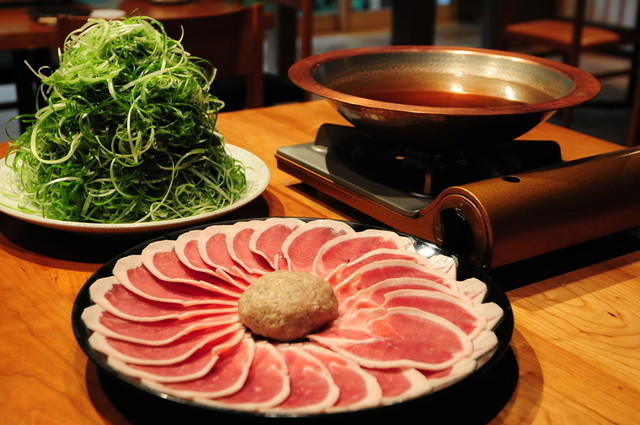
Kyotango's coastline faces the Sea of Japan, which generates a cold-water fishery distinct from the Pacific side of the country. Tango crab (a certified brand of snow crab from this stretch of coast) is the area's most internationally noted product, but the year-round catch includes fish species that rarely reach Kyoto city restaurants in the same condition they leave the water. The agricultural hinterland behind the coast produces vegetables in a tradition of small-scale, often organic farming. Wild-forage ingredients, mountain vegetables, mushrooms, specific herbs, follow seasonal windows that determine what appears on any given day's counter.
This combination of cold-water seafood, organic farm produce, and foraged ingredients mapped against a wood-fire cooking technique creates a profile that is genuinely difficult to replicate elsewhere, including in Kyoto's Gion quarter. Restaurants like HAJIME in Osaka operate within a different philosophical framework, high-concept, architectural plating, while Nawaya's mode is elemental and site-specific. The two approaches represent opposite ends of what contemporary Japanese fine dining considers serious.
Planning Your Visit
Nawaya is reservation-only and requires a credit card to secure the booking. Reservations are made through the restaurant's online system, available 24 hours, as the kitchen cannot take phone calls during service. Closing days are not fixed; check the website for current availability before planning travel.
The journey from Kyoto station takes approximately 2.5 to 3 hours by public transport: JR Kyoto to JR Fukuchiyama, then Tango Railway to Mineyama Station, followed by a 15-minute taxi. By car via the Kyoto Jukan Expressway, the drive from Kyoto city is around 2.5 hours; from Osaka via the Chugoku and Maizuru-Wakasa Expressways, approximately the same. Nine parking spaces are available at the property, which matters, this is not a location where arriving by taxi from a nearby hotel is an option. Most guests driving from Kyoto city or Osaka treat the meal as the destination, not a stop within a broader itinerary.
A 10% service charge applies. The dress code is smart casual. Children of school age are welcome; preschool children cannot be accommodated given the counter-seat format. Private use of the full space (up to 20 people) is available for groups. Major credit cards are accepted (Visa, Mastercard, JCB, Amex, Diners); electronic money and QR code payments are not.
| Detail | Nawaya (Kyotango) | Ifuki (Kyoto city) | Gion Suetomo (Kyoto city) |
|---|---|---|---|
| Format | 8-seat counter, reservation-only | Counter, reservation-only | Private rooms + counter |
| Price range | JPY 15,000 to 19,999 (listed); JPY 20,000 to 29,999 (reviewer avg) | ¥¥¥¥ | ¥¥¥¥ |
| Journey from Kyoto station | 2.5 to 3 hours | 15 to 20 minutes | 15 to 20 minutes |
| Award signal | Tabelog Bronze 2017 to 2026; OAD #230 (2024) | Tabelog recognised | Tabelog recognised |
| Menu structure | Daily-changing, fish-focused, wood fire | Seasonal kaiseki | Seasonal kaiseki |
The Essentials
Comparable venues nearby, for context on price, style, and recognition.
| Venue | Cuisine | Price | Notes |
|---|---|---|---|
| NawayaThis venue — the venue you are viewing | Kaiseki | $$$ | Not listed |
| Niomon MUI | Sakyō, Kappo Japanese | $$$ | Not listed |
| Torisho sai | Nakagyō, Premium Yakitori Omakase | $$$ | Not listed |
| Nikuryori Shibuya | Shimogyō, Japanese Wagyu Omakase | $$$ | Not listed |
| Jikiba Ono | Not listed | $$$ | Higashiyama, Seasonal Japanese Counter Dining |
| Kyoryori Hachisei | Shimogyō, Traditional Kyoto Kaiseki | $$$ | Not listed |
Recognition history
Dated appearances from independent guides and award organizations, with the underlying list record or original source where available.
Opinionated About Dining Top Restaurants in Japan Recommended
Opinionated About Dining
Tabelog Bronze #311
Tabelog
Opinionated About Dining Top Restaurants in Japan Ranked #264
Opinionated About Dining
Tabelog 100 #94 · No. 94
Tabelog · Tabelog 100 - Japanese cuisine - WEST - 2025
Tabelog Bronze
Tabelog
We're Smart World 2 Radishes
We're Smart World
Opinionated About Dining Top Restaurants in Japan Ranked #230
Opinionated About Dining
Opinionated About Dining Top Restaurants in Japan Highly Recommended
Opinionated About Dining
Continue exploring
More in Kyoto
Restaurants in Kyoto
Browse all →
At a Glance
- Rustic
- Elegant
- Quiet
- Intimate
- Scenic
- Special Occasion
- Celebration
- Date Night
- Open Kitchen
- Chefs Counter
- Private Dining
- Standalone
- Farm To Table
- Local Sourcing
- Organic
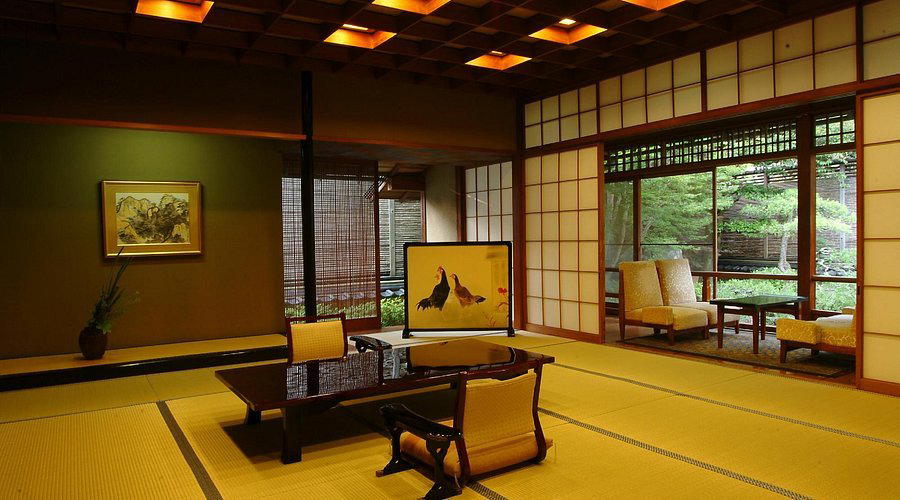
Minimalist elegance with natural materials including handmade washi paper walls, wooden counter overlooking an open firewood kiln, creating a warm and reverent atmosphere centered on the cooking process.