
Torinago brings Kyoto’s chicken-cuisine tradition into a house-restaurant setting in Fukuchiyama, with nabe and izakaya formats carrying the meal rather than formal kaiseki theatre. Its 2025 Tabelog 100 selection for chicken cuisine places it in a nationally watched category, while the room’s tatami and sunken seating keep the experience closer to regional gathering than destination tasting counter.
Pearl is the En Primeur Club membership app — saves, bookings, and concierge access live there. Same editors, same standards.
- Address
- 京都府福知山市中ノ233-11
- Phone
- +81773221804
- Website
- torinago.com
 Saves & bookings on Pearl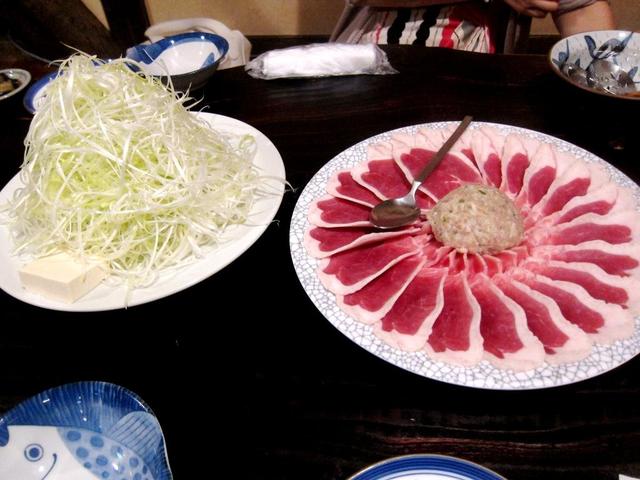
Approach the meal as a change of Kyoto tempo. The city’s dining reputation is often filtered through Gion counters, temple-side sweets, and polished kaiseki rooms, but northern Kyoto has its own grammar: family groups, hot pots, chicken cookery, sake, shochu, and a room built for lingering rather than choreography. Torinago sits in that register, a house restaurant in Fukuchiyama where tatami rooms and sunken seating matter as much as the menu category. The point is not theatrical rarity. It is the older pleasure of a table organized around poultry, heat, broth, and drink.
Chicken cuisine with the logic of a regional gathering
Japan’s chicken restaurants split into several tribes. Yakitori counters prize sequencing, tare management, and a cook’s control over charcoal. Mizutaki and other nabe traditions turn the bird into broth and shared pacing. Izakaya-style chicken rooms, especially outside the central tourist corridor, often borrow from both without presenting themselves as fine-dining temples. Torinago belongs to that broader chicken-and-nabe culture: the categories attached to the restaurant are chicken dishes, Japanese hot pot, and izakaya, which tells the reader more than any invented signature plate would.
That sourcing-led angle matters because chicken cuisine is less forgiving than its casual image suggests. A restaurant built around poultry depends on stock clarity, cut selection, timing, and the ability to make a table feel fed rather than dazzled. Kyoto diners have long understood this distinction. The city can support high-formality cuisine, but it also rewards single-ingredient specialists: shops that repeat a narrow format until the details become the attraction. Tabelog’s 2025 selection of Torinago for its Chicken Cuisine 100 list places it within that specialist lane, not among broad-menu restaurants trying to cover every mood.
The comparison with central Kyoto helps set expectations. Menya Somie’s operates in a lower-priced ramen bracket, while Yanagimachi sits closer to the same dinner spend but in a different casual-dining frame. NOMI RESTAURANT occupies a far higher tariff and a Japanese-innovative format, where the meal is structured around progression and precision. Torinago’s appeal is more communal and ingredient-specific. It asks less of the diner’s attention than a tasting menu and more of the table’s appetite for a shared chicken meal.
Why Fukuchiyama changes the meaning of dinner
Fukuchiyama is not the Kyoto that first-time visitors usually map. That difference is the useful part. Moving north of the city’s familiar hotel-and-shrine axis shifts the dining context from international demand to local utility. A 120-seat restaurant with a second-floor tatami room capable of handling large banquets signals a social function beyond solo connoisseurship. This is not the micro-counter economy of eight seats and months of reservation anxiety. It is a format built for groups, repeat use, and meals where the table, not the chef’s biography, carries the evening.
The room details point in the same direction. Tatami, sunken seating, and private-use availability speak to a Japanese banquet vocabulary: shoes off, knees spared, dishes arriving in waves, drink choices broad enough for a mixed table. Sake, shochu, and wine are all part of the drinks frame, which places the meal closer to izakaya hospitality than to a rigid tasting-menu pairing. Smoking is allowed, an increasingly consequential detail in Japan since the 2020 passive-smoking rules changed how diners assess rooms. For some travelers that will narrow the fit; for others it confirms the restaurant’s older, local character.
There is an editorial trap in treating every Kyoto meal as if it must resolve into refinement. Chicken hot pot and izakaya cookery work by a different standard. The better question is whether the format has enough discipline to justify a detour from the central city. In this case, the award signal, the narrow category focus, and the scale of the room create a clear answer: this is a regional specialist for travelers who want Kyoto Prefecture beyond the postcard route, not a substitute for a polished kaiseki night.
How to place it within a Kyoto itinerary
Use this meal as a northern-Kyoto counterweight to the city-center circuit. A first Kyoto trip still benefits from the classic spread: market snacks, old confectioners, a serious dinner, and one or two bars after dark. The wider EP Club Kyoto map helps with that calibration, from 3TOKU6MI Shijo karasuma ten, 551蓬莱, [ki:], Abbesses, and Aburi Mochi Honke Nemoto Kazariya to our full Kyoto restaurants guide. For the rest of the trip architecture, cross-check our full Kyoto hotels guide, our full Kyoto bars guide, our full Kyoto wineries guide, and our full Kyoto experiences guide.
For readers building a broader Japan food route, the useful comparison is not only within Kyoto. Beef sukiyaki in Kamakura, charcoal seafood in Tokyo, coffee and casual dining in Osaka, and regional cooking in Kumamoto all show how Japanese dining changes when the format narrows. Relevant reference points include -Grilled beef Sukiyaki- KAMAKURA TANUKIAN 鎌倉 たぬき庵 in Kamakura,. 鮪と炭火焼き うお炭 秋葉原店 in Tokyo,.cafe in Osaka,.know in Kumamoto, (Shoku) Vietnam in Kawasaki, [Curry Senmon Ten] Maruyama Kyoju. in Sapporo, Jōdo Saké Bar in Los Angeles, and Onigiri Time in Pasadena.
The editorial read is simple: choose Torinago when the point of the evening is chicken as a regional Japanese category, not Kyoto as a luxury shorthand. The restaurant’s Tabelog 100 recognition gives it a credible national marker, but the more persuasive signal is structural: a poultry-led menu, nabe and izakaya framing, a large tatami-capable room, and a Fukuchiyama location that filters out much of the central-city performance. For travelers willing to let Kyoto Prefecture widen, that combination is the reason to pay attention.
How It Stacks Up
Comparable venues for cuisine and category context.
| Venue | Cuisine | Price | Awards | Notes |
|---|---|---|---|---|
| TorinagoThis venue — the venue you are viewing | Traditional Japanese chicken & Kyoto duck izakaya | $$ | , | |
| 八起庵 | Kyoto Bird Cuisine | $$ | , | Shimogyo-ku |
| Sobanomi Yoshimura (蕎麦の実よしむら) | Handmade Soba Noodles | $$ | , | Shimogyo-ku |
| とんかつ山本 | Traditional Tonkatsu | $$ | , | Nakagyo-ku |
| Nakae | Cozy Kyoto Izakaya & Japanese Seafood Tavern | $$ | , | Shimogyō |
| Grill & Coffee Hasegawa | Kyoto yoshoku hamburger steak grill | $$ | , | Kita |
Continue exploring
More in Kyoto
Restaurants in Kyoto
Browse all →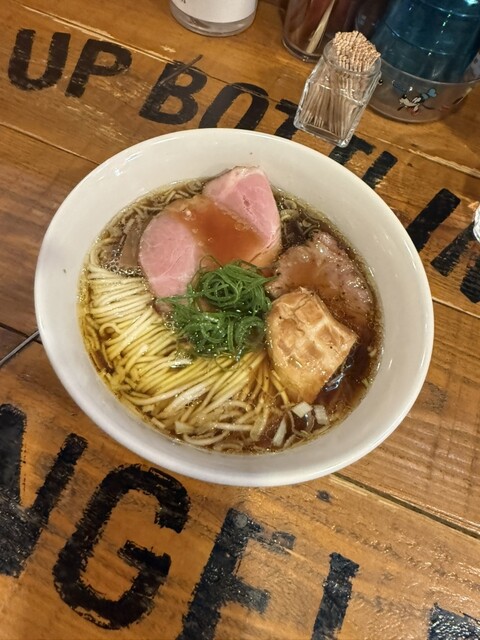
At a Glance
- Cozy
- Classic
- Rustic
- Hidden Gem
- Casual Hangout
- After Work
- Group Dining
- Family
- Date Night
- Historic Building
- Standalone
- Sake Program
- Beer Program
- Local Sourcing
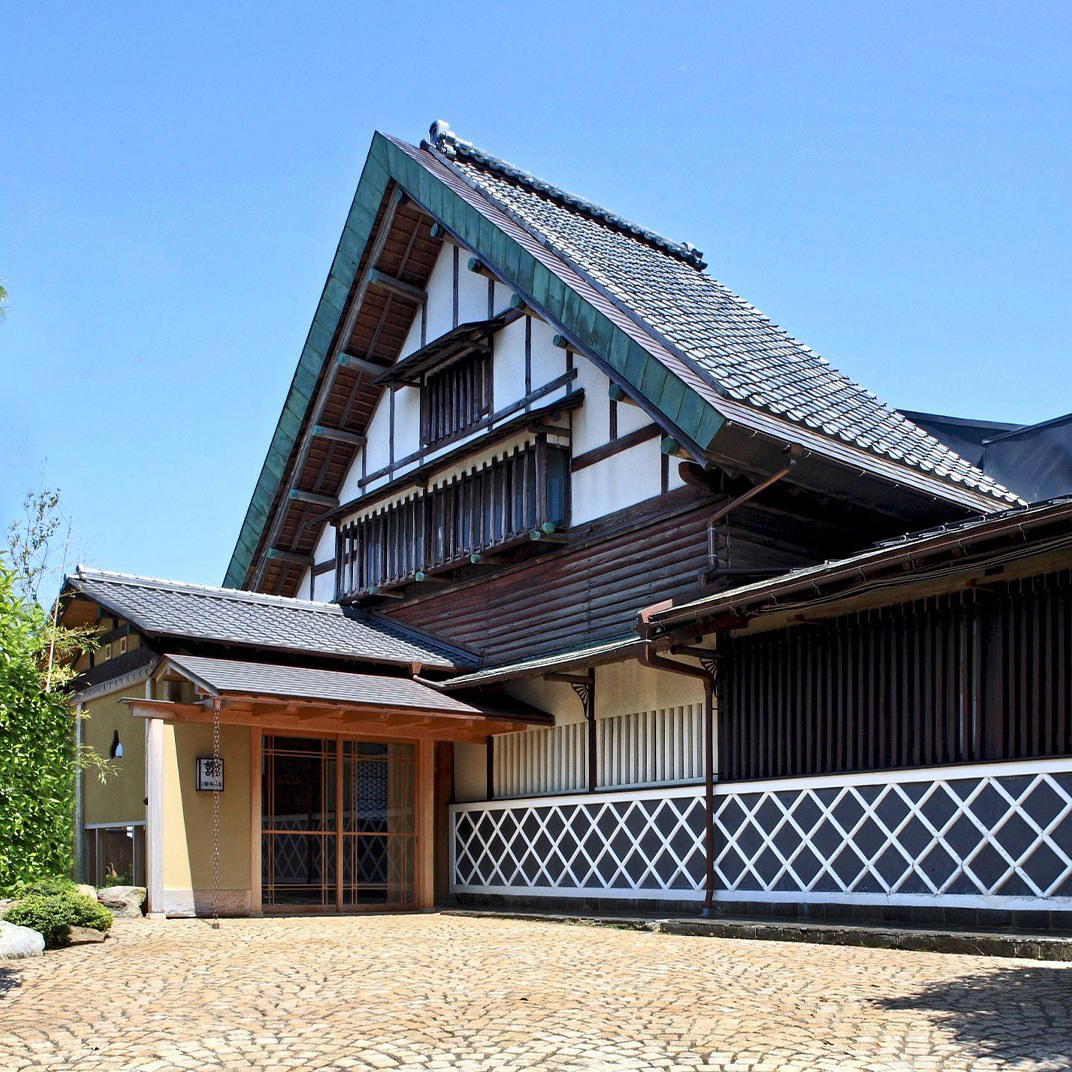
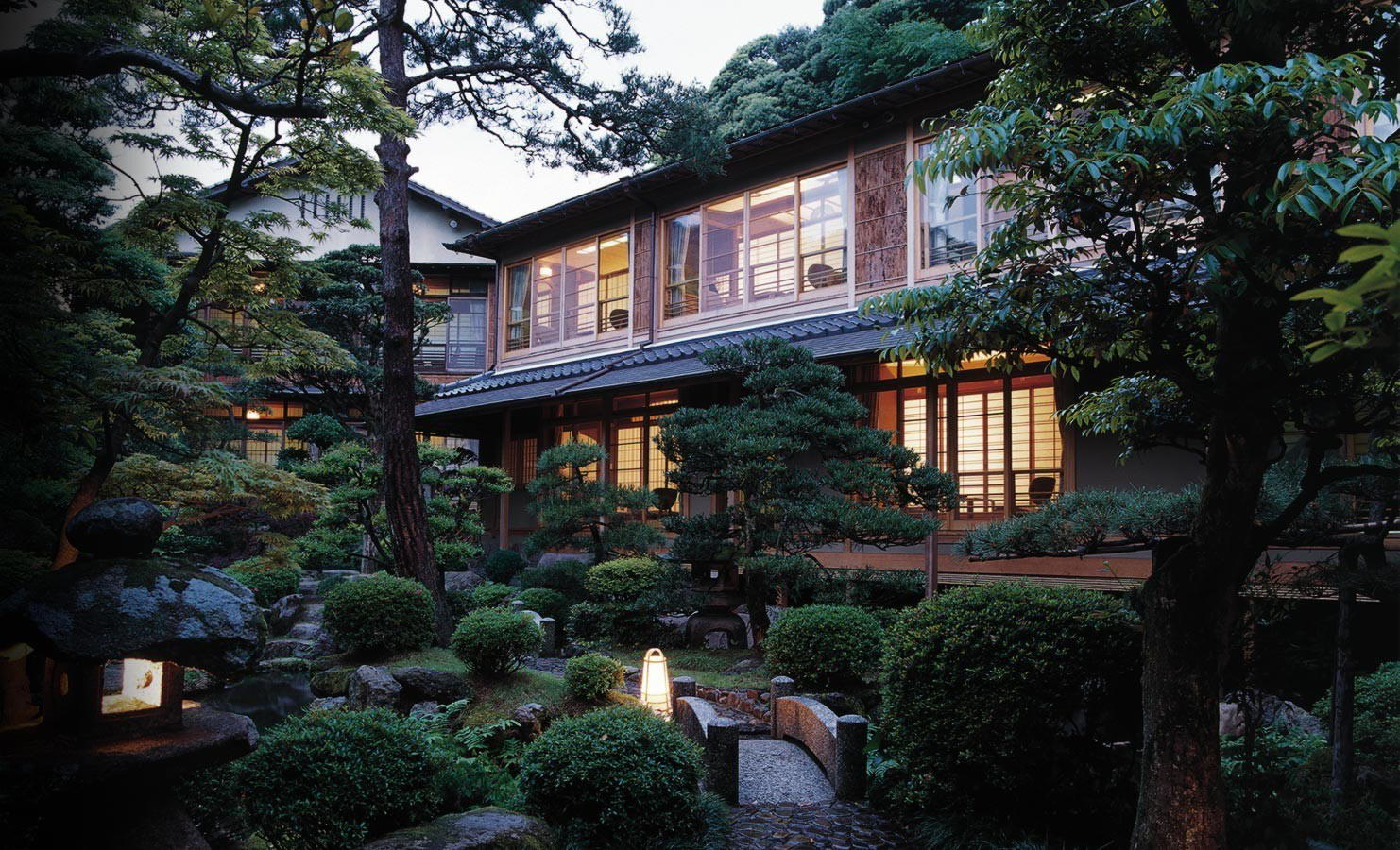
Set in a traditional town building near the Ote-dori approach to Fukuchiyama’s Ote Shrine, Torinago offers a warm, nostalgic izakaya atmosphere with intimate rooms and classic Japanese styling, attracting both locals and travelers for relaxed evenings over nabe and grilled poultry.