L'Aventure
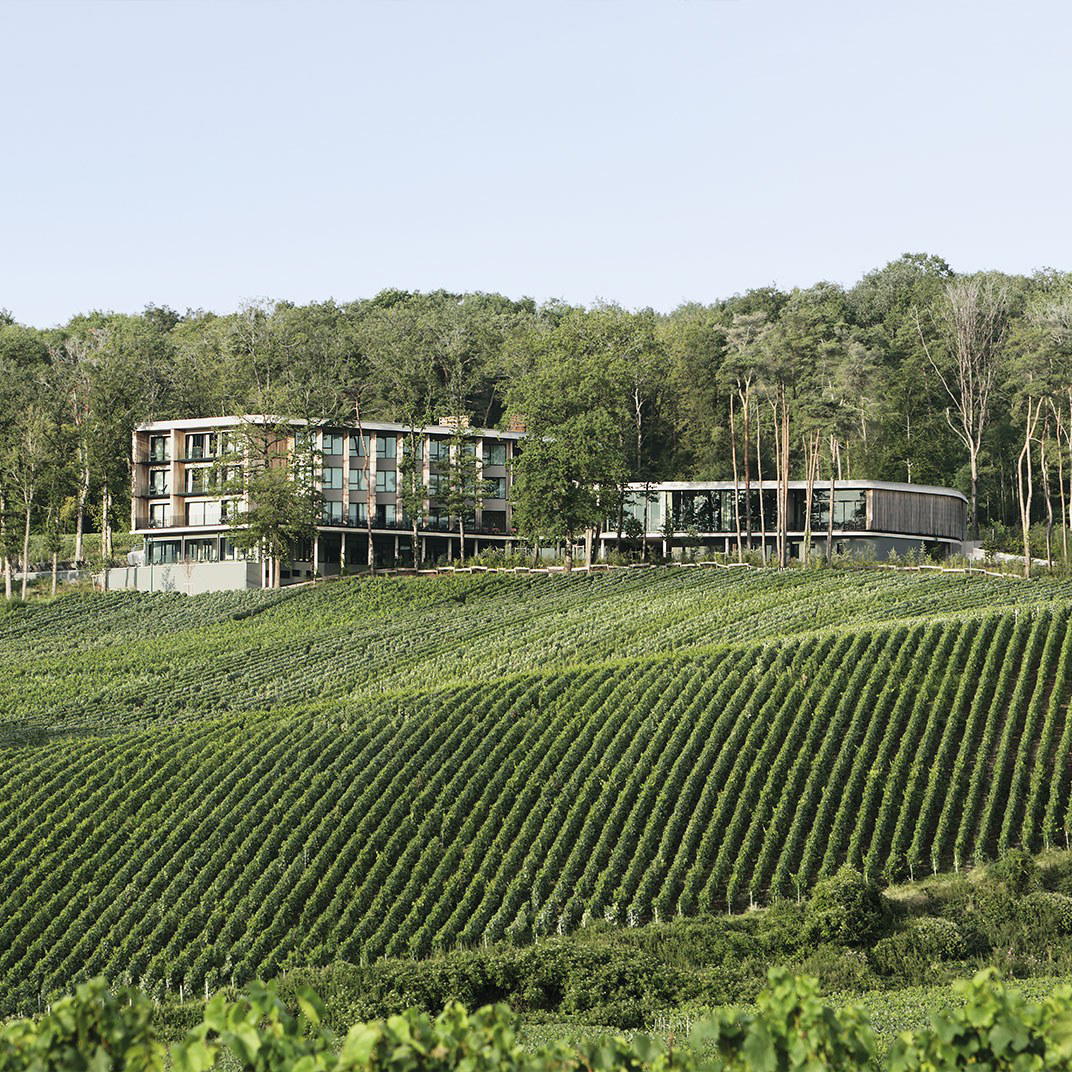
The address at Champagne Laherte Brothers places it within one of the Marne Valley's most closely watched grower-producer settings, where chalk, clay, and elevation interact in ways that define what ends up in the bottle.

Pearl is the En Primeur Club membership app — saves, bookings, and concierge access live there. Same editors, same standards.
- Address
- Champagne Laherte Brothers, Rue des Jardins, Chavot-Courcourt, France
- Website
- aventurewine.com
- Directions
- Get directions
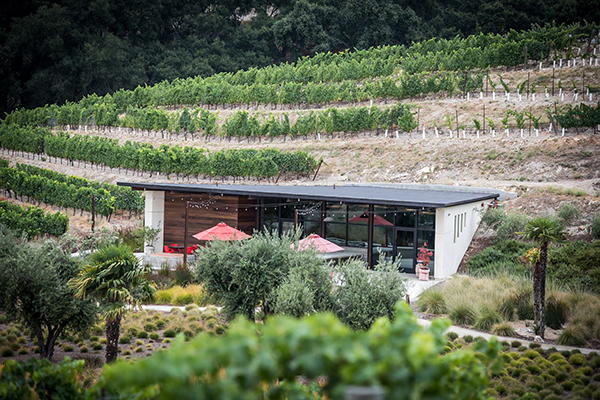
For comparison, other terroir-specific French producers who have built reputations on single-site fidelity include Albert Boxler in Niedermorschwihr in Alsace and Château Bélair-Monange in Saint-Emilion on the Right Bank, both of which trade on specific geological arguments rather than appellation-wide identities. The pattern across French fine wine is consistent: the producers who build lasting critical standing tend to be those who let a particular piece of ground do the interpretive work.
The comparison is not with volume-led houses where blend consistency is the primary objective, but with smaller growers for whom each release reflects a specific year's conditions at a specific address. Producers like Château Branaire Ducru in St-Julien, Château Cantemerle in Haut-Médoc, Château Clinet in Pomerol, and Château Batailley in Pauillac represent similar mid-to-upper tier positioning within their respective appellations, each defined by a combination of site fidelity and sustained critical recognition rather than headline prestige. The model is comparable: defined geography, a long production record, and awards recognition that tracks quality rather than simply reputation. At one end, the large houses continue to sell consistency and brand recognition at scale; at the other, individual growers sell place-specificity and vintage transparency to a smaller, more engaged buyer base. In that context, L'Aventure is not trying to compete with Reims-based houses on their own terms. It is making a different argument: that a specific plot of ground in a specific Marne Valley village, worked consistently over more than a quarter century, produces something with a character no assemblage can replicate. That argument, sustained since 1998, is what the 2025 recognition reflects.
Other producers operating in comparably specific geographical and philosophical registers include Château d'Esclans in Courthézon, Château Bastor-Lamontagne in Preignac, and Château Boyd-Cantenac in Cantenac, each of which has built its identity on a combination of site fidelity and sustained production commitment. Further afield, Château Dauzac in Labarde, Château d'Arche in Sauternes, and Accendo Cellars in St. Helena represent the same broader pattern in their respective regions: winemaking identity anchored in a named address over multiple decades. The practical route is to approach via Épernay, which provides the nearest concentration of accommodation and transport links. Those extending a visit across French wine regions may also find useful reference points in Chartreuse in Voiron and Aberlour in Aberlour for understanding how artisanal production identity is constructed across different French and Scottish traditions.
Frequently Asked Questions
- What kind of setting is L'Aventure? The setting is a working grower-producer estate rather than a formal hospitality venue.
- What do visitors recommend trying at L'Aventure?
- What's the defining thing about L'Aventure?
Side-by-Side Snapshot
Comparable venues nearby, for context on price, style, and recognition.
| Venue | Cuisine | Price | Awards | Notes |
|---|---|---|---|---|
| L'AventureThis venue — the venue you are viewing | Pinot Meunier, Pinot Noir | Not listed | Not listed | Not listed |
| Chartogne Taillet | Pinot Noir, Chardonnay | Not listed | Falstaff Winery - 3 Stars | Merfy |
| Bruno Paillard | Chardonnay, Pinot Noir | Not listed | Falstaff Winery - 4 Stars | South of Reims city centre |
| Jacquesson | Chardonnay, Pinot Noir | Not listed | Falstaff Winery - 5 Stars | Dizy |
| Lallier | Pinot Noir, Chardonnay | Not listed | Falstaff Winery - 2 Stars | Aÿ |
| Château de Ferrand | Merlot, Cabernet Franc | $30–50 | Falstaff Winery - Listed | Saint-Hippolyte |
Continue exploring
More in Chavot-Courcourt
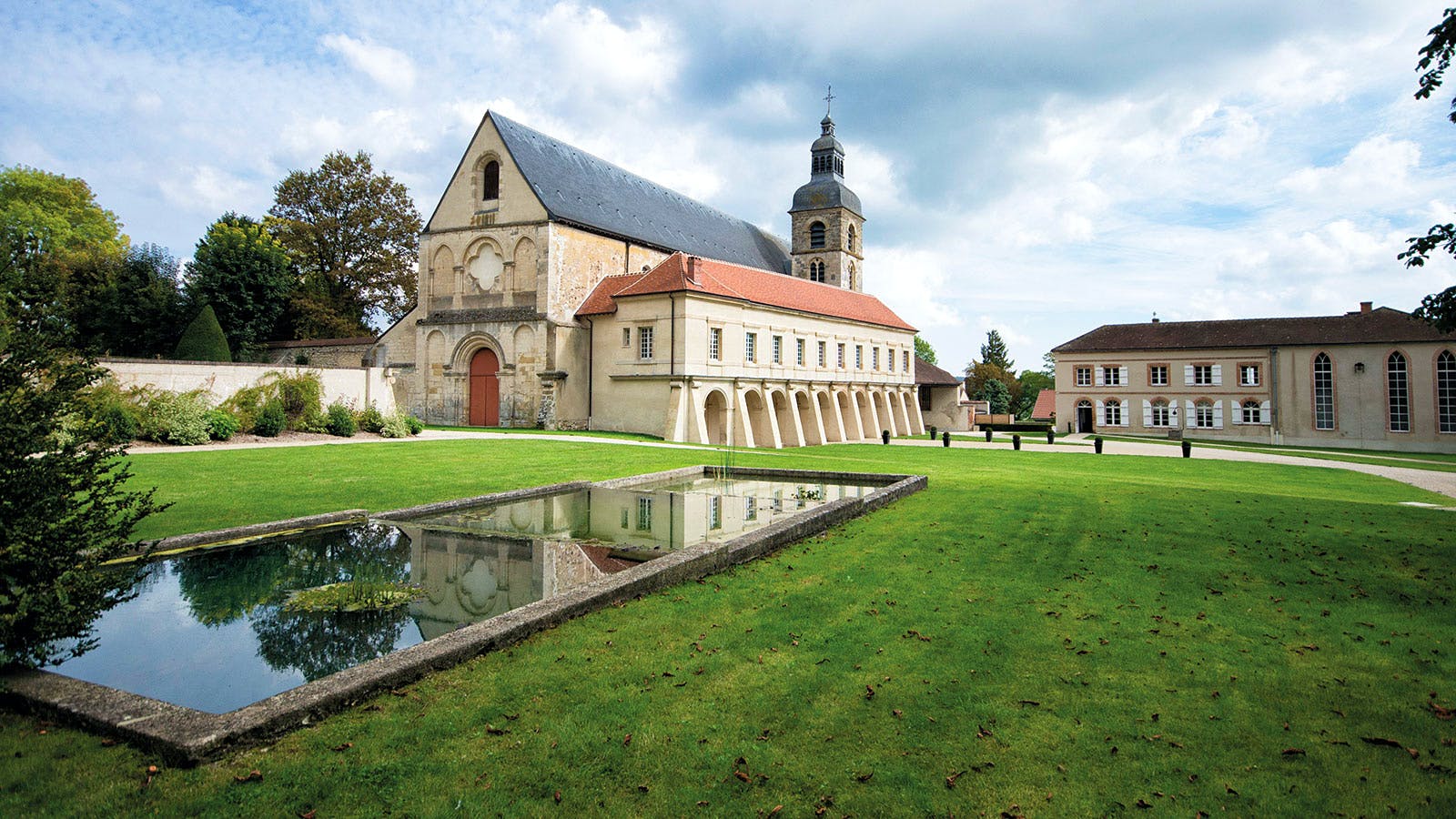
Wineries in Chavot-Courcourt
Browse all →
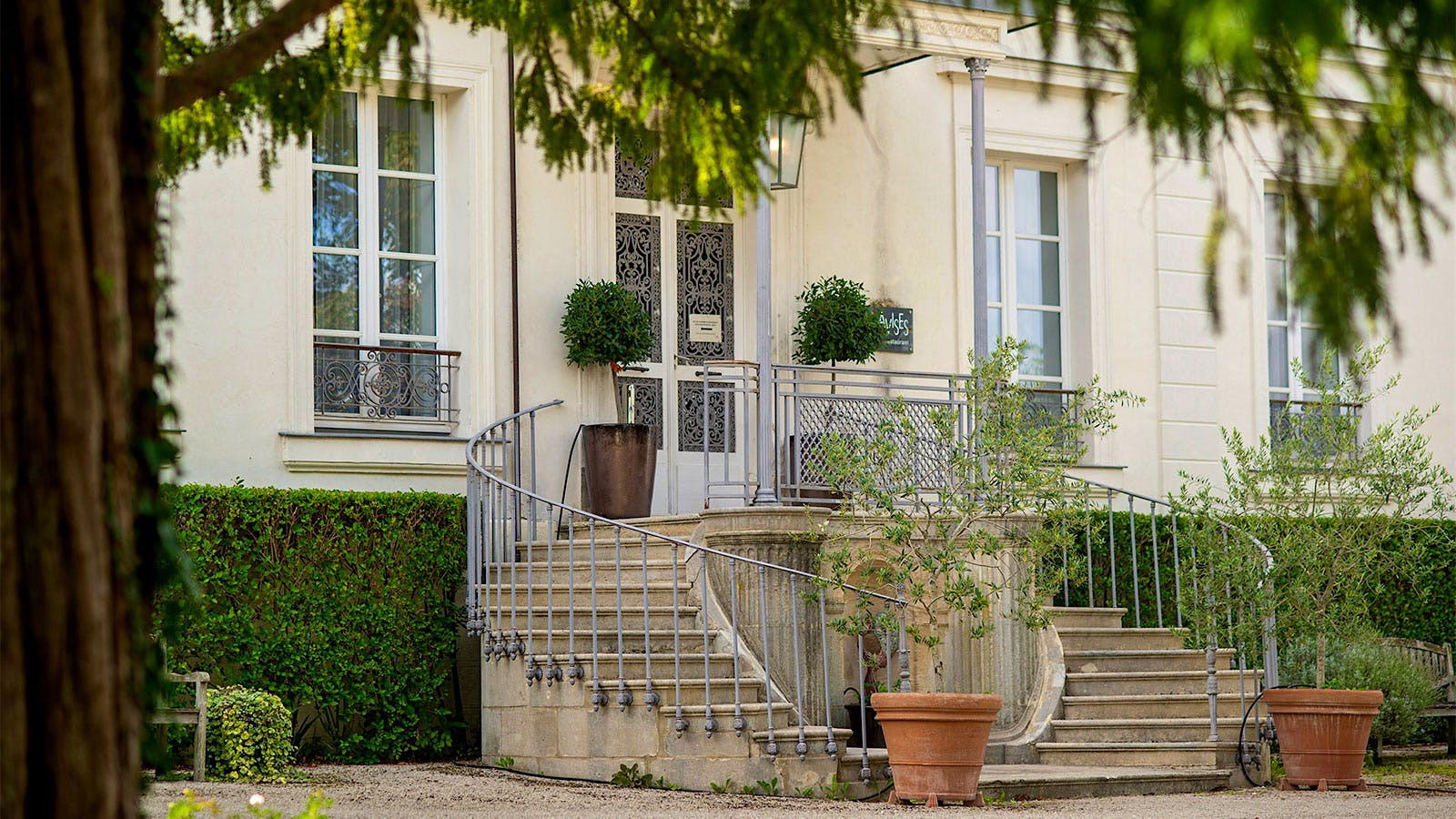
Bars in Chavot-Courcourt
Browse all →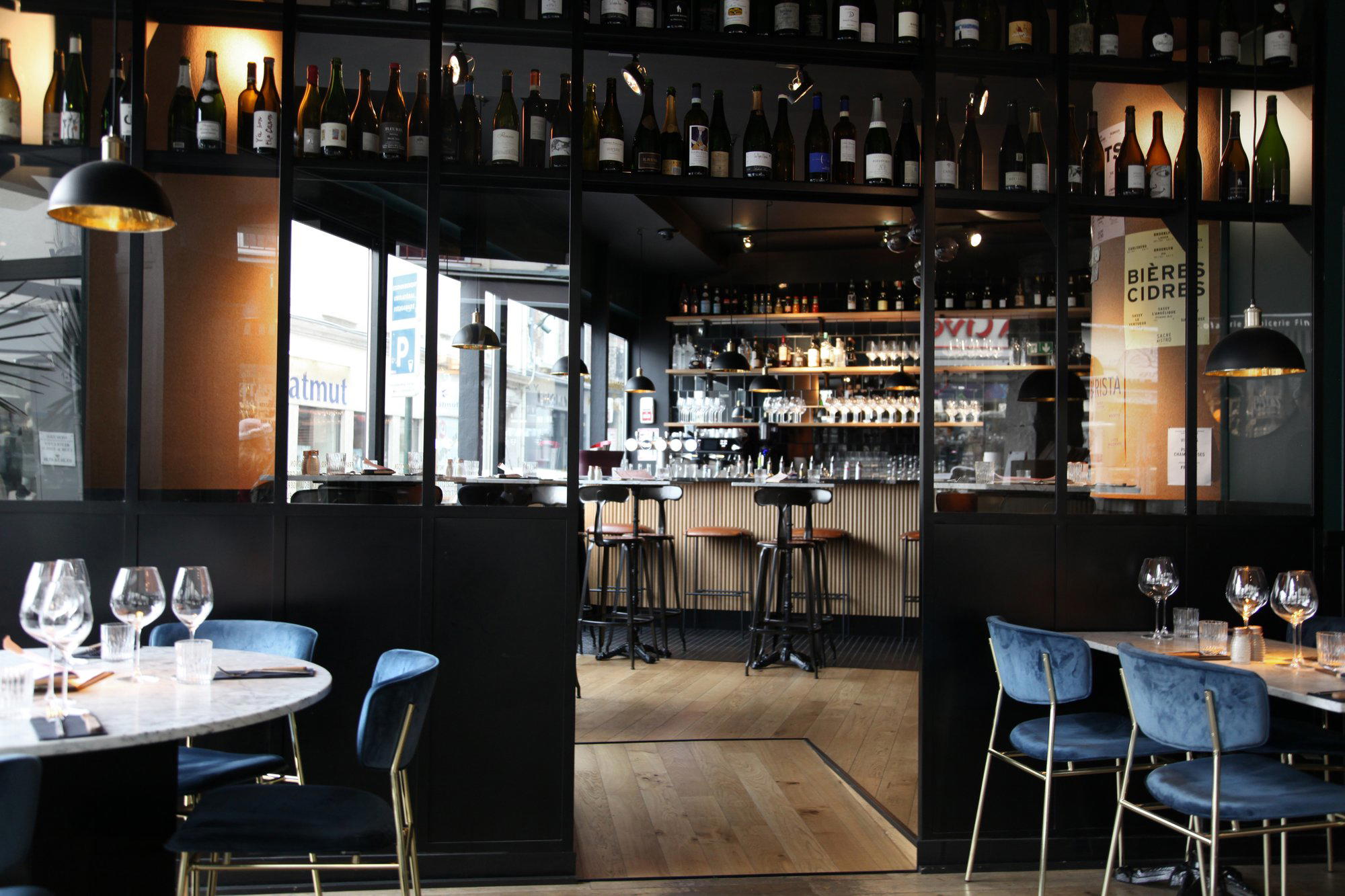
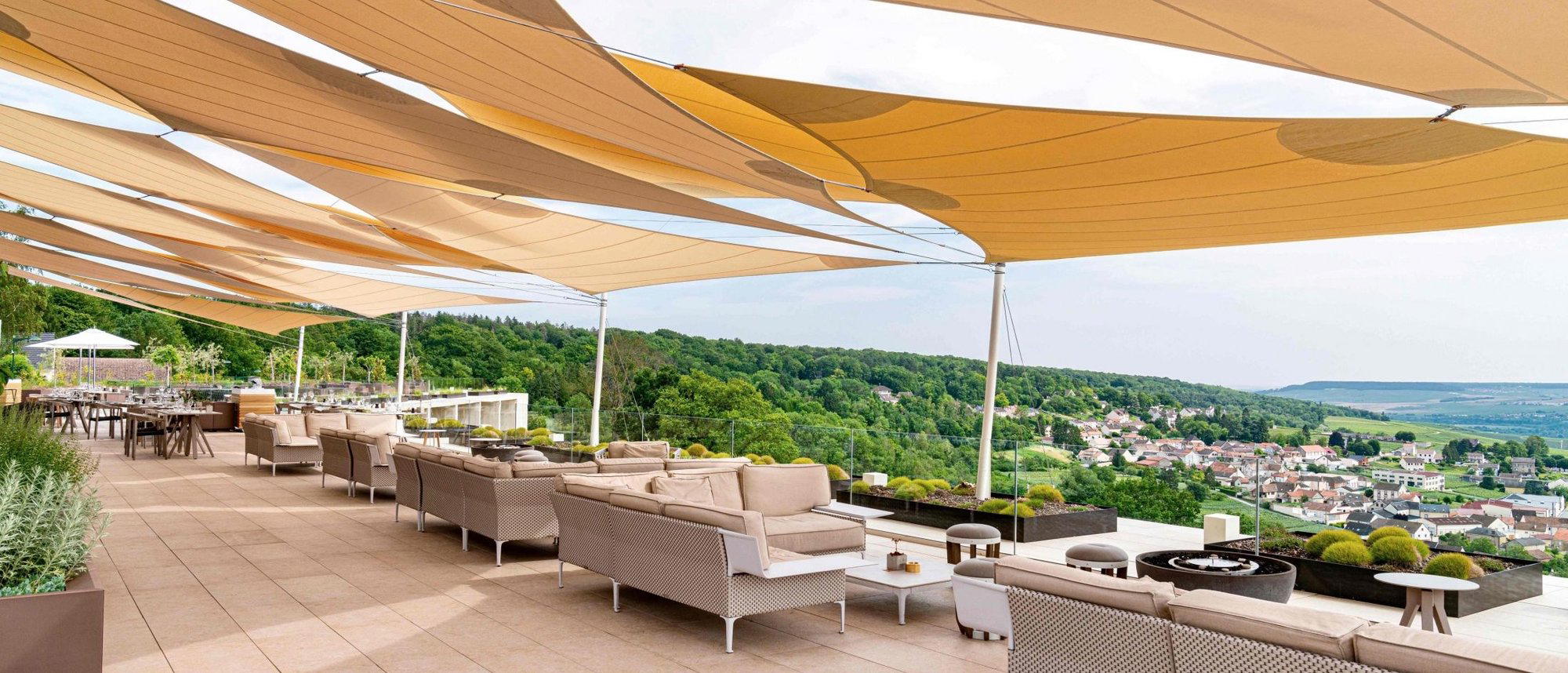
Restaurants in Chavot-Courcourt
Browse all →
Details
- Rustic
- Scenic
- Intimate
- Wine Education
- Solo Exploration
- Vineyard Tour
- Estate Grounds
- Organic
- Vineyard
- Pinot Meunier
- Pinot Noir
- Chardonnay
- Sparkling
- Cave Tasting
- French
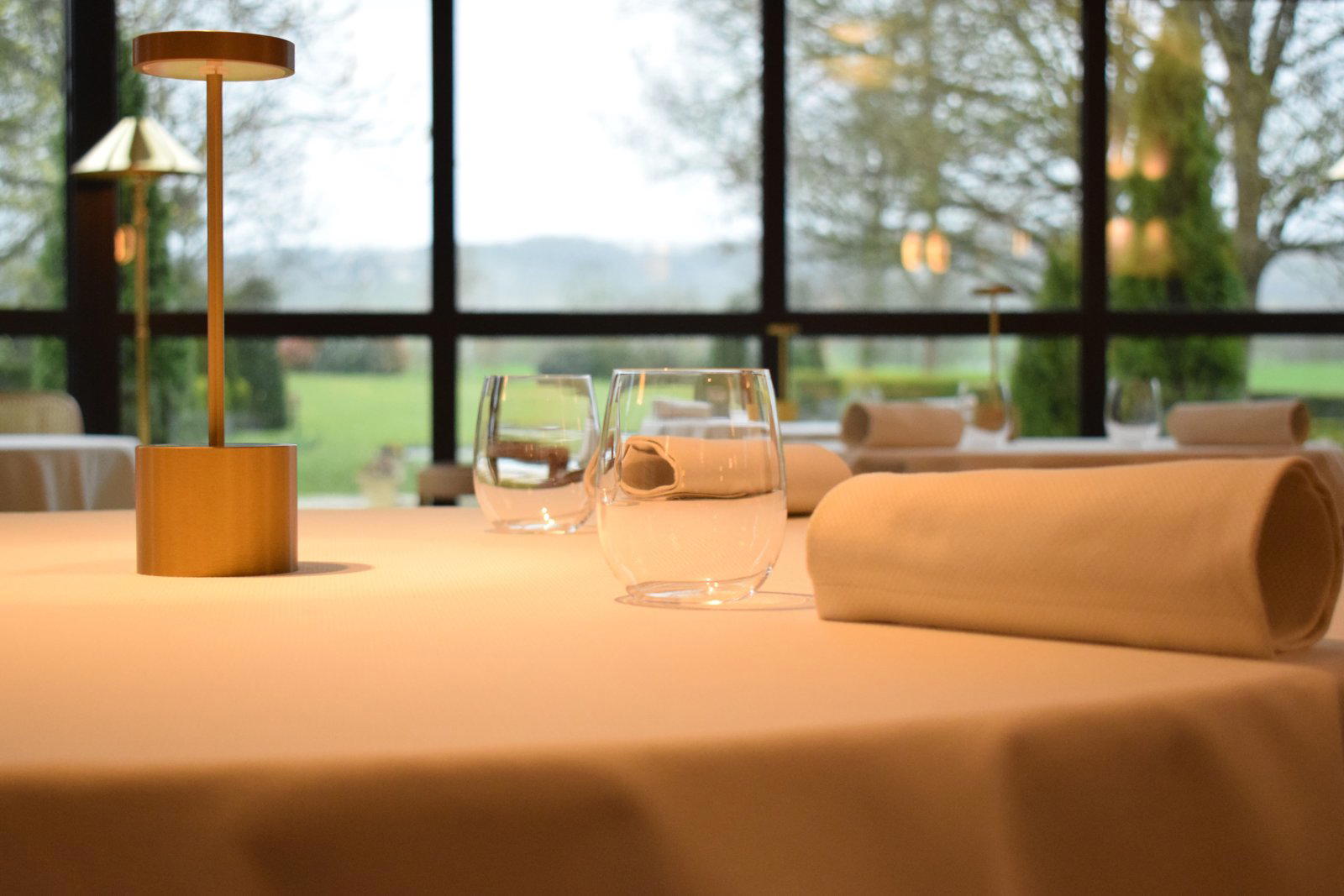
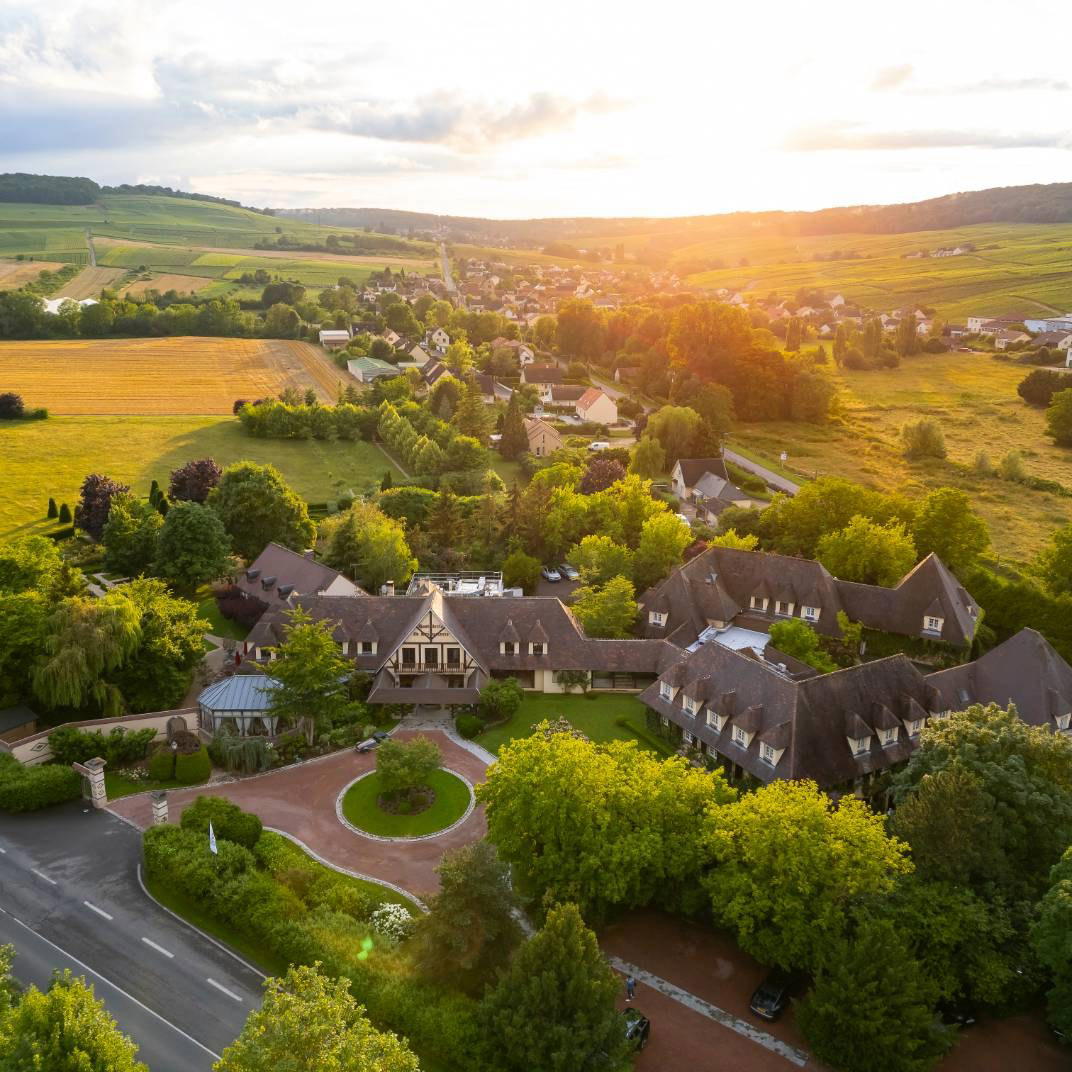
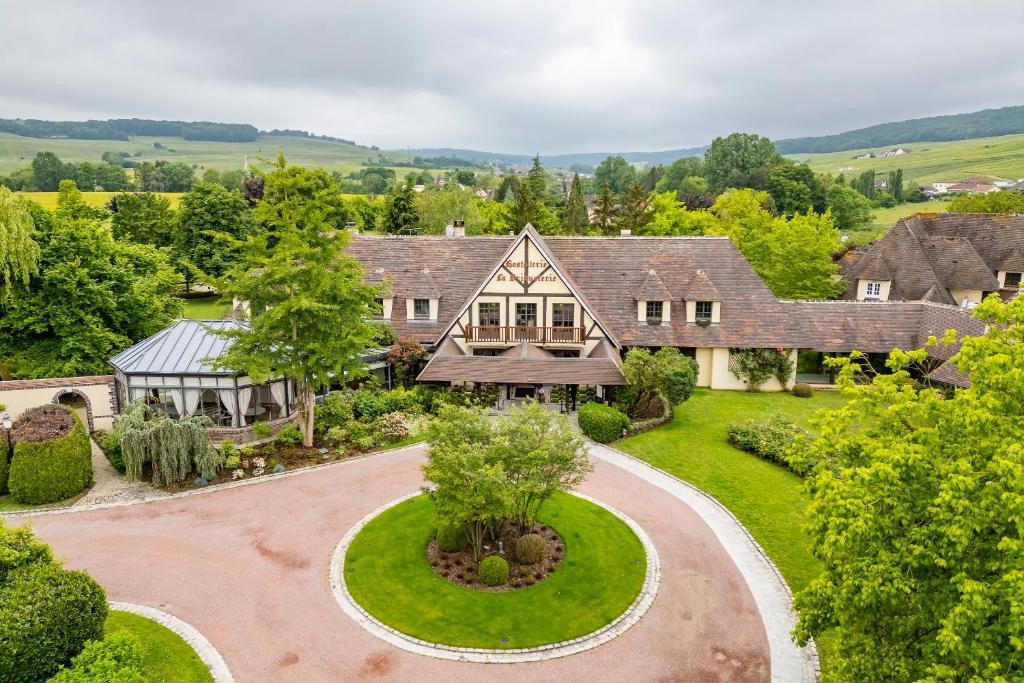
Calm and inspiring rural atmosphere amid misty vineyards and historic village charm.