Bar La Rotonde sits on Boulevard Henry Vasnier in Reims, a telling address in a city where drinking culture is shaped by Champagne houses, hotel bars, and compact wine counters. With no published awards, price range, chef, or booking details in the available record, it is better read through its setting: a Reims bar for travellers comparing cocktail-led drinking with the city’s dominant Champagne vocabulary.
Pearl is the En Primeur Club membership app — saves, bookings, and concierge access live there. Same editors, same standards.
- Address
- 64 Bd Henry Vasnier, 51100 Reims, France
- Phone
- +33 3 26 24 90 00
- Directions
- Get directions
 Saves & bookings on Pearl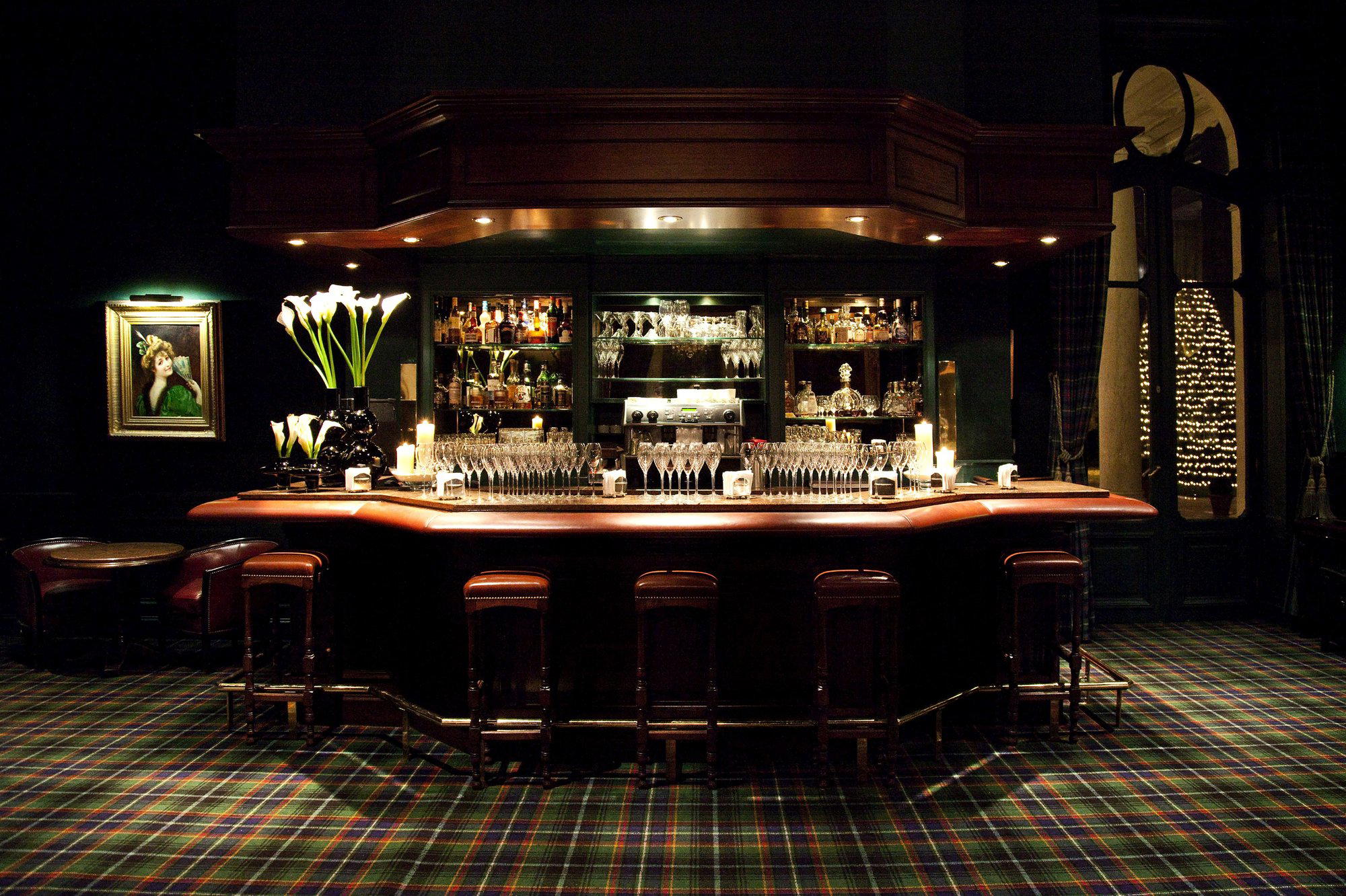
Approaching a Reims bar through Champagne territory
Boulevard Henry Vasnier has a different rhythm from the compact drinking streets around the centre of Reims. The address, 64 Bd Henry Vasnier, places Bar La Rotonde on a corridor associated with the city’s grander Champagne geography rather than the denser run of casual wine bars and late-evening counters. That matters. Reims is not a city where cocktails enter on neutral ground. Every serious bar has to answer, directly or indirectly, the presence of Champagne: its ritual, its service temperatures, its flutes and coupes, its association with cellar visits and celebratory drinking, and its hold over the visitor’s imagination.
That makes a cocktail programme in Reims more interesting than it first appears. In Paris, Montpellier, or Miami, mixed drinks can claim the room without having to negotiate a dominant local beverage culture. In Reims, the bartender’s craft sits beside a regional product with centuries of prestige and an unusually high level of visitor literacy. Guests arrive already primed to discuss dosage, houses, growers, and villages. A bar working in this city has to decide whether cocktails should echo that language, contrast with it, or offer relief from it after a day of tastings.
The appeal of Bar La Rotonde, on the available record, lies less in a catalogue of published accolades than in its position within that tension. The editorial reading is therefore contextual: this is a Reims bar to understand as part of the city’s conversation between Champagne formality and the looser, more improvisational culture of mixed drinks.
Why cocktails read differently in Reims
Reims drinking culture is often treated as if Champagne explains everything. It does not. Champagne explains the city’s international pull, but it also creates a particular kind of bar problem. Visitors may spend the afternoon in cellars, then look for a drink that does not simply repeat the same format at a different address. This is where cocktail bars, hotel lounges, and hybrid wine rooms gain their function. They give structure to the hours after tastings, when a guest may want bitterness, dilution, citrus, aromatics, or a spirit base rather than another glass of blanc de blancs.
In cities with a deep wine identity, the stronger cocktail rooms often operate by discipline rather than spectacle. The point is not theatrical garnish or an overbuilt menu, but the ability to calibrate a drink for people whose palates have already been engaged for hours. Reims makes that calibration especially visible. A guest who has been tasting high-acid Chardonnay from the Côte des Blancs or Pinot Noir-led cuvées from the Montagne de Reims brings a different frame to a sour, a spritz structure, a stirred drink, or a Champagne cocktail. Balance is judged against wine as much as against cocktail orthodoxy.
That is the useful lens for Bar La Rotonde. Without verified menu data, the drinks themselves should not be invented. What can be said is that its category, address, and city place it inside a specific Reims pattern: bars here are not only places to drink, they are palate resets between cellar culture, restaurant reservations, and hotel itineraries. For travellers building a night around beverages rather than dinner alone, this distinction is practical rather than academic.
The cocktail programme as counterpoint, not replacement
The strongest cocktail programmes in wine cities rarely try to replace the local drink. They give it a foil. In Reims, that means cocktails can do work Champagne cannot always do comfortably: a bitter aperitif before dinner, a spirit-led nightcap after a tasting menu, a low-ABV drink for a longer evening, or a stirred classic for someone who wants texture and temperature rather than bubbles. The cultural move is subtle. The drink is not competing with Champagne house prestige; it is widening the city’s drinking register.
This is why comparison helps. Paris hotel bars such as La Bar du Plaza Athénée in Paris operate within a luxury-hotel language where polish, room design, and international cocktail expectations are part of the contract. A bar such as Papa Doble in Montpellier belongs to a different French drinking context, with a stronger association to late-night cocktail culture and southern city energy. Café La Trova in Miami shows another model entirely, where music, Cuban-American bar history, and bartender performance shape the experience. Reims has its own problem to solve: how to create a mixed-drink setting in a city where the default premium pour already has global recognition.
Bar La Rotonde should be read against that backdrop. Rather than forcing detail that is not verified, the useful assessment is structural. A cocktail-led stop in this part of Reims belongs to the itinerary of travellers who want a change in tempo from cellar appointments and restaurant dining, while staying within the city’s broader culture of serious drinking.
Where it sits among Reims drinking rooms
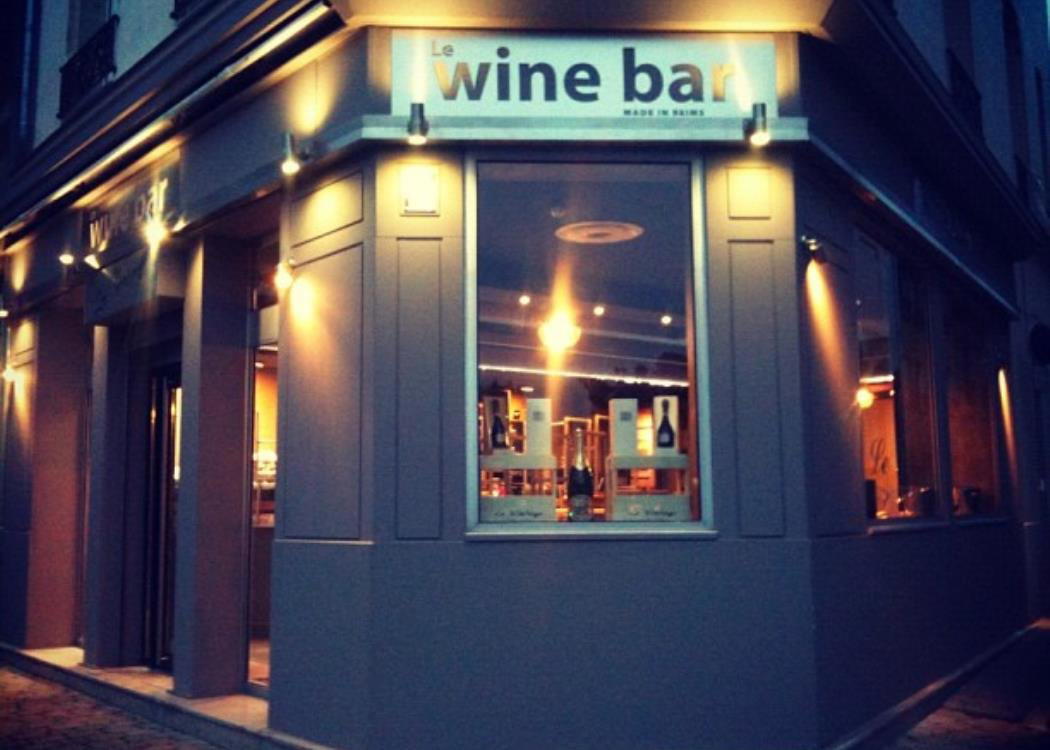
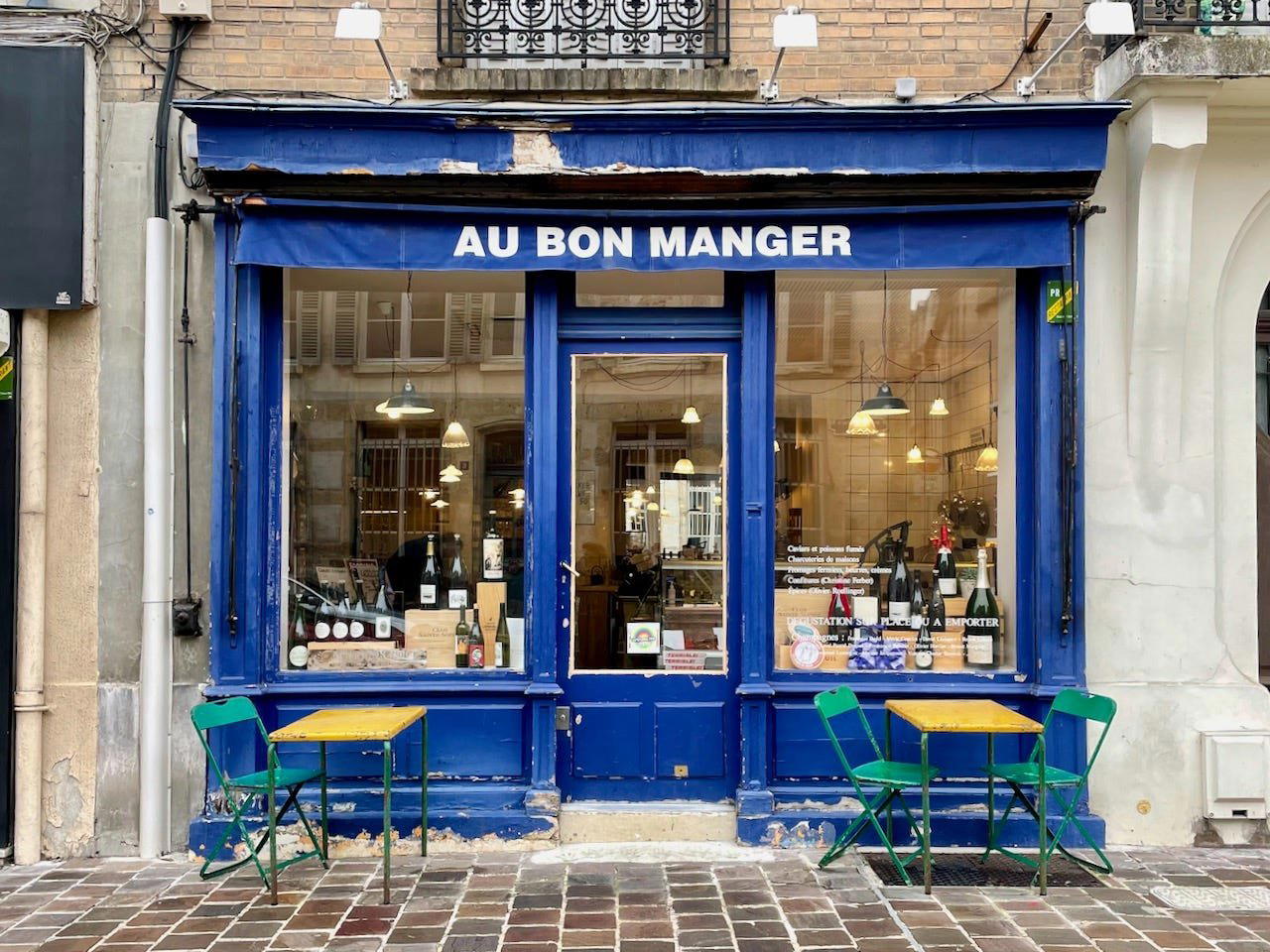
Reims has a compact but varied bar circuit. The city’s drinking map is not a single category; it moves between bottle shops, wine bars, casual counters, and more composed rooms. Au Bon Manger is useful as a point of contrast because it connects drinking to product sourcing and a food-shop sensibility. La Vertu belongs to the city’s bar conversation in a different register, while Le Coq Rouge and Le Wine Bar by Le Vintage help define the wine-forward side of the evening.
Those comparisons matter because a Reims visitor often has only one or two nights in the city. The choice is not simply “bar or restaurant”; it is whether the evening should continue the Champagne theme, pivot toward cocktails, or combine both. A wine bar makes sense after a day focused on houses if the aim is to compare producers, labels, and regional styles. A cocktail bar makes sense when the palate needs another register. The question is not hierarchy. It is sequencing.
On that sequencing, Bar La Rotonde’s Boulevard Henry Vasnier address gives it a particular usefulness. That is not a criticism; it is simply the difference between a fully documented destination venue and a bar whose public record, as supplied, is lean.
Reading the room without overclaiming
Travel writing often fails bars by turning a thin data record into a fantasy of atmosphere. That is especially tempting in Reims, where words like chalk cellars, golden light, and celebration can be made to do too much work. Here the restraint is useful. The confirmed facts are the name, city, country, and address. There are no verified awards, no listed cuisine type, no chef or bar lead, no price range, no capacity, no phone number, no website, and no opening hours in the available record. Those absences shape the editorial recommendation as much as the address does.
For a reader, that means two things. First, Bar La Rotonde should not be treated as an award-led pilgrimage stop in the way one might approach a bar named on a major international list. Second, it remains relevant because Reims needs rooms that broaden the drinking itinerary beyond cellar appointments. The city’s tourism pattern creates heavy daytime structure: tours, tastings, scheduled visits, train arrivals, hotel check-ins. Evening drinking can either extend that structure or loosen it. Cocktail bars do the latter when they are doing their job.
This also affects expectations around food. Travellers should frame the visit around drinks first unless current venue information confirms otherwise. If dinner is the centre of the night, use Our full Reims restaurants guide to plan the table, then decide where a cocktail stop fits before or after. If lodging location is driving the evening, Our full Reims hotels guide is the better starting point.
How to fold it into a Reims evening
Reims rewards a planned but not overpacked night. The city’s appeal is partly its scale: cellar visits can be formal, restaurants can be reservation-led, and bars provide the looser middle ground. A practical evening might begin with an aperitif, move to dinner, and end with a quieter drink, but the order should depend on how much Champagne has already been tasted during the day. After several cellar appointments, a cocktail stop before dinner can sharpen the palate. After a long meal, it can turn the night away from wine without requiring another full venue commitment.
There is no phone number or website listed here, so travellers should confirm current operating details through a reliable map listing, hotel desk, or direct local source before setting out. The address is the firm planning point: 64 Bd Henry Vasnier, 51100 Reims, France. In a city where many visitors move between the centre, Champagne houses, and hotels, exact routing depends on the rest of the itinerary rather than a generic walking claim.
For broader planning, Our full Reims bars guide gives the comparative view across wine bars and cocktail rooms. Champagne-house visits and producer context sit better in Our full Reims wineries guide, while tastings, cellar formats, and cultural programming are better mapped through Our full Reims experiences guide. Bar La Rotonde belongs in that matrix as a drinks-led address rather than a fully documented dining destination.
The editorial verdict
Bar La Rotonde is most useful for travellers who understand Reims as a drinking city with more than one register. That limits any definitive ranking, but it clarifies the role: this is a Reims bar to consider when the evening calls for mixed drinks in a city otherwise dominated by Champagne rituals.
The distinction is important. A Champagne bar extends the regional story. A cocktail bar interrupts it, refreshes it, and sometimes makes the next glass of wine more interesting by contrast. In Reims, that counterpoint has value. The better reader decision is not whether this address outranks the city’s wine counters, but whether the night needs another pour of Champagne or a different grammar altogether.
Continue exploring
More in Reims
Bars in Reims
Browse all →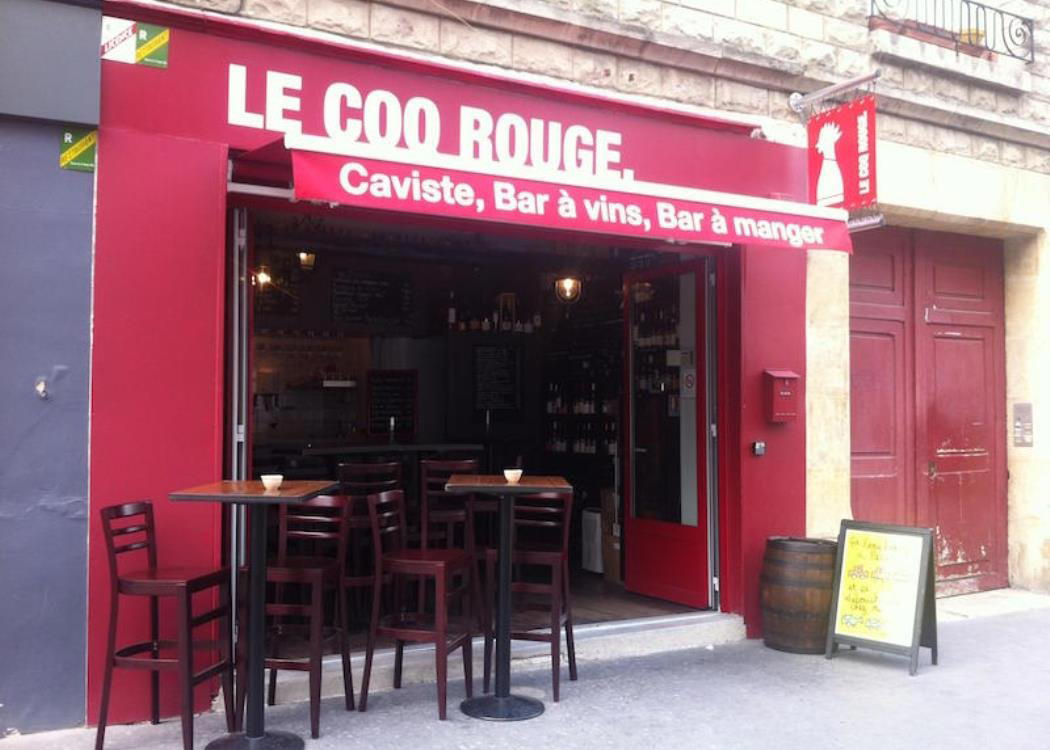
Restaurants in Reims
Browse all →
Hotels in Reims
Browse all →
At a Glance
- Elegant
- Classic
- Cozy
- Scenic
- Romantic
- Sophisticated
- Date Night
- After Work
- Celebration
- Special Occasion
- Private Event
- Garden
- Terrace
- Historic Building
- Design Destination
- Hotel Bar
- Seated Bar
- Lounge Seating
- Outdoor Terrace
- Conventional Wine
- Zero Proof
- Garden
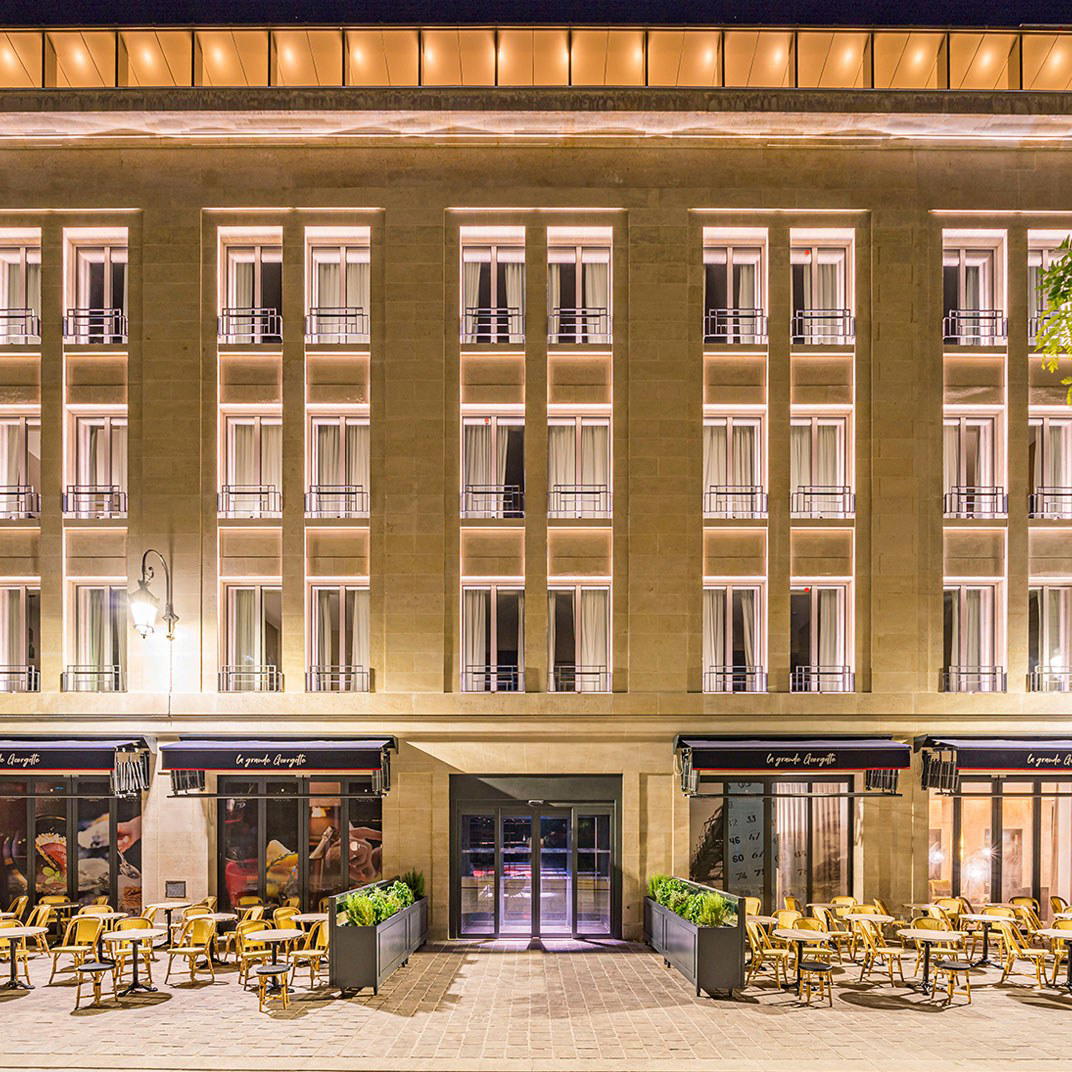
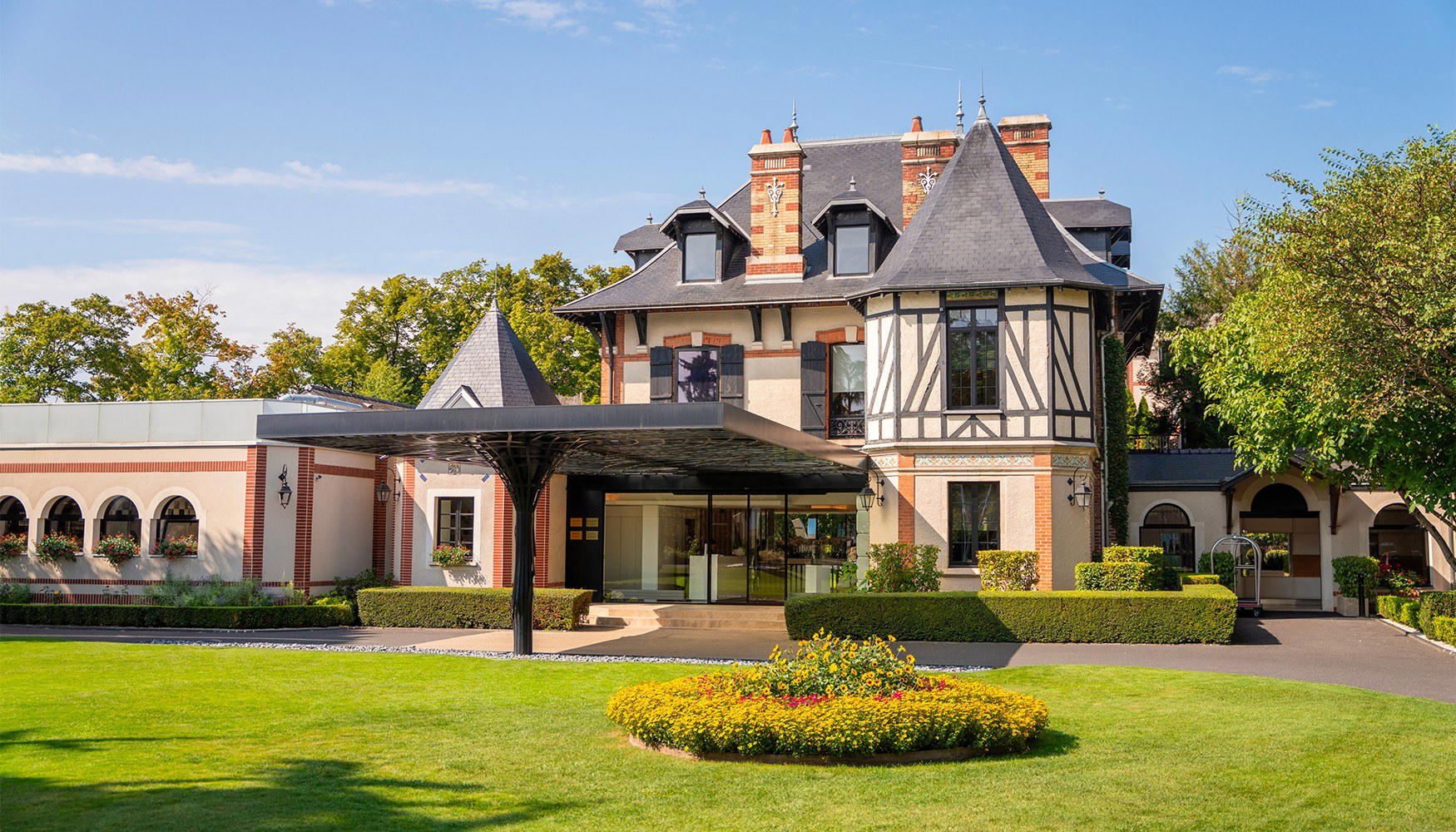
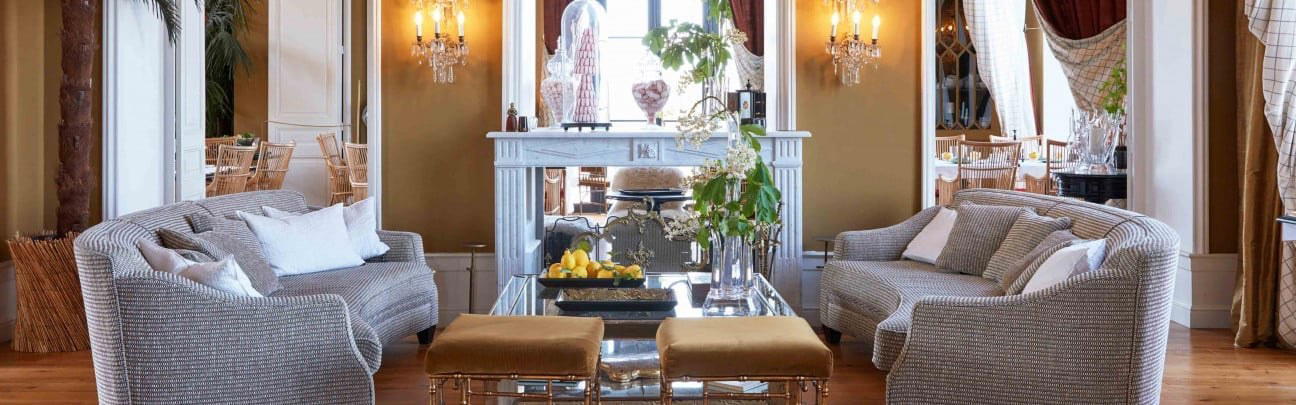
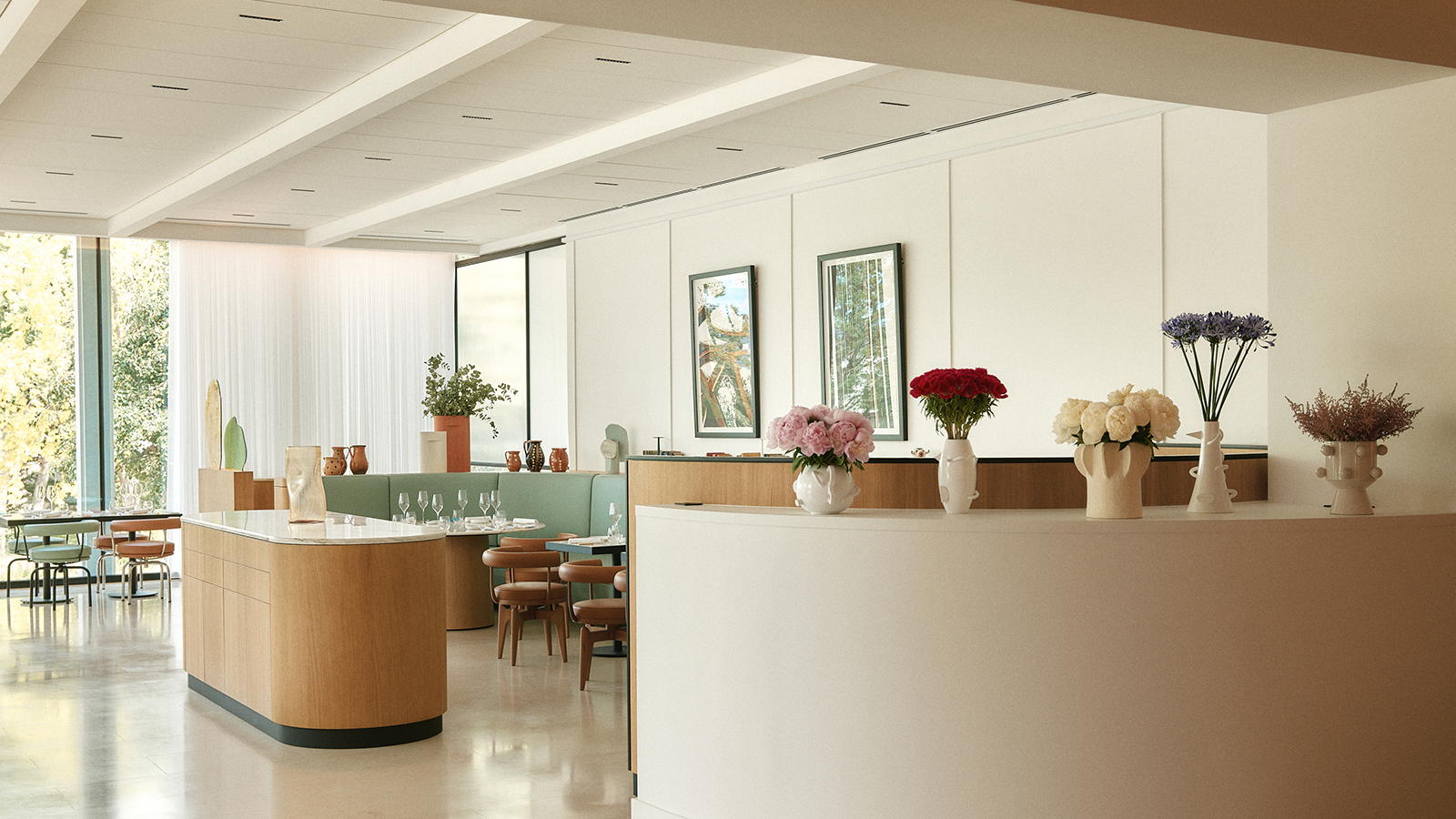
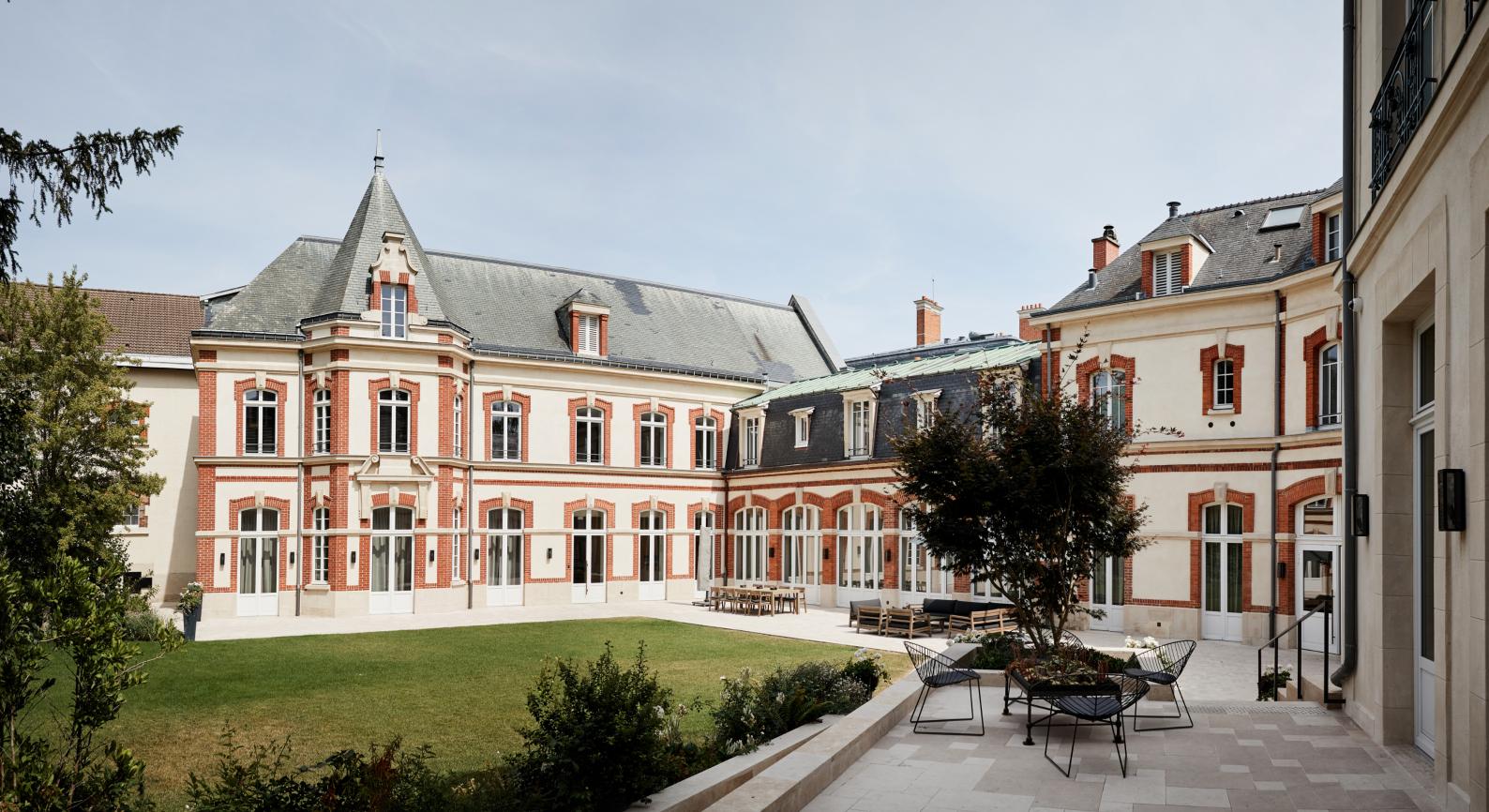
A luxurious yet intimate hotel bar with British-inspired décor, marble and velvet, Scottish tartan armchairs and a Second Empire counter, shifting from a naturally lit veranda by day to a hushed, jazz-accompanied, champagne-focused setting by night.
Know Before You Go
- Getting there
- 64 Bd Henry Vasnier, 51100 Reims, France