Arnolfo









2 Michelin Stars · La Liste Top Restaurants · Star Wine List
Our verdict
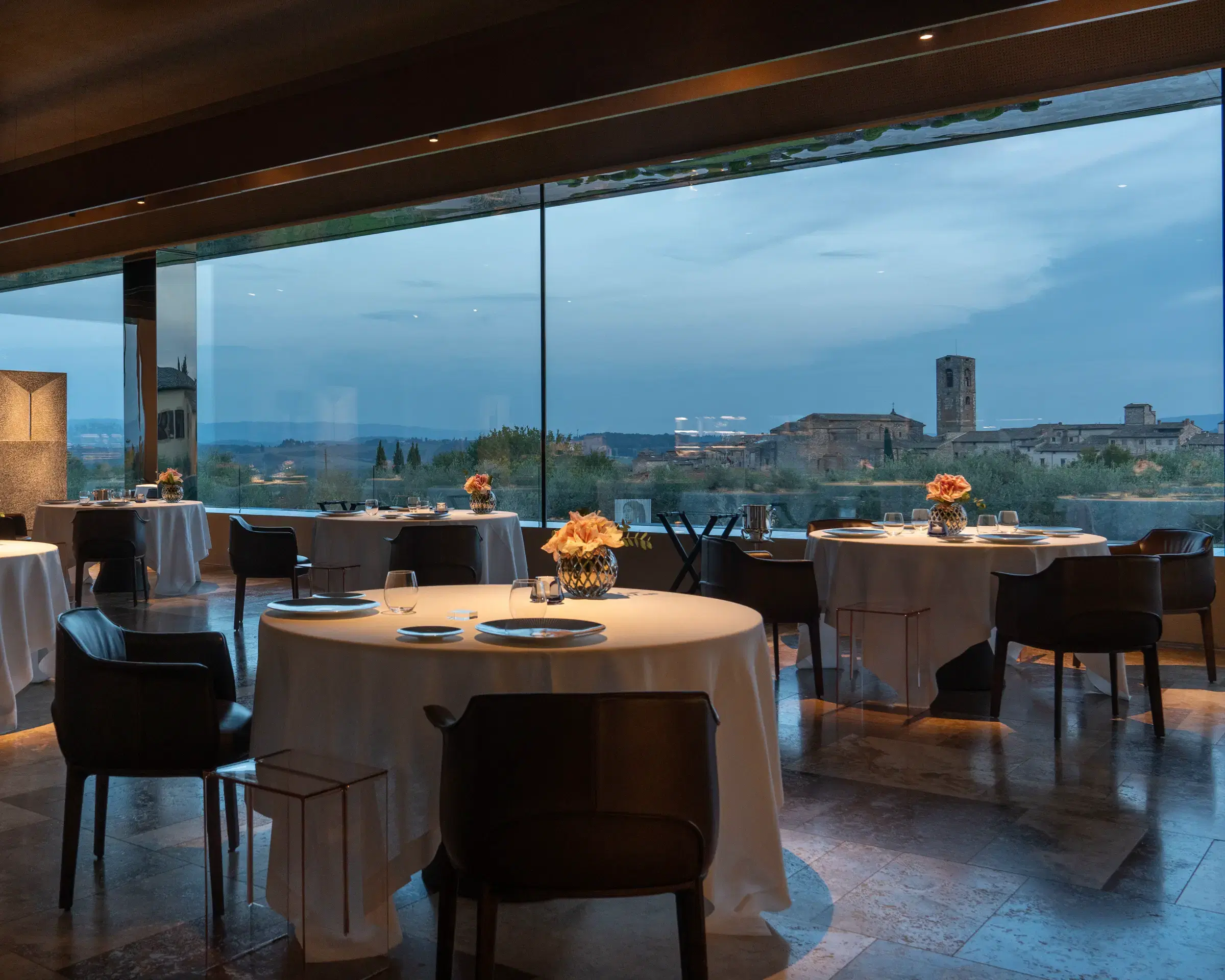
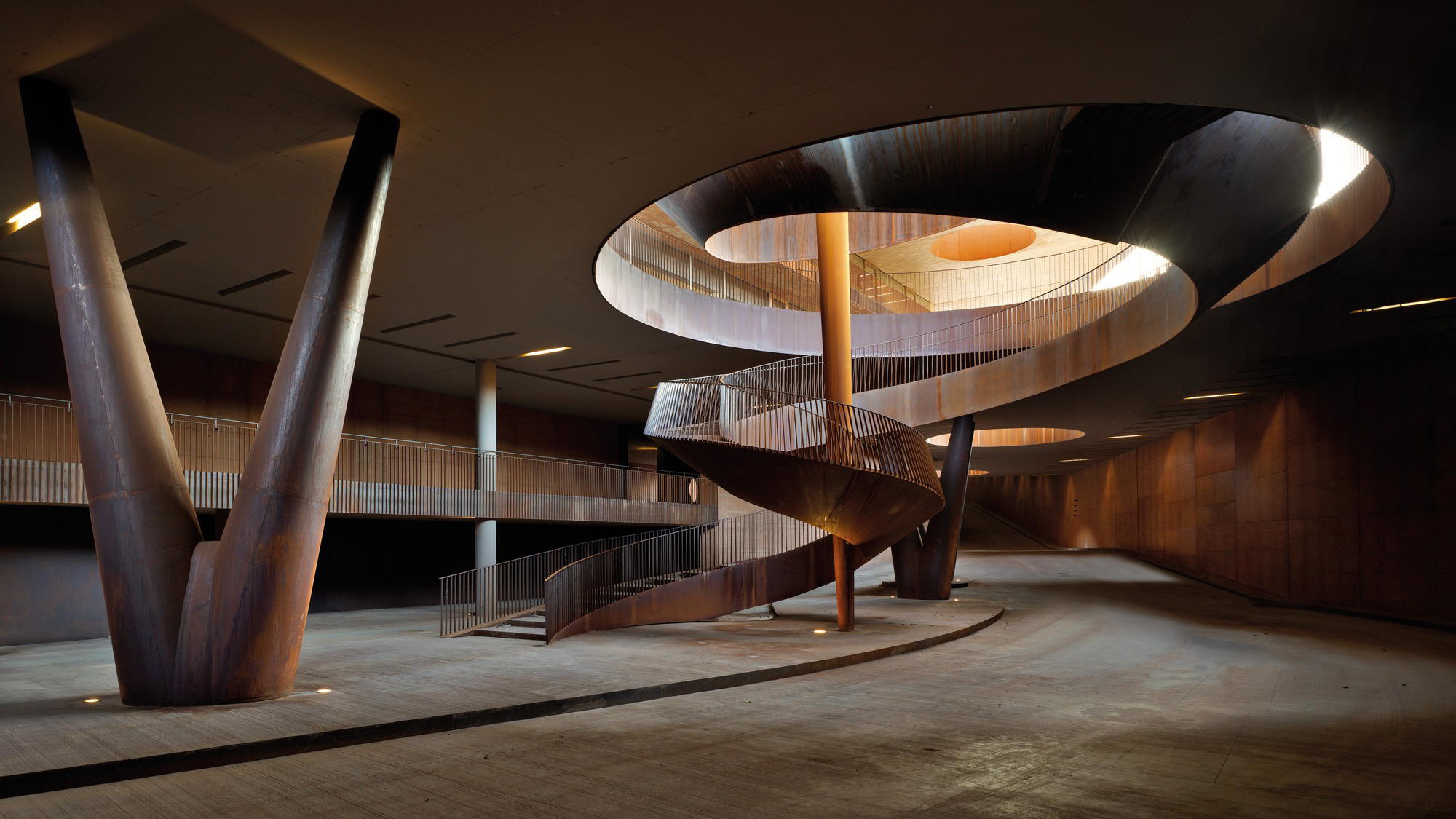
The 2022 move to a purpose-built space with iron, glass, and a yellow Siena marble kitchen wall brought architecture in line with a cuisine long defined by vegetable-forward precision and produce from the surrounding Val d'Elsa. Three tasting menus, including a vegetarian option, can also be ordered à la carte.

Pearl is the En Primeur Club membership app, where members save venues, book tables and use the concierge.
A Hilltop Room Built for the View
There is a version of Tuscan fine dining that leans heavily on cellar-vaulted romanticism: candlelit stone walls, antique silver, the whole medieval theatre. The room is defined by iron and glass, with large windows positioned so that the medieval skyline becomes a persistent presence at the table. A yellow Siena marble wall frames the open kitchen at the rear, making the kitchen's activity a visual anchor rather than a back-of-house secret. In a region where the architecture of the past carries enormous weight, this is a deliberate statement about where the cooking is headed. It is not a primary stop on the Tuscany circuit, which concentrates its fine-dining gravity in Florence (see Enoteca Pinchiorri) and the Chianti corridor. That relative obscurity is part of what makes the Trovato brothers' sustained two-Michelin-star record here, maintained through 2024 and 2025, read as an argument about where serious cooking can happen, rather than as a city-centre inevitability. Arnolfo's approach sits slightly apart from that model. Three tasting menus are available, one of which is vegetarian, but any course from any of them can also be selected à la carte. This structural flexibility has editorial implications worth noting: it means a solo diner or a couple with divergent appetites can eat from the same kitchen without submitting to the same sequence. Among Italian two-star addresses, this places Arnolfo closer in spirit to the trattoria tradition of assembly and sharing than to the locked progression of a Parisian grand table.
That framing matters for how you think about the food. The Italian small-plates and sharing tradition is rooted in a particular kind of table culture: courses that arrive in an order shaped by conversation as much as by the kitchen's logic, where bread functions as an active participant rather than an amuse-bouche afterthought. At Arnolfo, bread has been described by the restaurant's own inspectors as central to the chef's work from the beginning, a signal that the table ritual is taken seriously before the first formal course lands. The amuse-bouche sequence, which Michelin inspectors have singled out as a highlight, operates in a similar register: small compositions that set the kitchen's vocabulary without locking the diner into a predetermined narrative.
Vegetable-Forward Cooking in a Meat-Heavy Region
Tuscany's culinary identity is built, in large part, on meat. Bistecca alla Fiorentina from Chianina cattle, pappardelle with wild boar, ribollita with cannellini: these are the load-bearing columns of the regional table. The emergence of a vegetable-forward two-star restaurant in this context is not an obvious development.
Dishes cited in the awards record include asparagus with vegetable charcoal and basil, and red mullet with fermented garlic, radicchio, celeriac, and crispy quinoa. These are not garnish-led plates; the vegetable elements are load-bearing. The kitchen also works with the region's native proteins, Chianina beef, Valdarno chicken, duck, placing Arnolfo in dialogue with Tuscan tradition rather than in opposition to it. The contrast between those two registers, the local product and the vegetable-driven technique, is where the cooking finds its particular character. This is recognisably Sienese-countryside food in its sourcing, and decidedly contemporary in its execution. Michelin's mindful sourcing designation in the 2025 guide formalises what the menu structure has implied for years.enprimeurclub.com/restaurants/atelier-moessmer-norbert-niederkofler-brunico-restaurant">Atelier Moessmer Norbert Niederkofler in Brunico, where Alpine produce drives a similarly produce-led agenda, and Le Calandre in Rubano, which operates at three stars with a creative Italian programme of comparable ambition. Osteria Francescana in Modena and Piazza Duomo in Alba
The Wine List as a Destination in Itself
Seven thousand labels is a number that shifts a wine list from accompaniment to argument. Comparable Italian cellars at this level include Dal Pescatore in Runate, another long-standing family-run Italian table at the four-price-point tier, the parallel is instructive. Both represent an Italian hospitality tradition that treats continuity and personal ownership as quality signals.
Planning a Visit
Arnolfo operates a restricted schedule that rewards advance planning. The kitchen is open Tuesday and Wednesday, with lunch service running approximately 1 to 2:30 pm and dinner from 8 pm, closing between 9:30 and 10 pm depending on the evening. The tightest lunch window, around 60 minutes, implies a pace that suits the à la carte option more naturally than an extended tasting menu, while weekend dinner slots allow fuller sequences.4211, 11.1170 place the restaurant precisely. Florence's Peretola airport is the closest international gateway at approximately 45 kilometres.enprimeurclub.enprimeurclub. The bars, wineries, and
Frequently asked questions
What are Arnolfo's hours?
Hours at Arnolfo: Hours: Monday 1–2 pm, 8–9:30 pm Tuesday Closed Wednesday Closed Thursday 1–2:30 pm, 8–9:30 pm Friday 1–2 pm, 8–9:30 pm Saturday 1–2 pm, 8–10 pm Sunday 1–2 pm, 8–10 pm.
Where is Arnolfo located?
Arnolfo is located at V.le della Rimembranza, 24, 53034 Colle di Val d'Elsa SI, Italy, Colle di Val d'Elsa.
What awards or recognition does Arnolfo have?
Arnolfo has received recognition including: This two-star Michelin restaurant is run by two brothers, Arnolfo and Giovanni Trovato. Since 2022 the restaurant has moved to a new location. The design is modern and impressive, with large windows...; La Liste Top Restaurants (2026): 92p….
What's the must-try dish at Arnolfo?
Michelin inspectors and Gault&Millau; reviewers have both flagged Gaetano Trovato's vegetable-forward compositions as the signature of the kitchen, dishes like red mullet with fermented garlic, radicchio, celeriac, and crispy quinoa illustrate his approach more clearly than any single plate. Trovato's bread programme has been central to the restaurant since its earliest years and functions as a statement of intent before the first course arrives. The ice cream dessert appears consistently across reviewer accounts as a course that holds its own against the savoury progression. Given the à la carte flexibility within the tasting menus, the strongest strategy is to anchor your order around Trovato's vegetable and fish work, where his 2018 Best Vegetable Restaurant of Italy recognition is most directly expressed.
Fast Comparison
| Venue | Cuisine | Price | Awards | Notes |
|---|---|---|---|---|
| ArnolfoThis venue (the venue you are viewing) | Modern Tuscan Fine Dining | $150–200 | 2 Michelin Stars · La Liste Top Restaurants | Not listed |
| Atelier Moessmer Norbert Niederkofler | Modern Alpine Fine Dining | $300–500 | 3 Michelin Stars · World's 50 Best #20 | Italian, Creative |
| Dal Pescatore | Classic Italian Fine Dining | $200–300 | 3 Michelin Stars · World's 50 Best #38 | Italian, Italian Contemporary |
| Enoteca Pinchiorri | Contemporary Italian Fine Dining | $200–300 | 3 Michelin Stars · World's 50 Best #32 | Italian - French, Italian Contemporary |
| Enrico Bartolini | Modern Italian Fine Dining | $300–500 | 3 Michelin Stars · World's 50 Best #85 | Creative |
| Osteria Francescana | Avant-Garde Italian Contemporary | $300–500 | 3 Michelin Stars · World's 50 Best #1 | Progressive Italian, Creative |
Recognition history
Dated appearances from independent guides and award organizations, with the underlying list record or original source where available.
Michelin 2 Stars
Michelin
La Liste Top Restaurants
La Liste
Star Wine List
Star Wine List
Falstaff Restaurant - 98 Falstaff Points
Falstaff
Les Grandes Tables du Monde Member
Les Grandes Tables du Monde
Full recognition history (16 entries)
Relais Chateaux Award
Relais Chateaux
La Liste Top Restaurants
La Liste
Michelin 2 Stars
Michelin
Opinionated About Dining Classical in Europe Ranked #316
Opinionated About Dining
Relais Chateaux Award
Relais Chateaux
The Best Chef Two Knives
The Best Chef
We're Smart World Top 100 #41
We're Smart World
We're Smart World 5 Radishes
We're Smart World
Michelin 2 Stars
Michelin
Opinionated About Dining Classical in Europe Ranked #327
Opinionated About Dining
Opinionated About Dining Classical in Europe Highly Recommended
Opinionated About Dining
Continue exploring
More in Colle di Val d'Elsa
Restaurants in Colle di Val d'Elsa
All restaurants in Colle di Val d'Elsa →
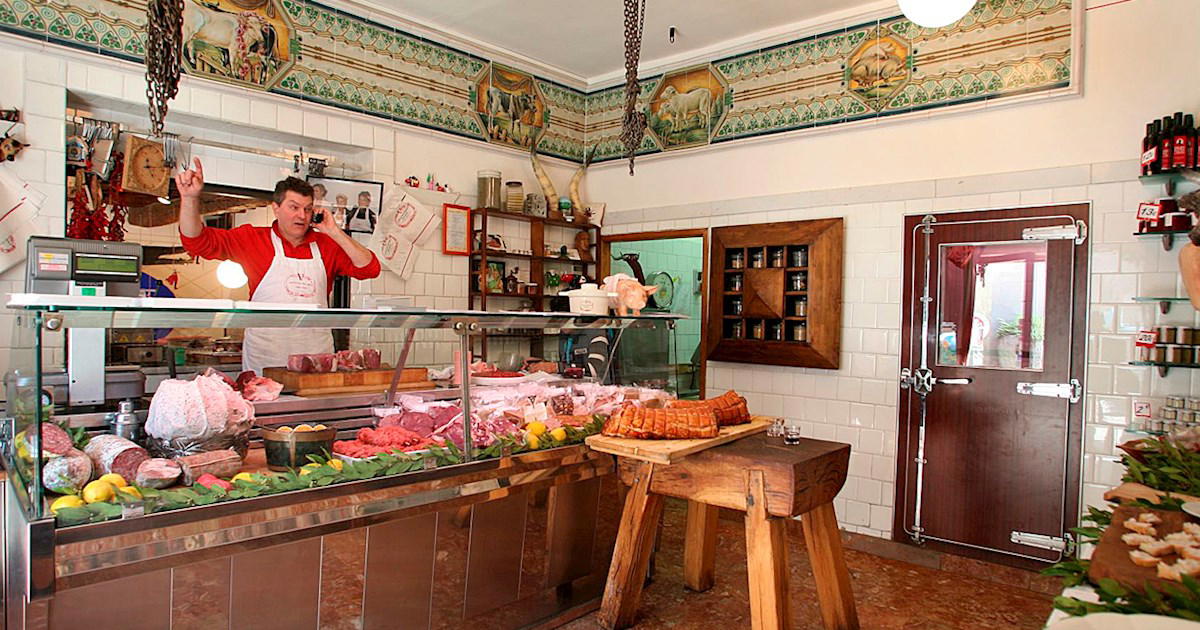
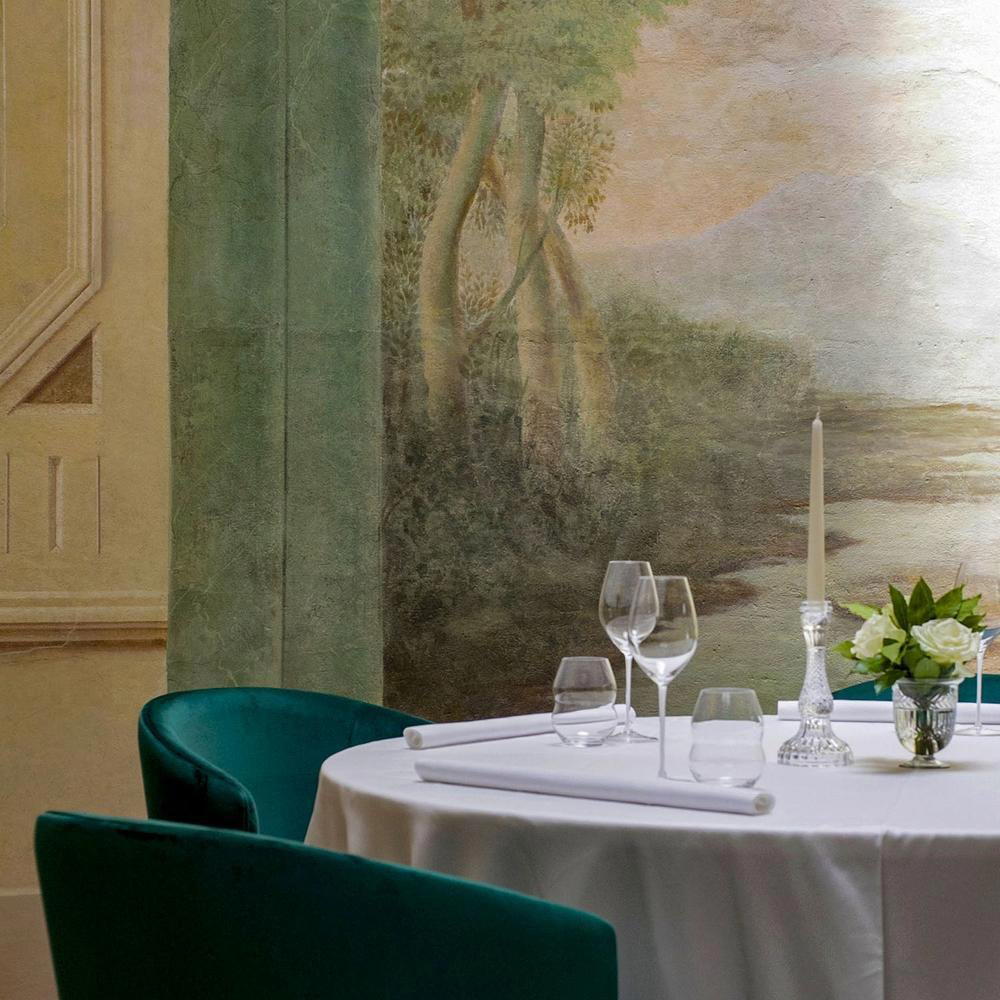
Bars in Colle di Val d'Elsa
Browse all →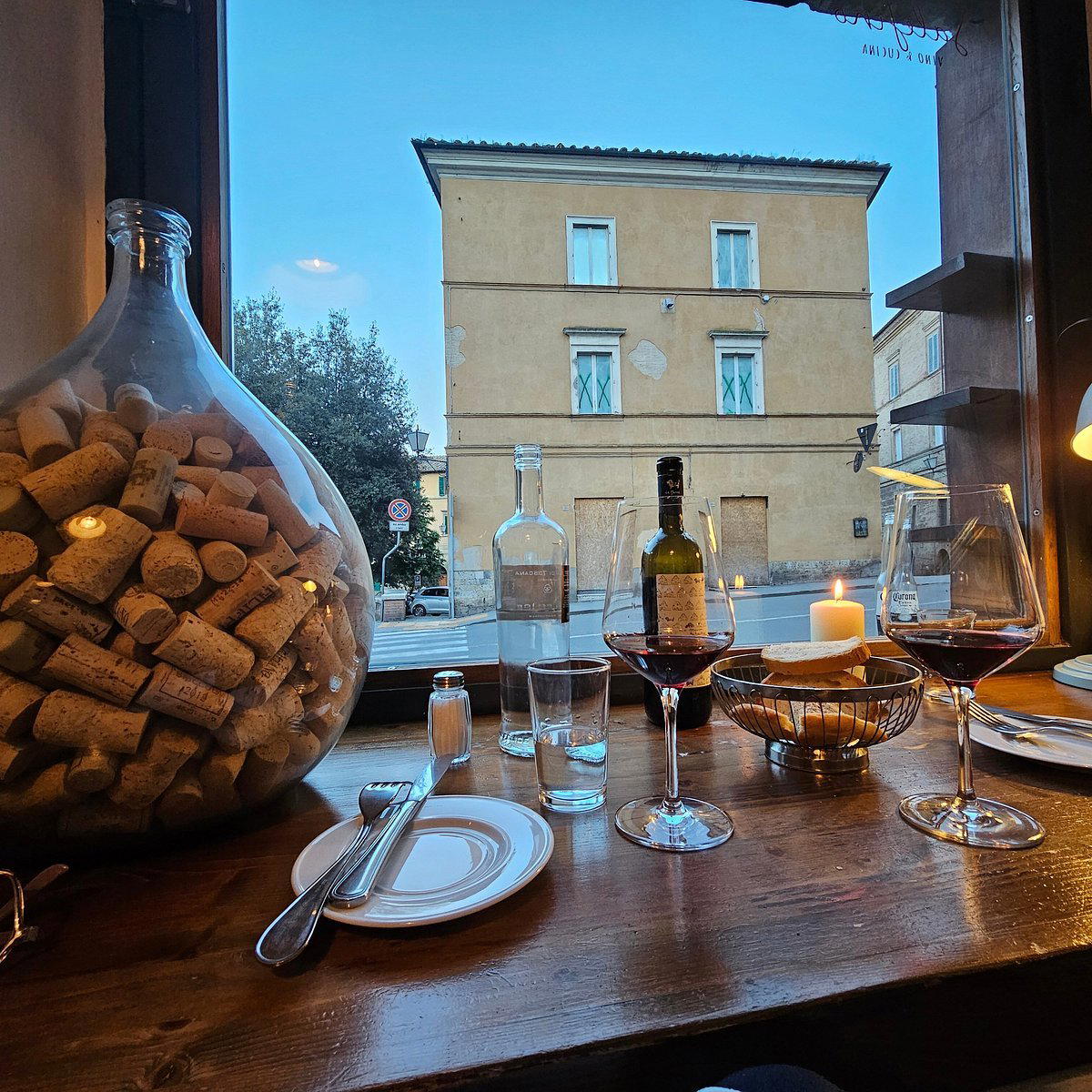
Hotels in Colle di Val d'Elsa
Browse all →
Arnolfo
The wine
- Wine program
- Deep wine list
- Extensive wine list
- Sommelier-led
Details
- Elegant
- Sophisticated
- Modern
- Intimate
- Date Night
- Special Occasion
- Open Kitchen
- Historic Building
- Extensive Wine List
- Sommelier Led
- Local Sourcing
- Street Scene
- Tasting Menu
- A La Carte
- Wine
- Vegetarian Friendly
- Vegan Options
- Gluten Free Options
Current opening hours
- Monday
- Closed
- Tuesday
- Closed
- Wednesday
- Closed
- Thursday
- 12:30–2:30 PM, 7:30–9:30 PM
- Friday
- 12:30–2:30 PM, 7:30–9:30 PM
- Saturday
- 12:30–2:30 PM, 7:30–9:30 PM
- Sunday
- 12:30–2:30 PM, 7:30–9:30 PM
Hours can change for holidays and private events. Hours as of .
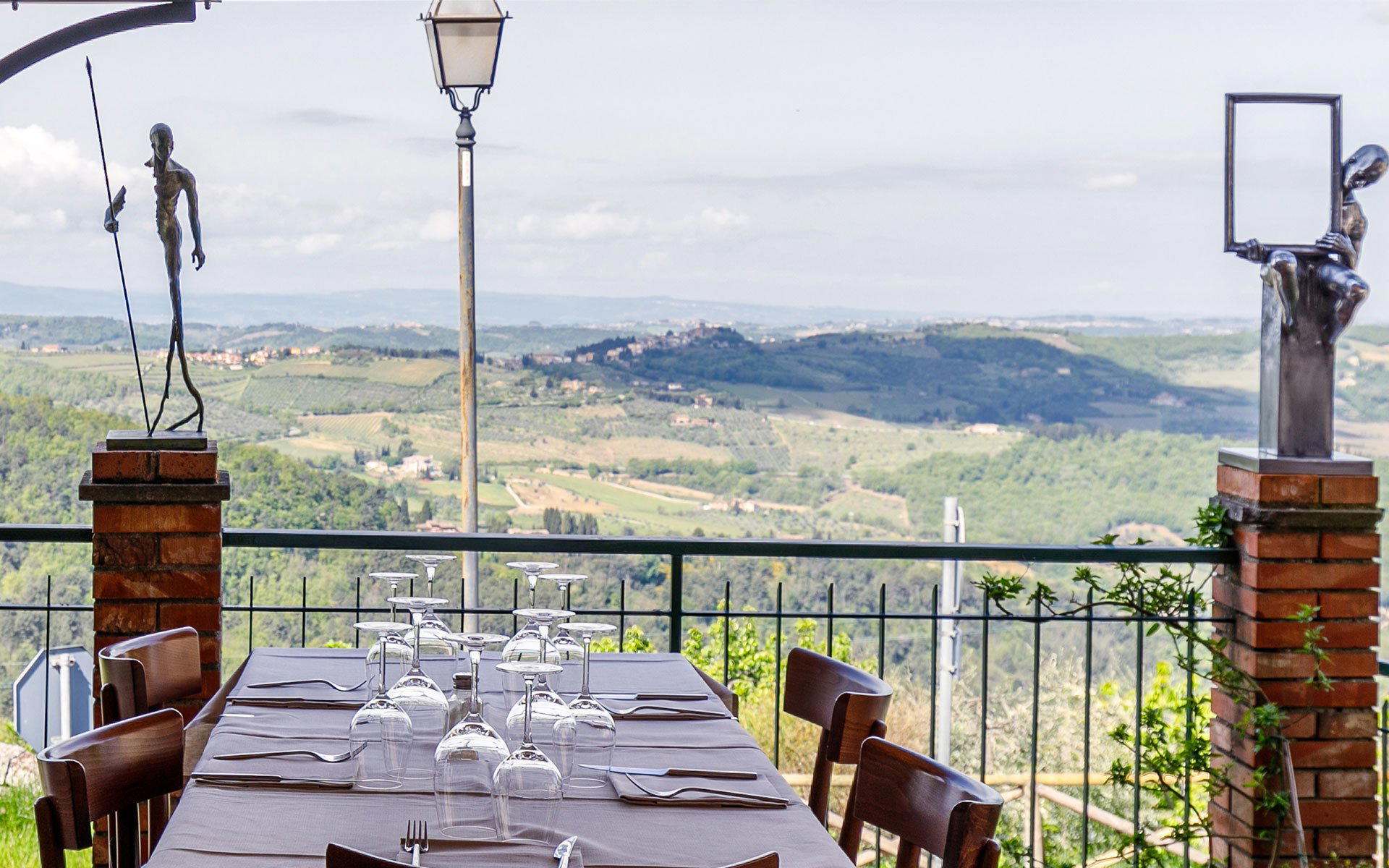
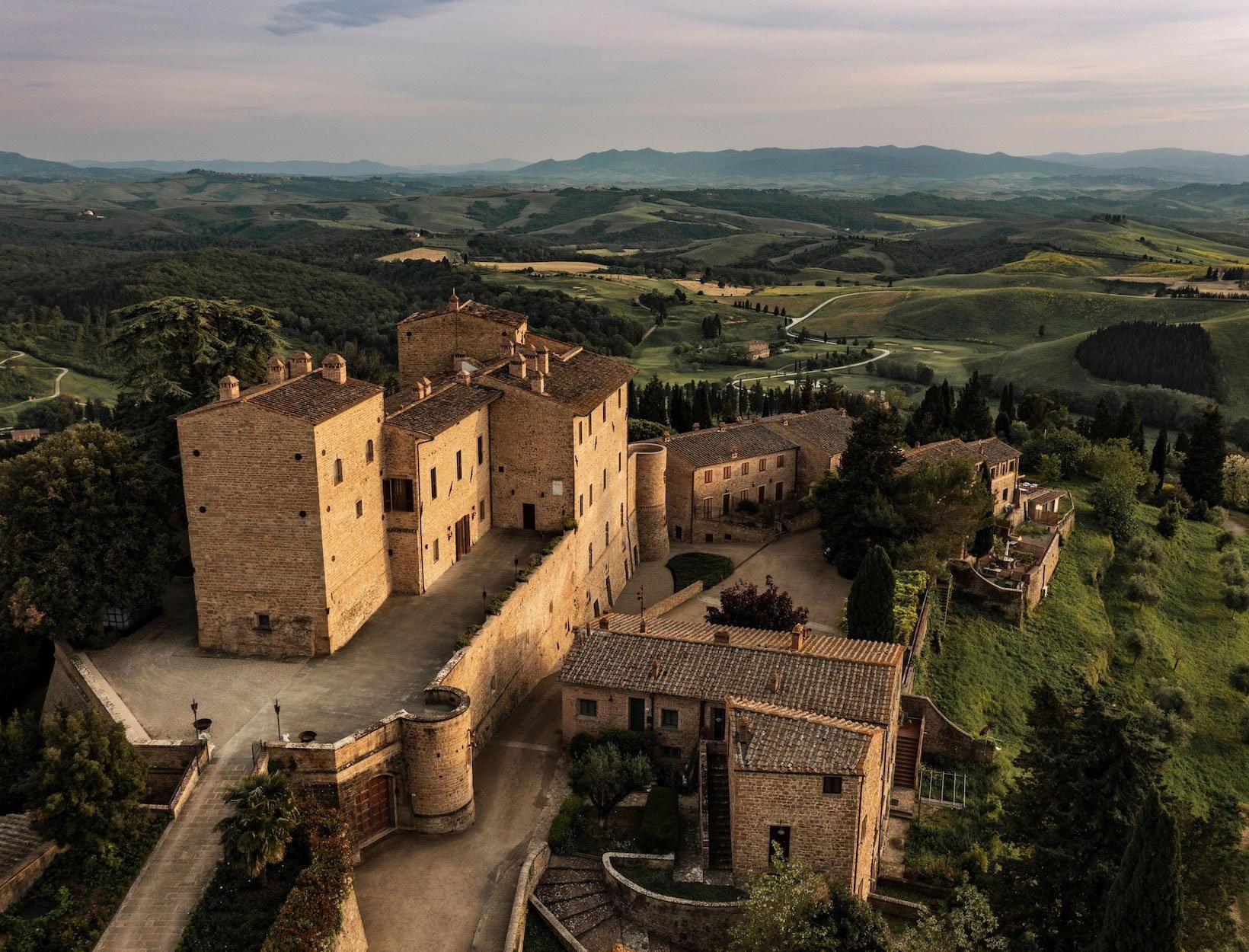
Modern and elegant with natural light from large glass windows, quiet atmosphere, contemporary architecture featuring Siena yellow marble, open kitchen, and art installations.