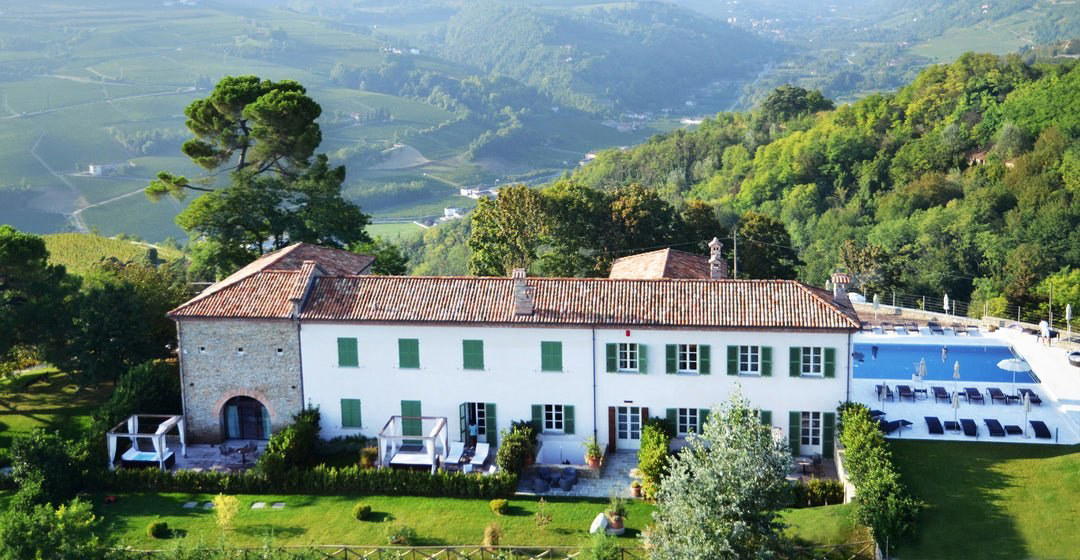
Distilleria Dellavalle operates from Vigliano d'Asti, a hamlet in the Monferrato hills where Piedmont's distilling tradition runs as deep as its wine culture. A focused, credential-backed address for serious spirits exploration.
Pearl is the En Primeur Club membership app — saves, bookings, and concierge access live there. Same editors, same standards.
- Address
- Via Tiglione, 1, 14040 Vigliano d'Asti AT
- Phone
- +39 0141 953627
- Website
- grappedellavalle.it
- Directions
- Get directions
 Saves & bookings on Pearl
The Monferrato Hills and the Art of Piedmontese Distilling
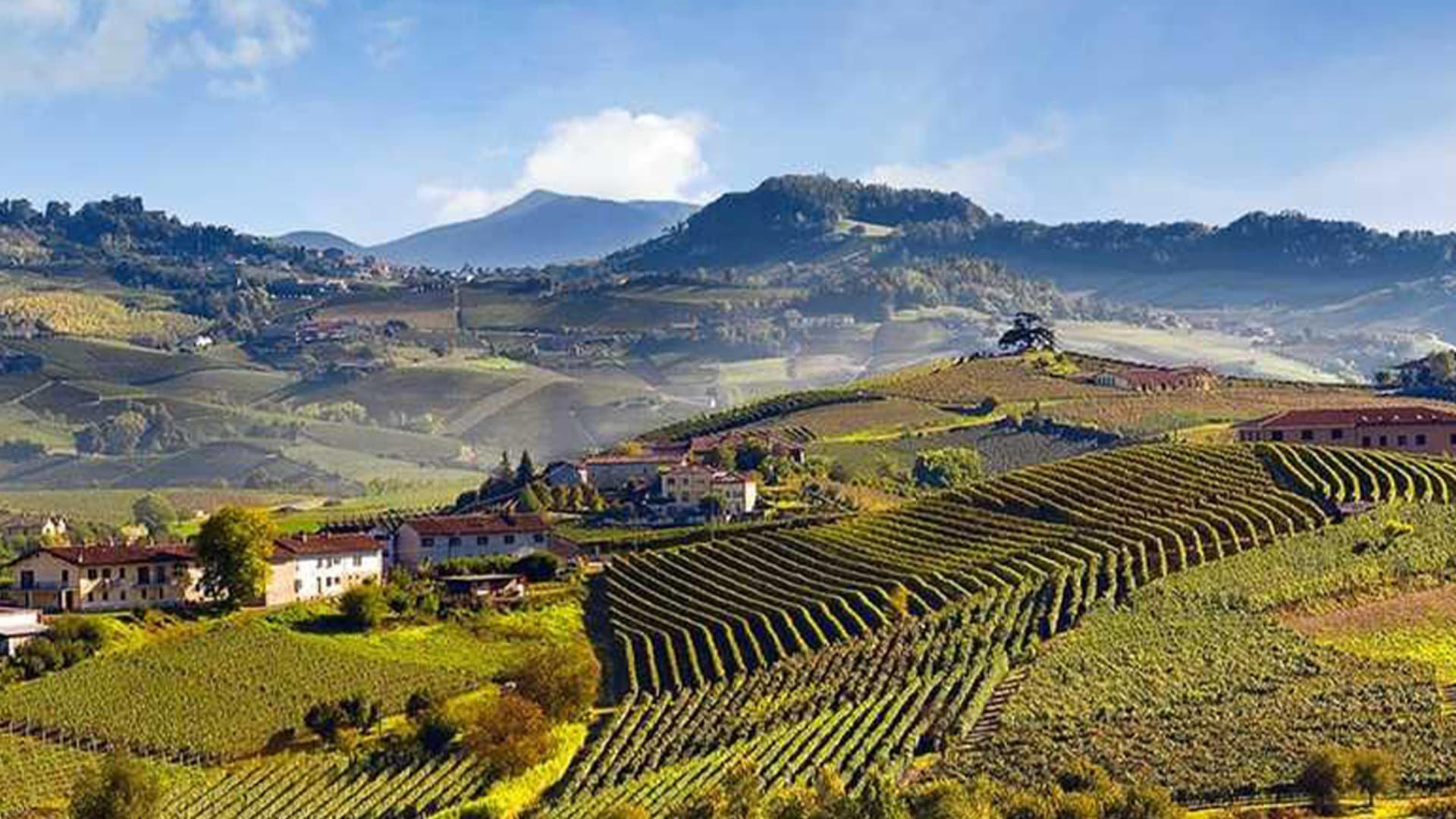
The road into Vigliano d'Asti follows the contours of the Monferrato, a chain of low hills between Asti and the Tanaro valley where the clay-limestone soils that produce Barbera and Moscato also shape what happens after harvest. In this part of Piedmont, distilling is a parallel tradition. It is a parallel tradition, drawing on the same terroir logic: the marc left after pressing Moscato d'Asti carries a different aromatic signature than marc from Barbera or Dolcetto, and the region's distillers have built reputations on exactly those distinctions.
Italy's grappa and distillate producers have fragmented over the past two decades into large industrial houses, mid-scale regional producers, and small-batch operations whose output is tied directly to the vineyards around them. Piedmont hosts representatives of all three tiers. Distilleria Romano Levi in Neive built a near-mythic reputation on hand-labelled bottles and Langhe grape varieties. Distilleria Marzadro in Nogaredo represents a Trentino counterpoint, where Alpine grape varieties and mountain water create a noticeably different distillate character. Dellavalle's Monferrato address places it in its own specific sub-regional context, geographically and aromatically distinct from both.
Terroir in the Still: What the Land Contributes
The concept of terroir in distilling remains contested. In Piedmont, the connection between grape variety, soil type, and the resulting grappa is more legible than in regions where distilleries source marc from multiple zones. The Monferrato's clay-rich soils produce Barbera grapes with higher natural acidity and darker fruit character, while the lighter sandy soils closer to Canelli and Santo Stefano Belbo yield the delicate, floral Moscato marc that forms the base of some of Italy's most aromatic grappas. A distillery working with local material from this corridor is, in effect, working with a defined raw ingredient set, one that carries the same geographic imprint as the wines grown here.
Prestige-tier recognition in Italian spirits evaluation does not typically arrive without a demonstrated commitment to source quality. It positions the distillery alongside producers who treat marc selection and fermentation handling as carefully as winemakers treat vineyard management. The comparison set here extends beyond Piedmont: Nonino Distillery in Pavia di Udine redefined the premium grappa category in the 1970s by pioneering single-varietal distillation from whole grapes rather than marc alone, and that shift established the framework within which Piedmontese producers have since positioned their own identity claims.
Asti as a Spirits and Wine Address
Asti's public identity is dominated by its sparkling wines, particularly Asti Spumante and the lower-alcohol Moscato d'Asti, both produced from the Moscato Bianco grape in the hills immediately surrounding the city. That reputation has historically overshadowed the province's broader production culture, which includes vermouth houses, distilleries, and winemakers working with Barbera, Grignolino, and Ruché. Cocchi, the Asti-based vermouth and spumante producer, is one of the better-known examples of how the region's aromatic grape heritage translates into categories beyond still wine.
Vigliano d'Asti sits within this wider provincial network, close enough to the Moscato heartland to access that raw material but positioned within a zone where Barbera dominates the vineyards. For visitors approaching from Asti, the drive southeast through the Monferrato passes through a working agricultural range of vineyards, hazelnut groves, and small-scale production facilities, a corridor that bears little resemblance to the polished wine tourism infrastructure of the Langhe to the north. This is an area where production-focused addresses still outnumber tasting-room showpieces, and where visits tend to require advance contact rather than walk-in access.
The Distillery in its Italian comparable set
Italian distilling has a competitive geography that runs from Friuli in the northeast, through Trentino, down into Piedmont and Tuscany. Each zone brings distinct raw material: Friuli offers Tocai and Ribolla marc, Trentino contributes Teroldego and Nosiola, while Piedmont's strength lies in the aromatic diversity of its native varieties. Within that national picture, a credentialed Piedmontese distillery occupies a clearly defined niche, one built on grape-variety specificity rather than volume or international brand recognition.
Producers like Campari in Milan operate at the industrial-brand end of the Italian spirits spectrum, while addresses like Dellavalle sit in the craft-to-artisan middle ground where provenance and raw material sourcing are the primary differentiators. The comparison extends usefully to wine producers in the same provincial zone: Aldo Conterno in Monforte d'Alba and Ca' del Bosco in Erbusco both demonstrate how regional specificity, when backed by consistent quality signals, builds long-term credibility within a defined comparable set. The same pattern holds for spirits producers who commit to geographic and varietal identity over time.
Further afield, producers such as Castello di Volpaia in Radda in Chianti, Lungarotti in Torgiano, Planeta in Menfi, Poggio Antico in Monte San Vito, and L'Enoteca Banfi in Montalcino illustrate how Italian producers across regions have built credibility through consistent investment in place-specific identity rather than category-wide appeal. Distilleria Dellavalle's Monferrato positioning follows a similar logic. Even internationally, the principle holds: Aberlour in Aberlour and Accendo Cellars in St. Helena both demonstrate that provenance-led production, when executed with consistency, earns recognition across different spirit and wine categories.
Planning a Visit
Vigliano d'Asti is a small comune, and Distilleria Dellavalle at Via Tiglione 1 is a production address rather than a visitor-facing attraction with published opening hours or an online booking portal. Visits are best arranged directly. Asti itself, roughly 20 kilometres to the northwest depending on the route, provides the nearest concentration of hotels, restaurants, and transport links. The Monferrato is most accessible by car, and combining a visit to Vigliano d'Asti with the broader Barbera and Moscato producing zone is the practical approach for anyone structuring a Piedmont itinerary around spirits and wine production rather than a single destination.
In Context: Similar Options
Comparable venues nearby, for context on price, style, and recognition.
| Venue | Cuisine | Price | Notes |
|---|---|---|---|
| Distilleria DellavalleThis venue — the venue you are viewing | Moscato, Nebbiolo | $$ | Not listed |
| Cocchi | Moscato, Brachetto | $$ | Asti |
| Fernet-Branca | Milan | $$ | northern Milan |
| Mazzetti d'Altavilla | Barbera, Nebbiolo | $$ | Altavilla Monferrato |
| Paolo Scavino | Nebbiolo, Barbera | $$$ | Castiglione Falletto |
| Engine Gin | Barbaresco | $$$ | Not listed |
Continue exploring
More in Asti
Wineries in Asti
Browse all →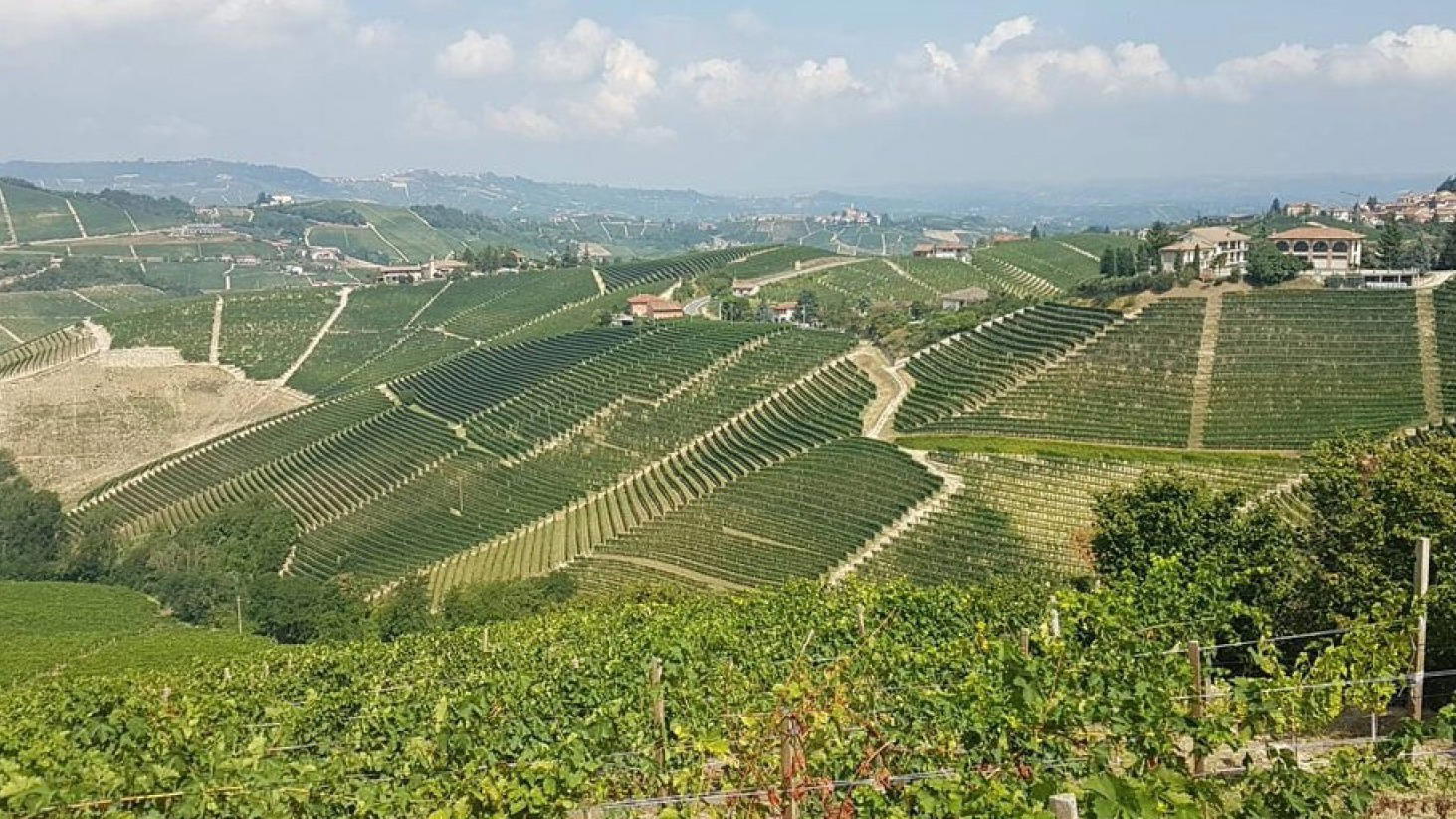
Bars in Asti
Browse all →
Restaurants in Asti
Browse all →
At a Glance
- Rustic
- Classic
- Intimate
- Wine Education
- Barrel Room
- Moscato
- Nebbiolo
- Barbera
- Chardonnay
- Gavi
- Barolo
- Ruché
- Amarone
- Cave Tasting