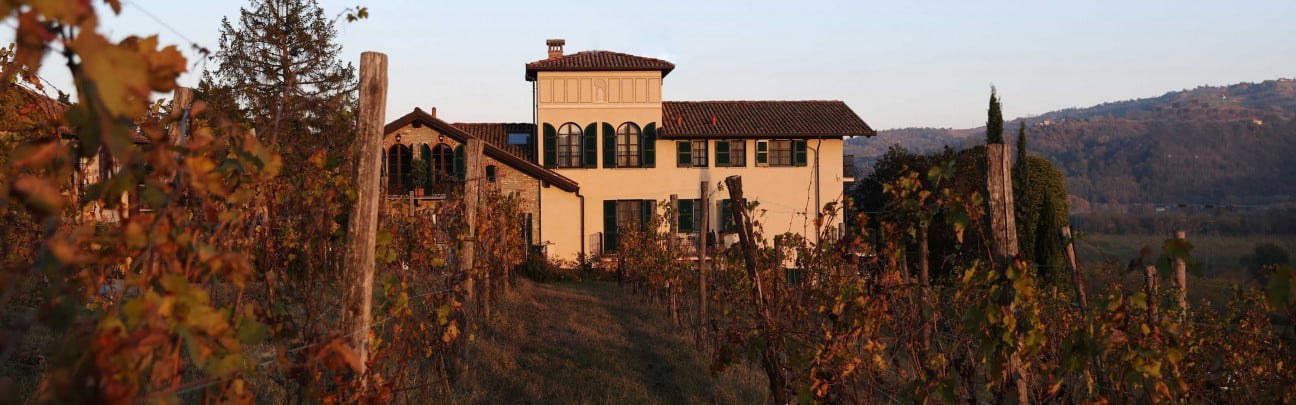
One of Piedmont's most storied grappa houses, Distilleria Bocchino operates from Canelli, the subterranean cathedral town at the heart of Asti Spumante country..
Pearl is the En Primeur Club membership app — saves, bookings, and concierge access live there. Same editors, same standards.
- Address
- Via Commendatore Lazzaro Bocchino, 8, 14053 Canelli AT
- Phone
- +39 0141 8101
- Website
- bocchino.com
- Directions
- Get directions
 Saves & bookings on Pearl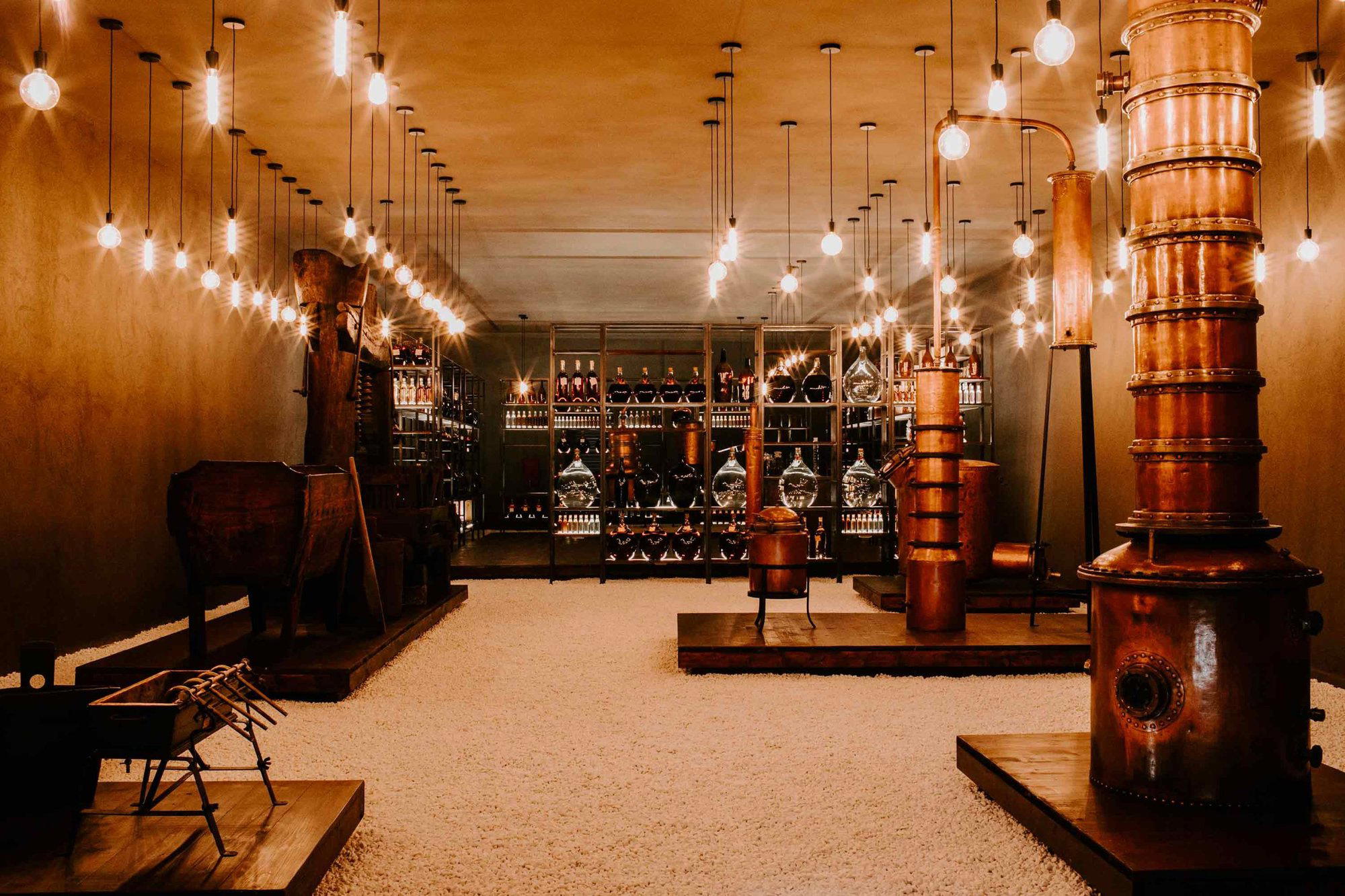
Where the Vines End and the Still Begins
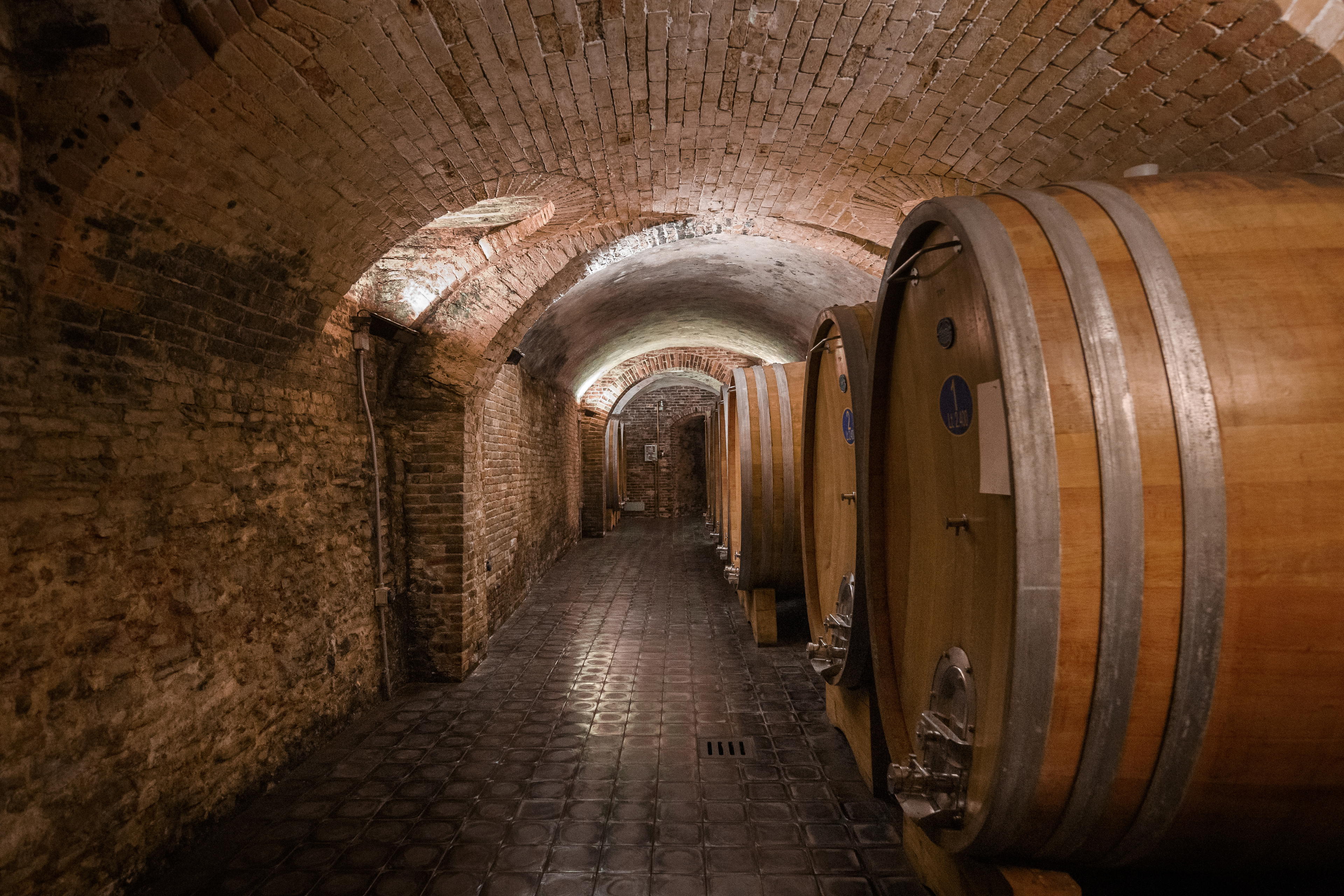
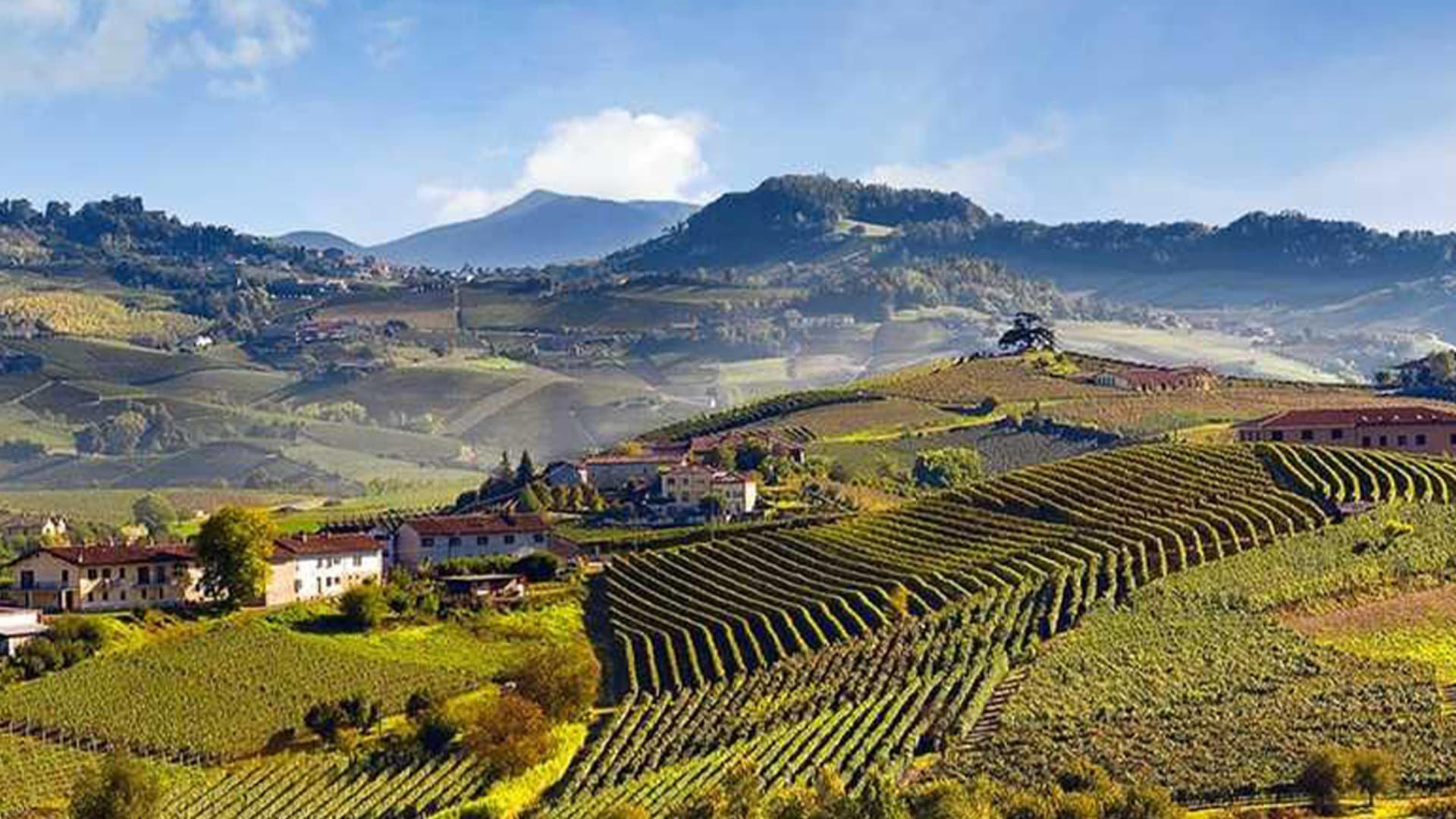
Canelli sits in the southern corner of the Monferrato hills, a town whose identity is defined less by its skyline than by what lies beneath it. The UNESCO-listed wine cellars tunnelling under the historic centre were carved to house Moscato Bianco and the sparkling wines of Asti, and the geography that makes those wines possible, the sandy, calcium-rich soils of the Canelli DOC, shapes everything that follows at the distillery level. When the harvest ends and the pressing begins, the pomace left behind carries a chemical and aromatic signature that is specific to this corner of Piedmont, distinct from the Nebbiolo-country pomace of the Langhe hills twenty kilometres north or the Barbera-heavy pressings of Monferrato's flatter terrain. Distilleria Bocchino, operating from its address on Via Commendatore Lazzaro Bocchino, sits inside that post-harvest logic. Grappa here is not a neutral spirits exercise. It is a continuation of the grape.
Canelli's Place in the Italian Distillation Map
Italy's premium grappa scene divides roughly into two geographic poles: the north-eastern tradition anchored in Friuli and Trentino, and the Piedmontese tradition rooted in the Langhe and Monferrato. The north-eastern school, represented by producers such as Nonino Distillery in Pavia di Udine and Distilleria Marzadro in Nogaredo, tends toward aromatic delicacy and a continuous-still aesthetic. The Piedmontese school, by contrast, has historically favoured the discontinuous bain-marie still and a rounder, richer profile that reflects the weight of Moscato, Barbera, and Nebbiolo pomace. Bocchino belongs to that second tradition, operating in a town that has produced both the raw material and the cultural context for serious distillation across multiple generations.
That award places Bocchino in a peer tier that rewards consistency, aging discipline, and provenance transparency rather than novelty. It is the kind of recognition that matters to buyers who are choosing between a grappa from a named single-varietal pomace and a blended house style, or deciding whether to cellar a riserva rather than open it immediately.
Moscato Pomace as Terroir Carrier
The editorial argument for visiting Canelli specifically, rather than any other Piedmontese distillery town, starts with Moscato Bianco. The grape is intensely aromatic, floral, and high in terpenes, and those volatile compounds survive the distillation process in ways that heavier varietals do not always achieve. A Moscato-based grappa from Canelli should carry detectable traces of the grape's aromatic identity: orange blossom, apricot skin, white peach. This is not a claim distinctive to any single producer. It is a function of the raw material and its regional specificity. Canelli's position within the Asti Spumante production zone means its distilleries have access to Moscato pomace from some of the appellation's most concentrated vineyard sites, including the Canelli Cru itself, which received DOC recognition in 2011.
Compare this to the pomace profiles available in other premium Italian wine zones. Aldo Conterno in Monforte d'Alba works with Nebbiolo, whose pomace produces grappa of grip and spice rather than floral lift. Castello di Volpaia in Radda in Chianti and Ca' del Bosco in Erbusco each operate distilleries as extensions of their wine estates, with Sangiovese and Franciacorta-based pomace respectively. Each geography produces a different spirit profile. The Canelli argument is for aromatic transparency and Moscato-specific character, and it is a strong one.
The Distillery in Its Town Context
Canelli is not a large town. The medieval castle on the hill, the tunnelled cellars below, and the concentration of wine and spirits producers along the valley floor give it an intensity of production purpose that larger cities dilute. Gancia, the Asti Spumante house that helped define the appellation commercially, operates from the same town, as do a number of smaller estate producers. This density matters for the visitor: a day in Canelli can move from a sparkling wine tasting to a grappa tour without covering significant distance, and the underlying agricultural story, Moscato Bianco on sandy hillside soils, runs through both.
For those extending the itinerary into the broader Piedmontese wine circuit, Canelli connects naturally to the Langhe hills and to the Barolo and Barbaresco zones further north. That broader regional context also includes local dining options. Travellers coming from further afield might also orient around the comparison producers in other Italian zones: Lungarotti in Torgiano for Umbria, Planeta in Menfi for Sicily, or L'Enoteca Banfi in Montalcino and Poggio Antico in Monte San Vito for Brunello country, each of which illustrates how Italian distillation and winemaking tradition varies by region.
Grappa and the Aging Question
One of the defining variables in premium grappa assessment is oak contact. Young grappa, typically bottled clear or with minimal aging, prioritises the aromatic purity of the pomace. Aged grappa, rested in wood, trades some of that aromatic immediacy for structural complexity, vanilla and dried fruit notes from the barrel layering over the underlying varietal character. This is a spectrum rather than a hierarchy: a well-made young Moscato grappa from a respected Canelli house can be as compelling as an aged riserva, depending on the drinker's priorities.
Award tiers at this level typically assess consistency, production integrity, and provenance clarity rather than any single expression. It positions Bocchino alongside other Italian producers with serious aging programs, in a different competitive set from, say, spirits conglomerates with volume-driven production models. Campari in Milan operates at the opposite end of the Italian spirits scale, where brand reach and cocktail relevance drive the product logic. Aberlour in Aberlour offers a useful international parallel: a distillery whose identity is bound to a specific geographic and raw-material context, where terroir expression and aging transparency define the premium pitch. Accendo Cellars in St. Helena works a similar angle from the Napa side, tying wine identity tightly to a defined place.
Planning a Visit
Canelli is accessible by road from Asti, roughly 30 minutes south, and from Alba, approximately 40 minutes to the north-west. The town is not large and does not have an extensive hospitality infrastructure, so planning around specific producer visits rather than general browsing makes more sense. Bocchino's address on Via Commendatore Lazzaro Bocchino, 8 is the reference point for the distillery site. Visit details should be confirmed directly with the distillery.
Frequently Asked Questions
- What is the leading spirit to try at Distilleria Bocchino? Bocchino is a grappa house, so the relevant question is which expression to prioritise. Given the distillery's location in Canelli at the centre of the Moscato Bianco zone, a Moscato-varietal grappa is one geographically specific choice, carrying aromatic character traceable to the sandy, calcium-rich soils of the Canelli DOC.
- What is Distilleria Bocchino strongest at? Bocchino's strengths sit at the intersection of Piedmontese distillation tradition and Canelli's specific Moscato pomace supply. Its location within walking distance of Canelli's historic cellars and other producers makes it a natural anchor for a focused spirits and wine itinerary in the southern Piedmont.
- What is the ideal way to book Distilleria Bocchino? Phone and website details are not listed here. Direct contact with the distillery is the recommended approach, or booking through a specialist Italian food and wine travel operator familiar with the Asti and Langhe circuit. Canelli is a small town, so combining the visit with other nearby producers in the same day requires advance coordination.
Side-by-Side Snapshot
Comparable venues nearby, for context on price, style, and recognition.
| Venue | Cuisine | Price | Notes |
|---|---|---|---|
| Distilleria BocchinoThis venue — the venue you are viewing | Moscato, Nebbiolo | $$$ | Not listed |
| Gancia | Moscato, Chardonnay | $$ | Canelli |
| Martini & Rossi | Moscato Bianco, Glera | $$$ | Pessione |
| Distilleria Sibona | Nebbiolo, Barbera | $$$ | Roero |
| Brovia | Nebbiolo, Dolcetto | $$$ | Castiglione Falletto |
| Amaro Santa Maria al Monte | Winery | Not listed | Chiavari |
Continue exploring
More in Canelli
Wineries in Canelli
Browse all →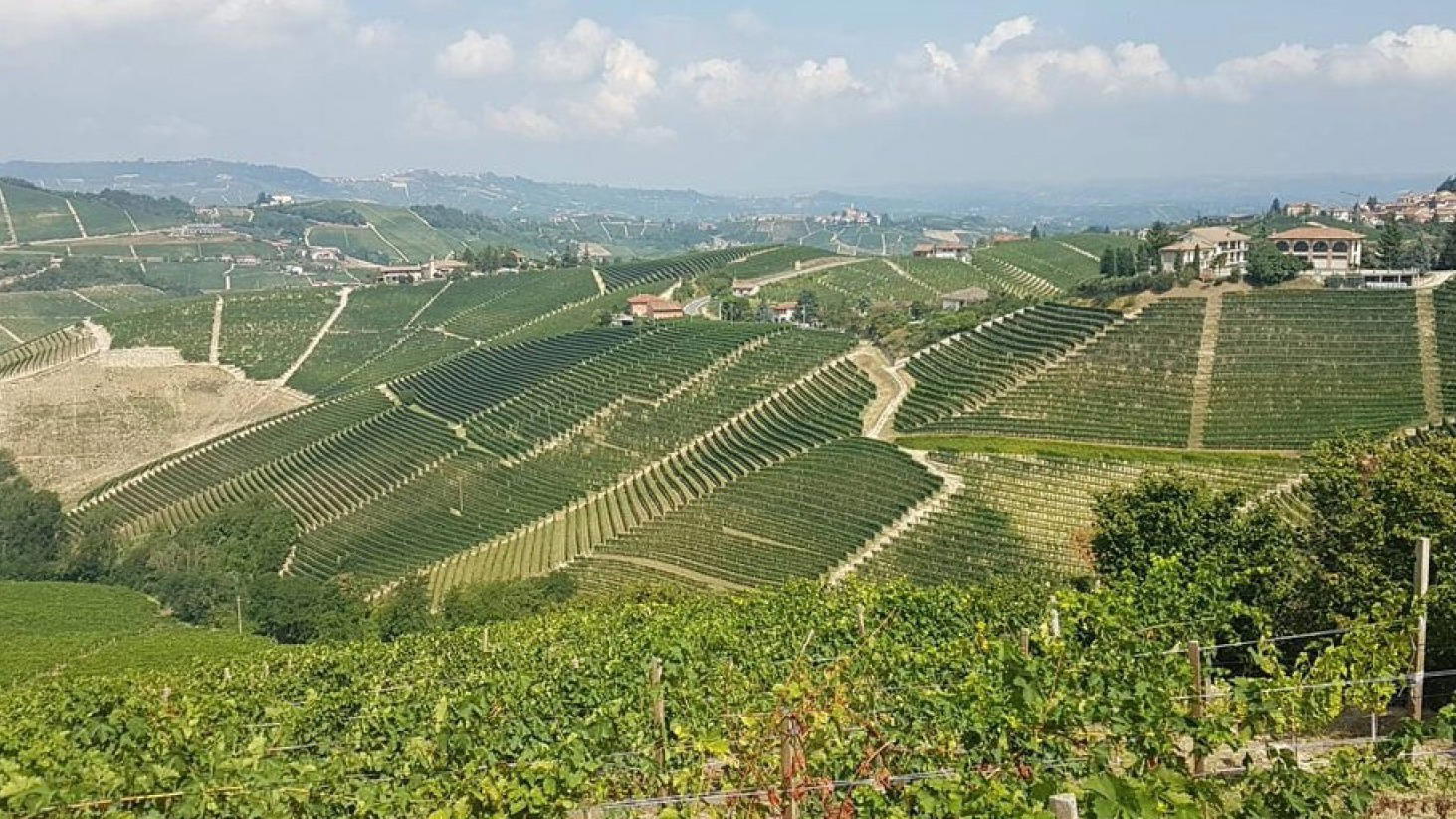
Bars in Canelli
Browse all →
Restaurants in Canelli
Browse all →
At a Glance
- Historic
- Rustic
- Intimate
- Elegant
- Wine Education
- Special Occasion
- Historic Building
- Cave Tasting
- Barrel Room
- Vineyard
- Piemonte
- Moscato
- Nebbiolo
- Barbera
- Fortified
- Guided Tasting
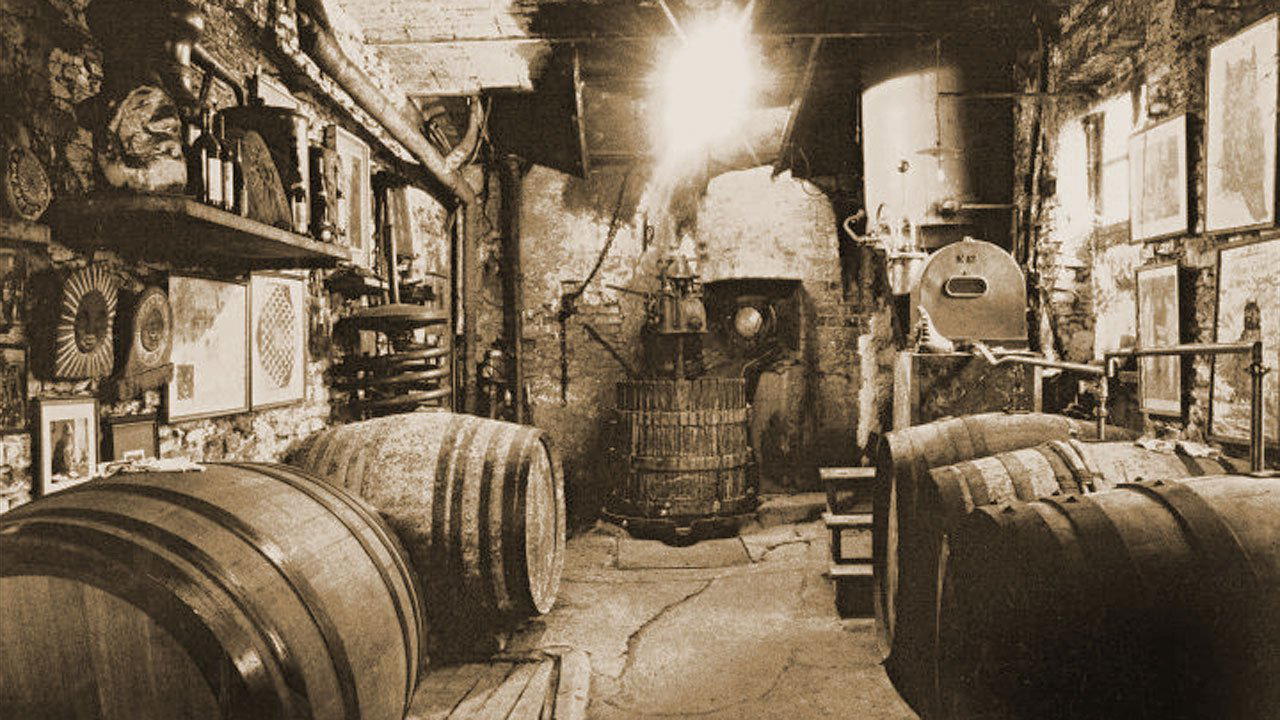
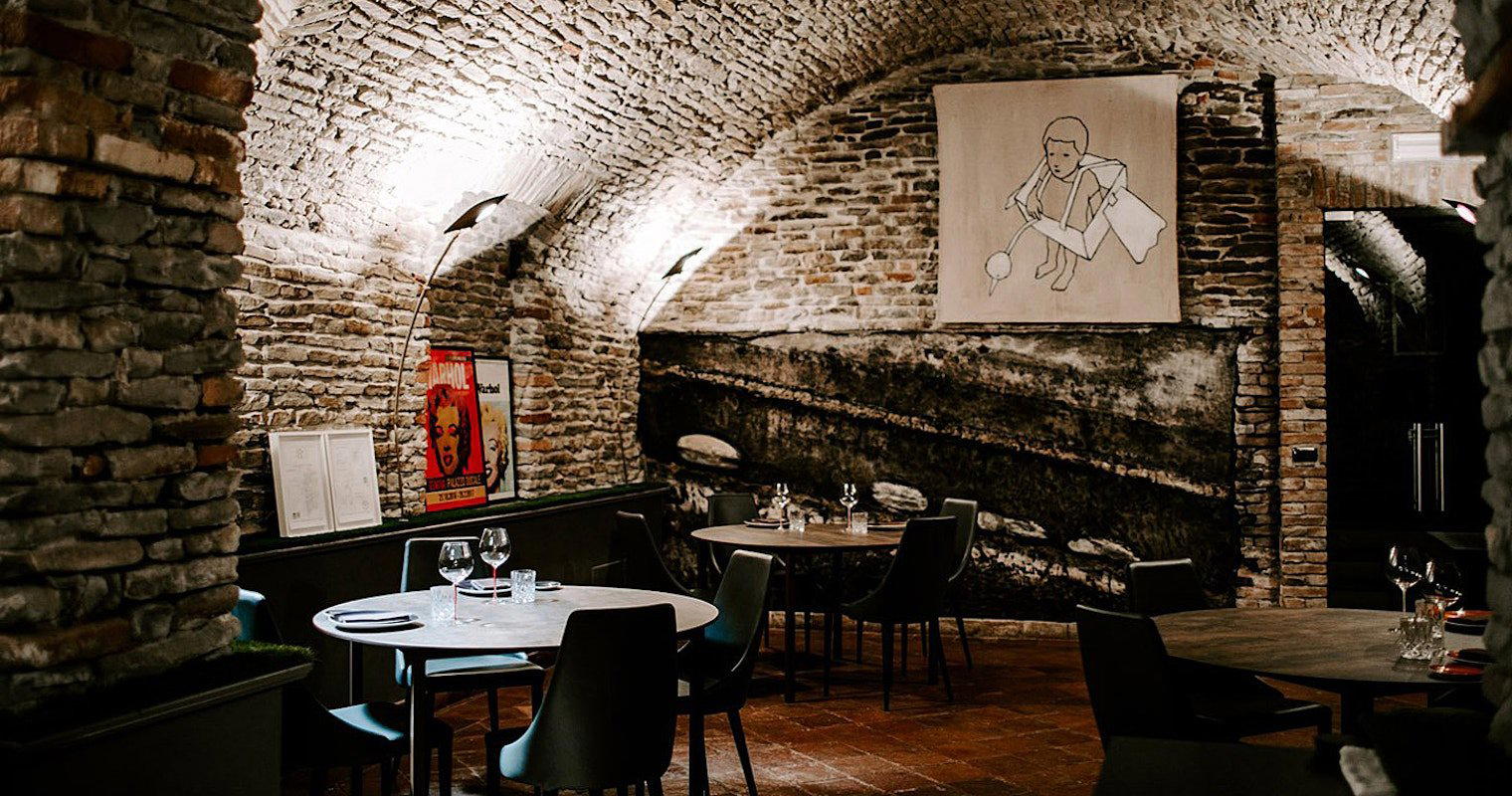
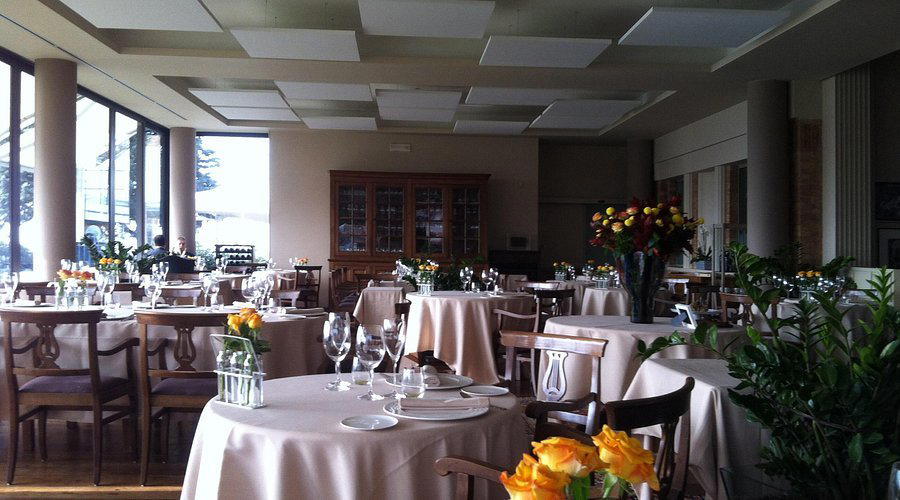
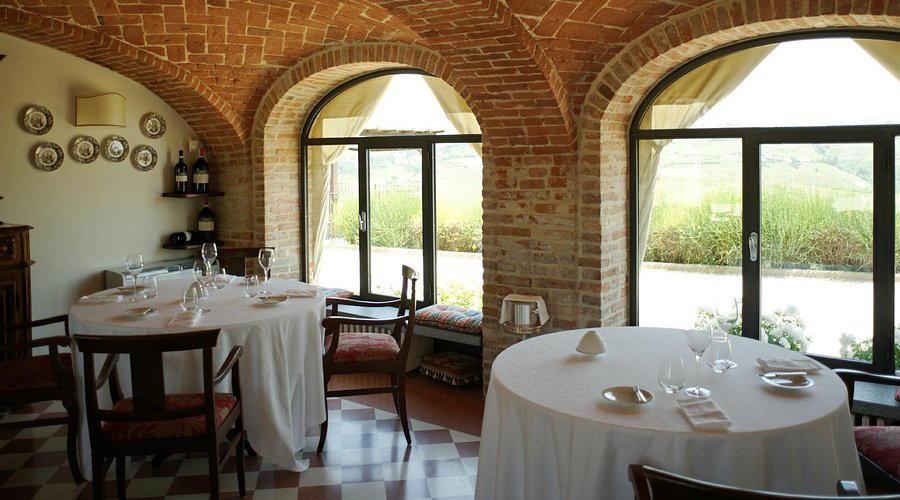
Atmospheric underground tuff cellars with ancient oak barrels, gravel paths, and evocative lighting creating an intimate, historic atmosphere.