Relais Almaranto

Michelin Selected
A Michelin Selected relais in Calamandrana, set among the vine-covered hills of Monferrato in Piedmont. The property represents the quieter, agrarian tier of Italian countryside hospitality, where the surrounding landscape and local materials shape the guest experience as much as any amenity. For those travelling through the Asti wine zone, it provides a grounded, regionally specific base.

Pearl is the En Primeur Club membership app — saves, bookings, and concierge access live there. Same editors, same standards.
- Address
- Regione Quartino, 6, 14042 Calamandrana AT, Italy
- Phone
- +39 0141 184 7040
- Website
- almaranto.it
- Directions
- Get directions
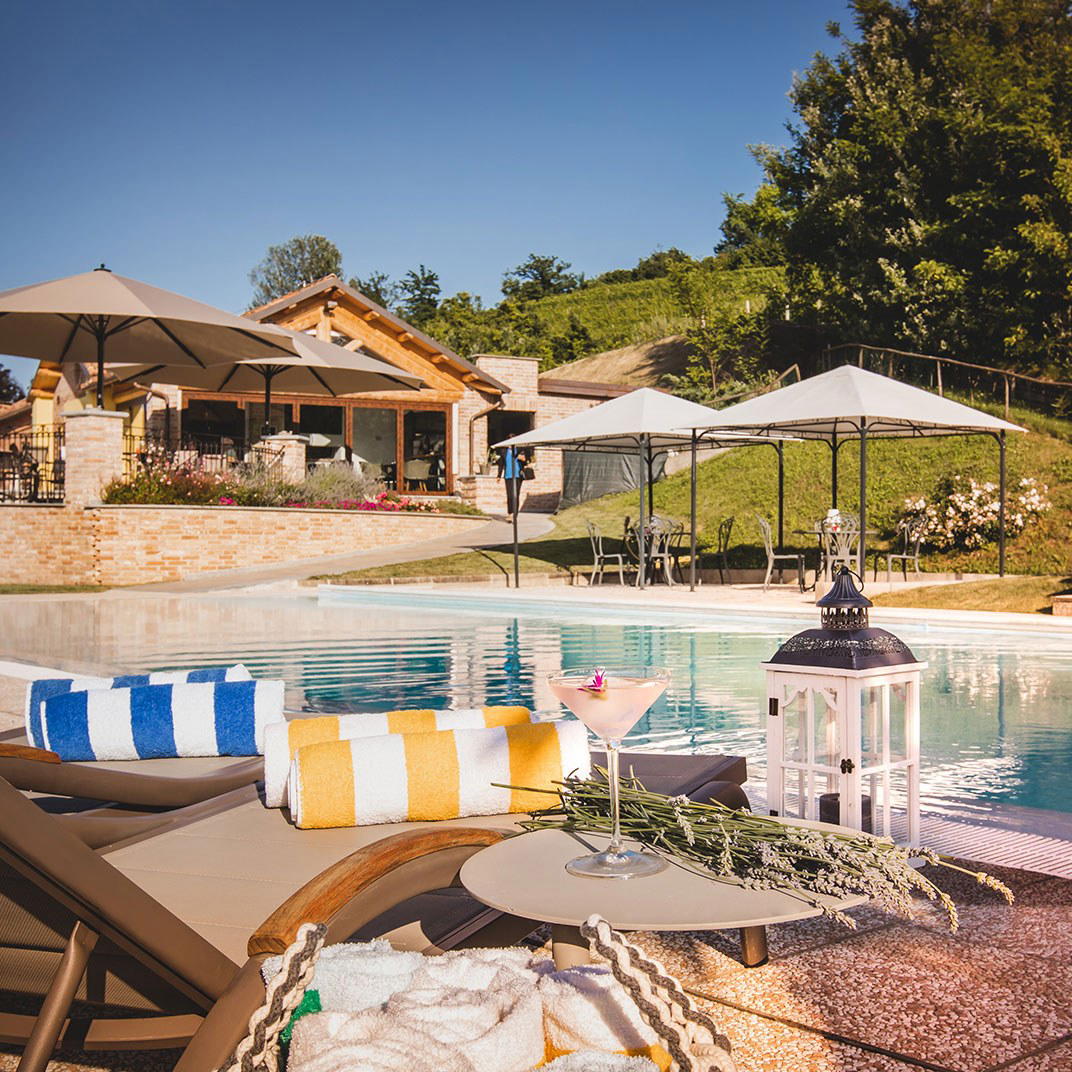
Where Monferrato's Hill Country Shapes the Hospitality
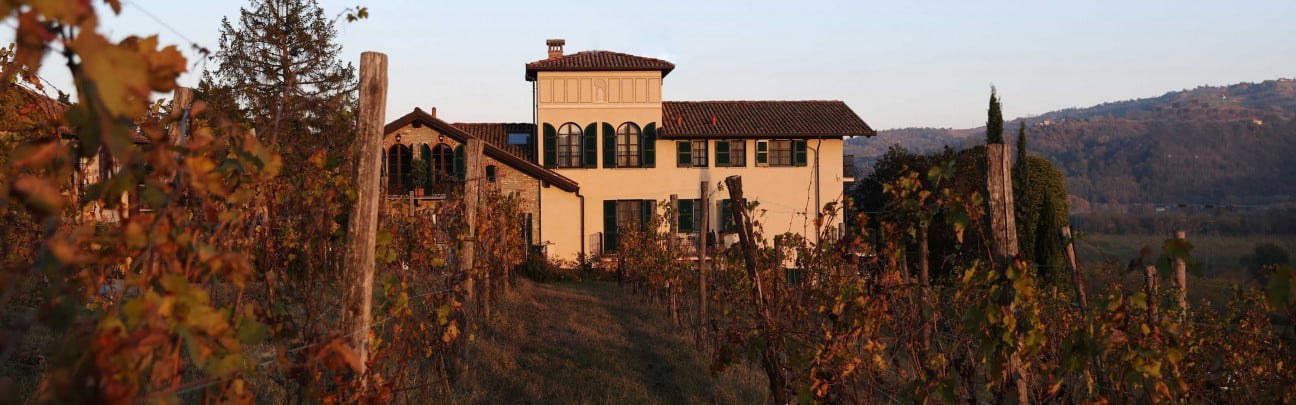
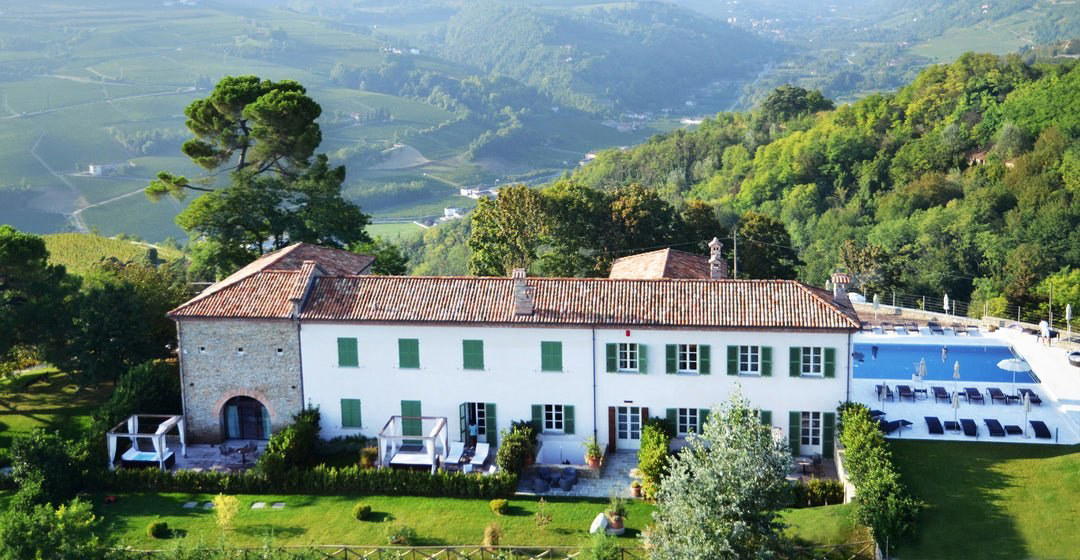
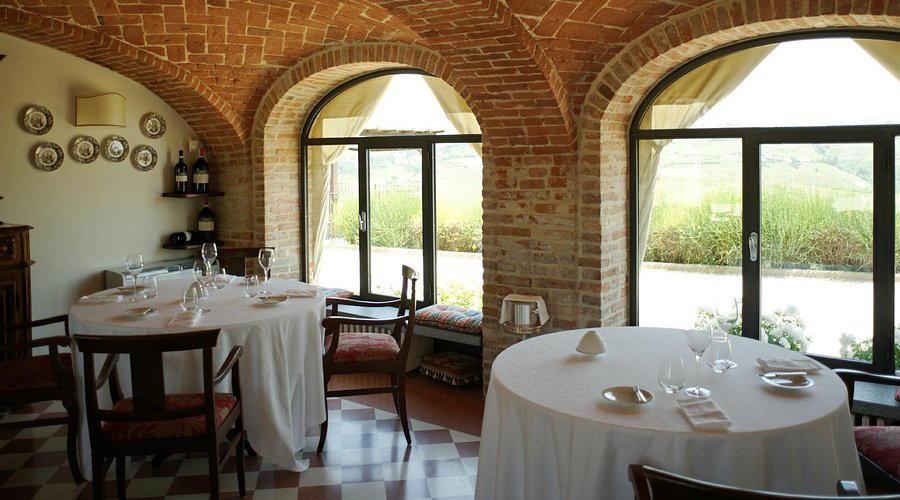
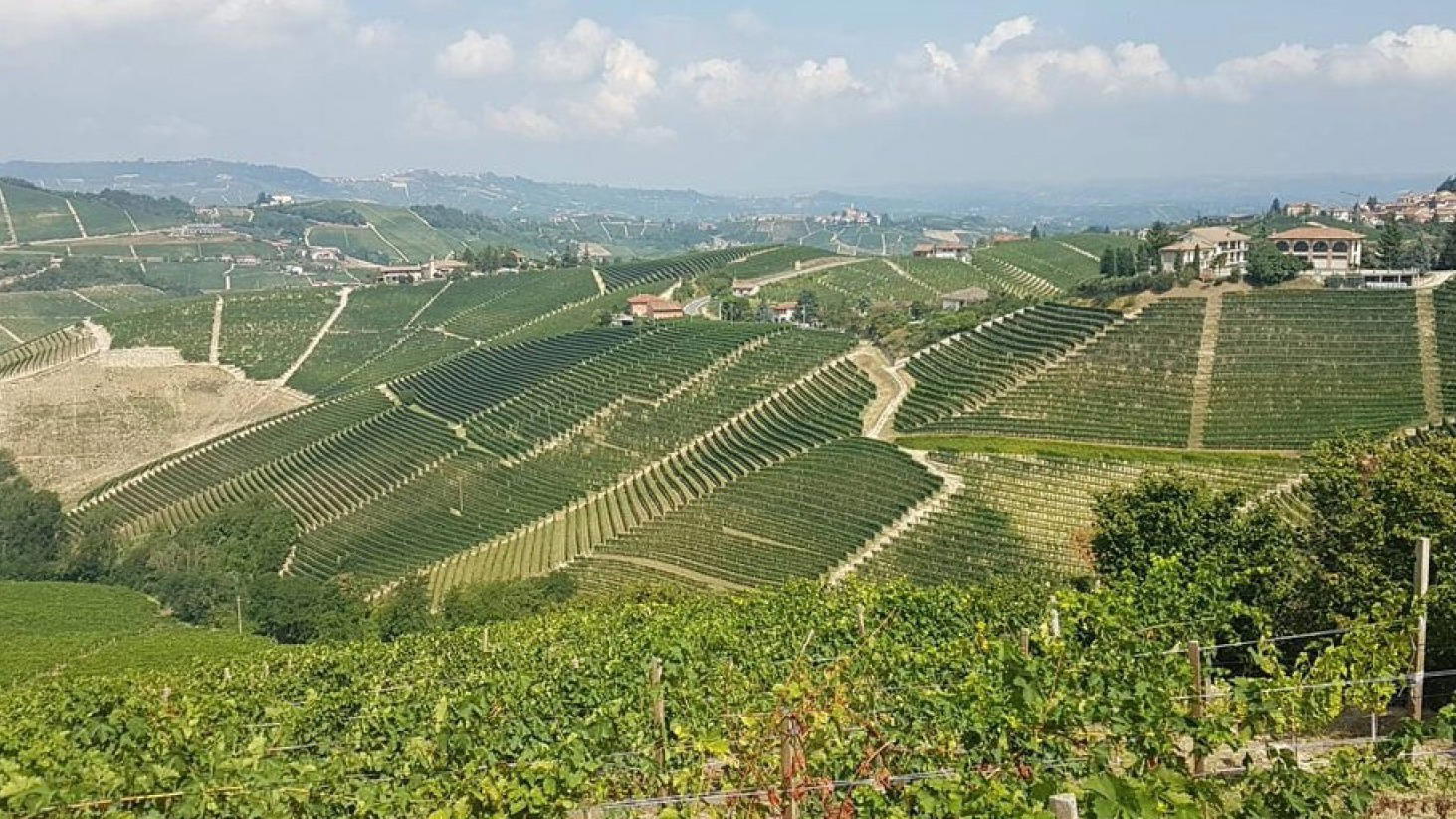
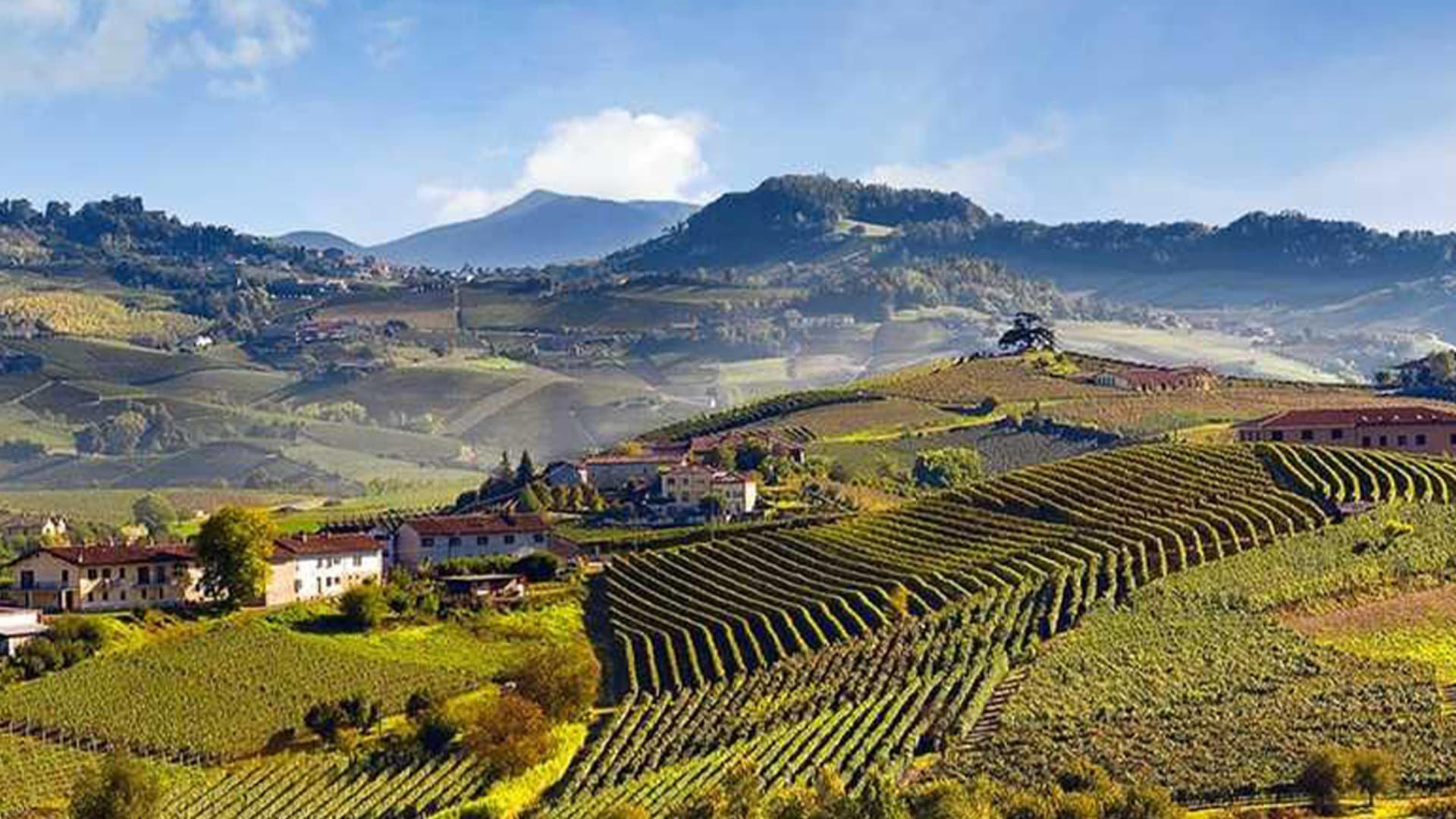
Approaching Calamandrana from the provincial roads that thread through Piedmont's Monferrato hills, the visual grammar is consistent: vineyards in ordered rows, farmsteads built from local stone, ochre and terracotta tones that absorb the afternoon light differently in spring than in October harvest season. This is not a backdrop that any building can ignore. Properties that work here, architecturally, are those that read as extensions of the terrain rather than impositions on it. Relais Almaranto, addressed at Regione Quartino 6, sits within that category of rural Piedmontese accommodation where the physical setting is the primary design argument.
Michelin's 2025 hotel selection, which recognises Relais Almaranto, applies criteria that go beyond conventional star ratings. The guide's hotel programme, launched internationally in recent years as an extension of its restaurant authority, applies editorial rigour to atmosphere, regional character, and experiential coherence rather than simply auditing facilities. For a small property in a commune that most international travellers would not find without deliberate research, that distinction carries weight.
The Architecture of the Agrarian Relais
The relais typology in northern Italy occupies a specific position in the accommodation spectrum. Unlike the grand hotel, which performs its importance through scale and ornament, the relais operates through restraint and material honesty. In the Monferrato context, this typically means stone construction aligned with local building traditions, interior volumes that reference the farmhouse or wine estate rather than the palazzo, and a relationship to outdoor space that frames the vineyard view as the primary amenity. Properties in this mode share a design logic closer to the Langhe wine estate stays near Barolo than to the theatrical luxury of a city palazzo hotel.
That positions Relais Almaranto within a regional hospitality tradition rather than in competition with large-format international properties. Comparisons with places like Rosewood Castiglion Del Bosco in Montalcino or Borgo San Felice Resort in Castelnuovo Berardenga reveal how the Tuscan wine country has built a larger infrastructure around this typology, with more resources and higher price ceilings. Piedmont's equivalent tier remains smaller in scale and less internationalised, which is part of its appeal for travellers who arrive specifically for the Barbera d'Asti and Moscato d'Asti wine zones that surround Calamandrana rather than for resort amenities.
The Monferrato UNESCO designation, granted in 2014 as part of the Piedmont Wine Landscapes recognition, formalised what local producers had long understood: the landscape itself is the product. Accommodation that aligns with that framing, placing itself as a portal to the territory rather than a destination in its own right, fits a particular type of visitor whose itinerary is structured around cellar visits and local trattorie rather than in-house spas and tasting menus. That is the guest Relais Almaranto, by its location and apparent positioning, is designed to serve.
Calamandrana and the Asti Wine Zone
Calamandrana sits in the Asti province, a commune whose name appears on bottles of Barbera d'Asti Superiore with enough frequency to register for wine-focused travellers. The surrounding countryside, densely planted with Barbera and Moscato, generates a seasonal rhythm that defines the guest experience as much as any fixed property feature. Late September through October brings harvest activity to the surrounding estates; spring sees the vines at early growth against a landscape still cool and green. Visitors arriving without an awareness of this calendar miss a significant portion of what the location offers.
The broader Piedmontese wine tourism circuit connects Calamandrana to Alba, Asti, and the Langhe, all within reasonable driving distance. For travellers building a northern Italian itinerary that anchors in wine country before or after city visits, a property in this commune works as a quieter counterpoint to urban stays in Milan or Turin. Those looking for contrast across their trip might pair a night here with something at the opposite end of the Italian hospitality register, such as Aman Venice, Four Seasons Hotel Firenze, or Bulgari Hotel Roma, each representing the urban palazzo tier of Italian luxury. At the rural, design-led end of the spectrum, Casa Maria Luigia in Modena and Corte della Maestà in Civita di Bagnoregio offer useful comparisons from other Italian regions, while Castel Fragsburg in Merano and Bellevue Hotel and Spa in Cogne represent the northern mountain version of the same agrarian-escape logic.
For those cross-referencing Italy's broader Michelin-selected rural properties, the list also includes Borgo Egnazia in Savelletri di Fasano, Il Pellicano in Porto Ercole, and Passalacqua in Moltrasio, each operating in distinct regional contexts but sharing the guide's selection criteria around character and place specificity.
Planning a Stay
Calamandrana is most easily reached by car. The commune lies roughly equidistant between Asti and Acqui Terme, both accessible by train from Turin or Genoa, with the final leg requiring a hire car or transfer. For travellers arriving into Milan Malpensa and heading directly into Piedmont wine country, the drive southeast through Asti province takes under two hours depending on routing. The harvest season from late September through October is the most visited period for the wine zone, and accommodation in the area fills accordingly; arrivals in May or early June offer cooler temperatures and significantly less competition for cellar appointments. The Michelin Selected designation provides a baseline for quality expectations without specifying room categories, pricing tiers, or specific amenities, so direct contact with the property is the appropriate channel for availability and rate information. See our full Calamandrana restaurants guide for dining context around the area.
Comparison Snapshot
Comparable venues nearby, for context on price, style, and recognition.
| Venue | Cuisine | Price | Awards | Notes |
|---|---|---|---|---|
| Relais AlmarantoThis venue — the venue you are viewing | Restored 17th-century farmhouse with modern conveniences | $200–300 | Michelin Selected | Not listed |
| Worldhotel Casati 18 | Recently renovated boutique hotel blending historic architecture with modern Italian design | $100–200 | Michelin Selected | Porta Venezia |
| Savona 18 Suites | Refined 4-star design hotel in a renovated early 20th-century Milanese casa di ringhiera. | $100–200 | Michelin Selected · Preferred Hotels Member | Porta Genova |
| Fiocco di Neve Relais & Spa | Contemporary alpine luxury boutique hotel that blends traditional mountain architecture with modern refinement and wellness-focused hospitality. | Not listed | Michelin Selected | Limone Piemonte village center |
| Torre Fiore Hotel Masseria | Restored 16th-century fortified masseria blending historic farmhouse architecture with contemporary luxury. | Not listed | 1 Michelin Key · Mr & Mrs Smith Seal of Approval | Pisticci |
| Schwarzer Adler | Concept Living | Concept living apartment hotel fusing historic roots with modern luxury. | Not listed | Michelin Selected | Vipiteno main square |
Recognition history
Dated appearances from independent guides and award organizations, with the underlying list record or original source where available.
Michelin Selected
Michelin
Continue exploring
More in Calamandrana
Hotels in Calamandrana
Browse all →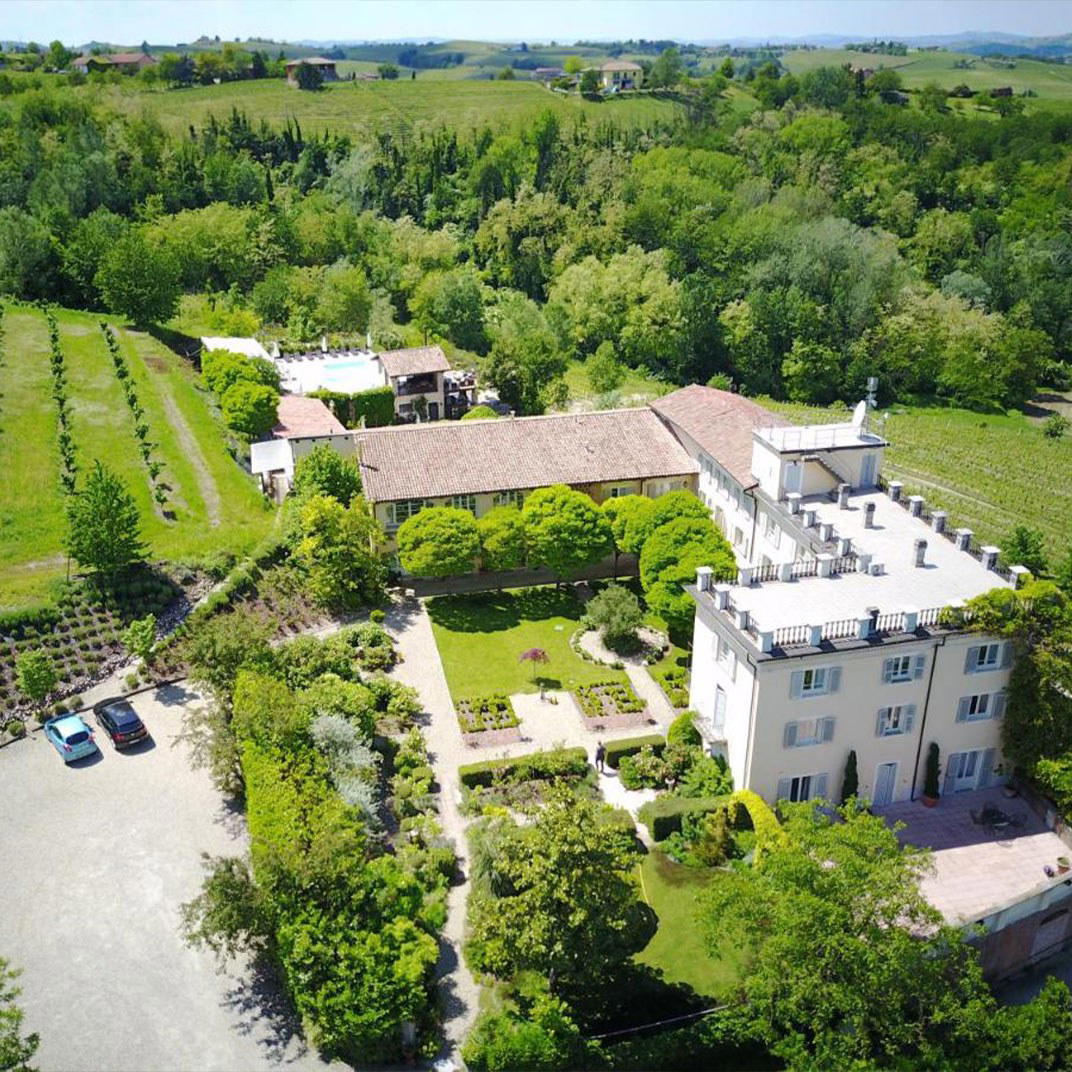
Bars in Calamandrana
Browse all →
Restaurants in Calamandrana
Browse all →
Details
- Romantic
- Quiet
- Elegant
- Scenic
- Charming
- Intimate
- Sophisticated
- Romantic Getaway
- Honeymoon
- Wellness Retreat
- Weekend Escape
- Panoramic View
- Terrace
- Garden
- Historic Building
- Infinity Pool
- Pool
- Fitness Center
- Wi Fi
- Restaurant
- Bar
- Bicycle Rental
- Vineyard
- Garden
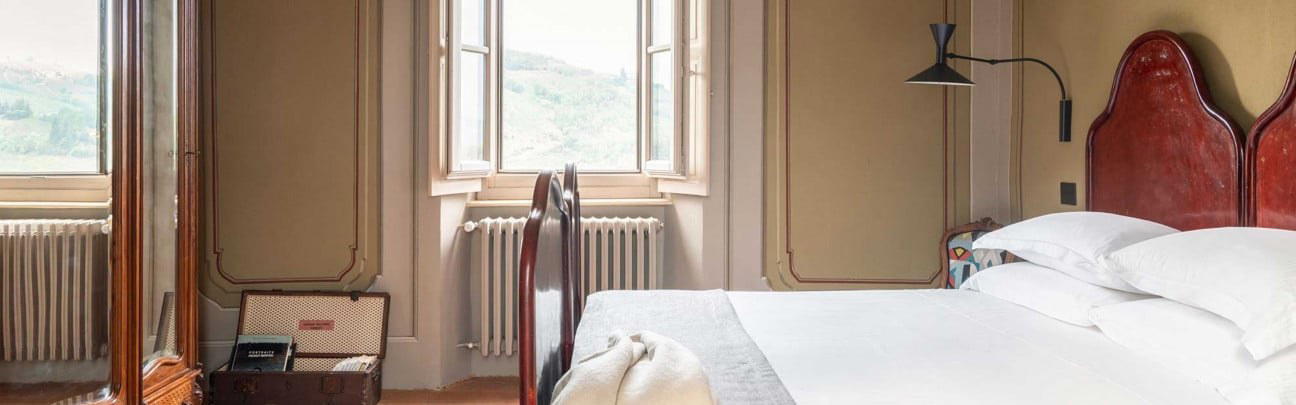
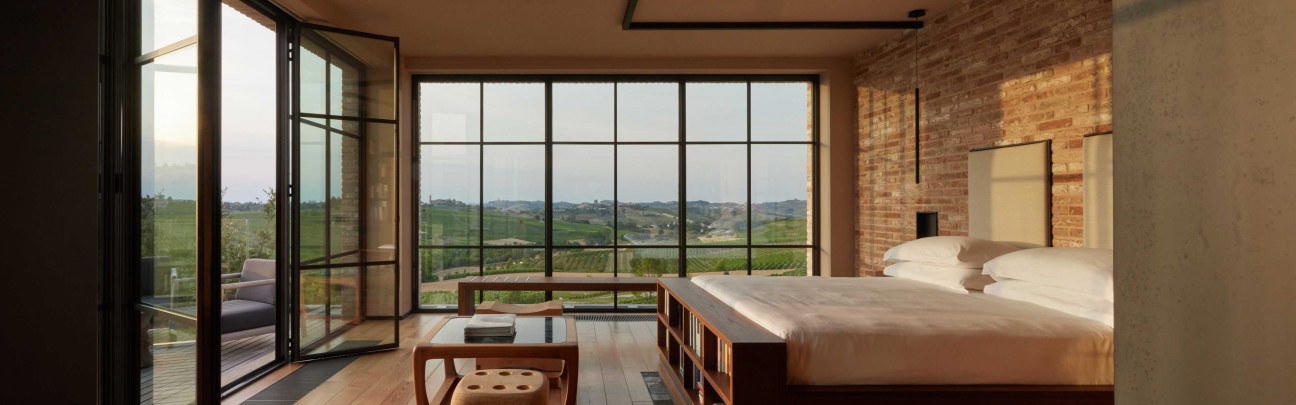
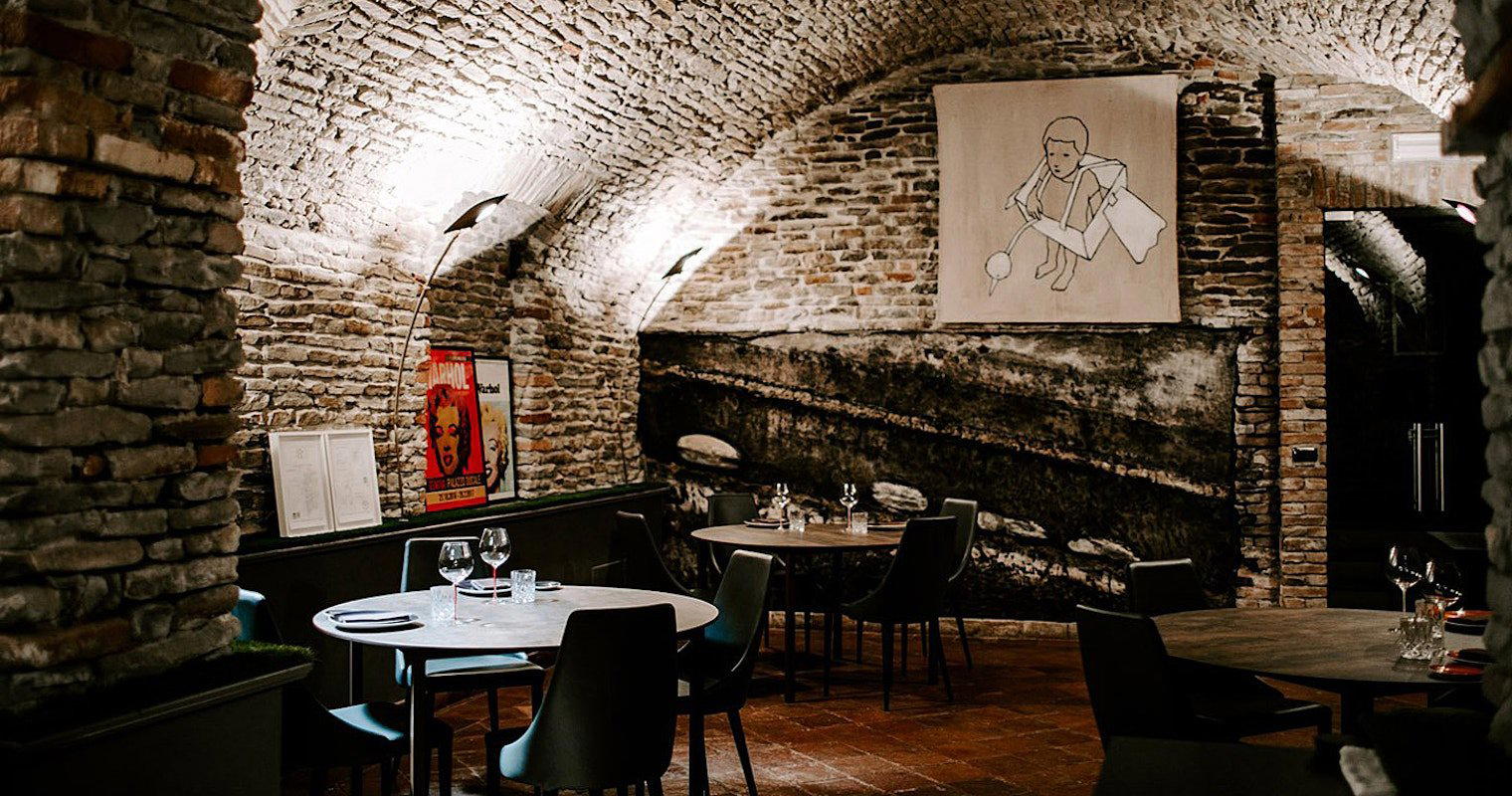
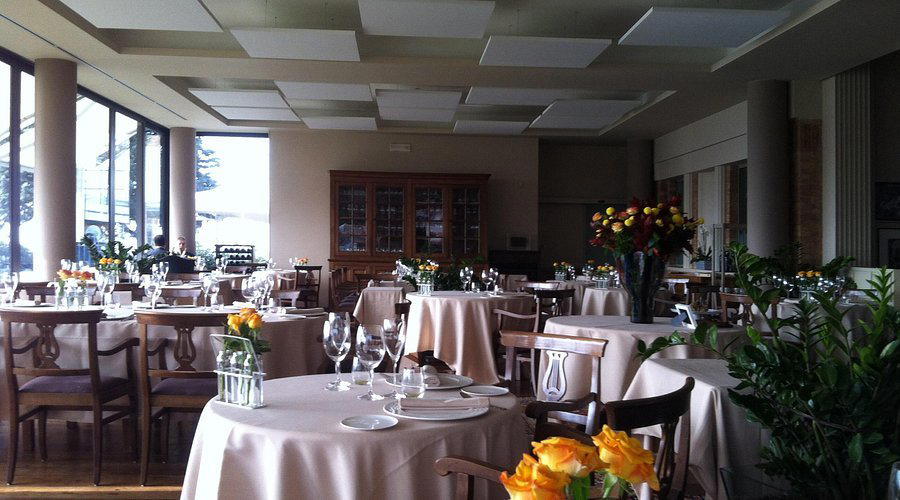
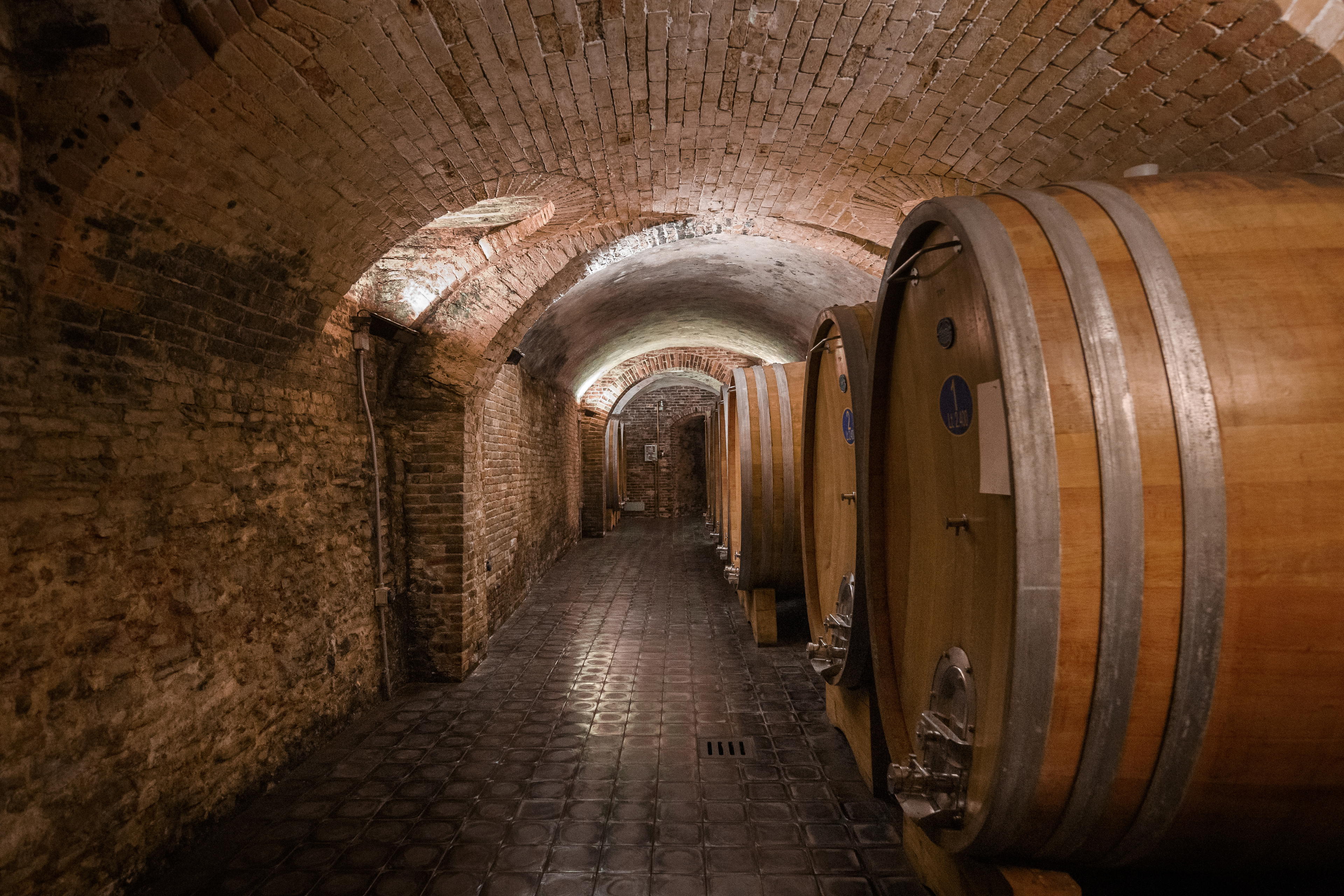
Peaceful and luxurious oasis blending century-old farmhouse charm with modern designer interiors, surrounded by lush greenery and vineyard views.