
Bracco Bosca sits along the Canelones wine corridor at kilometre 43 of the Sosa Díaz highway, earning a Pearl 2 Star Prestige rating in 2025. The address places it in the Piedra del Toro zone, where Atlantic-influenced soils define the region's most expressive Tannat and white varieties. For visitors tracing Uruguay's serious winery circuit, it represents a credentialed stop in one of South America's most quietly compelling wine departments.
 Discover on Pearl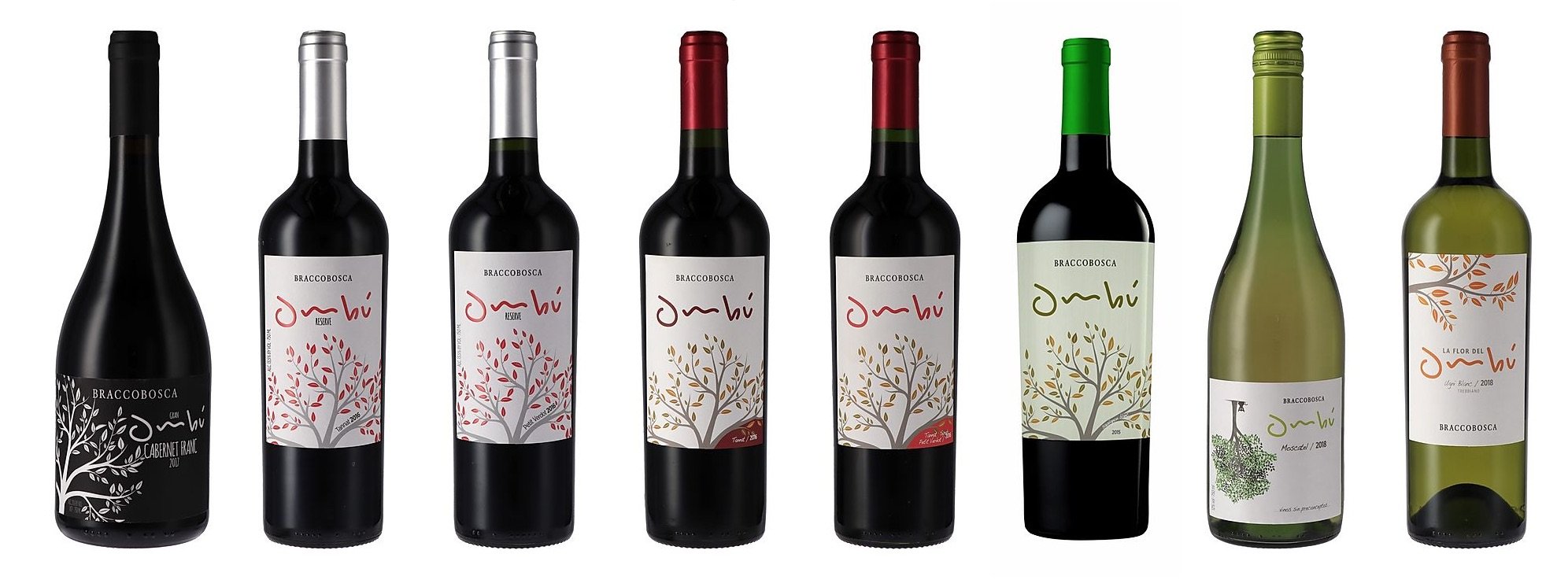
Where the Canelones Corridor Gets Serious
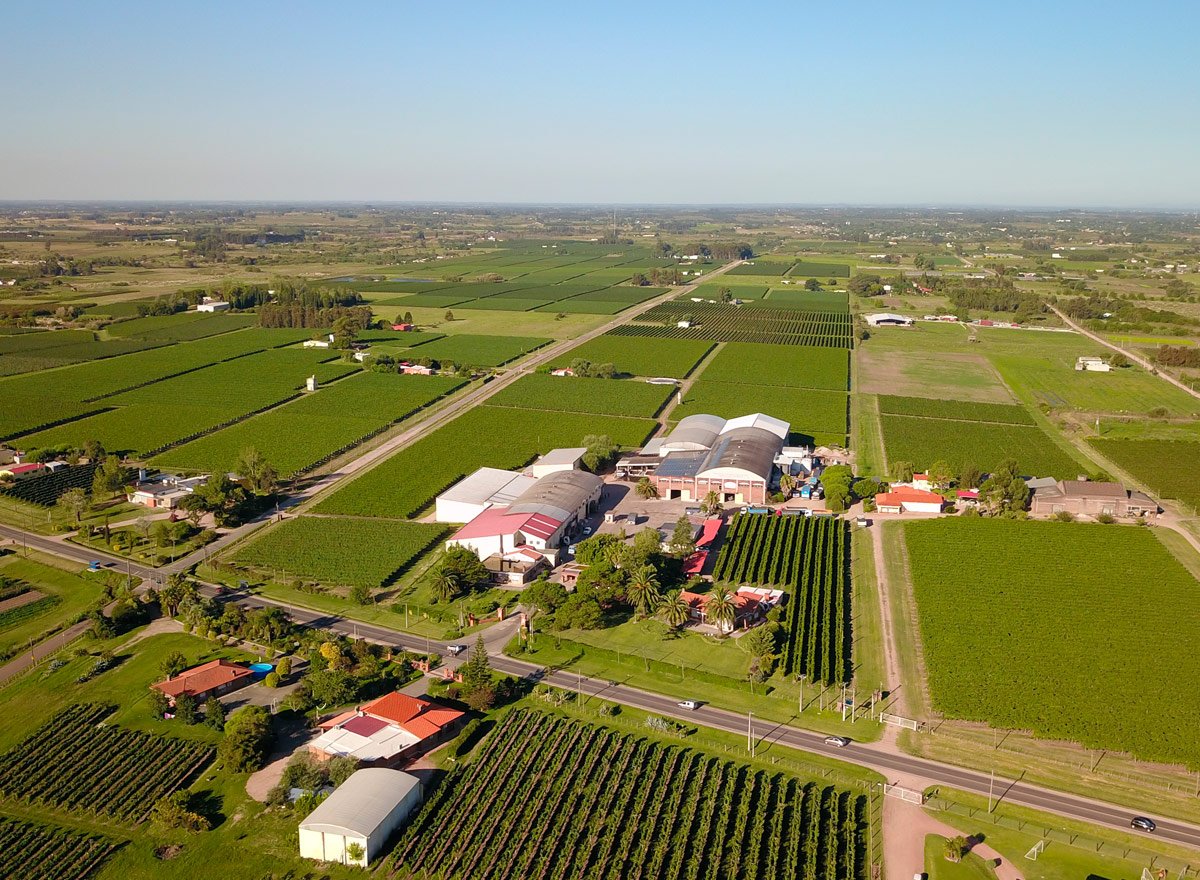
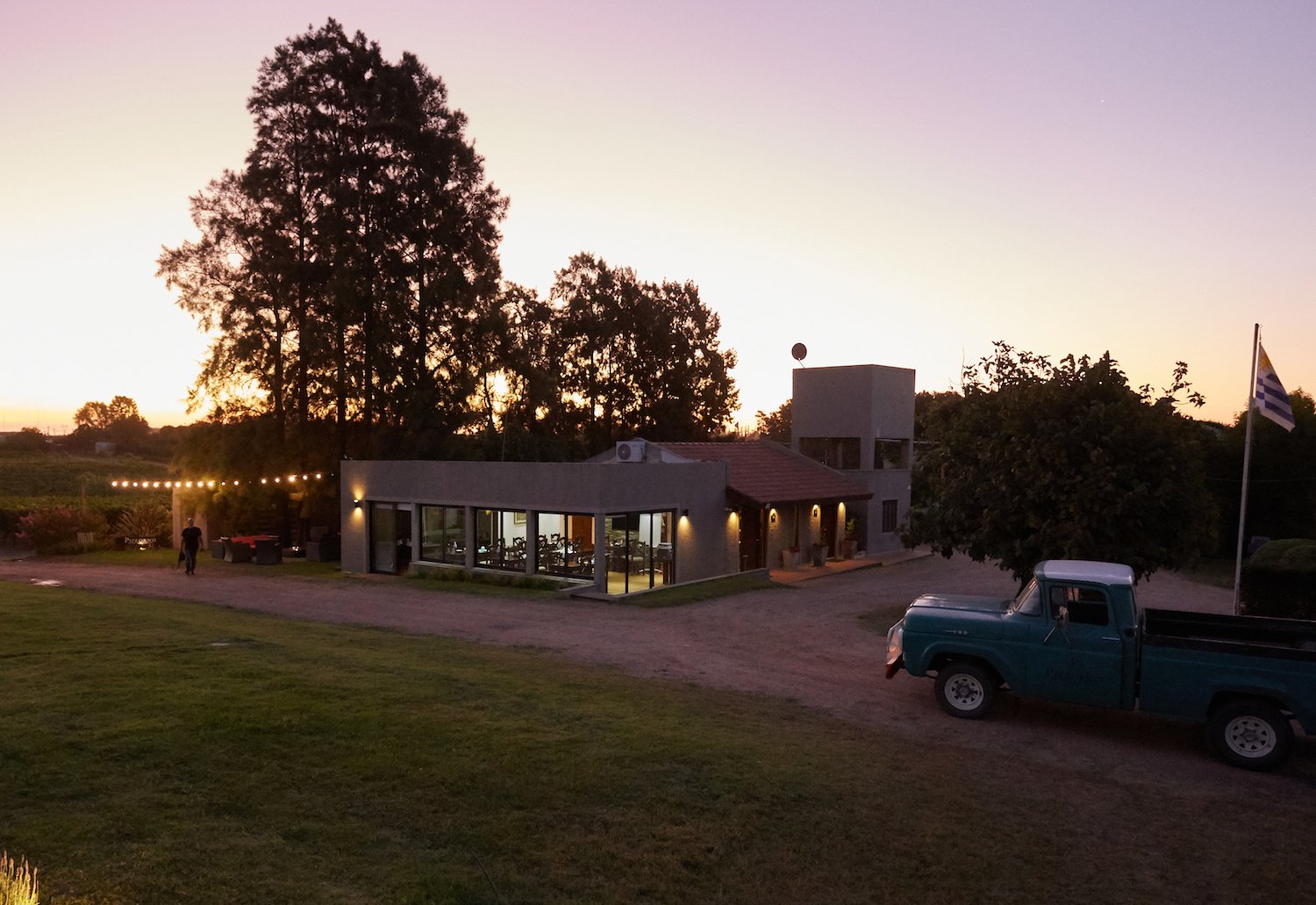
The road south of Salinas, tracing the Sosa Díaz highway toward Piedra del Toro, passes through one of Uruguay's densest concentrations of estate wineries. Eucalyptus stands break the flat terrain, the Atlantic exerts its cooling pressure from the southeast, and the soil shifts between the clay-heavy lowlands and better-drained gravel benches that Canelones producers have been quietly exploiting for decades. Bracco Bosca sits at kilometre 43 of that road, within the Municipio de Salinas in the Departamento de Canelones, and its surroundings carry the working character of a region that earns its reputation through farming rather than tourism infrastructure.
The 2025 Pearl 2 Star Prestige recognition positions Bracco Bosca within a defined tier of the Canelones winery circuit. In a department where the competition includes operations of considerable scale and age, a Prestige-level award is not conferred on atmospheric grounds alone. It signals a qualifying standard across wine quality, hospitality format, and the overall visitor experience, and it places Bracco Bosca in a peer set that requires comparable scrutiny to neighbours such as Varela Zarranz, Antigua Bodega Stagnari, and Artesana.
The Canelones Context: What the Region Asks of Its Producers
Canelones accounts for a substantial share of Uruguay's total wine output, and its position close to Montevideo has historically made it the country's most commercially accessible wine zone. But proximity to the capital cuts both ways: it invites comparison, shortens supply chains, and puts hospitality programmes under pressure to justify the visit when a winery's bottles are already available in city wine shops. The producers that thrive here do so by offering something the bottle alone cannot deliver, whether that is the landscape reading, the food pairing context, or the direct conversation with the people making the wine.
Tannat remains the throughline of Canelones identity, even as the department's producers have pushed further into Albariño, Viognier, and aromatic white varieties over the past decade. The Atlantic influence is the crucial variable: afternoon sea breezes off the Río de la Plata estuary moderate ripening, preserve acidity, and produce a style of Tannat that diverges noticeably from the denser, more extracted expressions found inland or further north toward Rivera, where operations like Cerro Chapeu (Carrau) work with a different thermal profile entirely. At this latitude, restraint is not a philosophical choice; it is a climatic gift.
Food, Pairing, and the Hospitality Frame
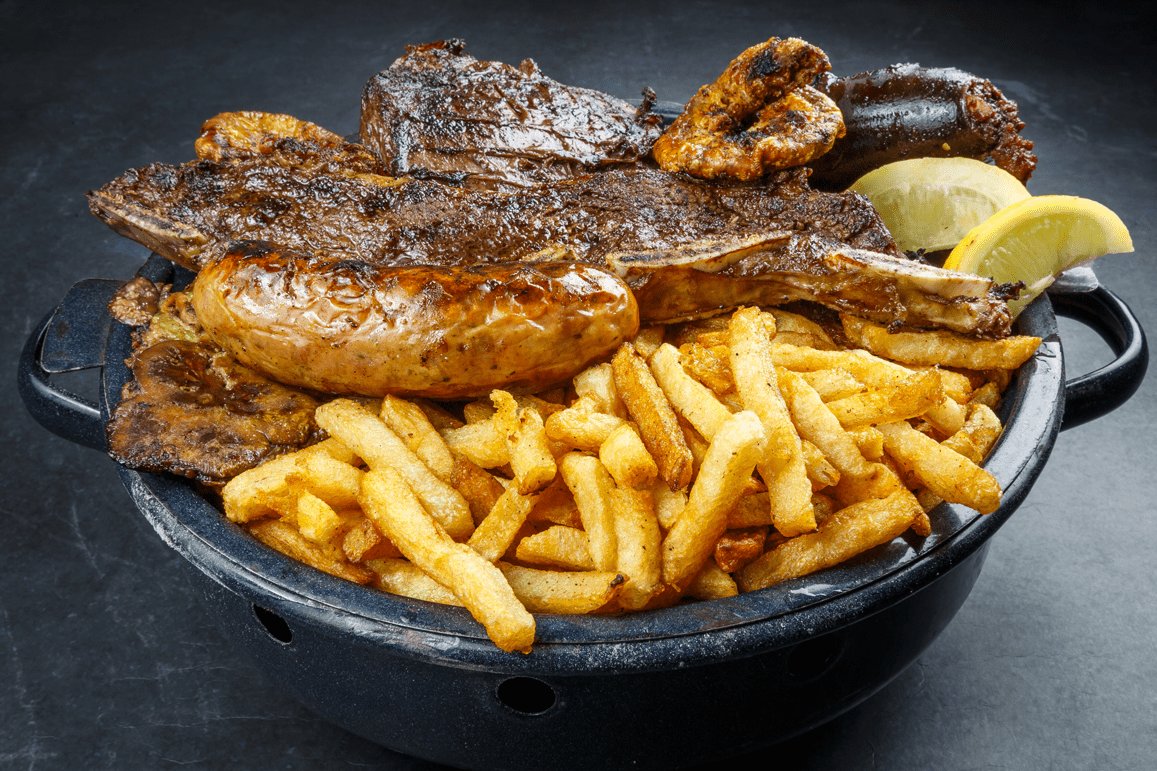
The editorial angle that most usefully frames Bracco Bosca is not the winery as bottle-producer but the winery as a site for understanding how wine and food interlock in the Uruguayan tradition. Uruguay's asado culture and its wine programme have always had an honest, transactional relationship: Tannat was bred for red meat, and that pairing is not a marketing conceit but a structural fact about tannin level, protein interaction, and the way the grape's grip softens against fat. Wineries in Canelones that lean into this tradition tend to build hospitality around communal eating, whether through scheduled pairing lunches, seasonal menus tied to the harvest calendar, or the kind of informal asado format that requires little ceremony but substantial preparation.
At kilometre 43, the address puts Bracco Bosca inside the Salinas corridor, which has developed enough winery density to support a half-day itinerary on its own. The practical intelligence for visitors is this: plan around midday, when pairing programmes at Canelones estates typically run, and treat the visit as anchored by food rather than a quick cellar tour. The wineries that have earned Prestige recognition in this department have generally done so by building hospitality that justifies extended time on-site. Pairing a structured tasting against a kitchen programme separates these addresses from the pour-and-go format that characterises lower-tier operations.
For a fuller picture of the department's winery circuit, the range runs from Bodega De Lucca and Bodega Juanicó (Familia Deicas) at the established end of the scale to smaller, newer operations still building their programmes. Bracco Bosca's 2025 recognition places it in a tier that merits planning rather than impulse visits.
Placing Bracco Bosca in Uruguay's Wider Winery Map
Uruguay's wine geography is compact enough to be traversed in a long weekend, but the regional distinctions are real. Bodega Bouza in Montevideo operates within city limits and serves a different visitor profile. Bodega Carrau in Las Piedras brings multi-generational heritage to the conversation. Further afield, Bodega Oceánica José Ignacio in Maldonado trades on coastal prestige and a design-led aesthetic that positions it differently against beach tourism. Bodega Los Cerros de San Juan in Colonia del Sacramento and El Legado in Carmelo serve the Colonia wine tourism corridor, which increasingly competes with Canelones for the Montevideo day-trip market.
Bracco Bosca's position in the Canelones heartland is its competitive anchor. It does not need to borrow the cachet of a beach address or a colonial town backdrop. The Sosa Díaz road corridor has enough winery density and enough accumulated critical recognition to stand on its own merits, and a Pearl 2 Star Prestige rating in 2025 confirms that Bracco Bosca is contributing to rather than coasting on that reputation. Visitors moving through the broader South American wine circuit who have already covered Bodega Cerro del Toro in Piriápolis and the southern Uruguayan coast will find Canelones a necessary recalibration: less scenic, more agricultural, and arguably more honest about what serious winemaking in this country actually looks like.
Planning the Visit
Bracco Bosca is located at Carretera Sosa Díaz km 43.000, Piedra del Toro, in the Municipio de Salinas, Departamento de Canelones, a drive of roughly 45 to 50 kilometres northeast of Montevideo via the Ruta Interbalnearia. The practical approach is to build a half-day or full-day circuit that combines Bracco Bosca with one or two neighbouring estates along the same corridor, turning the logistics into a programme rather than a single stop. Phone and booking details are not currently listed in public records; the most reliable approach is to contact the winery through the Canelones wine tourism networks or to check directly with local tour operators based in Montevideo who cover the department. For a broader orientation to the region, our full Canelones restaurants and winery guide maps the department's key addresses and helps sequence the visit sensibly.
The Canelones wine circuit operates with a pace and formality that differs from, say, the Napa production toured by Accendo Cellars in St. Helena or the single-malt tradition represented by Aberlour in Speyside. Uruguay's wine hospitality is closer to the Franco-South American hybrid model: structured enough to signal quality, informal enough to feel agricultural. Dress accordingly and arrive with time to eat.
A Quick Peer Check
A quick context table based on similar venues in our dataset.
| Venue | Cuisine | Price | Awards | Notes |
|---|---|---|---|---|
| Bracco Bosca | This venue | |||
| Varela Zarranz | ||||
| Antigua Bodega Stagnari | ||||
| Artesana | ||||
| Bodega De Lucca | ||||
| Bodega Juanicó (Familia Deicas) |
Continue exploring
More in Canelones
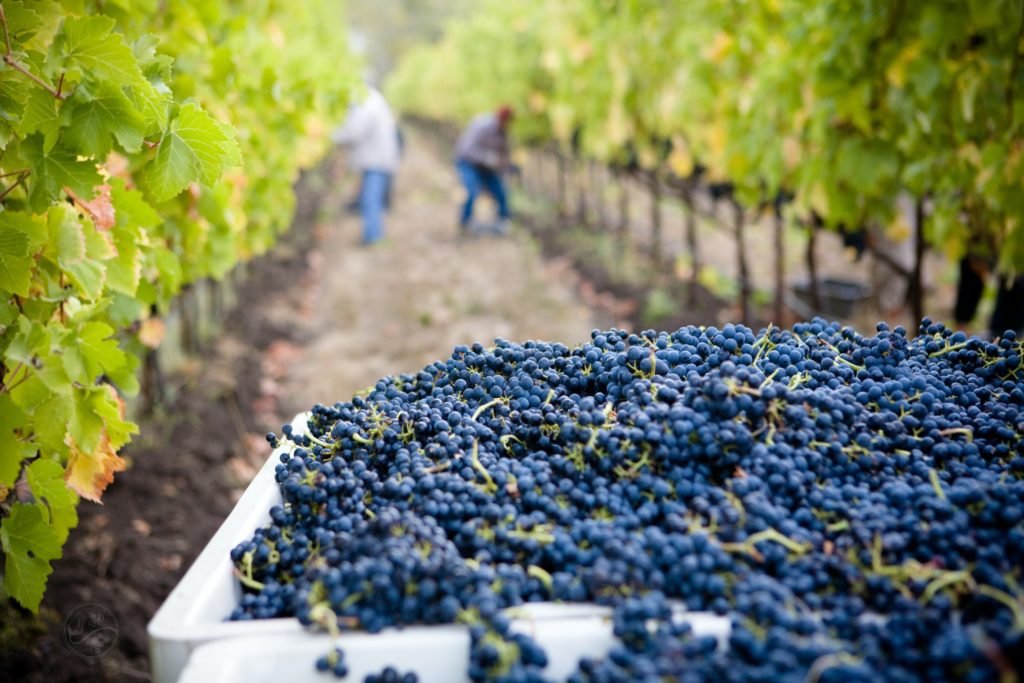
Wineries in Canelones
Browse all →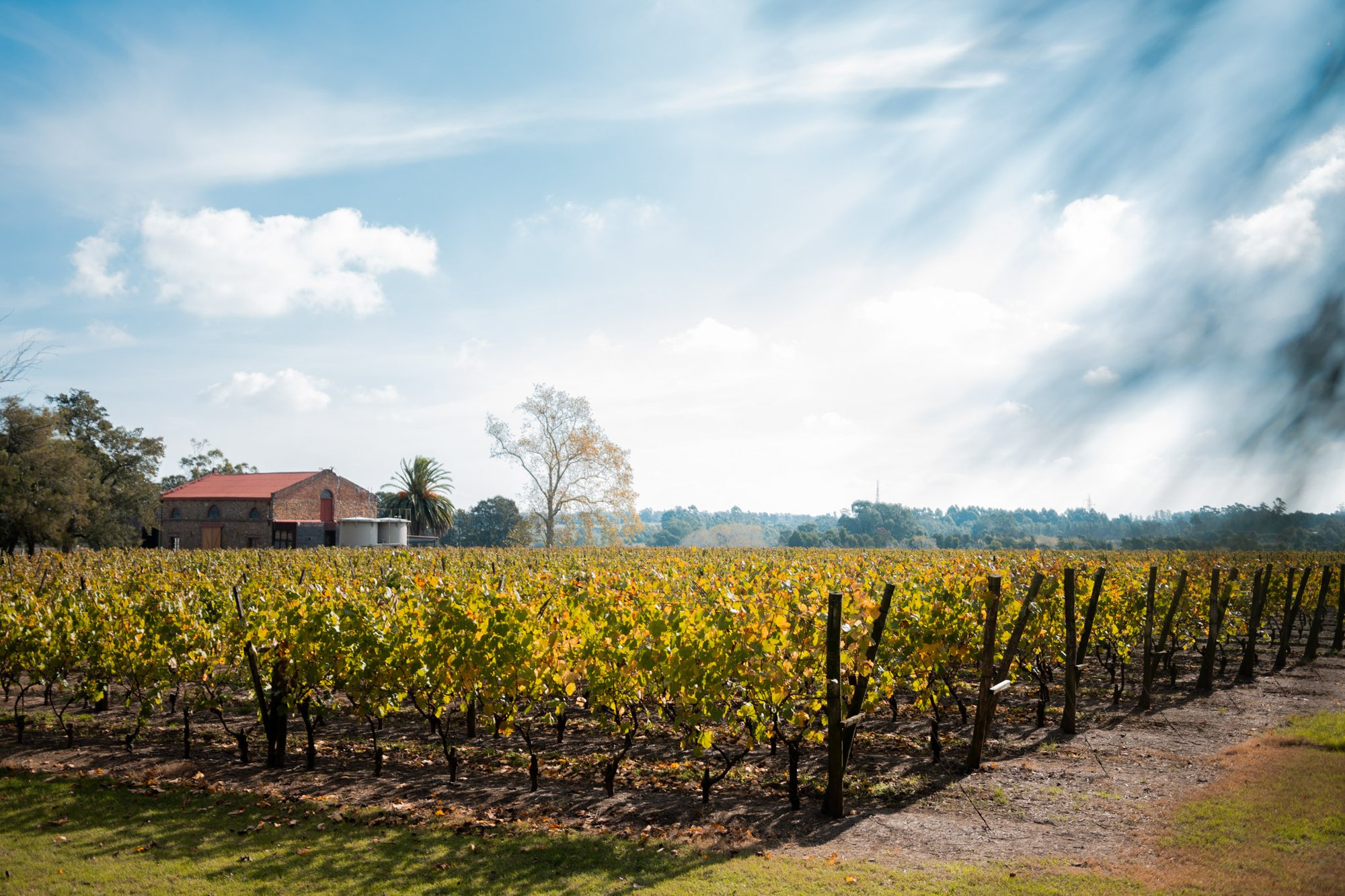
Bars in Canelones
Browse all →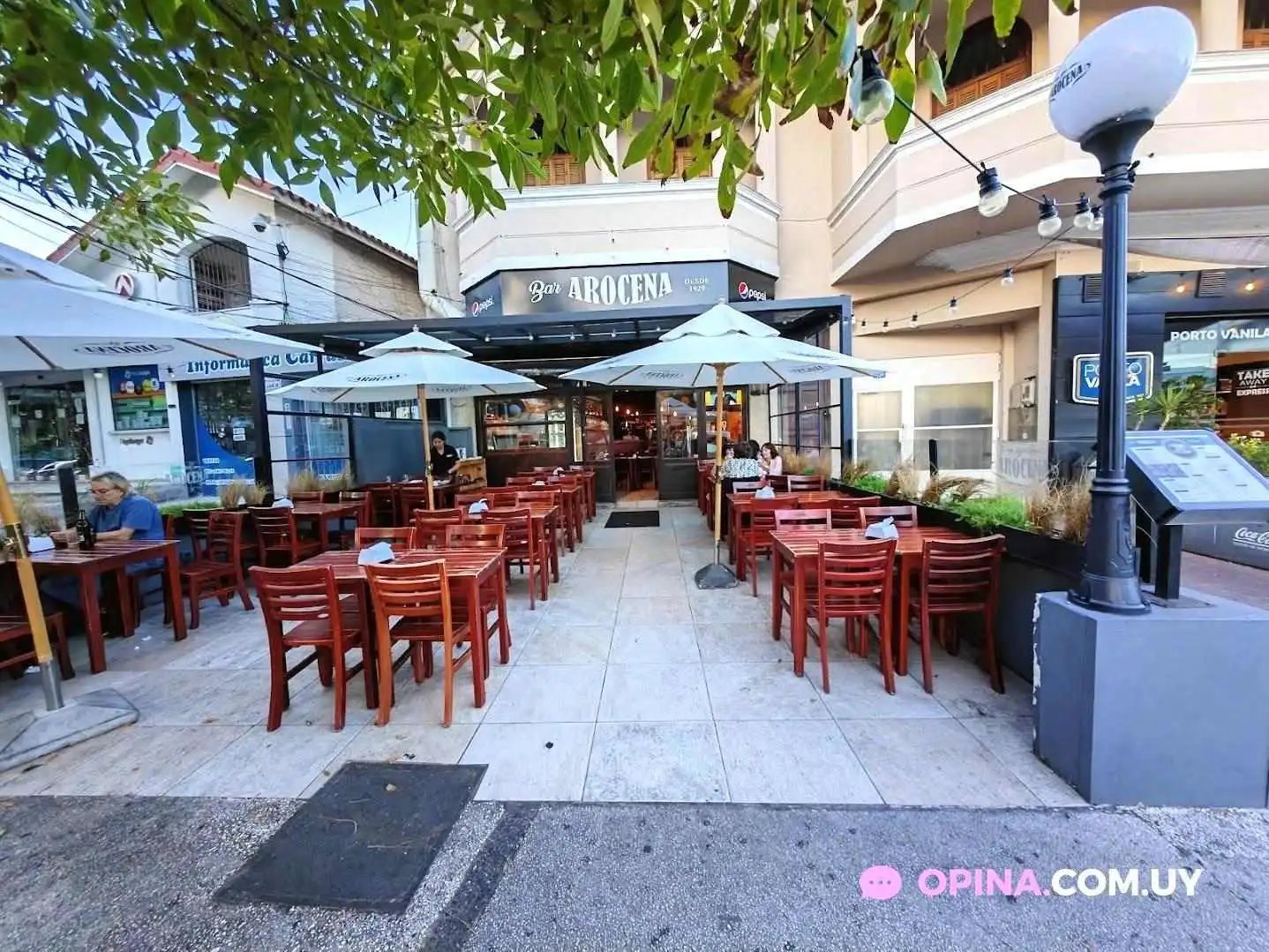
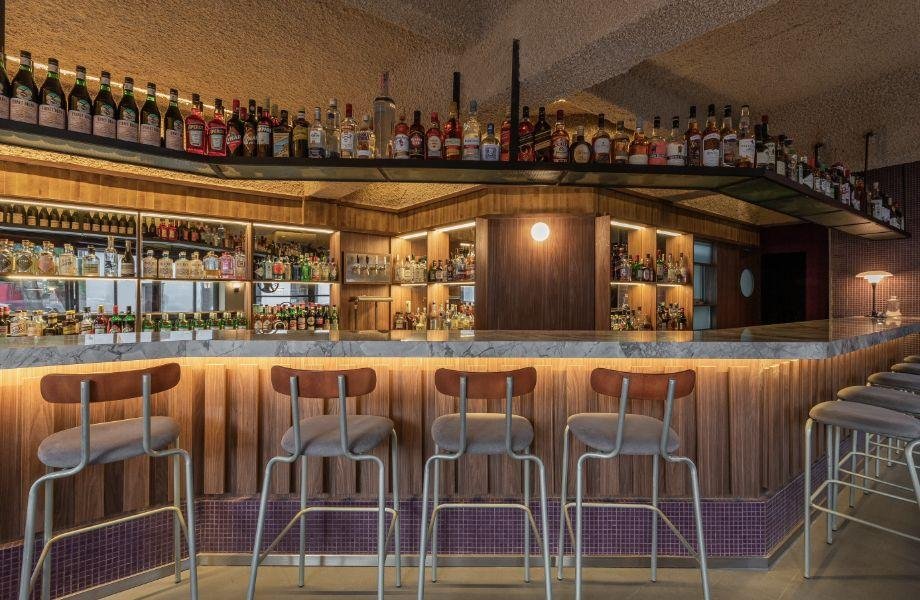
Restaurants in Canelones
Browse all →
At a Glance
- Rustic
- Scenic
- Intimate
- Wine Education
- Solo Exploration
- Vineyard Tour
- Estate Grounds
- Terrace
- Vineyard
- Garden
Enchanting and mystical atmosphere in a small stand-alone tasting house complemented by a stunning outdoor area under drooping tree limbs, evoking a grown-up playground for wine tasting.