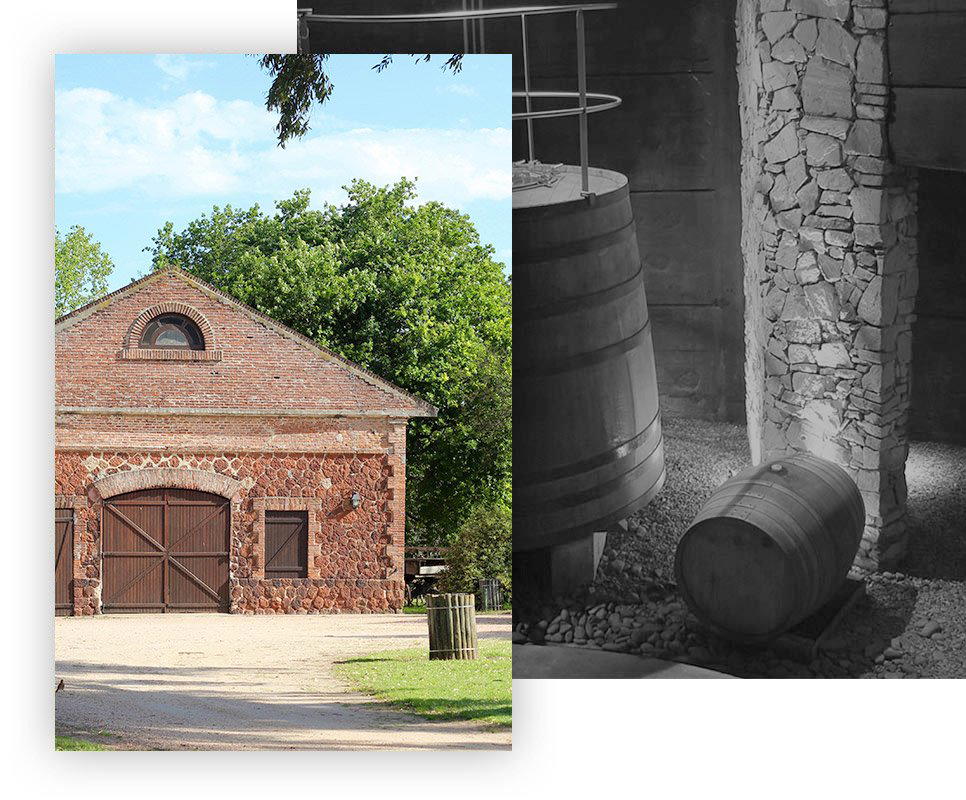
Bodega Juanicó is a historic Canelones wine estate where Uruguay’s Tannat story is easier to read in the land than on a label alone. The draw is scale, old brick-and-stone winery architecture, vineyard and garden views, and an estate format that suits visitors who want context around Canelones rather than a quick tasting-room stop.

Pearl is the En Primeur Club membership app, where members save venues, book tables and use the concierge.
Bodega Juanicó is a venue in Canelones. The practical details are limited, but the essentials that are available are direct: the listed price is $65 per person, and the dress code is casual. For a traveler or local planner trying to compare possibilities in the area, those two points provide a useful starting frame, even if they do not yet describe the full shape of a visit.
For readers comparing options in Canelones, treat Bodega Juanicó as a named venue with a clear per-person price rather than as a listing with confirmed details about a particular experience type. That distinction matters because a price alone does not explain what is included, how the visit is structured, or what kind of timing is required. If you need information about reservations, timing, accessibility, group arrangements, or what is included at the price point, confirm directly before planning around it.
A Canelones venue with limited public details
The most reliable way to frame Bodega Juanicó is simple: it is in Canelones, the price is listed at $65 per person, and the dress code is casual. Those facts are useful for basic trip planning, especially for travelers comparing costs across other dining or hospitality options in Canelones. A known per-person figure can help with early budgeting, while a casual dress code removes the need to plan around formal clothing unless the venue gives different guidance directly.
What should not be assumed is just as important. The listing does not, on its own, confirm the format of the visit, the length of time to allow, the nature of the service, or whether the price applies in every circumstance. Any plan that depends on those details should be checked directly with the venue. This is particularly true if the visit is tied to a schedule, a group, or a specific expectation about what will happen on arrival.
The practical takeaway is that visitors can budget around the $65 per-person figure and dress casually, while leaving the rest open until confirmed. That approach keeps the available information useful without stretching it beyond what it actually supports. It also helps avoid overcommitting to assumptions that may not match the venue’s current arrangements.
This restrained approach is intentional. With limited detail, the clearest editorial guidance is to separate what is known from what still needs to be asked. Bodega Juanicó can still be part of a Canelones shortlist, but it should be treated as a venue to confirm with, not as a fully documented experience listing.
The experience should be planned around confirmed basics
With only price and dress code verified, the safest planning approach is to contact Bodega Juanicó before visiting. Ask what the $65 per person includes, whether advance booking is needed, what times are available, and whether there are any requirements for groups or special occasions. These questions do not require assuming anything about the venue; they simply turn the available basics into information that can support a real plan.
The casual dress code suggests that formal attire is not required, but it does not confirm anything about the setting, facilities, or type of visit. Travelers should choose comfortable, appropriate clothing for Canelones and adjust based on any direct instructions from the venue. In practice, casual dress is helpful guidance, but it should be read narrowly: it addresses clothing expectations, not the character or logistics of the visit.
For broader Canelones planning, compare Bodega Juanicó with other dining in Canelones generically rather than relying on venue-by-venue claims. The confirmed price can help place it within a budget, but details such as menus, beverages, and service format should be confirmed separately. A useful comparison at this stage is not about ranking experiences; it is about determining which venue has the practical information needed for the kind of outing being planned.
That is especially important when planning transportation, group timing, or any visit built around a specific activity. A confirmed price and casual dress code make it easier to start organizing, but the rest of the itinerary should remain adaptable until the missing details are clarified.
How it fits a wider Canelones itinerary
Bodega Juanicó can be considered for a Canelones itinerary when a $65 per-person venue with casual dress fits the plan. It may be most useful at the early planning stage, when the goal is to identify possibilities, estimate costs, and decide which venues deserve direct follow-up. In that role, it functions as a clear but limited data point.
Use it as one planning point among other dining or hospitality options in Canelones. Confirm the details that matter most to your visit, then decide whether it fits your schedule, budget, and expectations. The best use of the listing is practical: note the price, note the casual dress code, contact the venue for specifics, and only then build the visit into a more fixed plan.
Continue exploring
More in Canelones
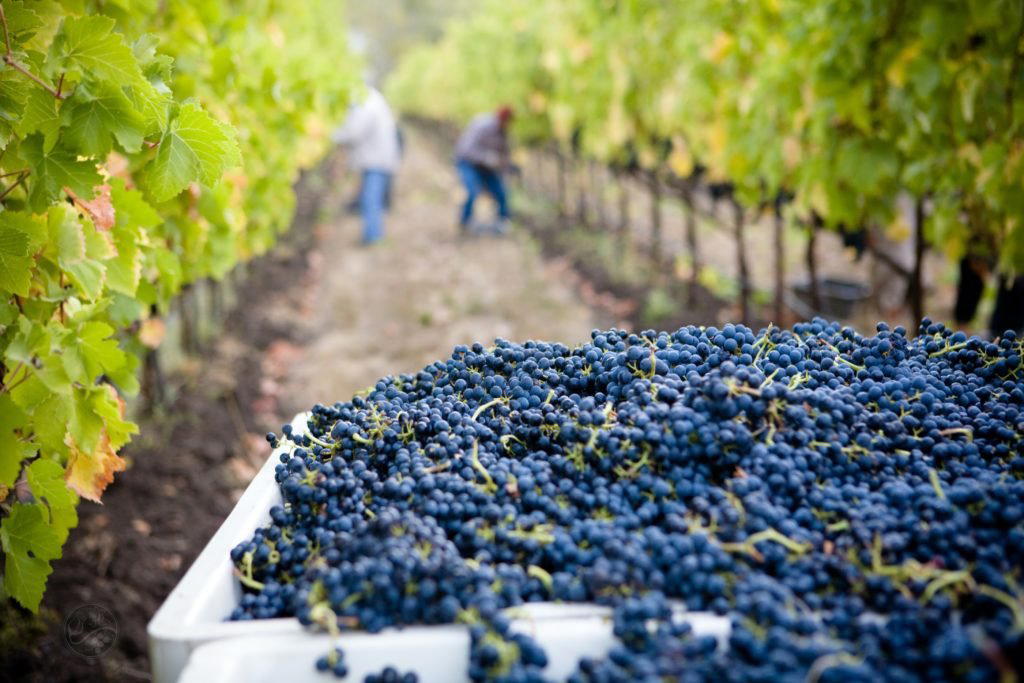
Wineries in Canelones
All wineries in Canelones →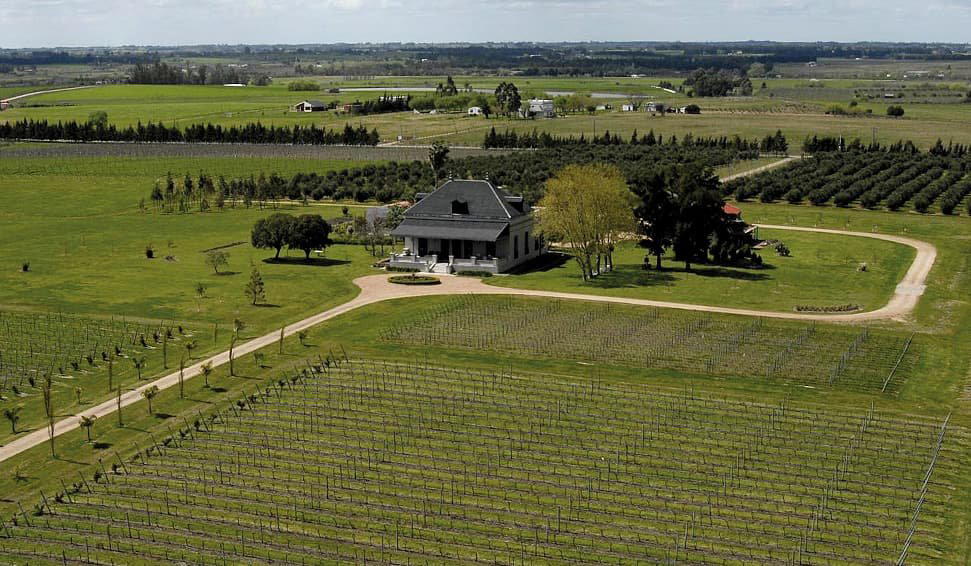

Bars in Canelones
Browse all →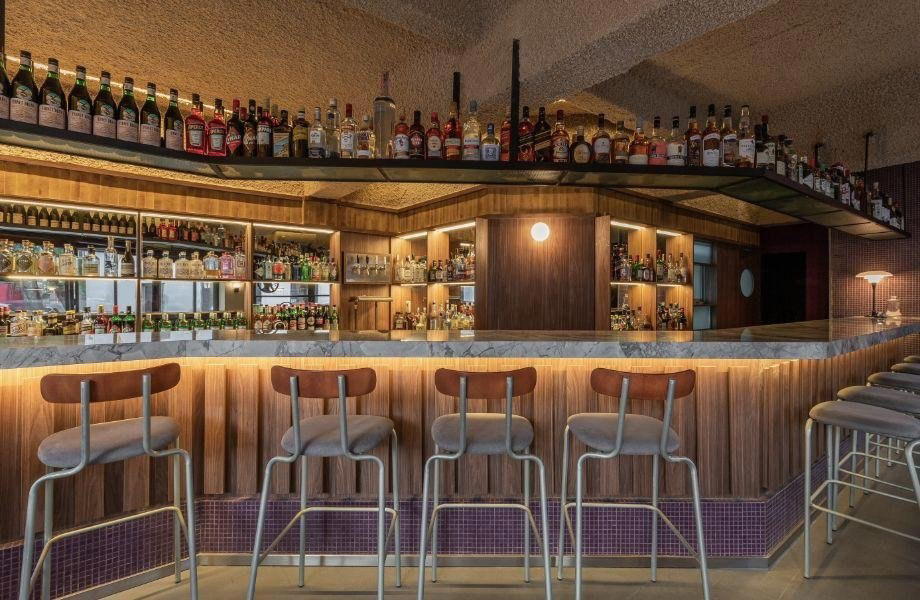

Details
- Classic
- Scenic
- Rustic
- Elegant
- Well Known
- Sophisticated
- Group Outing
- Celebration
- Wine Education
- Special Occasion
- Corporate Event
- Romantic Getaway
- Vineyard Tour
- Estate Grounds
- Historic Building
- Private Tasting
- Garden
- Organic
- Vineyard
- Garden
- Tannat
- Cabernet Sauvignon
- Merlot
- Chardonnay
- Sauvignon Blanc
- Still Red
- Still White
- Sparkling
- Dessert
- Guided Tasting
- Tour + Tasting
- Tasting With Lunch
- Reserve/flagship Flight
- Spanish
- English
- Portuguese
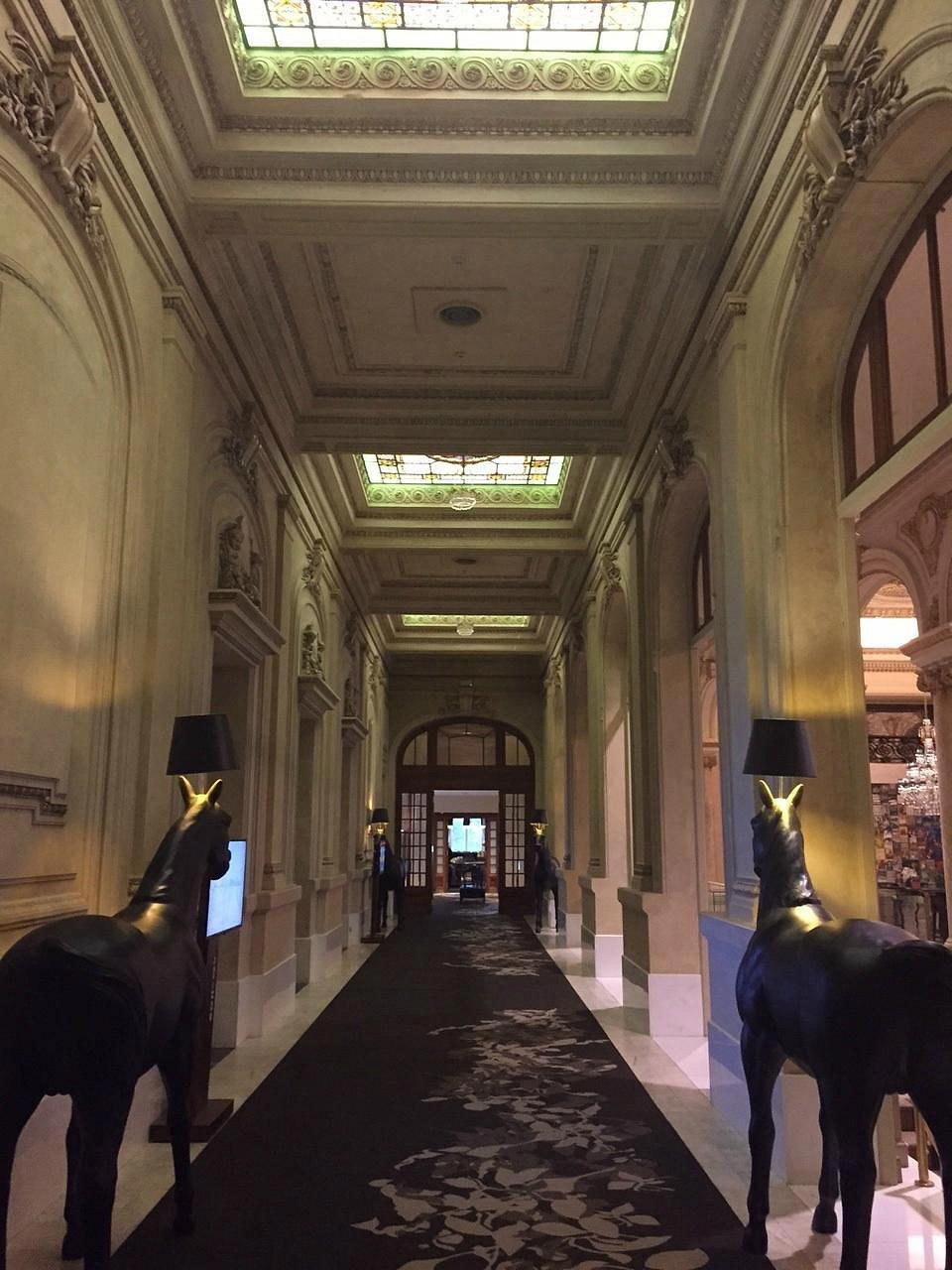
Substantial, historic estate atmosphere with stone-and-stucco brick buildings, landscaped grounds and rolling vineyard vistas; feels serious, generational and quietly impressive rather than flashy, with an educational, estate-led vibe.