Skip to Main Content
← Collection
Canelones, Uruguay

Pizzorno Family Estates

RegionCanelones, Uruguay
Pearl

Pizzorno Family Estates sits in Uruguay's Canelones department, where the department's clay-heavy soils and Atlantic-moderated temperatures have long shaped some of South America's most distinctive Tannat. The estate holds a Pearl 2 Star Prestige rating for 2025, placing it among the recognised upper tier of Canelones producers. It operates from the Canelones department, roughly accessible from Montevideo for day visits or longer wine-country stays.

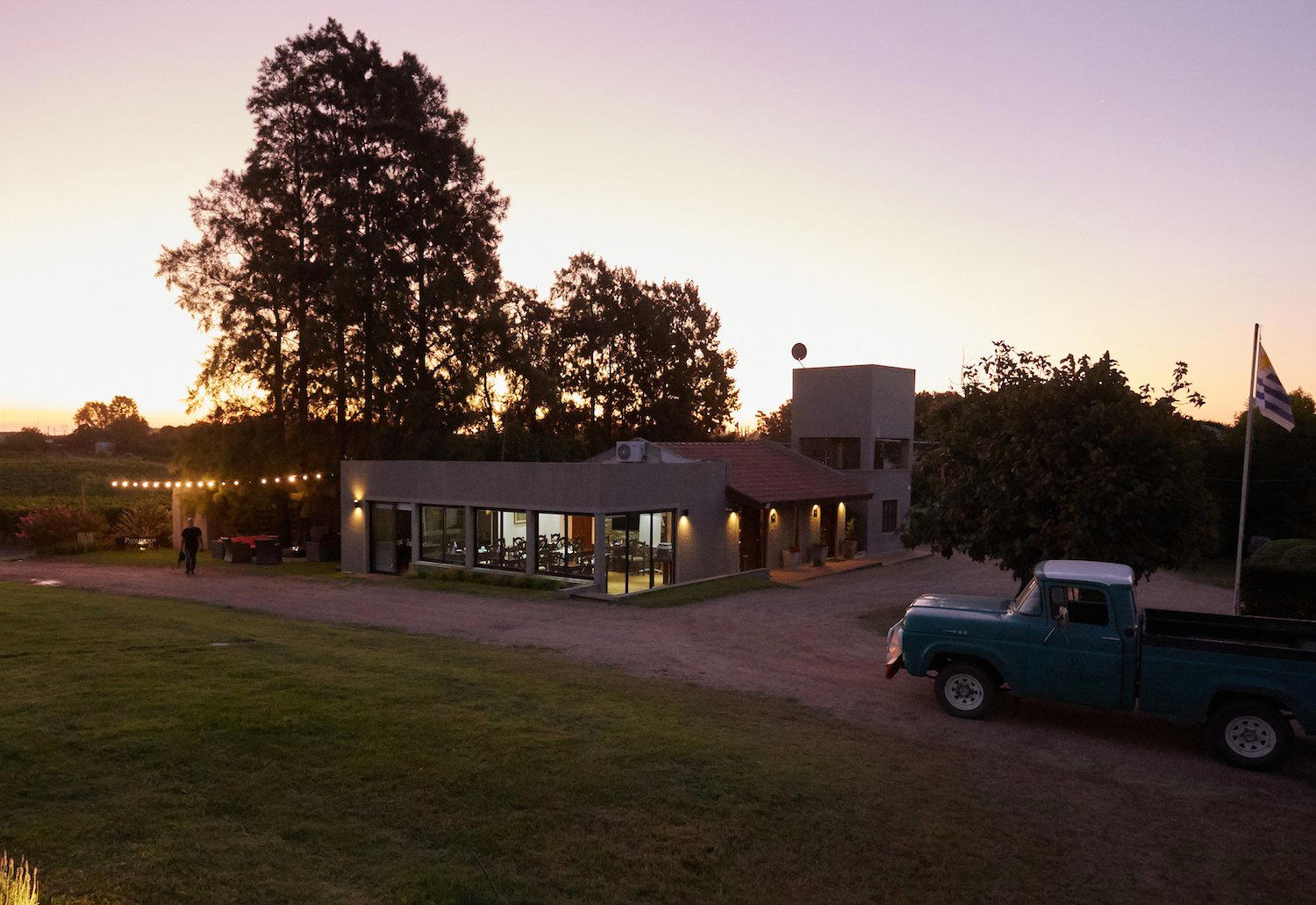
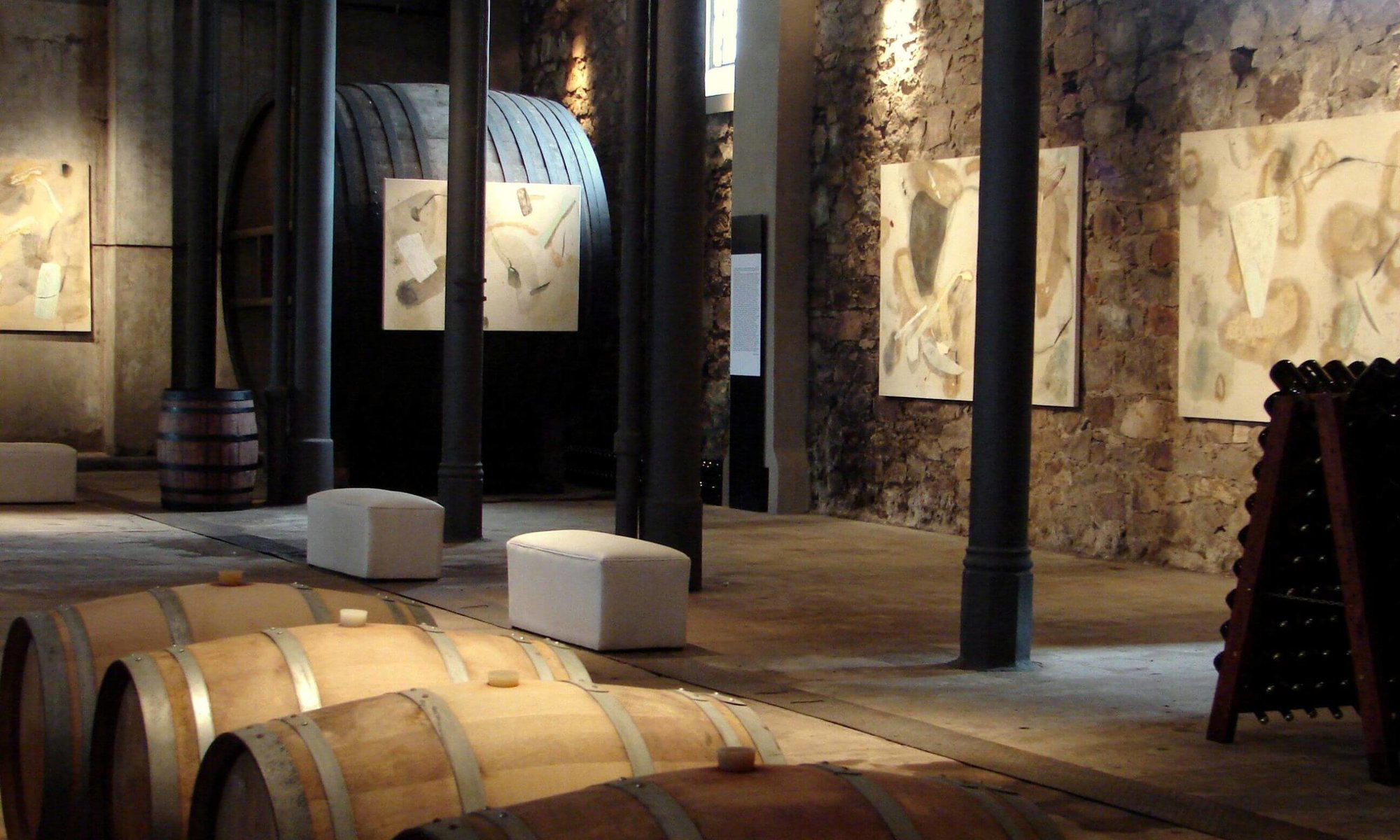
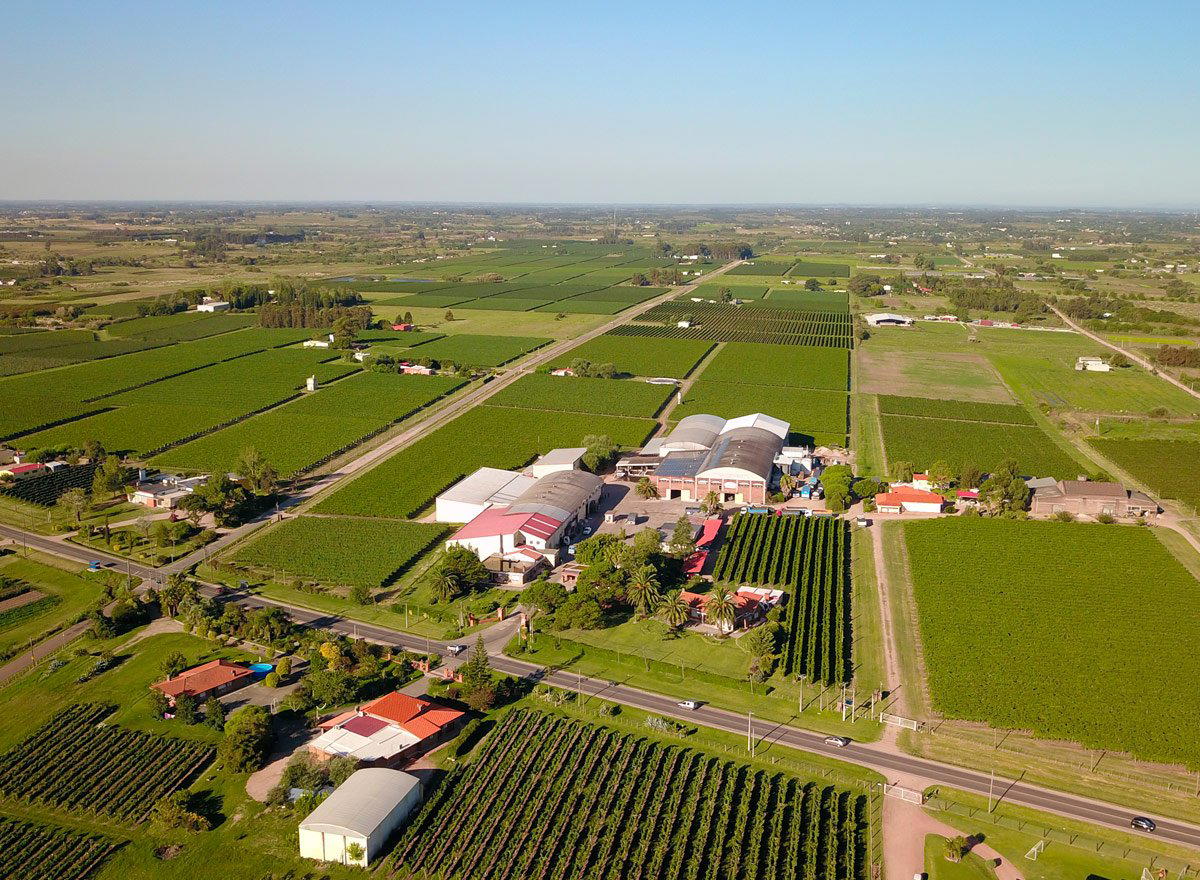
Pizzorno Family Estates winery in Canelones, Uruguay
About

Canelones, Uruguay's Quietly Serious Wine Country

The road into Uruguay's Canelones department does not announce itself dramatically. The terrain is low and rolling, the skies wide, and the vineyards arrive without ceremony — planted in clay and loam soils that retain moisture through dry summers and drain reasonably well when the Atlantic brings its seasonal rains from the south. This is not Mendoza, with its Andean backdrop and altitude drama. Canelones earns its reputation through something quieter: consistency of terroir expression across producers who have worked the same grape varieties for generations, and a growing body of international recognition that confirms what local drinkers have argued for decades.

Within that setting, Pizzorno Family Estates occupies a position that reflects both the region's character and its current ambitions. The estate's 2025 Pearl 2 Star Prestige award places it in a recognised tier of quality within the EP Club evaluation framework — a credential that carries weight precisely because it is applied comparatively across producers, not awarded in isolation. In a department where several estates are making serious bids for international attention, a two-star prestige rating signals consistent execution rather than a single strong vintage.

Members Only

The shortlist, unlocked.

Hard-to-book tables, cellar releases, and concierge-planned trips.

Get Exclusive Access →

The Canelones Context: Why This Department Matters

Canelones accounts for the majority of Uruguay's total wine production by volume and, increasingly, by critical attention. The department's producers have spent the past two decades repositioning away from bulk output toward estate-bottled wines with appellation identity. That shift has been uneven , some operations remained large-scale and commodity-focused, while others invested in cellar technology, lower yields, and the kind of careful winemaking that invites comparison with peers in Argentina, Chile, and beyond.

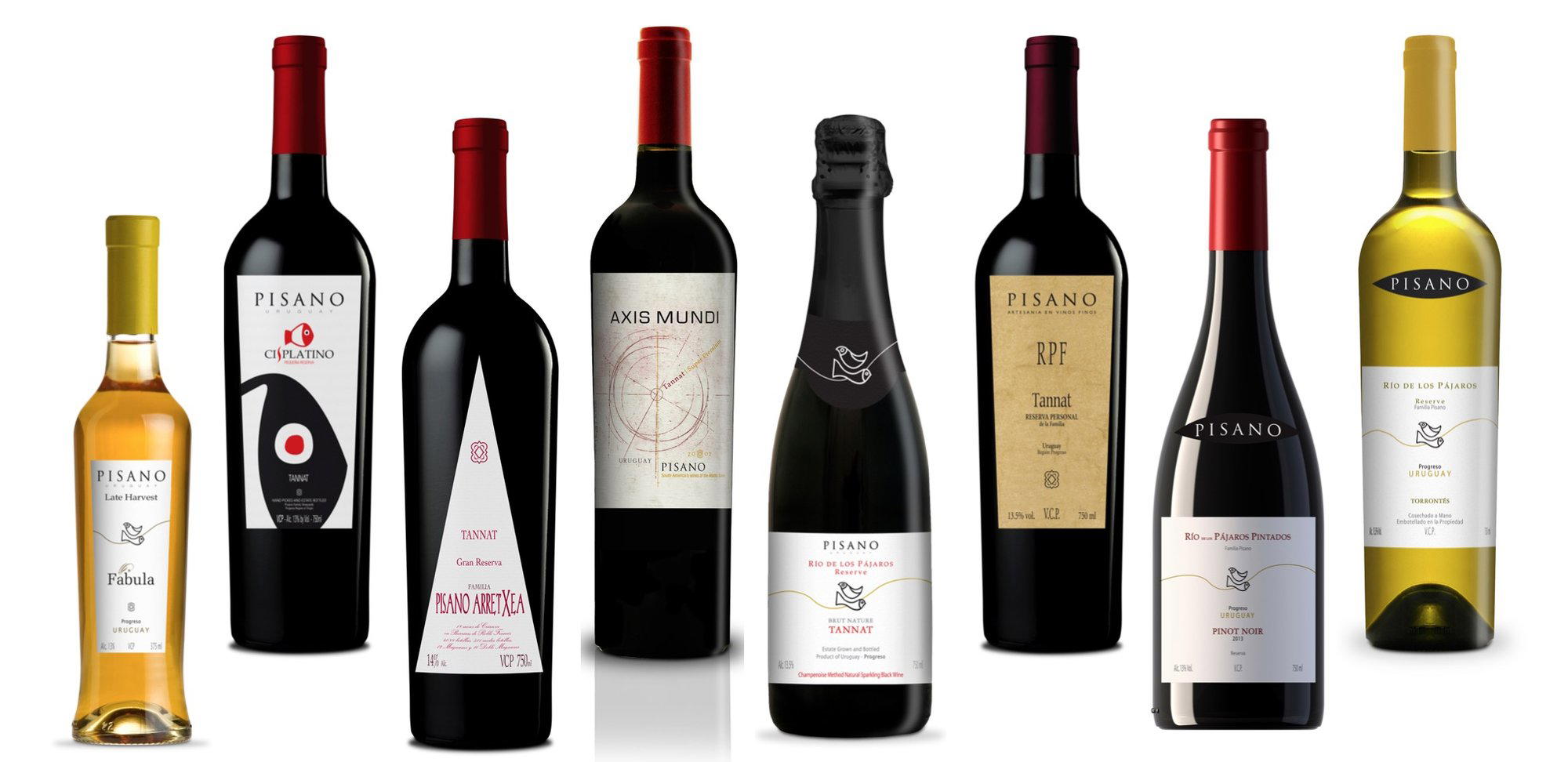
The variety most associated with this repositioning is Tannat, Uruguay's adopted signature grape. Originally brought from the Basque region of southwestern France, Tannat elsewhere tends toward austerity , dense tannins, high acidity, wines that require long cellaring or considerable extraction to become approachable. In Canelones' maritime-influenced climate, the grape behaves differently. Atlantic breezes moderate summer heat, extending the growing season and allowing phenolic maturity to arrive before sugar levels spike. The result, in skilled hands, is a Tannat with structure intact but with fruit expression and a texture that makes the wine accessible younger than its French counterparts. This is the regional argument that Canelones producers are putting forward, and the better estates make it convincingly.

Pizzorno Family Estates enters that conversation from its address in the Canelones department, where it joins a peer group that includes Varela Zarranz, Antigua Bodega Stagnari, Artesana, Bodega De Lucca, and Bodega Juanicó (Familia Deicas). Across this group, the shared conditions are broadly similar , clay-loam soils, Atlantic influence, long growing seasons , but individual estate decisions about vine age, canopy management, and cellar intervention create meaningful differentiation. The Pearl 2 Star Prestige rating locates Pizzorno within the more recognised segment of that group.

The Wider Uruguayan Picture

Canelones does not operate in a vacuum. Uruguay's wine regions span from the departments around Montevideo outward, with producers in the capital's suburbs and beyond contributing to a national identity that is still consolidating on international markets. Bodega Bouza in Montevideo and Bodega Carrau in Las Piedras operate from adjacent geography and comparable conditions, while more distant operations like Bodega Cerro del Toro in Piriápolis reflect how the industry is expanding its geographic footprint. Against this broader field, Canelones remains the commercial and critical centre of gravity, and estates operating there benefit from proximity to Montevideo's restaurant scene and the wine tourism infrastructure that has developed along the main routes.

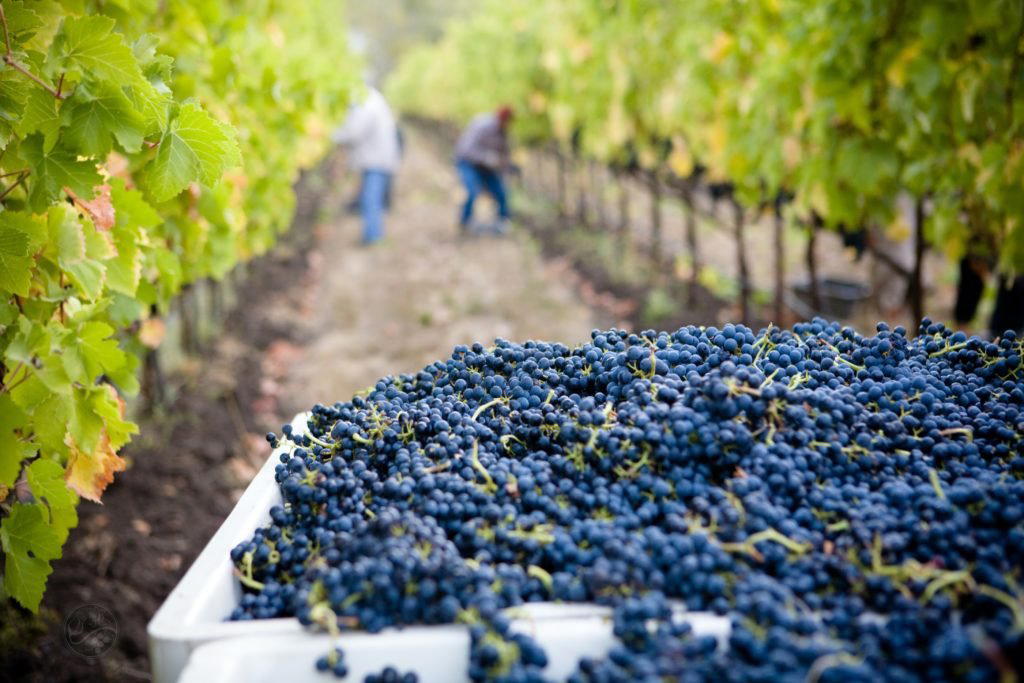
The seasonal dimension matters here. Harvest in Canelones typically runs from late February through April, when the combination of Atlantic humidity and warm days creates conditions that require attentive vineyard management. Visiting during this window means encountering an estate in its most operationally intense period , cellar crews working through the night, tanks being filled, the smell of fermentation reaching the property entrance. Outside harvest, the quieter months of May through August offer a different engagement with the region: cellars accessible for barrel tastings, less visitor pressure, and the cooler temperatures that make extended tasting sessions more comfortable. For those approaching from Montevideo, the drive to the Canelones department takes under an hour along routes that connect the capital to the wine-producing interior.

What the Award Signals About the Wine Program

EP Club's Pearl 2 Star Prestige designation is applied within a comparative framework, which means it reflects relative positioning across a peer set rather than a single tasting score. For Pizzorno Family Estates, the 2025 rating suggests a program operating at consistent quality , the kind of reliability that matters when a producer is building export relationships or seeking placement in markets where Uruguay still occupies a challenger position relative to its larger South American neighbours.

The broader Canelones context reinforces this reading. Estates in this department that achieve recognised award status typically do so through a combination of terroir-appropriate varieties (Tannat foremost, but also Viognier, Merlot, and some white work with Albariño), measured cellar intervention, and the sort of quality control that translates across vintages. A single-vintage breakthrough is a different achievement from sustained recognition; the Pearl 2 Star Prestige in 2025 implies the latter.

Planning a Visit to Canelones Wine Country

For visitors combining Pizzorno Family Estates with a wider Canelones itinerary, the department's wine infrastructure has developed considerably in recent years. The estate's address in the Canelones department places it within reach of several other notable producers, making multi-winery days practical without excessive driving. Montevideo serves as the logical base , hotel options there span design-led boutique properties to international brands, and the capital's restaurant scene provides evening programming that complements daytime winery visits.

EP Club's regional guides offer structured starting points for building that itinerary. Our full Canelones wineries guide covers the department's producers in comparative depth. For broader planning, our full Canelones restaurants guide, our full Canelones hotels guide, our full Canelones bars guide, and our full Canelones experiences guide provide coverage across accommodation, dining, and activities in the region.

For those with an interest in how estate wine programs at this recognition level compare across different producing countries, the contrast with Abadía Retuerta in Sardón de Duero illustrates how estate-scale ambition plays out across different regulatory and terroir contexts. The comparison is instructive precisely because the production philosophies differ , old-world appellation discipline against South America's more flexible experimental approach , even where quality tier recognition converges.

Frequently Asked Questions

What wine is Pizzorno Family Estates famous for?
Canelones' signature variety is Tannat, and estates across the department , including those in Pizzorno's recognised peer group , have built their reputations primarily around this grape. Uruguay's Atlantic-influenced climate moderates Tannat's natural austerity, producing wines with structure that resolves earlier than the variety's French originals. The estate's 2025 Pearl 2 Star Prestige award from EP Club places it within the recognised upper tier of Canelones producers, which in this region is anchored by Tannat-focused programs. For the full regional picture, our Canelones wineries guide covers the department's broader varietal range and how individual estates approach the grape.
What's the standout thing about Pizzorno Family Estates?
The estate's 2025 Pearl 2 Star Prestige recognition from EP Club is the clearest publicly verifiable signal of where it sits within the Canelones peer group. That credential matters in the context of a department where quality differentiation among producers has sharpened considerably over the past decade. Located in the Canelones department under an hour from Montevideo, the estate combines accessible geography with a recognition level that places it in a smaller group of consistently performing regional producers. Specific pricing and format details are leading confirmed directly with the estate before visiting.

Peer Set Snapshot

These are the closest comparables we have in our database for quick context.

Collector Access

Access the Cellar?

Our members enjoy exclusive access to private tastings and priority allocations from the world's most sought-after producers.

Get Exclusive Access
Members Only

The shortlist, unlocked.

Hard-to-book tables, cellar releases, and concierge-planned trips.

Get Exclusive Access →