





A turn-of-the-20th-century château set within a seven-hectare park in Reims, Domaine Les Crayères carries two Michelin stars at its flagship restaurant Le Parc, three Michelin Keys, and a 94.5-point La Liste rating. Twenty rooms across the Château and a park-side Cottage place it firmly in small-scale luxury, where formal French architecture and Champagne-country heritage drive the proposition rather than amenity volume.
Pearl is the En Primeur Club membership app — saves, bookings, and concierge access live there. Same editors, same standards.
- Address
- 64 Bd Henry Vasnier, 51100 Reims
- Phone
- +33 3 26 24 90 00
- Website
- lescrayeres.com
- Directions
- Get directions
 Saves & bookings on Pearl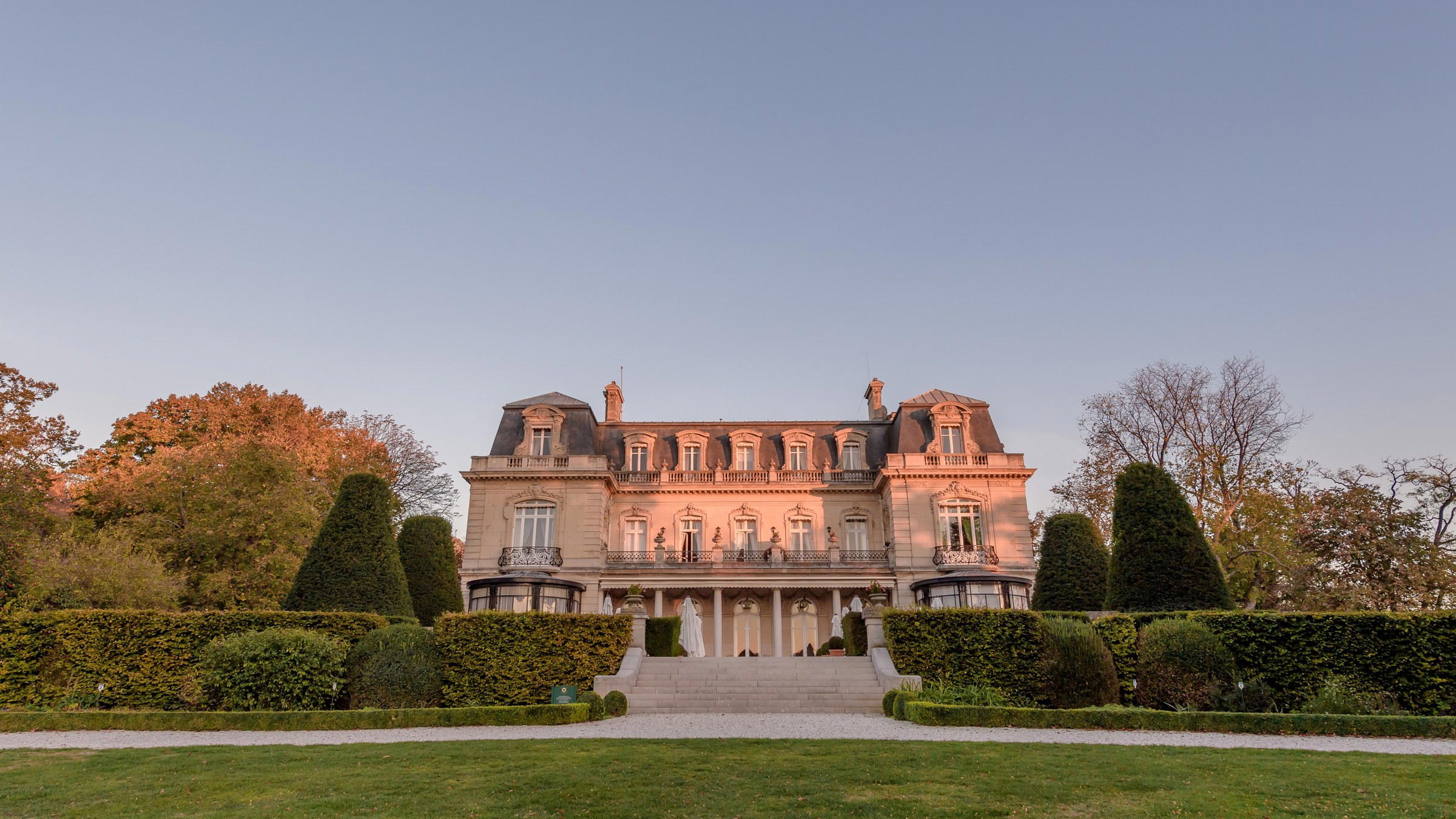
A Château Built for This Landscape
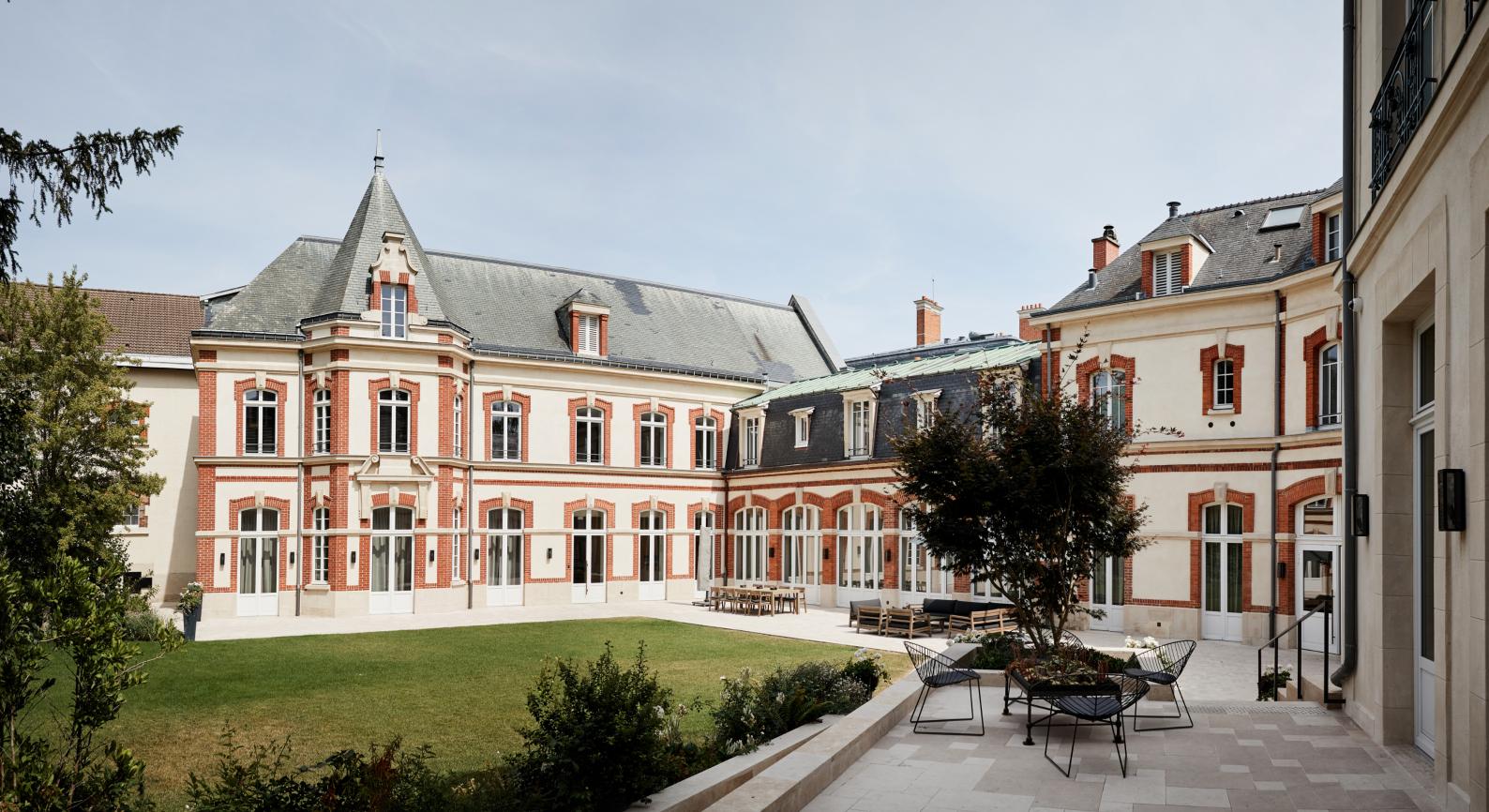
The Belle Époque château at 64 Boulevard Henry Vasnier was not conceived as a hotel. It was built as a private residence, and the architecture still reads that way: formal pebbled paths threading through seven hectares of sculpted parkland, trees planted by the estate's original owner whose name remains synonymous with Champagne, and interiors where historical portraiture competes with chandeliers suspended from double-height ceilings. Champagne country has no shortage of grand addresses, but the region's top-tier options tend to split between large spa-led resort formats and the kind of intimate château properties where the physical fabric of the building does most of the editorial work. Domaine Les Crayères belongs firmly in the second category, and that distinction matters when considering what the stay actually delivers.
The approach to the property, roughly one hour from Paris by road, sets the register immediately. The parkland is not ornamental in a generic luxury-hotel sense; it carries documented history, and the formality of its layout reflects the aesthetic commitments of the late 19th century rather than a contemporary designer's interpretation of them. For guests arriving from the Cheval Blanc Paris end of the French luxury market, where renovation and bespoke contemporary design drive the experience, this represents a deliberate counterposition: authenticity of fabric over perfection of finish.
The Architecture as the Argument
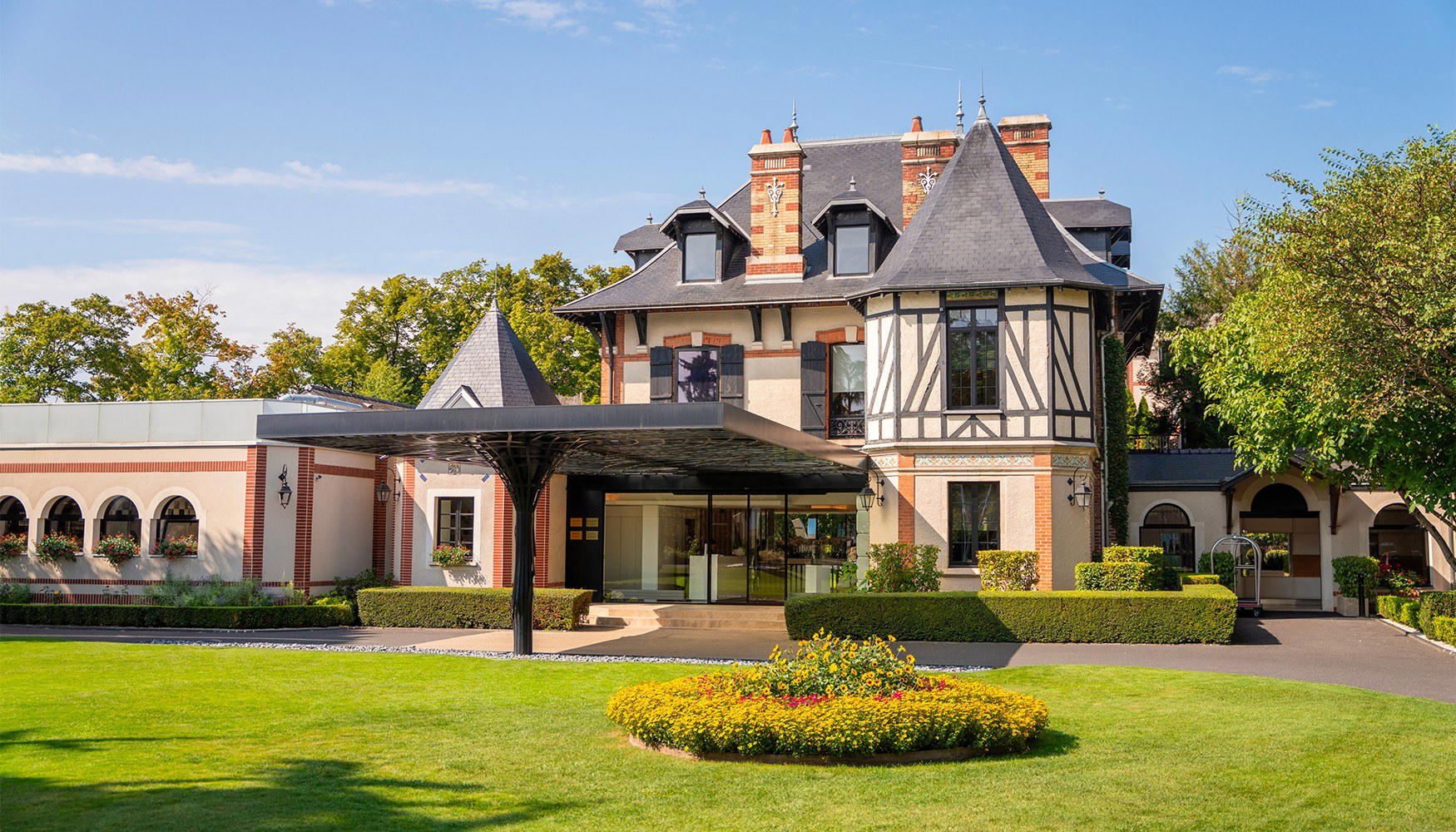
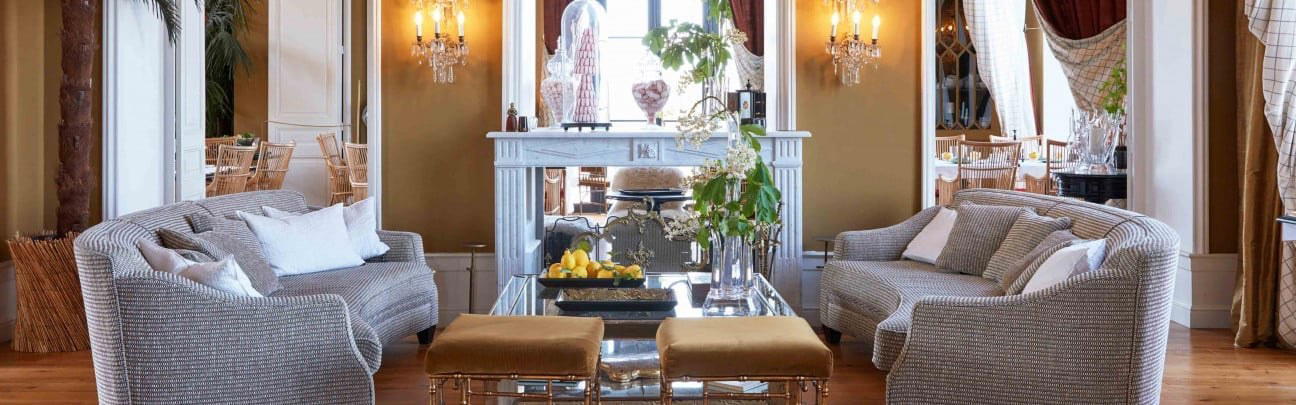
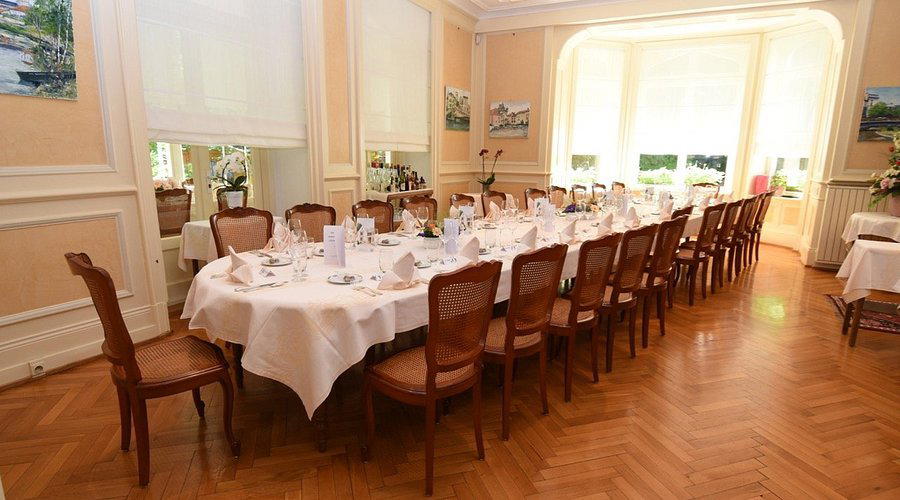
Inside, the design philosophy is one of historical fidelity rather than reinterpretation. The château's 20 rooms and suites across the main building and the park-side Cottage maintain period-appropriate decoration throughout, and the public areas make no attempt to signal modernity through material contrast. This is a considered choice. Properties that carry genuine architectural heritage face a recurring tension between preservation and the comfort expectations of contemporary luxury travel; the answer here tilts decisively toward preservation. The Cottage, positioned 50 metres behind the main château and housing three interconnecting rooms including two duplex configurations, offers a slightly more removed experience while remaining within the same aesthetic framework.
Properties such as Château du Grand-Lucé and Château de Montcaud operate within the same restoration-led tradition, where the building's own biography is the primary credential. What separates Domaine Les Crayères within that cohort is the layering of serious dining recognition on top of the architectural proposition, a combination that narrows the competitive field considerably. See also: Château Lafaurie-Peyraguey, which pursues a comparable strategy in Sauternes.
Two Restaurants, Two Registers
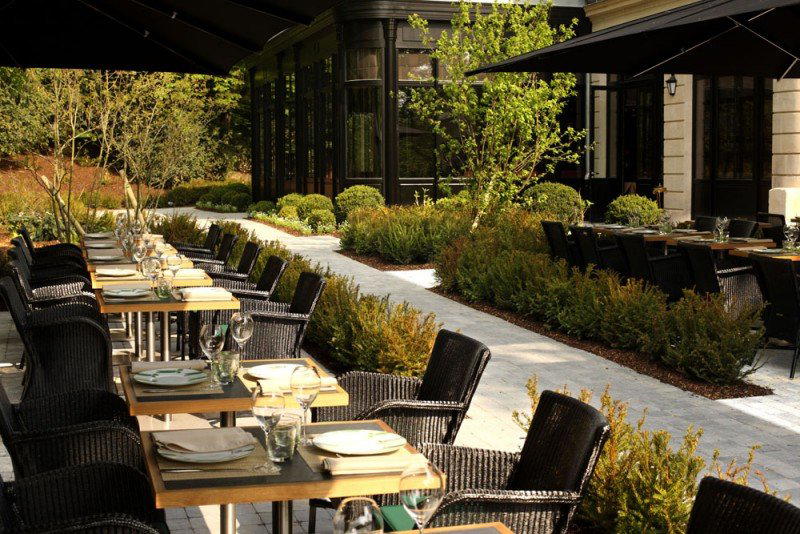
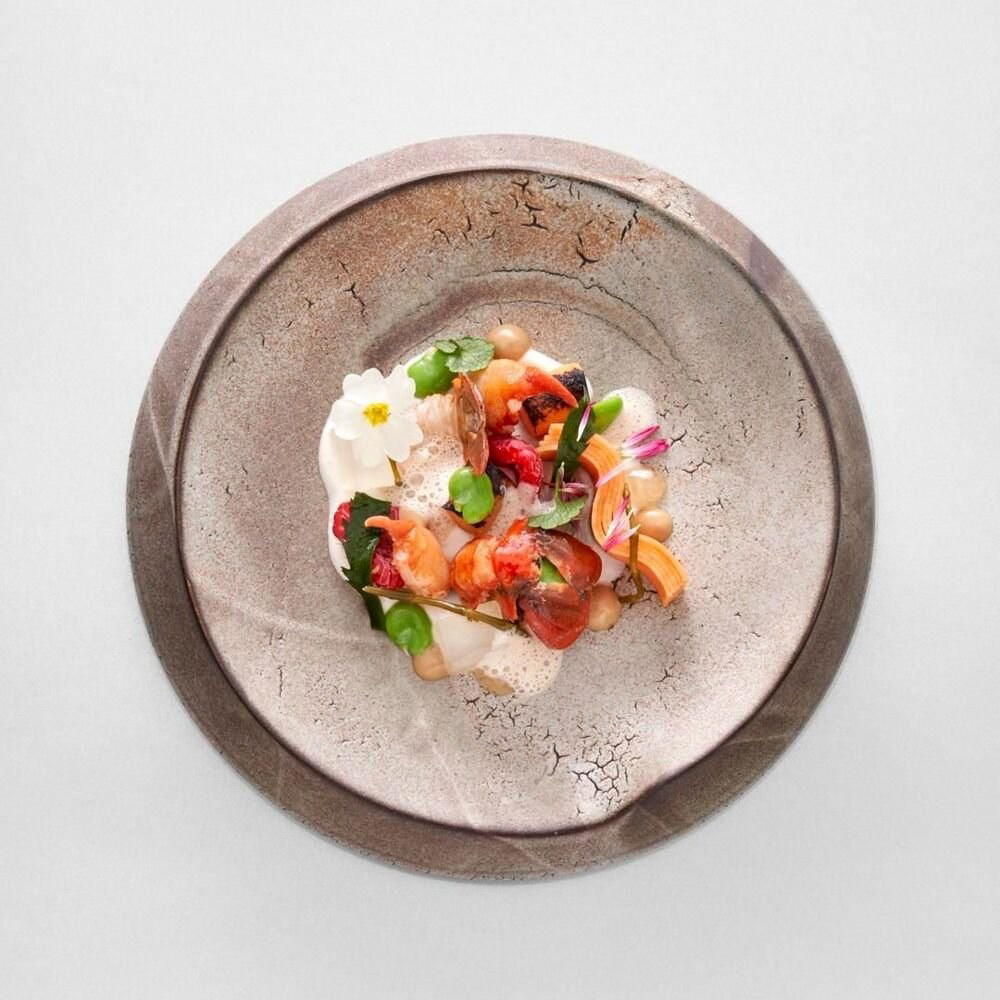
French château hotels have historically anchored their dining in a single grand room. Domaine Les Crayères runs two distinct formats, and the differentiation is meaningful. Le Parc, the flagship restaurant operating under Head Chef Philippe Mille, holds two Michelin stars and operates as the formal expression of classical French cuisine in a setting that matches the architectural ambitions of the building itself. The dining room's chandeliers, the soaring ceiling proportions, and the degree of service formality are calibrated to each other. In summer, the option to dine in the château's garden shifts the register without altering the culinary standard.
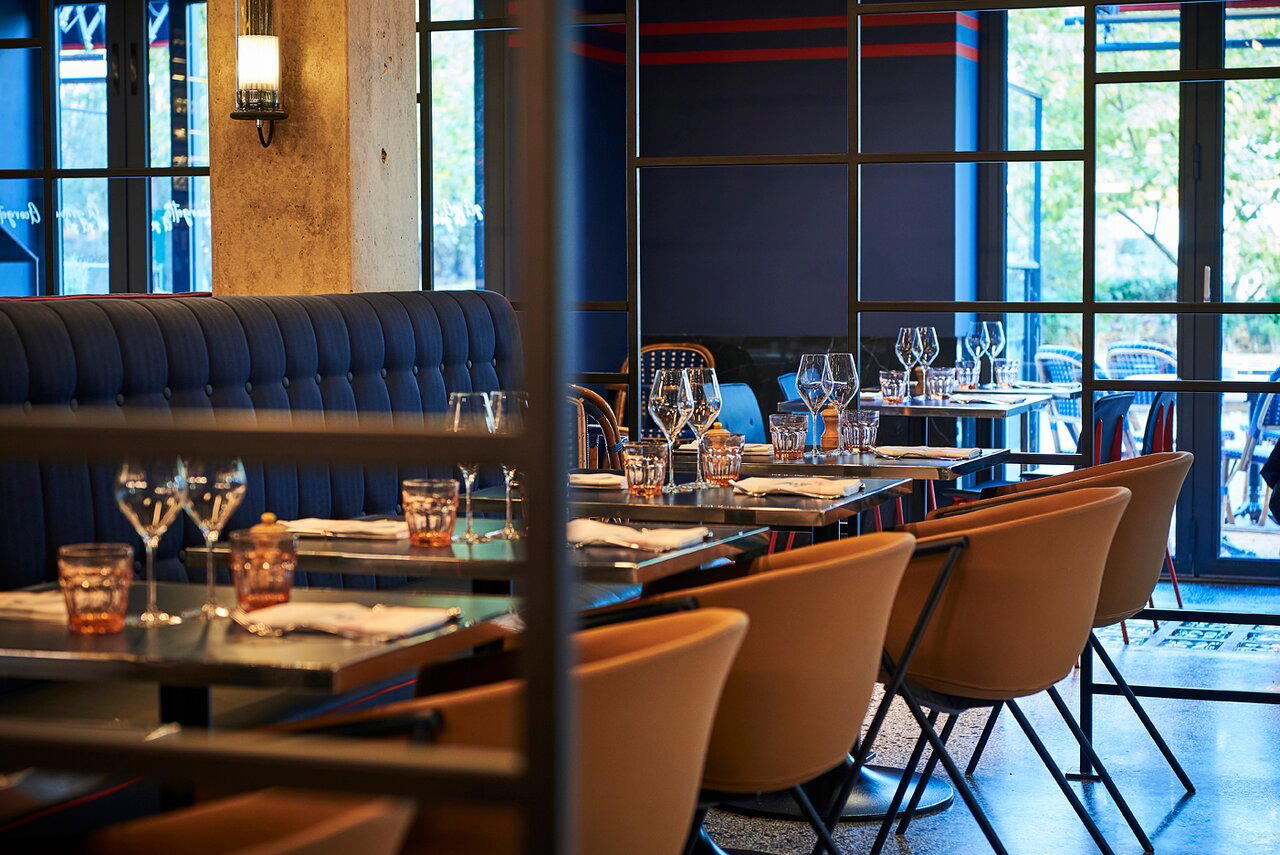
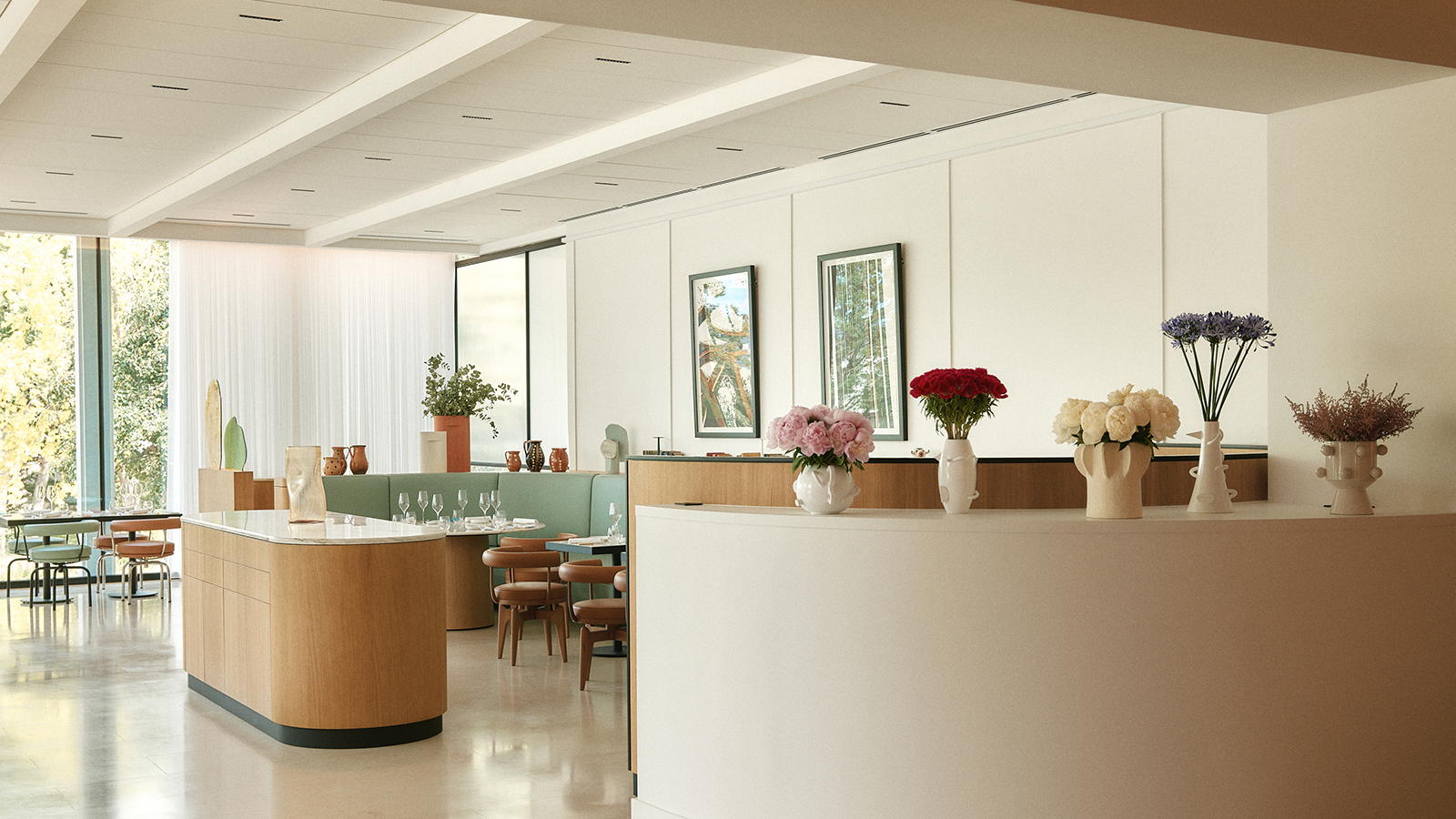
The second restaurant, Le Jardin, functions as a bistrot and is designed in deliberate contrast: steel, stone, and brick in an architectural language that references Reims's industrial and artisan heritage rather than its aristocratic one. This dual-format approach reflects a broader movement in French grand dining, where a single kitchen team serves both a Michelin-weighted tasting menu operation and a more accessible brasserie format. The effect is practical as well as symbolic: guests who might find a formal multi-course dinner six nights out of seven to be an excess can calibrate their engagement with the kitchen across two different atmospheres and price points.
The restaurant credentials stack meaningfully. The two-star recognition at Le Parc, the Star Wine List citation for 2025 and 2026, and the Gault & Millau Exceptional Hotel designation for 2025 form a coherent picture of a property that takes food and wine as seriously as it takes its physical presentation. For context on the regional dining scene, our full Reims restaurants guide maps where Domaine Les Crayères sits relative to the city's broader dining options.
Champagne Country as the Real Subject
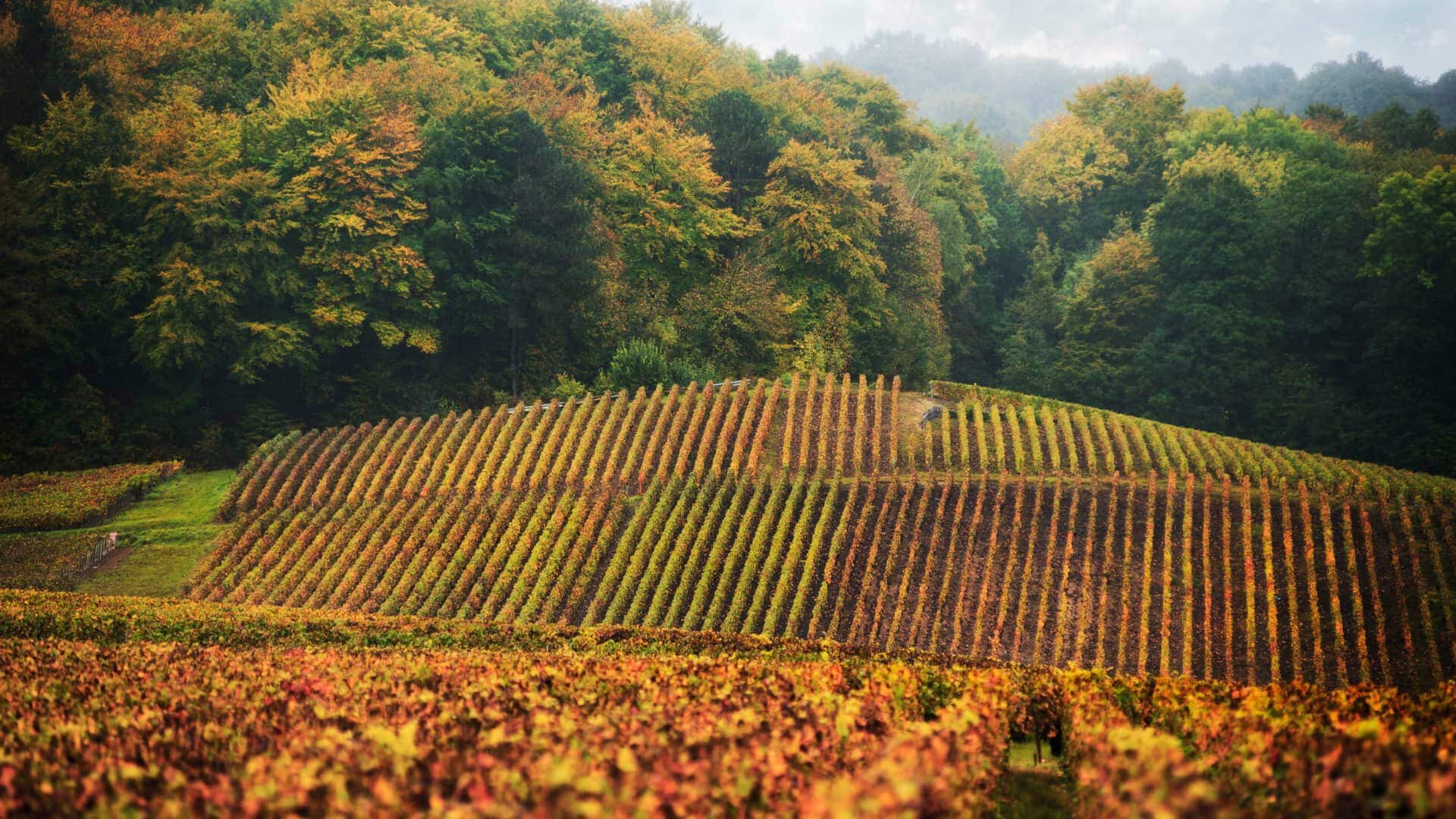
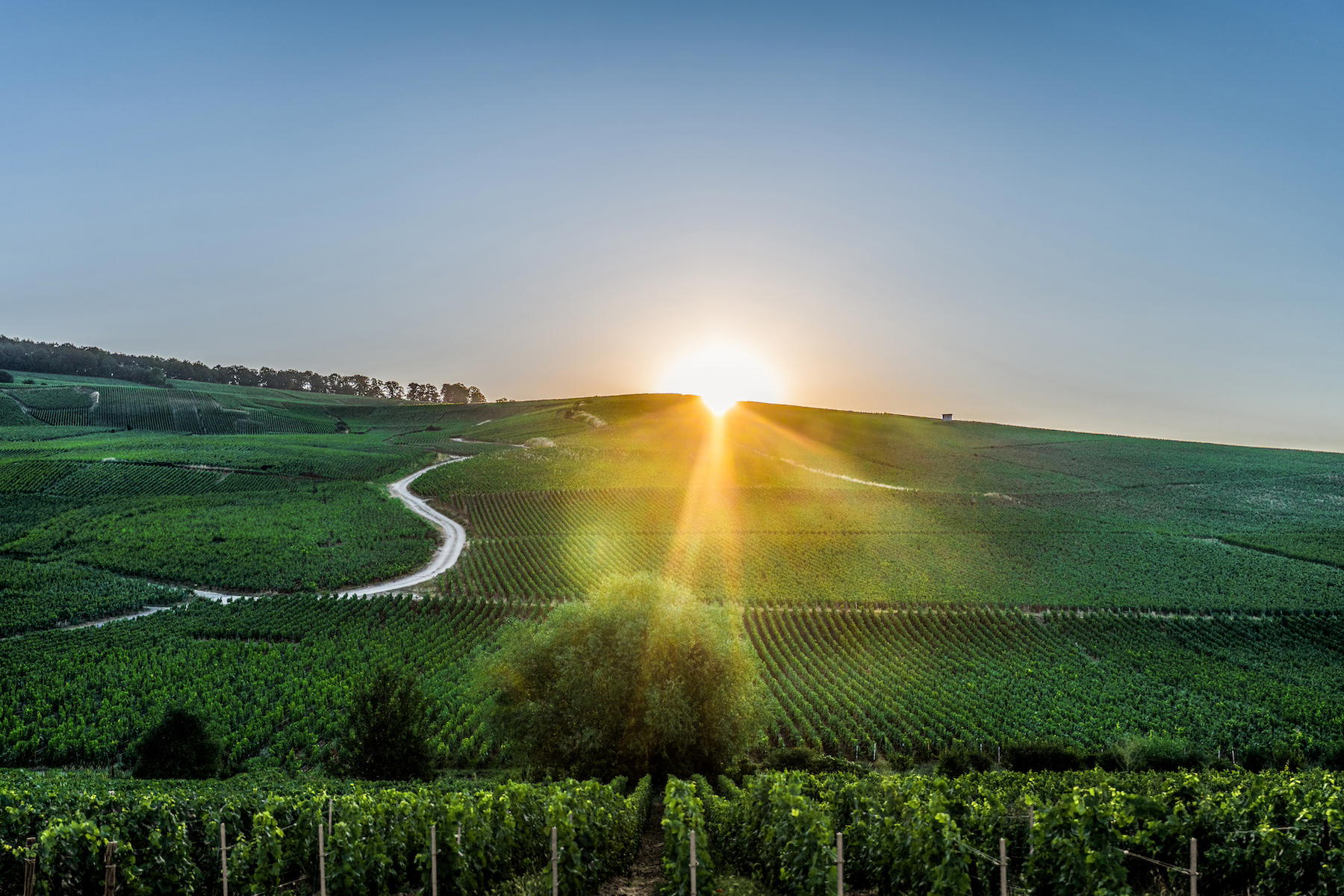
Champagne region's appeal as a luxury travel destination has grown considerably as its wine identity has globalised. What Reims specifically offers that other wine regions cannot replicate is the physical scale of its maison infrastructure: kilometres of chalk tunnels beneath the city, the architectural ambition of its cathedral and basilica, and the proximity of vine-covered hillsides that read very differently from the flat agricultural landscapes dominant elsewhere in northern France. A stay at a property positioned this close to that ecosystem functions as an entry point to all of it.
Property's historical connection to the Pommery house, whose founder planted the trees still standing in the park, makes this more than geographic proximity. A direct arrangement allows guests to access the Pommery cellars for a private tour and tasting, converting a landscape feature into a live wine education. The 94.5-point La Liste Leading Hotels rating for 2026 and the three Michelin Keys designation in 2024 suggest the market recognises this confluence of factors as a coherent proposition rather than incidental charm.
Planning a Stay
Rates begin from approximately USD 753 per night, with the property's own positioning data referencing a USD 1,420 price point that likely reflects premium suite configurations. The 20-room count across the Château and Cottage makes availability a genuine constraint, particularly in the warmer months when garden dining is possible and Champagne-region visitation peaks. The property closes annually: in the current cycle, closure ran from 21 December 2025 through 13 January 2026 for one period, then from 14 January through 17 February 2026 for a second. Anyone planning a January or February visit should confirm operational status directly before booking.
Access is practical without being effortless. The Reims train station sits three kilometres away, and the Bezannes TGV station is five kilometres from the property, placing the château approximately 45 minutes from Paris by high-speed rail. Driving from Paris takes roughly one hour. The property has WiFi throughout, a tennis court on the grounds, and can arrange access to golf, guided city tours, cathedral visits, and winery visits in the surrounding area. Room service runs from 2:00 until 18:00 and again from 19:00 until 22:00.
Guests for whom the French château format is the travelling mode rather than a single-trip experiment might also consider the coastal and alpine ends of the French luxury property spectrum: Hotel Du Cap-Eden-Roc on the Cap d'Antibes, The Maybourne Riviera in Roquebrune-Cap-Martin, Baumanière Les Baux-de-Provence, Cheval Blanc Courchevel, and Four Seasons Megève each represent distinct iterations of the same broader French luxury hospitality tradition. Additional reference points for design-forward or regionally distinctive French properties include La Bastide de Gordes, La Réserve Ramatuelle, Hôtel & Spa du Castellet, Château de la Chèvre d'Or, Château de la Gaude, Coquillade Provence, Airelles Saint-Tropez, Castelbrac in Dinard, and Casadelmar in Porto-Vecchio.
How Domaine Les Crayères Reims compares with similar nearby venues.
| Venue | Awards |
|---|---|
| Domaine Les Crayères | Michelin 3 Keys |
Recognition history
Dated appearances from independent guides and award organizations, with the underlying list record or original source where available.
La Liste Top Hotels
La Liste
Michelin 3 Keys
Michelin
Relais Chateaux Award
Relais Chateaux
Star Wine List
Star Wine List
Virtuoso Luxury Hotel Partner
Virtuoso
Gault & Millau Exceptional Hotel
Gault & Millau
Michelin 3 Keys
Michelin
Star Wine List
Star Wine List
Michelin 3 Keys
Michelin
Continue exploring
More in Reims
Hotels in Reims
Browse all →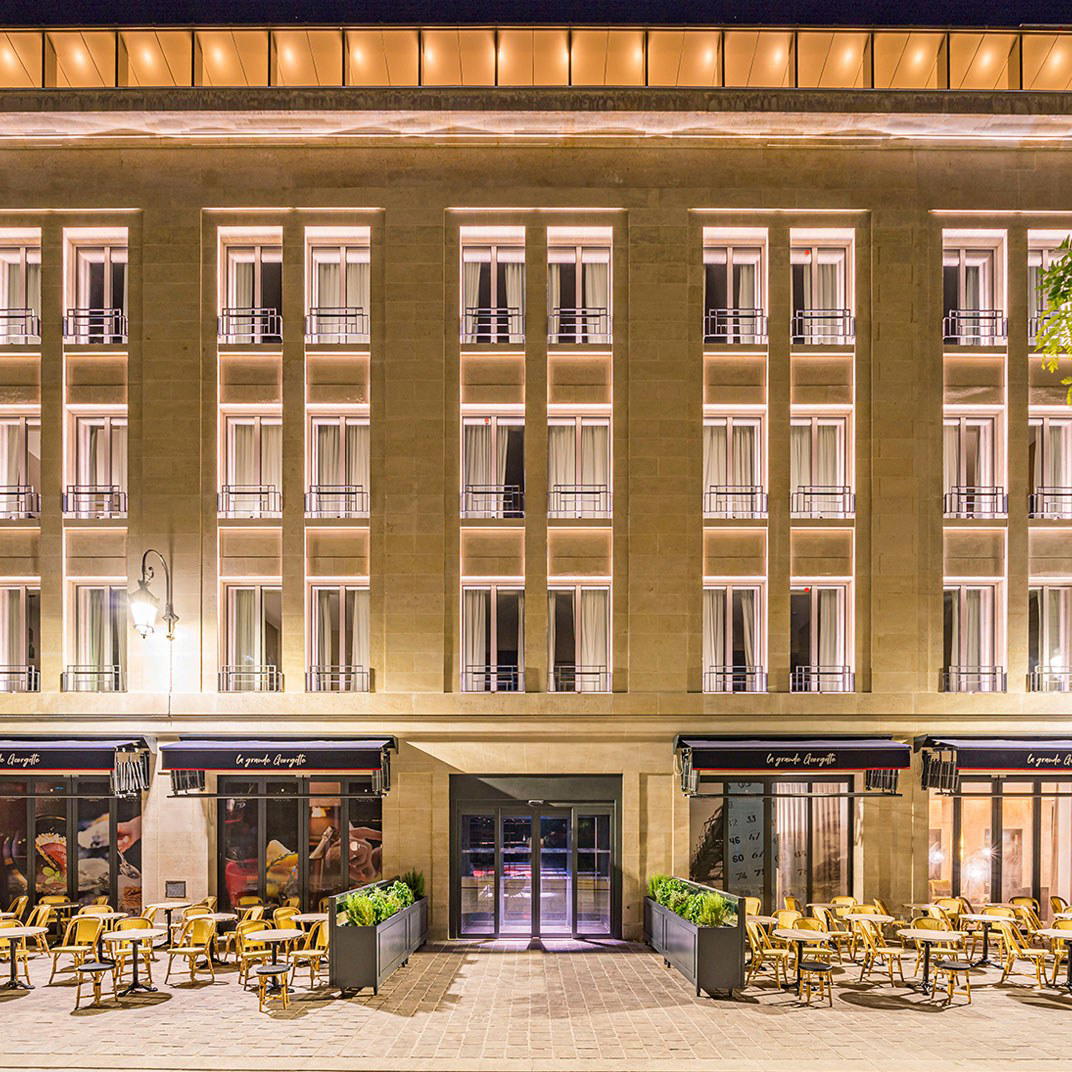
Bars in Reims
Browse all →
Restaurants in Reims
Browse all →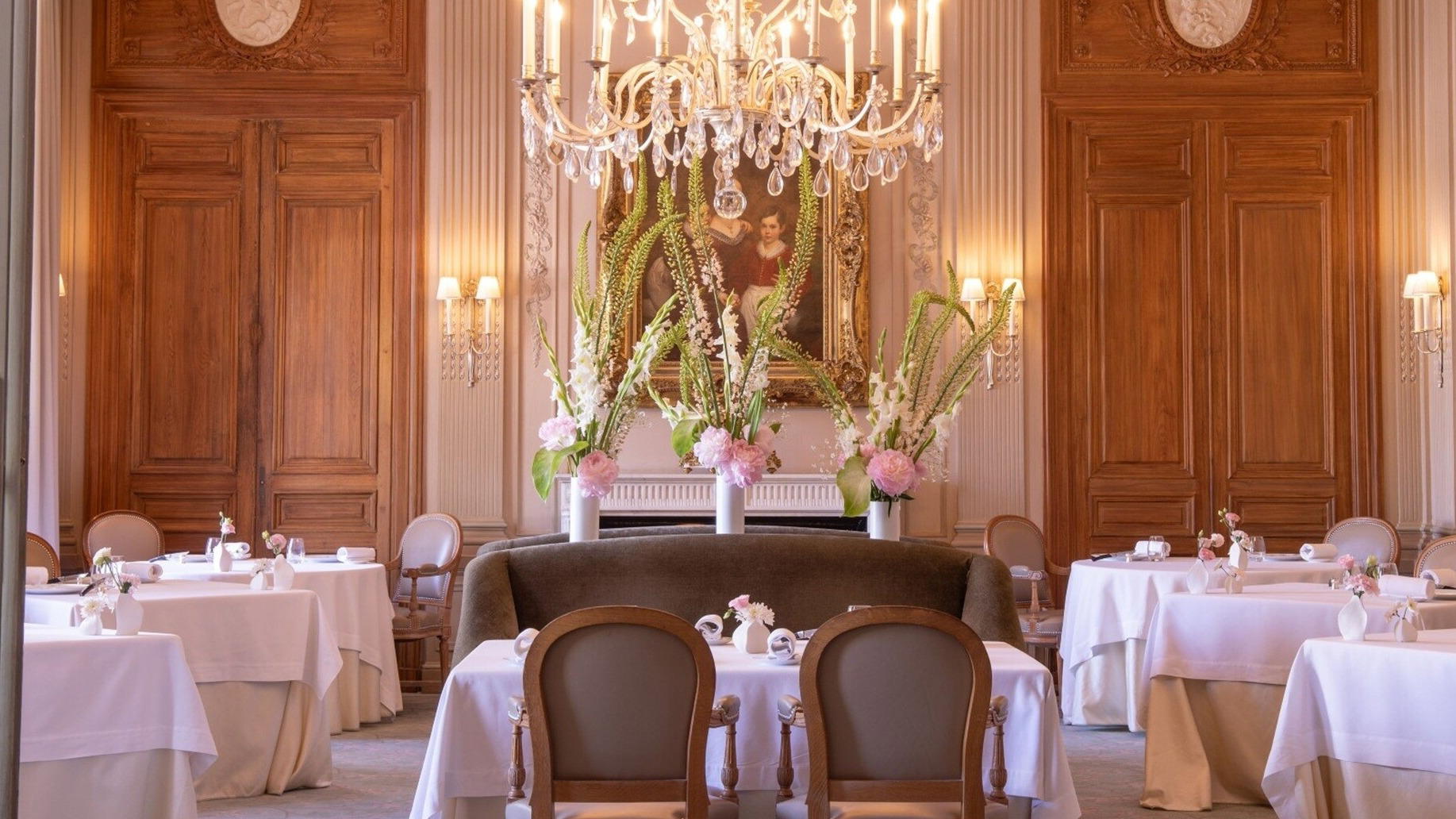
At a Glance
- Romantic
- Elegant
- Sophisticated
- Classic
- Romantic Getaway
- Honeymoon
- Anniversary
- Celebration
- Garden
- Terrace
- Historic Building
- Destination Spa
- Private Dining
- Spa
- Restaurant
- Bar
- Wi Fi
- Parking
- Air Conditioning
- Room Service
- Concierge
- Laundry Service
- Garden
- Golf Course
- Tennis
- Garden
- Spa
- Restaurant
- Bar
- Wi Fi
- Parking
- Air Conditioning
- Room Service
- Concierge
- Laundry Service
- Garden
- Golf Course
- Tennis
Elegant and refined with antique furnishings, ornate chandeliers, and classical décor throughout; intimate and romantic with polished attention to detail.
Know Before You Go
- Getting there
- 64 Bd Henry Vasnier, 51100 Reims