A. Margaine
A. Margaine is a grower Champagne producer in Villers-Marmery, a village on the Montagne de Reims whose chalk-dominant soils give the appellation's Pinot Meunier and Chardonnay a distinctive mineral tension. Visitors approaching through the Marne Valley find a producer whose wines read as direct arguments for terroir transparency.
Pearl is the En Primeur Club membership app — saves, bookings, and concierge access live there. Same editors, same standards.
- Address
- 3 Av. de Champagne, 51380 Villers-Marmery
- Phone
- +33 3 26 97 92 13
- Website
- champagnemargaine.com
- Directions
- Get directions
 Saves & bookings on Pearl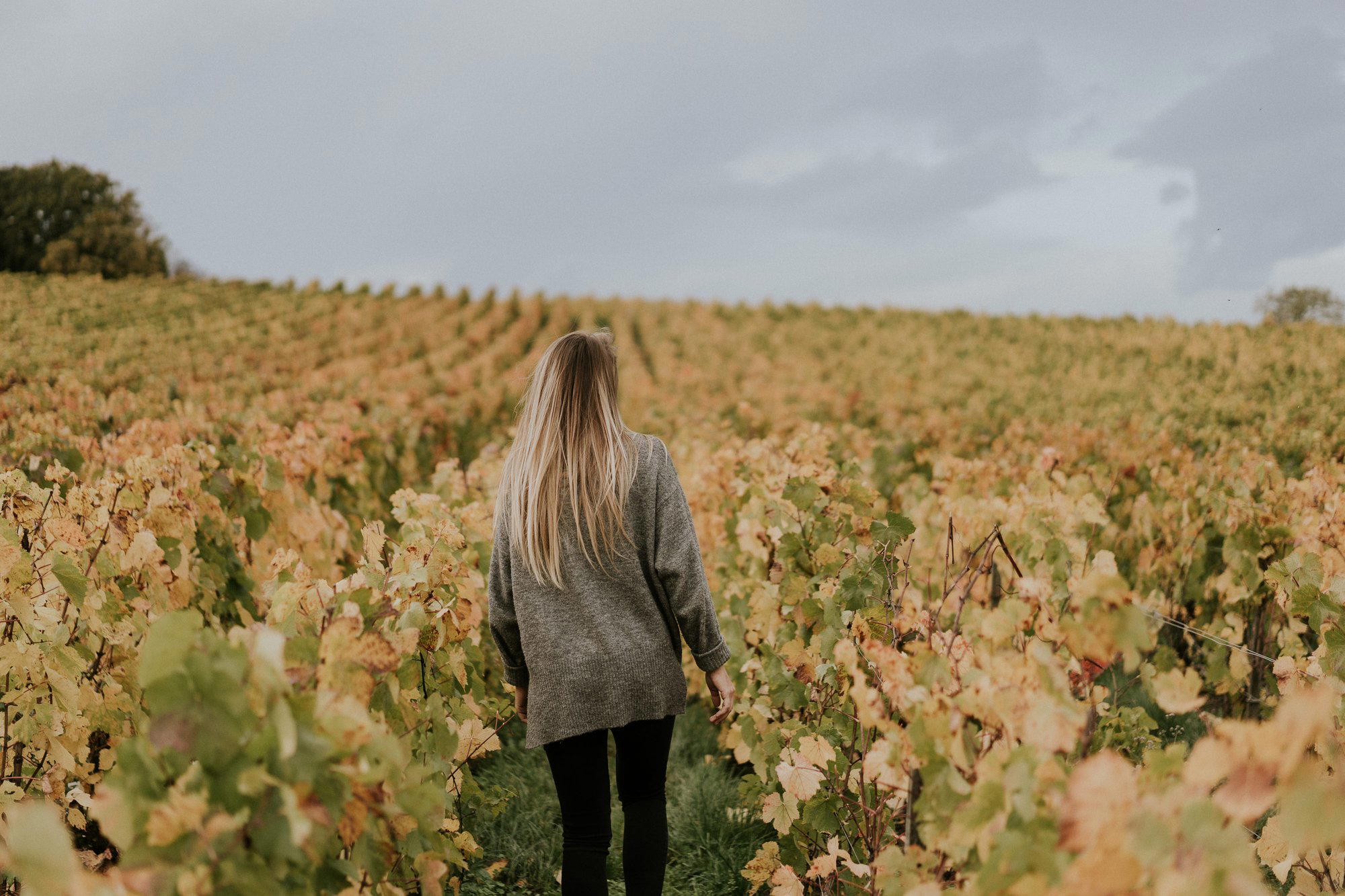
Chalk, Elevation, and the Argument for Villers-Marmery
The Montagne de Reims is rarely discussed as a single entity, because it isn't one. Its southern and eastern flanks behave like different appellations entirely, shaped by aspect, elevation, and the precise composition of the chalk beneath the topsoil. Villers-Marmery sits on the eastern edge of that ridge, at an altitude that slows ripening relative to the warmer, south-facing grand cru villages further west. That delay is not a disadvantage. It is the reason wines from this corner of Champagne carry a tension that warmer-grown fruit cannot replicate. A. Margaine, based at 3 Avenue de Champagne in the village, operates squarely within that argument: that place, read carefully and farmed accordingly, produces Champagne that neither blending across zones nor formula-driven vinification can approximate.
Villers-Marmery is classified as a premier cru village, a designation that already separates it from the broader Montagne appellation in terms of the attention its fruit commands. But classification alone explains little about what makes this specific terrain legible in the glass. The chalk subsoil here is the common thread linking Champagne's most analytically discussed wines, providing both excellent drainage and a slow mineral exchange with vine roots that translates, through careful winemaking, into a saline, almost tactile quality in finished wine. Domaines working from this kind of site have an advantage that cannot be manufactured in the cellar.
A. In practical terms, that means the domaine has cleared a bar that many larger Champagne houses, with their cross-regional blending strategies, are structurally unable to meet. The comparison set here is not négociant Champagne. It is the upper bracket of récoltant-manipulant producers, where names like Albert Boxler in Niedermorschwihr provide a useful parallel from Alsace: small-scale, vineyard-anchored, assessed on the character of specific parcels rather than the marketing of a brand.
For readers who use awards to orient their buying decisions, the 2025 recognition is the clearest signal available for this domaine. It places A. Margaine alongside a group of producers whose work rewards attention. Those who follow grower Champagne closely will recognise the tier. Those newer to the category should treat the rating as a reliable entry point into a style of Champagne that prioritises address over assembly.
Grower Champagne and the Geography of a Village Domaine
The grower Champagne movement reoriented how the category is discussed, shifting critical attention from brand prestige toward the specific qualities of individual villages and plots. Villers-Marmery's eastern Montagne de Reims location puts it in a sub-zone that differs meaningfully from the grand cru villages of Mailly, Verzenay, and Verzy, all of which sit on the ridge's northern exposure and produce darker-fruited, higher-acid Pinot Noir as their primary variety. Villers-Marmery, by contrast, is one of the few Montagne villages where Chardonnay performs with genuine conviction, benefiting from the aspect and altitude in ways that recall the Côte des Blancs without replicating it. The terroir is its own statement.
This distinction matters for understanding what A. Margaine is doing and why the wines read differently from either the standard Montagne profile or the Côte des Blancs archetype. The domaine's position at the eastern end of the ridge gives its fruit a particular set of conditions: enough warmth to ripen fully in good vintages, enough elevation-driven cool to preserve aromatic precision, and chalk beneath the surface to anchor the whole thing in mineral definition. Wine regions with this kind of legible site specificity tend to produce producers worth tracking across vintages, because the terroir itself provides a consistent reference point. For broader context on how French wine regions negotiate their identity through specific villages and classifications, the work of producers like Château Bélair-Monange in Saint-Emilion and Château Batailley in Pauillac offers instructive parallels from Bordeaux, where single-estate identity is similarly constructed around a specific parcel's character rather than regional blending.
Planning a Visit to Villers-Marmery
Villers-Marmery sits east of Reims along the Montagne de Reims plateau, accessible by road from Reims in under thirty minutes. The village is small enough that 3 Avenue de Champagne is direct to locate, and the address places the domaine on the main route through the village. One reliable approach for arranging a visit or purchase enquiry is direct contact through the physical address or through established Champagne merchants who carry grower producers in this tier. Arriving without an appointment is not advised for small domaines of this profile. The Champagne harvest window in September and October brings the region to life but also restricts domaine availability, so spring and early summer visits, when the vines are in early growth and winemaking pressures have eased, tend to offer more access.
For readers building a broader French wine itinerary, the eastern Montagne de Reims pairs logically with a Bordeaux leg. Producers including Château Branaire Ducru in St-Julien, Château Cantemerle in Haut-Médoc, Château Boyd-Cantenac in Cantenac, Château Clinet in Pomerol, Château d'Arche in Sauternes, Château Bastor-Lamontagne in Preignac, Château Dauzac in Labarde, and Château d'Esclans in Courthézon represent a range of appellation styles worth mapping against the Champagne experience. Further afield, Chartreuse in Voiron, Aberlour in Aberlour, and Accendo Cellars in St. Helena round out a comparative picture of how different terroir traditions build identity across France, Scotland, and California.
Side-by-Side Snapshot
Comparable venues nearby, for context on price, style, and recognition.
| Venue | Cuisine | Price | Notes |
|---|---|---|---|
| A. MargaineThis venue — the venue you are viewing | Chardonnay, Pinot Noir | $$$ | Not listed |
| Henriot | Chardonnay, Pinot Noir | $$$ | Reims |
| Veuve Fourny & Fils | Chardonnay, Pinot Noir | $$$ | Blancs-Coteaux |
| King Family Vineyards | Winery | Not listed | Crozet |
| Domaine Billaud-Simon | Chardonnay | $$$ | Chablis |
| Marie Brizard | Cabernet Sauvignon, Merlot | $$$ | Charenton-le-Pont |
Continue exploring
More in Villers-Marmery
Wineries in Villers-Marmery
Browse all →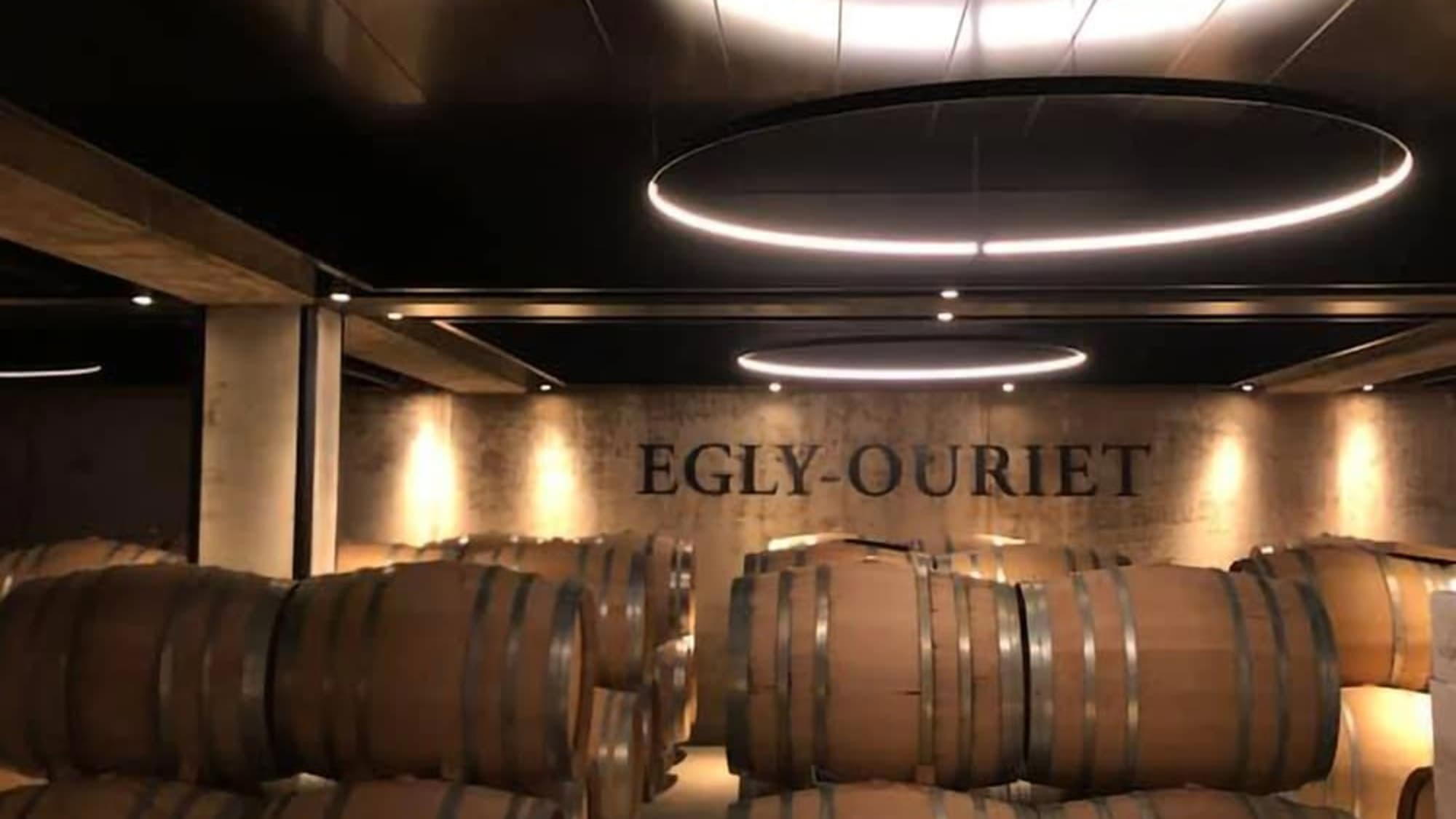
Bars in Villers-Marmery
Browse all →
Restaurants in Villers-Marmery
Browse all →
At a Glance
- Rustic
- Intimate
- Elegant
- Scenic
- Wine Education
- Solo Exploration
- Special Occasion
- Vineyard Tour
- Cave Tasting
- Estate Grounds
- Sustainable
- Vineyard
- Champagne Premier Cru
- Chardonnay
- Pinot Noir
- Sparkling
- Still White
- Still Rosé
- Guided Tasting
- Winemaker Tasting
Authentic family atmosphere with warm, personal welcomes, instructive cellar visits, and intimate tastings highlighting fresh, crisp Champagnes.