Château Canon La Gaffelière


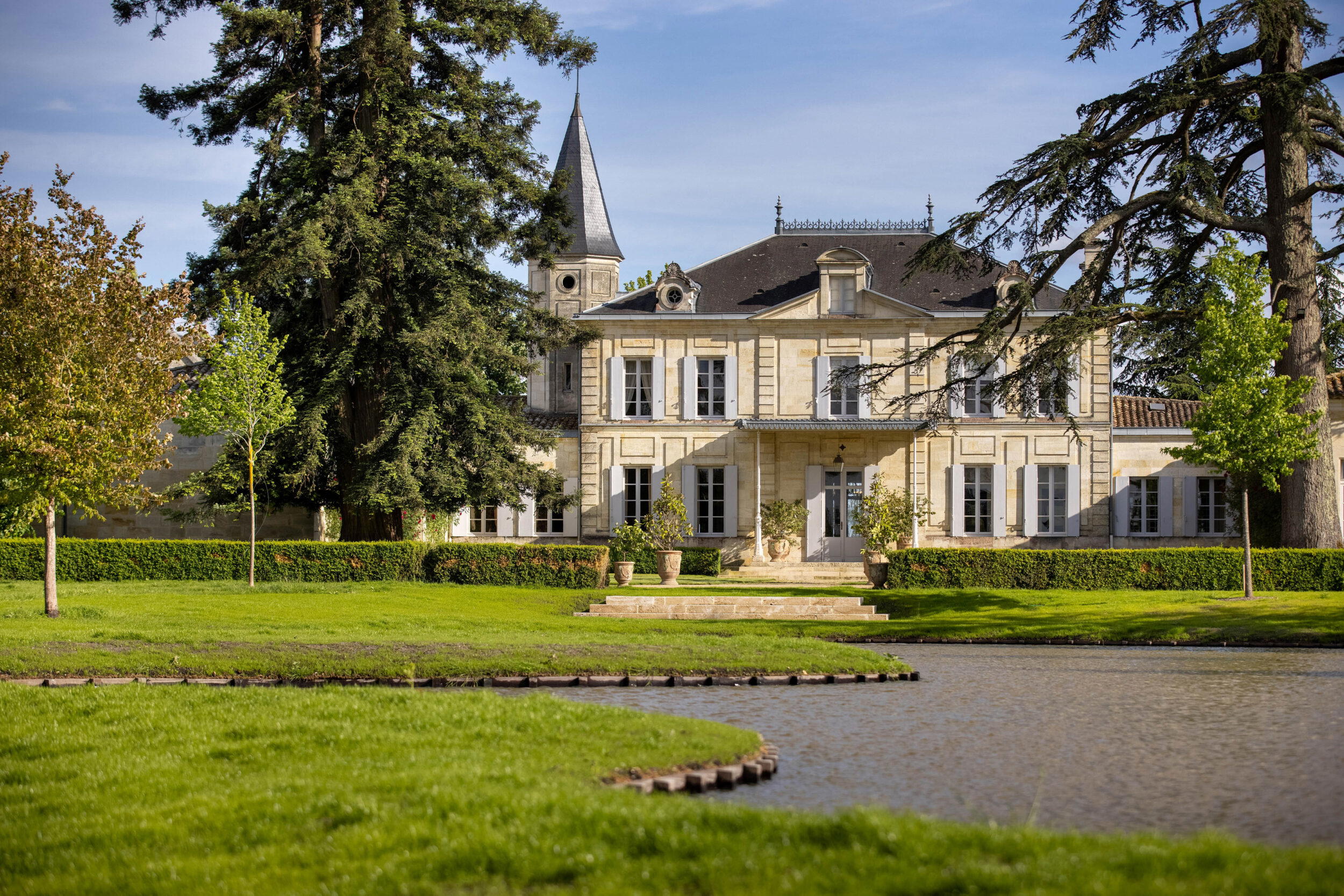
Château Canon-la-Gaffelière sits on the limestone and clay soils below Saint-Émilion's plateau, where the von Neipperg family has built one of the appellation's most closely watched estates. Visits are best timed to the cooler months, when the cellar programme is in full swing and the estate's barrel work is most visible.
Pearl is the En Primeur Club membership app — saves, bookings, and concierge access live there. Same editors, same standards.
- Address
- 1166 Route de la Gare, 33330 Saint-Émilion
- Phone
- +33 5 57 24 71 33
- Website
- neipperg.com
- Directions
- Get directions
 Saves & bookings on Pearl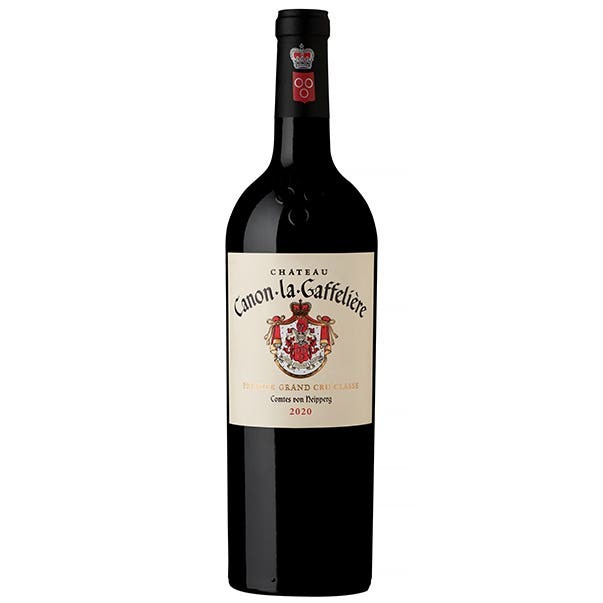
Below the Plateau: Saint-Émilion's Limestone Terroir and What Happens After the Harvest
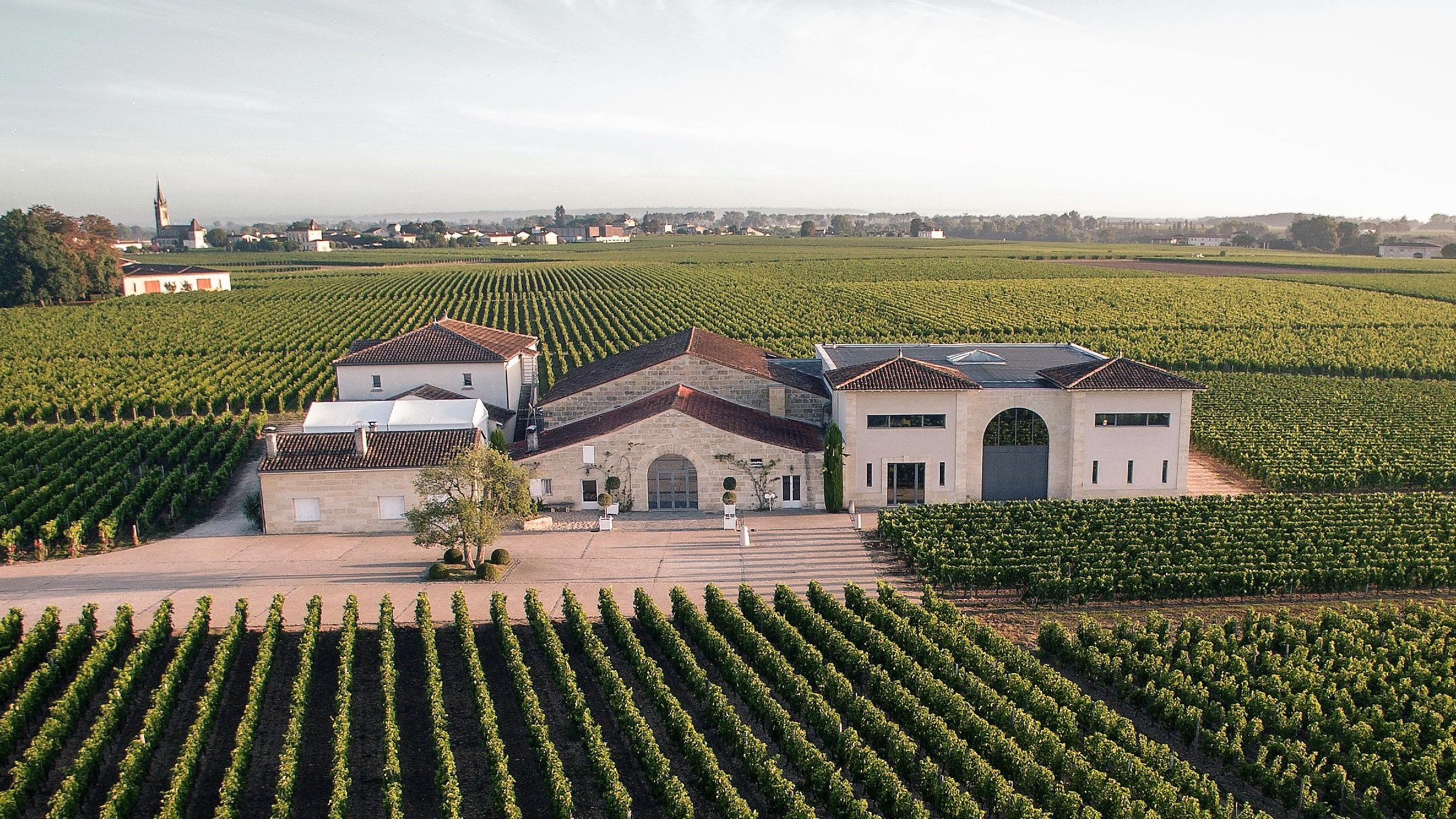
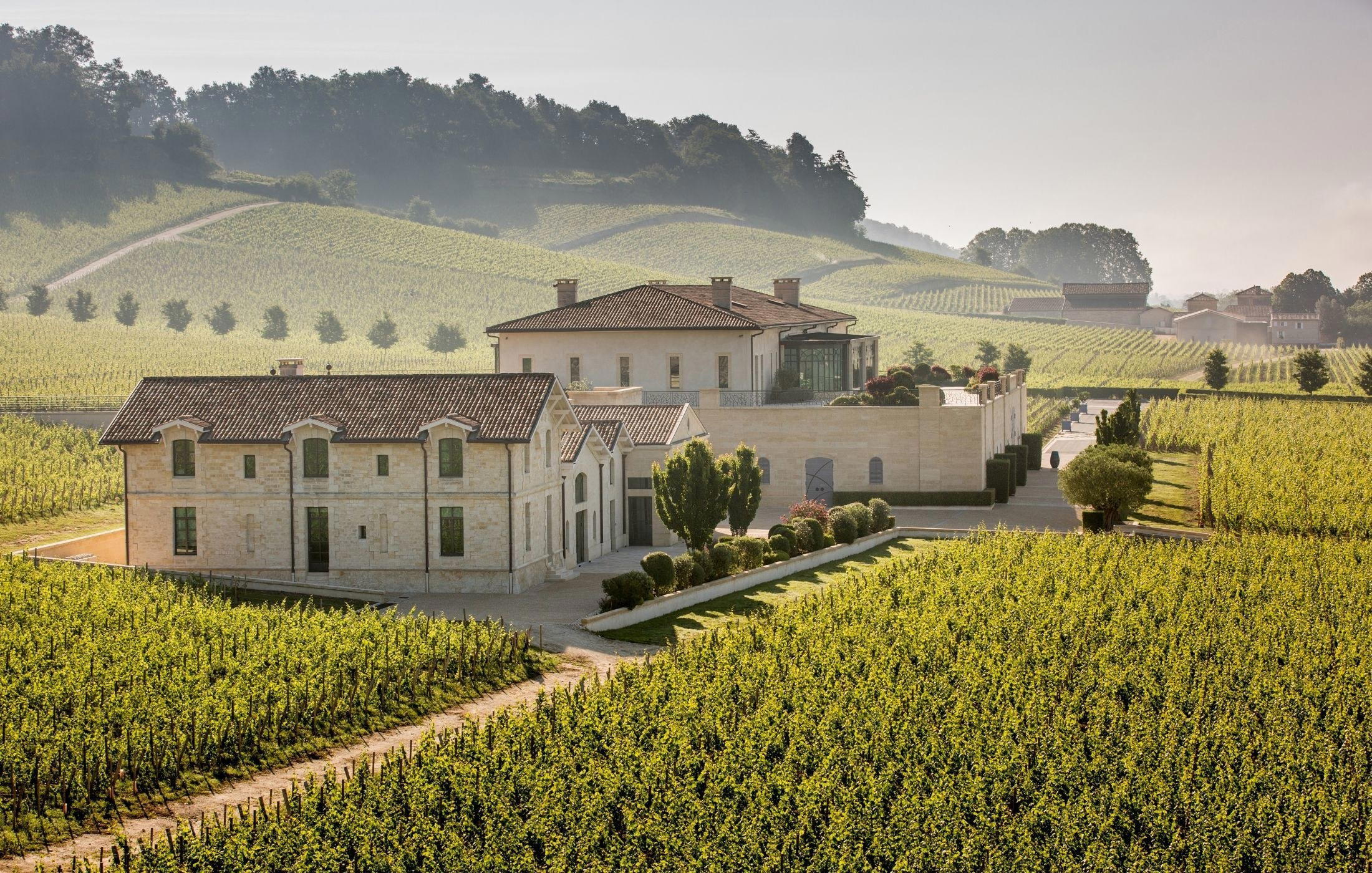
The road from the medieval town of Saint-Émilion down toward the railway line passes through a gradual shift in geology. The plateau's pure limestone gives way to a mixed band of clay and limestone foothills, and it is here, along the Route de la Gare, that some of the appellation's most carefully managed estates operate. The physical transition matters: these foot-of-slope parcels capture drainage from the plateau above while retaining enough clay to moderate the vine's water stress through the growing season. Château Canon-la-Gaffelière sits at address 1166 on that road, and understanding the wine starts with understanding where the vines sit in that geological sequence.
In the broader Saint-Émilion classification system, estates at this altitude occupy a middle position between the plateau Grand Crus closest to the church and the flatter, sandier soils further south.
The Cellar Programme: Barrel Work as Editorial Statement
In Saint-Émilion's most ambitious estates, the decisions made between harvest and bottling carry as much weight as anything that happens in the vineyard. The question of how long a wine spends in oak, what proportion of new barrels is used, and how blending trial results translate into a final assemblage defines the stylistic identity of a property across decades. At estates of Canon-la-Gaffelière's tier, these decisions are not incidental; they are the primary argument the winery makes about its identity.
Winemaker Stephan von Neipperg guides the cellar here, and his approach is more legible through the wines' track record than through any single vintage. The von Neipperg family's wider portfolio in the appellation, including Château La Mondotte, one of Saint-Émilion's most allocated micro-cuvées, establishes a house style that tends toward precision and mid-palate density rather than extraction for its own sake. Within that framework, Canon-la-Gaffelière functions as the larger-production counterpart: a wine made with cellar rigour but available in quantities that make it accessible to the broader en primeur market.
The aging programme at this level of the classification typically involves a blend of new and once-used barrels, with the new oak proportion calibrated vintage by vintage depending on the concentration and structure of the raw material coming out of fermentation. Estates that overshoot on new oak in warm years tend to produce wines that read as heavy in their youth and never quite resolve the wood. The more interesting question for any Grand Cru Classé in this tier is whether the barrel selection is being used to frame the terroir or to compensate for it, and Canon-la-Gaffelière's consistent recognition suggests the former.
Peer Context: Where Canon-la-Gaffelière Sits in the Appellation
Saint-Émilion's classification has been a source of legal and commercial friction for years, with the 2022 reclassification eventually annulled and a revised process launched. Within that contested framework, estates at Canon-la-Gaffelière's level occupy an interesting position: their market value is partly determined by the official classification tier and partly by the independent critical consensus that has, in some cases, diverged sharply from it. Properties like Château Le Tertre Roteboeuf and Château Peby Faugères have built premium reputations outside the formal hierarchy, demonstrating that recognition from bodies like EP Club and international critics can carry independent weight.
For buyers approaching the en primeur market, this creates a useful distinction. An estate. That matters when making allocation decisions, particularly in vintages where the formal classification and independent critical scores diverge. Canon-la-Gaffelière's position in this comparable set makes it a property worth tracking across releases rather than buying episodically. For a broader view of the appellation's drinking options, our full Saint-Émilion guide maps the range from entry-level Grands Crus through to the Premier Grand Cru Classé tier.
Seasonal Timing and Cellar Visits
The cooler months between November and March represent one instructive window for visiting Saint-Émilion's working estates. This is when the cellar programme is fully active: barrels are topped, rackings are scheduled, and blending trials begin in earnest. An estate at Canon-la-Gaffelière's production level will typically be conducting comparative tastings from barrel during this period, and for buyers with existing allocations or trade relationships, this is when the conversation about a vintage's trajectory can be most useful.
Spring en primeur week, generally in late March or early April, compresses that access into a two-week window when estates across the appellation open for professional tastings. The wines are at their most raw during this period, and reading them accurately requires some experience with barrel samples rather than finished wine. For less experienced buyers, autumn visits to taste recently released vintages from bottle tend to produce more actionable impressions. The address at 1166 Route de la Gare is accessible from Saint-Émilion town by car in under ten minutes, and the estate sits close enough to peers like Château Larcis Ducasse and Château Bélair-Monange to make a half-day itinerary across three estates practical.
Buyers interested in comparing Saint-Émilion's cellar approach against other French regions can extend their research to estates like Albert Boxler in Niedermorschwihr or consider how sweet wine programmes at estates like Château Coutet and Château Bastor-Lamontagne in Preignac handle their own barrel ageing decisions. The Médoc comparison is also instructive: properties like Château Batailley in Pauillac, Château Branaire Ducru in St-Julien, and Château Cantemerle in Haut-Médoc work with Cabernet-dominant blends where the oak integration challenge differs structurally from Saint-Émilion's Merlot-led assemblages. Further afield, Accendo Cellars in St. Helena and Château Boyd-Cantenac in Cantenac offer useful reference points for how barrel programmes translate across different Cabernet traditions, while the spirit ageing approach at Chartreuse in Voiron and Aberlour in Aberlour illustrates how wood contact decisions extend across fermented and distilled categories.
Planning a Visit
Château Canon-la-Gaffelière is located at 1166 Route de la Gare, 33330 Saint-Émilion. The estate's appointment-only visits should be arranged in advance.
Comparable Options
Comparable venues nearby, for context on price, style, and recognition.
| Venue | Cuisine | Price | Notes |
|---|---|---|---|
| Château Canon-la-GaffeliereThis venue — the venue you are viewing | Merlot, Cabernet Franc | $$$ | Not listed |
| Château Angelus | Merlot, Cabernet Franc | $$$$ | Saint-Emilion |
| Château TrotteVieille | Merlot, Cabernet Franc | $$$$ | Saint-Emilion |
| Château Valandraud | Merlot, Cabernet Franc | $$$$ | Saint-Emilion |
| Château Pavie Macquin | Merlot, Cabernet Franc | $$$$ | Saint-Emilion |
| Château Coutet | Merlot, Cabernet Franc | $$$$ | Saint-Emilion |
Recognition history
Dated appearances from independent guides and award organizations, with the underlying list record or original source where available.
Falstaff Winery - 4 Stars
Falstaff
Michelin 1 Grape
Michelin
Continue exploring
More in Saint-Émilion
Wineries in Saint-Émilion
Browse all →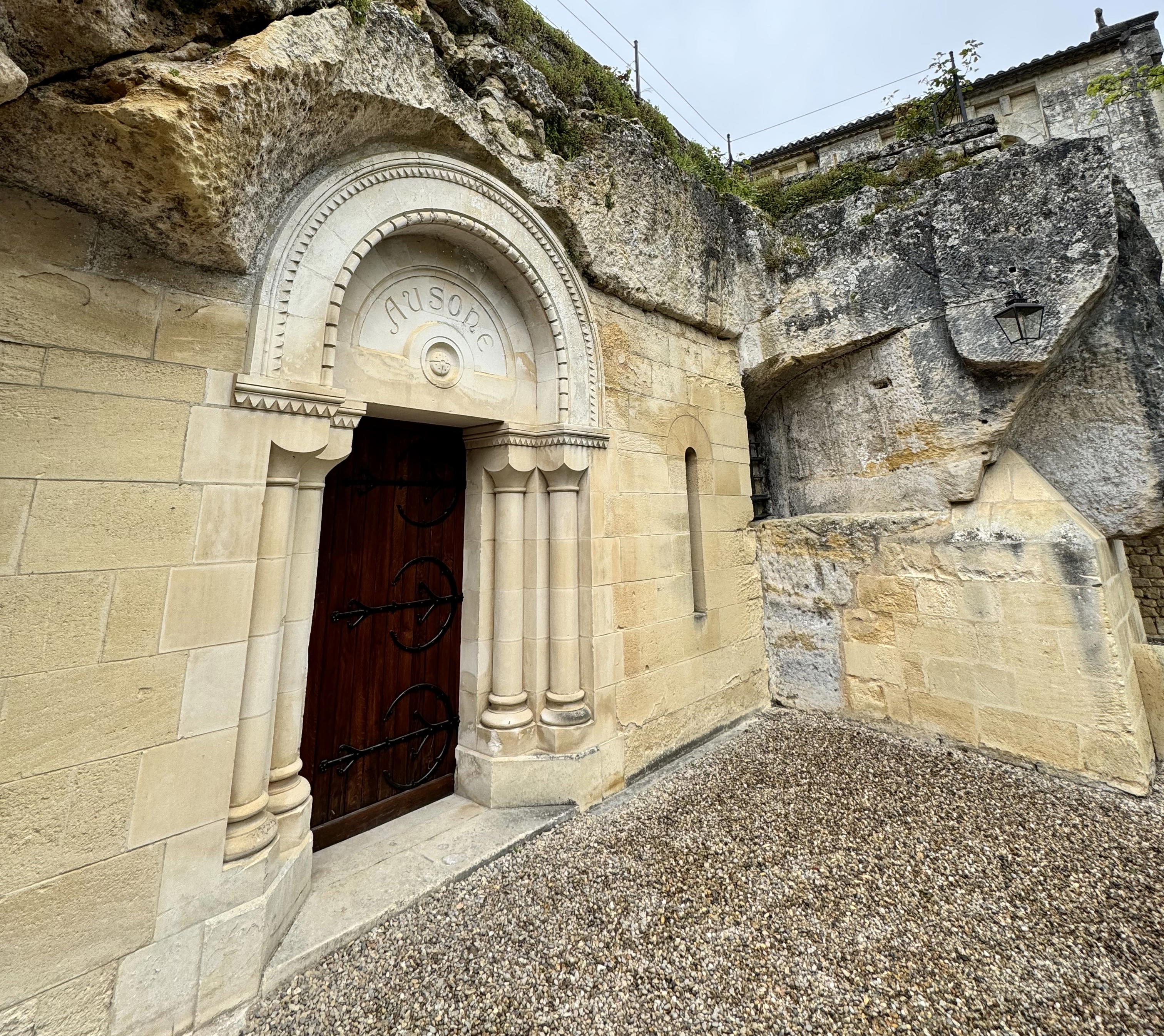
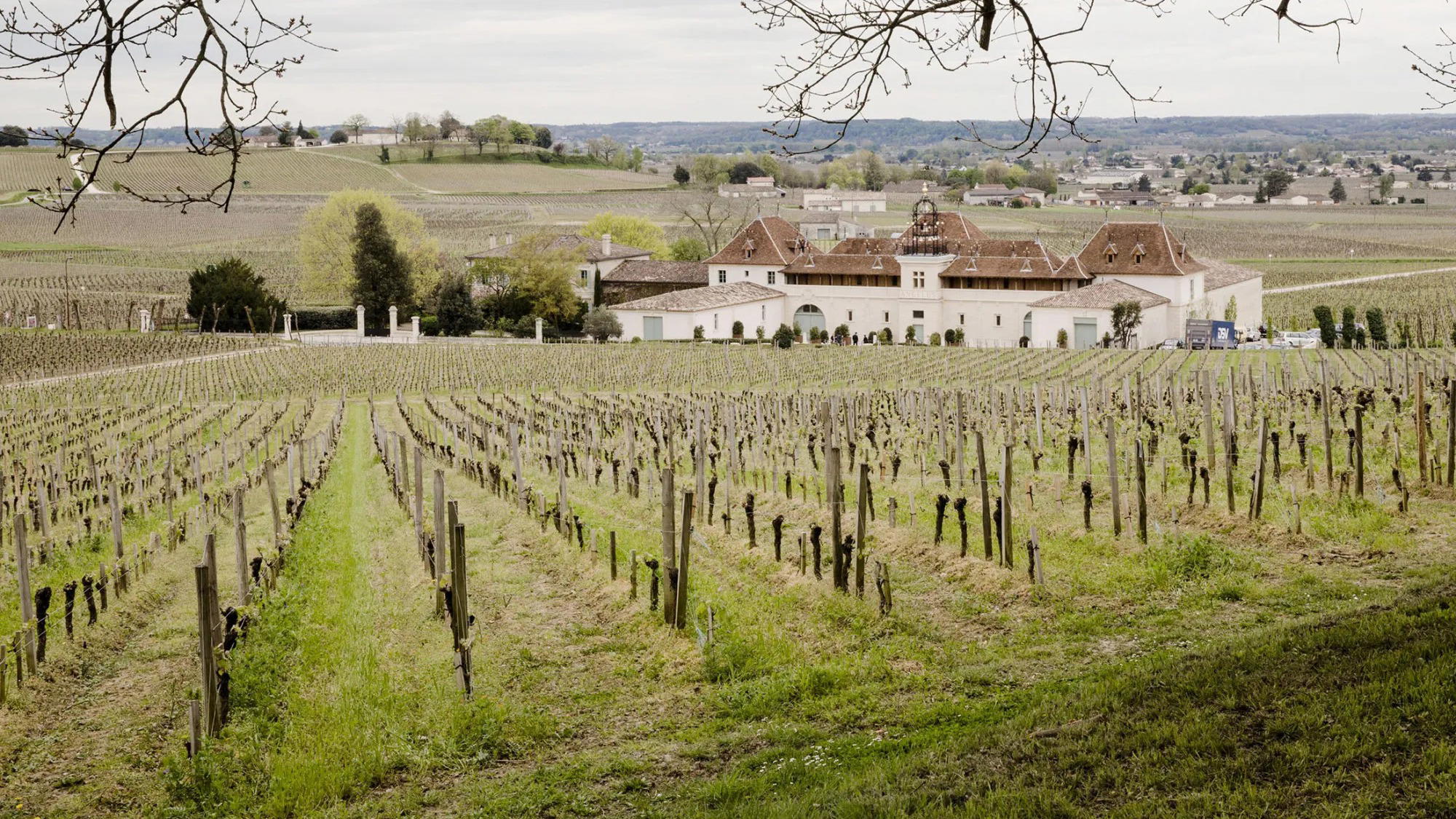
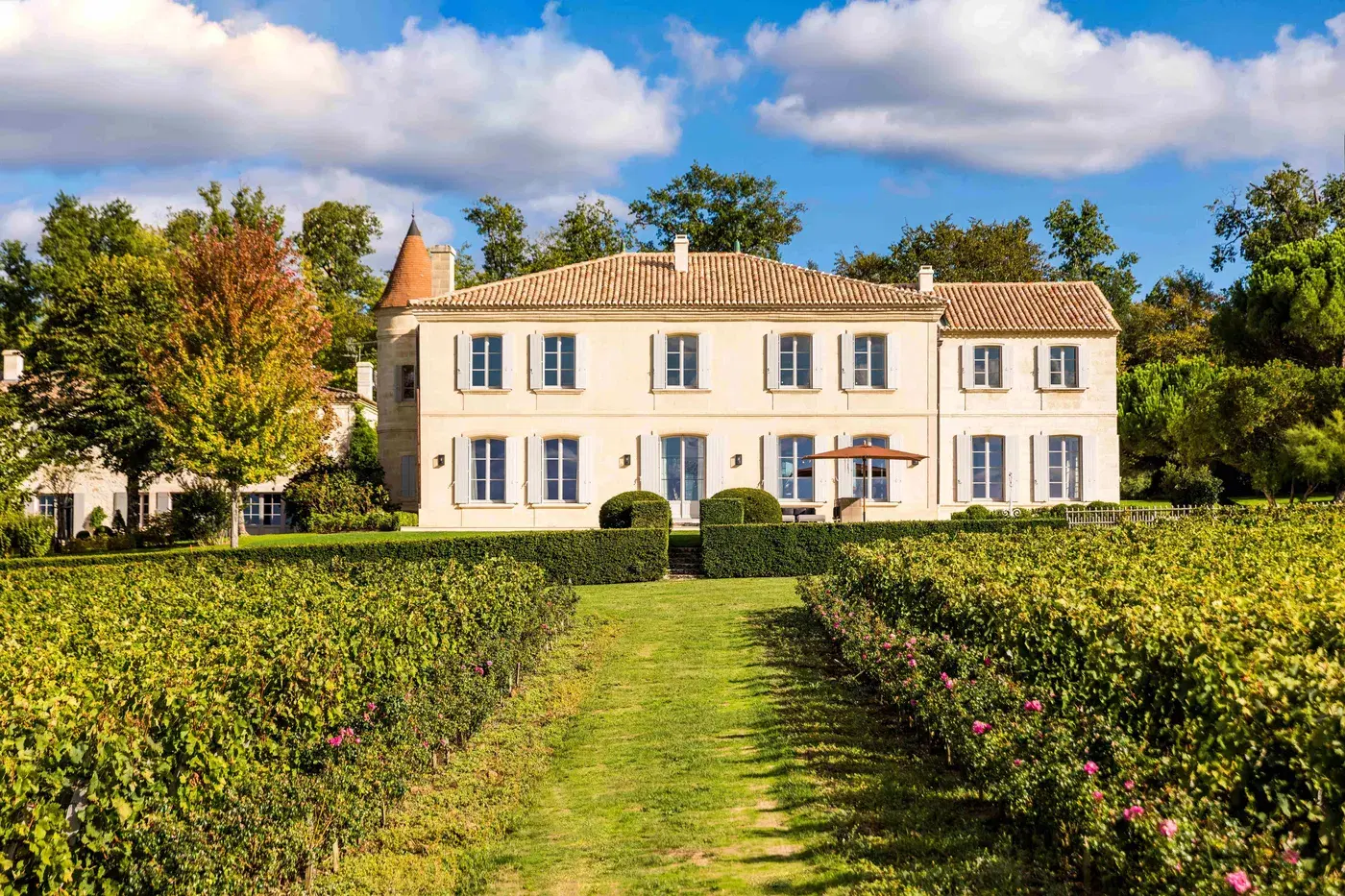
Bars in Saint-Émilion
Browse all →
Restaurants in Saint-Émilion
Browse all →
At a Glance
- Elegant
- Classic
- Scenic
- Sophisticated
- Wine Education
- Romantic Getaway
- Special Occasion
- Vineyard Tour
- Estate Grounds
- Historic Building
- Organic
- Vineyard
- Saint Émilion
- Merlot
- Cabernet Franc
- Cabernet Sauvignon
- Still Red
- Terroir Tasting
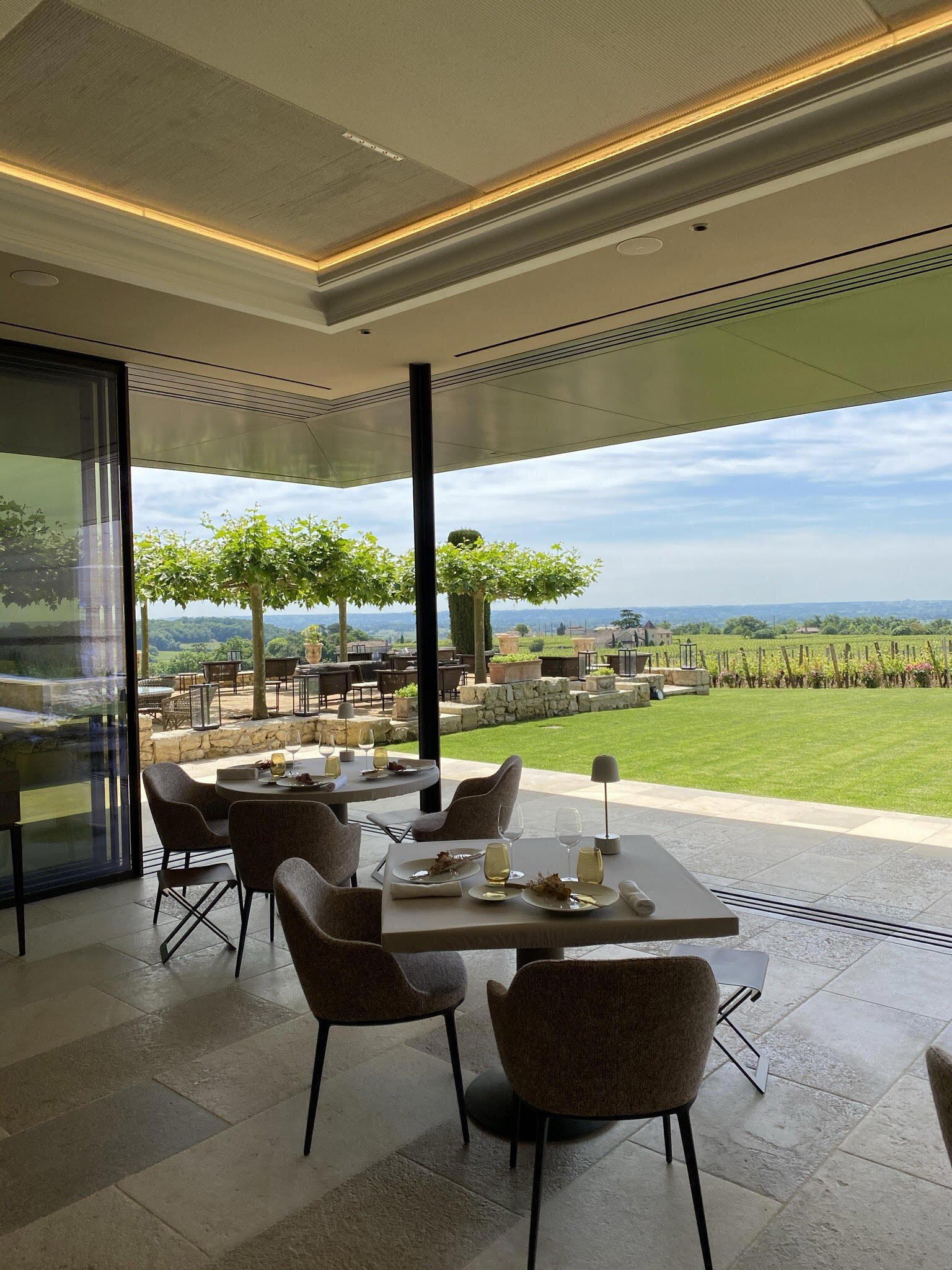
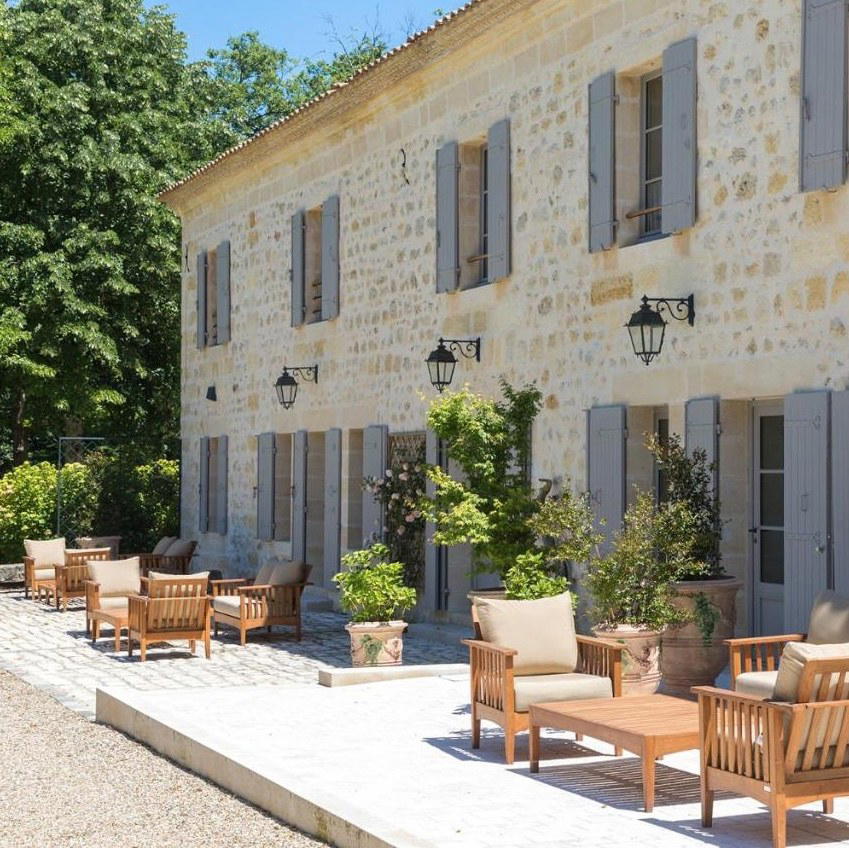
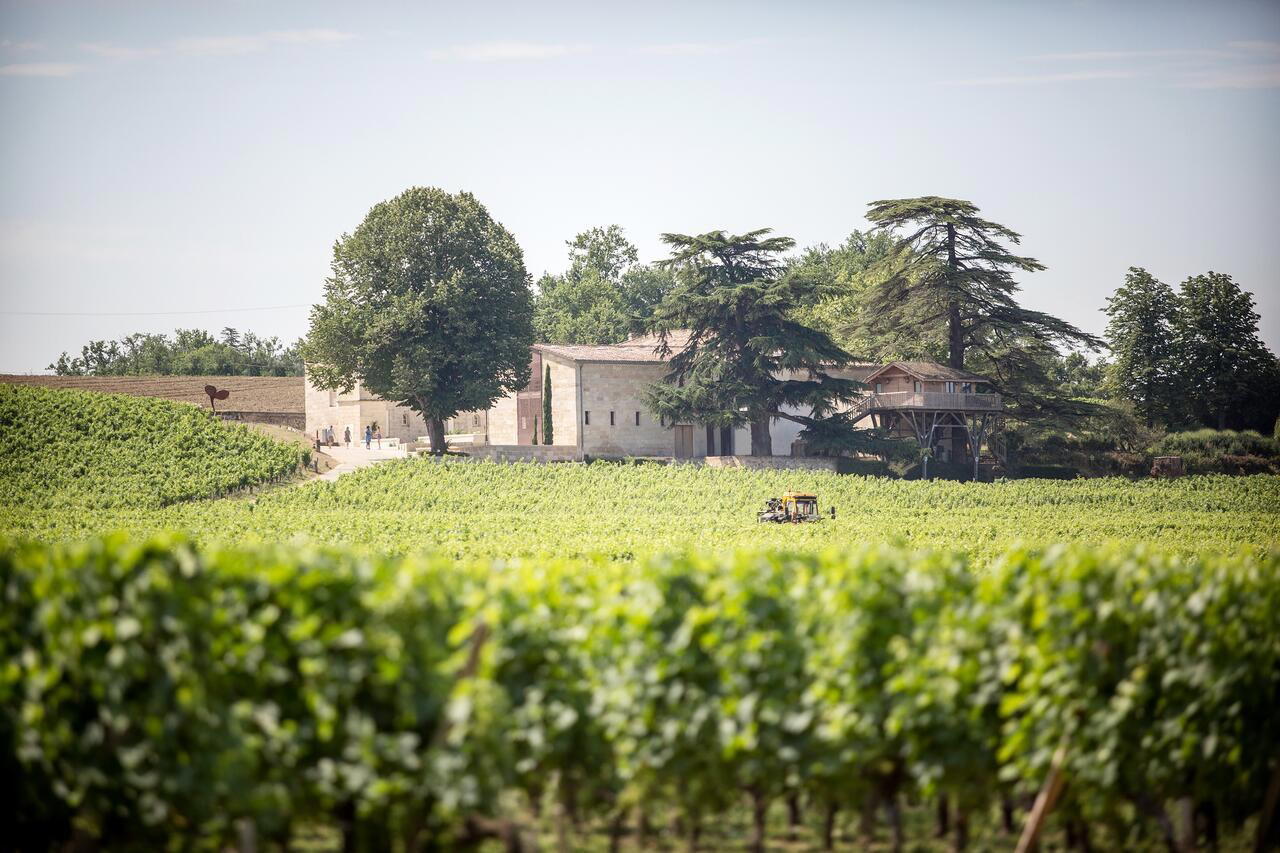
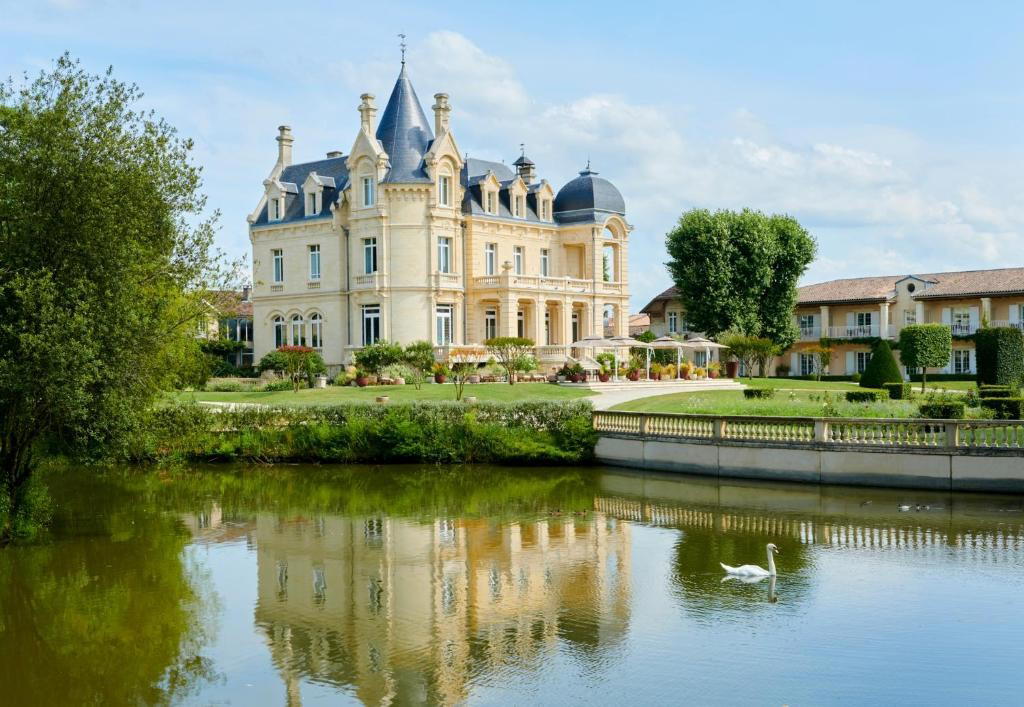
Historic château with a beautiful tasting room located in the former vat house, featuring tall glass vases displaying soil composition from different terroir plots, set at the foot of the Saint-Émilion plateau with views of the medieval village.