
Tabelog 100 #43
Our verdict
Yoshikawa occupies a considered position within Kyoto's Nakagyo Ward dining scene, where the sourcing traditions of classical Japanese cuisine meet a neighbourhood defined by centuries of culinary craft.

Pearl is the En Primeur Club membership app, where members save venues, book tables and use the concierge.
The menu
What to order
- Tempura assortment
- Kakiage tempura
- Tempura kaiseki course
Nakagyo Ward and the Ingredient Logic Behind Kyoto's Formal Dining
Kyoto's reputation as Japan's foremost city for classical cuisine rests less on technique alone and more on a sourcing philosophy that predates modern restaurant culture by several centuries. The city sits within reach of Nishiki Market, the Kyoto basin's fertile agricultural belt, and coastal access points that funnel prized ingredients inward. Nakagyo Ward, where Yoshikawa operates along the Tominokoji corridor, has historically concentrated the kind of establishments that treat ingredient provenance as the primary editorial statement of any meal. In this neighbourhood, what arrives on the table is inseparable from where it came from and when it was harvested.
That sourcing logic is what separates Kyoto's formal dining tier from comparable cities. Where Tokyo's top-tier restaurants, including counters like Harutaka in Tokyo, often emphasise technical precision as the primary selling point, Kyoto's tradition frames technique as subordinate to the ingredient itself. The seasonal calendar governs everything: the first matsutake of autumn, the earliest takenoko shoots in spring, the precise window for ayu sweetfish from Kyoto's rivers. Restaurants that operate within this framework are, in effect, making a claim about their supply relationships before any dish reaches the table.
Yoshikawa Inside a Tiered Competitive Set
Within Nakagyo Ward and the broader Kyoto dining scene, Yoshikawa occupies a position that becomes clearest through comparison. The city's kaiseki and formal Japanese dining category includes a range of formats and price tiers. At the upper register sit venues like Gion Sasaki, Hyotei, Kikunoi Honten, and Mizai, all operating at the ¥¥¥¥ tier with Michelin recognition or equivalent critical standing. Isshisoden Nakamura represents a different axis of the same tradition, emphasising historic lineage within the city's formal dining hierarchy. Yoshikawa sits within the Tominokoji stretch of Nakagyo, a corridor that has long served as a connective thread between the city's mid-range and premium dining registers.
The Tominokoji address carries its own signal. Streets in Nakagyo Ward that run parallel to the Kamo River have historically housed both the working establishments feeding Kyoto's craftspeople and the more refined rooms serving the city's merchant and temple-adjacent clientele. That layered neighbourhood character means a restaurant's placement here is as much a statement about audience as it is about price point.
For context on the broader Kansai dining picture, HAJIME in Osaka represents the region's more avant-garde formal dining pole, while akordu in Nara shows how European technique can be applied within a similar ingredient-first discipline. The peer comparison extends further when you consider how Japan's formal dining culture scales across cities, from Goh in Fukuoka to 1000 in Yokohama and even 6 in Okinawa, each anchored by a distinct regional ingredient logic that mirrors what Kyoto does with its basin produce.
The Sourcing Tradition That Defines This Address
Tominokoji's position in Nakagyo places it within walking distance of Nishiki Market, the covered arcade that has supplied Kyoto's kitchens for roughly 400 years. The market's stalls specialise in Kyoto-specific produce categories: kyo-yasai (heritage Kyoto vegetables including Kamo eggplant, Kujo negi, and Fushimi pepper), fermented goods, tofu products, and fresh fish delivered from Obama on the Sea of Japan coast and Maizuru port. Restaurants that source seriously in this neighbourhood are embedded in supply chains that have been running longer than most culinary traditions in Europe.
That depth of ingredient infrastructure is why Kyoto's formal dining scene has proved more resistant to certain modernising pressures than Tokyo's. When your primary competitive advantage is the quality and seasonality of what arrives from Nishiki or from a trusted mountain farmer in the Kitayama range, the incentive to chase international technique trends is lower. The cooking at Kyoto's serious establishments tends to read as conservative relative to what's happening at places like Atomix in New York City or Le Bernardin in New York City, but that conservatism is a deliberate editorial position, not a limitation.
Seasonal Timing and What It Means for Planning
Kyoto's dining calendar divides more sharply than most cities. Spring (late March through May) is the most competitive booking period, when sakura season drives visitor volume and the takenoko bamboo shoot supply peaks simultaneously. Autumn (October through November) runs a close second, with matsutake mushroom season and the Arashiyama foliage crowds adding pressure across the formal dining tier. Anyone planning a serious Kyoto dining itinerary should treat these windows as requiring reservations three to four months in advance at minimum, and should consider whether the shoulder months of June or September offer more accessible booking conditions without sacrificing seasonal ingredient quality.
Planning Your Visit: Yoshikawa in Context
| Venue | Neighbourhood | Price Tier | Cuisine Type | Booking Lead Time |
|---|---|---|---|---|
| Yoshikawa | Nakagyo Ward, Tominokoji | Not confirmed | Japanese (traditional) | Confirm directly |
| Gion Sasaki | Gion | ¥¥¥¥ | Kaiseki, Japanese | Several months |
| Hyotei | Okazaki | ¥¥¥¥ | Kaiseki, Japanese | Several months |
| Kikunoi Honten | Higashiyama | ¥¥¥¥ | Kaiseki, Japanese | Several weeks to months |
| Mizai | Central Kyoto | ¥¥¥¥ | Kaiseki, Japanese | Several months |
For a complete orientation to Kyoto's dining, hotel, and cultural options, see our full Kyoto restaurants guide, our full Kyoto hotels guide, our full Kyoto bars guide, our full Kyoto wineries guide, and our full Kyoto experiences guide.
Frequently asked questions
Where exactly is Yoshikawa?
Yoshikawa is located at Japan, 〒604-8093 Kyoto, Nakagyo Ward, 下ル 富小路通り, Kyoto.
Is Yoshikawa a good choice for a special occasion dinner in Kyoto?
Yoshikawa's address on Tominokoji in Nakagyo Ward places it within Kyoto's classical Japanese dining corridor, where the format and pacing are typically suited to occasion dining rather than casual drop-ins. The seasonal structure common to kitchens in this part of the city means the menu reflects what Nishiki Market and surrounding suppliers are offering at that precise moment of the year. Diners with some prior exposure to formal Japanese dining will find the experience more immediately readable, though the tradition itself is well documented for those coming to it fresh.
What do people recommend at Yoshikawa?
Visitors to Yoshikawa consistently highlight the seasonal Japanese cooking that defines the Tominokoji corridor in Nakagyo Ward. Because the menu follows Kyoto's ingredient calendar closely, what you encounter in spring differs substantially from an autumn visit. The proximity to Nishiki Market, which has supplied Kyoto kitchens for roughly four centuries, gives restaurants along this stretch a sourcing advantage that shows up directly on the plate.
How hard is it to get a table at Yoshikawa?
Kyoto's formal dining tier carries significant booking pressure throughout the year, and venues in the Nakagyo Ward corridor are no exception. The spring window from late March through May is the most competitive period, driven by sakura season visitor volumes. If your travel dates fall outside the peak seasons of spring and autumn, lead times tend to shorten, though advance planning is always advisable for any address in this neighbourhood.
A Minimal comparable set
Comparable venues nearby, for context on price, style, and recognition.
| Venue | Cuisine | Price | Awards | Notes |
|---|---|---|---|---|
| YoshikawaThis venue (the venue you are viewing) | Traditional Japanese Tempura Kaiseki | $150–200 | Tabelog 100 #43 | Not listed |
| Restaurant MAEKAWA | Modern Japanese Ryoriya | $200–300 | Not listed | Higashiyama, Modern Japanese Ryoriya |
| Gion Tempura Tensou | Kyoto Seasonal Tempura | $100–150 | Not listed | Higashiyama, Kyoto Seasonal Tempura |
| 葵献心 やま田 | Kaiseki Kyoto Cuisine | $100–150 | Not listed | Shimogamo, Kaiseki Kyoto Cuisine |
| Tominokoji Yamagishi (富小路やま岸) | Kyoto Kaiseki Omakase | $300–500 | Not listed | Nakagyo-ku, Kyoto Cha-Kaiseki |
| é£¯ç° | Classical Kaiseki | $300–500 | La Liste Top Restaurants · Tabelog Gold #9 | Nakagyō, Kyoto Kaiseki |
Recognition history
Dated appearances from independent guides and award organizations, with the underlying list record or original source where available.
Tabelog 100 #43 · No. 43
Tabelog · Tabelog 100 - Tempura - 2025
Continue exploring
More in Kyoto
Restaurants in Kyoto
All restaurants in Kyoto →
Bars in Kyoto
All bars in Kyoto →
Hotels in Kyoto
All hotels in Kyoto →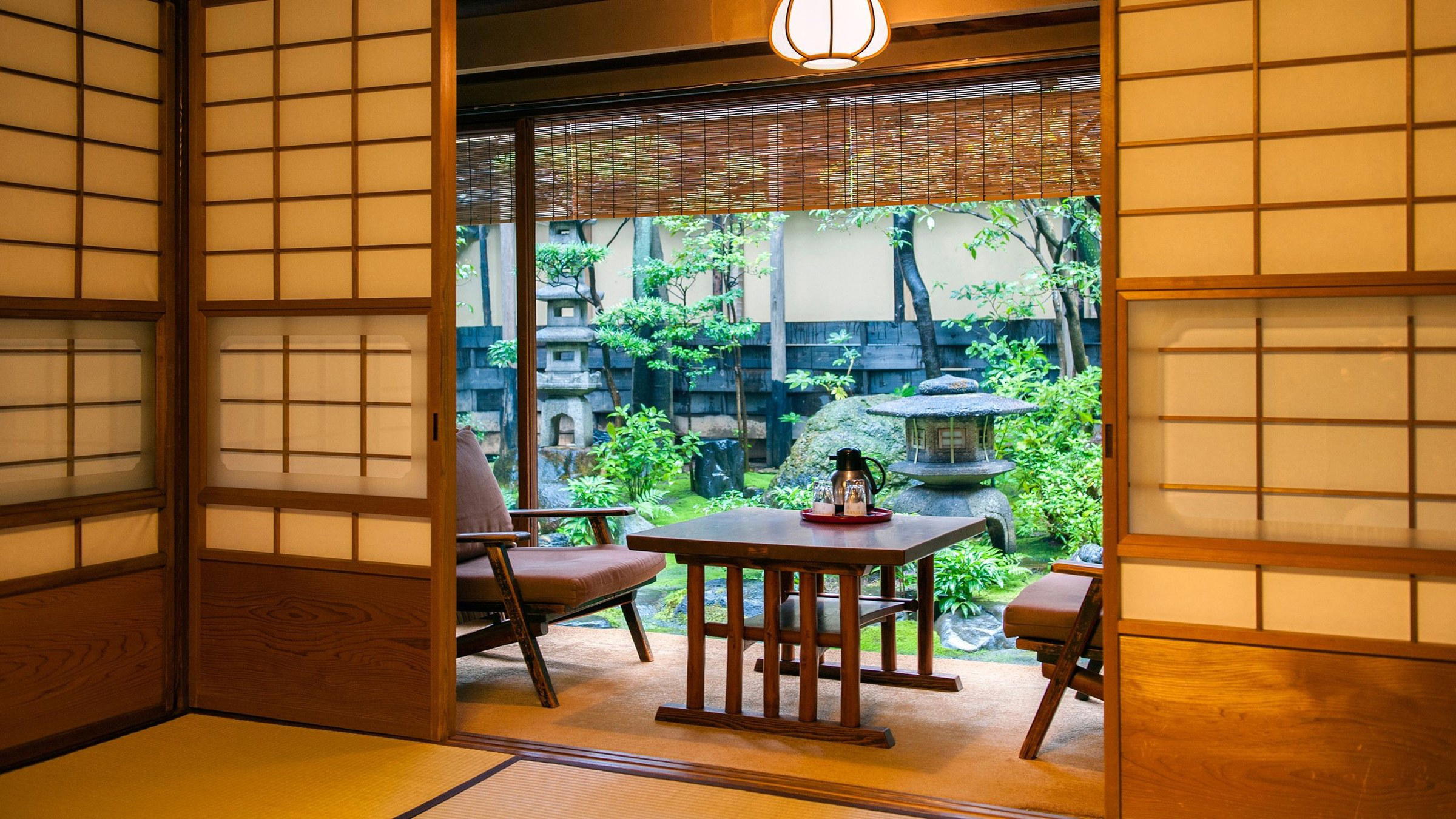
Wineries in Kyoto
Browse all →
Details
- Elegant
- Quiet
- Intimate
- Scenic
- Classic
- Special Occasion
- Business Dinner
- Celebration
- Family
- Chefs Counter
- Private Dining
- Garden
- Historic Building
- Open Kitchen
- Sake Program
- Sommelier Led
- Local Sourcing
- Garden
- Counter Dining
- Set Menu
- Sake
- Wine
- Vegetarian Friendly
- Vegan Options
- Allergy Accommodating
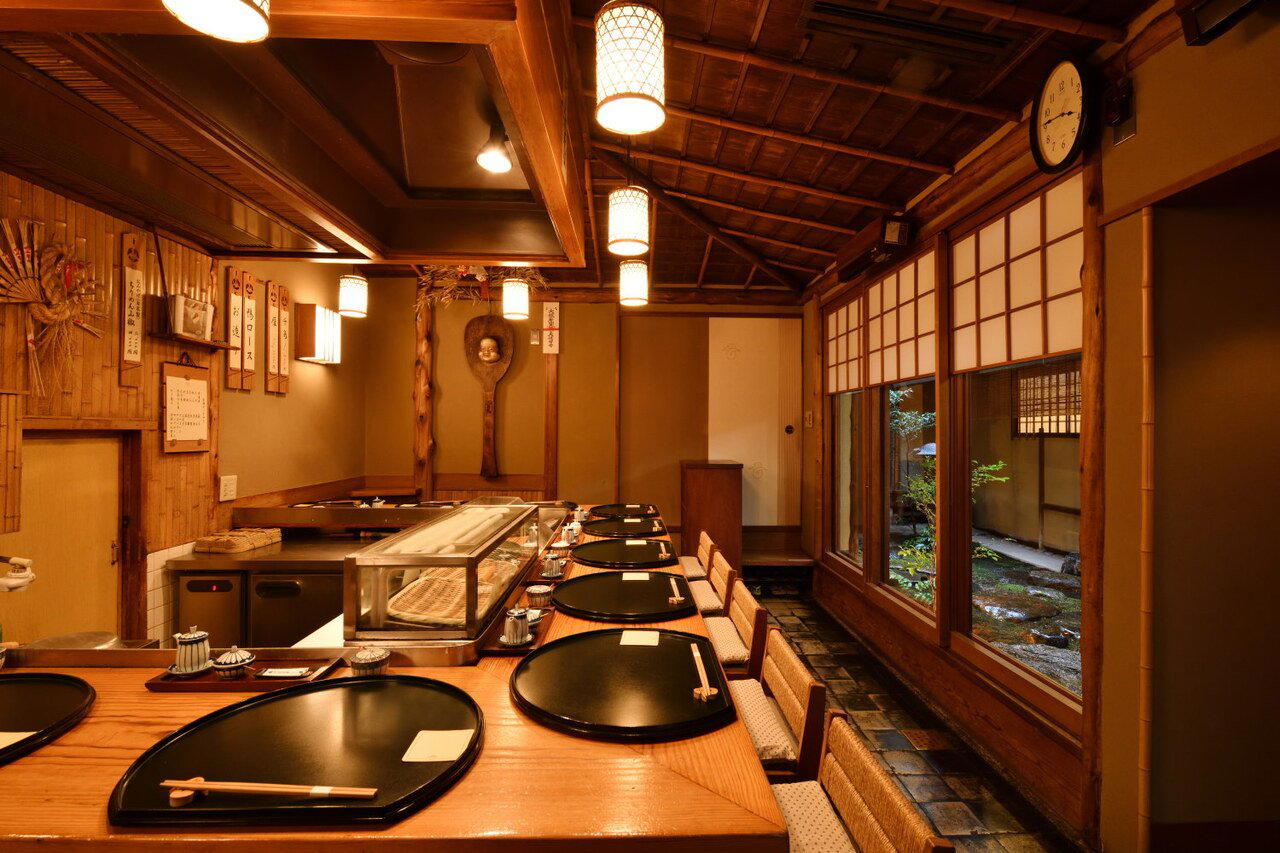
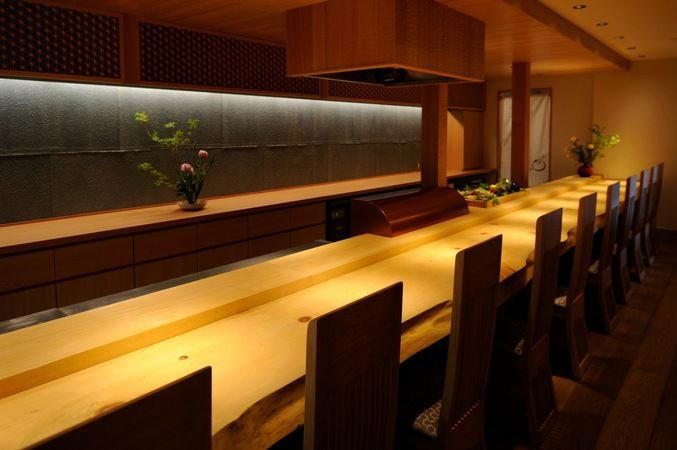
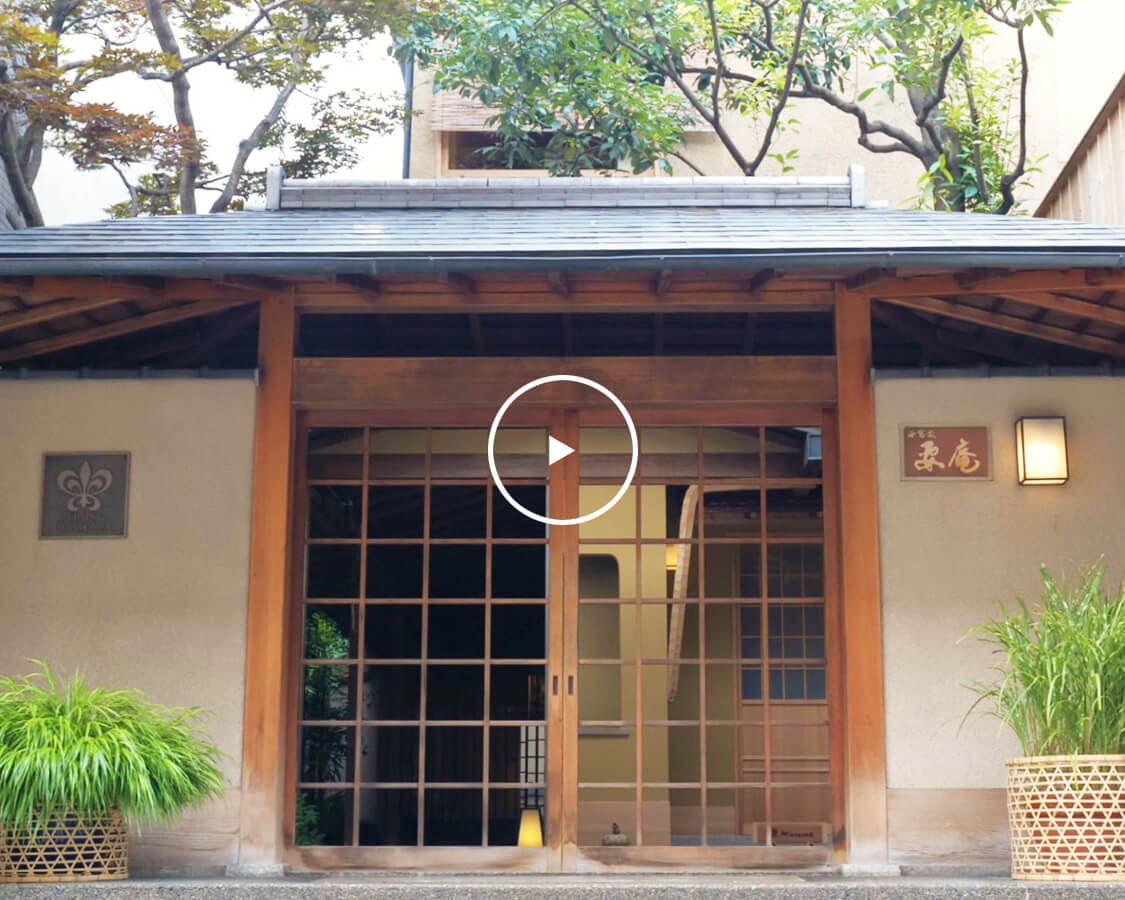
Serene and tranquil atmosphere in a beautifully preserved Taisho-era wooden building with soft lighting, garden views, and traditional Japanese hospitality creating a meditative dining experience.