A tiny nine-plate journey with seasonal twists
 Discover on Pearl
Pearl is the En Primeur Club membership app — saves, bookings, and concierge access live there. Same editors, same standards.
- Address
- Japan, 〒534-0024 Osaka, Miyakojima Ward, Higashinodamachi, 3 Chome−7−1 東シャトービル
- Website
- omakase.in
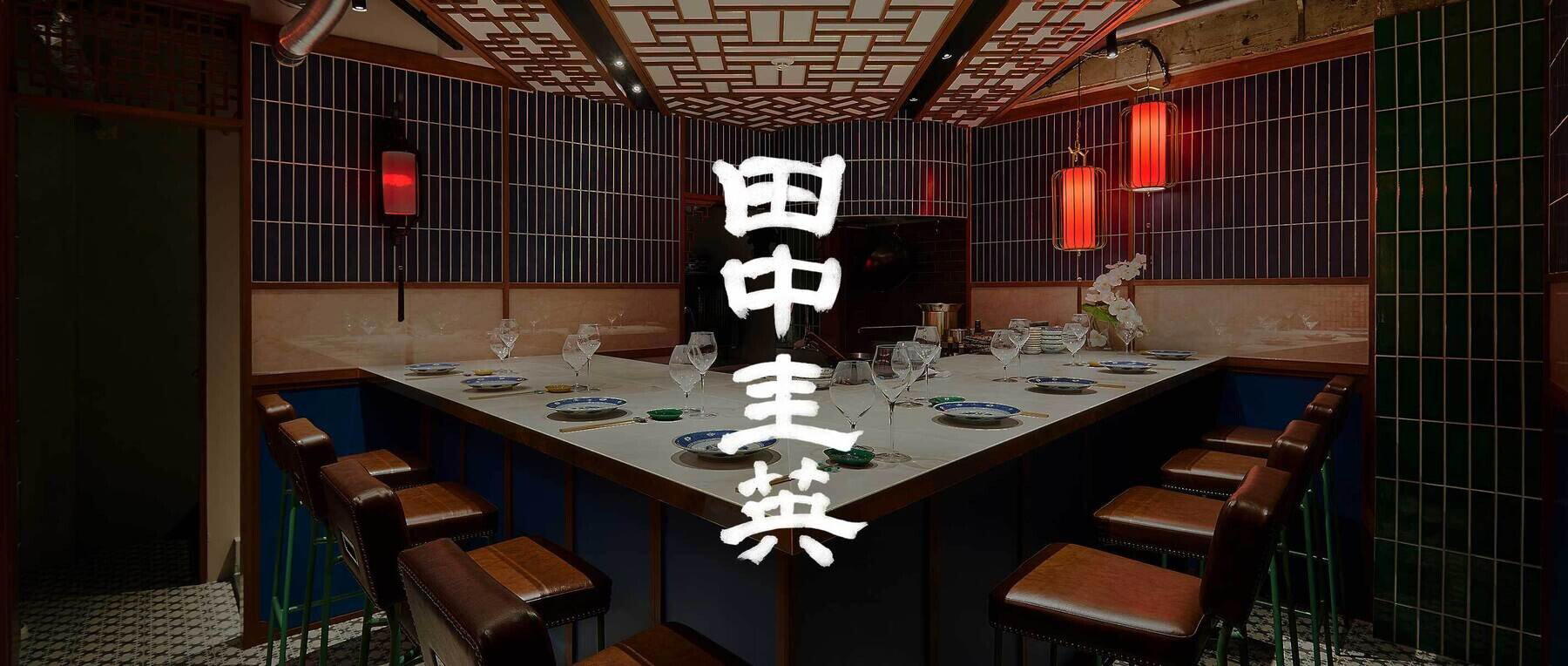
Miyakojima and the Quiet Grammar of Osaka Dining
Miyakojima Ward sits on the eastern bank of the Okawa River, a short distance from the dense commercial corridors of central Osaka. The neighbourhood operates at a different register than Shinsaibashi or Namba: fewer tourists, smaller signage, the kind of blocks where a restaurant earns its reputation almost entirely by word of mouth. It is exactly the sort of district that has historically produced Osaka’s more considered dining addresses, where the cultural weight of kuidaore, the city’s centuries-old identity as a place that spends freely on food, expresses itself in precision rather than volume.
Yoshihide Tanaka is a restaurant in Osaka’s Miyakojima Ward at 3-chome 7-1, Higashinodamachi, in that Miyakojima context. The surrounding streetscape is residential and commercial in roughly equal measure, which is a familiar condition for serious Osaka restaurants that have no interest in location as a marketing device. In a city where dining culture is deeply embedded in neighbourhood life, the address itself communicates something about the register the kitchen is operating in.
The Cultural Weight Behind the Counter
To understand what a restaurant like Yoshihide Tanaka represents in the Osaka scene, it helps to understand how Japanese culinary tradition structures itself around the individual practitioner. The restaurant name here carries the name of a person, which in Japanese dining carries specific implications: it signals that the work is meant to be read as a direct expression of craft lineage, not institutional cuisine. This is a convention that runs from the great kappo houses of Osaka through the high omakase counters of Tokyo and Kyoto, and it places the diner in a particular relationship with the kitchen, one of attention and reciprocal seriousness.
Osaka’s culinary tradition differs from Kyoto’s in a way that visitors often underestimate. Kyoto’s kaiseki vocabulary is built around restraint, seasonality, and the aesthetics of the imperial and temple traditions. Osaka’s parallel tradition, often expressed through kappo, omakase, and the city’s own merchant-class dining culture, is more direct, more oriented toward ingredient quality and generosity, and historically less concerned with the ceremonial framework that surrounds the food. The contrast between these two cities’ approaches to formal dining is one of the most interesting fault lines in Japanese culinary geography, and restaurants operating under a personal name in Osaka tend to position themselves somewhere along that axis.
For comparable expressions of this tradition across the Kansai region and beyond, the work being done at Gion Sasaki in Kyoto and HAJIME in Osaka illustrates how differently two kitchens in the same geographic radius can interpret the same cultural inheritance. Outside the region, Harutaka in Tokyo provides a useful reference point for how the personal-name omakase format plays out at the highest tier of the national scene.
Reading the Osaka Restaurant Hierarchy
Osaka’s restaurant culture is stratified in ways that are not always legible to visitors arriving from outside Japan. The city carries a dense concentration of well-regarded mid-tier counters and a vast informal sector of street-level eating. Within the formal dining tier, restaurants operating under a personal name, as Yoshihide Tanaka does, sit in a distinct subset where the credential of the practitioner and the depth of the booking list tend to matter more than visual identity or social media presence.
Several other Osaka addresses help map the terrain. Ajihei Sonezaki, Ajikitcho Bunbuan, and Aka to Shiro each represent different positions in that formal tier. So do Az and Calendrier. Together they illustrate how Osaka has developed a formal dining culture that is internally diverse, running from French-influenced contemporary kitchens to strictly traditional Japanese formats, without converging on a single dominant aesthetic the way Kyoto’s kaiseki tradition tends to do.
For readers who travel across Japan specifically to eat at this level, comparison addresses worth tracking include akordu in Nara, Goh in Fukuoka, and further afield, 三本松 川島制 in Nanao, 太仸山乃 in Sapporo, and 湖麻庄屋 in Takashima. The Biwako corridor in particular has developed a small cluster of serious kitchens that draw from both Kyoto and Osaka culinary lineages without belonging fully to either. Additional context comes from 山羽屋 in Nishikawa Machi and Birdland in Sakai, which collectively demonstrate how the formal dining circuit extends well beyond Osaka’s city centre.
International Reference Points
The personal-name restaurant format is not exclusive to Japan. In the international context, addresses like Le Bernardin in New York City and Atomix in New York City operate on a comparable logic: the name above the door signals a specific culinary identity that is expected to remain consistent across visits, with the practitioner’s craft reputation functioning as the primary trust signal rather than group affiliation or brand recognition. Atomix is a particularly instructive parallel given its Korean culinary framework and the way it has positioned a non-Western fine dining tradition within the highest tier of a global city’s restaurant hierarchy.
Know Before You Go
| Address | 3-chome 7-1 Higashinodamachi, Miyakojima Ward, Osaka 534-0024 |
|---|---|
| Nearest Transit | Miyakojima Station (Osaka Metro Tanimachi Line) is the closest access point for this part of Higashinodamachi |
| Booking | Reservation essential. |
| Price Range | Premium tier. |
| Hours | Hours not listed. |
| Phone / Website | Not listed. |
Credentials Lens
Comparable venues nearby, for context on price, style, and recognition.
| Venue | Cuisine | Price | Awards | Notes |
|---|---|---|---|---|
| Yoshihide TanakaThis venue — the venue you are viewing | Modern Japanese-Inflected Cantonese | $$$$ | , | |
| 奈良きみや -別邸柘榴(ざくろ)- | Premium Yakiniku - Filet Specialist | $$$$ | , | Kita |
| ハジメ | Modern French-Japanese Fine Dining | $$$$ | , | Nishi |
| Noguchi | Modern Japanese Omakase | $$$$ | , | Kita |
| 上方中華 新瓊 | Chinese | , | Kita | |
| 老松 ひさ乃 | Seasonal Kaiseki | $$$$ | , | Kita |
Continue exploring
More in Osaka Shi
Restaurants in Osaka Shi
Browse all →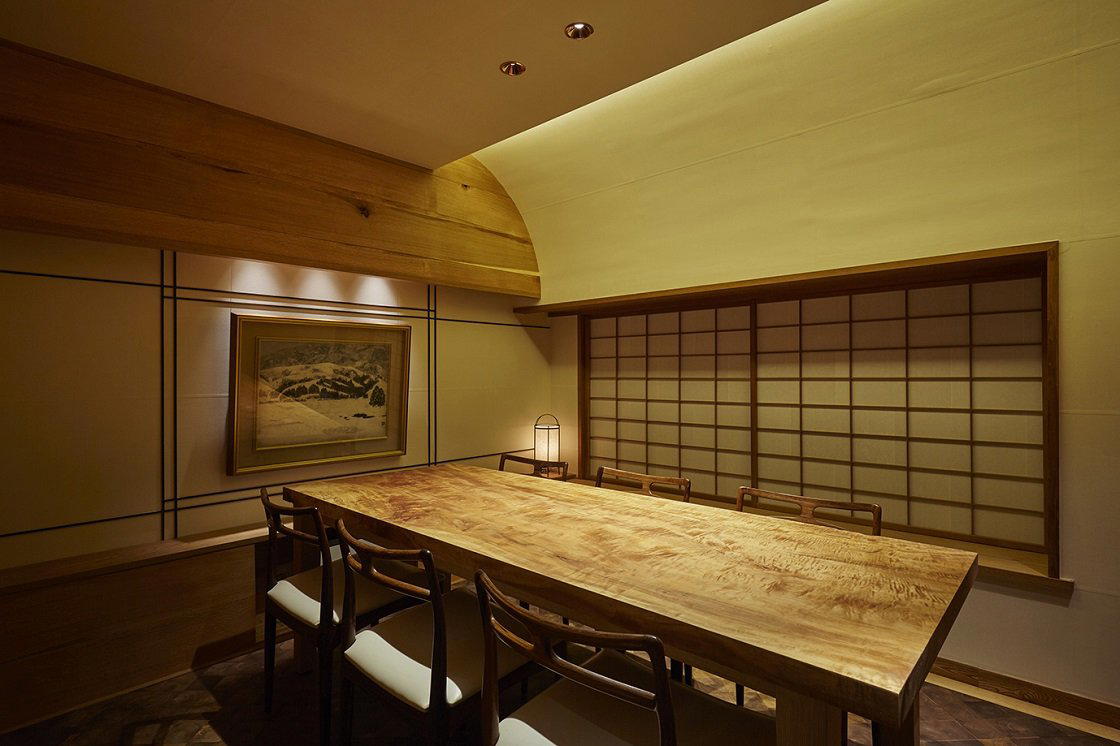



Bars in Osaka Shi
Browse all →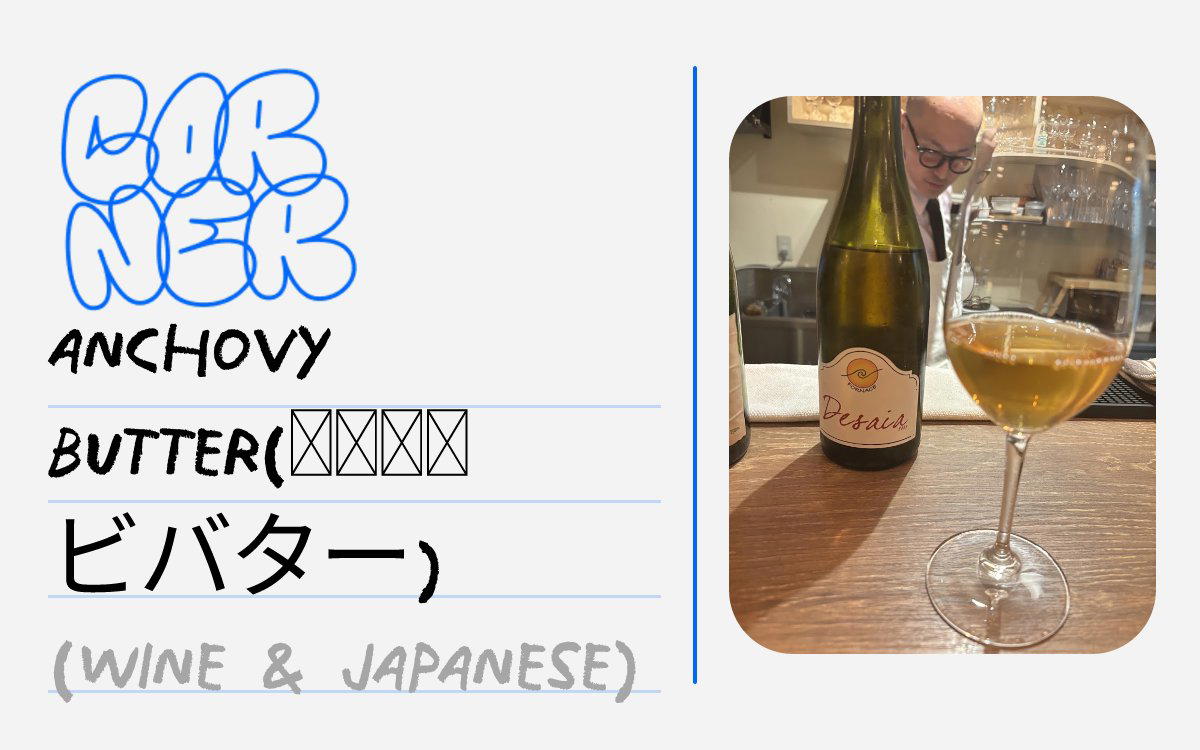
Hotels in Osaka Shi
Browse all →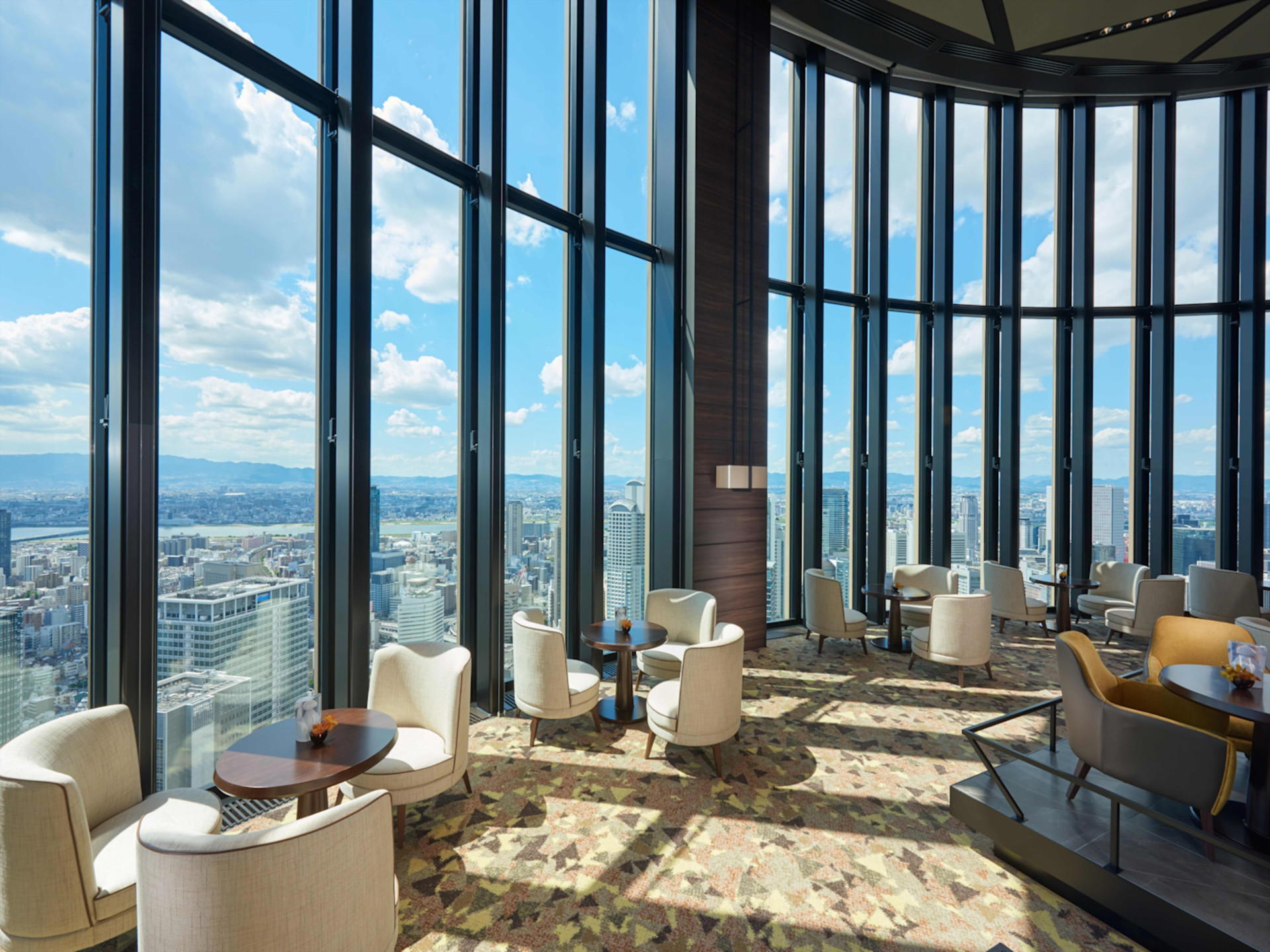




Wineries in Osaka Shi
Browse all →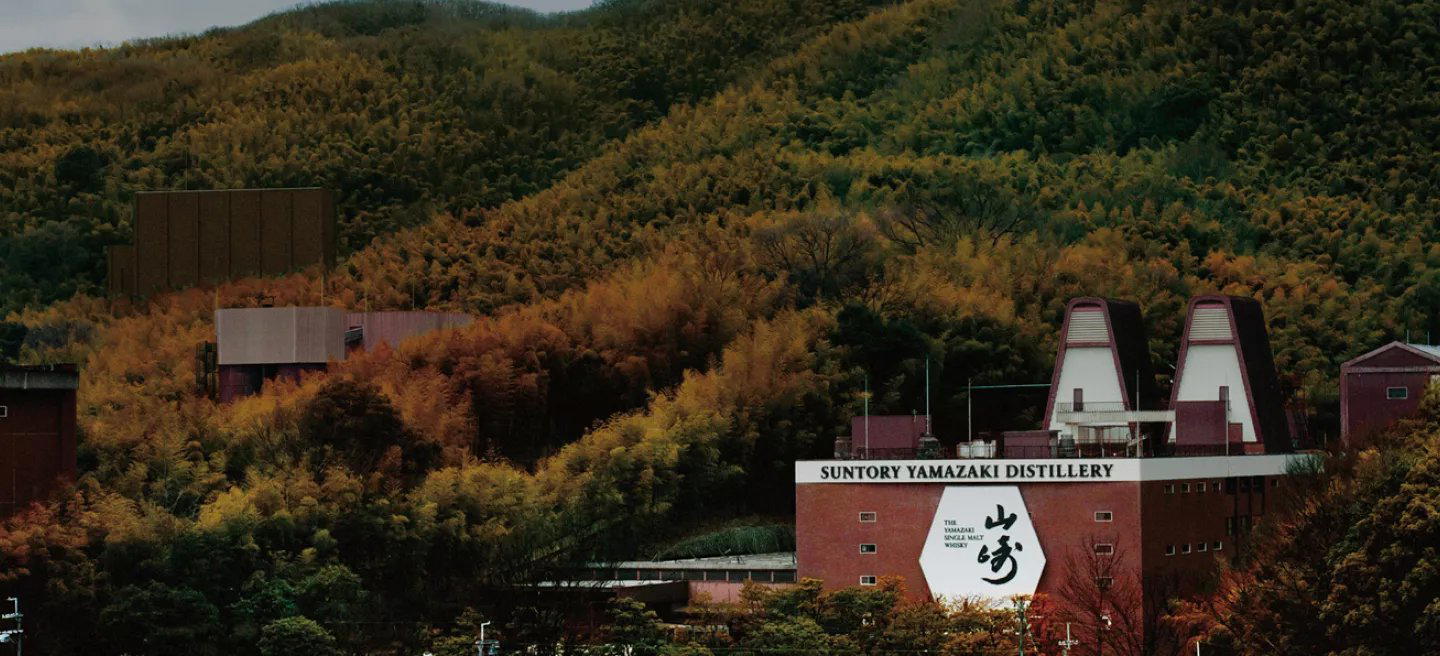
At a Glance
- Intimate
- Elegant
- Sophisticated
- Minimalist
- Date Night
- Special Occasion
- Chefs Counter
- Byob
Hushed and focused atmosphere with precise, cleanly composed plating in an open kitchen setting.