Situated in Osaka's Nakazaki-cho neighbourhood, 三休中茶 新ぐ occupies a quiet residential pocket of Kita Ward that sits apart from the city's louder dining corridors. The address alone signals an approach more attuned to the rhythms of the surrounding streets than to tourist-facing foot traffic. For visitors already oriented toward Osaka's considered dining culture, it belongs on the itinerary alongside the neighbourhood's other low-profile addresses.
 Discover on Pearl
Pearl is the En Primeur Club membership app — saves, bookings, and concierge access live there. Same editors, same standards.
- Address
- Japan, 〒530-0016 Osaka, Kita Ward, Nakazaki, 1 Chome−4−21 1F
- Phone
- +81674106334
- Website
- kamigata-shintani.com
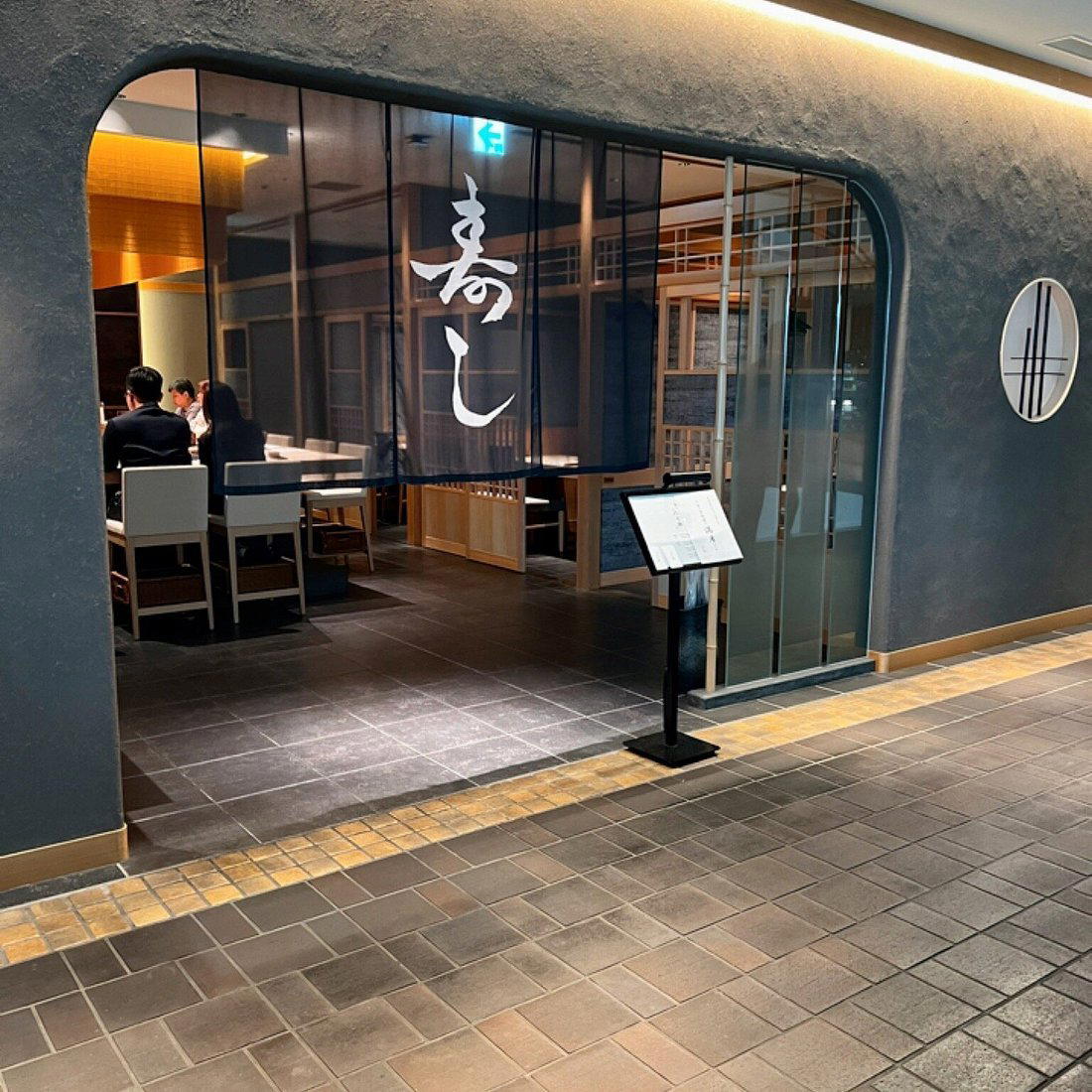
Nakazaki-cho and the Quiet Edge of Kita Ward
Osaka's reputation for eating is built on noise, generosity, and a certain joyful excess. But Kita Ward contains a counter-argument to that reputation, and it runs through Nakazaki-cho, the retro shotengai district that spills out around a cluster of early Showa-era townhouses north of Umeda. The streets here are narrow and largely residential. Coffee shops and small galleries occupy renovated machiya that elsewhere in Japan would have been demolished. The district draws a younger, locally rooted crowd, and the dining addresses it hosts tend to reflect that: lower-profile, less reliant on signage, more dependent on word-of-mouth and repeat custom than on walk-in traffic.
上方中華 新瓊 sits at 1-4-21 Nakazaki, Kita Ward, on the ground floor of a building at the edge of this neighbourhood. That specific position matters. Nakazaki-cho is not a destination district in the way that Shinsaibashi or Namba are. Getting there requires intention, which means the room, when you reach it, tends to be filled with people who sought it out deliberately rather than those who wandered in from a nearby hotel.
Where This Address Sits in Osaka's Dining Spectrum
Osaka's full-service dining scene divides broadly into three tiers. At one end, Michelin-flagged kaiseki counters and long-established kappo houses occupy a premium bracket where booking windows stretch months ahead and the per-head spend reflects generational reputation. Addresses like Ajikitcho Bunbuan and HAJIME operate in that territory. At the other end, the city's izakayas, standing bars, and street-food operators represent the accessible, high-volume version of Osaka eating that most visitors encounter first.
Between those poles sits a third category: neighbourhood-rooted addresses that attract a local following without the formal infrastructure of a destination restaurant. These places are harder to research in advance, rarely surface in international press, and often carry no English-language web presence. 三休中茶 新ぐ belongs to that middle register, as does nearby Ajihei Sonezaki. The category demands a different kind of visitor: one willing to engage with less legible booking logistics in exchange for a more locally embedded experience.
Across Osaka's broader Kita Ward dining geography, the contrast between neighbourhood-embedded addresses and destination-facing ones is pronounced. Compare the approach of Aka to Shiro or Calendrier, which operate within more legible formats, and the picture of what makes a place like 三休中茶 新ぐ structurally distinct becomes clearer.
The Nakazaki-cho Dining Pattern
Nakazaki-cho's dining character has been shaped by the same preservation instincts that kept its architecture intact. Landlords here held on to older buildings when surrounding blocks were redeveloped, and the result is a streetscape that attracted independent operators precisely because the rents and the atmosphere suited small, idiosyncratic businesses. The tea and café culture in the district reflects this: many addresses function across multiple purposes, serving as gathering spaces as much as food-and-drink destinations.
That pattern is relevant context for understanding what 三休中茶 新ぐ represents. The name itself references tea (中茶), and the address is consistent with the district's tradition of multi-register spaces that resist easy categorisation. Whether the format here leans toward a tea house, a light-meal café, or something that spans both is the kind of detail that becomes clear only on arrival, which is itself part of the Nakazaki-cho experience.
For comparison across the region, the neighbourhood-embedded dining format appears in other Japanese cities too. Gion Sasaki in Kyoto and akordu in Nara both operate in residential or culturally specific zones where the address itself carries meaning beyond the food. The dynamic is different from the visibility-first positioning of, say, Le Bernardin in New York City or Atomix in New York City, where institutional recognition is part of the product. In Japan's neighbourhood-rooted tier, the inverse often holds: the lower the profile, the more deliberate the clientele.
Getting There and Planning the Visit
The Nakazaki-cho address is accessible from Tenjimbashisuji Rokuchome Station on the Tanimachi and Sakaisuji lines, or on foot from Umeda, roughly fifteen minutes north through the shotengai covered arcade. The neighbourhood is compact enough to combine with other Kita Ward addresses in a single evening or afternoon. Az is one such address in the broader ward that sits in a comparable neighbourhood register.
The most reliable approach is to visit in person or to ask locally oriented accommodation to make an inquiry on your behalf. Arriving at the start of service is generally more reliable than attempting a late-evening visit without confirmed availability.
Harutaka in Tokyo offers a different model, where low-profile positioning coexists with sustained critical recognition.
Just the Basics
Comparable venues nearby, for context on price, style, and recognition.
| Venue | Cuisine | Price |
|---|---|---|
| 上方中華 新瓊This venue — the venue you are viewing | Kita, Chinese | , |
| ä¼è¦çº æ «å±± | Chūō, Traditional Japanese Restaurant | , |
| Yakiniku Rikimaru Sennichimae | Chūō, All-You-Can-Eat Yakiniku | $$ |
| Az | Kita, Japanese Teppanyaki Steakhouse | , |
| Gojoya | Chūō, Fusion Kushikatsu Omakase | $$ |
| Pizzeria da Tigre | Nishi, Authentic Neapolitan Pizza | $$ |
Continue exploring
More in Osaka Shi
Restaurants in Osaka Shi
Browse all →



Bars in Osaka Shi
Browse all →

Hotels in Osaka Shi
Browse all →



Wineries in Osaka Shi
Browse all →
At a Glance
intimate and classic